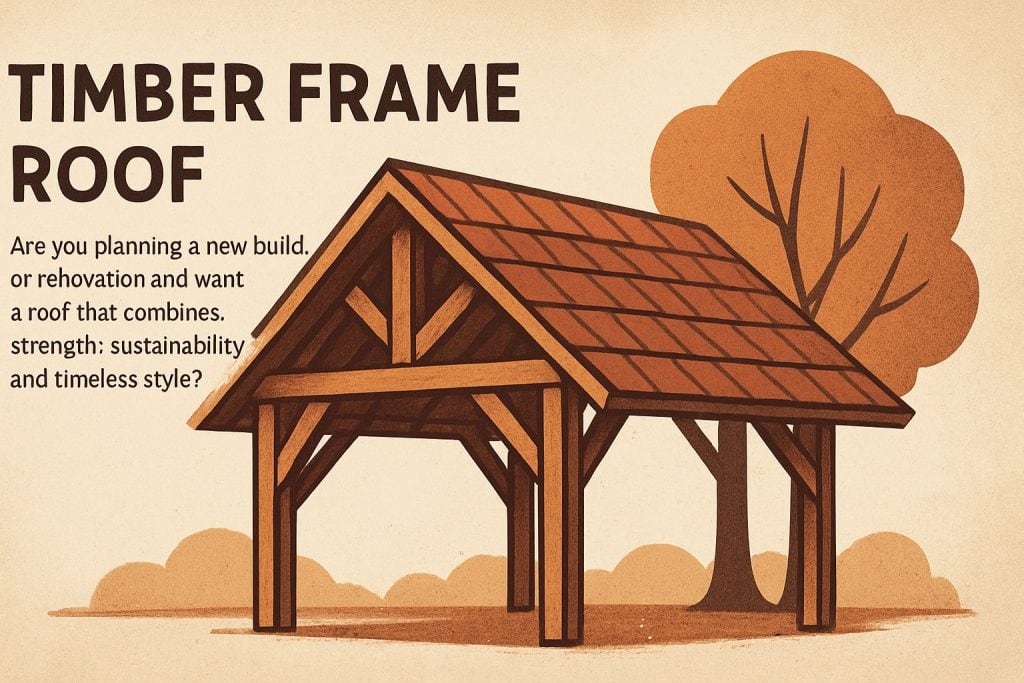
Are you dreaming of a home that blends enduring strength, sustainability, and classic beauty? If you are considering a timber frame roof for your next build or renovation, you are not alone.
This essential handbook will guide you through every step, demystifying timber frame roof construction and empowering you to make smart choices for your 2026 project.
We will break down the basics, explore innovative design and material options, explain regulations and planning, walk through the construction process, share maintenance tips, and reveal future trends. Let timber’s timeless appeal inspire your vision and help you build with confidence.
Timber Frame Roof Fundamentals: What You Need to Know
Choosing the right timber frame roof for your project starts with understanding its unique qualities. Unlike conventional roofs that use steel or trussed rafters, timber frame roofs rely on solid, exposed timber elements to form a structural skeleton. These roofs have roots in medieval Britain, where oak-framed barns and halls set a standard for strength and elegance. Today, you’ll find timber frame roofs in striking barn conversions, eco-homes, and contemporary self-builds across the UK.
Defining Timber Frame Roofs
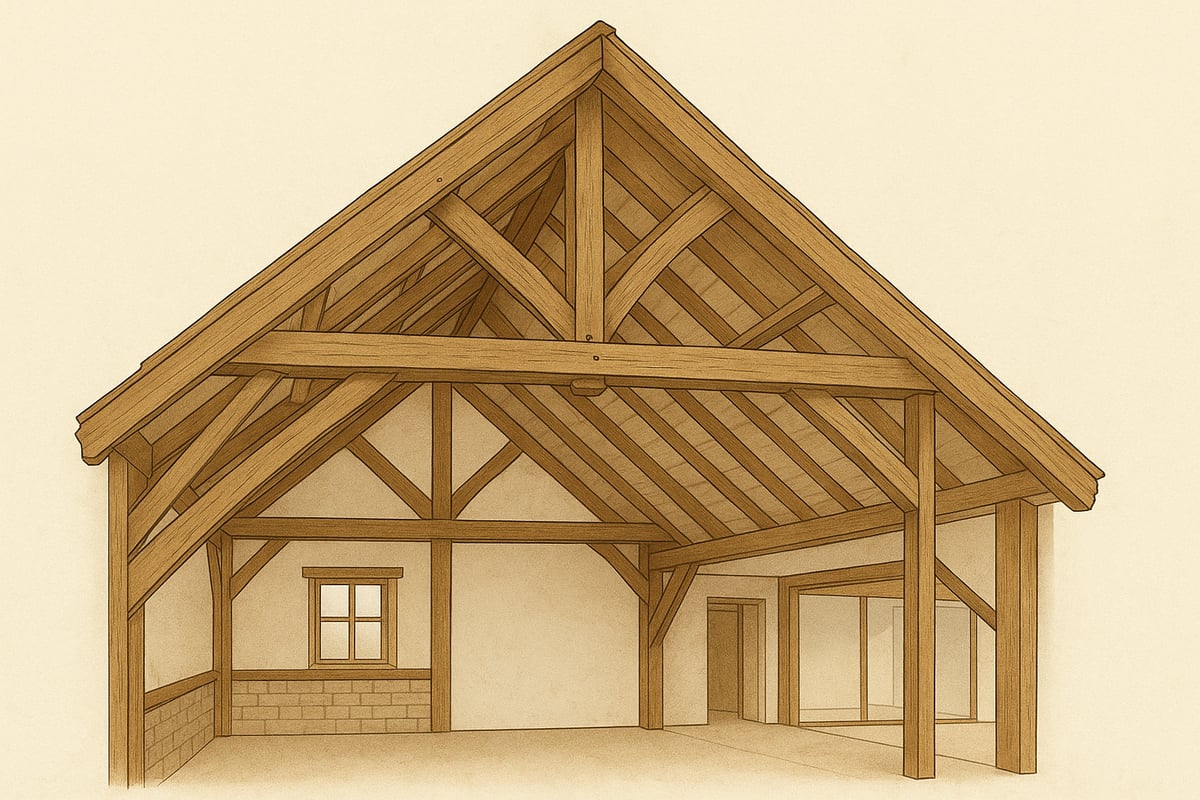
A timber frame roof stands apart from typical roofs thanks to its core elements. The main components include principal rafters, purlins, tie beams, and king posts. These work together to bear heavy loads efficiently, creating open, airy spaces without the need for bulky internal walls. For a detailed look at these structural parts, visit the Timber frame truss guide.
Timber frame roofs have evolved from the grand halls of Tudor England to the sleek, energy-efficient homes of today. You’ll spot them in various forms, such as gable, hip, barn, and mono-pitch roofs. Oak-framed barn conversions are especially popular in rural Britain, blending traditional charm with modern performance. The timber frame roof market now accounts for around a quarter of all new builds in the UK, especially among self-build and restoration enthusiasts.
| Key Components | Function |
|---|---|
| Principal Rafters | Main sloping supports |
| Purlins | Horizontal members for strength |
| Tie Beams | Prevent outward spread |
| King Posts | Central vertical supports |
Benefits of Timber Frame Roof Construction
A timber frame roof offers a compelling mix of strength, versatility, and sustainability. Its strength-to-weight ratio surpasses that of masonry, making it ideal for wide, open-plan living spaces. Homeowners also benefit from natural insulation, which helps regulate indoor temperatures and reduce energy bills.
Sustainability is a key advantage. Using responsibly sourced timber, such as FSC or PEFC-certified oak, supports eco-friendly construction. With proper care, a timber frame roof can last centuries—many historic oak roofs in Britain are still going strong after 300 years.
A recent study showed that timber frame roofs now make up approximately 25% of new build homes in the UK, a testament to their growing appeal. One standout example is the restoration of listed buildings, where a timber frame roof preserves heritage while meeting modern standards for energy efficiency and comfort.
- Superior strength-to-weight ratio
- Flexible, open-plan design possibilities
- Excellent thermal performance
- Longevity with minimal environmental impact
Common Myths and Misconceptions
Despite their many benefits, timber frame roof systems are sometimes misunderstood. One common myth is that timber performs poorly in fires, but modern treatments and design strategies allow timber to match or even exceed the fire resistance of steel. Maintenance concerns are often overstated, as routine inspections and protective finishes keep timber frame roofs in top condition.
Cost comparisons can be misleading. While upfront expenses for a timber frame roof may be higher than trussed or steel alternatives, the long-term savings on energy and maintenance are significant. Concerns about pests and rot are addressed with advanced timber treatments and proper ventilation. Insurance premiums for timber frame homes are typically competitive, reflecting the reliability of today’s construction standards.
Knowledge is your best tool—understanding the facts behind timber frame roof construction will help you make informed, confident choices for your next project.
Design Choices and Material Selection for 2026
Selecting the right design and materials for your timber frame roof is a pivotal decision. With the range of options available for 2026, understanding the strengths and applications of each choice is essential for achieving a durable, stylish, and sustainable result.
Popular Timber Species and Their Properties
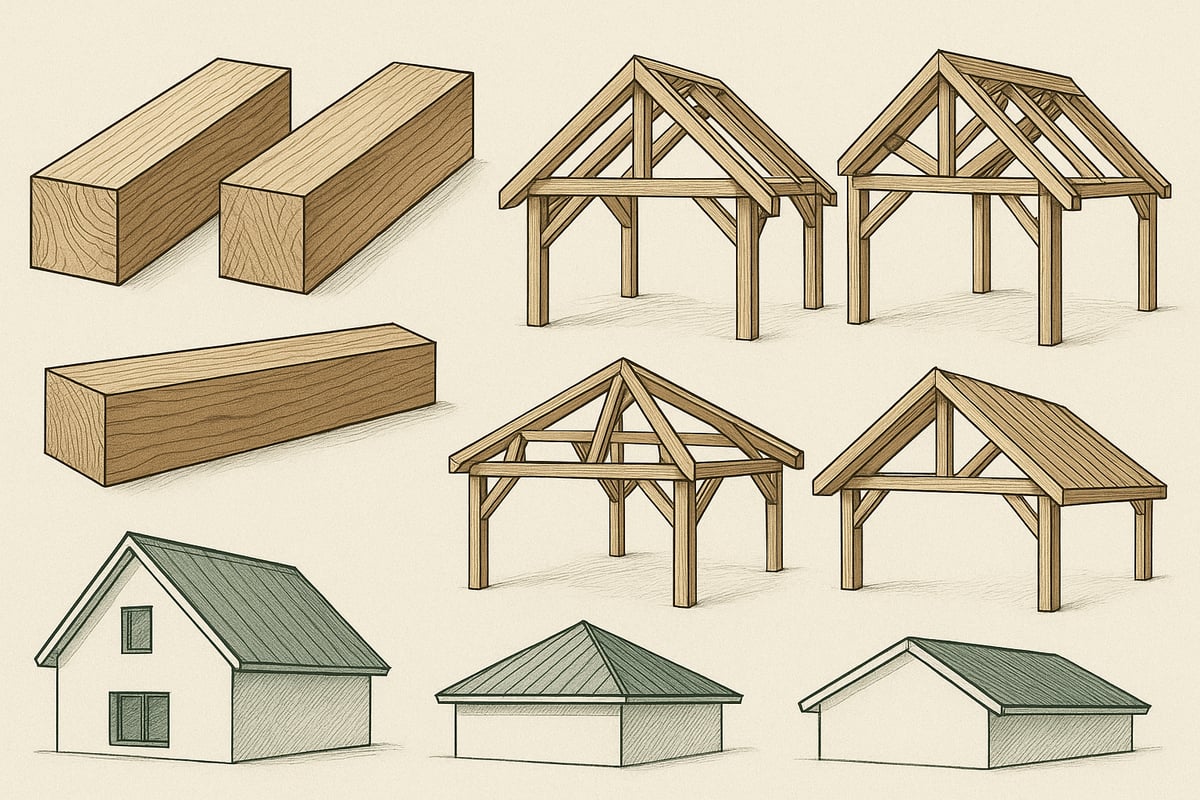
Your timber frame roof’s longevity and character start with species selection. Oak remains a classic choice, prized for its durability and striking grain. Its high density ensures structural integrity, and when sourced responsibly, oak can last centuries. Douglas fir offers a lighter alternative, yet retains impressive strength, making it popular for contemporary builds requiring longer spans.
Larch is valued for its natural resistance to decay, while glulam beams, made by laminating smaller timber sections, bring strength and design flexibility to modern projects. Sustainability is now a central consideration, with many opting for FSC or PEFC-certified timber from local sources.
Let’s compare two leading options:
| Species | Durability | Appearance | Cost | Common Use |
|---|---|---|---|---|
| Oak | Excellent | Rich, prominent | Higher | Barns, listed homes |
| Douglas fir | Very good | Pale, subtle | Moderate | Urban extensions |
For a deeper dive into the timeless appeal and performance of oak, see this oak-framed homes inspiration.
Modern vs. Traditional Timber Framing Techniques
The construction of a timber frame roof has evolved, balancing heritage and innovation. Traditional mortise and tenon joinery, secured with hardwood pegs, offers strength and a distinctive hand-crafted appearance. These visible joints often become a focal point in vaulted ceilings and open-plan interiors.
Modern methods include the use of steel connectors and hybrid systems, which allow greater design flexibility and can accommodate complex architectural forms. Prefabricated frames, cut with CNC precision, streamline on-site assembly, reducing build times and waste. Integrating insulation and airtight membranes within the frame ensures energy efficiency without sacrificing the visual appeal of exposed beams.
When choosing between these techniques, consider the desired aesthetic, performance requirements, and the character you want your timber frame roof to express.
Roof Shapes and Architectural Styles
Timber frame roof design is as much about form as function. Gable roofs are timeless, offering efficient water run-off and a simple, elegant profile. Hip roofs, with slopes on all sides, provide extra stability in exposed locations and suit both traditional and modern homes.
Barn roofs (or gambrel) maximise loft space, making them ideal for conversions and rural settings. Mono-pitch roofs are a contemporary trend, often chosen for extensions or eco-homes seeking a minimalist aesthetic. The choice of shape should reflect both the property’s architectural context and your own vision.
For example, a modern oak-framed extension with a mono-pitch timber frame roof can offer dramatic light-filled interiors while harmonising with existing structures.
Innovations in Timber Frame Roof Design for 2026
The future of timber frame roof construction is driven by engineered products and smart technologies. Cross-laminated timber (CLT) panels boost structural capacity and allow for large, uninterrupted spans. Smart roof systems integrate solar panels and green roofs, supporting energy efficiency and biodiversity.
Digital design tools, such as BIM and 3D modelling, enable precise customisation and visualisation before construction begins. Offsite manufacturing is set to expand, with modular timber frame roof panels offering rapid installation and consistent quality. By 2026, offsite timber construction is expected to grow by 30 percent, making it a leading choice for urban developments.
Innovative approaches are making the timber frame roof not just a feature of the past, but a forward-thinking solution for new builds and renovations.
Planning, Regulations, and Cost Considerations
Whether you are embarking on a new build or restoring a heritage property, careful planning is essential for a successful timber frame roof project. Understanding regulations, budgeting wisely, and choosing experienced professionals will ensure your investment stands the test of time.
Navigating UK Building Regulations and Planning Permission
Every timber frame roof must comply with UK building regulations to ensure safety, durability, and energy efficiency. The main requirements relate to structural stability, fire safety, and thermal performance. For structural safety, consult Approved Document A: Structural Safety as it covers essential load-bearing standards for timber frame roof designs.
If your project involves a listed building or is located within a conservation area, additional permissions and materials specifications may apply. Early engagement with your local planning authority can save time and prevent costly changes later. Expect to demonstrate compliance with Part L (energy efficiency) and Part A (structure), both of which influence material choice and insulation strategy for your timber frame roof.
For rural settings, planning approval often considers visual impact and use of traditional materials. Submitting detailed plans and engineering calculations will streamline the process. With the right preparation, most timber frame roof projects progress smoothly through approval.
Budgeting for a Timber Frame Roof Project
Budgeting for a timber frame roof requires careful consideration of several factors. Core costs include high-quality timber, specialist labour, design fees, and installation expenses. Compared to conventional trussed or steel-framed roofs, a timber frame roof can offer better long-term value, especially in terms of energy savings and lifespan.
Typical cost breakdown:
- Materials (timber, fixings, membranes)
- Skilled labour (framers, carpenters)
- Design and engineering
- Site preparation and installation
For example, a small oak-framed garage may cost around £250-£350 per m², while a large residential timber frame roof could range from £400-£600 per m². Prices depend on timber species, roof complexity, and location. Investing in a timber frame roof can also enhance property value, particularly for bespoke designs and eco-friendly builds.
Working with Professionals: Architects, Designers, and Framers
Selecting the right professionals is vital for a successful timber frame roof. Architects and designers with timber frame expertise help translate your vision into structurally sound, beautiful spaces. Structural engineers ensure your roof meets all safety and performance standards.
When choosing a supplier or contractor, look for proven experience with timber frame roof construction. Ask for references, review portfolios, and confirm accreditations. Collaboration between architect, engineer, and framer is key to achieving the best results, especially for custom or complex projects.
A well-coordinated team will manage design, sourcing, and installation efficiently. Their experience can help you avoid pitfalls, optimise costs, and ensure your timber frame roof meets both regulatory and aesthetic requirements.
Acorn to Oak Framing: Your Local Timber Frame Experts
Working with a specialist like Acorn to Oak Framing brings added confidence to your timber frame roof project. Their team combines traditional craftsmanship with modern design, offering bespoke solutions from garages to full house frames.
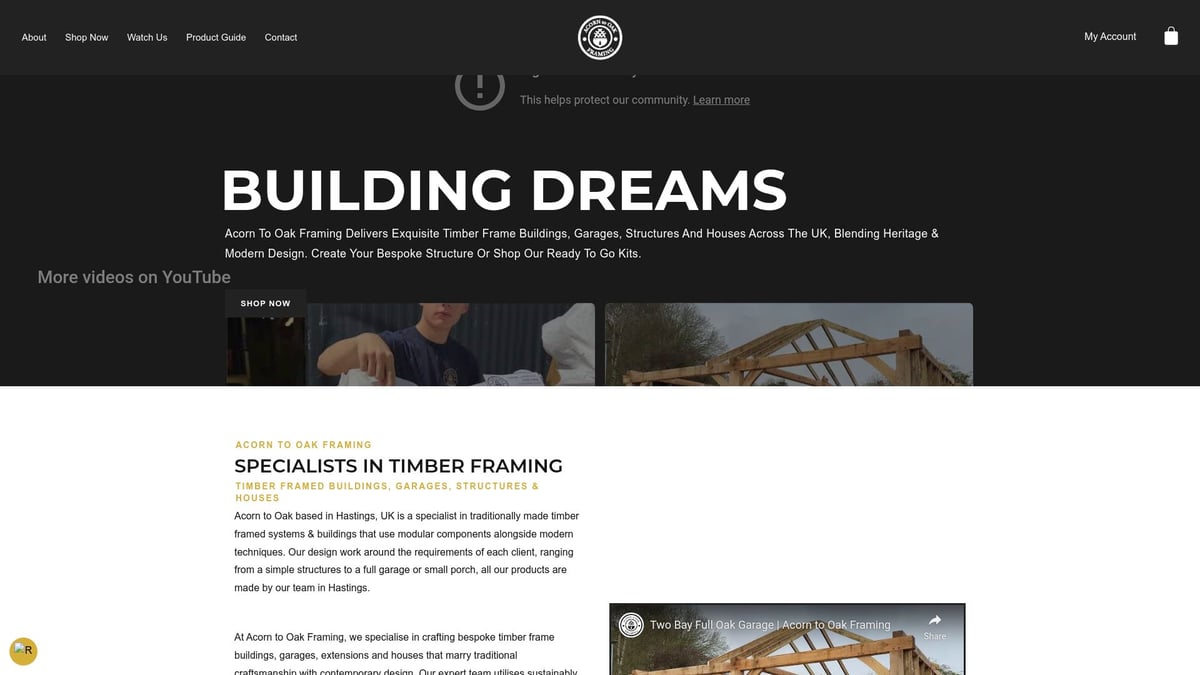
Acorn to Oak Framing uses sustainably sourced oak and ensures every timber frame roof meets UK regulations. Their services range from design and ready-to-assemble kits to full consultation and project management. Homeowners benefit from tailored advice, quality assurance, and support throughout the build process.
With a strong track record across the UK, Acorn to Oak Framing delivers timber frame roof projects that blend heritage with innovation, ensuring your investment is secure for generations.
Timber Frame Roof Construction: Step-by-Step Process
Embarking on a timber frame roof project requires careful planning and a methodical approach. Understanding each construction stage helps ensure a durable, beautiful result. Let us walk through the essential steps, from initial design to final inspection, so you can approach your timber frame roof build with confidence.
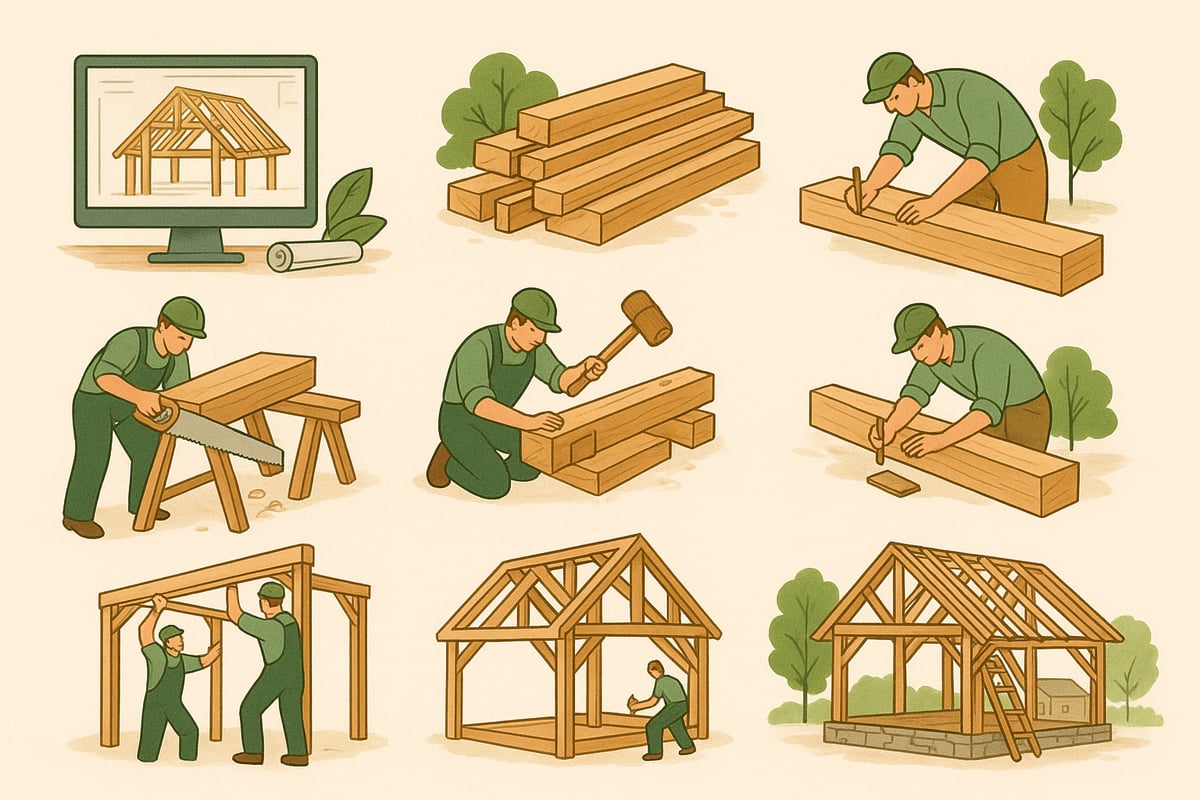
Step 1: Design and Engineering
Every successful timber frame roof starts with precise design. The process begins with a thorough site survey and accurate measurements. Structural engineers calculate roof loads, considering factors like wind, snow, and the intended use of the space.
Modern digital modelling tools, such as 3D CAD, allow designers to visualise complex roof shapes and spot potential issues early. This step is crucial for ensuring the timber frame roof meets both aesthetic and structural goals. For a deeper dive into the full process, see the framed home construction process for practical insights.
Design choices made at this stage impact everything downstream, from timber selection to installation.
Step 2: Timber Selection and Preparation
Choosing the right timber is fundamental for a lasting timber frame roof. Oak is a popular choice for its strength and character, while Douglas fir offers a lighter, cost-effective alternative. The timber must be graded for structural use, then seasoned or treated to prevent decay.
Sourcing certified timber from reputable suppliers is essential. Preparation includes cutting beams to length and applying treatments to safeguard against pests and moisture. For rural homes, green oak is often selected for its workability and traditional appeal.
Properly prepared timber ensures the frame will withstand the test of time and the demands of the UK climate.
Step 3: Fabrication of Frame Components
With the design finalised and timber prepared, skilled craftspeople fabricate the main components of the timber frame roof. Traditional joinery, such as mortise and tenon or pegged joints, is used for authenticity and strength.
Increasingly, CNC machinery is employed for precision cutting, ensuring each component fits perfectly. In many cases, pre-assembly is done in the workshop to check alignment and quality before transport.
An example is the handcrafted king post truss, which often becomes a centrepiece in open-plan living spaces. This step guarantees the structural integrity and visual appeal of the finished roof.
Step 4: Site Preparation and Foundations
A solid foundation is critical for any timber frame roof project. Site preparation begins with groundworks, including excavation and the installation of concrete pads or strip footings.
Setting out anchor points for the frame ensures accurate placement when assembly begins. Builders must confirm that the base is level and stable, as even minor discrepancies can affect the entire structure.
Attention to these details at the outset helps prevent costly adjustments later and supports the longevity of the timber frame roof.
Step 5: Frame Erection and Assembly
Once the site is ready, the main timbers are delivered and assembly begins. Large components, such as principal rafters and ridge beams, may require cranes or specialised lifting equipment. The erection process follows a careful sequence, raising and connecting each part in turn.
Temporary bracing and regular alignment checks are vital for safety and accuracy. Watching a timber frame roof being raised is impressive, especially in time-lapse, as the structure swiftly takes shape.
Teamwork and skilled handling at this stage ensure the frame is secure and true to the original design.
Step 6: Roofing and Weatherproofing
With the timber frame roof erected, the next step is to protect it from the elements. Sarking boards and breathable membranes are installed over the frame, followed by counter-battens and battens to create ventilation and support the final covering.
Insulation is added to improve energy efficiency, then tiles or slates are fixed in place. Increasingly, solar panels are integrated at this stage, providing renewable energy without compromising the roof’s appearance.
This combination of traditional craftsmanship and modern technology ensures the roof is both robust and future-ready.
Step 7: Finishing Touches and Inspection
The final phase involves attention to detail. Joiners complete decorative elements, such as exposed beams or vaulted ceilings, which highlight the beauty of the timber frame roof. All work is reviewed for quality, and building control officers carry out inspections to confirm compliance.
A thorough inspection checks structural connections, weatherproofing, and finish. Only after sign-off is the project complete, ready for decades of service and enjoyment.
With regular maintenance, your timber frame roof will stand strong for generations, blending architectural tradition with modern performance.
Maintenance, Longevity, and Troubleshooting
Caring for your timber frame roof is essential for protecting your investment and ensuring the structure stands the test of time. With regular upkeep and a proactive approach, you can enjoy the unique character and performance of your roof for generations.
Maintaining Your Timber Frame Roof
A timber frame roof requires a straightforward but consistent maintenance routine. Begin with a visual inspection twice a year, especially after harsh weather. Look for signs of water ingress, damaged tiles, or movement in the exposed timber.
Clean gutters and downpipes regularly to prevent water pooling near timber elements. Treat any exposed wood with a suitable preservative, focusing on areas prone to moisture. Modern treatments and finishes can significantly reduce the risk of rot or insect attack, making today's timber frame roof much more resilient than older examples.
For reference, here’s a simple annual maintenance checklist:
- Inspect all visible beams for cracks, splits, or movement.
- Check for signs of condensation or damp patches.
- Ensure all fixings and connectors are secure.
- Clean and repair roof coverings as needed.
By following these steps, you can help your timber frame roof retain its strength and beauty.
Addressing Common Issues
Even with diligent care, issues can arise. Woodworm, fungal decay, and minor splits are the most frequent challenges. Early identification is key to preventing costly repairs. If you spot powdery residue, small holes, or soft patches, consult a specialist promptly.
Repairing minor shakes and splits can often be managed with filler and sealant. For more significant concerns, such as movement or compromised joints, professional intervention is advised. Upgrading insulation or installing modern membranes can further improve the roof’s energy efficiency and longevity. For insights into contemporary solutions, see this timber-framed panels overview which explores innovative approaches to modern roof construction.
It’s also important to address concerns around fire safety. Contrary to common myths, a well-constructed timber frame roof can perform comparably to steel in fire scenarios, especially when built in line with fire safety regulations.
Longevity: How Long Will a Timber Frame Roof Last?
A timber frame roof is renowned for its durability. Oak frames, when properly maintained, can last 300 years or more. Softwood frames typically offer 60 to 100 years of service, depending on exposure and care.
Key factors influencing lifespan include:
| Factor | Impact on Longevity |
|---|---|
| Timber species | Oak lasts centuries, softwoods less |
| Design & detailing | Good drainage prevents moisture issues |
| Maintenance | Regular care extends life |
| Exposure | Sheltered locations fare better |
Historic examples abound in the UK, with medieval timber roofs still in active use today. This legacy demonstrates the remarkable staying power of the timber frame roof when built and maintained to high standards.
When to Seek Professional Help
Certain situations call for expert assessment. Signs of structural movement, sagging, or persistent damp patches should never be ignored. In these cases, engaging a qualified timber frame specialist is crucial for both safety and insurance compliance.
When restoring a listed property or dealing with significant damage, look for contractors accredited in heritage timber repairs. They can guide you through the process, ensuring repairs meet regulatory requirements and preserve your timber frame roof’s integrity.
If you encounter complex issues, do not hesitate to seek professional advice. A collaborative approach helps safeguard your home’s character and value for years to come.
Timber Frame Roof Trends and Innovations for 2026
The timber frame roof landscape in the UK is evolving rapidly, driven by sustainability, smart technology, and a blend of traditional and modern design. If you are planning a project for 2026, understanding these trends will help you make informed choices and future-proof your investment. Let us explore the latest innovations shaping the future of timber frame roof construction.
Sustainability and Eco-Friendly Practices
Sustainability sits at the heart of timber frame roof advancements. Modern projects increasingly use FSC or PEFC-certified timber, ensuring responsible forestry and minimal environmental impact. Carbon-neutral construction methods are gaining momentum, with many builders opting for reclaimed or recycled timber to reduce embodied carbon.
Green roofs and biodiversity features are now common, supporting pollinators and enhancing insulation. The timber frame roof offers significant carbon savings compared to steel or concrete systems. Studies show that timber construction can reduce carbon emissions by up to 75 percent compared to traditional methods.
Homeowners are also prioritising lifecycle sustainability. A well-maintained timber frame roof can last centuries, creating a legacy of environmental stewardship. This focus on eco-friendly practice is shaping the market and inspiring new regulations for 2026.
Smart Roofs and Modern Technologies
Timber frame roof design is embracing smart technologies, making homes more efficient and responsive. Solar-ready roof systems are engineered to integrate photovoltaic panels seamlessly, combining renewable energy with classic style. Some projects include rainwater harvesting solutions, capturing runoff for garden or greywater use.
Home automation is on the rise, with sensors monitoring the health of the timber frame roof. These systems can detect moisture, track temperature, and alert owners to maintenance needs before issues escalate. New oak-framed homes in the UK often feature such innovations, supporting both comfort and longevity.
The convergence of smart technologies and traditional timber framing is creating buildings that are both beautiful and intelligent. This trend is expected to accelerate, setting new standards for quality and performance.
Prefabrication and Modular Construction
Prefabrication is transforming how timber frame roof structures are built. Offsite manufacturing ensures precision, quality control, and faster assembly on site. Modular roof panels can be tailored to exact specifications, reducing waste and labour costs.
Industry forecasts suggest that offsite timber frame construction will grow by 30 percent by 2026, driven by demand for efficient, high-quality builds. Large-scale modular timber roof projects are appearing in urban housing developments, demonstrating speed and scalability.
For a detailed look at how offsite manufacturing and energy efficiency are reshaping the sector, see the Timber Frame Construction Trends 2025 guide. Prefabrication is not only boosting productivity but also enhancing the sustainability of every timber frame roof.
Architectural Trends and Customisation
Architectural trends in timber frame roof design are moving towards open-plan interiors and dramatic vaulted ceilings. Homeowners and architects are blending traditional oak frames with contemporary elements like glass walls and steel details for a striking effect.
Bespoke design is in high demand. From barn conversions to modern garden rooms, every timber frame roof can be tailored to suit individual preferences and planning contexts. Award-winning projects frequently showcase unique combinations of materials, shapes, and finishes.
Customisation extends to finishes, with options for exposed beams, integrated lighting, and innovative insulation. This flexibility is a key reason why the timber frame roof remains a preferred choice for both restorations and new builds.
The Future of Timber Frame Roofs in the UK
The future of the timber frame roof in the UK looks promising, shaped by policy support and industry innovation. Government incentives are promoting the use of timber in construction, driving investment in skills training and sustainable practices.
According to the Timber in Construction Roadmap 2025, there is a strategic plan to increase timber use across public and private sectors. This roadmap highlights the importance of sustainable sourcing, modern building techniques, and greater adoption of digital tools.
Anticipated innovations include advanced engineered timber products, greater integration of smart systems, and new approaches to design. Public buildings are increasingly opting for timber frame roof systems, reflecting a national commitment to sustainability.
The timber frame roof will continue to evolve, offering strength, efficiency, and timeless appeal for generations to come. For those planning new projects, staying informed about these trends will ensure your investment stands the test of time.
As you look ahead to your 2026 project, you now have the essentials to make confident choices about timber frame roofs—whether you value sustainability, timeless design, or the unmatched strength of oak. If you’re ready to bring your vision to life with a bespoke structure crafted by experts who blend traditional skill with modern innovation, let’s get started together. Explore how Acorn to Oak Framing can elevate your home or project with a tailored approach, quality materials, and full support every step of the way.
BUILD NOW


