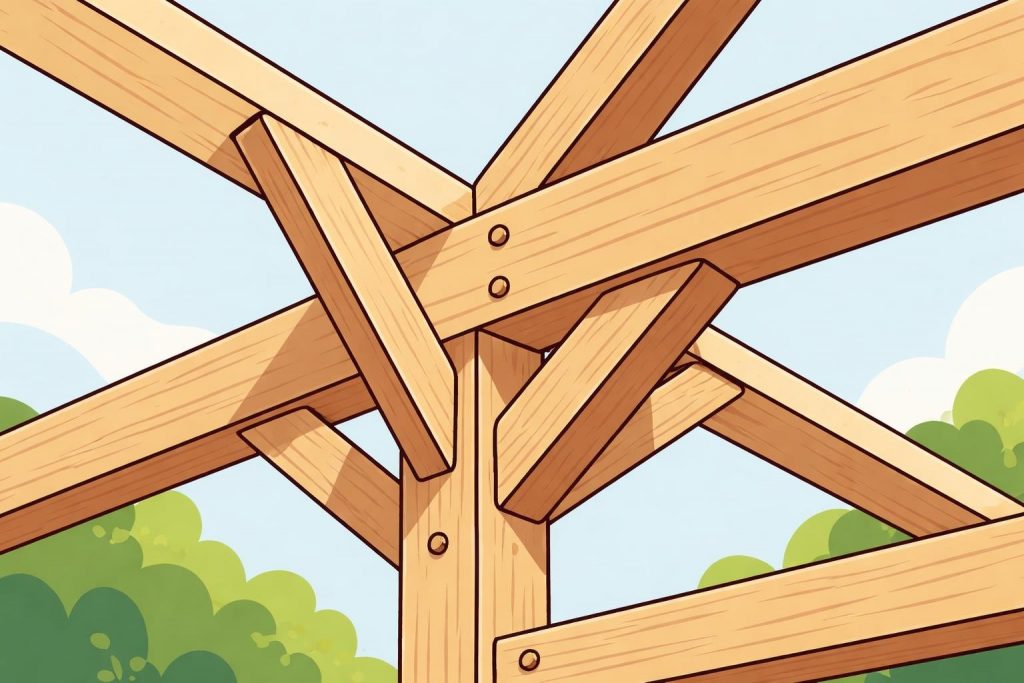
Understanding timber frame structure detail is essential for anyone considering a traditional oak building project. The intricacies of how timber members connect, support loads, and create lasting structures have evolved over centuries, yet the fundamental principles remain rooted in craftsmanship and engineering excellence. Whether you're planning a garage, garden room, or complete house, knowing the structural details ensures your investment delivers both aesthetic beauty and structural integrity for generations to come.
Essential Components of Timber Frame Structures
The foundation of any timber frame building lies in understanding its primary structural elements. Each component serves a specific purpose, working in harmony to distribute loads, provide stability, and create the characteristic appearance of traditional timber framing.
Principal posts form the vertical supports, typically positioned at bay divisions and corners. These substantial oak timbers carry the majority of vertical loads from the roof structure down to the foundation. The cross-sectional dimensions vary based on span requirements and loading conditions, with typical sections ranging from 150mm x 150mm to 200mm x 200mm for residential applications.
Wall Plate and Tie Beam Connections
The wall plate runs continuously along the top of the frame walls, providing a critical connection point for roof members. This horizontal timber distributes roof loads across multiple posts whilst creating a level platform for rafter installation. The timber frame structure detail at this junction requires precise joinery to ensure structural continuity and weather-tightness.
Tie beams span between opposing wall plates, preventing the roof structure from spreading outward under load. These members experience significant tensile forces, particularly in wider buildings where roof thrust increases substantially. The connection between tie beams and wall plates represents one of the most critical aspects of traditional timber framing, often utilizing through-tenons secured with oak pegs.
Joinery Methods and Connection Details
Selecting appropriate joinery methods directly impacts the structural performance and longevity of timber frame buildings. Traditional connections rely on carefully crafted joints that have proven their effectiveness over centuries of use.
Mortise and Tenon Joints
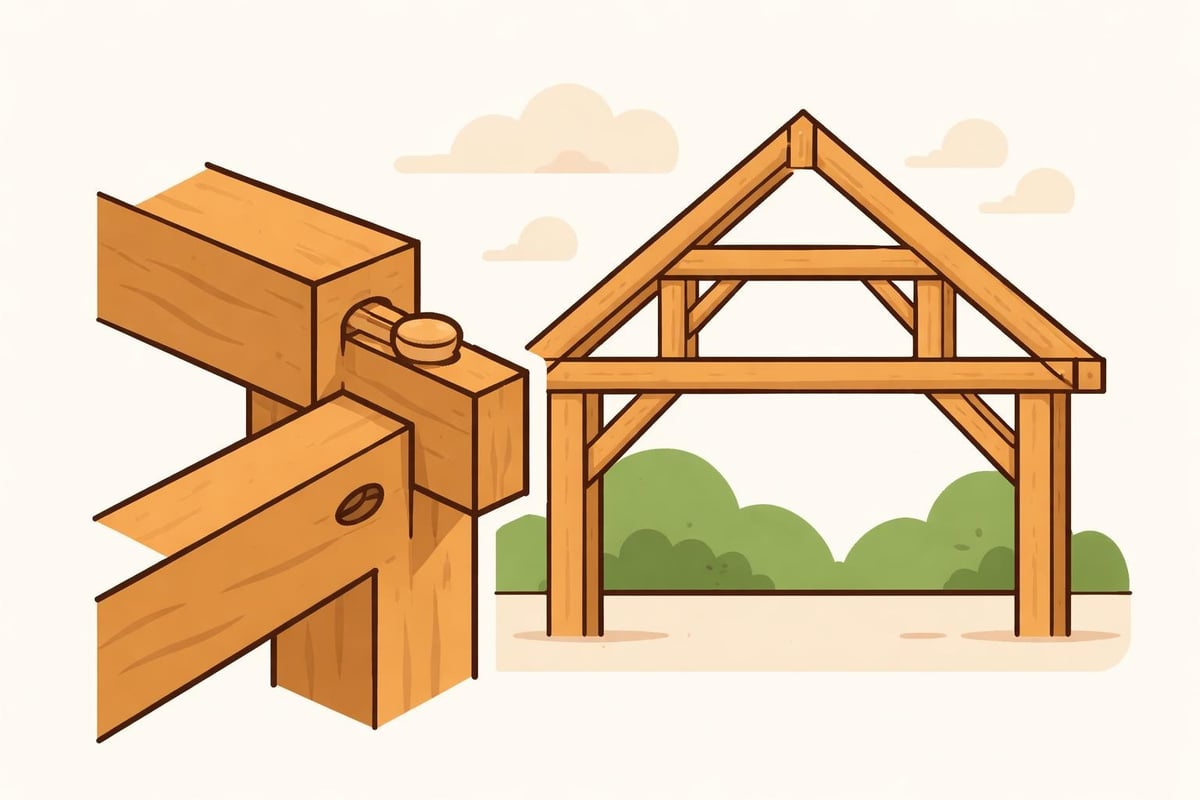
The mortise and tenon joint remains the cornerstone of timber frame construction. This connection method creates a mechanical interlock between members, with the tenon (protruding section) fitting precisely into the mortise (rectangular cavity). The timber frame structure detail at these junctions requires exacting tolerances, typically within 1-2mm, to ensure proper load transfer whilst allowing for timber movement.
Key specifications for mortise and tenon joints include:
- Tenon thickness typically one-third the post width
- Tenon depth extending at least 75mm into the receiving member
- Clearance of 3-5mm at tenon end for seasonal movement
- Oak pegs positioned to lock the joint whilst allowing controlled movement
For those interested in the full range of connection methods, exploring various timber frame joints provides valuable insights into traditional and modern techniques.
Scarf Joints for Length Extensions
When continuous lengths exceed available timber dimensions, scarf joints allow multiple pieces to function as a single structural member. The bladed scarf joint, featuring complementary angled cuts, creates a strong connection capable of transmitting both tension and compression forces.
| Joint Type | Primary Use | Relative Strength | Complexity |
|---|---|---|---|
| Mortise & Tenon | Post-to-beam connections | Excellent | Moderate |
| Dovetail | Tie beam to wall plate | Very Good | High |
| Lap Joint | Secondary framing | Good | Low |
| Scarf Joint | Length extensions | Very Good | High |
Bracing Systems and Lateral Stability
Timber frames require comprehensive bracing to resist lateral loads from wind and potential seismic activity. The timber frame structure detail in bracing configurations determines the building's ability to withstand horizontal forces whilst maintaining its geometric stability.
Traditional Knee Braces
Knee braces connect posts to beams at approximately 45-degree angles, creating triangulated support that dramatically increases lateral stiffness. These diagonal members typically measure 100mm x 100mm to 150mm x 150mm, with their effectiveness dependent on proper connection angles and secure joinery.
The positioning of knee braces requires careful consideration. External braces remain visible, contributing to the characteristic aesthetic of exposed timber framing, whilst internal braces may be concealed within wall construction. Either approach provides structural benefit, though external bracing often proves more effective due to increased lever arms.
Wind Bracing Configurations
Modern building regulations mandate specific wind resistance capabilities. Achieving compliance involves:
- Calculating design wind loads based on building location and exposure
- Determining required bracing stiffness and strength
- Positioning braces to create load paths to foundation
- Verifying connection capacities at all joints
- Documenting calculations for building control approval
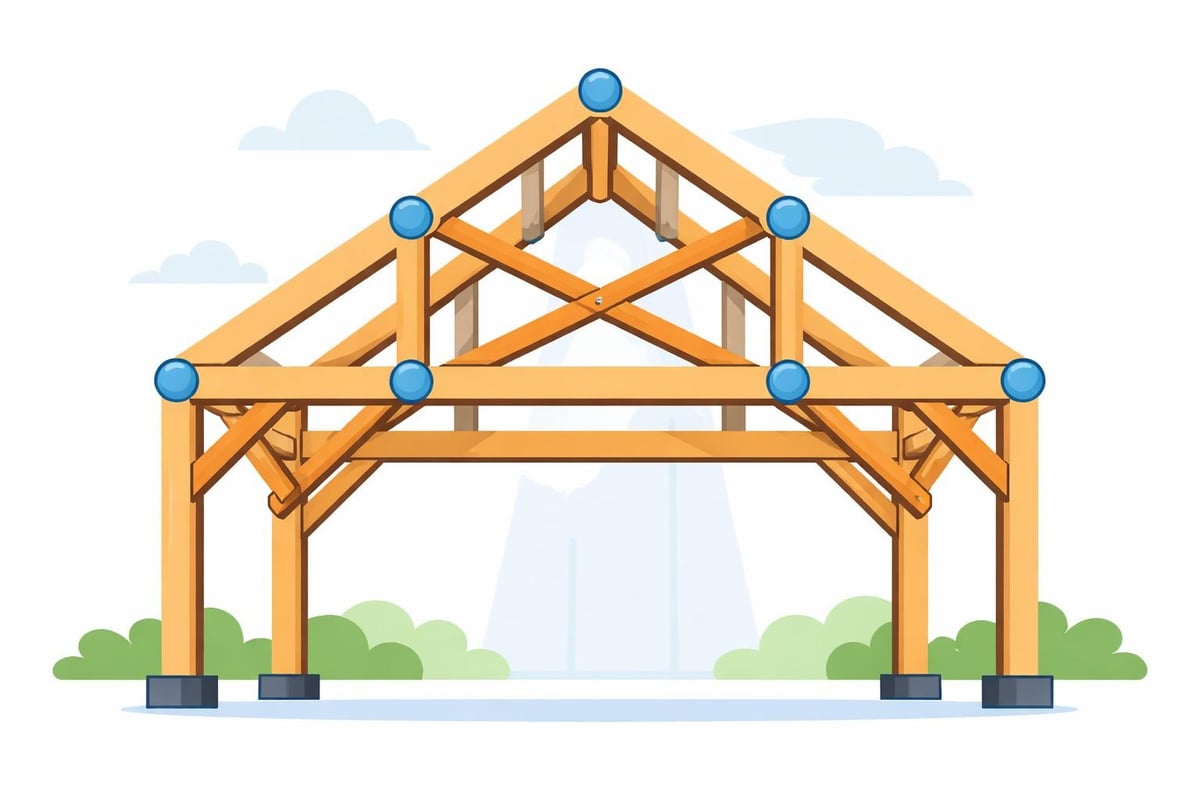
When properly designed, raised eaves buildings incorporate these bracing principles whilst maximizing usable internal space.
Foundation and Base Connection Details
The interface between timber frame and foundation represents a critical transition requiring careful detailing to protect timber whilst ensuring structural continuity. Moisture management at this junction directly influences the frame's longevity.
Base plate installation requires:
- Damp-proof membrane beneath all timber members
- Minimum 150mm clearance above finished ground level
- Appropriate fastening to concrete or masonry foundations
- Ventilation pathways to promote air circulation
The timber frame structure detail at ground level typically employs a substantial base plate or sill beam, secured to the foundation with anchor bolts or straps. This member distributes vertical loads whilst providing a fixing point for wall framing and floor joists. Understanding timber frame construction fundamentals helps clarify these essential connection requirements.
Roof Structure Integration
Roof framing connects to the primary frame through carefully detailed junctions that accommodate structural loads, thermal movement, and weather protection. The complexity of these connections varies with roof configuration, spanning simple gable designs to complex hip and valley arrangements.
Principal Rafter Connections
Principal rafters form the primary sloping members of the roof structure, typically aligning with posts in the wall frames below. The connection between rafter pairs at the apex requires precision joinery to ensure proper load distribution and geometric alignment.
Common apex connection methods include:
- Ridge beam with rafters tenoned into beam sides
- Rafter-to-rafter connections with ridge piece
- Collar ties positioned to resist outward thrust
- Purlin supports carrying common rafters between principals
Secondary Roof Framing
Between principal rafters, common rafters or trusses carry roof covering loads. The timber frame structure detail in this secondary framing often utilizes lighter timber sections, supported at regular intervals by purlins running parallel to the ridge. This arrangement creates efficient load paths whilst minimizing material usage.
| Roof Element | Typical Section | Spacing | Primary Function |
|---|---|---|---|
| Principal Rafter | 150mm x 75mm | Per bay | Main roof support |
| Common Rafter | 100mm x 50mm | 400-600mm | Roof covering support |
| Purlin | 150mm x 75mm | Mid-span | Common rafter support |
| Ridge Beam | 200mm x 100mm | Continuous | Apex connection |
Wall Infill and Weatherproofing
Once the structural frame stands complete, wall infill provides weather protection, thermal insulation, and aesthetic finish. The timber frame structure detail must accommodate various infill options whilst maintaining structural performance and allowing timber movement.
Traditional Infill Methods
Historically, oak frames featured wattle and daub, brick nogging, or lath and plaster infill. Modern projects occasionally incorporate these traditional approaches, particularly in heritage restoration or when pursuing authentic aesthetic outcomes. Each method requires specific detailing to ensure compatibility with the timber frame.
Contemporary infill typically employs structural insulated panels (SIPs), insulated timber stud walls, or glazing systems. These modern materials provide superior thermal performance whilst accelerating construction schedules. The connection detail between frame and infill must prevent thermal bridging, manage condensation risk, and allow differential movement.
Weatherproofing Strategies
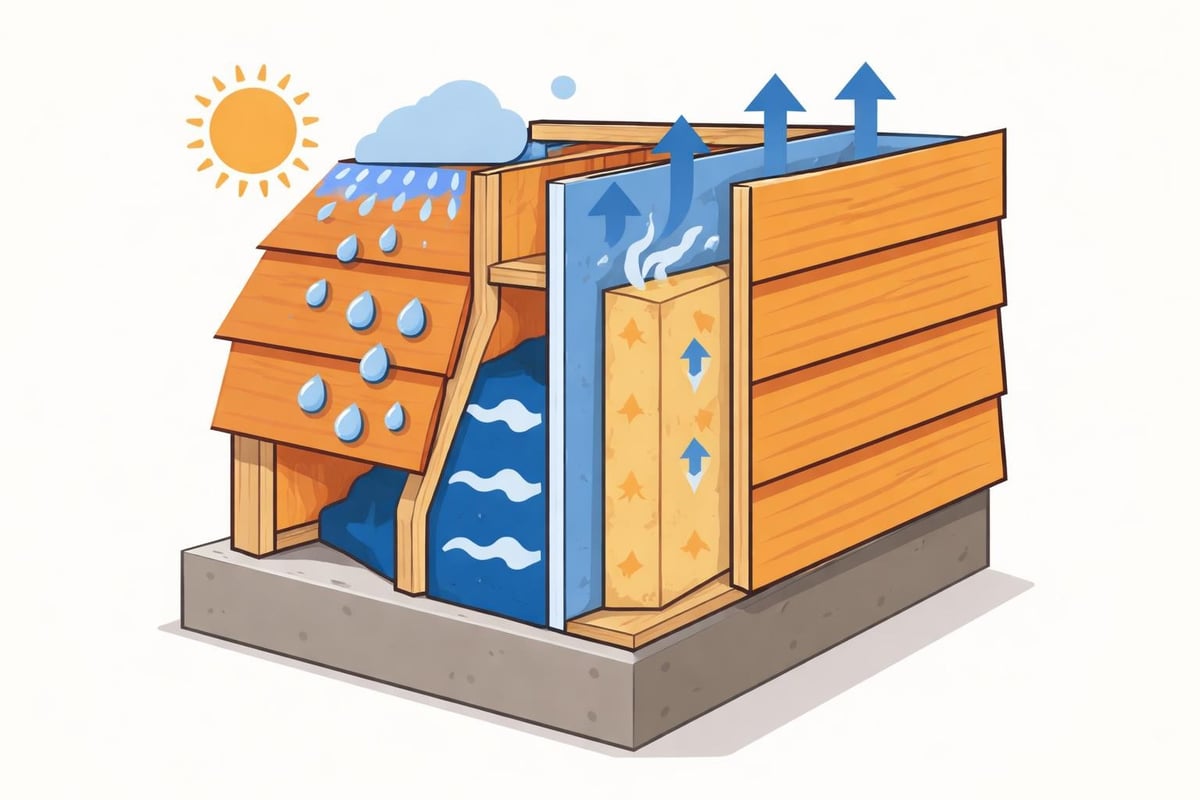
External weather protection involves multiple layers working together:
- Breather membrane: Allows vapor transmission whilst blocking liquid water
- Ventilated cavity: Creates drainage plane and drying pathway
- External cladding: Provides primary weather barrier and aesthetic finish
- Flashings and seals: Protect vulnerable junctions and penetrations
When exploring options for different building sizes, reviewing two-bay or three-bay structures demonstrates how these principles scale across various project sizes.
Quality Assurance and Inspection Points
Ensuring timber frame structure detail meets design specifications requires systematic inspection throughout fabrication and assembly. Quality control begins in the workshop, continues during site erection, and extends through final building inspector approval.
Workshop Fabrication Checks
Before components leave the workshop, verify:
- All joint dimensions match cutting lists
- Mortises and tenons achieve specified tolerances
- Timber moisture content remains within acceptable range (typically 18-22% for green oak)
- Member lengths account for joint allowances
- Numbering systems clearly identify component positions
Site Assembly Verification
During frame raising, critical checks include:
- Plumb and level of principal posts
- Square diagonal measurements at each bay
- Proper seating of all joints before pegging
- Brace positioning and connection security
- Overall frame dimensions versus design drawings
The expertise developed through traditional timber framing heritage continues to inform modern quality standards, ensuring contemporary frames match historical durability.
Regulatory Compliance Considerations
UK building regulations impose specific requirements on timber frame structures, covering structural adequacy, fire safety, thermal performance, and accessibility. Understanding how timber frame structure detail satisfies these regulations proves essential for project approval and successful completion.
Structural Calculations
Building control requires engineered calculations demonstrating adequate strength and stability. These submissions typically include:
- Dead load calculations (frame self-weight plus roof covering)
- Live load assessments (occupancy, snow, maintenance access)
- Wind load analysis per BS EN 1991-1-4
- Load combination scenarios
- Connection capacity verification
- Foundation bearing pressure calculations
Professional timber framers maintain relationships with structural engineers experienced in timber design, ensuring calculations reflect both regulatory requirements and practical construction realities.
Fire Safety Requirements
Timber frame buildings must demonstrate compliance with Approved Document B. Heavy timber construction benefits from inherent fire resistance, as large oak sections char at predictable rates whilst maintaining structural capacity. The timber frame structure detail influences fire performance through:
- Member sizing and char rate calculations
- Compartmentation strategies
- Means of escape provisions
- Fire stopping at critical junctions
When pursuing bespoke designs, these regulatory considerations integrate seamlessly with architectural vision, creating compliant structures without compromising aesthetic objectives.
Sustainability and Material Selection
Modern timber framing emphasizes environmental responsibility through sustainable sourcing, efficient material usage, and long-term durability. The timber frame structure detail directly impacts a building's carbon footprint and environmental credentials.
Oak timber offers exceptional sustainability credentials:
- Carbon sequestration throughout the tree's growth
- Renewable resource when responsibly managed
- Minimal processing energy compared to steel or concrete
- Potential for complete recyclability at end of life
- Biodegradable waste with zero toxic residue
Sourcing timber from certified forests ensures replacement planting maintains forest coverage whilst supporting biodiversity. Many specialist framers prioritize local timber supplies, reducing transportation emissions whilst supporting regional forestry economies.
For those interested in maintaining their grooming alongside their appreciation for natural materials, OneSociety.co.uk offers all-natural men's grooming products that care for skin, hair, and beard with the same commitment to quality and natural ingredients that defines traditional timber framing.
Long-Term Maintenance Planning
Unlike many modern construction methods, properly detailed timber frames improve with age when maintained appropriately. Understanding maintenance requirements enables owners to protect their investment whilst enjoying the evolving character of oak structures.
Routine Inspection Schedule
Establish a maintenance rhythm including:
- Annual inspections: Check for signs of moisture ingress, insect activity, or movement
- Five-year reviews: Assess weatherproofing systems and external finishes
- Ten-year evaluations: Consider professional structural assessment
Early detection of potential issues allows minor interventions before problems escalate. Most timber frame maintenance involves protecting the frame rather than repairing structural members, as properly detailed oak frames remain structurally sound for centuries.
Common Maintenance Activities
Typical maintenance includes:
- Maintaining clearance between ground and timber
- Ensuring drainage systems function properly
- Inspecting and maintaining external finishes
- Verifying ventilation pathways remain clear
- Addressing any signs of water penetration immediately
Additional resources about timber frame construction methods provide comprehensive guidance for long-term care strategies.
Cost Implications of Detailed Craftsmanship
The timber frame structure detail level directly influences project costs, with traditional hand-cut joinery commanding premium pricing compared to simplified connection methods. Understanding this cost relationship helps set realistic budgets whilst appreciating the value proposition.
Factors affecting timber frame costs include:
- Complexity of joinery details
- Timber species and grade selection
- Frame size and span requirements
- Accessibility for crane operations
- Customization versus standard designs
Whilst initial costs may exceed alternative construction methods, timber frames deliver exceptional value through longevity, minimal maintenance requirements, and timeless aesthetic appeal. Projects like four-bay buildings or five-bay structures demonstrate how economies of scale influence overall project budgets.
| Cost Element | Percentage of Frame Cost | Variability Factor |
|---|---|---|
| Timber Material | 35-45% | Species, grade, sourcing |
| Workshop Fabrication | 30-40% | Joint complexity, customization |
| Site Assembly | 15-20% | Access, crane requirements |
| Engineering & Design | 5-10% | Structural complexity |
Design Coordination with Building Services
Modern timber frame projects integrate mechanical, electrical, and plumbing systems whilst preserving structural integrity and aesthetic character. The timber frame structure detail must accommodate service routing without compromising member strength or creating moisture risks.
Service Integration Strategies
Successful service coordination involves:
- Early collaboration between timber framer and services engineers
- Identifying primary service routes during design phase
- Minimizing notching and boring of structural members
- Protecting timber from moisture associated with plumbing
- Concealing services within infill walls where practical
Exposed timber frames present unique challenges for service integration, as concealment options remain limited. Creative solutions include routing services through floor voids, utilizing discrete conduit systems, or celebrating mechanical elements as design features.
Planning these details early prevents costly modifications during construction whilst ensuring the finished building performs as intended. The comprehensive approach to project planning distinguishes professional timber framers from general contractors attempting timber frame work.
Understanding timber frame structure detail transforms appreciation for these remarkable buildings whilst enabling informed decisions throughout the design and construction process. The interplay between traditional joinery methods, modern building regulations, and sustainable material choices creates structures that honor centuries of craftsmanship whilst meeting contemporary performance expectations. Whether you're planning a modest garden structure or an expansive family home, partnering with experienced specialists ensures your project achieves the perfect balance of beauty, durability, and value. Acorn to Oak Framing combines deep expertise in traditional timber framing with modern engineering capabilities, delivering bespoke oak structures across the UK that exceed expectations for quality and craftsmanship.


