

Timber frame superstructure is rapidly becoming the cornerstone of sustainable construction in the UK, with 2026 expected to see even greater demand and innovation. Whether you are a homeowner, builder, or architect, this comprehensive guide offers expert insights to help you navigate every stage of planning, designing, and building with timber. Discover the eco-friendly advantages, design flexibility, and cost benefits, along with actionable advice tailored to your needs. Ready to make informed decisions? Explore the essentials, latest trends, regulatory updates, and practical recommendations for successful timber frame projects.
Timber Frame Superstructure Fundamentals
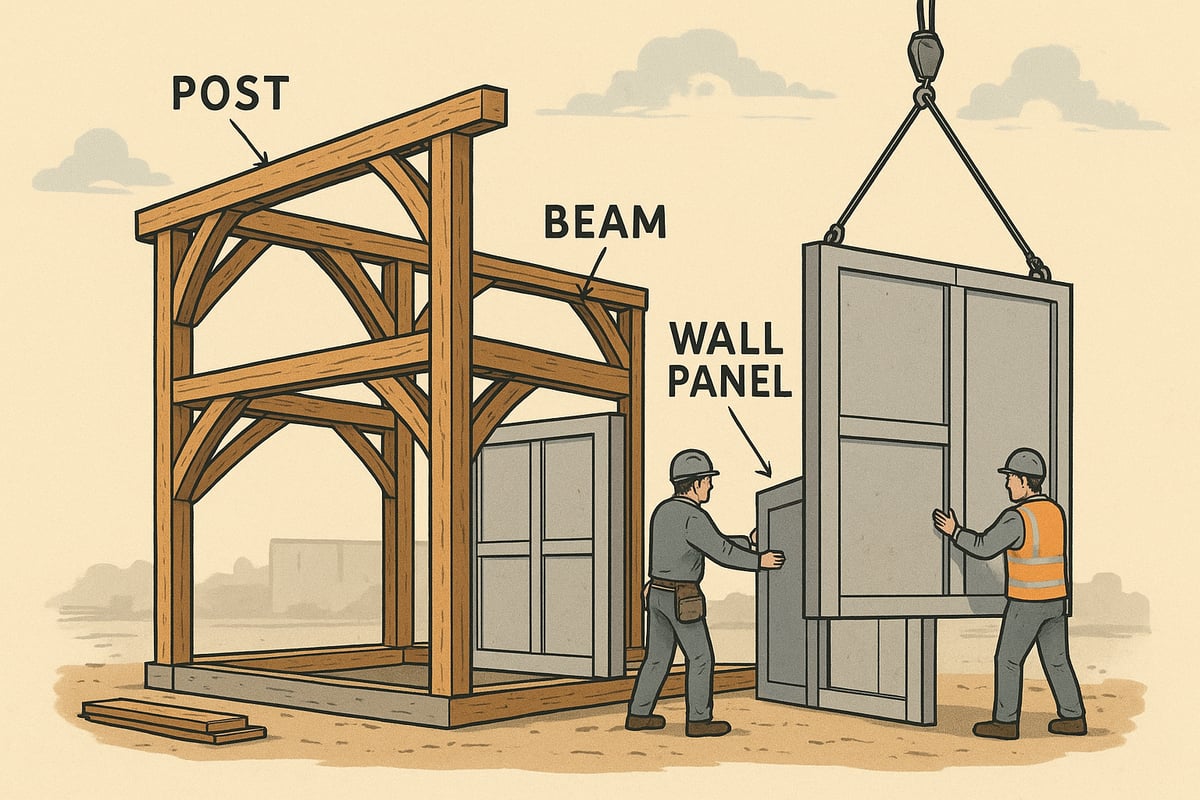
Understanding the timber frame superstructure is essential for anyone considering sustainable construction. This approach forms the backbone of many innovative UK buildings, blending tradition with modern advances. At its core, a timber frame superstructure consists of a structural skeleton made from timber, supporting floors, walls, and roofs. Distinct from masonry or steel, it relies on components like posts, beams, trusses, and wall panels. Its roots stretch back centuries in the UK, yet today’s methods have evolved for both homes and commercial spaces. For a deeper dive into these principles, see Timber Frame Construction Methods.
Defining Timber Frame Superstructures
A timber frame superstructure refers to the load-bearing skeleton of a building, constructed mainly from timber. Unlike masonry or steel frames, these systems use large posts and beams connected by joints and trusses. Wall panels fit between the frame, providing stability and insulation. The UK’s rich heritage in timber construction is evident in historic barns and homes. Over time, techniques have adapted for modern needs, allowing timber frame superstructure methods to support both residential and commercial projects.
Types of Timber Frame Systems
Timber frame superstructure systems fall into traditional and modern categories. Traditional post and beam uses visible, heavy timbers with mortise and tenon joints, popular in oak frame homes. Modern platform framing, on the other hand, uses smaller, engineered sections for faster builds. Closed panel systems arrive pre-insulated, while open panel systems allow on-site customisation. Hybrid solutions mix timber with steel or engineered wood, ideal for offices or multi-storey buildings. Each timber frame superstructure type suits different scales and architectural styles.
Materials Used in Timber Framing
Selecting the right materials is crucial for a high-performing timber frame superstructure. Common UK timbers include oak for its durability, Douglas fir, spruce, and larch. Engineered wood, such as glulam or cross-laminated timber (CLT), offers greater strength and design flexibility. Sourcing timber from certified forests, like FSC or PEFC, ensures environmental responsibility. Material choice affects not only the lifespan but also the visual appeal of a timber frame superstructure, supporting both sustainability and striking design.
Structural Performance and Durability
A timber frame superstructure is valued for its impressive load-bearing capacity and adaptability. Modern treatments enhance resistance to pests, moisture, and fire, keeping buildings safe and sound. With proper maintenance, timber frames can last centuries, as seen in heritage properties. Maintenance usually includes regular checks for moisture ingress and timber condition. Recent data shows timber frame superstructure methods account for over 28 percent of new UK homes, reflecting their reliability and growing popularity.
Advantages and Challenges of Timber Frame Construction
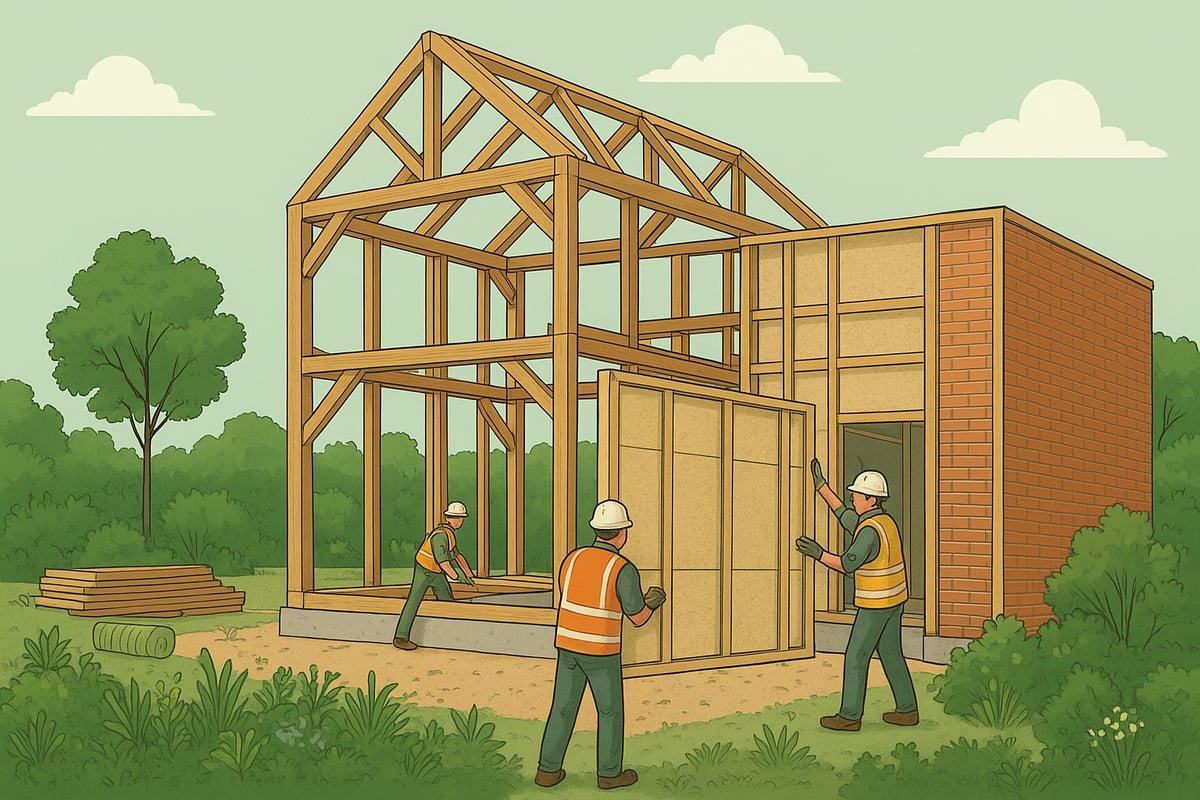
Timber frame superstructure methods are increasingly popular across the UK, offering a blend of innovation and tradition. As the construction sector faces growing demands for sustainability, efficiency, and value, it is vital to understand both the rewards and the hurdles associated with these systems.
Sustainability and Environmental Impact
A timber frame superstructure offers significant sustainability benefits for modern construction. Timber naturally stores carbon, reducing the overall carbon footprint of a building. Compared to concrete and steel, the embodied energy is much lower, making timber frame superstructure projects a greener choice.
Lifecycle analysis shows that timber can be recycled or repurposed at the end of its use, adding to its environmental credentials. The UK government has set ambitious targets for low-carbon construction, as outlined in the Timber in Construction Roadmap 2025, which encourages wider adoption of timber frame superstructure methods.
By using certified sustainable timber, builders support responsible forestry and contribute to a circular economy. These factors make timber frame superstructure solutions a cornerstone of eco-friendly development.
Speed and Efficiency of Build
One of the main advantages of a timber frame superstructure is the speed at which buildings can be erected. Offsite prefabrication allows components to be manufactured in controlled factory environments, leading to rapid assembly once delivered to site.
This process minimises construction waste and reduces disruption around the build location. When comparing build times, a timber frame superstructure typically completes faster than a masonry alternative, with average home builds taking just a few weeks for frame erection.
The efficiency of the timber frame superstructure process means projects can stay on schedule and within budget, which is particularly valuable for developers and homeowners alike.
Design Flexibility and Aesthetics
Timber frame superstructure systems are renowned for their design versatility. They allow for large open-plan spaces, extensive glazing, and creative architectural features that are often difficult with more rigid materials.
Modern insulation and finishing techniques can be seamlessly integrated with a timber frame superstructure, offering clients a wide range of customisation options. Award-winning projects demonstrate the aesthetic potential of these systems, from rustic oak-framed homes to sleek commercial offices.
The adaptability of timber frame superstructure methods ensures that both traditional and contemporary designs can be achieved with high precision and quality.
Cost Considerations and Value
The cost profile of a timber frame superstructure is appealing when considering both upfront and long-term factors. While initial material costs can be comparable or slightly higher than masonry, the rapid build time and reduced labour expenses often offset this.
Timber frame superstructure buildings are highly energy efficient, leading to lower heating and cooling bills over their lifespan. This efficiency contributes to higher property values and increased market appeal.
Recent market data shows that investing in a timber frame superstructure can offer competitive value, especially when factoring in lifecycle savings and sustainability credentials.
Potential Challenges and Solutions
Despite its many advantages, a timber frame superstructure does present certain challenges. Moisture management is critical to prevent decay, and achieving airtightness requires careful detailing.
Fire safety and compliance with building regulations are essential, especially with evolving standards. The industry also faces a skills shortage, highlighting the need for experienced specialist contractors for timber frame superstructure projects.
Innovations such as advanced treatments, improved airtight membranes, and better training programmes are addressing these concerns. With proper planning and execution, the challenges of timber frame superstructure construction can be effectively managed.
Step-by-Step Timber Frame Superstructure Process
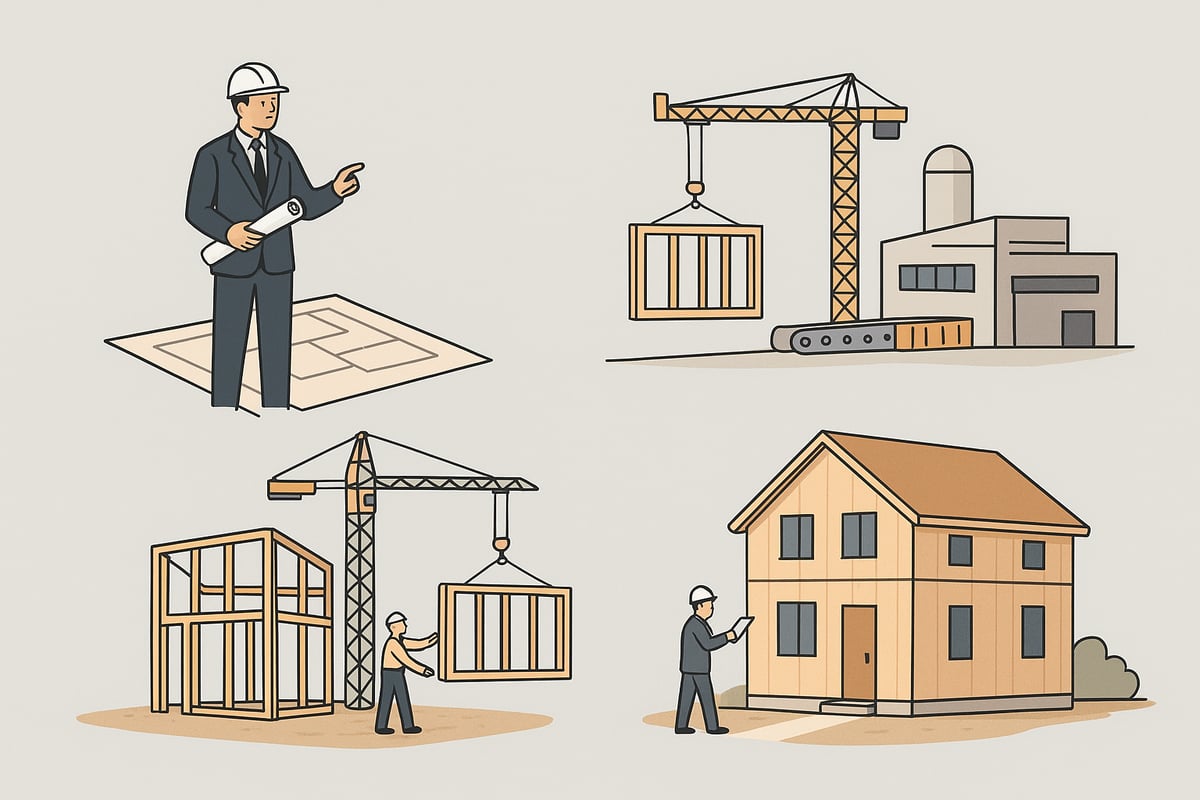
Embarking on a timber frame superstructure project involves a series of precise and interconnected steps. Each phase is crucial to ensuring a high-quality, sustainable, and durable build. Whether you are a homeowner, builder, or architect, understanding this process equips you to make informed decisions and collaborate effectively with your project team.
Initial Planning and Design
The journey to a successful timber frame superstructure begins with thorough planning and design. Start by assessing your site for suitability, considering factors such as ground conditions, access, and orientation. Engage with experienced architects and structural engineers early to define your vision and ensure feasibility.
Set clear objectives for sustainability, budget, and timelines. Collaborate closely with your design team to align your goals with practical requirements. Early involvement of local authorities is vital, as securing planning permission and meeting building regulations can impact your project schedule.
Transparent communication at this stage lays the foundation for the entire timber frame superstructure process.
Selecting Materials and Suppliers
Choosing the right materials and suppliers is central to the quality and sustainability of your timber frame superstructure. Evaluate timber species for their structural properties, appearance, and environmental credentials. Oak, Douglas fir, and engineered timbers like glulam are popular choices for their strength and aesthetic appeal.
Prioritise suppliers with recognised certifications, such as FSC or PEFC, to ensure responsible sourcing. Investigate lead times and supply chain reliability, as delays can affect your project timeline. Quality assurance is essential—request samples, check references, and confirm that suppliers meet UK standards.
A robust selection process guarantees your timber frame superstructure will perform as expected.
Structural Engineering and Detailing
The structural engineering phase ensures that your timber frame superstructure is both safe and efficient. Engineers perform detailed load calculations, considering factors such as wind, snow, and occupancy loads. This analysis informs the dimensions and connections of posts, beams, and trusses.
Precise detailing is critical, especially at connection points and interfaces with other building elements. Integrating services like plumbing and electrical systems at this stage prevents costly modifications later. Utilising 3D modelling and Building Information Modelling (BIM) tools enhances accuracy and coordination across disciplines.
Investing in meticulous engineering safeguards the integrity of your timber frame superstructure.
Offsite Manufacturing and Prefabrication
Offsite manufacturing is a hallmark of the modern timber frame superstructure process. Frame components are fabricated in controlled factory environments, enabling high levels of precision, quality, and efficiency. This approach reduces on-site waste and speeds up overall construction.
Many systems use pre-insulated panels, which are tailored to project specifications for optimal fit and performance. For a deeper understanding of these systems, see Timber Framed Panels Explained. Rigorous quality control checks are performed before delivery to site, minimising errors during assembly.
Prefabrication is key to achieving rapid, reliable results in timber frame superstructure projects.
Onsite Assembly and Erection
Once components arrive, onsite assembly of the timber frame superstructure can begin. Preparations include ensuring foundations are level and ready to receive the frame. Cranes are often used to lift and position large elements, following a carefully sequenced plan to maintain safety and efficiency.
Strict health and safety protocols protect workers and property during this phase. Skilled teams assemble the structure quickly, often completing the main frame in a matter of days for residential projects. Coordination is essential to avoid delays and ensure every component fits as intended.
Effective onsite assembly transforms prefabricated elements into a robust timber frame superstructure.
Weatherproofing and Enclosure
After the frame is erected, the focus shifts to weatherproofing and enclosing your timber frame superstructure. This involves installing insulation, vapour control layers, and breathable membranes to regulate moisture and improve energy performance. Windows and doors are fitted with care to prevent air leaks.
Achieving airtightness is essential for energy efficiency and comfort. Builders conduct tests to verify thermal performance and compliance with regulations. Attention to detail at this stage protects the structure and enhances its long-term durability.
Proper enclosure ensures your timber frame superstructure is ready for interior fit-out and occupation.
Final Inspections and Handover
The final stage of your timber frame superstructure project is inspection and handover. Building control officers review the work to ensure compliance with all relevant standards. A thorough client walkthrough allows for identification and rectification of any minor issues, known as snagging.
Comprehensive maintenance guidance is provided to support the long-term performance of your timber frame superstructure. Post-occupancy evaluations can offer valuable feedback for future improvements.
A successful handover marks the completion of a well-executed timber frame superstructure, ready to provide lasting value and comfort.
Timber Frame Superstructure Trends and Innovations for 2026
The timber frame superstructure market in the UK is evolving rapidly as 2026 approaches. Innovation is driving new approaches to design, sustainability, and compliance, making timber frame superstructure solutions more attractive for a broad range of projects. This section explores the key trends shaping the future of timber frame superstructure construction.
Advances in Engineered Timber Products
Engineered timber is transforming the performance and scope of the timber frame superstructure. Products like cross-laminated timber (CLT) and glulam are now widely adopted in UK construction, offering superior strength-to-weight ratios compared to traditional solid wood. These materials enable longer spans and taller buildings, expanding the architectural possibilities for both homes and commercial spaces.
Recent projects showcase large-scale use of engineered timber for schools, offices, and apartments. The cost and availability of CLT and glulam are improving as domestic manufacturing capacity grows. As a result, the timber frame superstructure is increasingly chosen for projects seeking both sustainability and design flexibility.
Digital Design and Construction Techniques
Digital innovation is at the heart of the modern timber frame superstructure. Building Information Modelling (BIM) streamlines collaboration, ensuring every component fits precisely. Parametric design tools allow architects to experiment with complex geometries that were once difficult to achieve in timber.
Manufacturing is also evolving, with robotics and automation improving accuracy and reducing waste in offsite production. Case studies reveal that digitally delivered timber frame superstructure projects achieve faster build times, higher quality, and better integration of services, setting new benchmarks for the industry.
Sustainability and Circular Economy Initiatives
Sustainability is a core advantage of the timber frame superstructure. In line with the Timber in Construction Manifesto 2024, the industry is prioritising cradle-to-cradle design principles and the reuse of timber components. Circular economy strategies are being embedded from the outset, ensuring materials remain in use for as long as possible.
UK and EU regulations are pushing for lower embodied carbon and greater recyclability. Recent projects demonstrate how reclaimed timber and modular elements can be integrated into new builds, reducing waste and supporting national low-carbon targets.
Regulatory Changes and Building Standards for 2026
Upcoming regulatory changes will have a major impact on the timber frame superstructure sector. Updates to UK Building Regulations, especially around energy efficiency (Part L) and fire safety, are expected to shape material choices and construction details. The Structural Timber Association (STA) is providing guidance to ensure the industry adapts to these requirements.
Designers and contractors must prepare for more stringent compliance checks and documentation. Emphasis is also growing on third-party certification and quality assurance, helping clients trust in the safety and durability of their timber frame superstructure investments.
Market Growth and Future Outlook
The future for timber frame superstructure in the UK is bright. Market projections suggest significant growth, driven by government incentives, green finance, and rising consumer demand for sustainable homes. According to the Structural Timber Association’s Market Expansion Plan, the goal is to quadruple timber frame market share in new UK homes by 2030.
Developers are responding by launching larger and more ambitious timber frame superstructure projects. As preferences shift towards low-carbon solutions, expect to see timber frames leading the way in both residential and commercial construction.
Expert Insights and Recommendations
Choosing the right partner and following best practices is essential to achieving a successful timber frame superstructure. With expert guidance, you can maximise the benefits of this construction method, ensuring outstanding results, durability, and compliance with evolving standards. The following recommendations are tailored to help you navigate the complexities of timber frame superstructure projects with confidence.
Choosing the Right Timber Frame Partner
Selecting an experienced partner is the foundation of any successful timber frame superstructure project. Look for specialists with a proven track record in similar builds, as well as a portfolio that demonstrates versatility across residential and commercial sectors.
Ask for client testimonials and case studies to gauge their reliability and approach to problem-solving. Open communication is key, so ensure your chosen partner is transparent about timelines, budgets, and aftercare. Questions to ask include: What is your experience with the latest timber frame superstructure techniques? How do you handle regulatory changes and site-specific challenges?
Aftercare and long-term support are also crucial. A dedicated partner will offer guidance beyond installation, helping you maintain the performance of your timber frame superstructure for years to come.
Ensuring Quality and Compliance
Quality assurance and regulatory compliance are central to a robust timber frame superstructure. Verify that your contractor holds relevant certifications, such as STA Assure, FSC, or PEFC. These indicate adherence to high standards in sustainability and construction.
Supervision on-site ensures workmanship meets design intent and regulatory requirements. Working with accredited contractors minimises risk and streamlines approval processes. Documentation, such as quality assurance checklists and compliance certificates, is essential for regulatory sign-off.
For the latest guidance on UK standards, consult resources like the NHBC Standards 2025: External Timber Framed Walls, which provide in-depth information on design, certification, and performance criteria for timber frame superstructure projects.
Maximising Performance and Longevity
To ensure your timber frame superstructure stands the test of time, follow industry best practices for maintenance. Regularly inspect for moisture ingress, pests, and signs of wear. Upgrading insulation and improving airtightness can further boost energy performance.
Monitoring humidity and ventilation helps prevent long-term issues. Implementing a maintenance schedule tailored to your specific timber frame superstructure will extend its lifespan and preserve its value.
Investing in quality materials and finishes from the outset reduces the need for costly repairs. Proactive care not only safeguards your investment but also enhances comfort and efficiency.
Acorn to Oak Framing: Bespoke Timber Frame Solutions
Acorn to Oak Framing is a leading UK specialist in custom timber frame superstructure solutions. Combining traditional craftsmanship with modern design, they deliver bespoke structures tailored to client needs.
Their team uses sustainably sourced oak, ensuring environmental responsibility and compliance with UK regulations. Acorn to Oak Framing offers a comprehensive service, from initial design and engineering to installation and aftercare.
Clients benefit from enhanced property value, architectural flexibility, and outstanding satisfaction. If you seek a partner with a proven track record in timber frame superstructure, Acorn to Oak Framing stands out for quality, expertise, and customer care.
Now that you have a clear understanding of timber frame superstructures—from their sustainable advantages to the latest design trends and regulatory updates for 2026—you're ready to take the next step with confidence. If you're considering a bespoke timber frame project, working with a trusted specialist like Acorn to Oak Framing ensures your vision will be realised with exceptional craftsmanship and attention to detail. We combine traditional skills with modern solutions, using sustainably sourced oak to deliver results that truly enhance your property and lifestyle. Ready to turn your plans into reality? BUILD NOW


