
Timber frame workshops are quickly becoming the go-to solution for homeowners and creators seeking a blend of sustainability, natural beauty, and practical versatility. As we approach 2026, the appeal of a timber frame workshop is only growing, with more people looking to transform their outdoor spaces into functional and inspiring environments.
This comprehensive guide is designed to give you expert insights and actionable steps for every stage of your project. Discover the latest trends in design, learn how to select the best materials, and master the construction process from start to finish.
Whether you want a creative studio, a dedicated workspace, or a multi-use garden retreat, you will find valuable tips on insulation, storage, legal requirements, and long-term maintenance. Ready to unlock the full potential of your dream workshop? Read on to see how you can make it a reality.
Understanding Timber Frame Workshops: Benefits and Modern Trends
The timber frame workshop is making a bold return for 2026, offering a blend of sustainability, character, and adaptability. Whether you are seeking an energy-efficient workspace, a striking garden feature, or a structure built to last, this type of workshop stands out for its versatility and charm.
The Core Advantages of Timber Framing
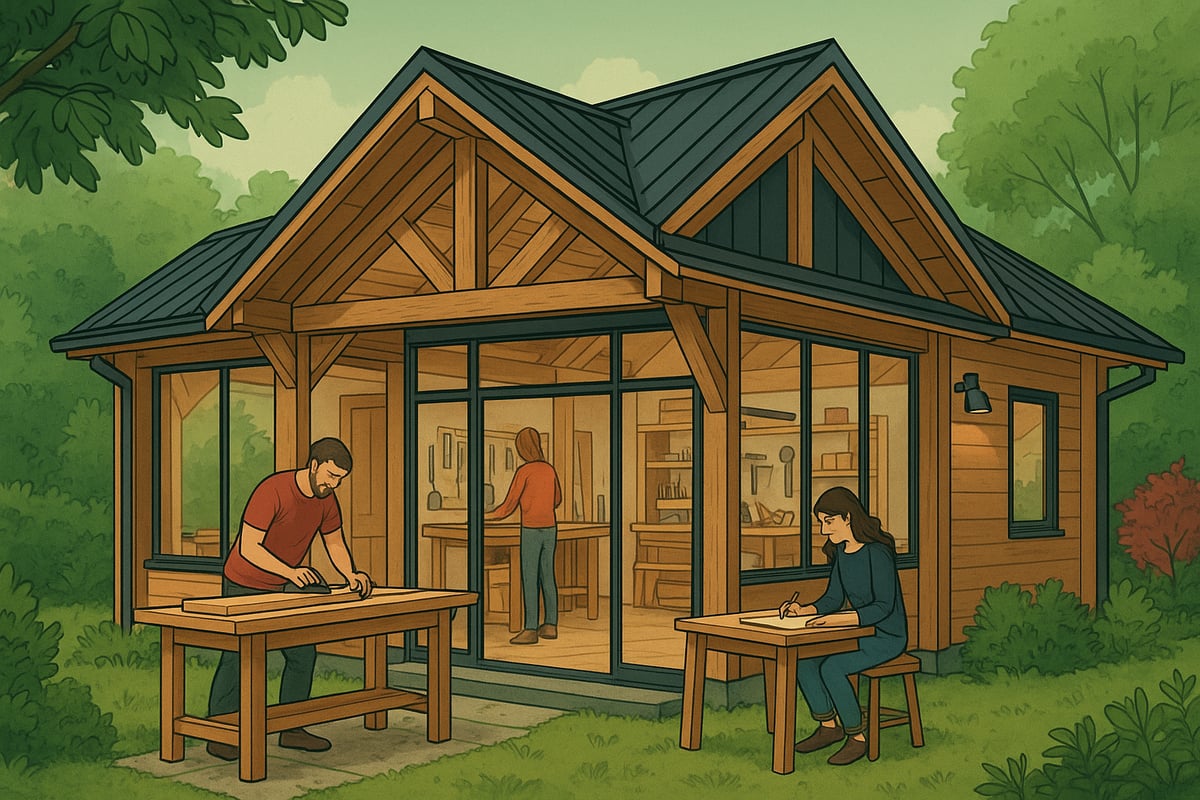
A timber frame workshop excels in providing natural insulation, helping to keep internal temperatures stable throughout the year. This results in lower energy bills and a comfortable environment for any activity.
Sustainability is another key advantage. Timber, especially when sourced responsibly, has a much lower carbon footprint compared to steel or concrete. It is a renewable material, making each timber frame workshop a step towards greener construction.
Aesthetically, timber frames blend seamlessly with gardens and landscapes. The warmth and texture of wood add value and appeal, making the workshop a highlight rather than an eyesore.
Modern timber frames are engineered for durability. With quality treatments, they withstand the challenges of UK weather, resisting rot and pests. The flexibility of timber construction also means any timber frame workshop can be adapted for new uses or extended with ease.
For example, many robust structures use 144 x 44mm spruce frames, ensuring longevity and strength. The popularity of this approach is reflected in recent data: timber frame buildings now account for over 25% of all new builds in the UK.
| Advantage | Benefit |
|---|---|
| Insulation | Energy efficiency and year-round comfort |
| Sustainability | Lower carbon footprint, renewable resource |
| Aesthetic Appeal | Blends with landscape, adds property value |
| Durability | Resistant to UK weather, long-lasting |
| Flexibility | Adaptable and easy to extend |
2026 Design Trends and Innovations
Looking ahead to 2026, the timber frame workshop continues to evolve with the latest innovations. Integration of smart technology is prominent, with automated lighting, climate control, and security systems enhancing both convenience and safety.
Biophilic design is another major trend, focusing on maximising natural light and airflow. Large windows, skylights, and clever orientation help create healthy, uplifting workspaces.
Modular and prefabricated timber elements are streamlining the building process, allowing for quicker assembly and less disruption on site. Eco-friendly finishes and modern cladding options are increasingly popular, offering both protection and style.
In terms of aesthetics, natural wood tones remain in demand, often paired with green, black, or red metal roofing for a contemporary look. Garden offices with panoramic glazing and custom doors are becoming common features.
For a broader perspective on where the industry is heading, see the latest Global Timber Frame Trends 2025 for insights into innovations and design directions.
Workshop Use Cases: Versatility in Action
A timber frame workshop is not limited to a single purpose. It serves as an ideal space for woodworking, crafts, or even as a dedicated hobby room. Many owners combine functions, using the space for both storage and as a home gym, studio, or office.
Layouts can be easily adapted as needs change, supporting everything from tool storage to creative projects. For example, a stand-alone 6x6m timber frame workshop can house vehicles, provide ample storage, and still offer a comfortable workspace for artistic pursuits.
The adaptability and practicality of these structures ensure that every timber frame workshop delivers value, whether for personal projects or professional use.
Planning Your Timber Frame Workshop: Essential Considerations
Careful planning is the foundation for a successful timber frame workshop. Every decision, from choosing the right site to selecting sustainable materials, plays a crucial role in the workshop’s performance and longevity. Let’s break down the essential elements to consider during the planning phase.
Site Selection and Preparation
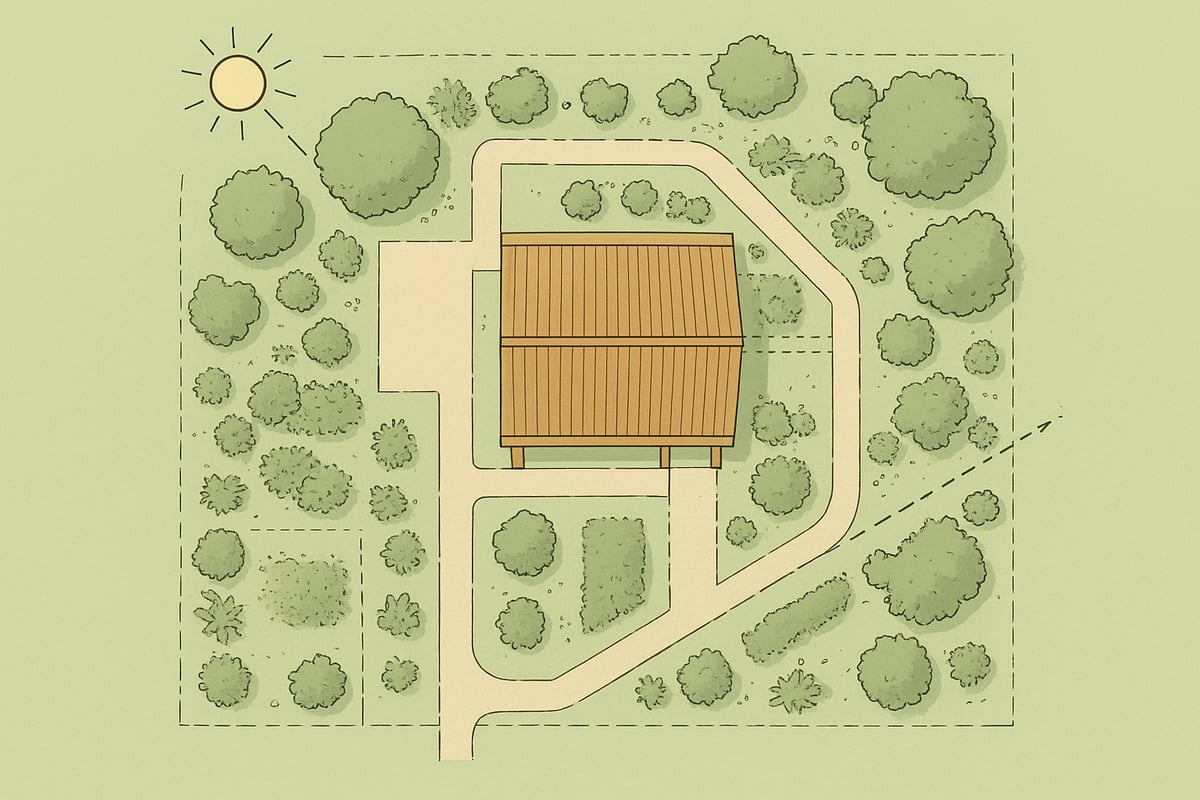
The first step for any timber frame workshop is assessing the proposed site. Check the ground for stability and ensure proper drainage to prevent water pooling around your structure. Position the workshop to capture the best natural light while shielding it from prevailing winds.
Accessibility is critical, especially if you plan to receive deliveries or move large equipment. For example, placing your timber frame workshop with a view of the garden and close to a driveway can enhance both functionality and aesthetics.
A well-prepared site ensures your workshop stands the test of time and provides a comfortable, safe environment.
Size, Layout, and Functionality
Selecting the right size for your timber frame workshop depends on its intended use. A 6x6m layout offers flexibility for multiple activities, from woodworking to storage. Decide if you prefer an open-plan interior for versatility or partitions for dedicated zones.
Plan the placement of doors and windows for easy access and optimal ventilation. Integrate storage solutions such as wall-mounted shelves or overhead racks to keep your workspace organised and efficient.
Thoughtful layout choices help your timber frame workshop adapt as your needs evolve.
Budgeting and Cost Factors
Budgeting for a timber frame workshop involves several elements. Factor in timber costs, labour, foundation type, insulation, and finishes. Compare the expenses of custom designs versus modular or kit-based options, as ready-to-assemble kits can often reduce labour costs.
Be mindful of hidden expenses, including delivery, assembly, permits, and ongoing maintenance. In the UK, the typical cost for a timber frame workshop ranges from £7,000 to £15,000 or more, depending on size and specification.
Clear budgeting ensures your project stays on track without compromising on quality.
Legal and Regulatory Requirements
Understanding legal and regulatory requirements is essential when planning your timber frame workshop. UK building regulations cover structural integrity, fire safety, and insulation standards. Planning permission may be needed for larger outbuildings, while smaller workshops could fall within permitted development rights.
Environmental considerations, such as tree preservation and drainage, must also be addressed. For a detailed overview of design, legal, and maintenance considerations for wooden workshops, see wooden outbuildings for gardens.
Complying with regulations protects your investment and ensures a smooth construction process.
Sustainability and Timber Sourcing
Prioritising sustainability in your timber frame workshop starts with material selection. Choose FSC-certified or locally sourced timber to minimise environmental impact. Oak, spruce, and larch are excellent options for UK climates, each offering durability and character.
Look for sustainability certifications and eco-friendly treatments to extend timber life and reduce maintenance. Responsible sourcing supports both the environment and the long-term value of your timber frame workshop.
Careful planning in these areas results in a workshop that is efficient, compliant, and built to last.
Step-by-Step Timber Frame Workshop Construction Guide
Building a timber frame workshop is a rewarding process that blends craftsmanship with modern efficiency. Whether you are opting for a bespoke design or a modular kit, understanding each construction stage is key to achieving a durable, high-performance space. Below, we break down the essential steps, offering practical advice and professional insight for every phase of your timber frame workshop journey.
Step 1: Design and Planning
The foundation of any successful timber frame workshop lies in thoughtful design and meticulous planning. Begin by drafting detailed plans, either independently or in collaboration with an architect. Decide between a custom build and a ready-to-assemble kit, considering your specific requirements, budget, and long-term use.
For inspiration on techniques and design approaches, you might explore this timber frame construction guide. Custom layouts, such as a 3-bay garage workshop, allow for tailored access and storage solutions. At this stage, ensure your plans meet local regulations and consider future adaptability, maximising the versatility of your timber frame workshop.
Step 2: Foundations and Base Work
A solid foundation is crucial for the longevity and stability of your timber frame workshop. Assess ground conditions, drainage, and site accessibility before choosing the foundation type. Options typically include concrete slabs, strip footings, or pad foundations, each offering specific benefits for different soil types and workshop sizes.
Thorough ground preparation and levelling help prevent future structural issues. Install damp-proof membranes and below-ground insulation to protect against moisture and heat loss. This groundwork ensures your timber frame workshop remains comfortable and structurally sound year-round.
Step 3: Erecting the Timber Frame
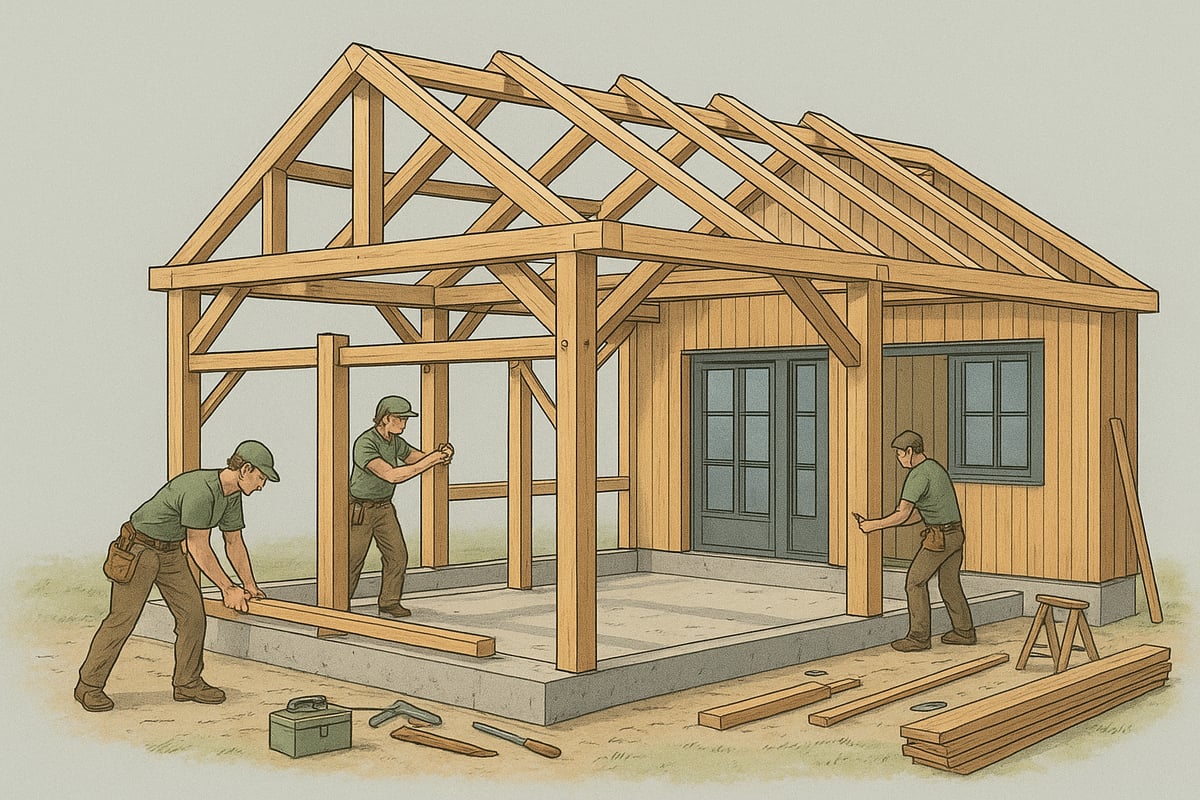
With the base ready, it is time to assemble the main structure of your timber frame workshop. Position and fix the primary posts, beams, and trusses, paying close attention to alignment and squareness. Traditional mortise and tenon joinery provides strength and character, while modern fasteners can speed up the build without compromising integrity.
A robust frame, such as one using 144 x 44mm spruce, will stand up to the rigours of UK weather. Take care to brace the structure properly, ensuring it remains stable throughout the construction process. This step is fundamental to the durability of your timber frame workshop.
Step 4: Walls, Cladding, and Roofing
After erecting the frame, install wall panels and insulation to create a comfortable, energy-efficient environment. Popular cladding options include tongue and groove boards or staged panel systems at least 25mm thick. These not only protect the structure but also enhance its aesthetic appeal.
Roof construction involves fitting rafters, purlins, and your chosen roofing material. Metal tiles in green, red, or black are increasingly popular for their longevity and modern style. A well-constructed roof ensures your timber frame workshop is well-protected from the elements.
Step 5: Doors, Windows, and Openings
Fitting doors and windows is essential for both functionality and security. Choose solid timber or glazed doors for robust access, and install ample windows to maximise natural light and ventilation. Double doors are ideal for moving large equipment in and out of your timber frame workshop.
Consider custom ironmongery and additional windows for personalisation. Well-placed openings improve workflow and comfort, making your workshop a more productive and enjoyable space.
Step 6: Interior Fit-Out and Storage Solutions
Once the shell is complete, turn your attention to the interior of your timber frame workshop. Line walls with 18mm plywood or decorative cladding for a durable, attractive finish. Install shelving, workbenches, and custom storage units to keep tools and materials organised.
Overhead racks and wall-mounted systems are excellent for maximising usable space. A thoughtfully planned fit-out supports efficient workflows and ensures your timber frame workshop remains clutter-free and adaptable.
Step 7: Services and Finishing Touches
The final stage involves installing essential services and adding finishing details for comfort and longevity. Plan electrical wiring for ample lighting and power tool use, and consider heating options such as electric heaters or underfloor systems. Proper insulation and ventilation will keep your timber frame workshop comfortable in all seasons.
Apply paint, stain, or primer to protect exposed timber surfaces, enhancing durability and visual appeal. With these finishing touches, your timber frame workshop is ready for years of productive use.
Insulation, Comfort, and Year-Round Use
Creating a comfortable timber frame workshop for every season starts with thoughtful insulation and climate control. Proper planning ensures your workspace is efficient, quiet, and secure, whether you use it for crafts, storage, or as a garden office.
Insulating Your Timber Workshop
Insulation is the backbone of year-round comfort in any timber frame workshop. High-quality insulation like mineral wool, rigid foam, or natural fibre materials helps maintain stable internal temperatures and reduces energy bills.
Wall, floor, and roof insulation work together to prevent heat loss in winter and keep things cool in summer. Many owners opt for insulated log cabins as workshops, appreciating the all-season usability. For a deeper dive into effective methods, read this guide on insulating timber frame walls.
A well-insulated timber frame workshop not only boosts comfort but also protects tools and materials from damp and condensation.
Heating and Ventilation Solutions
A timber frame workshop thrives on the right heating and ventilation. Electric panel heaters are popular for quick warmth, while wood-burning stoves offer a cosy, traditional touch. For those seeking premium comfort, underfloor heating systems distribute warmth evenly across the space.
Ventilation is just as important as heating. Passive vents and trickle windows allow fresh air in, while mechanical systems prevent stale air and damp. Good airflow ensures your timber frame workshop remains dry and healthy, even during the wettest months.
Smart climate control solutions can automate temperature and humidity, providing effortless comfort all year.
Soundproofing and Acoustic Treatments
Noise control is vital if your timber frame workshop doubles as a music studio or hobby space. Acoustic panels on walls and ceilings absorb sound, reducing echoes and keeping noise from escaping.
Double-glazed windows add another layer of sound insulation and help with thermal performance. If you share your workshop with neighbours nearby, these upgrades can make a noticeable difference.
Combining acoustic treatments with insulation ensures your timber frame workshop is both quiet and energy efficient, creating an ideal creative retreat.
Protecting Stored Items
Protecting what you store in your timber frame workshop is essential. Stable internal temperatures prevent condensation, which can damage timber, tools, and electronics.
Security is another priority. Install robust locks on doors and windows, use motion sensors, and consider an alarm system for peace of mind. Shelving and cabinets keep items off the floor, reducing the risk of water damage.
With these features, your timber frame workshop stays organised, secure, and ready for use in any season.
Storage, Organisation, and Workshop Optimisation
A well-organised timber frame workshop is the backbone of productivity and satisfaction. Whether you are crafting, repairing, or storing, effective storage and thoughtful layout can transform your daily experience. Optimising your workspace ensures every tool and material has its place, making your workshop more enjoyable and efficient.
Maximising Storage Space
Efficient storage is essential for any timber frame workshop. Start by installing wall-mounted shelves and pegboards to keep tools within easy reach and free up valuable floor space. Overhead storage racks are perfect for storing seasonal or less frequently used items, making the most of vertical height.
Custom cabinets can be tailored to your specific needs, providing secure storage for small parts and expensive equipment. For those considering modular solutions, reviewing Timber garage kit options can offer inspiration for adaptable shelving and robust storage layouts that suit a timber frame workshop environment.
By carefully planning storage, you create a clutter-free workspace that maximises efficiency and protects your investment.
Workflow and Layout Planning
A functional timber frame workshop relies on smart workflow and layout planning. Divide your space into zones based on activities, such as woodworking, assembly, and storage. This zoning approach helps keep materials and tools organised, reducing time spent searching for items.
Position benches and equipment ergonomically to minimise movement and improve comfort. Flexible layouts, such as mobile workbenches or adjustable shelving, allow your timber frame workshop to adapt as your needs change. Review your layout regularly to ensure it continues to match your evolving projects.
Thoughtful design leads to a smoother workflow and a more enjoyable workspace.
Lighting and Power Management
Lighting and power are vital components of a modern timber frame workshop. Install bright, energy-efficient LED lighting to ensure every corner is well lit, reducing eye strain and improving accuracy during detailed tasks.
Plan for ample power outlets along walls and workstations to accommodate machinery, chargers, and electronic devices. Incorporating smart controls allows you to adjust lighting and manage energy use with ease. By prioritising lighting and power management, you create a timber frame workshop that supports productivity and safety throughout the year.
A well-lit and powered workshop is a pleasure to use, day or night.
Accessibility and Safety
Accessibility and safety should be at the forefront of your timber frame workshop design. Wide doorways enable easy movement of equipment and materials, while non-slip flooring helps prevent accidents. Pathways should be kept clear to ensure safe evacuation in case of emergency.
Install fire safety measures such as extinguishers and smoke alarms, and mark all exits clearly. Regularly inspect your timber frame workshop for hazards, making adjustments as needed to maintain a secure environment for all users.
By integrating these features, you create a workshop that is accessible, inclusive, and ready for any challenge.
Acorn to Oak Framing: Expert Timber Frame Workshop Solutions
Acorn to Oak Framing stands out as a premier name in the UK timber frame workshop sector, with a base in Hastings and a reputation built on decades of expertise. Their team combines time-honoured craftsmanship with contemporary design, delivering bespoke workshops and garages that enhance any property.
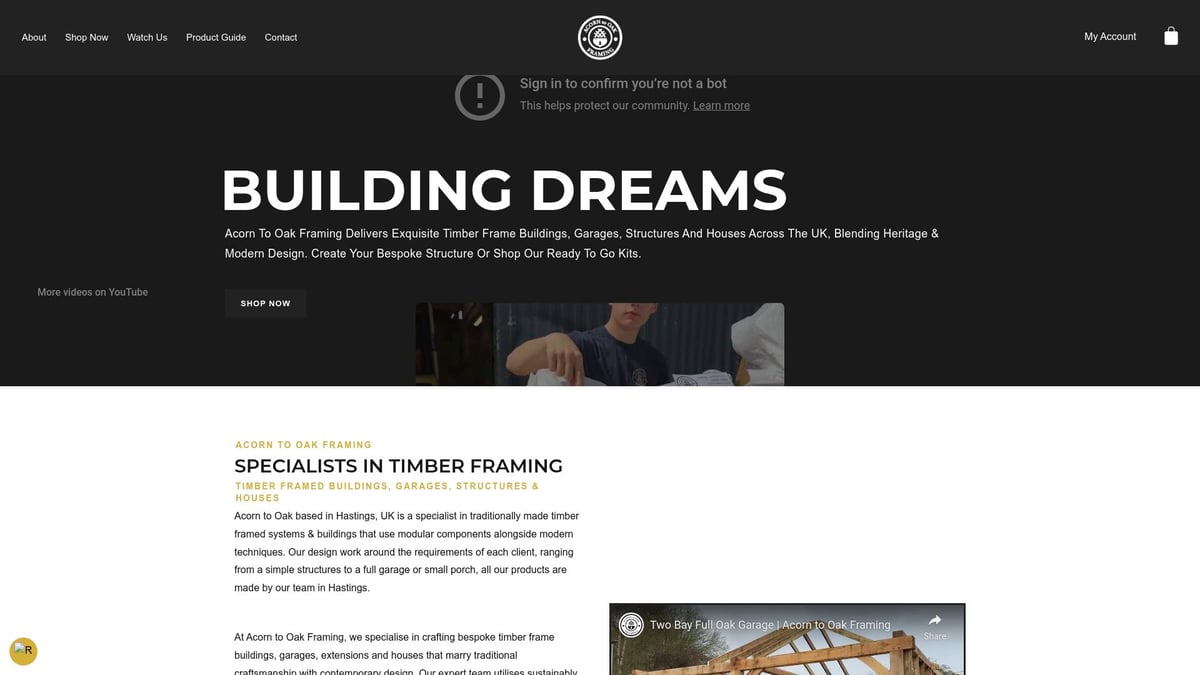
They specialise in creating timber frame workshop solutions tailored to each client’s needs, whether for creative studios, garden offices, or robust vehicle storage. Every project benefits from sustainably sourced oak and timber, carefully selected for durability and environmental responsibility.
Acorn to Oak Framing is committed to fully complying with UK building regulations, ensuring every timber frame workshop meets the highest standards of safety, insulation, and quality. Clients can choose between custom designs or modular kits, with full installation available nationwide.
The company’s portfolio includes a wide array of projects, each reflecting the versatility and adaptability of timber frame workshop construction. For inspiration, you can explore Timber Workshop Design Examples to see how varied and innovative these spaces can be.
Client testimonials consistently praise Acorn to Oak Framing for their collaborative approach, attention to detail, and commitment to customer satisfaction. Their workshops are designed to provide long-term value, blending seamlessly with both modern and traditional landscapes.
To discuss your own timber frame workshop requirements or to request a tailored quote, contact Acorn to Oak Framing directly for expert guidance and personal service.
Maintenance, Aftercare, and Longevity Tips
Regular care is crucial to ensuring your timber frame workshop stands the test of time. Proper aftercare not only preserves its appearance but also protects your investment and keeps your space functional in all seasons. With a clear maintenance strategy, you can enhance both durability and value, making your workshop a lasting asset.
Routine Maintenance Practices
Establishing a routine for your timber frame workshop is the first step to long-term reliability. Begin with regular inspections, checking for rot, insect activity, and water ingress. Pay special attention to corners, joints, and window frames.
Annual cleaning is essential. Remove debris from cladding and clear any organic matter from around the base. Treat timber surfaces with suitable oils or stains to maintain resistance to moisture and UV damage.
Seal doors, windows, and any external cladding as needed, especially after harsh weather. For a comprehensive approach, resources like the Timber Frame Construction Guide offer detailed insights on both ongoing maintenance and structural care.
Weatherproofing and Protection
Protecting your timber frame workshop from the elements is vital in the UK climate. Install gutters, choosing galvanised or copper options to efficiently direct rainwater away from the building. Regularly check for blockages and leaks.
After storms, inspect the roof for damage or missing tiles. Prompt repairs prevent water penetration and extend the roof's lifespan. Apply paint, stain, or oil to timber surfaces to shield against moisture and UV rays, which helps prevent warping and fading.
A proactive approach to weatherproofing ensures your workshop remains functional and visually appealing year-round.
Upgrades and Future-Proofing
As your needs evolve, consider upgrades that keep your timber frame workshop comfortable and efficient. Retrofitting additional insulation or installing new, energy-efficient windows can improve comfort and reduce energy costs.
Adding solar panels or integrating smart technology offers greater convenience and sustainability. Flexible design means you can expand your layout or reconfigure interior spaces as required.
Future-proofing ensures your workshop adapts to changing uses, whether as a workspace, studio, or storage area.
Warranty and Professional Support
Most reputable suppliers provide warranties on timber frame workshop structures, typically ranging from 10 to 20 years. Understand the details of your warranty, including what is covered and required maintenance standards.
If you notice significant issues such as persistent leaks, structural movement, or extensive rot, seek professional support promptly. Many companies offer aftercare services, ensuring your workshop receives expert attention when needed.
Relying on professional support and adhering to warranty guidelines helps safeguard your investment and guarantees peace of mind for years to come.
Whether you’re inspired by the timeless beauty of timber framing or excited by the potential of a truly bespoke workshop, you now have the guidance you need to start planning with confidence. At Acorn to Oak Framing, we blend traditional skills with modern design to bring your unique vision to life—always using sustainable materials and ensuring every detail meets UK standards. If you’re ready to take the next step and see how your dream space could enhance your home, let’s begin the conversation about crafting something extraordinary together.
CONTACT US


