
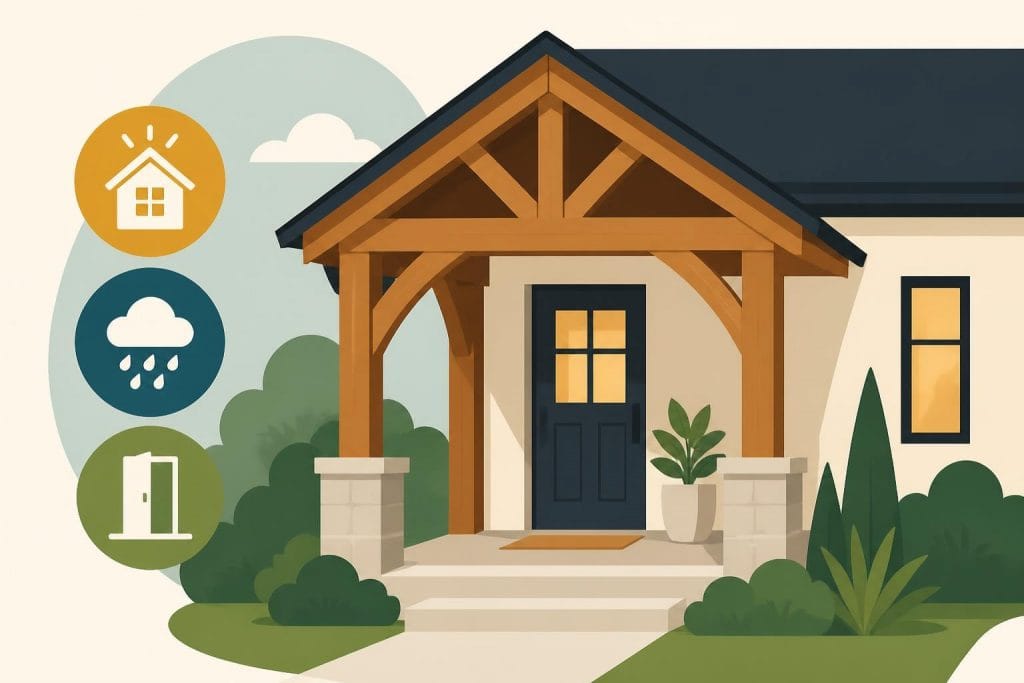
A timber framed porch represents one of the most characterful and practical additions you can make to any property. Whether you own a traditional cottage, a contemporary home, or a period property, a well-designed porch crafted from quality timber creates an impressive entrance whilst offering shelter, storage, and enhanced energy efficiency. The natural beauty of timber, particularly oak, combined with traditional joinery techniques delivers a structure that not only serves functional purposes but also significantly increases your property's aesthetic appeal and market value. This comprehensive guide explores everything you need to know about timber framed porches, from design considerations to construction methods and long-term benefits.
Understanding Timber Framed Porch Design Principles
The foundation of any successful porch project lies in understanding how design principles affect both functionality and aesthetics. A timber framed porch must complement your property's existing architecture whilst meeting practical requirements for weather protection and accessibility.
Matching Your Property's Character
Your porch design should harmonise with your home's architectural style. Traditional properties benefit from enclosed or half-enclosed designs featuring decorative brackets and curved braces, whilst contemporary homes often suit open, minimalist structures with clean lines. The oak frame porch designs you select should reflect the period and character of your existing building, creating visual continuity rather than jarring contrast.
Key design considerations include:
- Scale and proportion relative to your home's facade
- Roof pitch matching or complementing existing rooflines
- Glazing styles that echo window designs elsewhere on the property
- Decorative elements appropriate to the architectural period
- Entranceway width accommodating accessibility requirements
The timber species you choose significantly impacts both appearance and longevity. Oak remains the premier choice for exposed timber frames due to its exceptional durability, natural resistance to decay, and beautiful grain patterns that mature gracefully over decades.
Structural Configuration Options
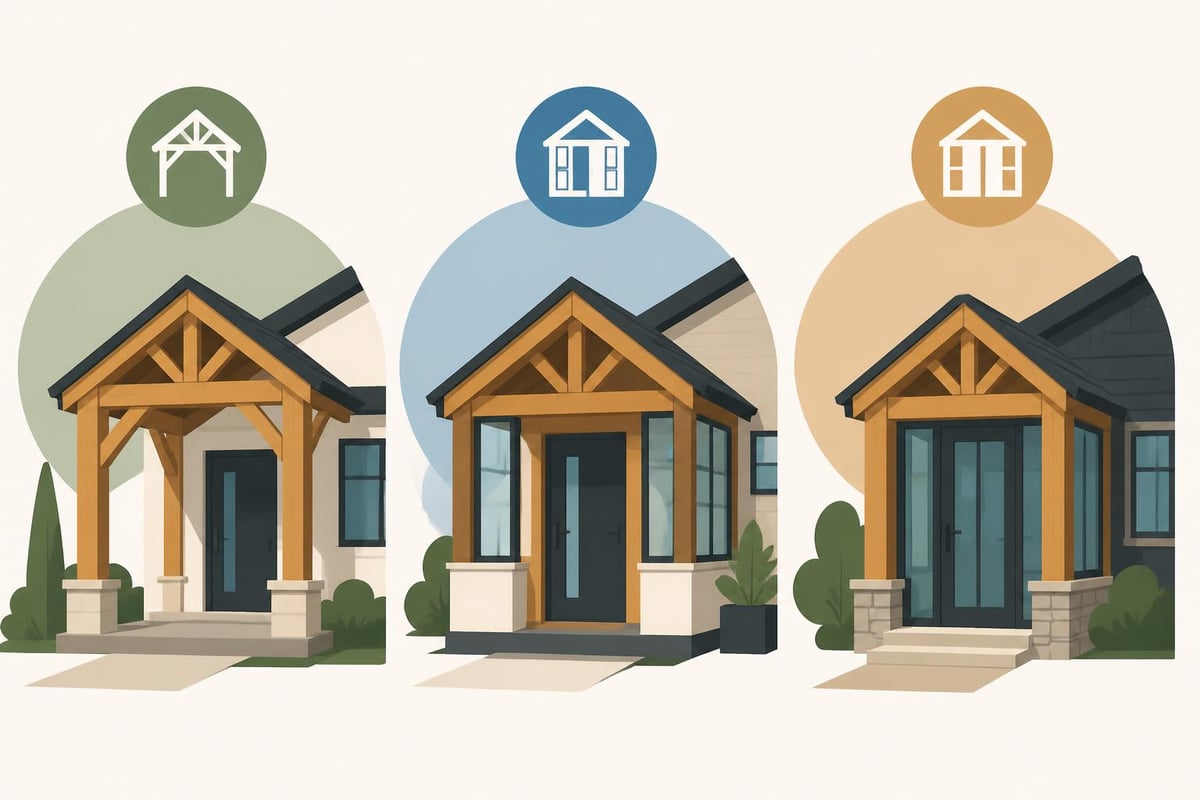
Timber framed porches typically fall into three main categories, each offering distinct advantages depending on your requirements and property type.
| Porch Type | Characteristics | Best Suited For | Weather Protection |
|---|---|---|---|
| Open Canopy | Posts supporting roof only | Contemporary homes, mild climates | Moderate |
| Half-Enclosed | Side walls with open front | Traditional properties, versatile use | Good |
| Fully Enclosed | Complete walls with door | Period homes, cold regions | Excellent |
Open canopy porches provide shelter from rain whilst maintaining an airy, welcoming feel. These structures work particularly well on modern properties where maintaining sight lines and natural light takes precedence. Half-enclosed designs offer greater weather protection whilst preserving an open, inviting appearance, making them suitable for most UK properties. Fully enclosed porches create a proper entrance vestibule that significantly improves thermal efficiency by providing an airlock between exterior and interior spaces.
Planning and Regulatory Requirements
Before commencing any porch construction, understanding planning permissions and building regulations prevents costly mistakes and delays. The regulatory landscape for porches contains specific exemptions, but these come with precise conditions that must be met.
Planning Permission Considerations
In England, you can typically build a timber framed porch without planning permission if it meets specific criteria. The ground area must not exceed three square metres, no part may be higher than three metres above ground level, and no part may be within two metres of any boundary facing a road or public footpath.
Exceeding these thresholds requires formal planning permission. Listed buildings and properties within conservation areas face additional restrictions, often requiring approval regardless of size. Avoiding common porch mistakes starts with verifying your specific planning requirements before finalising designs.
Planning exemption checklist:
- Floor area below 3 square metres
- Maximum height under 3 metres
- Located more than 2 metres from road-facing boundaries
- Not on a listed building or within a conservation area
- No removal of permitted development rights by planning conditions
Building Regulations Compliance
Even when planning permission isn't required, Building Regulations typically apply to porch construction. These regulations ensure structural safety, adequate thermal performance, and proper drainage. The structure must achieve appropriate U-values for walls, roof, and glazing, incorporate adequate foundations, and include proper weatherproofing.
Working with experienced specialists like Acorn to Oak Framing ensures compliance with all relevant regulations whilst achieving superior craftsmanship. Professional timber frame companies understand the technical requirements and can navigate the approval process efficiently.
Construction Methods and Techniques
Traditional timber framing techniques have evolved over centuries, combining time-tested joinery methods with modern engineering principles. Understanding these construction approaches helps you appreciate the craftsmanship involved and make informed decisions about your project.
Traditional Joinery Methods
Authentic timber frame construction relies on mortise and tenon joints, typically secured with oak pegs rather than metal fixings. This approach creates incredibly strong, flexible structures that accommodate natural timber movement whilst maintaining structural integrity for generations. The joints themselves become decorative features, showcasing the craftsman's skill and the timber's natural beauty.
Modern variations sometimes incorporate steel brackets or plates at critical junctions, particularly where frames connect to existing masonry. These hybrid approaches maintain traditional aesthetics whilst meeting contemporary engineering standards. The timber frame construction guide provides detailed insights into various framing techniques suitable for porch projects.
Foundation and Base Preparation
Proper foundations prove critical for long-term structural stability. Most timber framed porches require concrete pad foundations or ground beams, sized according to soil conditions and structural loads. The foundation depth typically extends below frost level to prevent heave damage during winter months.
A damp-proof course between masonry and timber prevents moisture migration that could compromise the frame. Proper drainage around the porch perimeter directs water away from foundations, protecting both the new structure and your existing property.
Roof Design and Construction
The roof represents both a functional necessity and a significant design element of your timber framed porch. Several approaches exist, each offering different aesthetic and practical benefits suited to various property types and regional climates.
Roof Style Options
Common timber porch roof configurations:
- Gable Front: Traditional peaked design creating maximum headroom
- Hipped Roof: Slopes on all sides for enhanced weather protection
- Catslide: Extended roofline from main house creating seamless integration
- Flat Roof: Contemporary design requiring careful waterproofing
- Mono-Pitch: Single slope design suited to side entrances
The pitch angle affects both appearance and performance. Steeper pitches shed water and snow more effectively whilst accommodating tile or slate coverings that match existing roofing materials. Shallow pitches suit modern designs but typically require different waterproofing approaches.
Exploring timber frame porch roof design ideas reveals how different configurations complement various architectural styles whilst meeting practical weatherproofing requirements. The exposed timber trusses themselves often become beautiful architectural features within the porch space.
Weatherproofing and Insulation
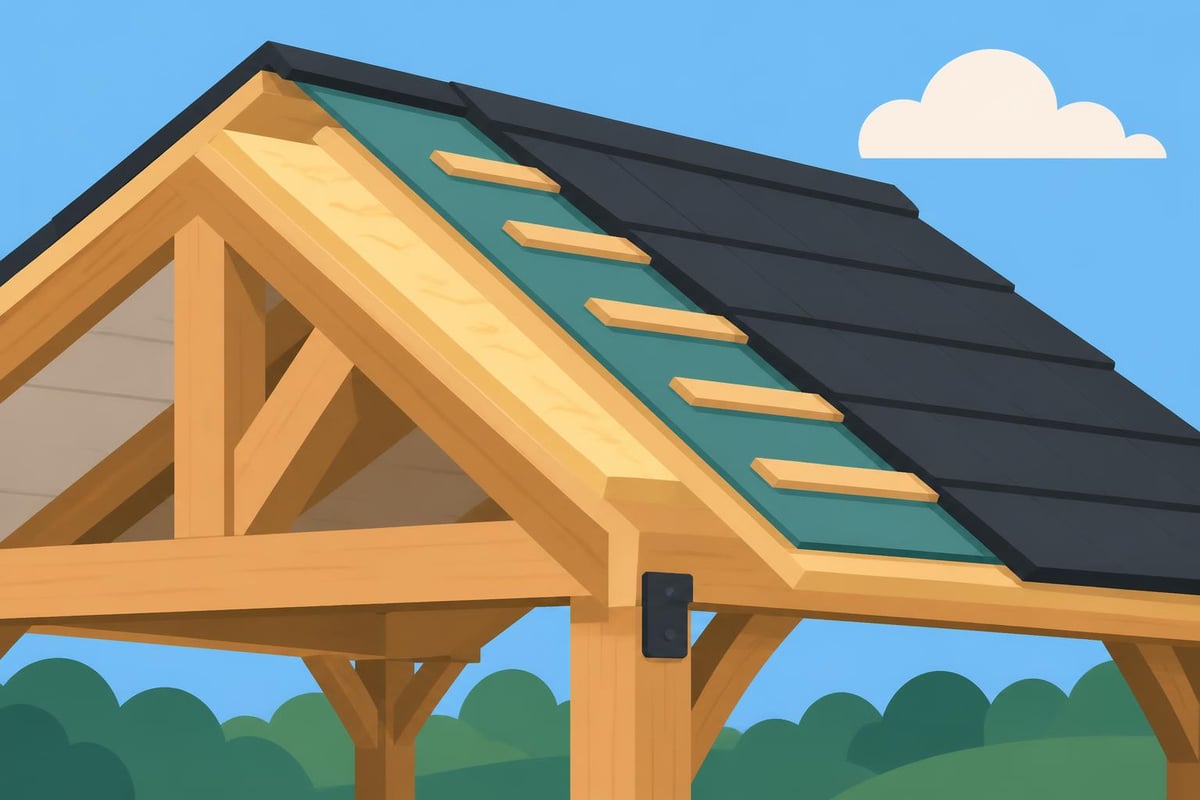
Modern building standards require significant attention to thermal performance, even in smaller structures like porches. The roof assembly typically includes multiple layers working together to provide insulation, vapour control, and weather resistance.
Between the structural timbers, insulation materials reduce heat loss whilst maintaining breathability to prevent condensation issues. Methods for insulating timber frame walls apply equally to porch construction, ensuring your entrance vestibule enhances rather than compromises your home's energy efficiency. A breathable membrane protects against wind-driven rain whilst allowing moisture vapour to escape, preventing trapped moisture that could damage timber or insulation.
| Roofing Material | Lifespan | Aesthetic | Weight | Cost |
|---|---|---|---|---|
| Clay Tiles | 60-100 years | Traditional | Heavy | High |
| Slate | 75-200 years | Premium | Heavy | Very High |
| Cedar Shingles | 30-40 years | Natural | Light | Medium |
| Standing Seam Metal | 40-70 years | Contemporary | Light | Medium-High |
Glazing and Enclosure Options
The extent and style of glazing fundamentally determines your porch's character, functionality, and thermal performance. Thoughtful glazing choices balance natural light, views, privacy, and energy efficiency.
Window and Door Selection
Traditional timber framed porches often feature leaded light windows or hand-made casements that reflect historical architectural styles. These choices work particularly well on period properties where maintaining authenticity matters. Contemporary designs might incorporate larger glazing panels with slimmer frames, maximising light penetration and maintaining clean sight lines.
The entrance door itself deserves careful consideration. A solid oak door with traditional ironmongery suits period porches, whilst modern designs might feature glazed panels allowing light to penetrate deeper into your home. Security provisions must meet current standards, incorporating multi-point locking systems regardless of aesthetic style.
Glazing performance considerations:
- U-values meeting or exceeding Building Regulations requirements
- Toughened or laminated glass in vulnerable locations
- Low-iron glass options for clearer, less green-tinted views
- Acoustic performance reducing external noise transmission
- Self-cleaning coatings reducing maintenance requirements
Ventilation and Climate Control
Even enclosed porches require adequate ventilation preventing condensation and maintaining air quality. Trickle vents in window frames provide background ventilation whilst operable windows enable purge ventilation when required. This becomes particularly important when porches incorporate underfloor heating or radiators to maintain comfortable temperatures year-round.
Some homeowners incorporate their porch into heated living space, requiring full integration with central heating systems. Others prefer an unheated vestibule that still provides thermal benefits through its airlock effect. Your intended use determines the appropriate environmental control approach.
Material Selection and Sustainability
Choosing appropriate materials ensures your timber framed porch delivers lasting beauty whilst minimising environmental impact. Sustainable sourcing and species selection prove increasingly important to environmentally conscious homeowners.
Timber Species Characteristics
Oak dominates traditional timber framing for excellent reasons. Its exceptional strength-to-weight ratio, natural durability, and resistance to fungal decay make it ideal for exposed external structures. Green oak, cut and used whilst retaining high moisture content, develops beautiful character as it seasons in place, with joints tightening as the timber dries.
Sweet chestnut offers similar properties to oak with slightly lighter colouring and comparable durability. Douglas fir provides a cost-effective alternative for painted finishes, though it requires proper treatment for external exposure. The timber frame construction specialists at Acorn to Oak Framing work exclusively with sustainably sourced British oak, ensuring both quality and environmental responsibility.
Sustainable Sourcing
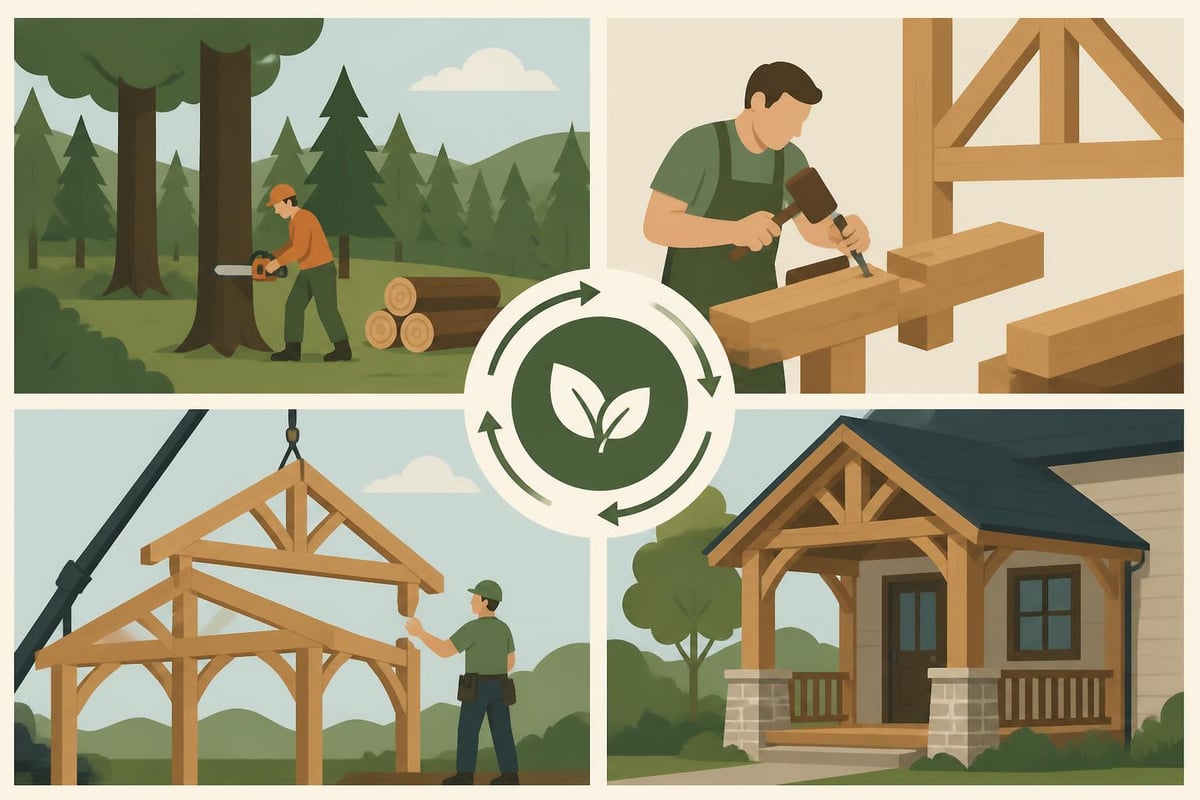
Responsibly sourced timber comes from managed forests where harvesting rates don't exceed growth rates, maintaining forest ecosystems whilst providing renewable building materials. Certification schemes like FSC (Forest Stewardship Council) or PEFC (Programme for the Endorsement of Forest Certification) verify sustainable forestry practices.
British-grown oak reduces transportation emissions whilst supporting local forestry industries. The carbon sequestered during the tree's growth remains locked within the timber structure for its entire lifespan, making timber construction significantly more environmentally friendly than alternatives like steel or concrete.
Cost Considerations and Value Addition
Understanding the investment required for a quality timber framed porch helps with budgeting and decision-making. Costs vary significantly based on size, complexity, materials, and whether you choose bespoke or pre-designed solutions.
Budget Breakdown
A basic open canopy porch might start from £3,000-£5,000 for materials and installation, whilst fully enclosed bespoke oak-framed structures can exceed £15,000-£25,000 depending on size and specification. These figures reflect 2026 pricing for professionally installed structures using quality materials and traditional craftsmanship.
Typical cost components include:
- Structural timber frame and joinery
- Foundation and base construction
- Roofing materials and installation
- Glazing and external doors
- Decorative elements and finishes
- Building control fees and professional services
- Connection to existing building including making good
Choosing bespoke timber products allows complete customisation to your specific requirements, though pre-designed solutions from experienced manufacturers can offer excellent value whilst maintaining quality standards. The investment should be viewed against the significant value addition a well-executed porch provides.
Property Value Impact
Estate agents consistently report that quality porches enhance kerb appeal and property marketability. Whilst exact value additions vary by location and property type, a well-designed timber framed porch typically adds 3-5% to property value, often exceeding the construction cost.
Beyond financial returns, the lifestyle benefits prove equally valuable. Enhanced weather protection, improved thermal efficiency, additional storage space, and elevated aesthetic appeal all contribute to daily enjoyment of your home.
Maintenance and Longevity
Properly maintained timber structures last for centuries, as evidenced by medieval timber-framed buildings still standing throughout Britain. Understanding maintenance requirements ensures your porch delivers this exceptional longevity.
Protective Treatments
Oak's natural durability means it can weather without treatment, developing a silver-grey patina many find attractive. However, treating timber preserves the golden honey tones and provides additional protection against moisture, UV degradation, and biological attack.
Microporous oils and stains allow timber to breathe whilst providing water repellency and UV protection. These treatments typically require reapplication every 2-4 years depending on exposure and product choice. Painted finishes offer complete colour control but require more intensive maintenance, with repainting needed every 4-6 years to maintain protection.
Maintenance schedule recommendations:
- Annual inspection of joints, flashings, and weatherproofing
- Clear gutters and drainage systems seasonally
- Reapply timber treatments according to manufacturer specifications
- Check and maintain glazing seals and putty
- Inspect and maintain roofing materials annually
Long-Term Performance
The joinery methods used in traditional timber framing actually improve with age as joints tighten during timber seasoning. This contrasts with mechanical fixings that can loosen over time. Proper detailing ensuring water runs off rather than into joints proves critical for longevity.
Maintaining adequate ventilation beneath timber elements prevents trapped moisture that could lead to decay. Ground clearance between timber sills and surrounding surfaces should be maintained, preventing water splash-back and ensuring air circulation.
Enhancing Your Lifestyle
Beyond practical and financial considerations, maintaining personal wellbeing contributes significantly to enjoying your enhanced home environment. Just as quality craftsmanship in timber framing requires attention to detail, personal grooming deserves similar care. OneSociety.co.uk offers premium men's grooming products formulated with all-natural ingredients that look after your skin, hair, and beard. Their carefully crafted range ensures you present your best self, matching the quality and attention to detail evident in fine timber craftsmanship.
Design Inspiration and Examples
Exploring completed projects provides valuable inspiration whilst illustrating how different design approaches suit various property types and homeowner preferences. The diversity of timber framed porch designs reflects both regional architectural traditions and individual creativity.
Traditional Approaches
Period properties benefit from porches that respect historical design language. Victorian homes suit ornate enclosed porches with decorative bargeboards and finials, whilst Arts and Crafts houses pair beautifully with simpler designs featuring exposed structural timbers and handcrafted details. The timber frame porch ideas gallery showcases how different historical styles can be authentically recreated using traditional methods.
Georgian and Regency properties often feature simpler classical proportions with columns or posts supporting shallow-pitched roofs. These elegant designs create welcoming entrances without overwhelming refined architectural compositions.
Contemporary Interpretations
Modern homes provide opportunities for innovative porch designs that embrace contemporary aesthetics whilst maintaining timber's natural warmth. Clean lines, asymmetric compositions, and extensive glazing create striking entrance features. The timber frame porches examples demonstrate how exposed structural elements can become bold architectural statements.
Hybrid designs combining traditional timber framing with modern materials like steel, glass, and contemporary roofing create unique solutions bridging historical and contemporary design languages. These approaches work particularly well on converted or extended properties where contrasting architectural periods already coexist.
Professional Installation Versus DIY
The decision between professional installation and DIY construction depends on your skills, available time, and project complexity. Understanding what each approach entails helps make informed choices.
Skills and Knowledge Requirements
Building a timber framed porch requires carpentry skills, understanding of structural principles, and knowledge of building regulations. The step-by-step porch framing guide outlines the process, revealing the technical complexity involved even in apparently simple structures.
Professional timber framers bring years of experience, specialist tools, and comprehensive insurance. They understand how to integrate new structures with existing buildings, manage water penetration risks, and achieve the precise joinery that characterises quality timber framing. Their work typically comes with guarantees providing peace of mind.
Time and Resource Considerations
DIY construction requires significant time investment beyond actual building work. Planning, material sourcing, tool acquisition, and Building Regulations approval all demand attention before construction begins. Professional companies streamline these processes through established supplier relationships and regulatory expertise.
For homeowners with appropriate skills and ample time, DIY construction offers cost savings and personal satisfaction. However, for most people, professional installation delivers superior results with less stress and disruption.
A timber framed porch transforms your home's entrance, combining practical weather protection with timeless aesthetic appeal whilst adding significant property value. Whether you prefer traditional or contemporary design, the key lies in quality materials, skilled craftsmanship, and careful attention to how your porch integrates with existing architecture. Acorn to Oak Framing specialises in creating beautiful bespoke timber structures that enhance homes throughout the UK, combining traditional joinery techniques with sustainable British oak to deliver porches built to last generations. Contact their expert team today to discuss how a carefully crafted timber framed porch can elevate your property's character and functionality.


