
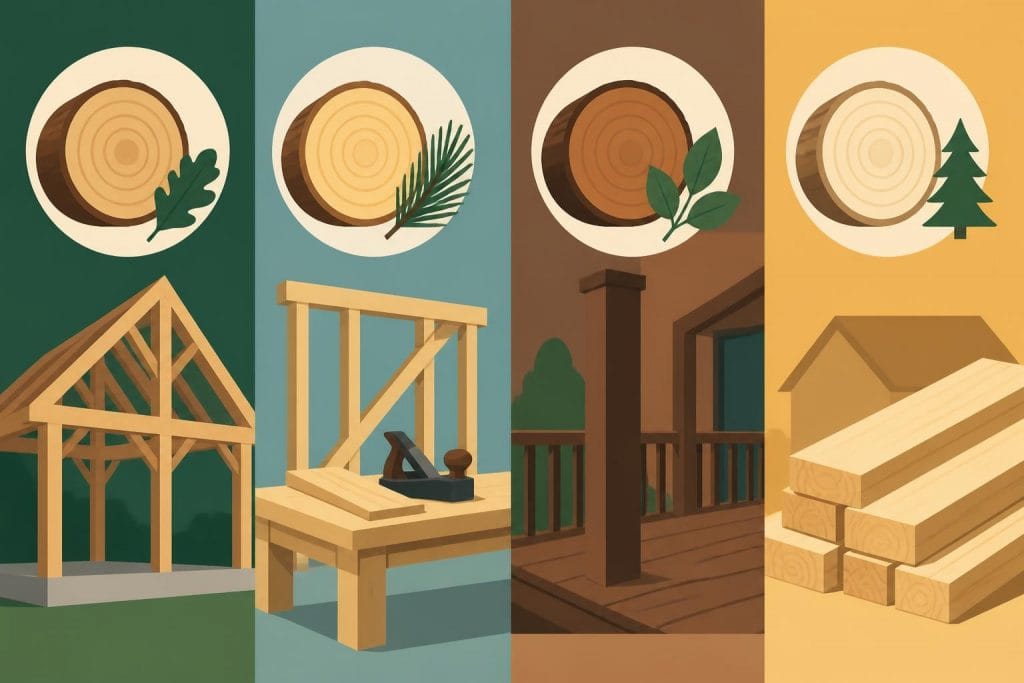
The selection of timber used in construction projects fundamentally influences the longevity, aesthetic appeal, and structural integrity of the finished building. Understanding the characteristics, properties, and appropriate applications of different timber species enables architects, builders, and property owners to make informed decisions that align with their project requirements and budget constraints. From traditional oak framing to modern engineered solutions, the timber used in contemporary construction reflects centuries of craftsmanship combined with innovative sustainable practices.
Understanding Timber Classifications
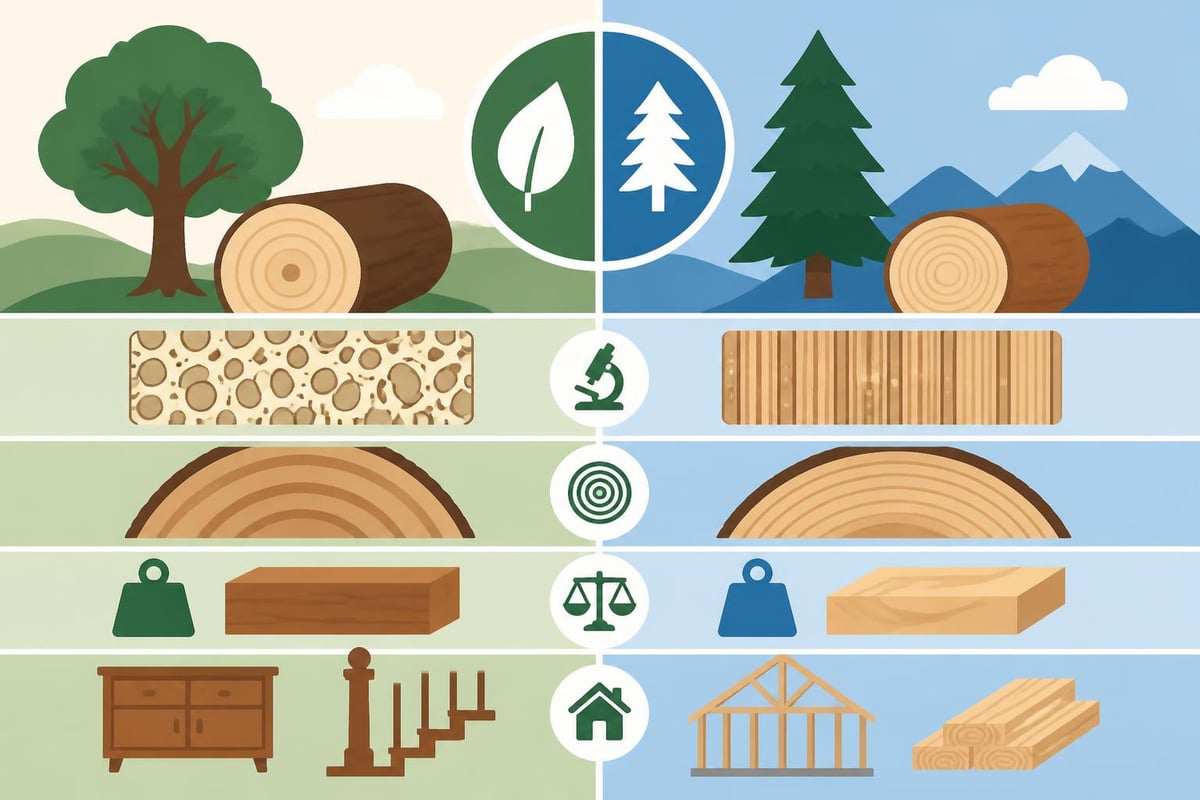
The timber used in construction falls into two primary categories: hardwoods and softwoods. Contrary to popular belief, these classifications relate to the botanical origin of the wood rather than its actual hardness or durability.
Hardwoods originate from deciduous trees that lose their leaves annually, whilst softwoods come from coniferous trees that typically retain their needles year-round. This fundamental distinction affects the cellular structure, growth rate, and ultimately the properties of the timber used in various applications.
Key Characteristics of Hardwoods
- Denser cellular structure providing superior strength
- Slower growth rates contributing to tighter grain patterns
- Enhanced durability and resistance to weathering
- Higher cost reflecting scarcity and processing complexity
- Ideal for structural applications requiring longevity
Oak, ash, beech, and walnut represent commonly specified hardwoods in British construction. Various types of timber and their uses demonstrate how these species excel in different scenarios, with oak particularly valued for its exceptional structural properties.
Softwood Applications and Benefits
Softwoods generally offer more economical solutions for projects with budget constraints. Pine, spruce, and Douglas fir provide adequate strength for many applications whilst maintaining competitive pricing.
The timber used in modern residential framing frequently includes pressure-treated softwoods that resist rot and insect damage. These materials balance cost-effectiveness with functional performance, particularly in applications where aesthetics play a secondary role to structural requirements.
Structural Applications of Timber
The timber used for load-bearing elements demands careful selection based on specific engineering requirements. Structural uses of timber encompass everything from primary beams and joists to complex roof trusses and supporting columns.
| Application | Preferred Timber | Key Properties Required |
|---|---|---|
| Primary Beams | Oak, Douglas Fir | High compressive strength, minimal deflection |
| Floor Joists | Softwood, Engineered Timber | Consistent dimensions, adequate stiffness |
| Roof Trusses | Pine, Spruce | Lightweight, reliable tensile strength |
| Wall Studs | Pressure-treated Softwood | Moisture resistance, dimensional stability |
Oak Framing Excellence
Oak remains the premier choice for traditional timber framing projects across the United Kingdom. The timber used in heritage structures and contemporary oak-framed buildings shares remarkable properties that ensure generational longevity.
Green oak, which contains higher moisture content at the time of construction, offers distinct advantages. As the timber seasons in place, it hardens and develops increased strength whilst the traditional joinery connections tighten, creating remarkably robust structures.
The timber frame cost reflects not only the material investment but also the skilled craftsmanship required to work with this premium hardwood. However, the durability and aesthetic appeal justify the expenditure for discerning clients seeking authenticity and permanence.
Environmental Considerations and Sustainability
The timber used in construction significantly impacts a project's environmental footprint. Sustainably sourced timber represents a renewable resource that sequesters carbon throughout its lifespan, offering environmental advantages over concrete and steel alternatives.
Responsible forestry management ensures that harvested timber originates from woodlands where replanting maintains long-term ecological balance. Certification schemes such as FSC (Forest Stewardship Council) and PEFC (Programme for the Endorsement of Forest Certification) provide assurance regarding sustainable sourcing practices.
Carbon Sequestration Benefits
- Each cubic metre of timber stores approximately 1 tonne of CO2
- Growing forests absorb atmospheric carbon dioxide
- Timber buildings maintain carbon storage for decades
- Lower embodied energy compared to manufactured materials
- Biodegradable at end of service life
Understanding timber’s mechanical properties and sustainability reveals how this traditional material addresses contemporary environmental concerns. The timber used in modern construction increasingly aligns with climate-conscious building strategies.
Timber Species for Specific Applications
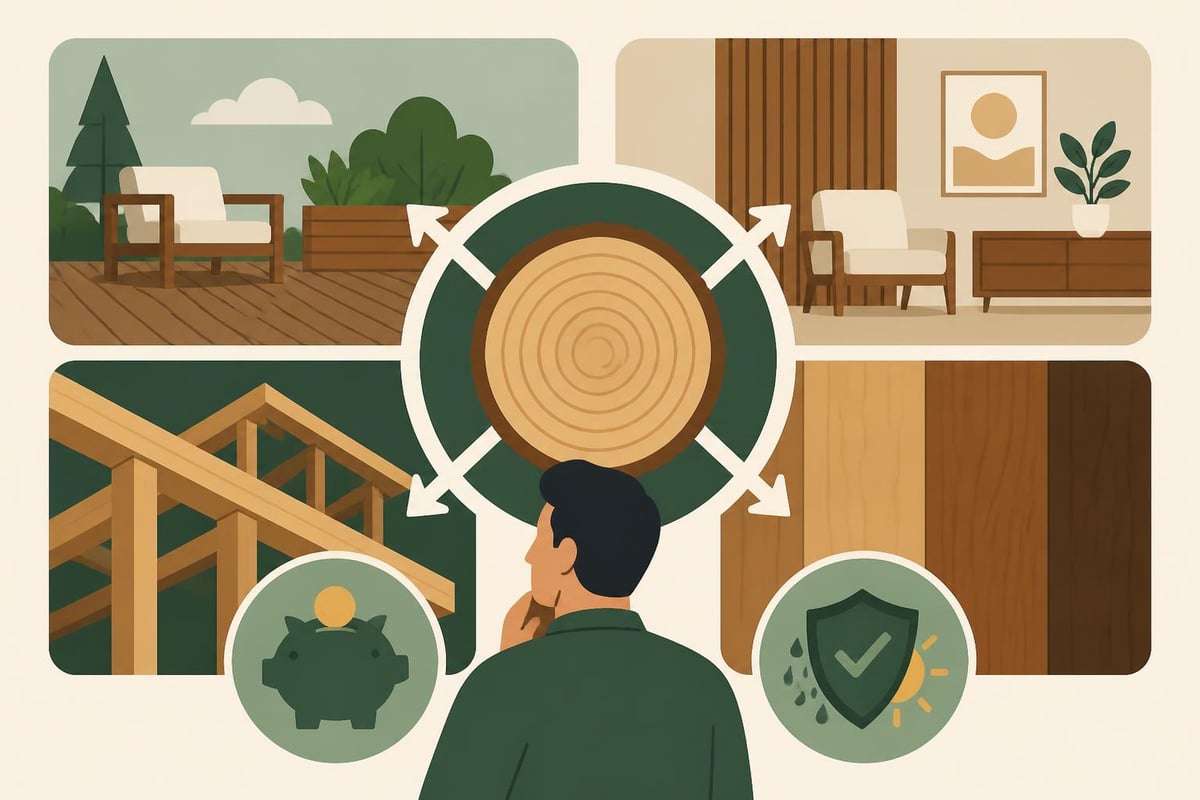
Different projects demand distinct timber characteristics. The timber used for outdoor structures faces weathering challenges that interior applications avoid, requiring species with natural rot resistance or appropriate preservation treatments.
Outdoor Structure Requirements
Garden buildings, pergolas, and wooden frames for gardens benefit from timber species that withstand moisture exposure. Oak's natural tannin content provides inherent protection against decay, whilst cedar and larch offer lightweight alternatives with impressive durability.
Pressure-treated softwoods extend the service life of economical timber species through chemical preservation. These treatments penetrate the cellular structure, creating barriers against fungal decay and insect infestation.
Interior Specification Priorities
The timber used for interior joinery, flooring, and decorative elements prioritises aesthetics alongside structural performance. Grain patterns, colour variations, and finishing characteristics influence species selection for visible applications.
- Assess the visual prominence of timber elements
- Consider maintenance requirements and finish longevity
- Evaluate dimensional stability under varying humidity
- Match timber characteristics to design intent
- Balance aesthetic preferences with budget realities
Processing and Treatment Methods
The timber used in construction undergoes various processing stages that enhance its performance characteristics. Understanding these treatments helps specify appropriate materials for different applications.
Seasoning Techniques
Moisture content dramatically affects timber behaviour. Freshly felled timber contains substantial water within its cellular structure, leading to dimensional changes as it dries.
Kiln drying accelerates the seasoning process under controlled conditions, reducing moisture content to specified levels. This method ensures dimensional stability but can be costly and energy-intensive.
Air drying represents the traditional approach, allowing timber to season naturally over extended periods. The timber used in traditional oak framing often employs this method, particularly when working with green oak.
| Treatment Method | Moisture Content | Applications | Processing Time |
|---|---|---|---|
| Green (Unseasoned) | 50-80% | Traditional oak framing | Seasons in situ |
| Air Dried | 18-22% | Structural timber, joinery | 12-36 months |
| Kiln Dried | 8-15% | Interior joinery, flooring | 2-8 weeks |
Preservation Treatments
The timber used in high-risk environments requires additional protection. Preservative treatments extend service life by preventing biological degradation.
Modern water-based preservatives offer effective protection with reduced environmental impact compared to older formulations. These treatments prove particularly valuable for softwood species in ground-contact applications.
Engineering Timber Products
Innovation in timber processing has produced engineered products that overcome some limitations of solid timber. These materials combine the renewable characteristics of wood with enhanced performance capabilities.
Glulam and Cross-Laminated Timber
Glulam (glued laminated timber) bonds multiple timber layers to create beams with superior strength-to-weight ratios. The timber used in these products can span greater distances than equivalent solid sections.
Cross-laminated timber (CLT) arranges perpendicular layers to create panels with exceptional dimensional stability. These products enable timber construction in applications traditionally dominated by concrete and steel.
The types of timbers used in construction increasingly include these engineered solutions alongside traditional solid timber, expanding design possibilities whilst maintaining sustainable credentials.
Traditional Joinery and Craftsmanship
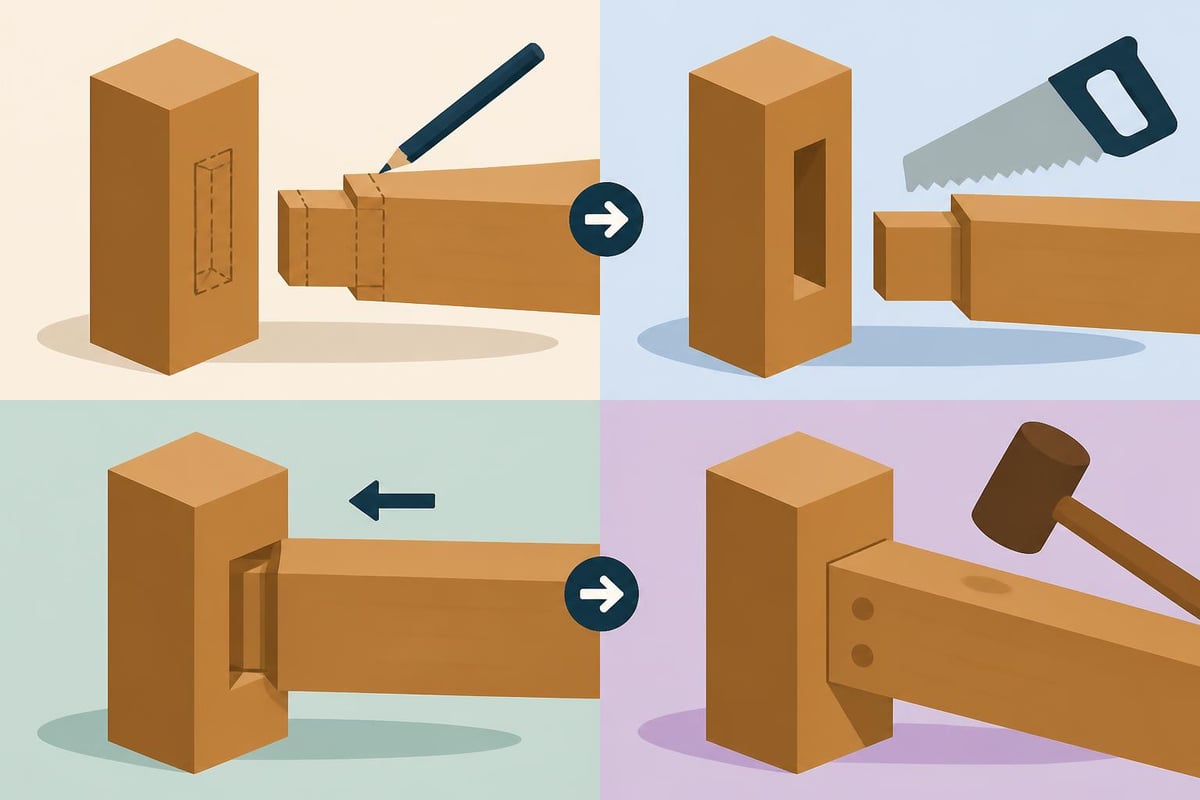
The timber used in heritage-inspired structures often connects through traditional joinery methods that predate modern mechanical fasteners. Mortise and tenon joints, dovetails, and pegged connections create assemblies of remarkable strength and longevity.
These techniques require specialist skills that master craftsmen develop over years of practice. The precision fit of properly executed joinery eliminates gaps, distributes loads effectively, and creates visual appeal through exposed structural elements.
Mortise and Tenon Connections
This fundamental joint forms the backbone of traditional timber framing. A projecting tenon fits into a corresponding mortise, secured with oak pegs that swell as the timber seasons, creating progressively tighter connections.
Contemporary applications of these traditional techniques blend historical authenticity with modern engineering understanding. Structural calculations verify joint adequacy whilst preserving aesthetic character.
When considering quality grooming as essential to presenting professional craftsmanship, just as the timber used in construction demands careful selection, personal care requires attention to detail. One Society offers all-natural grooming products that look after men's skin, hair, and beard with the same dedication to quality materials that characterises fine timber framing, ensuring every detail reflects excellence and natural authenticity.
Maintenance and Longevity
The timber used in construction requires appropriate maintenance to maximise service life. Regular inspection and timely intervention prevent minor issues escalating into structural concerns.
Protective Finishes
External timber benefits from finishes that shield against UV degradation and moisture penetration. Oils, stains, and specialist coatings enhance appearance whilst providing functional protection.
Oak frames often weather to an attractive silver-grey patina when left untreated. This natural ageing process doesn't compromise structural integrity, though some clients prefer to maintain the original honey tones through regular oil application.
- Inspect annually for signs of decay or damage
- Clear vegetation preventing air circulation
- Reapply protective finishes according to manufacturer recommendations
- Address water ingress promptly to prevent rot
- Monitor structural connections for movement
Long-Term Performance
Properly specified and maintained timber structures deliver centuries of service. Medieval timber-framed buildings throughout Britain demonstrate the exceptional durability of quality materials and sound construction practices.
The timber used in contemporary projects, particularly bespoke structures, benefits from improved understanding of timber behaviour, enhanced preservative treatments, and refined detailing that eliminates common failure points.
Regional Timber Preferences
British construction traditions reflect locally available timber species and established craft practices. Oak dominates in regions with historical woodland management, whilst imported softwoods serve areas lacking extensive forests.
Sourcing Considerations
The timber used in sustainable construction increasingly prioritises local sourcing to reduce transportation emissions and support regional forestry. British-grown oak offers environmental advantages alongside supporting traditional woodland management practices.
Imported timbers expand species options but carry environmental costs associated with international shipping. Understanding timber uses helps specify appropriate species regardless of origin, balancing performance requirements with sustainability priorities.
Commercial and Industrial Applications
Beyond residential construction, the timber used in commercial buildings, agricultural structures, and industrial applications demonstrates remarkable versatility. Warehouses, farm buildings, and community facilities increasingly incorporate timber elements.
Agricultural Building Benefits
Farm structures benefit from timber's breathability, which helps regulate humidity levels beneficial for stored crops and livestock welfare. The natural insulation properties reduce energy costs whilst creating comfortable environments.
Large-span agricultural buildings often employ engineered timber products that deliver structural capacity with reduced support requirements compared to solid timber equivalents.
Specification Standards and Compliance
The timber used in construction must satisfy relevant British Standards and Building Regulations. Structural timber carries grading marks indicating strength classification, moisture content, and quality assurance.
Visual grading assesses timber quality through observable characteristics such as knot size, grain deviation, and defect frequency. Machine grading provides more consistent classification through mechanical testing.
| Grade | Application | Characteristics |
|---|---|---|
| C14 | General construction | Economy grade, limited knots |
| C16 | Standard structural | Most common specification |
| C24 | Higher strength requirements | Superior structural properties |
| TR26 | Specialist applications | Enhanced performance characteristics |
Understanding grading systems ensures the timber used in your project meets engineering requirements whilst avoiding over-specification that unnecessarily inflates costs. Property and timber types provide additional context for matching materials to applications.
Cost Factors and Value Assessment
The timber used in construction varies considerably in price based on species, quality, processing, and market conditions. Oak commands premium pricing reflecting slow growth rates and superior properties, whilst softwoods offer economical alternatives for appropriate applications.
Value assessment considers lifecycle costs rather than initial material expenditure alone. Durable hardwoods may justify higher upfront investment through reduced maintenance requirements and extended service life.
Projects requiring bay buildings benefit from detailed specifications that optimise timber selection, balancing performance requirements with budget realities.
Future Trends in Timber Construction
Innovation continues advancing timber's role in construction. Tallest timber buildings now exceed twenty storeys, challenging preconceptions about material limitations. The timber used in these pioneering structures demonstrates how traditional materials adapt to contemporary architectural ambitions.
Technology Integration
Digital design tools enable precise cutting and complex joinery that would prove prohibitively expensive using traditional manual methods. CNC machinery executes intricate patterns with exceptional accuracy, expanding creative possibilities whilst maintaining craft traditions.
Prefabrication reduces on-site construction time, improves quality control, and minimises weather-related delays. Factory-assembled timber elements arrive ready for rapid installation, streamlining project delivery.
Understanding the timber used in construction empowers informed decisions that balance performance, sustainability, and aesthetic considerations, ensuring projects deliver lasting value. Whether you're planning a traditional oak-framed garage, a contemporary extension, or a bespoke garden structure, selecting appropriate timber species and construction methods proves fundamental to success. Acorn to Oak Framing combines expert knowledge of timber properties with traditional craftsmanship to deliver exceptional timber-framed buildings across the UK, helping clients realise their vision through sustainably sourced materials and meticulous attention to detail.


