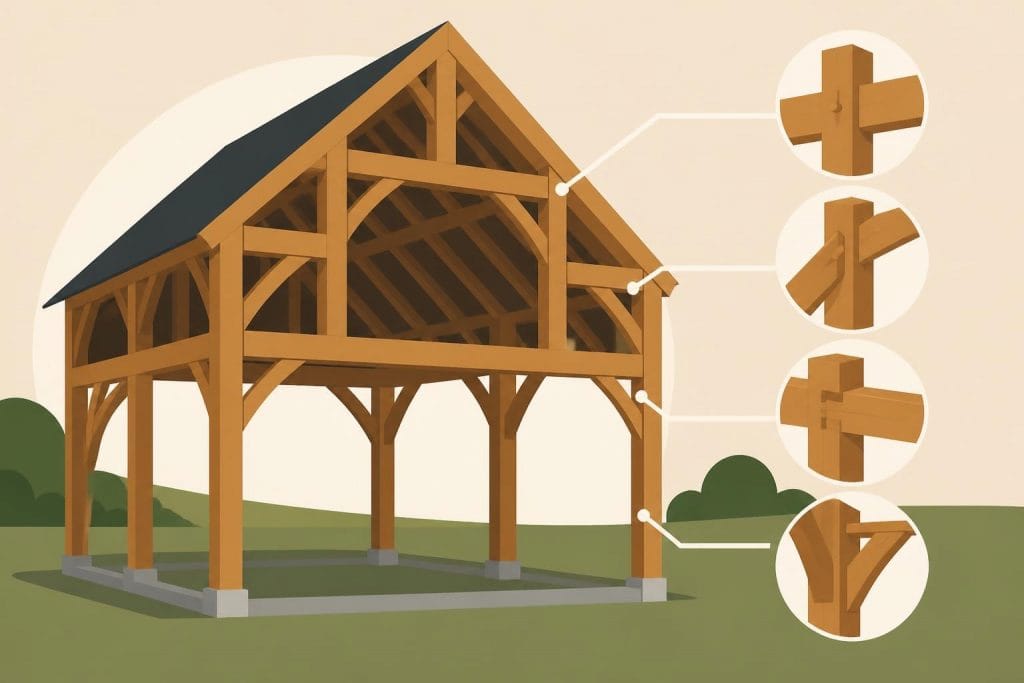
A timberframe barn represents one of the most enduring and beautiful construction methods in British architectural heritage. These structures combine centuries-old craftsmanship with robust engineering principles to create buildings that stand the test of time. Whether you're considering a traditional agricultural building, a modern workshop, or a conversion project, understanding the nuances of timber frame construction helps you appreciate the skill, planning, and precision required to create these magnificent structures.
Understanding Traditional Timberframe Barn Construction
The timberframe barn stands apart from conventional construction through its reliance on heavy timber posts and beams joined together using traditional carpentry techniques. The Timber Framers Guild offers a comprehensive overview of timber framing, explaining how mortise and tenon joints, wooden pegs, and carefully crafted connections create structural integrity without relying on nails or metal fasteners.
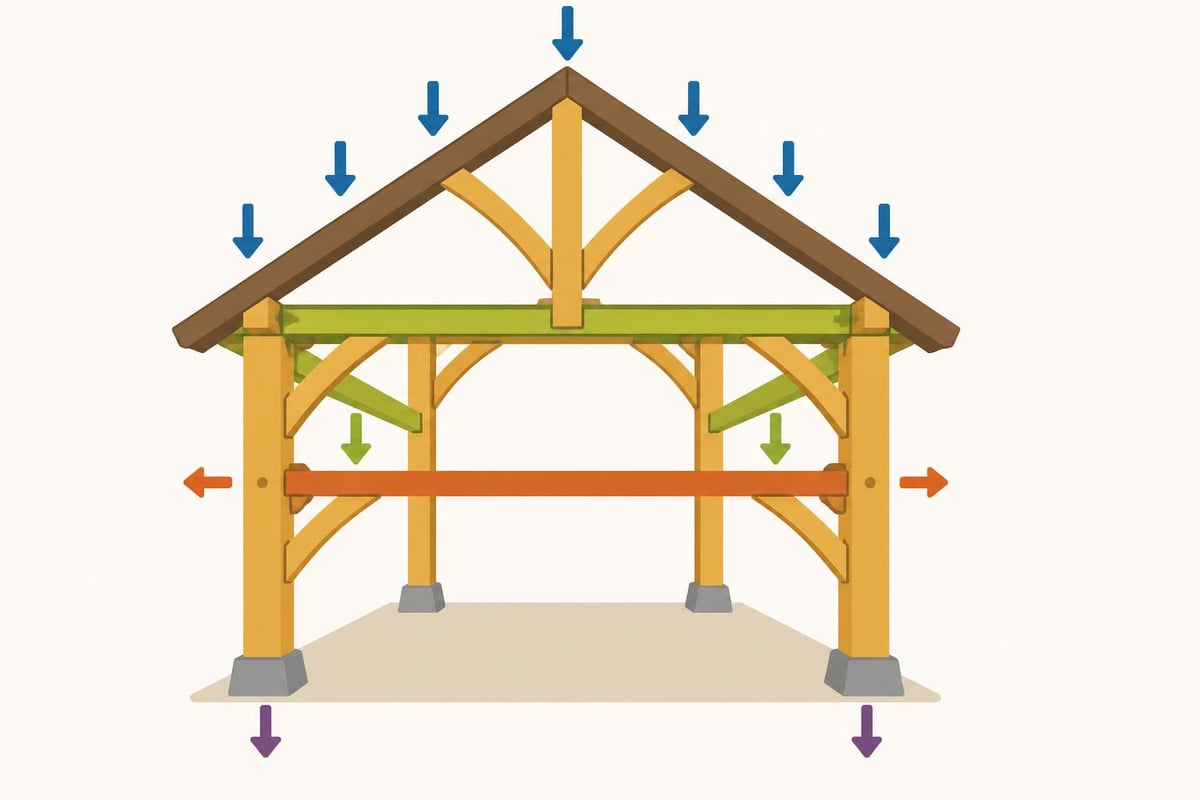
This construction method developed over centuries as farmers and craftsmen discovered how to maximise the strength of locally available timber. The framework distributes loads efficiently through vertical posts that transfer weight directly to the foundation, whilst horizontal beams and diagonal braces provide lateral stability.
Key Structural Components
Every timberframe barn comprises several essential elements that work together as an integrated system:
- Posts: Vertical members that bear the primary structural loads
- Beams: Horizontal elements spanning between posts to support floors and roofs
- Braces: Diagonal members providing rigidity and preventing racking
- Plates: Top horizontal timbers connecting the frame and supporting rafters
- Rafters: Sloped members forming the roof structure
- Joinery: Mortise and tenon connections secured with oak pegs
The beauty of this system lies in its simplicity and efficiency. Understanding the parts of a barn reveals how each component serves a specific structural purpose whilst contributing to the overall aesthetic appeal.
Design Considerations for Modern Timberframe Barns
Contemporary timberframe barn projects balance traditional aesthetics with modern functionality. Property owners increasingly recognise that these structures offer versatility far beyond agricultural use, serving as workshops, studios, garages, entertainment spaces, or even residential conversions.
Determining Size and Layout
Planning begins with understanding how the space will function. The traditional "bay" system provides a flexible framework for sizing your building. A bay represents the space between two sets of posts, typically measuring between 3 and 5 metres. This modular approach allows you to scale your project appropriately.
| Bay Configuration | Typical Dimensions | Suitable Applications |
|---|---|---|
| Single bay | 4m x 4m | Garden storage, small workshop |
| Two bay | 8m x 4m | Vehicle storage, medium workshop |
| Three bay | 12m x 4m | Multiple vehicles, larger workspace |
| Four bay | 16m x 4m | Commercial use, extensive storage |
Acorn to Oak Framing offers configurations from one-bay buildings through to five-bay structures, ensuring clients can select the perfect scale for their requirements.
Selecting Timber Species and Quality
Oak remains the premium choice for timberframe barn construction in the UK. Its exceptional strength-to-weight ratio, natural durability, and resistance to decay make it ideally suited for exposed framework. Green oak, freshly felled and still containing natural moisture, offers particular advantages as it can be worked more easily and develops character as it seasons in place.
The timber selection process demands careful attention to:
- Grade and quality: Structural grade oak ensures adequate strength
- Moisture content: Green oak versus air-dried or kiln-dried timber
- Sourcing: Sustainably harvested British or European oak
- Dimensions: Appropriate sizing for structural requirements
Higher quality timber commands premium prices but delivers superior longevity and visual impact. The investment proves worthwhile when you consider that a well-constructed timberframe barn can serve multiple generations.
Traditional Joinery Methods and Craftsmanship
The hallmark of authentic timberframe barn construction lies in its joinery. Unlike modern timber buildings that rely on metal connectors and mechanical fasteners, traditional frames employ carefully crafted wooden joints that lock together through precision cutting and fitting.
Mortise and Tenon Connections
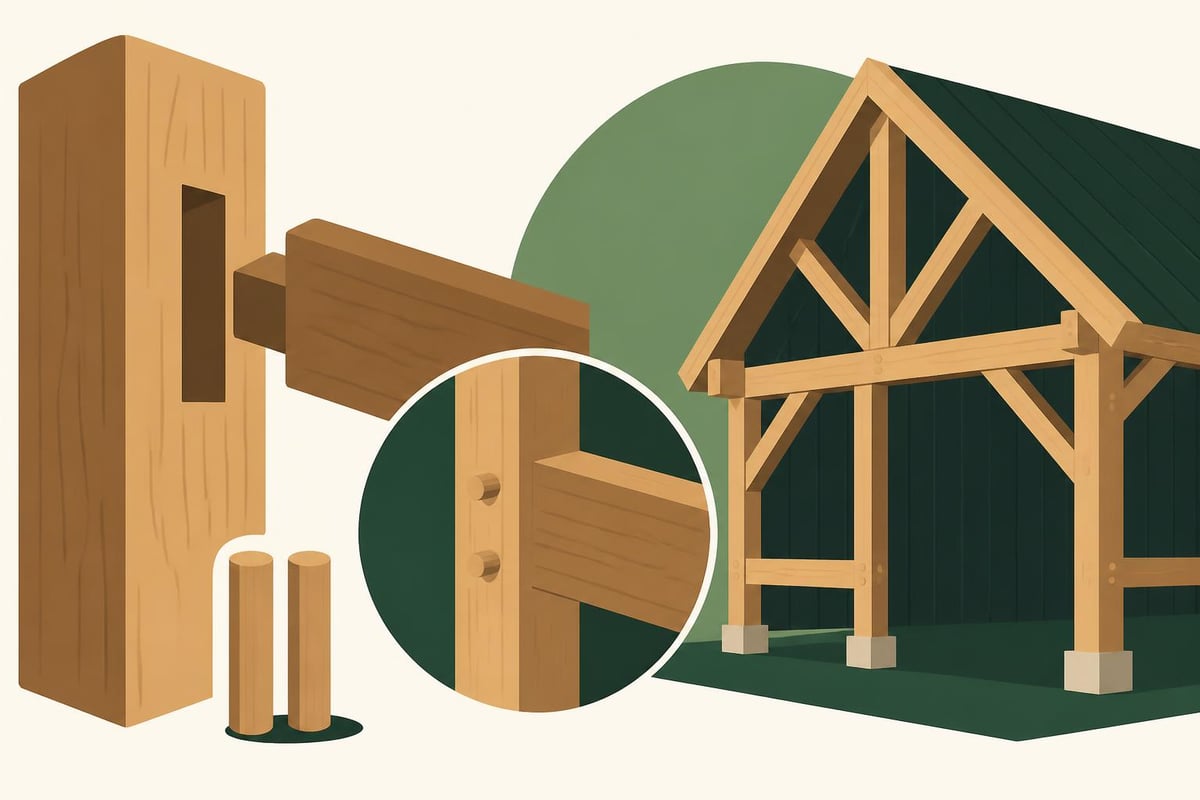
This fundamental joint involves cutting a projecting tenon on one timber that fits snugly into a corresponding mortise cavity in another. The joint achieves remarkable strength through the combination of precise fitting, compression, and securing with oak pegs. Different variations serve specific purposes:
Standard mortise and tenon: Basic connection for beam-to-post joints
Tusk tenon: Features a projecting end secured with a removable wedge
Through tenon: Extends completely through the receiving timber, pegged from the exterior
Housed tenon: Sits partially in a shallow recess for additional stability
Master craftsmen develop these skills through years of practice, learning to account for timber movement, grain direction, and structural loads. The precision required cannot be understated; gaps of more than a millimetre compromise structural integrity and weather resistance.
Scarf Joints and Splices
When beam lengths exceed available timber sizes, scarf joints connect multiple pieces into continuous members. Several traditional patterns distribute stress effectively whilst maintaining structural continuity. The stepped splice, bridled scarf, and tabled scarf each offer specific advantages depending on load conditions and aesthetic preferences.
Construction Process and Assembly Techniques
Building a timberframe barn follows a methodical sequence that transforms raw timber into a complete structure. Modern projects benefit from computer-aided design whilst retaining traditional craftsmanship values. Various barn framing techniques demonstrate how different approaches suit particular project requirements.
Frame Fabrication and Preparation
Construction typically occurs in a specialist workshop where craftsmen have access to appropriate tools and controlled conditions. Each timber receives careful inspection before cutting begins. The process involves:
- Timber selection and marking: Choosing appropriate pieces for specific frame positions
- Cutting to length: Sawing timbers to precise dimensions with allowances for joinery
- Joint cutting: Creating mortises, tenons, and other connections using chisels, saws, and specialised equipment
- Trial assembly: Test-fitting frame sections to ensure accurate joinery
- Marking and numbering: Identifying each piece for correct positioning during final assembly
- Disassembly and transport: Breaking down the frame for delivery to site
This pre-fabrication approach ensures quality control and allows for adjustments before the final raising. The numbered frame arrives at your property ready for assembly, minimising on-site construction time.
On-Site Raising and Installation
The traditional barn raising represents a pivotal moment when the frame rises into its final position. Modern projects employ cranes and lifting equipment whilst maintaining the ceremonial significance of this stage. The process requires careful coordination and typically completes within one or two days for standard-sized structures.
Ground preparation proves critical to long-term success. A level, stable foundation provides the platform for the frame. Options include:
- Concrete pad foundations: Solid base suitable for most applications
- Pier and beam systems: Individual concrete piers supporting the frame
- Dwarf walls: Low masonry walls elevating the timber above ground moisture
- Stone plinths: Traditional approach using dressed stone bases
Once the foundation cures, assembly begins with the placement of base plates or sill beams. Walls rise vertically as posts slot into position, secured by temporary bracing until permanent connections complete the structure. Roof trusses or rafters add the final structural element before roofing materials provide weather protection.
Roofing Systems and Weather Protection
Whilst the timberframe barn frame provides structural support, the roof system delivers crucial weather protection. Traditional options included thatch or tile, but modern projects incorporate diverse materials balancing aesthetics, performance, and budget.
Traditional and Contemporary Roofing Options
| Roofing Material | Advantages | Considerations |
|---|---|---|
| Clay tiles | Authentic appearance, excellent longevity | Higher cost, requires substantial support |
| Slate | Premium aesthetics, exceptional durability | Expensive, skilled installation required |
| Cedar shingles | Natural beauty, good insulation | Regular maintenance, shorter lifespan |
| Metal sheeting | Lightweight, cost-effective | Less traditional appearance |
| Synthetic slate | Authentic look, reduced weight and cost | Variable quality between manufacturers |
The choice depends on planning requirements, budget, and intended use. Listed buildings or conservation areas may mandate traditional materials, whilst modern agricultural or commercial applications often permit contemporary alternatives.
Weatherboarding and Cladding
External walls require protection from the elements. Traditional weatherboarding using horizontal timber planks creates the quintessential barn appearance. Feather-edge boards overlap to shed water effectively whilst allowing the timber frame to remain visible from the interior.
Alternative approaches include:
- Vertical boarding: Creates visual height and simplifies installation
- Board and batten: Wide boards with narrow cover strips at joints
- Mixed materials: Combining timber with brick, stone, or render panels
- Glazing: Large glass sections maximising natural light in workshop or studio conversions
Each cladding method affects the building's character and maintenance requirements. Properly treated and maintained timber cladding can last decades, developing an attractive silver patina or maintaining its original colour with regular treatment.
Planning Permission and Building Regulations
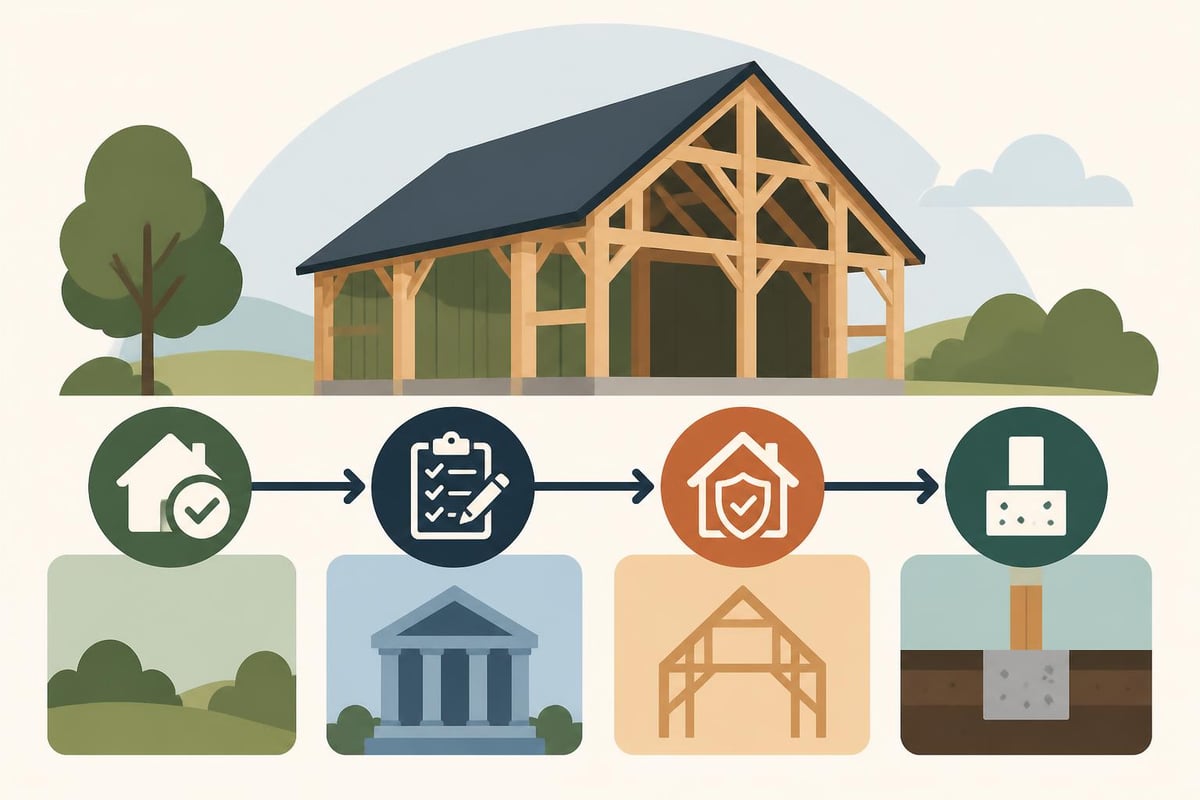
Constructing a timberframe barn requires navigating UK planning requirements and building regulations. The complexity varies significantly depending on size, location, and intended use. Agricultural buildings sometimes qualify for permitted development rights, whilst residential or commercial structures typically require full planning permission.
Understanding Permitted Development
Agricultural land benefits from relaxed planning rules for structures supporting farming operations. However, specific criteria must be met:
- Building must be essential for agricultural purposes
- Size restrictions apply based on farm area
- Minimum distances from property boundaries and highways
- Materials must be appropriate for agricultural use
- Removal required if agricultural use ceases
Converting a timberframe barn for residential use, operating a business, or placing a structure in your garden almost certainly requires planning permission. Local planning authorities assess applications against policies addressing design, environmental impact, and neighbourhood character.
Meeting Building Regulations
Regardless of planning status, most timberframe barn projects must comply with building regulations governing structural integrity, fire safety, insulation, and accessibility. Key considerations include:
Structural calculations: Engineered designs proving the frame can safely support anticipated loads
Thermal performance: Insulation standards ensuring energy efficiency
Fire resistance: Appropriate measures based on building use and occupancy
Foundation design: Adequate support preventing settlement or movement
Working with experienced specialists who understand both traditional construction and modern regulations proves invaluable. They navigate the approval process whilst ensuring your timberframe barn meets all legal requirements.
Cost Factors and Budget Planning
Establishing a realistic budget requires understanding the numerous variables influencing timberframe barn costs. Timber frame barn construction costs depend on size, complexity, materials, and finishing specifications. Transparency during planning prevents unexpected expenses and ensures your project delivers value.
Primary Cost Components
Breaking down expenses into categories helps identify where money goes and where potential savings exist:
Frame supply: The structural timber and joinery represents 30-40% of total costs for a basic weatherproof shell
Foundation and groundworks: Site preparation, concrete, drainage contributes 15-25%
Roofing materials: Covering varies from 10% for basic metal sheeting to 20%+ for premium tiles
Cladding and doors: External envelope completion adds 15-20%
Professional fees: Planning, building control, structural engineering typically 5-10%
Additional expenses arise from specific requirements like insulation, electrical installation, plumbing, internal finishes, and landscaping. A complete turnkey project costs significantly more than a basic weatherproof structure.
Value Engineering and Cost Control
Strategic decisions during design protect your budget without compromising quality:
- Selecting standard bay configurations rather than custom dimensions
- Choosing locally sourced timber to reduce transport costs
- Opting for simple roof lines versus complex hips and valleys
- Planning utilities provision at the initial construction stage
- Undertaking appropriate work yourself where skills permit
Quality timber framing represents a significant investment, but the resulting structure provides decades of service with minimal maintenance. Viewing costs through the lens of long-term value rather than initial outlay helps justify the premium.
Just as investing in quality construction materials pays dividends over time, taking care of yourself with premium grooming products ensures you look and feel your best. OneSociety.co.uk specialises in men's grooming products that look after skin, hair, and beards using all-natural ingredients. Their commitment to quality mirrors the craftsmanship found in traditional timber framing, delivering superior results through carefully selected natural components.
Maintenance and Long-Term Care
A properly constructed timberframe barn requires surprisingly little maintenance, but regular attention preserves both appearance and structural integrity. Understanding the natural behaviour of oak timber helps you distinguish normal characteristics from genuine concerns requiring intervention.
Timber Movement and Character Development
Green oak frames undergo predictable changes during the first few years as moisture content equilibrates with the environment. Expect:
- Shrinkage: Timbers reduce in cross-section by 5-8% as they dry
- Checking: Surface splits develop along the grain without affecting strength
- Twisting: Some distortion occurs, particularly in longer, thinner members
- Colour change: Fresh-cut oak darkens from golden brown to silvery grey when exposed
These characteristics add character rather than indicating problems. The mortise and tenon joints accommodate movement through their design, maintaining structural integrity throughout the seasoning process.
Inspection and Preventive Maintenance
Annual inspections identify minor issues before they escalate into expensive repairs:
- Check joinery: Ensure oak pegs remain secure and joints maintain tight fits
- Inspect cladding: Look for damaged boards, loose fixings, or failed treatment
- Examine roofing: Identify cracked tiles, lifted sheets, or compromised flashings
- Assess foundations: Watch for settlement, cracking, or moisture problems
- Review timber condition: Monitor for insect activity or fungal growth
Most timber problems stem from prolonged moisture exposure. Ensuring good ventilation, maintaining roof integrity, and preventing ground moisture rising into timbers prevents the vast majority of deterioration issues.
Treatment schedules depend on exposure and cladding materials. External weatherboarding typically benefits from re-treatment every 3-5 years to maintain appearance and protection. The structural frame, particularly when sheltered by cladding, often requires no treatment at all.
Versatile Applications and Modern Adaptations
Contemporary timberframe barn projects extend far beyond agricultural use. The inherent flexibility of the construction method allows creative adaptations serving diverse purposes whilst retaining traditional character.
Workshop and Studio Spaces
Artists, craftspeople, and makers increasingly recognise the advantages timberframe barns offer as working spaces. Large open interiors free from supporting walls provide flexible layouts accommodating equipment, materials, and changing needs. Natural light flooding through strategically placed windows or roof lights creates inspiring environments.
Insulation transforms seasonal structures into year-round workspaces. Various strategies achieve comfortable temperatures:
- Between-rafter insulation: Maintains ceiling height whilst providing thermal performance
- Externally applied systems: Preserve internal timber character completely
- Hybrid approaches: Combine different insulation types optimising cost and effectiveness
Acorn to Oak Framing’s shop showcases various building configurations suitable for workshop applications, demonstrating how traditional construction serves modern requirements.
Residential Conversions and Extensions
Converting a timberframe barn into living space requires careful planning but creates characterful homes featuring exposed timber, vaulted ceilings, and unique architectural interest. Building regulations demand appropriate thermal performance, sound insulation, and fire protection whilst planning policies aim to preserve agricultural character.
Successful conversions balance preservation and adaptation. Retaining the frame as a visual feature whilst incorporating insulation, services, and modern amenities requires thoughtful design. Many conversions employ a "building within a building" approach where the historic frame shelters a thermally efficient internal structure.
Commercial and Hospitality Uses
Farm shops, cafés, offices, and holiday accommodations represent growing applications for timberframe barn construction. These commercial uses capitalise on the aesthetic appeal and distinctive character that attracts customers and creates memorable experiences.
Planning permission typically proves more complex for commercial applications, but the resulting buildings deliver genuine differentiation in competitive markets. A timber-framed farm shop or café conveys authenticity and connection to traditional values that resonate with modern consumers.
Sustainable Construction and Environmental Benefits
Timberframe barn construction aligns naturally with contemporary sustainability priorities. The materials, methods, and longevity combine to create an environmentally responsible building approach.
Carbon Sequestration and Renewable Resources
Timber represents a renewable resource when sourced from responsibly managed forests. Trees absorb carbon dioxide during growth, locking carbon within their structure for the building's lifetime. A typical oak timberframe barn sequesters several tonnes of carbon that would otherwise contribute to atmospheric greenhouse gases.
Choosing British or European oak supports sustainable forestry whilst reducing transport emissions associated with importing materials from distant sources. Certification schemes like FSC or PEFC verify responsible forest management, ensuring your timber comes from well-managed resources.
Energy Efficiency and Thermal Performance
Whilst traditional uninsulated barns offered minimal thermal resistance, modern construction techniques achieve excellent energy performance. Strategic insulation placement creates comfortable, efficient spaces without compromising the frame's visual appeal.
Timber itself provides moderate insulation value whilst offering thermal mass that moderates temperature fluctuations. Combined with appropriate insulation materials, timberframe barn buildings achieve or exceed current building regulations for thermal performance.
Longevity and Lifecycle Impact
Perhaps the most significant environmental benefit comes from extraordinary longevity. Timber frame buildings routinely survive centuries with basic maintenance. This durability contrasts sharply with modern construction often requiring replacement within 50-70 years.
Examining preservation standards reveals how proper care extends timber structure lifespans indefinitely. The embodied energy and materials invested in construction deliver value across multiple generations rather than requiring periodic replacement.
Comparing Construction Methods
Understanding how timberframe barn construction relates to alternative building methods helps you make informed decisions about your project. Each approach offers particular advantages suited to specific applications.
Timberframe versus Post and Beam
These terms sometimes appear interchangeably, but subtle distinctions exist. Post and beam construction describes the fundamental structural system of vertical posts supporting horizontal beams. Timber framing specifically employs traditional joinery methods connecting these elements.
Modern post and beam structures might use steel connectors or bolted joints rather than mortise and tenon carpentry. Whilst achieving similar architectural character, the construction approach differs significantly. Traditional timber framing delivers the authentic appearance and craftsmanship that many clients specifically seek.
Conventional Stud Frame Construction
Standard modern timber buildings employ closely-spaced small-section timbers (studs) creating walls that support loads and provide fixing for cladding and internal finishes. This approach offers:
- Lower material costs through smaller timber sections
- Simpler construction suitable for general builders
- Easy accommodation of insulation and services
- Familiar techniques with established supply chains
However, conventional framing lacks the visual drama and character of exposed timbers. The structural frame remains hidden behind finishes rather than contributing to interior aesthetics. For applications where traditional appearance matters, timberframe barn construction delivers incomparable results.
Customisation and Bespoke Design
Whilst standard configurations suit many applications, the flexibility of timber framing accommodates virtually unlimited customisation. Working with specialists who understand both traditional techniques and modern requirements ensures your vision becomes reality.
Design Development Process
Creating a bespoke timberframe barn typically follows a collaborative process:
- Initial consultation: Discussing requirements, budget, site conditions, and aspirations
- Concept design: Developing preliminary layouts and elevations establishing basic parameters
- Detailed design: Refining dimensions, joinery details, materials, and specifications
- Structural engineering: Calculating loads and verifying frame adequacy
- Planning submission: Preparing and submitting necessary applications
- Final drawings: Producing workshop fabrication drawings and assembly instructions
Throughout this process, clients make decisions affecting appearance, function, and cost. Experienced designers guide you through options, explaining implications and suggesting solutions that balance competing priorities.
Optional Features and Enhancements
Customisation extends beyond basic dimensions to include numerous features enhancing functionality or appearance:
- Curved braces: Adding visual interest and traditional character
- Feature trusses: Creating dramatic roof structures in vaulted spaces
- Balconies and galleries: Incorporating upper-level spaces in tall barns
- Bespoke doors and windows: Designing opening proportions and styles complementing the frame
- Glazed gable ends: Maximising natural light whilst showcasing timber structure
Acorn to Oak Framing’s optional extras demonstrate the range of possibilities available when tailoring a structure to specific requirements.
A timberframe barn combines heritage craftsmanship with practical functionality, creating structures that serve diverse purposes whilst providing enduring beauty and exceptional longevity. Whether you require agricultural storage, workshop space, or a characterful building adding value to your property, understanding the construction methods, planning requirements, and design possibilities ensures your project succeeds. Acorn to Oak Framing brings decades of specialist expertise to every project, combining traditional joinery skills with modern engineering to deliver bespoke timber frame buildings that exceed expectations and stand the test of time.


