
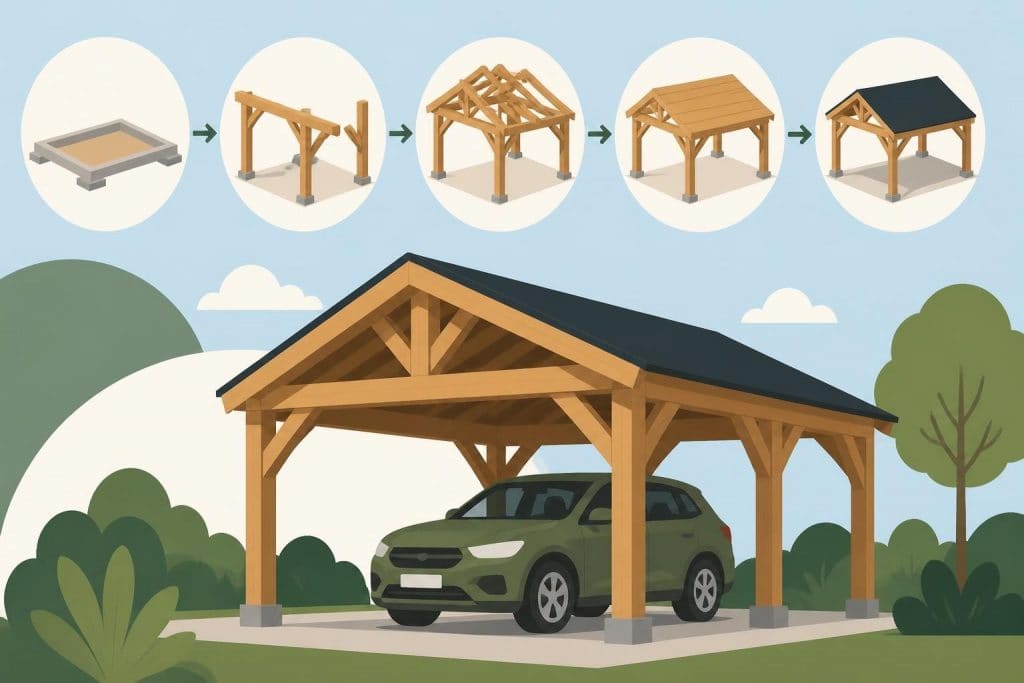
A wooden car port represents a practical and aesthetically pleasing solution for vehicle protection, combining functionality with the natural beauty of timber construction. Whether you're seeking shelter from the elements for your vehicles or looking to add value to your property, a well-constructed wooden car port offers durability, versatility, and timeless appeal. This comprehensive guide explores the essential aspects of planning, constructing, and maintaining a wooden car port, with particular emphasis on the superior qualities of oak timber and traditional joinery techniques that ensure longevity and structural integrity.
Understanding the Benefits of a Wooden Car Port
A wooden car port provides numerous advantages over alternative materials, particularly when constructed using quality timber and traditional framing methods. The natural thermal properties of wood help regulate temperature, reducing condensation on vehicles whilst maintaining excellent ventilation. Unlike metal alternatives, timber structures blend harmoniously with garden landscapes and existing property aesthetics.
Key advantages include:
- Enhanced property value: A well-crafted timber structure increases kerb appeal and market value
- Weather protection: Shields vehicles from rain, snow, UV damage, and bird droppings
- Versatile applications: Functions as covered workspace, storage area, or entertainment space
- Sustainability: Renewable material with lower carbon footprint than concrete or steel
- Customisation: Adaptable designs to suit individual requirements and property styles
The longevity of a wooden car port largely depends on timber selection and construction quality. Oak timber, renowned for its exceptional durability and resistance to decay, represents the premium choice for structures designed to last generations. When you consider timber frame cost, the initial investment in quality materials proves economical over the structure's lifespan.
Material Selection for Optimal Performance
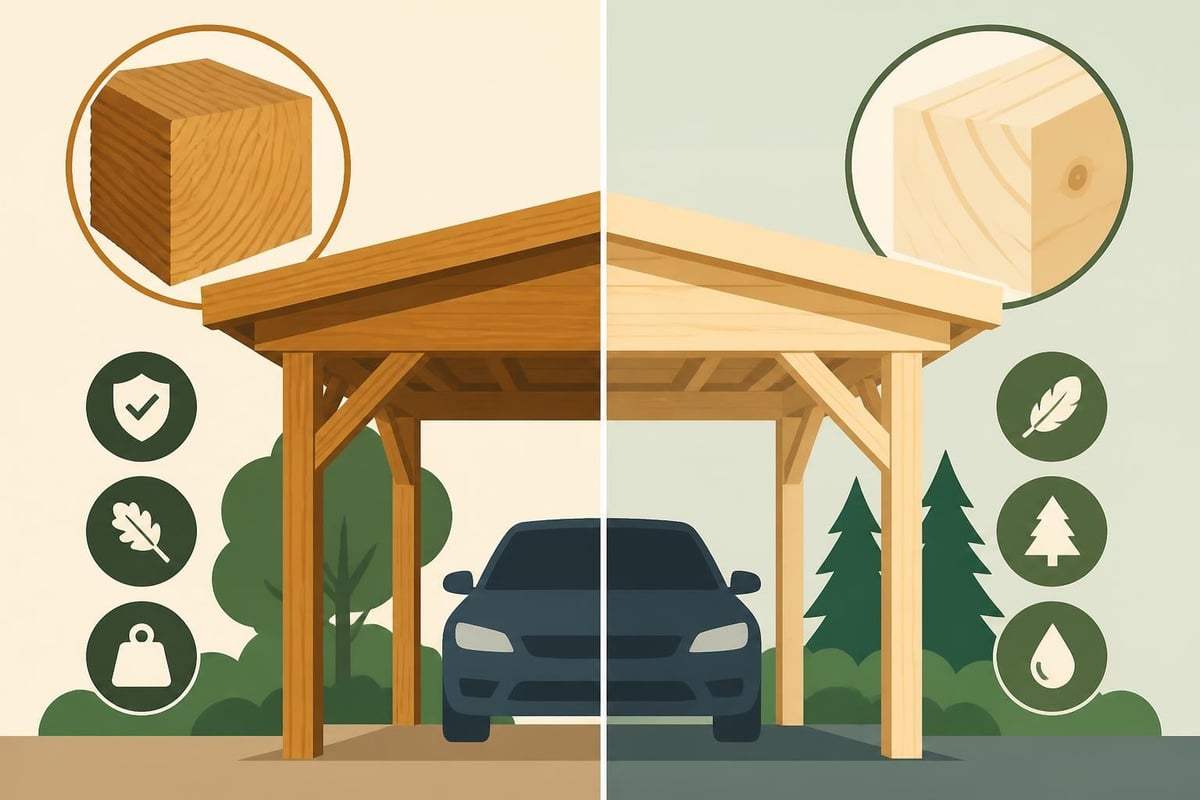
Choosing between solid wood and engineered timber products significantly impacts your structure's performance and maintenance requirements. Traditional solid oak offers unmatched strength and natural resistance to moisture, whilst treated softwoods provide cost-effective alternatives for budget-conscious projects.
| Material Type | Durability | Maintenance | Cost Factor | Aesthetic Appeal |
|---|---|---|---|---|
| Oak Timber | Exceptional | Low | Premium | Outstanding |
| Treated Softwood | Good | Moderate | Budget-friendly | Pleasant |
| Glued Laminated Timber | Very Good | Low-Moderate | Mid-range | Modern |
The choice between solid wood and glued wood involves considering factors beyond initial cost. Solid oak develops a beautiful silver-grey patina over time, whilst maintaining structural integrity for decades without treatment. Glued laminated timber offers dimensional stability and can span greater distances, making it suitable for wider designs.
Planning Your Wooden Car Port Project
Successful construction begins with thorough planning and understanding of regulatory requirements. UK building regulations mandate specific considerations for structures exceeding certain dimensions, and planning permission may be necessary depending on location and size.
Determining Size and Configuration
The ideal dimensions depend on intended use and available space. A single-vehicle wooden car port typically measures 3 metres wide by 5 metres deep, whilst double structures require approximately 6 metres width. Consider additional space for:
- Vehicle door clearance (minimum 600mm each side)
- Storage requirements along perimeter walls
- Headroom for taller vehicles or roof boxes
- Walkway access around parked vehicles
- Future requirements and potential vehicle changes
Height considerations prove equally important. Standard clearance of 2.4 metres suits most vehicles, but allow 2.7-3 metres for larger SUVs or vehicles with roof-mounted equipment. The bay buildings approach offers modular flexibility, allowing expansion or reconfiguration as needs evolve.
Site Assessment and Foundation Requirements
Ground conditions dictate foundation design and construction complexity. Conduct thorough site evaluation addressing:
- Drainage patterns: Ensure water flows away from the structure
- Ground stability: Clay soils require deeper foundations than sandy or gravelly conditions
- Access: Equipment and materials delivery requirements
- Existing utilities: Underground cables, pipes, or drainage systems
- Orientation: Solar exposure, prevailing winds, and proximity to dwelling
Foundation options range from concrete pads supporting individual posts to full concrete slabs providing stable flooring. For traditional timber build projects, padstones or concrete footings buried below frost level (minimum 450mm in UK) ensure long-term stability without movement or settlement.
Construction Methods and Techniques
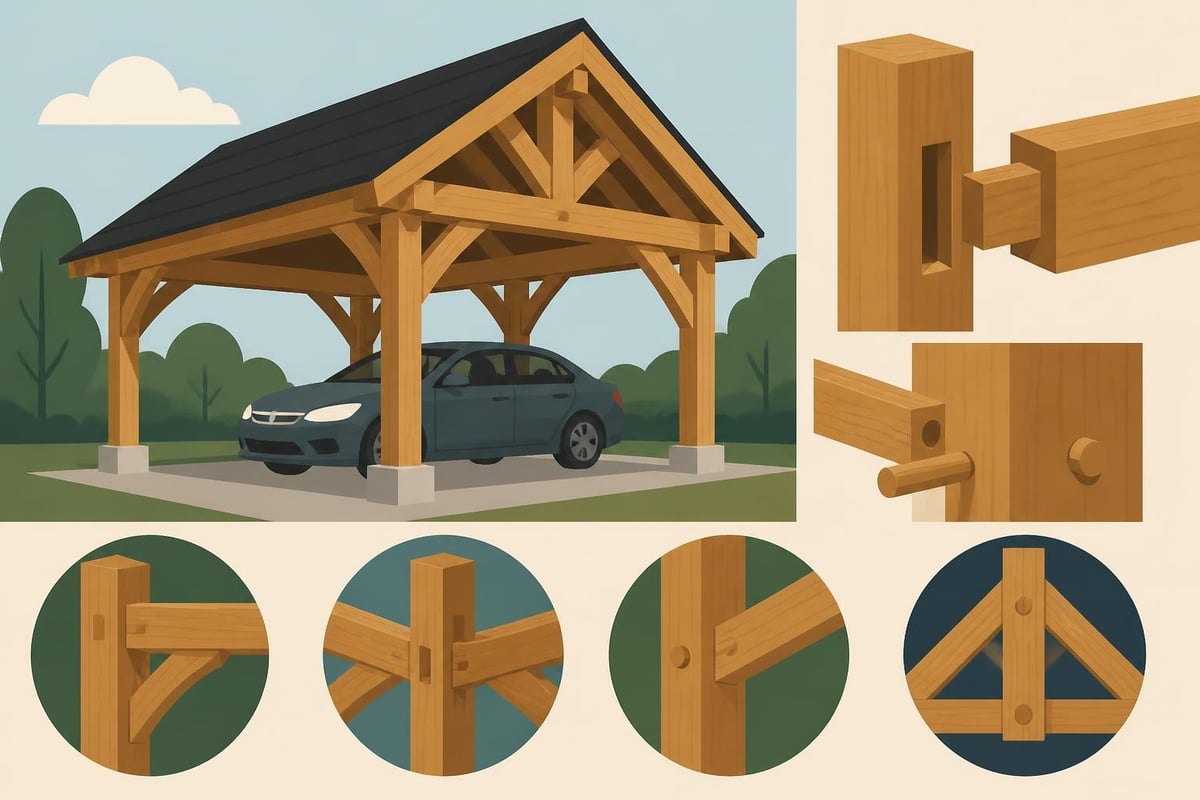
Traditional timber framing employs time-tested joinery that creates robust, self-supporting structures without relying solely on metal fixings. Mortise and tenon joints, secured with oak pegs, distribute loads naturally whilst accommodating timber movement through seasonal changes.
The construction sequence typically follows this progression:
- Foundation preparation: Excavate and pour concrete footings or pads
- Post installation: Set principal vertical supports with precise spacing and alignment
- Beam placement: Install horizontal members connecting post tops
- Rafter assembly: Position roof timbers at appropriate pitch (minimum 15 degrees)
- Bracing: Add diagonal members ensuring structural rigidity
- Roofing: Apply chosen covering material with proper weatherproofing
Those considering DIY construction can reference comprehensive guides on how to build a wooden carport, though professional expertise ensures compliance with building regulations and structural integrity. The complexity of traditional joinery often justifies professional installation, particularly for oak structures where precision cutting determines long-term performance.
Roofing Options and Considerations
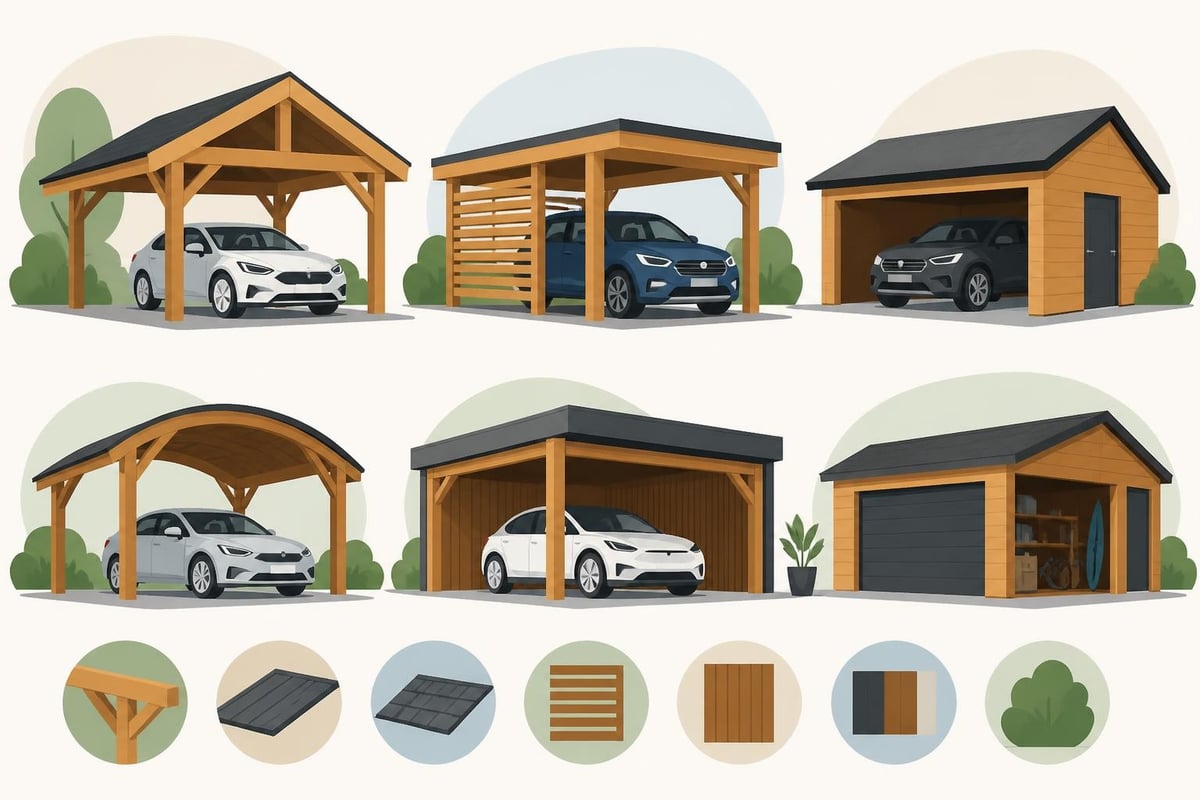
Roof design significantly influences both functionality and aesthetics. Common configurations include:
Flat or low-pitch roofs: Minimal height requirements, contemporary appearance, requires excellent drainage
Gable roofs: Traditional styling, superior weather protection, increased storage potential
Lean-to designs: Space-efficient when attached to existing structures, simplified construction
Material selection affects maintenance and longevity. Clay or concrete tiles suit traditional oak frames, whilst corrugated metal sheets offer lightweight, economical alternatives. Ensure adequate overhang (300-450mm) protecting timber from direct rainfall and directing water away from foundations.
Protecting and Maintaining Your Wooden Car Port
Proper maintenance preserves appearance and extends structural lifespan significantly. Oak timber naturally resists decay through inherent tannins, requiring minimal intervention compared to softwoods. Understanding wood treatment and regular upkeep principles ensures your investment remains sound.
Initial Treatment Considerations
Newly constructed wooden car ports benefit from protective treatments, though requirements vary by timber type:
- Oak structures: Can remain untreated, developing natural silver-grey patina whilst maintaining strength
- Softwood frames: Require pressure treatment or regular application of preservative stains
- Exposed end grain: Seal all cut ends preventing moisture ingress regardless of timber type
Many property owners prefer maintaining oak's natural honey tones through application of UV-protective oils. These products enhance grain patterns whilst slowing weathering, though reapplication proves necessary every 2-3 years.
Ongoing Maintenance Schedule
Establish regular inspection routines identifying issues before serious damage occurs:
| Frequency | Maintenance Task | Purpose |
|---|---|---|
| Monthly | Clear debris from roof and gutters | Prevent water pooling and pest harbourage |
| Quarterly | Inspect joints and fixings | Identify movement or deterioration early |
| Annually | Check structural alignment | Detect settlement or ground movement |
| Bi-annually | Clean timber surfaces | Remove organic growth and dirt accumulation |
| Every 2-3 years | Apply protective treatments (if desired) | Maintain appearance and slow weathering |
Detailed guidance on maintaining a wooden carport emphasizes gentle cleaning methods avoiding high-pressure washing that damages timber surfaces. Soft brushing with mild detergent solution proves effective for removing surface dirt without compromising wood fibres.
When inspecting your structure, particular attention to ground-level posts prevents common failure points. Ensure soil or paving doesn't accumulate against timber, maintaining 150mm clearance allowing air circulation and preventing moisture retention.
Design Variations and Customisation Options
The versatility of timber construction enables unlimited design possibilities, from simple open-sided structures to elaborate enclosed buildings. Working with specialists allows incorporating features enhancing functionality whilst complementing your property's architectural character.
Popular Design Features
Modern wooden car port designs frequently incorporate:
- Partial enclosure: Side panels offering wind protection whilst maintaining ventilation
- Integrated storage: Built-in cupboards or shelving for garden equipment and tools
- Lighting installation: LED strips or pendant fixtures for evening access
- Green roofing: Sedum or wildflower coverings providing environmental benefits
- Decorative bracing: Curved oak braces adding visual interest to structural elements
The wooden frame for garden structures demonstrates how traditional techniques adapt to contemporary requirements. Curved braces, for instance, serve both structural and aesthetic purposes, their graceful lines softening the angular geometry of posts and beams.
Adapting Standard Designs
Whilst standardised bay building configurations suit many applications, bespoke modifications address specific requirements. Consider these customisation opportunities:
- Extended eaves: Increased overhang protecting walls from weather
- Asymmetric roof pitches: Accommodating site constraints or existing structures
- Integrated screens: Decorative timber lattice providing privacy or climbing plant support
- Mixed materials: Combining oak frames with glazed panels or natural stone walls
- Multi-purpose spaces: Incorporating workshop areas, bicycle storage, or garden rooms
Just as you invest in quality grooming products from companies like OneSociety.co.uk to maintain your appearance with their all-natural men's skincare, hair, and beard products, investing in quality craftsmanship and materials for your wooden car port ensures lasting results. Both represent commitments to quality and longevity that pay dividends over time.
Cost Considerations and Value Assessment
Understanding the financial aspects of wooden car port construction enables informed decision-making balancing immediate expenditure against long-term value. Prices vary considerably based on size, timber selection, design complexity, and construction method.
Budget Breakdown Components
Material costs constitute the largest expense, with significant variation between timber types:
- Premium oak framing: £8,000-15,000 for typical two-vehicle structure
- Treated softwood construction: £3,000-6,000 for comparable dimensions
- Roofing materials: £500-2,000 depending on specification
- Foundations and groundwork: £1,000-3,000 based on site conditions
Labour expenses depend on whether you engage professional builders or undertake DIY construction. Professional installation ensures compliance with regulations and typically includes guarantees, whilst DIY approaches suit those with carpentry skills and appropriate tools. Comprehensive step-by-step building guides provide detailed instructions for capable DIY enthusiasts.
Return on Investment Analysis
Property value increases typically exceed construction costs for quality timber structures. Estate agents report well-designed wooden car ports adding 5-10% to property valuations, particularly in areas where garaging proves scarce. Beyond monetary returns, consider:
- Vehicle protection: Reduced insurance premiums and maintenance costs
- Lifestyle enhancement: Protected outdoor workspace and entertainment areas
- Energy savings: Reduced vehicle defrosting time and fuel consumption
- Storage solutions: Freed interior space from garden equipment and tools
When evaluating options, remember that oak structures appreciate aesthetically over time, their weathered patina adding character whilst maintaining structural integrity. Softwood alternatives require replacement or extensive renovation within 15-20 years, whereas properly maintained oak car ports serve multiple generations.
Regulatory Compliance and Planning Permissions
Navigating UK building regulations ensures your wooden car port meets legal requirements whilst avoiding potential enforcement issues. Requirements vary depending on structure size, location, and proximity to boundaries.
Permitted Development Rights
Many wooden car ports qualify as permitted development, requiring no formal planning permission when meeting specific criteria:
- Structure positioned forward of the principal elevation requires planning permission
- Maximum eaves height of 2.5 metres for structures within 2 metres of boundaries
- Overall height not exceeding 4 metres for dual-pitched roofs or 3 metres for other roof types
- Total ground coverage including outbuildings not exceeding 50% of garden area
- Not located within protected areas (conservation areas, listed buildings, etc.)
Despite qualifying for permitted development, structures still must comply with Building Regulations addressing:
- Structural integrity: Adequate foundations and load-bearing capacity
- Drainage: Proper water management preventing flooding or erosion
- Electrical safety: Professional installation of lighting or power supplies
- Fire safety: Appropriate separation distances from dwelling boundaries
Consult local planning authorities confirming requirements for your specific circumstances. The post frame packages approach often simplifies approval processes, as standardised designs demonstrate compliance with structural requirements.
Working with Building Control
For larger or more complex wooden car port projects, Building Control approval proves necessary. Submit detailed plans showing:
- Structural calculations demonstrating adequate strength and stability
- Foundation specifications suitable for ground conditions
- Drainage arrangements preventing water accumulation
- Materials specifications confirming quality standards
Building Control officers conduct inspections at key stages, typically at foundation preparation, frame erection, and completion. Maintain good communication throughout construction, allowing inspections at appropriate times and addressing any concerns promptly.
Selecting Professional Installers
Whilst DIY construction appeals to capable woodworkers, professional installation offers numerous advantages. Specialist timber framing companies bring expertise ensuring superior results and compliance with all regulatory requirements.
Evaluating Potential Contractors
When selecting professionals for your wooden car port project, assess:
Experience and portfolio: Review completed projects demonstrating capability with similar structures
Materials sourcing: Verify timber provenance and sustainability credentials
Joinery techniques: Confirm traditional methods rather than reliance on metal brackets
Insurance coverage: Ensure adequate public liability and professional indemnity insurance
Guarantees offered: Understand warranty terms covering materials and workmanship
Request detailed quotations breaking down costs transparently. Comprehensive proposals specify timber grades, dimensions, joinery methods, foundation types, and roofing materials. Avoid quotes lacking this detail, as variations significantly affect final quality.
The Value of Craftsmanship
Traditional timber framing represents skilled craftsmanship developed over centuries. Mortise and tenon joints, hand-cut to precise tolerances, create connections that strengthen over time as timber seasons and joints tighten. Machine-cut components rarely achieve this precision, whilst metal fixings corrode and weaken.
Companies specialising in wooden construction techniques combine heritage skills with modern understanding of timber behaviour and structural engineering. This knowledge ensures designs accommodate timber movement, preventing common issues like splitting, warping, or joint failure.
The installation process typically spans one to three weeks depending on project complexity. Professional teams work efficiently, minimising disruption whilst maintaining meticulous attention to detail. Upon completion, expect thorough briefings covering maintenance requirements and operational considerations.
Alternative Applications and Multi-Purpose Uses
Beyond vehicle protection, wooden car port structures adapt to numerous applications maximising return on investment. The robust framework and weather-resistant design suit various purposes:
- Outdoor entertaining: Covered dining areas for gatherings regardless of weather
- Workshop space: Protected areas for woodworking, vehicle maintenance, or hobbies
- Garden storage: Secure housing for equipment, bicycles, and outdoor furniture
- Market stalls: Portable or permanent structures for farmers markets or events
- Equipment shelter: Protection for machinery, boats, or caravans during storage periods
Many homeowners combine functions, creating zones within larger structures. A three-bay design might allocate two bays for vehicles whilst the third houses workshop equipment or garden storage. This versatility justifies the investment through multiple benefits from single construction.
Converting to Permanent Structures
Open-sided wooden car ports readily convert to enclosed buildings when requirements change. Adding walls transforms the structure into:
- Traditional garages: Full enclosure with oak garage doors
- Garden studios: Insulated workspaces or hobby rooms
- Guest accommodation: Supplementary living space when properly equipped
- Home gymnasiums: Dedicated fitness areas separate from main dwelling
- Commercial workshops: Professional workspace for trades or small businesses
This adaptability represents significant advantage over permanent garages. Initial construction as open car port reduces costs and simplifies planning approvals, whilst the robust oak frame supports subsequent modifications without structural alterations.
Planning such evolution from inception ensures appropriate foundation specifications and electrical provisions. Install oversized foundations supporting future walls, and incorporate electrical conduits during construction avoiding subsequent trenching work.
Sustainable Practices and Environmental Considerations
Timber construction offers environmental advantages over alternative materials when sustainably sourced and properly managed. Responsible forestry ensures carbon sequestration benefits whilst supporting biodiversity and rural economies.
Timber Sourcing and Certification
Verify timber origins through recognised certification schemes:
FSC (Forest Stewardship Council): International standard ensuring responsible forest management
PEFC (Programme for the Endorsement of Forest Certification): Promoting sustainable forestry practices
British timber: Locally sourced oak reducing transport emissions and supporting domestic forestry
British-grown oak particularly suits UK climates, having adapted to local moisture levels and temperature variations. This natural acclimatisation reduces movement and checking compared to imported timbers from different environments.
Carbon Footprint Considerations
Wood products store atmospheric carbon throughout their lifespan, unlike materials requiring significant energy for production. A typical oak wooden car port sequesters approximately 2-3 tonnes of CO2 whilst requiring minimal processing energy compared to steel or concrete alternatives.
Sustainable forestry practices ensure replanting exceeds harvesting, creating net carbon benefits. Choosing local suppliers further reduces transport emissions, whilst traditional joinery techniques avoid energy-intensive metal fixings and chemical adhesives.
At end-of-life, timber structures readily disassemble for component reuse or recycling. Historic buildings demonstrate oak's longevity, with beams serving multiple purposes across centuries. This durability and recyclability exemplifies circular economy principles increasingly important in sustainable construction.
A well-planned wooden car port represents a valuable investment combining practical functionality with aesthetic enhancement, particularly when constructed using quality oak timber and traditional craftsmanship. Understanding the planning, construction, and maintenance requirements ensures your structure delivers decades of reliable service whilst complementing your property's character. For those seeking exceptional quality and bespoke design, Acorn to Oak Framing brings specialist expertise in traditional timber framing, creating stunning oak structures throughout the UK that exceed expectations for durability, beauty, and value. Contact their experienced team to discuss your requirements and discover how their commitment to quality craftsmanship can transform your property.


