

Wooden car ports are quickly becoming a top choice for UK homeowners who value both style and sustainability. As more people seek eco-friendly alternatives to traditional shelters, these structures offer a blend of modern appeal and environmental responsibility.
This guide provides expert insights for choosing, designing, and maintaining wooden car ports in 2026. Discover the key benefits, planning steps, material options, construction methods, regulations, and insider tips that will help you create a custom solution for your home. Let’s explore why investing in a timber car port could be the smart move for your property this year.
The Rise of Wooden Car Ports: Trends & Benefits for 2026
Interest in wooden car ports has surged across the UK as homeowners seek stylish, sustainable solutions for vehicle protection. This trend reflects changing attitudes towards eco-friendly construction and outdoor living enhancements. Let’s explore why wooden car ports have become the preferred choice for modern households and what makes them stand out in 2026.
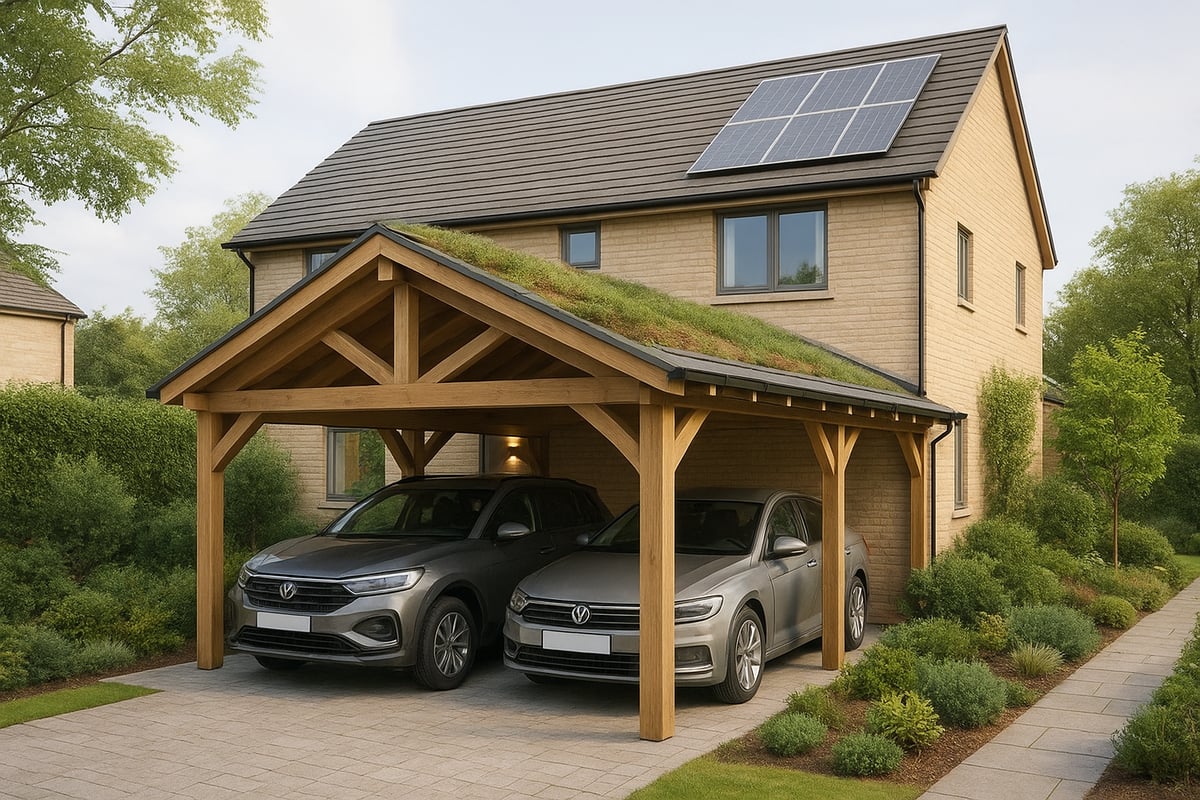
Growing Demand for Wooden Car Ports
The UK has seen a notable increase in sustainable home improvements, with wooden car ports leading the way. From 2022 to 2025, car port installations rose steadily, paralleling the growth in vehicle ownership and the rise of electric vehicles. According to UK vehicle licensing statistics, more drivers are seeking practical, eco-conscious ways to shelter their cars. Wooden car ports appeal to those who value both environmental responsibility and outdoor aesthetics.
Key Advantages Over Metal or Plastic Alternatives
Wooden car ports offer unique benefits that set them apart from metal or plastic options. Their natural look enhances kerb appeal and can increase property value. Timber provides better insulation, helping to shield vehicles from temperature fluctuations. Environmentally, wooden car ports use renewable materials and have a smaller carbon footprint compared to alternatives. Many suppliers now offer structures built with certified sustainable timber, giving homeowners peace of mind.
Comparison Table: Material Benefits
| Feature | Wooden Car Ports | Metal Car Ports | Plastic Car Ports |
|---|---|---|---|
| Aesthetics | Natural, warm | Industrial | Basic |
| Insulation | High | Low | Very low |
| Sustainability | Excellent | Moderate | Poor |
Design Versatility and Customisation
A key strength of wooden car ports is their versatility in design. Homeowners can choose from traditional, modern, or hybrid styles to match their property. Wooden car ports blend effortlessly with gardens and existing architecture. Bespoke features are increasingly popular, such as integrated storage, green roofs, or bicycle racks. Customisation ensures each structure fits the owner's needs while adding a personal touch.
Market Innovations in 2026
The year 2026 brings exciting innovations for wooden car ports. Advances in timber treatments now offer enhanced durability and weather resistance. Modular and prefabricated options make installation faster and more affordable. Smart technology is becoming standard, with features like integrated EV charging, motion-activated lighting, and security systems. These developments ensure wooden car ports remain future-ready and practical for evolving lifestyles.
Innovative Features in 2026:
- Advanced eco-friendly timber treatments
- Prefabricated modules for quick assembly
- Built-in EV charging points
- Smart lighting and security integration
Real-World Examples
Across the UK, recent wooden car port projects showcase the value of these structures. One family in Surrey opted for a modern oak-framed car port with solar panels, reporting improved property aesthetics and reduced energy bills. A homeowner in Yorkshire chose a bespoke design with a green roof, blending seamlessly with their garden. Testimonials highlight satisfaction with durability, style, and the environmental credentials of wooden car ports, confirming their growing appeal in 2026.
Planning Your Wooden Car Port: Considerations & Preparation
Careful planning is essential for a successful wooden car port project. Each stage, from assessing your needs to preparing your site, will influence the final result. By taking a methodical approach, you can ensure your new addition is practical, compliant, and built to last.

Assessing Your Needs and Site
Begin your planning process by considering how wooden car ports will fit your lifestyle and property. Think about the number of vehicles you need to shelter and whether you want additional space for bikes or storage. Measure your available area and note any obstacles, such as trees or uneven ground.
The orientation of wooden car ports is crucial. Positioning for maximum sunlight can reduce frost in winter and improve visibility. Check ground conditions, ensuring stability and good drainage to prevent pooling water. A thoughtful site assessment lays the groundwork for durability and daily convenience.
Budgeting and Cost Factors
Setting a realistic budget for wooden car ports is vital. In 2026, costs vary depending on size, timber type, and whether you choose self-build or professional installation. Modular kits may save on labour, while bespoke builds offer more flexibility but at a higher price.
Key cost factors include:
- Timber species (oak, larch, Douglas fir)
- Custom features (storage, green roofs)
- Foundation and drainage requirements
Factor in ongoing maintenance, as regular treatment extends lifespan and preserves value. Consider long-term savings, as well-cared-for wooden car ports can enhance property resale potential.
Navigating UK Planning Permission & Building Regulations
Before construction, check if wooden car ports require planning permission. Most single-storey structures fall under permitted development, but local differences apply, especially in conservation areas or for listed buildings. Always verify your project against national and local guidelines.
You must also comply with building regulations covering structural safety, fire resistance, and accessibility. For authoritative and up-to-date advice, consult the UK planning permission guidelines before starting your build. Early review avoids costly delays or required alterations later.
Sustainability and Timber Sourcing
Choosing sustainable materials for wooden car ports protects both your investment and the environment. Prioritise FSC or PEFC-certified timber to ensure responsible forestry practices. Locally sourced wood often has a lower carbon footprint and may be more cost-effective.
Compare timber options in a table:
| Timber Source | Cost | Environmental Impact |
|---|---|---|
| Local (UK) | Lower | Reduced footprint |
| Imported (EU) | Medium | Moderate footprint |
| Imported (Global) | Higher | Higher footprint |
Assess each option for durability, availability, and environmental impact. Sustainable sourcing supports eco-friendly home improvements.
Preparing Your Property
Proper site preparation is key for wooden car ports. Start by clearing vegetation and levelling the ground, creating a stable base for foundations. Plan for utilities like electricity, ideal for lighting or EV charging, and ensure drainage is sufficient to prevent water damage.
Liaise with neighbours if the build is near boundaries, and inform local authorities as needed. Thoughtful preparation helps avoid disputes and ensures your wooden car ports project proceeds smoothly, setting the stage for years of reliable use.
Choosing the Right Timber and Design for Longevity
Selecting the best timber and design is crucial for ensuring that wooden car ports offer lasting value and protection. In this section, we will explore timber options, treatments, structural principles, customisation, and design inspiration. Making informed decisions now will help your wooden car ports stand strong for years to come.
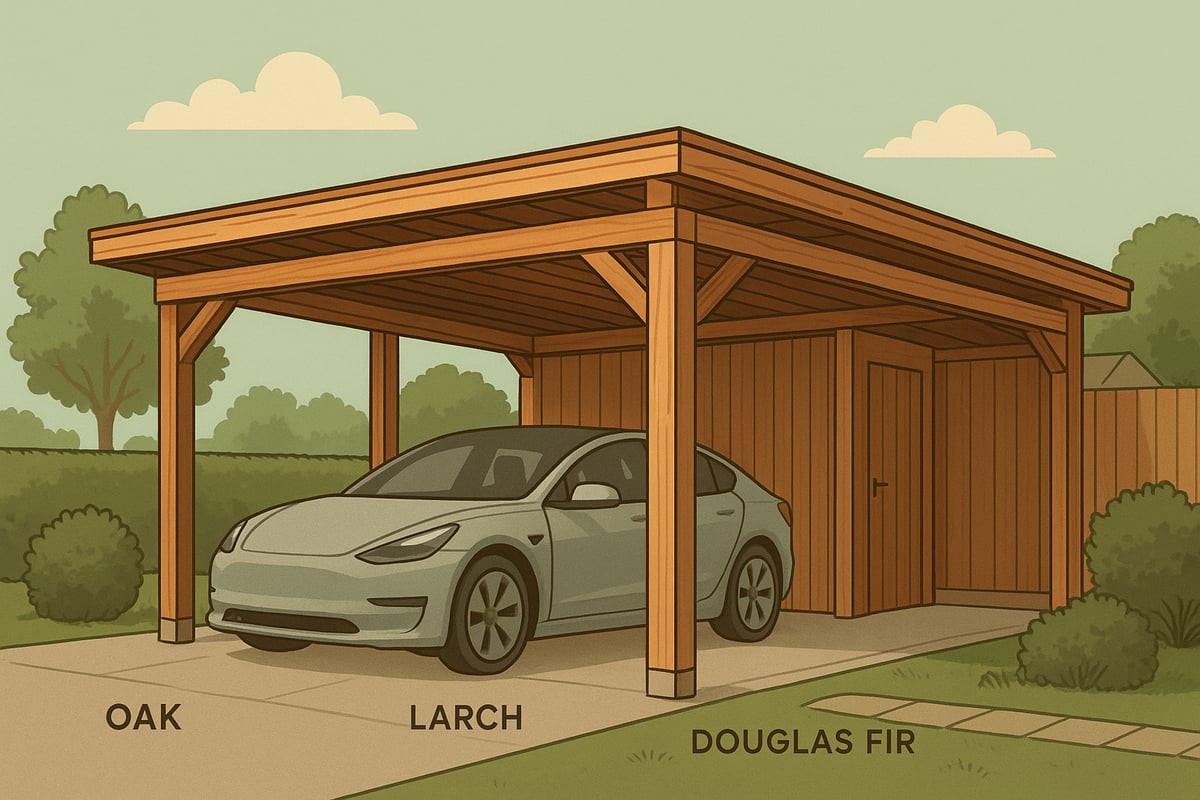
Timber Species: Pros, Cons, and Best Uses
The timber you choose will directly affect the durability, appearance, and maintenance needs of your wooden car ports. Oak is a popular premium choice, known for its exceptional strength and longevity, making it ideal for exposed frameworks. Douglas fir offers a lighter colour and good resistance to rot, suitable for both traditional and modern styles. Larch is valued for its natural resin, which helps resist weathering and insects.
Each timber has different price points and availability in 2026. Oak remains the most sought-after but commands a higher cost. Larch and Douglas fir are more affordable and easier to source, often from UK forests. For a detailed comparison of oak-framed solutions and design considerations, see the Oak Framed Carport Guide.
Choosing the right species ensures wooden car ports blend performance with style.
Treatments and Finishes for Maximum Lifespan
Treatments are essential for protecting wooden car ports from the UK’s variable climate. Pressure treatment is highly effective against rot and insect attack, while natural oils and stains enhance timber’s appearance and provide UV resistance. Eco-friendly preservatives are increasingly popular for those prioritising sustainability.
Regular maintenance is key. Apply finishes every few years to maintain weatherproofing and prevent fading. A good treatment schedule can extend the lifespan of wooden car ports by decades, reducing the need for major repairs.
Properly treated timber not only looks better but also withstands harsh conditions, ensuring your investment remains sound.
Structural Design Considerations
A robust structural design forms the backbone of reliable wooden car ports. Consider local weather, especially wind and snow loads, when planning supports and roof pitch. Heavier timbers like oak can bear greater loads, perfect for regions with frequent storms.
Drainage is vital. A well-calculated roof slope channels rain away, protecting both vehicles and the timber frame. Decide between open-sided and enclosed wooden car ports depending on your needs for access, security, and shelter.
Working with a specialist ensures your car port meets UK building standards and stands up to the test of time.
Aesthetic Choices and Custom Features
The appeal of wooden car ports lies in their ability to harmonise with your home’s architecture and landscape. Choose cladding styles such as shiplap, tongue and groove, or opt for a minimalist open frame. Finish options range from natural to painted, allowing you to match or complement existing structures.
Popular extras include integrated storage, bike racks, and solar panels for added functionality. Consider green roofs or trellises for a touch of biodiversity. With so many options, wooden car ports can be tailored to enhance both form and function.
Custom features turn a simple shelter into a valuable extension of your living space.
Examples of Popular Designs in 2026
In 2026, wooden car ports showcase impressive variety. Modern minimalist designs use clean lines and large spans, ideal for contemporary homes. Rustic traditional builds with exposed oak beams suit period properties. Hybrid models combine timber with glass or metal for a unique twist.
Leading UK projects often highlight eco-friendly materials, smart features, and integration with electric vehicle charging. These trends reflect a move towards sustainability and multi-purpose use.
Drawing inspiration from these examples helps homeowners design wooden car ports that truly stand out.
Step-by-Step Guide: Building a Wooden Car Port in 2026
Embarking on a project to build wooden car ports in 2026 requires careful planning and attention to each construction phase. The following guide provides a clear, step-by-step breakdown to ensure a durable, attractive, and regulation-compliant result. By following these steps, you can create a structure that enhances your property and meets your specific needs.

Step 1: Design and Planning
The journey to successful wooden car ports begins with detailed design and thorough planning. Start by sketching your ideal car port, factoring in the number of vehicles, roof style, and integration with your home’s architecture. Consult with an architect or timber specialist to refine measurements and select the right materials.
Obtain all necessary permissions before you commence. In many cases, wooden car ports fall under permitted development, but you should always check with your local planning authority to ensure compliance. Prepare a comprehensive list of materials and consider sustainability by choosing certified timber.
A well-laid plan sets the foundation for a smooth construction process and ensures your wooden car ports will be practical, attractive, and long-lasting.
Step 2: Site Preparation
Once your plans are approved, prepare the site for your wooden car ports. Mark out the dimensions using stakes and string to visualise the footprint. Clear away vegetation, debris, and any obstructions to create a safe working environment.
Level the ground carefully, as an even surface is crucial for structural stability. Depending on soil conditions and drainage, you may need to install a sub-base of compacted gravel or sand. Assess water flow around the site to prevent pooling and ensure effective drainage.
Proper site preparation not only streamlines construction but also protects your wooden car ports from future issues related to water damage and ground movement.
Step 3: Timber Frame Construction
With the site ready, you can begin assembling the timber frame for your wooden car ports. Start by setting out the main posts, ensuring they are plumb and evenly spaced. Secure them in concrete pads or with ground screws for optimal stability.
Next, fit the horizontal beams and rafters, using strong joinery methods for durability. Bracing elements are essential for wind resistance and structural integrity. For those unfamiliar with joinery techniques, the Wooden Frame Construction Basics guide offers valuable insight into essential methods and best practices.
Regularly check measurements and alignment as you work, since accuracy at this stage determines the overall strength and appearance of your wooden car ports.
Step 4: Roofing and Weatherproofing
After the frame is complete, move on to the roofing phase of your wooden car ports. Choose a roofing material that complements your property and offers robust protection. Options include timber boards, polycarbonate sheets, or roof tiles.
Install rafters and battens according to your design, then secure the roofing panels tightly. Pay special attention to waterproofing at joints and edges. Add guttering and downpipes to manage rainwater efficiently and prevent moisture damage.
Proper roofing and weatherproofing ensure your wooden car ports will shield vehicles from the elements and remain in excellent condition for years.
Step 5: Finishing Touches
Now focus on the finishing touches that give your wooden car ports a polished look and added functionality. Apply treatments such as stains, oils, or eco-friendly preservatives to protect the timber from weathering, pests, and UV exposure.
Consider cladding options like shiplap or tongue and groove boards for enhanced aesthetics. Install trims and decorative elements to match your home’s style. Optional extras, such as integrated lighting, EV charging points, or storage units, can elevate your wooden car ports into a truly bespoke feature.
Attention to these details will boost both the performance and visual appeal of your investment.
Step 6: Inspection and Maintenance Preparation
Before considering the project complete, conduct a thorough inspection of your wooden car ports. Check all joints, fixings, and surfaces for stability and quality. Address any snags or imperfections to guarantee safety and longevity.
Set up a maintenance schedule, including periodic cleaning, inspection for damage, and reapplication of protective treatments as necessary. Provide a handover checklist if professionals have carried out the work so you understand how to care for your new structure.
Preparation at this stage is key to ensuring your wooden car ports remain reliable and visually appealing over time.
DIY vs. Professional Installation
When building wooden car ports, you must decide whether to take a DIY approach or hire professionals. DIY offers cost savings and personal satisfaction, but demands time, skill, and the right tools. Mistakes during construction can compromise safety and durability.
Professional installers bring expertise, efficiency, and a guarantee of compliance with regulations. They can also advise on bespoke design features and handle unforeseen complications. Consider your experience level and available time before choosing.
Whichever route you choose, always prioritise the structural integrity and long-term resilience of your wooden car ports.
Maintenance, Upkeep, and Troubleshooting
Keeping wooden car ports in prime condition requires a proactive approach. Regular care not only preserves appearance but also safeguards structural integrity and long-term value. A well-maintained car port will serve as a reliable shelter for years, reflecting the pride you take in your property.
Regular Maintenance Tasks
Routine upkeep is the foundation for the longevity of wooden car ports. Begin with periodic cleaning using a soft brush to remove debris, dirt, and plant matter. This prevents moisture retention, which can lead to rot or mould.
Inspect all timber surfaces for signs of wear, such as weathering or insect activity. Pay close attention to posts and roof joints, as these areas are most vulnerable. Sealing exposed wood annually with a suitable preservative helps protect against moisture ingress.
Seasonal checks are essential. Remove autumn leaves from gutters to prevent blockages. In winter, ensure snow or ice does not accumulate on the roof, as excess weight may affect the frame. Small, regular actions keep wooden car ports looking and functioning at their best.
Extending the Lifespan of Your Wooden Car Port
To maximise the lifespan of wooden car ports, reapply protective treatments every few years. Choose high-quality oils or stains that offer UV protection and water resistance. Promptly address any minor damage or loose fixings to avoid more significant repairs.
Consider upgrading with additional features, such as improved drainage or weatherproofing, to adapt to changing UK conditions. For those with bespoke designs or unique requirements, specialist services like Bespoke Timber Structures offer tailored solutions for repairs, enhancements, and customisation.
Integrating extra storage, improved ventilation, or even solar panels can add value and utility. These proactive steps not only extend the functional life of wooden car ports but also ensure they continue to meet evolving household needs.
Troubleshooting Common Issues
Even with diligent care, wooden car ports may encounter occasional problems. Timber movement or small splits can occur due to natural expansion and contraction. Address these by filling gaps with flexible wood filler and resealing the affected area.
Condensation is another common concern, especially in enclosed designs. Improve airflow by adding vents or leaving small gaps between cladding boards. If you notice signs of rot or insect damage, remove the affected timber and replace it promptly.
For modular or prefabricated car ports, consult manufacturer guidance or resources like Timber Garage Kit Insights for specific maintenance advice. Swift responses to minor issues prevent escalation, preserving the integrity of wooden car ports.
Cost of Maintenance in 2026
Annual maintenance costs for wooden car ports in 2026 typically range from £80 to £200, depending on size, timber type, and exposure to the elements. This includes cleaning products, preservatives, and minor repairs.
Compared to metal or plastic alternatives, wooden car ports may require slightly more frequent treatments but offer superior aesthetics and property value retention. The investment in upkeep is balanced by the long-term durability and customisation potential.
Regular maintenance not only reduces the risk of costly repairs but also supports the resale value of your property. Well-cared-for wooden car ports remain a practical and attractive asset for UK homeowners.
Future-Proofing: Innovations and Trends in Wooden Car Ports
Innovation is at the heart of modern wooden car ports. As we approach 2026, homeowners are seeking ways to make their car ports more adaptable, sustainable, and technologically advanced. This section explores the key developments set to shape the future of wooden car ports across the UK.
Smart Features and Integration
The integration of smart features is rapidly transforming wooden car ports into multifunctional spaces. One of the most significant trends is the inclusion of electric vehicle charging points. With the EV charging infrastructure growth accelerating across the UK, more homeowners are opting for dedicated EV charging within their wooden car ports.
Smart lighting systems and motion-activated security cameras are also becoming standard. Automated doors and climate controls offer additional convenience. These enhancements ensure that wooden car ports are not just shelters, but connected, future-ready assets.
Advances in Timber Technology
Timber technology continues to advance, offering new possibilities for wooden car ports. Engineered wood products such as glulam and cross-laminated timber (CLT) provide enhanced strength and longevity. These materials are more resistant to warping and movement, making them ideal for the UK’s variable climate.
Innovative treatments now improve fire resistance and weather durability, extending the lifespan of wooden car ports. Homeowners can expect lower maintenance needs and a broader selection of finishes, ensuring both safety and style.
Sustainability and Climate Adaptation
Sustainability remains a core consideration for wooden car ports in 2026. Designs now factor in changing weather patterns, with enhanced drainage systems and robust roof structures. Carbon-neutral construction is increasingly popular, using locally sourced, FSC or PEFC-certified timber to minimise environmental impact.
Green roofs and integrated solar panels further support eco-friendly living. These adaptations mean wooden car ports not only protect vehicles but also contribute positively to the environment.
Modular and Prefabricated Solutions
Modular and prefabricated wooden car ports are gaining traction for their speed and flexibility. Prefabricated systems allow for rapid installation, often within days, and can be expanded or reconfigured as needs change.
Table: Benefits of Modular Wooden Car Ports
| Feature | Benefit |
|---|---|
| Quick assembly | Minimal disruption |
| Scalability | Easy future expansion |
| Customisation options | Tailored to property needs |
This approach offers a cost-effective solution for homeowners who want quality without extended construction times.
Design Trends for 2026 and Beyond
Design trends for wooden car ports continue to evolve. Blending car ports with outdoor living spaces is increasingly popular, allowing for dual-purpose areas that serve as both parking and entertainment zones.
Customisation is key, with options for workshops, storage, and even leisure spaces. Architects predict a rise in minimalist and hybrid designs, combining traditional craftsmanship with modern aesthetics. The flexibility and enduring appeal of wooden car ports ensure they remain a leading choice for forward-thinking homeowners.
Now that you have a clear understanding of the latest trends, practical planning steps, and expert advice for wooden car ports in 2026, you might be thinking about what’s next for your own property. Investing in a bespoke timber car port not only adds value and style but also future proofs your space with sustainable, long lasting quality. If you’re ready to explore tailored designs that fit your lifestyle and meet all UK regulations, we’re here to guide you every step of the way. Take the first step towards your ideal car port—BUILD NOW.


