
Wooden frame building construction is making a remarkable comeback in 2026, driven by a focus on sustainability and innovation. If you are considering a greener, more adaptable way to build, this guide will walk you through every stage with up-to-date advice from industry experts.
You will discover how to plan your project, select the right materials, follow each construction step, meet UK regulations, and maintain your structure for lasting performance. We will highlight the eco-friendly advantages and the latest trends shaping the future of wooden frame building construction.
Ready to create a modern, energy-efficient space? Let’s begin your journey towards a sustainable and stylish wooden frame building.
Understanding Wooden Frame Building Construction
Wooden frame building construction is experiencing a renaissance across the UK, with new projects blending tradition and innovation. This section explores the fundamentals, benefits, and current trends shaping the industry in 2026.
The Basics of Wooden Frame Structures
Wooden frame building construction refers to the method of assembling a structural framework from timber components. Historically, it has roots in medieval Britain, with timber-framed houses still standing today. This approach remains popular globally due to its resilience and adaptability.
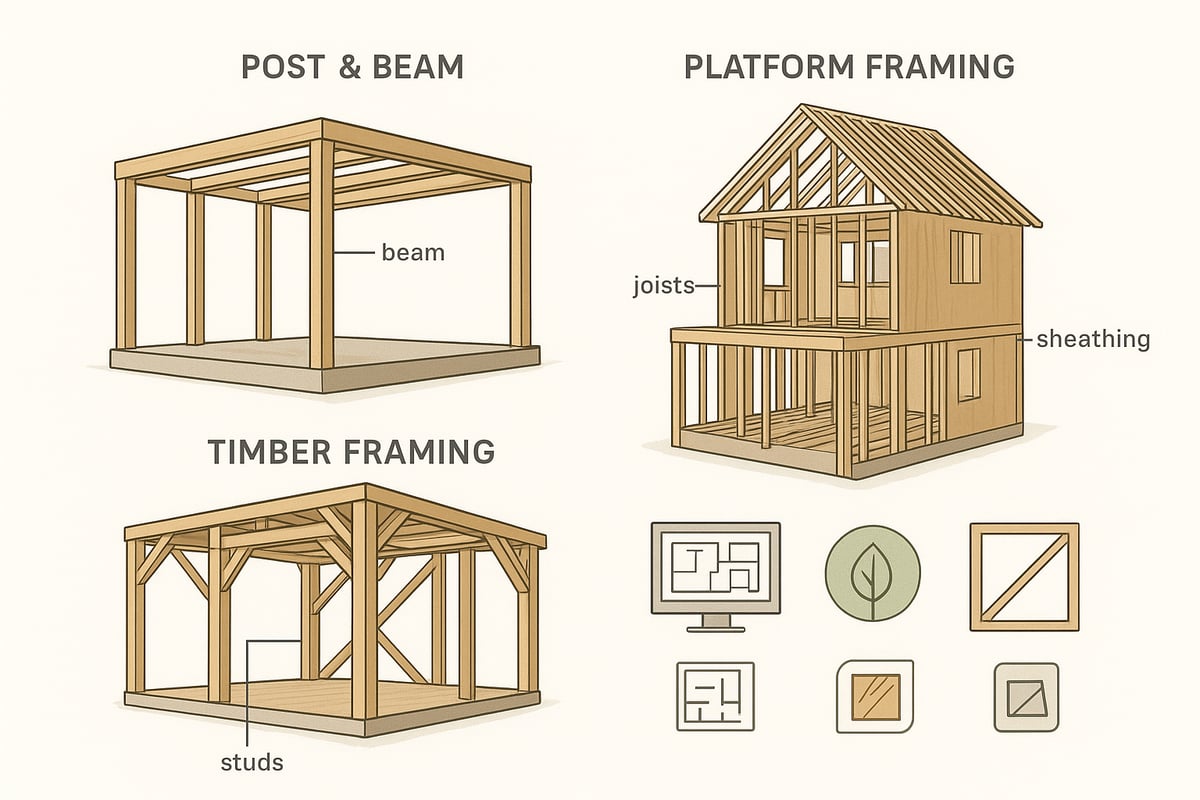
There are three primary types of wooden frame building construction:
| Type | Description | Common Use |
|---|---|---|
| Post and Beam | Large vertical posts with horizontal beams, often exposed | Barns, bespoke homes |
| Platform Framing | Horizontal platforms built floor by floor, walls stacked above | Modern housing |
| Timber Framing | Traditional joinery, visible frames, intricate bracing | Heritage projects |
Key components found in all methods include studs, beams, joists, and sheathing. These elements work together to create a strong, flexible skeleton. The advantages of wooden frame building construction are significant: timber is renewable, offers design flexibility, and delivers excellent energy efficiency.
Challenges remain, such as moisture management, pest resistance, and fire safety. However, modern treatments and smart design are helping overcome these hurdles. Notable UK examples include the Enterprise Centre in Norwich, a showcase for sustainable wooden frame building construction.
Cutting-edge trends in 2026 feature prefabricated panels, hybrid systems mixing timber with steel, and digital design integration for precision and speed. For readers seeking an in-depth overview on the subject, the Wooden Frame Construction Guide provides valuable insights into these methods.
Environmental and Economic Benefits
Wooden frame building construction offers outstanding environmental advantages. Timber acts as a carbon sink, with recent studies showing up to 75% lower embodied carbon compared to concrete or steel structures. Modern timber buildings can reduce construction waste by over 30%, thanks to prefabrication and efficient design.
Economically, wooden frame building construction is often more cost-effective. From 2024 to 2026, average build costs per square metre have remained 10–15% less than comparable steel or concrete structures, especially when considering reduced labour and faster assembly times.
The UK government has introduced several incentives to encourage sustainable practices, including reduced VAT rates for eco-certified timber projects and grants for low-carbon developments. Green building certifications such as BREEAM and Passivhaus further enhance the value and marketability of wooden frame building construction.
Overall, the combination of sustainability, affordability, and modern innovation makes wooden frame building construction a compelling choice for future-ready projects.
Planning and Designing Your Wooden Frame Building
Effective planning is the foundation of any successful wooden frame building construction project. By carefully considering your site, design, budget, and regulatory requirements, you can streamline the process and avoid costly setbacks. This section guides you through each critical step, offering practical advice to ensure your wooden frame building construction journey starts on solid ground.
Site Selection and Preparation
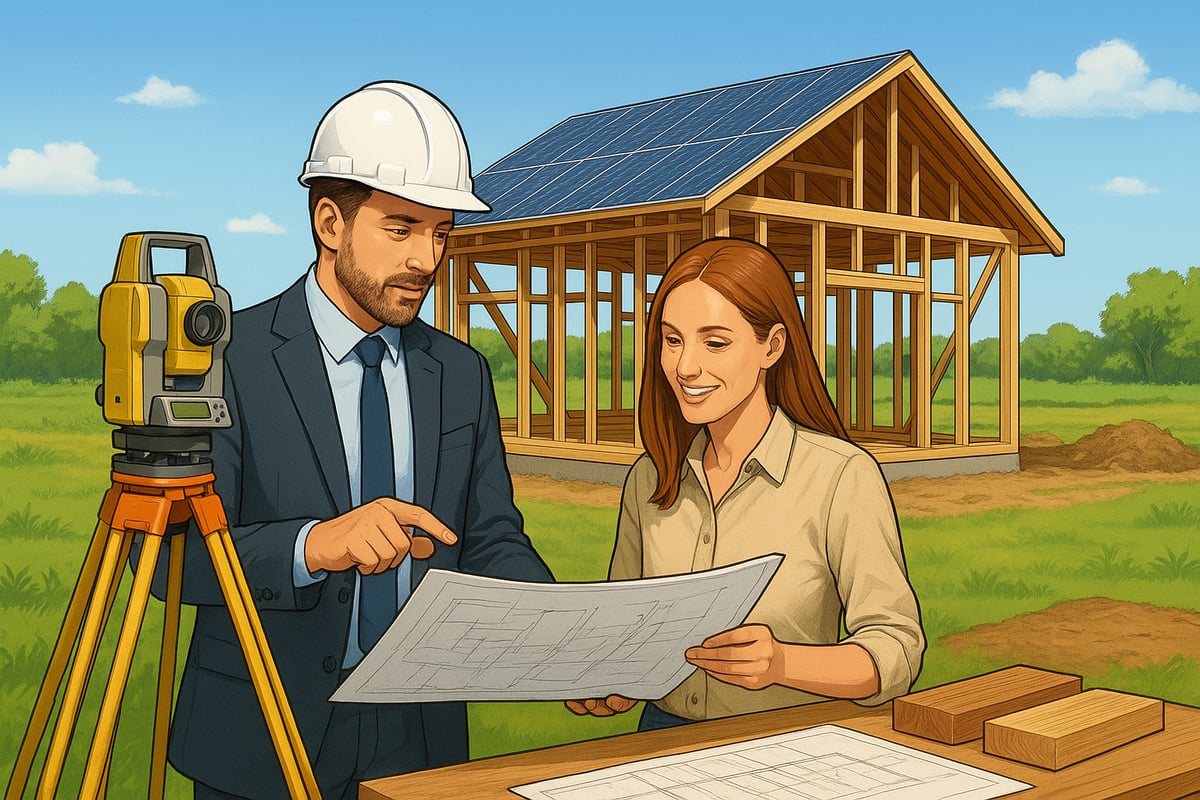
Choosing the right location is the first major decision in wooden frame building construction. Assess ground conditions, accessibility for construction vehicles, and the building’s orientation for natural light and energy efficiency.
Before breaking ground, conduct a thorough site survey and soil analysis. These steps identify any issues with drainage or stability that could affect your wooden frame building construction.
Preparing the plot involves clearing vegetation, levelling the ground, and ensuring proper drainage to prevent water damage. Investing time here reduces risks and sets the stage for a smooth build.
- Conduct soil tests for load-bearing capacity
- Plan access routes for deliveries and equipment
- Ensure drainage solutions are in place
Design Considerations
The design phase of wooden frame building construction balances personal style with structural integrity. Decide early whether you want a bespoke design tailored to your needs or a pre-designed plan that offers cost and time savings.
Modern trends in wooden frame building construction include open-plan layouts, expansive glazing, and sustainable features such as green roofs or solar integration. Collaborate with architects and structural engineers to ensure your plans meet safety standards and maximise the benefits of timber.
Professional input at this stage helps you avoid design pitfalls and ensures compliance with regulations. Consider future-proofing your design for flexibility and energy efficiency.
Budgeting and Project Timeline
A realistic budget is key to successful wooden frame building construction. Account for materials, labour, planning fees, permits, and a contingency fund for unexpected expenses.
Project timelines differ based on whether you opt for self-build or hire contractors. Self-builds often take longer due to learning curves, while experienced builders can streamline the process.
Common budgeting pitfalls include underestimating groundwork costs and changes during construction. Track expenses closely and build in buffers to keep your wooden frame building construction project on track.
| Build Type | Typical Timeline | Notes |
|---|---|---|
| Self-build | 9–18 months | More hands-on, slower |
| Contractor-led | 6–12 months | Faster, less flexible |
Navigating Planning Permission and Regulations
Securing planning permission is a legal requirement for wooden frame building construction in the UK. The process involves submitting detailed plans to your local authority, considering factors like building height, appearance, and impact on neighbours.
Familiarise yourself with key building regulations, including structural safety (Part A), energy efficiency (Part L), and fire safety measures. The 2025-2026 updates place greater emphasis on sustainability and digital record-keeping.
For the latest compliance requirements and government incentives supporting timber use, consult the Timber in Construction Roadmap 2025. Early engagement with building control officers and regular documentation can help ensure your wooden frame building construction meets all standards.
Choosing Materials and Sourcing Sustainable Timber
Selecting the right materials is crucial for successful wooden frame building construction. Timber choice, sustainability, and modern innovations all play a part in ensuring your structure stands the test of time while remaining eco-friendly and cost-effective.
Selecting the Right Timber
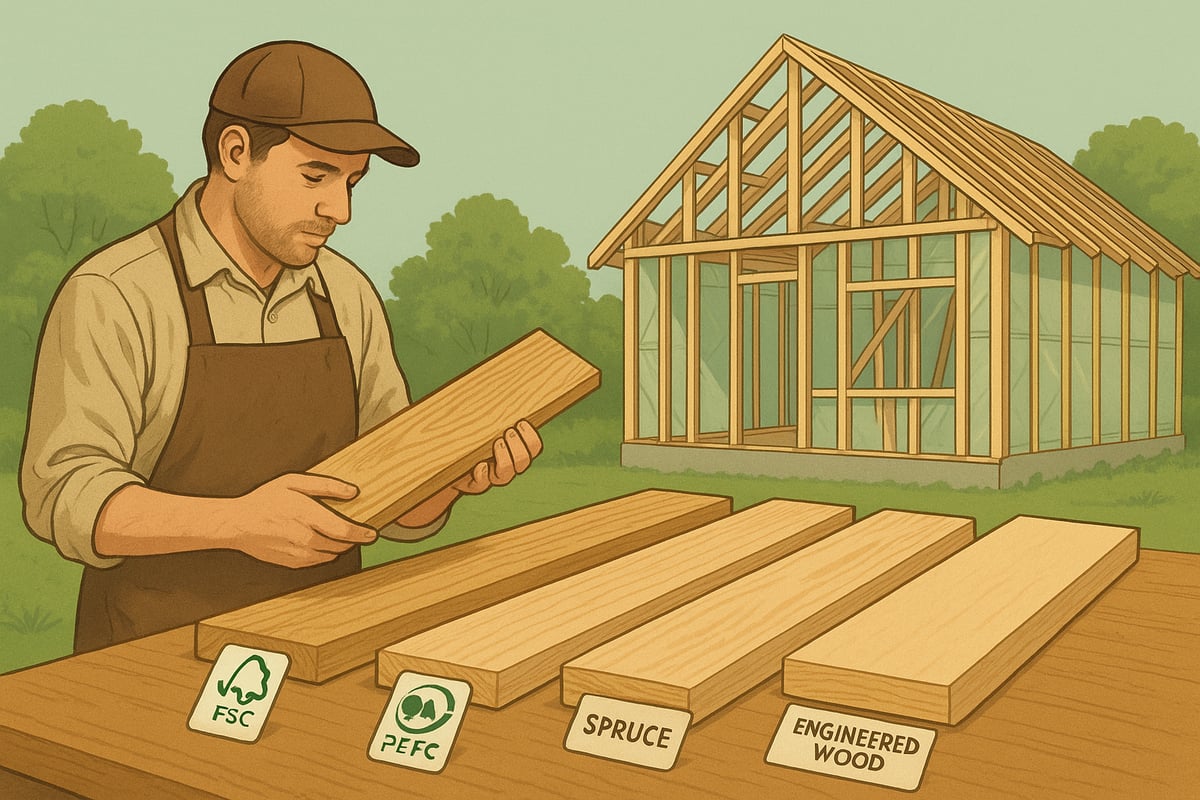
When planning wooden frame building construction, choosing appropriate timber is the foundation of structural integrity and longevity. Oak, pine, spruce, and engineered wood products each bring unique qualities to a project.
Below is a comparison of common timber options:
| Timber Species | Durability | Strength | Typical Use |
|---|---|---|---|
| Oak | High | Very strong | Feature frames, beams |
| Pine | Moderate | Good | Stud walls, internal work |
| Spruce | Moderate | Moderate | Roof trusses, sheathing |
| Engineered Wood | High | Variable | Large spans, CLT panels |
Durability and strength are key, but moisture content and grading must not be overlooked. Timber for wooden frame building construction should be kiln-dried to the correct moisture level, preventing warping or decay over time.
Always check the grade stamp, as this indicates suitability for structural use. Consult with suppliers to match timber species and grades to your project's specific requirements.
Sustainable Sourcing
Sourcing timber responsibly supports the environmental goals of wooden frame building construction. Look for:
- FSC (Forest Stewardship Council): Certifies forests managed sustainably.
- PEFC (Programme for the Endorsement of Forest Certification): Recognises sustainable forest management globally.
Opting for locally sourced timber reduces transport emissions and supports the UK economy. Although imported timber can offer variety, it often carries a larger carbon footprint.
Many modern projects now incorporate reclaimed or sustainably harvested wood. For a deeper dive into the environmental advantages and certifications relevant to timber frame projects, see the Sustainability of Timber Frame Construction.
Case studies in the UK demonstrate how careful material selection can enhance both sustainability and building performance.
Modern Material Innovations
Innovations in timber technology are transforming wooden frame building construction. Engineered wood products, such as cross-laminated timber (CLT) and glulam, offer superior strength and flexibility, making them ideal for large spans and multi-storey designs.
Integrating high-performance insulation and vapour barriers within timber frames improves energy efficiency and indoor comfort. Eco-friendly finishes, like natural oils and low-VOC paints, further support a healthy living environment.
Recent data from 2024 to 2026 shows a marked increase in the use of engineered timber across UK construction, driven by both sustainability targets and design versatility. Embracing these advances ensures your wooden frame building construction project meets modern standards for durability, comfort, and environmental responsibility.
Step-by-Step Wooden Frame Building Construction Process
Embarking on a wooden frame building construction project requires methodical planning and precise execution. Each phase plays a crucial role in ensuring the final structure is robust, efficient, and compliant. Below, we guide you through each key step, empowering you to approach your build with confidence and clarity.
Foundation and Base Preparation
Every successful wooden frame building construction project begins with a solid foundation. The choice of foundation depends on soil type, load requirements, and site conditions. Common options include slab, pier, and strip footings. Begin by conducting a thorough site survey and soil analysis to determine the most suitable approach.
After selecting the foundation type, mark out the site with precision. Use string lines and stakes to ensure all corners are square and dimensions are accurate. This step is crucial, as even minor errors can lead to significant structural issues later.
Excavate to the required depth, then lay a compacted hardcore base, followed by a damp-proof membrane. This layer protects the timber from ground moisture, a key concern in wooden frame building construction. Next, pour concrete for slabs or set piers and strip footings as appropriate. Incorporate insulation at the base to enhance energy efficiency and comply with regulations.
Before proceeding, double-check levels and alignment using a laser level or spirit level. Early attention to drainage, such as installing perimeter drains, helps prevent future water ingress. Once the foundation has cured, you are ready to move to the next stage, confident in a stable base for your project.
Erecting the Frame
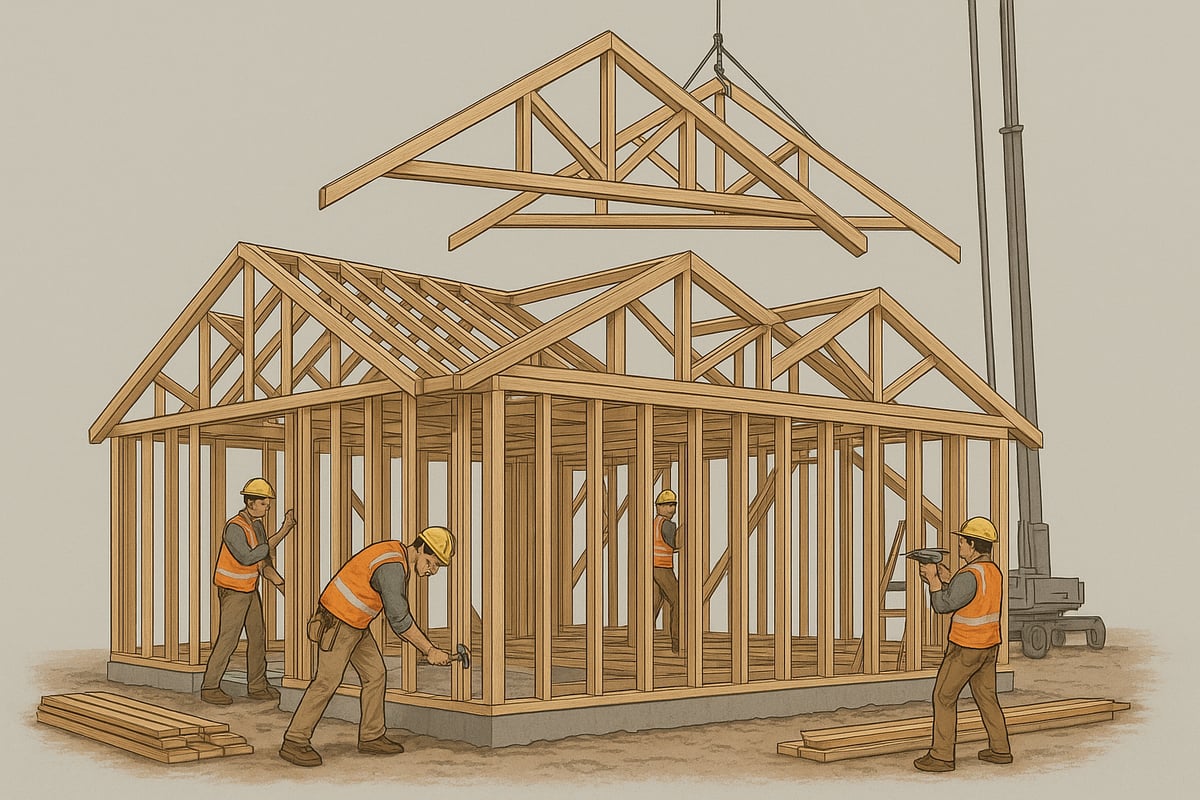
With the foundation complete, the next step in wooden frame building construction is assembling the primary structure. Whether you are using pre-fabricated wall panels or traditional post-and-beam methods, accuracy is vital. Start by positioning the sole plates and fixing them securely to the foundation.
Erect wall panels or posts, ensuring they are plumb and correctly spaced. Use temporary bracing to maintain alignment as you build. When working with beams and joists, follow the engineered design for load distribution. Connections can be made using traditional joinery or modern metal fasteners, depending on the design and structural requirements.
Roof trusses are lifted into place once the walls are stable. Secure them using recommended fixings and check for alignment. Cross-bracing and diagonal ties add rigidity, protecting the building against wind and movement. For a detailed guide on these methods, consult Timber Frame Construction Methods for step-by-step visuals and expert tips.
Regularly check measurements and use a builder’s square to confirm right angles. Take care with lifting and handling heavy timbers, always following safety protocols. Completing this stage lays the structural backbone for your wooden frame building construction, setting the stage for efficient enclosure and fit-out.
Enclosing the Structure
Once the frame is secure, focus shifts to enclosing the structure. This phase of wooden frame building construction involves installing external sheathing, weatherproof membranes, and roofing materials. Start by fixing structural sheathing panels to the outside of the frame. These panels provide racking strength and a base for further layers.
Apply a breathable weatherproof membrane over the sheathing, ensuring overlaps are tight and all edges are sealed. This barrier prevents water ingress while allowing moisture to escape, which is essential for the long-term health of the timber. Next, fit windows and doors, taking care to integrate flashings and seals to prevent drafts and leaks.
Roof coverings, such as tiles or metal sheets, are installed over the trusses, with insulation and vapour barriers beneath. Pay close attention to junctions and penetrations, as these are common weak points for air and water leakage. Achieving a high level of airtightness at this stage will improve energy performance and comfort.
As you enclose the building, inspect for gaps or misalignments and address them promptly. Well-executed enclosure protects the structure and provides a secure shell for internal works. This step in wooden frame building construction is vital for both durability and energy efficiency.
Utilities and Internal Fit-Out
With the shell complete, wooden frame building construction moves to utilities and interior finishes. Plan the routing of electrical, plumbing, and HVAC systems early to avoid clashes with structural elements. Use notches and drilled holes sparingly, following guidelines to maintain timber integrity.
Install insulation between studs, joists, and rafters, selecting materials with suitable thermal and acoustic properties. Vapour barriers are placed on the warm side of the insulation to control moisture migration. Fireproofing upgrades, such as intumescent coatings or fire-resistant boards, should be applied as required by regulations.
A sample checklist for this stage:
- Confirm service routes and mark locations.
- Fit insulation tightly without gaps.
- Install vapour and fire barriers to specification.
- Coordinate with trades to prevent delays.
Proceed to install internal linings, such as plasterboard, and complete first-fix electrical and plumbing. Acoustic treatments may be added to improve sound performance. Throughout, ensure all materials and methods are compatible with timber construction for lasting results.
Careful attention during this phase ensures the comfort, safety, and efficiency of your wooden frame building construction, while setting a high standard for finishes.
Quality Control and Inspection
Quality assurance is the final, yet ongoing, component of wooden frame building construction. Inspections should be conducted at critical stages to catch issues early and ensure compliance with regulations.
Key inspection points include:
| Stage | What to Check |
|---|---|
| Foundation | Levels, alignment, damp-proofing |
| Frame Erection | Plumb, square, fixings, bracing |
| Enclosure | Sheathing, membranes, window and door seals |
| Utilities & Fit-Out | Service routes, insulation, fire barriers |
| Final Sign-Off | Airtightness, finish quality, documentation |
Common errors to watch for:
- Inaccurate measurements or levels
- Insufficient bracing or fixings
- Gaps in insulation or membranes
Rectify any defects before proceeding to the next stage. Maintain detailed records of inspections, certificates, and warranties. Final sign-off should only occur once all compliance checks are passed and the building meets the design and safety standards.
By prioritising quality control, you safeguard the longevity and performance of your wooden frame building construction, ensuring a resilient and sustainable structure for years to come.
Compliance, Safety, and Building Regulations in 2026
Staying compliant with the latest regulations is essential for any successful wooden frame building construction project. As the UK construction landscape evolves, updated standards in 2026 place a strong emphasis on safety, sustainability, and documentation. Understanding these requirements from the outset will not only ensure your project passes inspection but also help protect your investment and the environment.
Meeting UK Building Standards
Compliance is at the heart of every wooden frame building construction. The UK’s 2026 building regulations have been updated to address both structural and environmental concerns. Key areas include structural integrity, fire safety, and energy efficiency. For timber structures, this means careful attention to load calculations, wind resistance, and seismic performance.
Fire safety is a top priority. Requirements now mandate compartmentalisation, high-performance alarms, and the use of fire-retardant treatments on timber elements. Energy performance standards have also become more stringent, especially regarding insulation and airtightness.
To ensure your project meets these standards, consult the NHBC Standards for Timber Frame Walls, which provide detailed guidance for compliance and best practice. Adhering to these codes throughout the wooden frame building construction process helps prevent costly delays and ensures long-term safety.
Summary Table: Key UK Timber Building Regulations (2026)
| Regulation Area | 2026 Requirement |
|---|---|
| Structural Safety | Updated load & wind calculations |
| Fire Protection | Compartmentalisation, alarms, FR treatments |
| Energy Efficiency | Enhanced insulation & airtightness |
| Documentation | Full compliance records required |
Health and Safety on Site
Health and safety are non-negotiable in wooden frame building construction. Site teams must use appropriate PPE such as hard hats, eye protection, gloves, and safety boots. Working with large timber elements introduces unique risks, including manual handling injuries and tool-related accidents.
Site managers are responsible for enforcing safety protocols and keeping up-to-date with HSE guidance. Common hazards in timber construction include falls from height, improper lifting, and exposure to dust or chemicals. According to recent HSE data, timber frame incidents have declined due to improved training and stricter site controls.
Safety checklists should be reviewed daily. Key points include:
- Ensuring all workers wear PPE at all times
- Securing work areas, especially during frame erection
- Using correct lifting techniques and equipment
By embedding safety into every phase of wooden frame building construction, project teams can create a secure environment and avoid unnecessary setbacks.
Documentation and Certification
Proper documentation is vital for wooden frame building construction projects. You will need to provide structural calculations, warranties, and completion certificates to demonstrate compliance. Building inspectors play a key role, carrying out checks at various stages and issuing approvals once standards are met.
Third-party certification, often required for insurance and resale, adds an extra layer of assurance. Insurers may request evidence of compliance with fire and structural standards, as well as ongoing maintenance records.
Key documents to prepare include:
- Structural engineer’s reports
- Fire safety certificates
- Energy performance documentation
- Insurance and warranty policies
Keeping records organised ensures a smoother sign-off process and protects against future disputes. Consulting with building control officers and certifiers early in your wooden frame building construction journey will help you stay ahead of regulatory requirements.
Expert Tips for Longevity and Maintenance
Ensuring the longevity of your wooden frame building construction requires a proactive approach to maintenance. By addressing common vulnerabilities, establishing a clear upkeep routine, and leveraging modern energy solutions, you can preserve both the structure and value of your investment for years to come.
Preventing Common Issues
Moisture is the primary threat to wooden frame building construction. Prioritise effective ventilation, install damp-proof courses, and ensure rainwater is directed away from the foundation. Regularly check gutters and downpipes for blockages to prevent water ingress.
Pest prevention is equally crucial. Use treated timber where possible and inspect for signs of wood-boring insects or fungal decay. Physical barriers, such as stainless steel mesh around ventilation openings, help deter rodents and insects.
Fire safety remains a top priority. Upgrade to modern alarms, keep fire extinguishers accessible, and opt for fire-resistant finishes on exposed wood. These measures collectively create a robust first line of defence for your wooden frame building construction.
Routine Maintenance Checklist
A consistent maintenance routine is essential for safeguarding wooden frame building construction. Start with an annual inspection, focusing on:
- Timber surfaces for cracks, splits, or discolouration
- Joints and fixings for movement or corrosion
- External finishes for peeling or weathering
Clean and reseal all external woodwork as needed, using breathable, eco-friendly finishes. Address minor repairs, such as filling small gaps or tightening loose fixings, promptly to prevent escalation.
Document each maintenance activity in a logbook. This record not only aids in tracking issues but also supports warranty claims and future resale value.
Enhancing Energy Efficiency
Maximising energy efficiency in wooden frame building construction is vital for both comfort and cost savings. Retrofitting insulation, especially within walls and roof spaces, can greatly reduce heat loss. For best practices on insulation, see Insulating Timber Frame Walls.
Upgrade to double or triple glazing where possible. Integrate smart home systems to monitor humidity and temperature, which helps maintain optimal indoor conditions and prevents condensation.
Recent case studies highlight substantial energy savings in modern timber frame homes, thanks to these targeted improvements. Investing in efficiency upgrades not only lowers bills but also enhances the building’s environmental performance.
When to Consult a Professional
Certain issues in wooden frame building construction require expert attention. If you notice signs of structural movement, such as uneven floors, sticking doors, or visible cracks, consult a structural engineer immediately.
Timber decay, especially in load-bearing elements, should always be assessed by a specialist. If repairs exceed your skillset or involve complex systems, engage a qualified contractor with experience in timber structures.
For trusted professionals, seek recommendations from industry bodies or local timber frame associations. Timely expert intervention preserves the safety and longevity of your wooden frame building construction.
Now that you’ve explored the essential steps to planning, designing, and building a wooden frame structure—from selecting the right timber to understanding the latest UK regulations—you’re in a strong position to start your own project with confidence. At Acorn to Oak Framing, we combine traditional craftsmanship and modern expertise to create beautiful, sustainable spaces that truly stand the test of time. If you’re ready to take the next step and turn your vision into reality, you can partner with specialists who understand every detail. Begin your bespoke timber frame journey today: BUILD NOW


