
Looking ahead to 2026, wooden framed extensions are poised to transform the way UK homeowners approach home improvement. With their blend of eco-friendly design, speed, and timeless style, they are quickly becoming the go-to choice for modern living spaces.
This guide is your essential resource for planning and building successful wooden framed extensions. Whether you are a homeowner, self-builder, or property developer, you will find practical steps, expert advice, and the latest trends to help you achieve a sustainable, stylish, and future-proof extension.
Discover the benefits, key planning stages, design inspiration, build process, costs, regulations, and future-proofing strategies that will set your project up for success.
Why Choose a Wooden Framed Extension?
Choosing wooden framed extensions for your home in 2026 means investing in a future-ready, sustainable, and visually stunning addition. The advantages stretch far beyond looks, offering tangible benefits for your wallet, your wellbeing, and the planet.
Sustainability and Environmental Impact
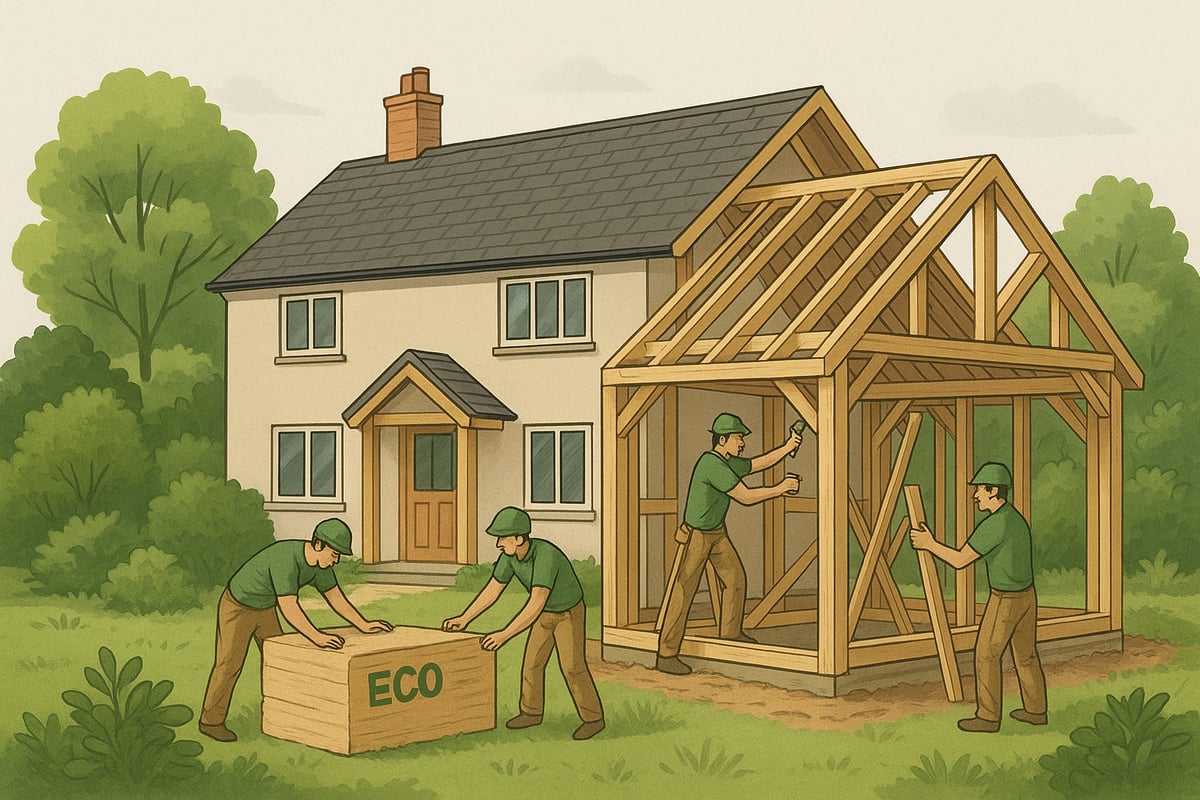
Wooden framed extensions are leading the way in sustainable building. Timber is a renewable resource, locking in carbon rather than releasing it, which helps lower your home's overall carbon footprint. Sourcing FSC-certified or locally grown UK oak ensures responsible forestry practices and reduces transportation emissions.
Compared to brick or steel, the embodied energy of timber is much lower. This means that less energy is consumed from the forest to your front door. Homeowners are increasingly turning to wooden framed extensions to support eco-friendly living and future-proof their properties.
- Timber is naturally renewable
- Lower embodied energy than traditional materials
- FSC certification ensures ethical sourcing
For a deeper dive into eco-conscious planning, the Timber Extension Planning Guide provides further insights on sustainable choices.
Speed and Efficiency of Construction
Wooden framed extensions are renowned for their speed and efficiency. Most of the structural components are fabricated off-site, allowing for precise, high-quality assembly in controlled factory conditions. This results in faster build times and minimal disruption to your daily life, especially important if you remain at home during the project.
According to the UK Timber Frame Association, wooden framed extensions can be completed up to 30 percent quicker than traditional builds. This acceleration reduces both labour costs and the overall project timeline.
- Off-site manufacturing means fewer weather delays
- Less mess and disruption on-site
- Fast-track your home upgrade without extended inconvenience
Aesthetics and Design Flexibility
Nothing matches the natural warmth and character that wooden framed extensions bring to a property. The exposed timber provides a visual centrepiece, whether your style is ultra-modern or classic country. These extensions offer unmatched design flexibility, adapting seamlessly to both contemporary and period homes.
Bespoke options allow tailored layouts, unique rooflines, and creative glazing solutions. Integration with existing structures is straightforward, ensuring continuity and harmony between old and new spaces.
- Exposed beams and feature joinery for wow-factor
- Adaptable to any architectural style
- Bespoke detailing enhances kerb appeal
Thermal Performance and Energy Savings
Wooden framed extensions excel in thermal efficiency. Timber has natural insulating properties, helping to keep your home warmer in winter and cooler in summer. This can lead to improved EPC ratings and real savings on your energy bills.
Research suggests that timber extensions can be up to 15 percent more energy efficient than standard brick builds. Superior insulation also means fewer draughts and a more comfortable living environment year-round.
- Excellent insulation reduces heat loss
- Enhanced comfort and lower running costs
- Supports energy efficiency targets for UK homes
Cost-Effectiveness and Value Addition
For many, the appeal of wooden framed extensions lies in their competitive pricing. Build costs are often lower compared to brick or block construction, and the speed of assembly can further trim expenses. These extensions also add significant value to your home, increasing resale potential and kerb appeal.
Ongoing maintenance is straightforward, with modern timber treatments extending lifespan and reducing upkeep. Investing in a wooden framed extension is a smart way to future-proof your property financially.
- Lower construction costs and faster completion
- Boosts property value and desirability
- Minimal long-term maintenance
Longevity and Durability
Today’s wooden framed extensions are built to last. Advances in timber treatment and construction methods have dramatically improved durability, making them suitable for UK weather conditions. Oak frames, in particular, are renowned for their longevity, with historic examples standing strong for centuries.
Modern timber frames are engineered to resist rot, pests, and moisture. With routine care, your extension can become a cherished part of your home for generations.
- Treated timber resists decay and infestation
- Proven performance in real-world conditions
- Centuries-old oak frames demonstrate lasting value
Common Misconceptions Debunked
Despite their many advantages, wooden framed extensions sometimes face misconceptions. Concerns about fire safety, pests, or structural integrity are addressed by strict UK building regulations and advances in materials. Modern timber frames are engineered to meet or exceed safety standards.
Proper treatment and regular inspections ensure resistance to pests and rot. Structural strength is carefully calculated, giving you peace of mind and robust performance.
- Compliant with UK building regulations
- Engineered for fire and pest resistance
- Strong, stable, and secure construction
Wooden framed extensions offer a compelling blend of beauty, efficiency, and sustainability, making them the standout choice for homeowners and developers looking to build for the future.
Planning Your Wooden Framed Extension: Key Steps for 2026
Embarking on wooden framed extensions in 2026 requires careful planning, a clear vision, and a structured approach. With the right steps, you can achieve a space that is both beautiful and practical. This section will guide you through essential stages, from defining your goals to selecting the right team, ensuring your project runs smoothly from concept to completion.
Assessing Your Needs and Goals
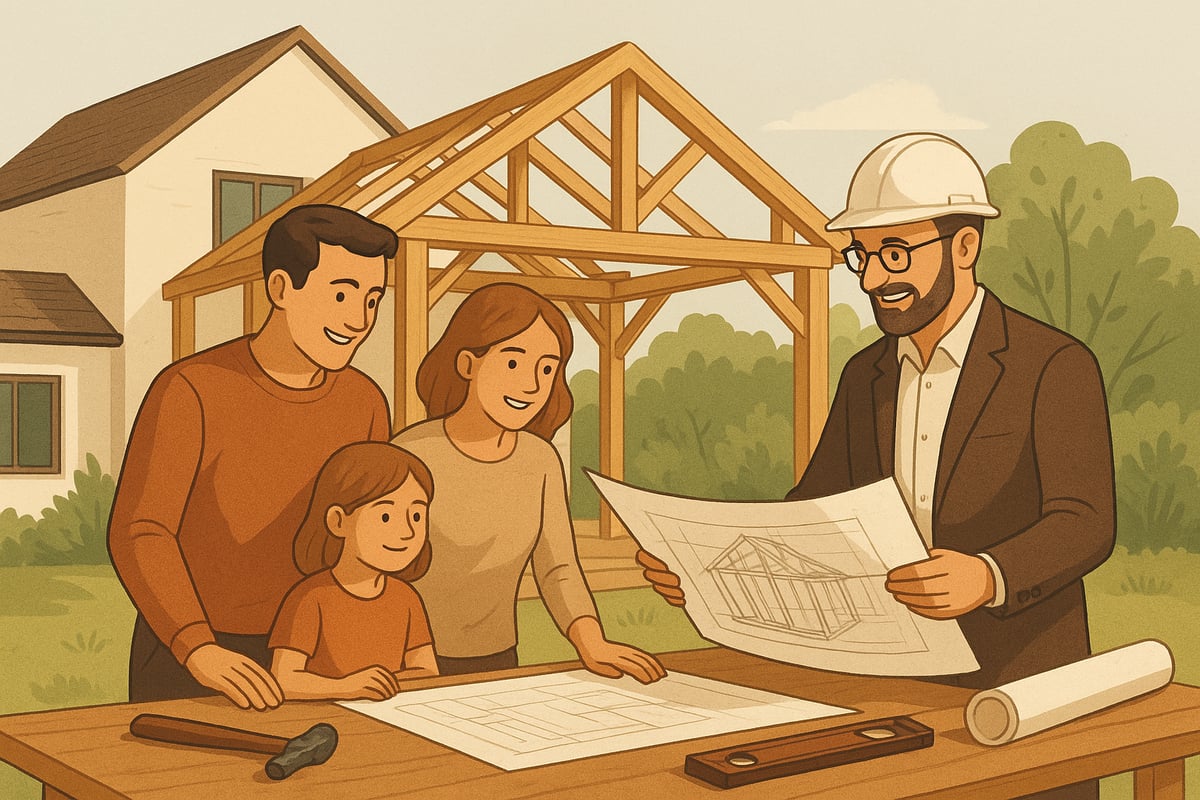
Start by clarifying the purpose of your wooden framed extensions. Are you planning a light-filled kitchen, a serene home office, or an inviting living space? Define your priorities and consider how the extension will enhance your lifestyle today and in the future.
Think about family growth, accessibility needs, or the potential for remote working. Early space planning helps you future-proof the design, ensuring your investment remains valuable as your needs evolve.
Budgeting and Funding Options
Understanding your budget is vital for wooden framed extensions. In 2026, typical costs range widely depending on size, complexity, and specification. Prepare a detailed budget that includes design, materials, labour, and contingency funds.
Explore funding routes such as personal savings, remortgaging, or seeking green home improvement loans. Some homeowners may qualify for grants supporting sustainable builds. Comparing quotes from reputable suppliers will help you maximise value without compromising on quality.
- Savings
- Remortgaging
- Green loans and grants
A clear budget sets realistic expectations and helps avoid costly surprises.
Navigating Planning Permission and Building Regulations
Securing the right permissions is a crucial step for wooden framed extensions. Many projects fall within permitted development, but factors like property type, size, and conservation status may require full planning consent.
Familiarise yourself with UK regulations on fire safety, structural integrity, and insulation. For semi-detached homes, consider the Party Wall Act and consult neighbours early. For a comprehensive overview of what permissions you need, see this guide on Planning Permission for Timber Frame Extensions.
Early engagement with your local authority and experienced professionals ensures a compliant and hassle-free build.
Choosing the Right Materials and Suppliers
Selecting materials for wooden framed extensions influences both performance and appearance. Compare options such as UK oak, softwoods, and engineered timber for durability and sustainability.
Verify that your chosen supplier sources timber responsibly, ideally with FSC certification. Reliable suppliers will provide documentation on provenance and eco-credentials. Research reviews and visit completed projects if possible, ensuring your extension is built to last.
Working with Designers and Architects
A skilled designer brings your vision for wooden framed extensions to life. Share your goals, budget, and style preferences during the briefing stage. Architectural drawings and 3D models help you visualise the finished space and refine details before work begins.
Experienced architects can also advise on integrating the extension seamlessly with your existing home, ensuring both aesthetic harmony and structural integrity.
Timeline and Project Management
Efficient project management is key to successful wooden framed extensions. A typical project in 2026 may last 10 to 14 weeks, from design approval to final handover.
Break the process into clear milestones:
- Design and approvals
- Off-site manufacturing
- On-site assembly
- Services installation
- Final finishes and inspections
A Gantt chart can help you track progress and coordinate trades. Regular communication with your contractor helps avoid delays and keeps the build on schedule.
Acorn to Oak Framing: Your Timber Extension Partner
Acorn to Oak Framing specialises in bespoke wooden framed extensions, blending traditional craftsmanship with modern design. Their team supports you at every stage, from initial consultation and planning through to regulatory compliance and installation.
Using sustainably sourced UK oak, they deliver extensions tailored to your needs and property style. Clients praise their attention to detail, clear communication, and commitment to quality. For a seamless experience and expert guidance, Acorn to Oak Framing offers end-to-end service, ensuring your extension is both beautiful and built to last.
Designing a Wooden Framed Extension: Styles & Customisation
Designing wooden framed extensions in 2026 is all about blending innovation, sustainability, and personal taste. The right approach can transform any home, adding value and modern comfort. Explore how style choices, customisation, and thoughtful planning create a space that stands the test of time.
Popular Design Styles for 2026
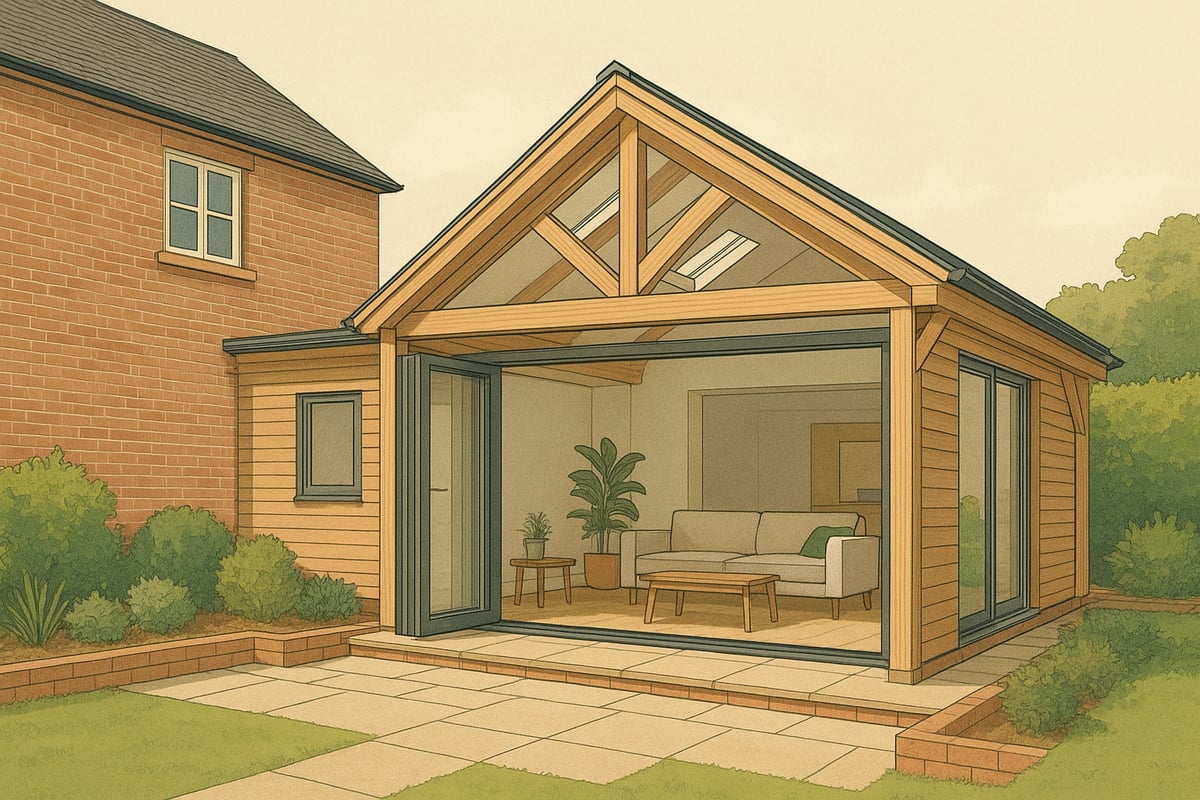
Wooden framed extensions are leading the way in UK home design trends for 2026. Homeowners are drawn to contemporary glazed extensions, which feature open-plan living, sleek lines, and expansive glass for natural light. These modern spaces blend indoor and outdoor living beautifully.
Traditional oak-framed garden rooms and orangeries remain popular, offering timeless charm and a sense of heritage. Hybrid designs, which combine rustic elements with modern architecture, are also on the rise. This flexibility means wooden framed extensions can suit any property style.
Whether you prefer ultra-modern or classic English country, there is a design approach for every taste. The natural warmth of timber ensures that each extension feels welcoming and unique.
Bespoke vs. Pre-Designed Solutions
Choosing between bespoke and pre-designed options is a key decision for anyone considering wooden framed extensions. Bespoke solutions allow for complete customisation, ensuring your extension meets your specific needs and style preferences. This approach is ideal if you want to maximise space or create a truly unique feature.
In contrast, pre-designed or modular kits offer quicker installation and predictable costs, making them suitable for straightforward projects or tighter budgets. However, they may offer less flexibility in terms of layout and finishes.
For those seeking a tailored space, exploring Bespoke Timber Framing Services can provide expert guidance and inspiration. Understanding your priorities will help you choose the best route for your home.
Integrating with Existing Structures
A seamless connection between new and old spaces is crucial for successful wooden framed extensions. Matching rooflines, materials, and finishes helps to blend the extension with the original property. This approach maintains architectural integrity and adds cohesive kerb appeal.
Considerations include:
- Selecting external cladding that complements existing brick or render
- Aligning window styles and proportions
- Continuing roof tiles or slates for visual harmony
Careful integration ensures your extension looks like a natural part of your home, not an afterthought.
Maximising Light and Space
One of the standout features of wooden framed extensions is their ability to flood interiors with light. Large bi-fold doors, skylights, and floor-to-ceiling windows are popular choices for maximising daylight and creating a sense of openness.
Open-plan layouts are favoured, offering flexibility for living, dining, or entertaining. Thoughtful positioning of glazing enhances garden views and brings the outside in. These design choices not only improve wellbeing but also boost the energy efficiency of your extension.
Interior Finishes and Detailing
The interior of wooden framed extensions offers endless possibilities for creativity and comfort. Exposed beams and vaulted ceilings provide drama and a sense of space. Feature joinery, such as bespoke staircases or shelving, adds character and craftsmanship.
Choosing flooring, wall finishes, and colour palettes can further personalise your extension. Neutral tones with natural textures, like timber and stone, are trending for their calming, timeless appeal.
Outdoor Connections
Creating a smooth transition from indoor to outdoor spaces is a top priority for modern wooden framed extensions. Wide openings to patios, decks, or gardens enhance usability and enjoyment year-round. Consider flush thresholds and quality weatherproofing for comfort and durability.
Features such as covered verandas or pergolas can extend living areas outdoors. With the right design, your extension becomes the bridge between home and nature, increasing both value and lifestyle.
Accessibility and Future-Proofing
Future-proofing is essential when designing wooden framed extensions. Planning for multi-generational living or changing mobility needs ensures lasting functionality. This can include level access, wider doorways, or adaptable layouts that evolve with family requirements.
By considering accessibility from the outset, you create a space that remains welcoming and practical for years to come. Thoughtful design today means your extension will continue to meet your needs tomorrow.
The Build Process: Step-by-Step Guide
Embarking on the construction of wooden framed extensions involves a series of clear, coordinated steps. Each phase is essential for ensuring a robust, high-performing, and stylish result that will stand the test of time. Below, we break down the process so you know exactly what to expect from concept to completion.
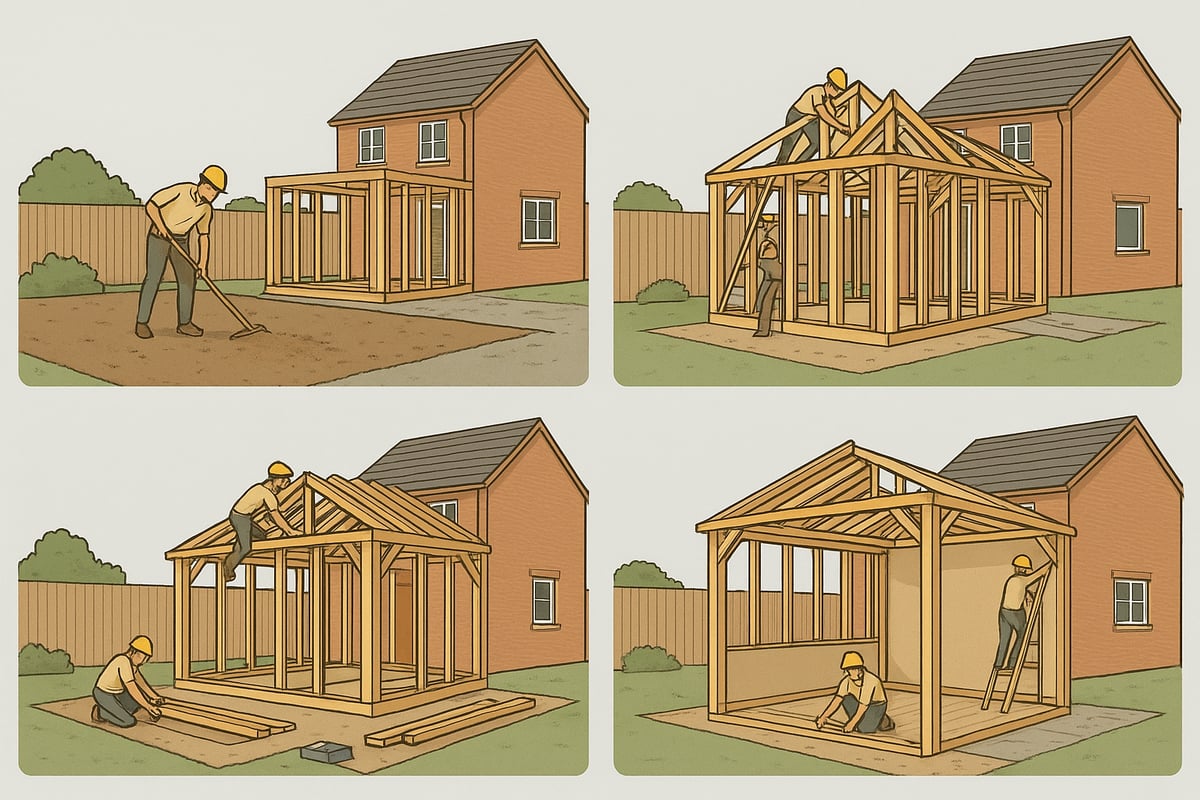
Step 1: Site Preparation and Foundations
Every successful project for wooden framed extensions starts with detailed site preparation. The area must be cleared of debris, vegetation, and any obstacles. Accurate surveying ensures the extension aligns perfectly with the existing property.
Foundation choice is crucial. Options include strip foundations, pile foundations, or raft slabs. The selection depends on soil conditions and extension size. Proper drainage is also installed to prevent water issues and protect timber elements.
Site access should be organised early, allowing delivery of large timber components. Safety fencing and signage help secure the area and keep neighbours informed. Early groundwork sets the tone for a smooth build.
Step 2: Off-Site Timber Frame Manufacturing
For wooden framed extensions, precision off-site manufacturing is key. Timber components are crafted in controlled factory environments, ensuring accuracy and minimising waste.
Computer-aided design (CAD) is often used to cut beams and panels to exact sizes. This process guarantees that each piece fits perfectly on site. Quality checks at this stage help identify any defects before delivery.
Sustainability is prioritised by selecting FSC-certified timber. Off-site fabrication also speeds up the overall timeline, as construction can continue regardless of weather conditions. This step lays a solid foundation for rapid on-site assembly.
Step 3: Delivery and On-Site Erection
Once manufactured, the timber frame for wooden framed extensions is transported to site. Large components may require special delivery vehicles and lifting equipment.
On arrival, assembly begins. Cranes or manual lifting methods are used to position the frames. The structure is gradually pieced together, starting with the base and moving upwards. Each connection is checked for accuracy and strength.
This phase is swift compared to traditional builds, often taking just days. Minimal disruption to daily life is a major benefit. For more detail on techniques, see Wooden Frame Construction Methods.
Step 4: Weatherproofing and Structural Integration
After the timber frame is up, weatherproofing is critical for wooden framed extensions. Roof coverings, breathable membranes, and vapour barriers are installed to protect against rain and moisture.
Insulation is added within the frame to enhance energy efficiency. External cladding—such as brick slips, render, or timber boards—completes the envelope and blends the extension with the existing house.
This stage also involves joining the new structure to the original building. Careful integration ensures no thermal bridging or water ingress, maintaining comfort and durability.
Step 5: First Fix and Services Installation
At this point, first fix works begin for wooden framed extensions. Electricians, plumbers, and heating engineers install wiring, pipes, and ducting while walls remain open.
Smart home features can be included, such as underfloor heating, lighting controls, and security systems. Planning these systems early makes installation easier and future upgrades simpler.
All services are routed through designated voids in the timber frame. Compliance with UK regulations is checked as each system is installed, ensuring safety and performance for years to come.
Step 6: Internal Finishes and Decoration
With the structure and services in place, internal finishes give wooden framed extensions their unique character. Plasterboard is fitted, followed by plastering or dry lining.
Joinery works include fitting skirting boards, doors, and window frames. Flooring is chosen to suit the space, whether engineered wood, tiles, or carpet. Painting and decorating complete the transformation.
Attention to detail at this stage delivers a polished, welcoming space. Homeowners can personalise finishes to reflect their style, making the extension truly bespoke.
Step 7: Final Inspections and Handover
The last step involves thorough inspections. Building control officers check that the extension complies with all UK regulations. Any minor snags or defects are addressed promptly.
Once approved, the builder provides documentation, warranties, and maintenance guidance. The new space is now ready for use, adding value and enjoyment to your home for years to come.
Costs, Value, and Return on Investment
Understanding the financial side of wooden framed extensions is crucial for any homeowner, self-builder, or developer planning a project in 2026. This section explores costs, value, and how to maximise your investment when choosing wooden framed extensions.
Typical Cost Breakdown (2026 Estimates)
When budgeting for wooden framed extensions, expect average costs to range from £2,200 to £3,200 per square metre in 2026. These figures are competitive compared to brick or block alternatives, often providing better value for bespoke projects.
| Extension Type | Timber Frame (£/m²) | Brick/Block (£/m²) |
|---|---|---|
| Standard Single Storey | 2,200 – 2,800 | 2,500 – 3,400 |
| High Spec/Glazed | 2,800 – 3,200 | 3,200 – 3,800 |
A full project may cost £45,000 to £100,000+, depending on size and finish. For a detailed breakdown, see the Timber Frame Extension Cost Guide.
Factors Affecting Costs
Several variables influence the total price of wooden framed extensions. These include:
- Size and complexity of the build
- Choice of timber species and finishes
- Site access and groundwork requirements
- Labour costs, which can vary by region
- Specification of glazing, insulation, and smart technology
Selecting high quality, sustainably sourced materials may increase upfront costs, but can deliver greater long term value and improved performance for wooden framed extensions.
Maximising Value and Avoiding Hidden Costs
To protect your investment, always request detailed, itemised quotes from suppliers. This transparency helps identify potential hidden charges in wooden framed extensions, such as site preparation, unforeseen structural work, or planning fees.
Set aside a contingency fund of 10–15 percent to cover unexpected overruns. Clear contracts and staged payments will also help manage cash flow and minimise risk.
Return on Investment
A well designed wooden framed extension can boost your property’s value by 10–20 percent, depending on location and quality of finish. Enhanced energy efficiency, due to timber’s superior insulation, also reduces running costs over time.
Research on Extensions to Domestic Buildings and Their Impact on Energy Consumption highlights how energy efficient design can deliver ongoing savings, making wooden framed extensions a smart choice for both comfort and return.
Funding and Grants
In 2026, several funding options exist for wooden framed extensions. Consider:
- Savings, remortgaging, or green home improvement loans
- Government grants for sustainable construction
- Tax incentives for energy efficient upgrades
Investigate local council schemes or national incentives that reward eco-friendly building methods, which can further improve the affordability of wooden framed extensions.
Compliance, Maintenance, and Future-Proofing
Ensuring your wooden framed extensions remain a valuable asset means understanding compliance, ongoing care, and how to future-proof your investment. Let’s explore essential steps to keep your extension safe, efficient, and ready for the years ahead.
Meeting UK Building Regulations and Standards
Compliance is non-negotiable for wooden framed extensions. UK building regulations cover fire safety, structural integrity, and insulation. Using certified materials and following regulations ensures your extension is both safe and legal.
For detailed requirements on timber framed walls, refer to the NHBC Standards 2025: External Timber Framed Walls. This resource clarifies everything from structural loading to moisture control, so your project passes inspections and stands the test of time.
Always insist on proper certification and warranties from your contractor for peace of mind.
Ongoing Maintenance Requirements
Wooden framed extensions require regular care to ensure longevity. Timber should be treated with appropriate preservatives every few years, and weatherproofing must be checked after severe weather.
Routine inspections for signs of damp, rot, or pests are essential. Simple actions like clearing gutters and checking seals around windows help prevent bigger issues. Keeping up with maintenance schedules protects your investment and keeps your extension looking its best.
Upgrading and Extending Further
Planning flexibility into your wooden framed extensions pays dividends. Modular designs make it easier to add or adapt spaces as your needs change.
If you wish to expand in future, ensure foundations and structural elements are suitable for additional loads. Consulting with your architect about these possibilities during the initial design phase can save time and money later.
Sustainability and Environmental Credentials
One of the biggest draws of wooden framed extensions is their sustainability. Timber is a renewable resource, and responsible sourcing—such as FSC certification—boosts eco-credentials.
A life cycle approach considers not just build but also end-of-life recycling or reuse. Choosing natural insulation and finishes furthers the environmental benefits, while ongoing maintenance with low-impact products keeps your extension green throughout its lifespan.
Insurance and Legal Considerations
Proper insurance is crucial for wooden framed extensions. Inform your provider about the new structure to ensure coverage is valid.
If your property is listed or in a conservation area, seek legal advice before starting work. Compliance with all legal requirements avoids costly disputes and ensures your extension remains an asset.
Anticipating Future Trends
Looking ahead, wooden framed extensions are set to embrace smart home technology, net-zero standards, and biophilic design. Features like integrated sensors, energy-efficient glazing, and natural materials will become standard.
Designing with adaptability in mind allows your extension to evolve alongside family needs or technological advances, ensuring lasting value and comfort.
As you explore the benefits of wooden framed extensions—sustainability, design flexibility, energy efficiency, and increased property value—you’ll see just how much potential your home holds for 2026 and beyond. If you’re ready to turn these insights into a beautifully crafted reality, let’s take the next step together. At Acorn to Oak Framing, we’ll guide you through every aspect, from initial ideas to a bespoke finish that complements your lifestyle and meets the highest standards. Your dream extension starts with a conversation—let’s build something extraordinary.
CONTACT US


