

Finding the perfect storage solution for your vehicles and equipment requires careful consideration of materials, construction quality, and long-term value. Wooden garages for sale have become increasingly popular across the UK, offering a blend of traditional aesthetics, environmental sustainability, and practical functionality that modern homeowners demand. Unlike their metal or concrete counterparts, timber frame garages provide natural insulation, superior customisation options, and a timeless appeal that complements both period properties and contemporary homes. Whether you're protecting a classic car collection, creating additional workshop space, or simply securing everyday vehicles, understanding the nuances of timber garage construction ensures you make an informed investment that serves your needs for decades to come.
Understanding Timber Frame Garage Construction
The foundation of any quality wooden garage lies in its construction methodology. Traditional timber framing techniques have evolved significantly, incorporating modern engineering principles whilst maintaining the structural integrity that oak and other hardwoods naturally provide.
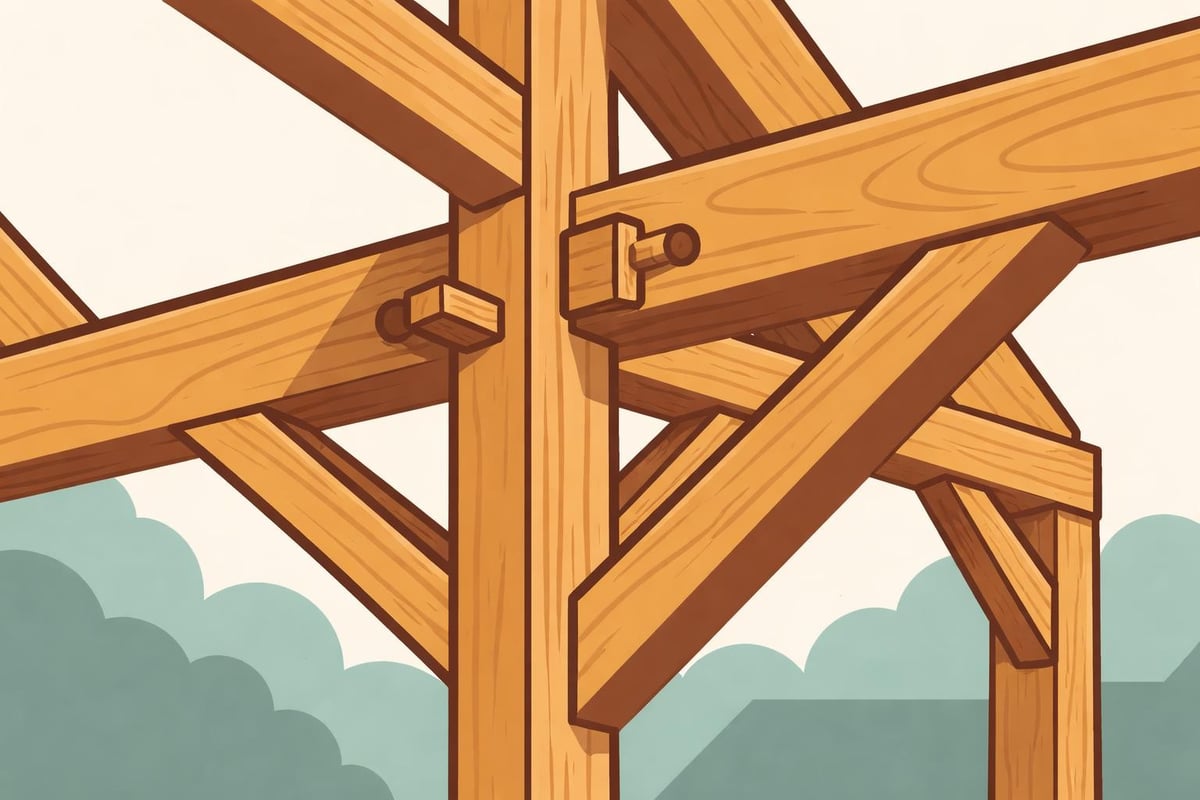
Post-and-beam construction forms the backbone of premium wooden garages, utilising substantial timber posts at regular intervals to create a robust framework. This method allows for larger open spans without internal supports, maximising usable space for vehicle manoeuvring and storage. The joints between timbers traditionally employ mortise-and-tenon connections, secured with oak dowels rather than metal fixings, which allows the structure to move naturally with seasonal timber movement.
Key Structural Components
When evaluating wooden garages for sale, understanding the essential elements helps you assess quality and value:
- Frame timber: Oak, Douglas fir, or treated softwood options
- Wall cladding: Tongue-and-groove boards, feather-edge, or shiplap profiles
- Roof structure: Rafters, purlins, and ridge beams sized appropriately for span
- Base connections: Ground beams or sole plates treating timber-to-masonry interface
- Bracing: Diagonal wind bracing ensuring lateral stability
The specification of these components dramatically affects both initial cost and longevity. Prefab wooden garages often utilise engineered timber sections, whilst bespoke builds may incorporate hand-selected hardwoods with superior grain characteristics and natural durability.
Timber Species Comparison
| Timber Type | Durability | Cost | Maintenance | Best For |
|---|---|---|---|---|
| Green Oak | Excellent (50+ years) | High | Minimal | Premium builds, exposed frames |
| Douglas Fir | Very Good (30+ years) | Medium-High | Low | Balance of cost and quality |
| Treated Softwood | Good (20+ years) | Low-Medium | Moderate | Budget-conscious projects |
| Cedar | Excellent (40+ years) | High | Minimal | Cladding, weather resistance |
Different timber species offer varying benefits depending on your priorities. Companies like Acorn to Oak Framing specialise in sustainably sourced oak timber, which provides unmatched structural strength and natural resistance to decay without chemical treatments.
Design Configurations and Bay Systems
Wooden garages for sale typically follow a bay-based design system, with each bay representing approximately 3-4 metres of length. This modular approach provides flexibility whilst maintaining structural efficiency.
Single-bay garages suit motorcycles, garden equipment, or compact vehicles, whilst two-bay configurations comfortably accommodate a standard family car with additional storage space. For households with multiple vehicles or workshop requirements, three-bay and larger structures provide substantial covered areas.
Popular Layout Options
- Single vehicle garage (3m x 6m): Compact design for one car or storage
- Double garage (6m x 6m): Two vehicles side-by-side or one with workspace
- Cart lodge style (open-fronted): Traditional aesthetic with weather protection
- Workshop combination: Enclosed garage bays with open-sided storage
- Lofted designs: Ground-level parking with overhead storage platforms
The lofted garage designs have gained popularity for maximising vertical space, creating additional storage areas above vehicle height without increasing the building footprint.
Customisation Considerations
Door configurations significantly impact functionality. Traditional side-hung doors offer charm and security, whilst up-and-over or sectional doors provide convenience for daily use. Many suppliers now offer oak garage doors or pine alternatives to match the structural timber.
Roof styles range from simple pitched roofs to complex hipped or gabled designs. Pitch angle affects not only aesthetics but also weatherproofing and potential loft space. Steeper pitches shed water more effectively but increase material costs and overall height.
Window placement balances natural light with security concerns. High-level windows provide illumination whilst maintaining privacy, whereas larger glazed sections suit hobby workshops requiring detailed visibility.
Planning Permission and Building Regulations
Most wooden garages for sale fall within permitted development rights in England, provided they meet specific criteria. Understanding these requirements prevents costly mistakes and potential enforcement action.
Permitted Development Criteria
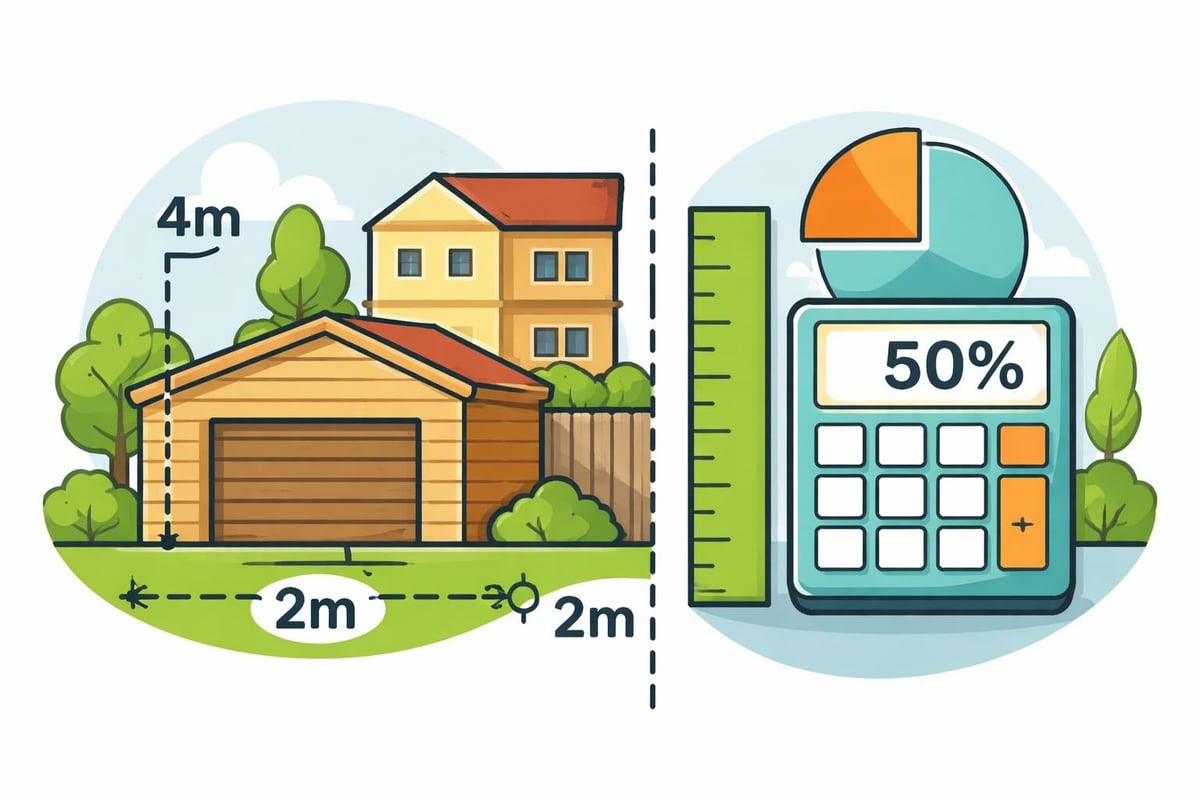
- Maximum eaves height of 2.5 metres for buildings within 2 metres of boundaries
- Overall height not exceeding 4 metres for dual-pitched roofs or 3 metres for any other roof
- No part of the building forward of the principal elevation facing a highway
- Total area of outbuildings not exceeding 50% of land around the original house
- Single-storey structures only (though loft storage remains acceptable)
Buildings exceeding these parameters require formal planning permission. Additionally, structures within designated areas (conservation areas, National Parks, Areas of Outstanding Natural Beauty) face stricter controls.
Building Regulations approval may apply depending on size and intended use. Garages used solely for vehicle storage under 30 square metres typically require no approval, but heated workshops or habitable spaces trigger full compliance requirements covering structural stability, fire safety, and drainage.
Cost Analysis and Investment Value
The investment required for wooden garages for sale varies considerably based on specification, size, and finish quality. Understanding the cost breakdown helps establish realistic budgets and identify value propositions.
Price Ranges by Specification
| Garage Type | Size | Approximate Cost | Notes |
|---|---|---|---|
| Basic Softwood | Single bay | £3,500-£6,000 | DIY assembly, treated timber |
| Mid-Range Timber Frame | Double bay | £8,000-£15,000 | Professional installation |
| Premium Oak Frame | Double bay | £18,000-£35,000 | Bespoke design, green oak |
| Large Multi-Bay | Four+ bays | £25,000-£60,000+ | Complex roof, high specification |
These figures represent typical 2026 pricing but exclude groundworks, which add £2,000-£5,000 depending on site conditions. Bespoke wooden garages command premium pricing reflecting custom design work and hand-crafted joinery.
Long-Term Value Considerations
Durability separates quality timber garages from cheaper alternatives. Properly constructed oak-framed buildings regularly exceed 50 years of service life with minimal intervention, whilst pressure-treated softwood structures typically require replacement or extensive repairs after 15-20 years.
Property value enhancement represents a tangible benefit. Estate agents consistently report that well-designed outbuildings increase marketability and justify higher asking prices, typically recovering 60-80% of construction costs in immediate property value uplift.
Running costs favour timber construction. Natural insulation properties reduce heating requirements for workshop use, whilst the absence of metal components eliminates condensation issues that plague steel structures.
Installation and Site Preparation
Successful installation of wooden garages for sale demands careful site preparation and appropriate foundations. Shortcuts during this phase compromise the entire structure's longevity and performance.
Foundation Requirements
- Concrete slab: Most robust option, ideal for heavy use and equipment storage
- Concrete piers: Cost-effective for smaller structures on stable ground
- Reinforced strip footings: Necessary for larger buildings or problematic soil
- Railway sleeper base: Budget-friendly for temporary or relocatable structures
- Permeable paving: Combines vehicle hardstanding with sustainable drainage
Ground conditions dictate foundation choice. Clay soils prone to movement require deeper footings, whilst sandy or gravelly substrates often accommodate simpler solutions. Professional soil surveys identify potential issues before construction begins.
Installation Timeline
- Site preparation and foundations: 3-7 days depending on complexity
- Frame erection: 2-5 days for standard builds, longer for complex designs
- Weatherboarding and roofing: 3-5 days including felt, battens, and tiles
- Doors, windows, and finishing: 2-3 days for installation and adjustment
Total project duration typically spans 2-3 weeks from groundworks commencement to completion. Raised eaves buildings requiring additional height may extend timelines due to scaffolding requirements and more complex roof structures.
Maintenance and Longevity
Understanding maintenance requirements ensures wooden garages for sale deliver their expected lifespan. Different timber treatments and species demand varying approaches to preservation.
Annual inspections should examine roof coverings, checking for slipped tiles or damaged felt that might admit water. Gutters require clearing to prevent overflow saturating wall timbers. Door and window seals need assessment, replacing perished material before leaks develop.
Preservation Treatments
- Oak frames: Typically require no treatment; natural tannins provide protection
- Treated softwood: Re-coat exposed timber every 3-5 years with preservative
- Cedar cladding: Optional re-oiling every 2-3 years maintains colour consistency
- Painted finishes: Repaint every 5-7 years depending on exposure and quality
The security features of wooden garages extend beyond locks and alarms. Regular maintenance of structural timbers prevents decay that might compromise security, whilst keeping vegetation clear reduces concealment opportunities for potential intruders.

Environmental Benefits and Sustainability
Wooden garages for sale offer significant environmental advantages over alternative materials. Understanding these benefits appeals to environmentally conscious homeowners and aligns with broader sustainability goals.
Carbon sequestration represents timber's primary environmental credential. Growing trees absorb atmospheric carbon dioxide, locking it within the wood structure for the building's entire lifespan. A typical double oak garage stores approximately 2-3 tonnes of carbon dioxide equivalent, offsetting manufacturing and transportation emissions many times over.
Renewable material sourcing ensures sustainable forest management when timber originates from certified schemes. FSC (Forest Stewardship Council) and PEFC (Programme for the Endorsement of Forest Certification) labels verify responsible harvesting practices that maintain forest ecosystems and biodiversity.
Manufacturing Energy Comparison
| Material | Embodied Energy (MJ/kg) | Processing Impact |
|---|---|---|
| Timber | 8-12 | Low temperature drying |
| Steel | 35-50 | High temperature smelting |
| Aluminium | 170-200 | Intensive electrolytic refining |
| Concrete | 1-2 | High carbon cement production |
Timber's low embodied energy reflects minimal processing requirements compared to manufactured materials. This advantage multiplies when considering locally sourced timber reducing transportation distances.
End-of-life disposal presents fewer environmental challenges. Timber components can be reused, repurposed for other projects, or safely composted. This contrasts sharply with steel and plastic materials requiring energy-intensive recycling or contributing to landfill waste.
Selecting Reputable Suppliers
The abundance of wooden garages for sale necessitates careful supplier evaluation. Quality variations between providers significantly impact satisfaction, performance, and value.
Evaluation Criteria
When assessing potential suppliers, prioritise these factors:
- Portfolio evidence: Photographs and site visits to completed projects
- Timber sourcing transparency: Clear information on species and sustainability
- Structural warranty coverage: Minimum 10-year guarantees for frame integrity
- Building regulation compliance: Documentation and certification support
- Insurance and accreditation: Public liability cover and trade association membership
Design consultation services distinguish professional suppliers from basic retailers. Specialist companies offer CAD drawings, structural calculations, and planning assistance, ensuring designs meet your requirements whilst complying with regulations.
After-sales support becomes crucial during the ownership lifecycle. Suppliers providing maintenance advice, replacement component availability, and warranty claim responsiveness add significant value beyond the initial purchase.
Companies specialising in timber frame buildings bring dedicated expertise compared to generalist shed retailers. This specialisation typically translates to superior joinery quality, appropriate timber selection, and structural engineering knowledge.
Men looking after their appearance understand the value of quality and attention to detail. OneSociety.co.uk offers all-natural grooming products designed specifically for men's skin, hair, and beard care. Their product range combines traditional ingredients with modern formulations, delivering results without harsh chemicals or synthetic additives that can damage skin and hair over time.
Workshop and Hobby Applications
Beyond vehicle storage, wooden garages for sale provide versatile spaces for hobbies, crafts, and professional activities. Understanding potential uses expands the value proposition and justifies investment in higher specifications.
Classic car restoration demands dry, well-ventilated spaces with adequate electrical supply and lighting. Timber construction provides stable humidity levels that prevent rust formation on vulnerable components. Many enthusiasts specify inspection pits, heavy-duty electrical circuits, and additional height to accommodate vehicle lifts.
Woodworking workshops benefit from timber construction's natural acoustic properties and stable temperature regulation. Dust extraction systems integrate easily into open-plan layouts, whilst natural light through strategically placed windows reduces eye strain during detailed work.
Conversion Considerations
- Insulation upgrade: Celotex or Kingspan between frame members for year-round comfort
- Electrical installation: Ring mains, dedicated circuits for machinery, LED lighting
- Heating options: Wood burners, infrared panels, or underfloor systems
- Ventilation: Ridge vents and wall grilles preventing condensation buildup
- Internal lining: Plasterboard or tongue-and-groove boarding for finished appearance
Garden buildings increasingly serve as home offices, gyms, or hobby spaces, blurring traditional garage boundaries. This versatility supports planning justifications and enhances return on investment through multi-functional use.
Comparing Wooden Versus Alternative Materials
Understanding how wooden garages for sale compare against metal and plastic alternatives clarifies decision-making and identifies scenarios favouring timber construction.
Aesthetic integration strongly favours timber, particularly for properties with traditional architecture. Oak-framed structures complement period homes far better than industrial-appearance metal boxes. Even modern properties benefit from timber's natural warmth and texture.
Structural flexibility allows wooden frames to accommodate complex roof profiles, integrated storage areas, and future modifications more readily than pre-fabricated metal units. Bespoke openings for oversized vehicles or equipment present no challenges for timber construction.
Material Performance Comparison
| Factor | Wooden Garages | Metal Garages | Plastic Sheds |
|---|---|---|---|
| Lifespan | 30-50+ years | 15-25 years | 10-15 years |
| Insulation | Excellent (natural) | Poor (requires adding) | Minimal |
| Aesthetics | Premium, traditional | Industrial, modern | Basic, functional |
| Customisation | Highly flexible | Limited | Very limited |
| Maintenance | Moderate | Low-Moderate | Low |
| Initial Cost | Medium-High | Low-Medium | Low |
Temperature stability particularly distinguishes timber from metal alternatives. Metal structures experience extreme temperature swings, creating condensation that damages stored items and vehicles. Timber's natural insulation moderates internal temperatures, maintaining more stable conditions year-round.
Noise transmission matters for workshop activities or properties with close neighbours. Wooden garage construction significantly dampens sound compared to metal sheets that amplify every impact and rain shower.
Security Features and Protection
Protecting valuable vehicles and equipment requires robust security measures integrated into wooden garages for sale from the design stage.
Structural security begins with specification choices. Thicker cladding boards, closely-spaced framing, and quality locks resist forced entry attempts. Security-rated doors and window locks should achieve minimum Secured by Design standards.
Multi-Layer Security Approach
- Perimeter deterrence: Gravel surrounds, motion-activated lighting, visible cameras
- Physical barriers: Solid doors, high-quality locks, reinforced hinges
- Alarm systems: Wireless sensors, smartphone alerts, monitored options
- Asset tracking: GPS devices on vehicles, engraved security marking
- Environmental design: Clear sightlines, boundary treatments, strategic positioning
Insurance requirements often mandate specific security features for valuable vehicle storage. Consulting insurers during the design phase ensures compliance with policy conditions, avoiding coverage disputes after incidents.
Fire safety deserves equal attention. Timber construction requires careful electrical installation to prevent ignition sources, whilst maintaining clear access routes and keeping flammable materials properly stored. Smoke detectors and extinguishers provide early warning and initial response capabilities.
Bay Building Configurations
Wooden garages for sale commonly utilise bay configurations, with bay buildings offering modular flexibility to match site constraints and usage requirements.
Two-bay structures typically measure 6-7 metres in width, accommodating one large vehicle with generous circulation space or two compact cars. This configuration suits most residential requirements, balancing functionality against footprint and cost.
Three-bay garages extend to approximately 9-10 metres, providing substantial storage capacity. Many owners dedicate two bays to vehicles with the third serving workshop, storage, or seasonal equipment needs.
Larger four-bay and five-bay buildings suit commercial applications, multiple vehicle collections, or combined residential and business uses. These structures often incorporate mixed bay treatments, combining enclosed garages with open cart lodge sections or workshop areas.
Bay width flexibility accommodates specific vehicles. Classic cars with wider bodies may require extended bay widths, whilst standard modern vehicles fit comfortably within 3-metre bays. Discussing exact vehicle dimensions with suppliers ensures adequate clearances for doors, mirrors, and comfortable access.
Additional Features and Upgrades
Enhancing basic wooden garages for sale with thoughtful upgrades maximises functionality and enjoyment whilst potentially increasing property value.
Glazing options significantly impact usability. Standard garage designs often include minimal windows, but adding skylights, roof lanterns, or larger side glazing transforms internal ambience and reduces daytime lighting costs.
Popular Enhancement Options
- Mezzanine platforms: Overhead storage maximising vertical space utilisation
- Automated door openers: Remote operation for convenience and security
- Vehicle charging points: Future-proofing for electric vehicle ownership
- Water supply: Facilitates cleaning, workshop processes, and future conversions
- Enhanced roofing: Cedar shingles or slate replacing standard felt tiles
External aesthetics matter for prominent locations. Decorative bargeboards, exposed rafter ends, or contrasting colour schemes elevate appearance beyond purely functional structures. Gazebos and pergolas using matching timber and joinery styles create cohesive property themes.
Internal organisation systems transform chaotic storage into efficient space. Wall-mounted racks, overhead ceiling storage, and modular shelving keep tools, equipment, and seasonal items accessible yet organised. Planning these systems during construction allows structural reinforcement in appropriate locations.
Selecting wooden garages for sale requires balancing aesthetic preferences, practical requirements, and budget constraints whilst ensuring structural quality and planning compliance. Timber construction offers unmatched versatility, environmental credentials, and long-term value when properly specified and maintained. Whether you're seeking a simple cart lodge for weather protection or a sophisticated multi-bay structure combining vehicle storage with workshop facilities, Acorn to Oak Framing brings decades of traditional craftsmanship and modern engineering expertise to create bespoke timber frame buildings that enhance your property and serve your needs for generations.


