

Wooden garages represent a timeless investment that combines aesthetic appeal with practical functionality. As property owners across the United Kingdom increasingly seek sustainable, attractive alternatives to concrete or metal structures, timber garages have emerged as the preferred choice for discerning homeowners. The combination of natural beauty, structural integrity, and environmental credentials makes wooden garages uk an excellent addition to any property. Whether you're looking to protect vehicles, create workshop space, or add valuable storage, understanding the nuances of timber garage construction ensures you make informed decisions that will serve you for decades to come.
Understanding Timber Garage Construction Methods
The construction of wooden garages uk relies on two primary methodologies, each offering distinct advantages depending on your requirements and budget. Traditional timber framing utilises time-honoured techniques that have proven their durability over centuries, whilst modern panel systems offer faster installation with standardised components.
Traditional Oak Frame Construction
Oak frame garages represent the pinnacle of timber construction, combining exceptional strength with unmatched longevity. The traditional timber framing joints used in these structures create mechanical connections that often outlast the hardware and fixings used in modern buildings. Mortise and tenon joints, secured with oak pegs, allow the timber to move naturally with seasonal changes whilst maintaining structural integrity.
Key advantages of oak frame construction:
- Natural resistance to decay and insect damage
- Improves aesthetically as it weathers and matures
- Exceptional load-bearing capacity for roof structures
- Minimal maintenance requirements over the structure's lifetime
- Enhanced property value and kerb appeal
The visual impact of exposed oak timbers cannot be understated. These structures become architectural features in their own right, adding character to your property that manufactured materials simply cannot replicate.
Modern Timber Panel Systems
Prefabricated panel systems offer a cost-effective alternative for those seeking quicker installation times. These systems typically use pressure-treated softwood framed panels with cladding applied at the factory or on-site. Selecting appropriate timber for garage construction remains crucial even with panel systems, as the quality of base materials directly impacts longevity.
Panel garages can be erected in days rather than weeks, making them attractive for straightforward storage needs. However, they typically require more frequent maintenance than oak frame alternatives and may not achieve the same lifespan without diligent care.

Planning Your Wooden Garage Project
Size and Bay Configuration
Wooden garages uk come in various configurations to suit different requirements. The bay system provides a modular approach to sizing, with each bay typically measuring between 2.5 and 3.5 metres in width.
| Configuration | Typical Width | Suitable For |
|---|---|---|
| Single Bay | 3.0-3.5m | One vehicle, motorcycles, or workshop |
| Two Bay | 6.0-7.0m | Two vehicles or vehicle plus workshop |
| Three Bay | 9.0-10.5m | Multiple vehicles and storage |
| Four Bay | 12.0-14.0m | Multiple vehicles, workshop, and storage |
A two bay building offers the ideal balance for many homeowners, providing space for one vehicle alongside dedicated workshop or storage areas. For those with multiple vehicles or extensive equipment, a four bay building delivers impressive capacity whilst maintaining architectural coherence.
Planning Permission and Building Regulations
Most wooden garages uk fall under permitted development rights, provided they meet specific criteria. Garages must not exceed four metres in height for pitched roofs or three metres for structures within two metres of a boundary. The building should not cover more than half the property's curtilage, including other outbuildings.
Planning permission is typically required if:
- Your property is a listed building or within a conservation area
- The garage will be positioned forward of the principal elevation
- The structure exceeds maximum permitted development dimensions
- Your property's permitted development rights have been removed
- The garage will be used for commercial purposes
Even when planning permission isn't required, Building Regulations may apply, particularly if the garage exceeds 30 square metres or sits within one metre of a boundary. These regulations ensure structural safety, fire resistance, and proper foundation design.
Timber Selection and Treatment Considerations
The longevity of wooden garages uk depends significantly on timber species selection and appropriate treatment methods. Different timbers offer varying characteristics that influence both performance and maintenance requirements.
Premium Hardwood Options
Oak stands as the supreme choice for timber garage construction. Green oak, used in traditional framing, contains natural tannins that resist decay and repel insects. As it seasons in situ, the timber develops exceptional strength characteristics and a distinguished silvered patina. The investment in oak construction pays dividends through minimal maintenance needs and exceptional lifespan, often exceeding 100 years with basic care.
European oak offers consistency and availability, whilst English oak provides tighter grain patterns and enhanced durability. Both species perform admirably in the UK climate, with proper detailing to manage water shedding from the structure.
Softwood Alternatives
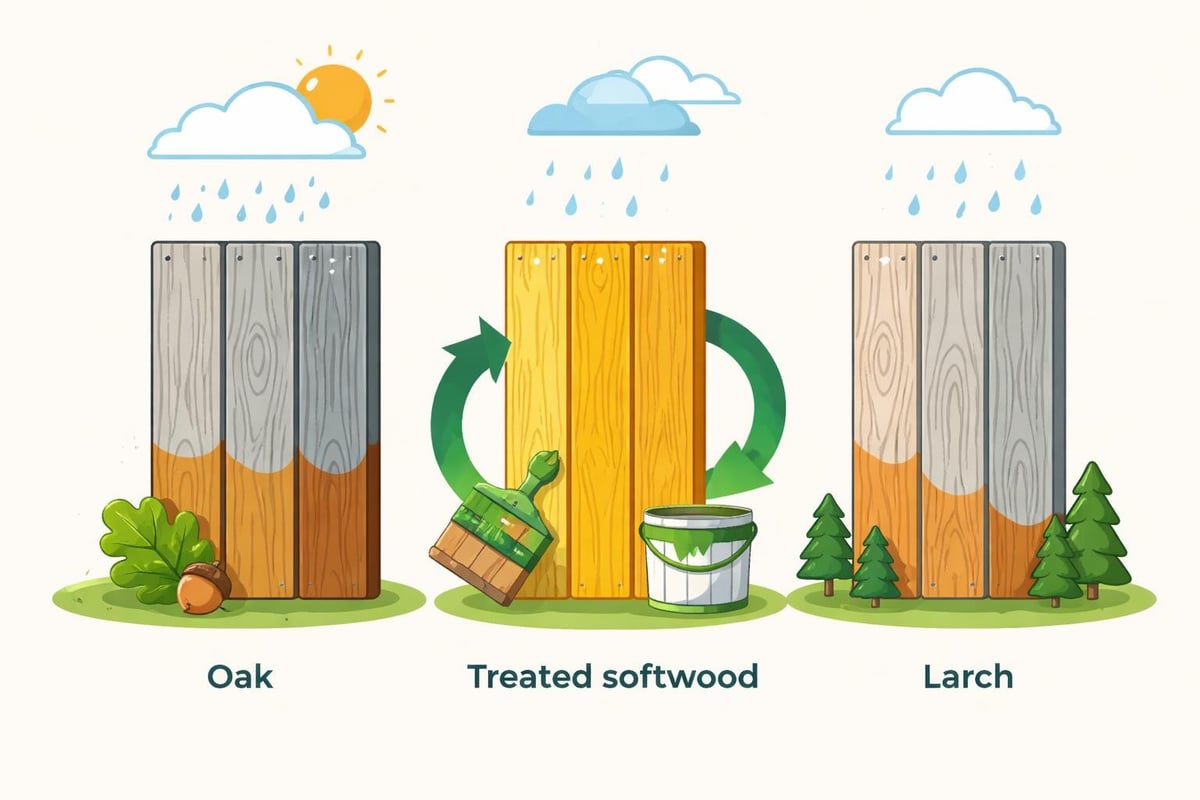
Pressure-treated softwoods provide economical solutions for wooden garages uk when properly specified. Scandinavian redwood and larch offer good natural durability, enhanced significantly through pressure treatment with preservatives. These timbers require treatment re-application every 3-5 years to maintain protection against rot and insect attack.
Treatment comparison:
| Treatment Type | Longevity | Maintenance | Environmental Impact |
|---|---|---|---|
| Tanalised Pressure Treatment | 15-25 years | Low initially, increases over time | Moderate concerns with disposal |
| Natural Oak (untreated) | 50-100+ years | Very low | Excellent – fully biodegradable |
| Larch (minimal treatment) | 20-30 years | Medium | Good – less chemical use |
Cost Considerations for Wooden Garages UK
Understanding the financial investment required for wooden garages uk enables realistic budgeting and specification decisions. Prices vary considerably based on materials, size, complexity, and finishing specifications.
Base Structure Costs
A basic single-bay softwood garage with standard specifications might start from £3,500-£6,000, whilst equivalent oak frame construction typically begins around £8,000-£12,000. The significant price differential reflects not only material costs but also the skilled craftsmanship required for traditional joinery. Understanding what you’re paying for in timber garage costs helps justify the investment when considering long-term value.
For larger structures, a three bay building in oak frame construction might range from £18,000-£28,000 depending on specifications, whilst softwood equivalents could cost £9,000-£15,000. These figures represent the fabricated frame structure before additional elements.
Additional Cost Factors
- Foundations: Properly engineered foundations add £1,500-£4,000 depending on ground conditions and structure size
- Roofing materials: Cedar shingles, clay tiles, or slate significantly exceed basic felt options in both cost and longevity
- Doors and windows: Oak garage doors provide superior aesthetics and durability compared to standard options
- Cladding finish: Weatherboarding, feather-edge, or tongue-and-groove affect both appearance and price
- Electrical installation: Proper power and lighting installation requires qualified electricians and building control approval
Design Features and Customisation Options
Modern wooden garages uk extend far beyond basic vehicle storage, incorporating features that enhance functionality and aesthetic appeal. The flexibility of timber construction enables extensive customisation to meet specific requirements.
Roof Design Variations
The roof significantly influences both appearance and internal space utilisation. Traditional pitched roofs with exposed rafters create attractive interiors whilst providing excellent water shedding. A raised eaves building increases internal height, enabling loft storage or creating more spacious working environments.
Hip-end roofs offer enhanced wind resistance and create distinctive appearances, particularly suitable for exposed locations. Gable ends can incorporate feature windows or vents, improving natural light and ventilation within the structure.
Internal Configuration Options
Workshop integration options:
- Dedicated workbench areas with integrated tool storage
- Electrical circuits for power tools and machinery
- Additional windows for natural light on workspaces
- Separate access doors for workshop areas
- Insulation and lining for year-round comfortable use
Many property owners configure wooden garages uk with mixed-use spaces, combining vehicle storage with hobbies, home gyms, or garden equipment storage. Proper planning of these configurations during the design phase ensures optimal functionality.
Cladding and External Finishes
External cladding choices dramatically affect both appearance and maintenance requirements. Vertical feather-edge boarding provides excellent weather protection and creates clean, contemporary lines. Horizontal weatherboarding delivers traditional aesthetic appeal, particularly when combined with oak framing.
Natural timber cladding can be left untreated to weather to silver-grey, treated with preservatives to maintain original colour, or painted for specific colour requirements. Each approach offers different maintenance cycles and visual outcomes that should align with property aesthetics and personal preferences.
Maintenance and Longevity
Proper maintenance extends the service life of wooden garages uk significantly, protecting your investment and maintaining aesthetic appeal. The maintenance regime varies considerably based on timber species and treatment approaches.
Oak Frame Maintenance
Oak frame structures require remarkably little maintenance when properly designed. The primary considerations involve ensuring water sheds effectively from the structure and maintaining clear drainage around foundations. Annual inspections should verify:
- Guttering remains clear and functional
- Ground levels haven't risen against timber members
- No vegetation growth against the structure
- Roofing remains watertight without damage
- Door and window hardware operates correctly
The oak itself typically requires no treatment, developing its characteristic silver patina naturally. Some owners prefer to maintain the golden oak colour through annual application of specialist oak oils, though this represents aesthetic choice rather than preservation necessity.
Treated Softwood Maintenance
Pressure-treated softwood garages require more active maintenance programmes. Re-treatment of external surfaces every 3-5 years maintains protection against rot and insect damage. This involves:
- Cleaning surfaces to remove dirt and algae growth
- Allowing timber to dry thoroughly
- Applying appropriate exterior wood preservative or stain
- Particular attention to end grain and joints
- Ensuring door and window frames receive adequate treatment
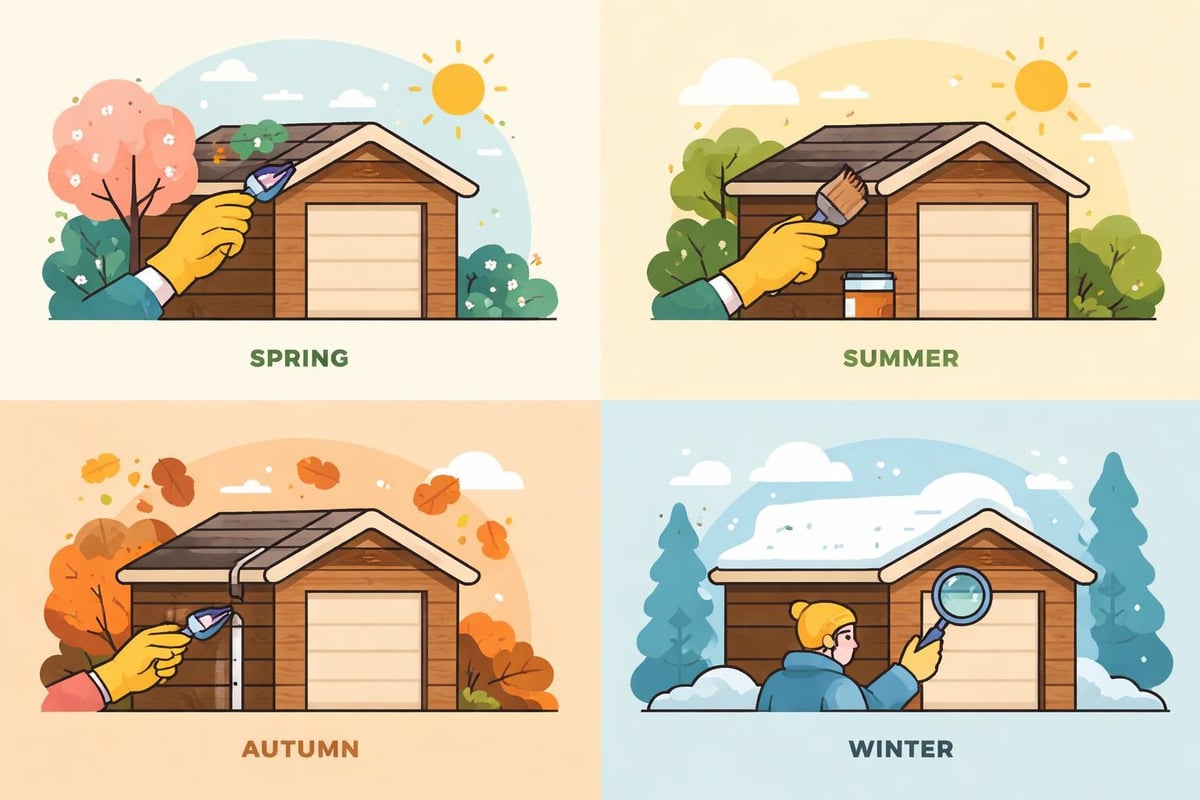
Regular maintenance of softwood structures significantly extends their service life, with well-maintained garages easily achieving 25-30 years before requiring major refurbishment.
Environmental and Sustainability Benefits
Wooden garages uk represent environmentally responsible building choices when constructed from sustainably sourced timber. The carbon sequestration properties of timber construction contribute to reduced environmental impact compared to concrete or steel alternatives.
Carbon Credentials
Timber acts as a carbon store, locking away CO₂ absorbed during tree growth throughout the structure's lifetime. Oak frame garages typically contain several tonnes of timber, representing significant carbon storage. When sourced from managed forests with replanting programmes, the environmental benefits multiply as new trees absorb additional carbon.
The embodied energy in timber construction remains substantially lower than alternative materials. Processing oak or softwood requires minimal energy compared to concrete production or steel fabrication, reducing the overall environmental footprint of your garage project.
Sustainable Sourcing
Reputable manufacturers source timber from certified sustainable forests operating under FSC or PEFC certification schemes. These certifications ensure responsible forest management, biodiversity protection, and long-term forest health. British-grown oak and larch support local forestry industries whilst minimising transportation emissions.
Just as men increasingly choose natural products for personal care-similar to how OneSociety provides all-natural grooming products that look after men's skin, hair, and beard without harsh chemicals-sustainable timber construction reflects a broader shift towards environmentally conscious choices. Quality materials, whether for buildings or personal care, deliver superior long-term performance whilst respecting natural resources.
Installation Process and Timeline
Understanding the installation timeline for wooden garages uk helps manage project expectations and coordinate related works. The process varies significantly between construction methods and complexity levels.
Oak Frame Installation
Traditional oak frame erection typically follows this sequence:
- Foundation preparation (1-2 weeks): Concrete pad or beam foundations cured to specification
- Frame erection (1-3 days): Main timber frame assembled and positioned
- Roof structure (2-4 days): Rafters, ridge, and roof covering installation
- Cladding and joinery (1-2 weeks): External weatherboarding, doors, and windows fitted
- Finishing works (1-2 weeks): Internal works, electrical installation, and final detailing
A standard two-bay oak frame garage might complete within 4-6 weeks from foundation commencement to final handover, weather permitting. Larger or more complex designs naturally extend these timelines.
Panel System Installation
Prefabricated panel garages install more rapidly, with simple structures potentially completing within one week. However, foundation preparation still requires proper curing time, and finishing works add to the overall timeline. Rush installation often compromises quality, so allowing adequate time ensures superior results regardless of construction method.
Comparing Wooden Garages UK Providers
The market offers numerous suppliers of wooden garages uk, from large manufacturers to specialist craftsmen. Exploring various timber building options reveals the breadth of styles and specifications available. Evaluating providers requires consideration beyond initial pricing.
Key evaluation criteria:
| Factor | Considerations |
|---|---|
| Timber quality | Species, grade, moisture content, sourcing credentials |
| Joinery standards | Hand-cut versus machine-cut, joint types, peg materials |
| Design flexibility | Customisation options, bespoke capabilities |
| Installation service | Professional installation versus self-build supply |
| Warranty coverage | Structural guarantees, timber treatment warranties |
| Previous work | Portfolio quality, customer testimonials, site visits |
Specialist timber garage manufacturers often provide superior customisation and craftsmanship compared to volume producers. The additional investment in specialist services typically delivers structures better tailored to specific requirements and site conditions.
Maximising Property Value
Quality wooden garages uk represent genuine property improvements that enhance market value beyond their construction costs. Estate agents consistently report that well-designed timber outbuildings appeal to buyers, particularly when constructed from premium materials with attention to architectural harmony.
Design Coherence
Garages that complement existing property architecture deliver maximum value enhancement. Matching roofing materials, coordinating cladding styles, and appropriate scale all contribute to cohesive property presentation. A poorly matched garage can actually detract from property value, whilst a sympathetic design becomes a significant selling point.
Functionality Considerations
Modern buyers increasingly value flexible spaces. Designing wooden garages uk with conversion potential-adequate height for future loft storage, provision for insulation installation, or structural capacity for upper floors-creates future-proof investments. These forward-thinking features justify premium specifications during initial construction.
Regulations Compliance and Building Control
Ensuring wooden garages uk meet all applicable regulations protects your investment and prevents future complications during property sales. Building Control involvement, where required, verifies structural adequacy, fire safety, and proper construction standards.
Structural Calculations
Garages exceeding certain sizes or in exposed locations may require structural engineer calculations demonstrating adequate strength for wind and snow loads. These calculations inform foundation design, frame sizing, and connection specifications, ensuring the structure performs safely throughout its service life.
Fire Resistance Requirements
Garages within one metre of property boundaries require fire resistance measures, typically including fire-rated cladding or separation distances. Understanding these requirements during design prevents costly modifications during construction or enforcement action from building control departments.
Seasonal Considerations for Timber Garages
The UK climate presents specific challenges for wooden garages uk that proper design mitigates effectively. Understanding how timber structures respond to seasonal variations informs both specification decisions and maintenance planning.
Moisture Management
British weather patterns create significant moisture exposure that timber structures must manage effectively. Proper detailing ensures water sheds from the structure rather than being absorbed or trapped within the construction. Key details include:
- Adequate roof overhangs protecting wall surfaces
- Properly installed and maintained guttering systems
- Ground levels maintaining clearance from timber members
- Ventilation preventing moisture accumulation internally
- Appropriate timber treatments for exposed conditions
Oak's natural durability handles moisture exposure admirably, whilst treated softwoods require more careful detailing and active maintenance to achieve comparable longevity.
Thermal Movement
Timber expands and contracts with moisture content changes throughout the year. Traditional joinery methods accommodate this movement through mechanical joints that allow controlled movement whilst maintaining structural integrity. Modern fixings must similarly permit seasonal timber movement to prevent splitting or hardware failure.
Alternative Uses Beyond Vehicle Storage
The versatility of wooden garages uk extends far beyond simple vehicle protection. Many property owners maximise their investment by incorporating diverse functionality into these substantial structures.
Popular alternative applications:
- Home offices: Insulated and lined timber garages create excellent remote working environments
- Hobby workshops: Woodworking, metalworking, or craft spaces benefit from dedicated, separate accommodation
- Home gyms: Private exercise spaces with natural ventilation and ample equipment storage
- Garden rooms: Relaxation spaces combining storage with comfortable seating areas
- Artist studios: Natural light and peaceful separation ideal for creative pursuits
Multi-functional designs incorporating vehicle storage alongside these uses maximise space efficiency whilst justifying enhanced specifications like insulation, heating, and superior finishes.
Selecting and installing wooden garages uk represents a significant investment that rewards careful planning and specification. From timber selection and design configuration through to ongoing maintenance, each decision influences the structure's performance, longevity, and contribution to your property.
Whether you choose traditional oak frame construction for its unmatched durability and aesthetic appeal, or opt for modern panel systems offering economical functionality, partnering with experienced craftsmen ensures superior results. Acorn to Oak Framing combines traditional timber framing expertise with modern design capabilities, creating bespoke oak structures that enhance properties across the UK. Their commitment to sustainable materials, exquisite craftsmanship, and personalised service ensures your timber garage project exceeds expectations whilst adding lasting value to your property.


