
Construction is undergoing a remarkable transformation as new materials redefine what is possible in sustainable and resilient building. In this article, we spotlight the 7 essential timber used in construction that are set to shape the industry in 2026. Discover how each timber type delivers unique advantages, aligns with current trends, and empowers you to make informed, future-ready building choices.
Timber in Modern Construction: Trends and Importance
Modern construction is experiencing a profound transformation as the industry seeks smarter, greener solutions. Timber used in construction is now at the forefront of this shift, providing not only structural integrity but also environmental responsibility. Understanding the trends shaping its use is key for anyone looking to build sustainably and efficiently in the years ahead.
The Shift Towards Sustainable Materials
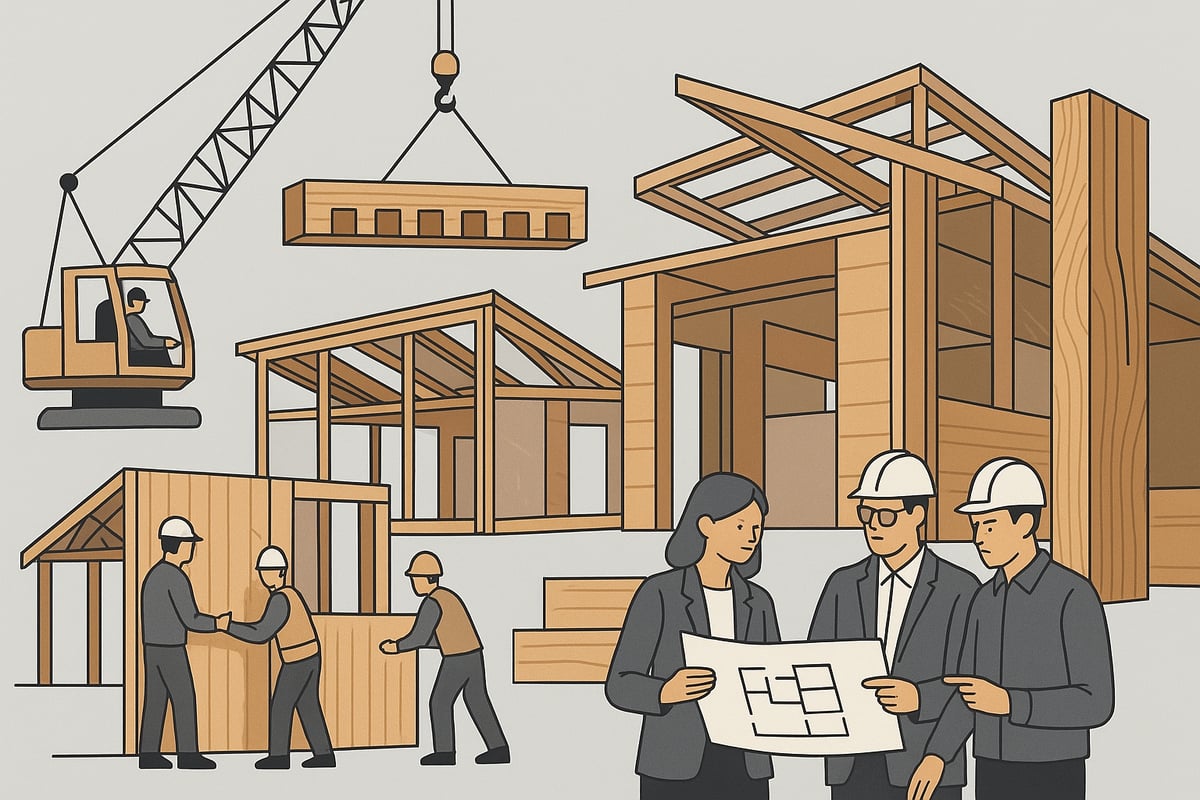
Sustainability is now central to every discussion about timber used in construction. Climate change concerns and rising energy costs have driven demand for eco-friendly materials, with timber offering a compelling alternative to steel and concrete. Its ability to lock away carbon and reduce overall emissions makes it a favourite for architects seeking green building certifications such as BREEAM and Passivhaus. These standards increasingly prioritise responsibly sourced timber, ensuring projects contribute to a lower carbon footprint while supporting healthy, efficient buildings.
Technological Advancements in Timber Processing
The way timber used in construction is processed has advanced significantly. Engineered wood products, such as cross-laminated timber and laminated veneer lumber, offer superior strength and flexibility. CNC machining and prefabrication techniques deliver precision, speed, and minimal waste. For a deeper look at how modern engineered wood products enhance both performance and sustainability, see Engineered Wood Products in Modern Construction. Recent case studies highlight buildings where digital design and advanced timber processing have enabled bold, efficient architectural solutions.
Regulatory and Market Drivers
Government policies are increasingly supportive of timber used in construction. In the UK and across the EU, updated building regulations encourage the use of sustainable materials. Incentives and funding are available for projects meeting strict environmental criteria, with timber often qualifying due to its renewability. The market reflects this momentum, with the timber sector expected to see robust growth through 2026. These trends signal a long-term commitment to timber as a primary material in modern construction.
Timber’s Versatility and Performance
The appeal of timber used in construction extends beyond sustainability. Timber is both versatile and high-performing, offering excellent structural capabilities, natural insulation, and aesthetic warmth. Innovations have improved fire resistance, with modern treatments and design approaches meeting rigorous safety standards. Mixed-use developments now frequently employ timber, combining residential, commercial, and recreational spaces to showcase its adaptability and visual appeal.
Challenges and Considerations
Despite its many advantages, there are important factors to consider when specifying timber used in construction. Ensuring sustainable sourcing is critical, with certification schemes like FSC and PEFC providing assurance. Durability, pest resistance, and maintenance requirements must be addressed through careful selection and appropriate treatments. Balancing upfront costs with long-term performance is vital, as the right timber investment can yield substantial returns over a building’s lifetime.
7 Essential Timber Used in Construction Types for 2026
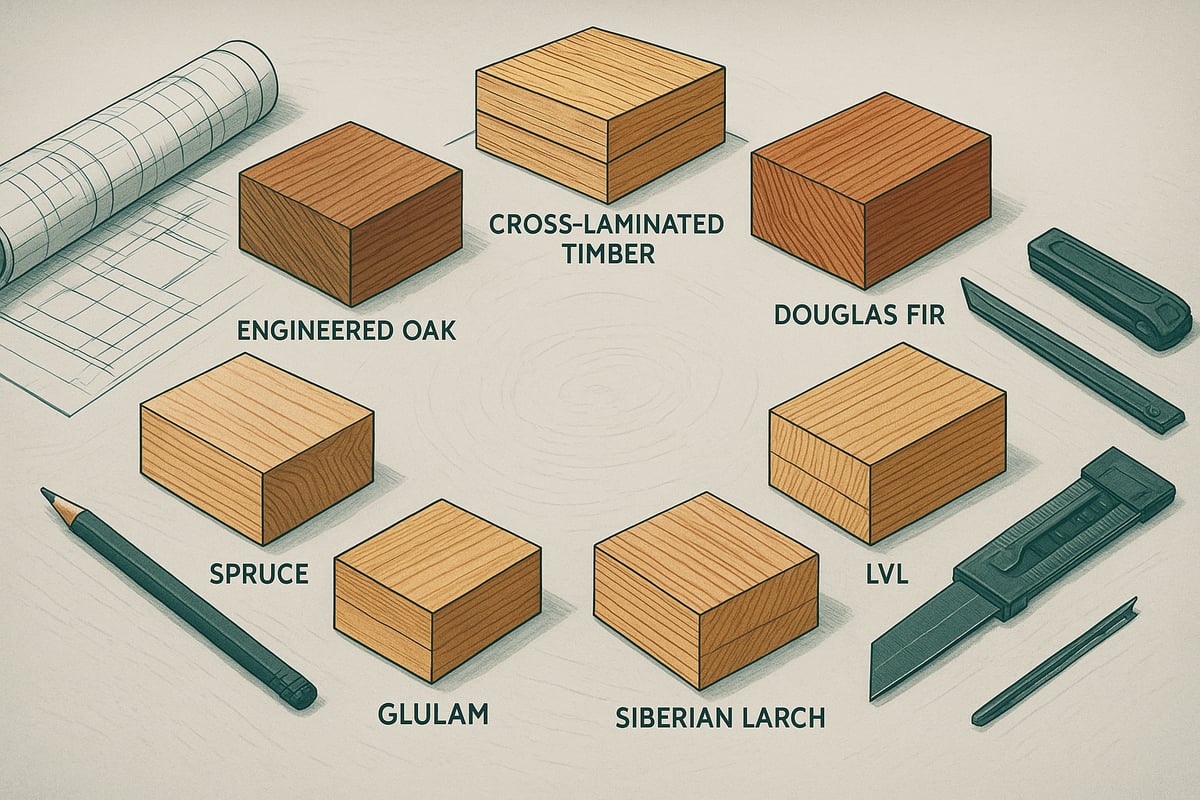
The evolution of timber used in construction is redefining how we build, combining tradition with cutting-edge technology. In this section, we examine the seven most significant timber types set to dominate the industry in 2026. Each timber offers unique strengths, sustainability benefits, and a range of applications that support the shift to greener, more resilient buildings.
1. Engineered Oak
Engineered oak is at the forefront of timber used in construction, bridging the gap between classic appeal and modern performance. It combines a solid oak veneer with multiple layers of high-quality plywood, delivering improved stability and strength.
This timber used in construction is less prone to warping or shrinking compared to solid oak. Its engineered layers allow for wider boards and longer spans, making it suitable for demanding structural applications. Sourced from responsibly managed forests, engineered oak also supports sustainability goals.
Popular uses include framing, flooring, and bespoke joinery. The cost is typically lower than solid oak but higher than most softwoods, reflecting its premium quality. Many contemporary homes and commercial spaces now feature engineered oak frames, capitalising on its durability and refined appearance.
The trend towards modular and prefabricated construction favours engineered oak, as its stability and precision are ideal for offsite manufacturing. Whether for exposed beams in open-plan living or intricate staircases, engineered oak sets a new standard for timber used in construction.
Quick Comparison Table
| Feature | Engineered Oak | Solid Oak | Softwoods |
|---|---|---|---|
| Stability | High | Moderate | Moderate |
| Sustainability | Certified | Certified | Certified |
| Cost | Medium-High | High | Low |
| Typical Use | Structural, Flooring, Joinery | Structural, Joinery | Framing, Cladding |
2. Cross-Laminated Timber (CLT)
Cross-laminated timber, or CLT, is revolutionising the way timber used in construction is specified for large-scale projects. CLT panels are made by bonding layers of solid wood at right angles, creating a strong, dimensionally stable product.
Key features include high load-bearing capacity, impressive fire resistance, and flexibility in design. CLT’s ability to sequester carbon and its low embodied energy make it a highly sustainable choice within the timber used in construction landscape.
CLT is widely used in high-rise buildings, schools, and public infrastructure due to its rapid installation and minimal site waste. Its acoustic performance also makes it ideal for residential and commercial spaces. According to Cross Laminated Timber Market Growth Projections, the CLT market is set for robust growth through 2026, reflecting its increasing adoption across Europe and the UK.
Notable projects include multi-storey residential blocks and innovative public buildings, where CLT’s versatility and speed of assembly set new benchmarks for timber used in construction.
3. Douglas Fir
Douglas fir is a durable softwood known for its excellent strength-to-weight ratio, making it a reliable option among timber used in construction. Its natural resistance to decay and insects gives it an edge in both indoor and outdoor applications.
Structural beams, trusses, and exposed architectural features are common uses for Douglas fir. Its stability and ease of working allow for creative designs, while its warm reddish hue adds visual appeal to any project. In the UK, Douglas fir is readily available, though it may command a premium over more common softwoods.
Examples include timber bridges and statement roof structures, where both strength and appearance are critical. While Douglas fir is generally robust, occasional resin pockets can pose minor challenges during finishing. Nonetheless, it remains a popular choice for architects seeking both performance and character in timber used in construction.
4. Laminated Veneer Lumber (LVL)
Laminated veneer lumber, or LVL, is a high-performance engineered timber used in construction for its consistent quality and exceptional strength. Produced by bonding thin wood veneers with adhesives, LVL offers superior dimensional stability and load-bearing capacity.
Common applications include floor joists, rafters, lintels, and wall studs. LVL is often compared with traditional solid timber, but it outperforms in terms of structural efficiency and versatility. Its manufacturing process maximises the use of forest resources, supporting sustainability efforts within the timber used in construction sector.
LVL is especially favoured in large-span commercial and industrial buildings, where precision and uniformity are essential. The trend towards offsite and modular construction is further boosting LVL’s popularity, as it can be produced to exact specifications and delivered ready for installation.
5. Siberian Larch
Siberian larch stands out among timber used in construction for its durability and natural resistance to harsh weather. This slow-grown softwood is dense, with an attractive grain pattern that requires minimal maintenance.
Cladding, decking, and external joinery are the most common uses for Siberian larch. Its high density and resistance to rot make it ideal for exposed applications. Sourcing and certification are important, as responsible forestry practices ensure the long-term sustainability of this timber used in construction.
In the UK and Europe, Siberian larch is gaining traction in contemporary housing developments. Its longevity and natural preservation qualities are highly valued, although the upfront cost is higher compared to local softwoods. Despite the expense, many developers choose Siberian larch for projects where durability and aesthetics are priorities.
6. Glulam (Glued Laminated Timber)
Glulam, short for glued laminated timber, is an engineered product that excels in structural applications requiring long spans or curved forms. It is produced by bonding multiple layers of timber with durable adhesives, resulting in beams that are both strong and flexible.
Glulam’s high load-bearing capacity and ability to be shaped into architectural curves make it a favourite for sports halls, commercial spaces, and bridges. Exposed glulam beams are often used as design features in modern architecture, highlighting the natural beauty of timber used in construction.
Fire performance is another advantage, as glulam’s predictable charring rate helps it meet stringent safety standards. Efficient use of raw materials and recyclability further enhance its sustainability profile. In 2026, glulam usage is expected to rise as demand grows for innovative, eco-friendly structural solutions.
7. Spruce (Whitewood)
Spruce, or whitewood, is the most widely used softwood in European construction, valued for its light colour, fine grain, and workability. Among timber used in construction, spruce stands out for being lightweight and cost-effective.
Applications include studwork, roof trusses, and internal joinery. Its fast growth and renewability make it a sustainable resource, ensuring a steady supply for the building industry. Large-scale residential developments often specify spruce due to its affordability and ease of handling.
While spruce is ideal for many interior uses, its moderate durability means it is less suitable for outdoor applications unless properly treated. The balance of price, availability, and performance secures spruce’s position as a staple in the range of timber used in construction across the UK and Europe.
Choosing the Right Timber for Your Project
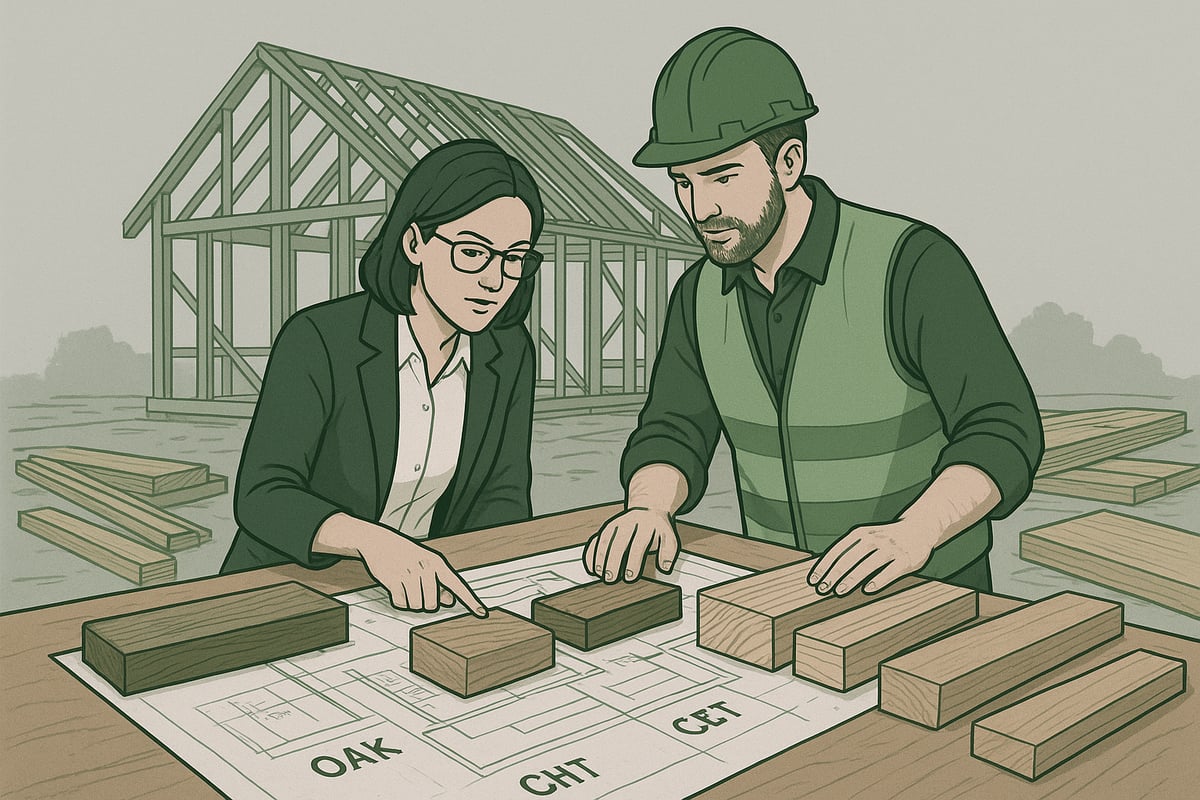
Selecting the ideal timber used in construction is crucial for achieving both structural integrity and aesthetic appeal. Each project brings unique demands, so understanding how to match materials to your needs can significantly impact performance and longevity.
Assessing Project Requirements
Start by evaluating the structural requirements of your build. Heavy load-bearing structures, such as beams and columns, demand robust timber used in construction like engineered oak or glulam. For non-structural elements, lighter options may suffice.
Consider environmental conditions. Will the timber face outdoor exposure, high humidity, or fluctuating temperatures? Species like Siberian larch are well-suited to harsh environments, while spruce is preferred for interiors.
Aesthetic preferences also matter. The grain, colour, and finish of the timber used in construction influence the visual outcome. For those interested in exploring various approaches, see these timber frame construction methods for practical examples.
Cost, Availability, and Sourcing
Budget is often a key factor when choosing timber used in construction. Prices vary between species and grades, with engineered products sometimes offering better value over time.
| Timber Type | Average Cost (£/m³) | Lead Time (weeks) | Certification Available |
|---|---|---|---|
| Engineered Oak | 1,800 | 4–6 | FSC, PEFC |
| Spruce | 550 | 2–3 | FSC, PEFC |
| Siberian Larch | 1,200 | 6–8 | FSC, PEFC |
Check local availability to avoid project delays. Prioritise timber used in construction with FSC or PEFC certification for sustainability. For more on the types of timber buildings and their sourcing challenges, visit types of timber buildings.
Maintenance and Longevity
Durability is a defining factor for timber used in construction. Some species, like Douglas fir, naturally resist pests and decay, while others require additional treatments to enhance lifespan.
Regular maintenance, such as cleaning, sealing, or refinishing, extends the service life of timber elements. Assess the expected lifespan of each species and product, considering environmental exposure and usage intensity.
Timber used in construction with protective coatings or pressure treatments often requires less frequent upkeep, making them suitable for high-traffic or exposed areas.
Compliance and Building Regulations
All timber used in construction must comply with UK building standards, including fire safety, structural performance, and environmental criteria. Documentation, such as certificates of origin and treatment records, is essential for regulatory approval.
Fire resistance ratings and structural certifications vary between timber types and engineered products. Ensure your selected timber meets or exceeds these requirements before proceeding.
Consult official guidance or your local authority for the latest regulations affecting timber used in construction in your area.
Expert Consultation and Custom Solutions
Complex projects benefit from specialist advice. Timber framing companies offer tailored solutions, helping to specify the optimal timber used in construction for your needs.
Expert input ensures compliance, cost-effectiveness, and design excellence. Custom timber solutions can address unique architectural or engineering challenges, while standard products may suit simpler builds.
Early collaboration with professionals streamlines the selection process and minimises risk, ensuring the right timber used in construction is chosen for lasting results.
Innovations and Future Outlook for Timber in Construction
The pace of innovation in timber used in construction is accelerating, reshaping how projects are designed and delivered. As 2026 approaches, several trends are set to define the industry’s direction, from advanced materials to workforce skills and global adoption.
Advanced Engineered Timber Products
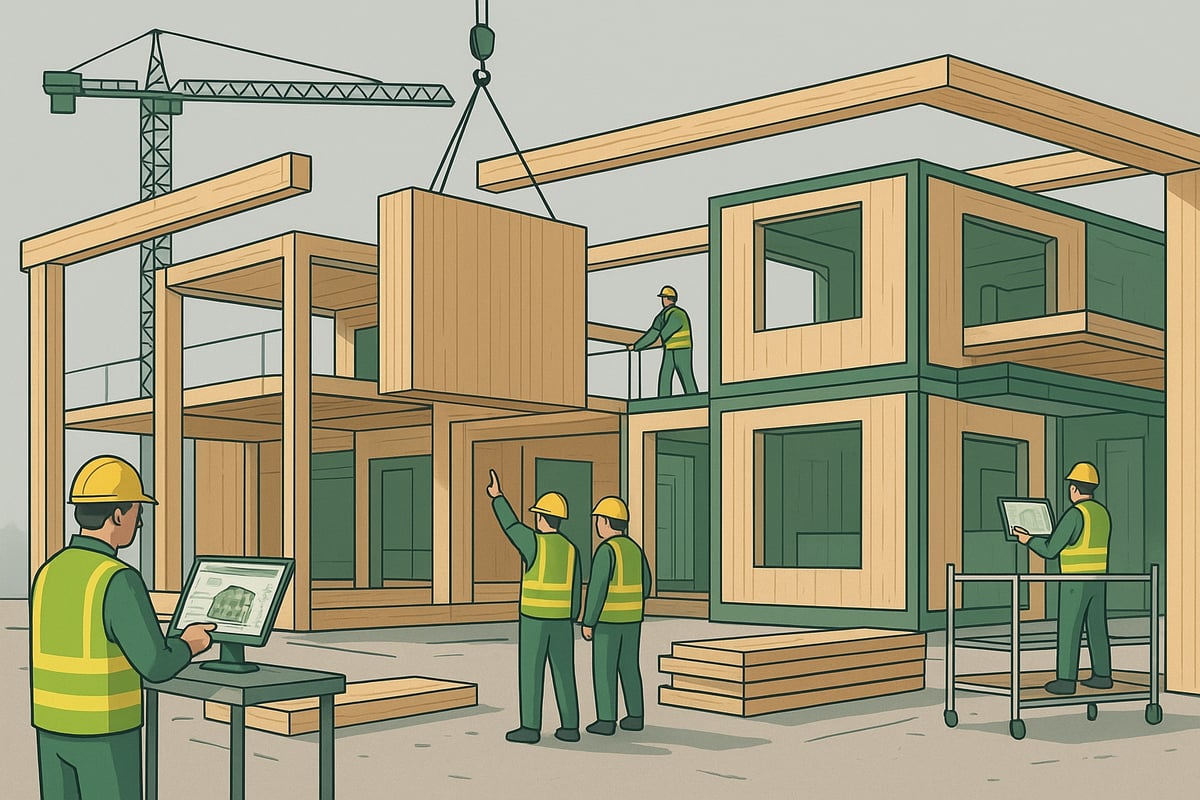
The rise of engineered timber products is transforming the scope of timber used in construction. Mass timber, including cross-laminated timber and glulam, enables taller, more complex buildings with impressive strength and flexibility. Hybrid timber systems combine wood with steel or concrete, optimising resource use and performance.
Digital technologies play a central role, with Building Information Modelling (BIM) and prefabrication streamlining design and assembly. For example, the Advantages of Engineered Wood I-Joists include improved load distribution, lighter weight, and faster installation, all of which contribute to efficient, sustainable construction methods.
Sustainability and Circular Economy
Sustainability is now a defining factor for any timber used in construction. Closed-loop supply chains ensure that timber is sourced, processed, and reused with minimal waste. Upcycling timber waste into new products or energy further reduces environmental impact.
Circular economy practices are becoming standard, with manufacturers and builders prioritising materials that can be repurposed at the end of a building’s life. This approach not only conserves resources but also aligns with future regulatory requirements for green building.
Market and Regulatory Trends
Market and regulatory trends are crucial drivers for timber used in construction. The UK and EU are updating building codes to encourage greater use of timber in both residential and commercial developments. Government targets for carbon reduction are directly influencing material choices on new projects.
Predictions suggest that timber’s share in new builds will continue to rise through 2026, supported by incentives and public demand for sustainable housing. Developers are increasingly opting for timber solutions to meet both performance and compliance standards.
Skills and Workforce Development
As the adoption of innovative timber systems grows, so does the need for skilled professionals. Training programmes and apprenticeships focused on timber construction are expanding across the UK. Builders, architects, and engineers require up-to-date knowledge of new products, digital tools, and sustainable practices.
This investment in workforce development ensures that the industry can deliver high-quality, future-ready buildings that meet evolving standards.
Global Perspectives
Internationally, timber used in construction is gaining momentum, with countries like Canada, Sweden, and Japan leading the way. Lessons from these markets highlight the benefits of collaborative research, government support, and a strong cultural appreciation for timber architecture.
The UK continues to learn from global best practices, adapting approaches to local regulations and climate conditions. This global exchange of knowledge is vital for pushing the boundaries of what timber can achieve in modern construction.
As you’ve seen, choosing the right timber can make all the difference in building a structure that’s not only beautiful, but also resilient and future ready. If you’re inspired by the possibilities—be it the warmth of engineered oak, the innovation of CLT, or the sustainable strength of glulam—we’re here to help you bring your vision to life. At Acorn to Oak Framing, we combine traditional skill with modern techniques to ensure every detail matches your needs and the highest standards. If you’re ready to take the next step towards your bespoke timber project, BUILD NOW.


