
Imagine waking up in a space where natural timber beams frame every view, sunlight pours through tall windows, and the character of rustic tradition meets the comforts of modern living. This is the daily reality offered by post and beam barn homes.
In this guide, you will discover what makes these homes so distinctive, from their robust construction to their timeless appeal. Whether you are just dreaming or actively planning, this article aims to be your essential resource on post and beam barn homes.
We will explore how these homes are built, compare them to other options, highlight emerging design trends for 2026, and provide step-by-step advice for creating your own. Let’s begin your journey to a home that blends history, innovation, and comfort.
Understanding Post and Beam Barn Homes
Post and beam barn homes have captured the imagination of homeowners seeking a blend of rustic tradition and modern comfort. Their distinctive construction, open interiors, and timeless appeal set them apart in the world of timber buildings. If you are considering this style for your next project, understanding the fundamentals is essential.
What is Post and Beam Construction?
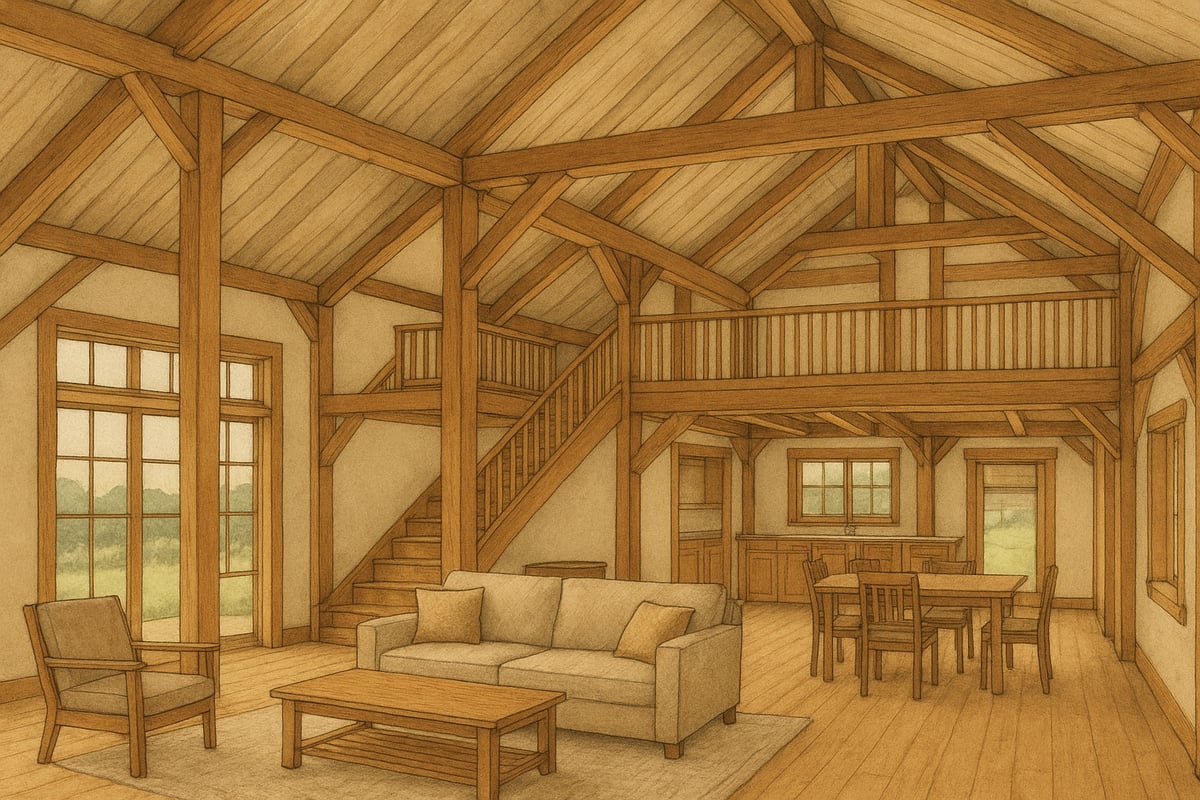
Post and beam barn homes rely on a centuries-old method of building that uses heavy vertical posts and horizontal beams to create a sturdy framework. This approach differs from traditional timber framing by allowing for simpler joinery and the use of metal fasteners alongside mortise and tenon joints.
Unlike conventional stick-built homes, post and beam barn homes feature large, exposed timbers that serve both structural and decorative purposes. The method’s origins trace back to classic New England barns, yet modern adaptations now incorporate advanced materials and techniques for greater durability.
The longevity of post and beam barn homes is proven by the many historic barns still standing today. For those interested in the technical details of joinery and construction, you may find post and beam frame construction a valuable resource.
Benefits of Post and Beam Barn Homes
The advantages of post and beam barn homes are numerous. Their unique structure means there are fewer load-bearing walls, resulting in spacious, open-plan interiors that can be easily customised to suit different lifestyles.
Modern insulation methods make post and beam barn homes highly energy efficient, often outperforming older timber structures. The exposed timbers add character and warmth, giving each home a timeless, inviting feel.
Customisation is another key benefit, as layouts and finishes can be tailored to individual preferences. These homes also tend to hold their value well, appealing to buyers who appreciate craftsmanship and sustainable materials. Using renewable timbers further enhances their eco-friendly credentials.
Common Styles and Layouts
A defining feature of post and beam barn homes is their adaptability to a variety of architectural styles. Popular options include Gambrel, Monitor, Carriage, Victorian, and Modern barn homes, each offering a unique silhouette and character.
Typical layouts showcase vaulted ceilings, loft spaces, and open kitchens at the heart of the home. Many designs incorporate garages, covered porches, and timber decks to extend living space outdoors.
Whether you prefer a single-storey or multi-storey design, post and beam barn homes can be adapted for rural, suburban, or even urban environments. Examples such as the Rangeley, Stockbridge, Stratton, and Sunapee layouts demonstrate the versatility available within this building method.
Post and Beam vs. Other Building Methods
When comparing post and beam barn homes to stick-built or log homes, several differences stand out. Post and beam structures are renowned for their strength and ability to withstand seismic activity, thanks to their robust framework.
| Feature | Post and Beam Barn Homes | Stick-Built | Log Homes |
|---|---|---|---|
| Structural Strength | High | Moderate | High |
| Open-Plan Flexibility | Excellent | Limited | Moderate |
| Maintenance | Moderate | Low | High |
| Lifespan (years) | 100+ | 50–70 | 80–100 |
| Resale Value | Strong | Variable | Good |
Although initial costs can be higher for post and beam barn homes, the long-term value and reduced maintenance often offset the investment. Their visual appeal and functional versatility continue to attract those seeking a home that stands the test of time.
Design Trends and Inspirations for 2026
The world of post and beam barn homes is evolving rapidly, with 2026 promising a blend of timeless craftsmanship and forward-thinking design. Homeowners are seeking spaces that offer both rustic warmth and modern convenience. From sustainable materials to smart technology, the latest trends ensure post and beam barn homes remain at the forefront of residential architecture.
Modern Barn Home Aesthetics
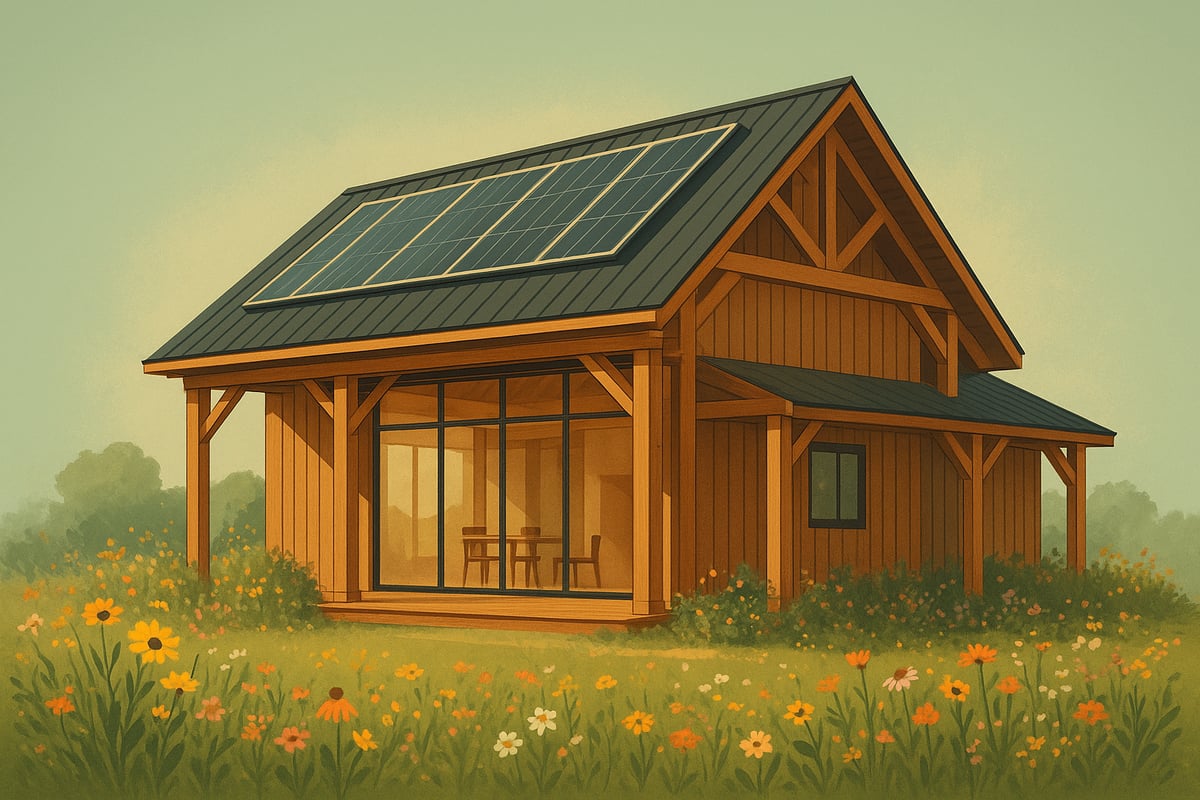
A defining trend for post and beam barn homes in 2026 is the seamless integration of traditional timber with contemporary design elements. Expansive glass walls invite natural light, while open trusses and minimalist finishes create an airy, uncluttered feel.
Homeowners are increasingly opting for mixed-material exteriors, combining timber with metal or composite cladding for both durability and style. Colour palettes are shifting towards natural wood stains paired with bold contrasts, such as matte black or deep green trim.
The Sunapee Barn Home is a prime example, featuring a dramatic glass wall and a spacious timber deck that blurs the line between inside and out. For more inspiration on designing with these elements, see Post and beam home design.
Sustainable and Eco-Friendly Features
With environmental impact a top priority, post and beam barn homes are embracing sustainability at every stage. High-performance insulation and energy-efficient windows reduce heating and cooling demands. Many new builds feature solar panels, rainwater harvesting, and even green roofing systems.
Sourcing FSC-certified or reclaimed timbers is a growing trend, helping to minimise the carbon footprint. Low-VOC finishes and paints are standard for healthier indoor air. Some homeowners are even taking their post and beam barn homes off-grid, using renewable energy for full independence.
These eco-friendly advancements not only lower long-term costs but also ensure that post and beam barn homes remain future-proof and responsible choices.
Interior Design Ideas
Inside, post and beam barn homes are all about open-concept living, with exposed beams forming the centrepiece of every room. Mezzanines and lofts maximise vertical space, offering flexible areas for work or relaxation.
Statement staircases crafted from timber or metal become functional art, while kitchens combine the charm of farm-style cabinetry with sleek, modern appliances. Natural light is harnessed through large windows and skylights, creating bright, welcoming interiors.
Stockbridge and Stratton barn homes showcase these ideas well, featuring timber frame porches, gable accents, and thoughtfully designed communal spaces that invite family and guests to gather.
Outdoor Living and Landscape Integration
The outdoor spaces of post and beam barn homes are designed for year-round enjoyment. Covered timber porches and decks extend the living area, making alfresco dining or relaxing by the fire pit possible in all seasons.
Landscaping is increasingly focused on sustainability, with wildflower meadows, native plantings, and gravel drives requiring less maintenance and supporting local wildlife. Homeowners are also adding outdoor kitchens and entertainment zones for gatherings.
The Rangeley Barn Home illustrates these principles, with a second-storey timber frame deck offering views over natural surroundings and a seamless connection to the landscape.
Smart Home Technologies in Barn Homes
Technology is reshaping the way post and beam barn homes function. Home automation systems manage lighting, security, and climate control, all accessible remotely. Energy monitoring tools and smart thermostats help maintain efficiency and track usage.
Designers are now planning for concealed wiring and tech-friendly layouts, ensuring that modern conveniences do not disrupt the classic beauty of timber interiors. Many new post and beam barn homes are also equipped for remote work, with dedicated office spaces and robust internet connectivity.
This fusion of tradition and innovation guarantees that post and beam barn homes will continue to meet the evolving needs of homeowners in 2026 and beyond.
Planning Your Post and Beam Barn Home Project
Embarking on a post and beam barn homes project is an exciting journey that blends heritage craftsmanship with modern living. Careful planning ensures your future home fits your lifestyle, budget, and site requirements. Let us break down the essential steps to help you make informed decisions and avoid common pitfalls.
Choosing the Right Style and Layout
Selecting the ideal style and layout is the foundation of any successful post and beam barn homes project. Begin by assessing your family’s needs, considering how many bedrooms, bathrooms, and communal spaces you require. Do you envision a spacious open-plan kitchen or a cosy loft area?
Explore various barn home styles, such as Gambrel, Monitor, Carriage, Victorian, or contemporary designs, each offering unique charm and functionality. Matching your chosen style to your property’s setting is crucial, ensuring harmony with the landscape and local architecture.
Accessibility and future-proofing should also be considered, especially if you plan to age in place or accommodate changing family needs. Comparing different timber building types can help clarify your choices. For a broader look at style options and construction methods, visit the Timber buildings overview.
Budgeting and Cost Considerations
Budgeting is a critical step in planning post and beam barn homes. Construction costs typically range from £250,000 to £500,000 or more, depending on size, materials, and finishes. Factors such as location, site access, and custom features can significantly influence your final budget.
Financing options may include mortgages, self-build loans, or grants for sustainable builds. To manage costs, compare kit homes with bespoke builds. Kit options often streamline expenses and timelines, while bespoke designs offer greater flexibility.
Consider future value, as well-designed post and beam barn homes often command higher resale prices. Research comparable models, such as Rangeley, Stockbridge, Stratton, and Sunapee, to set realistic financial expectations.
Finding Land and Site Preparation
Securing the right plot is essential for post and beam barn homes. Prioritise sites with suitable orientation to maximise natural light and energy efficiency. Evaluate access to utilities, drainage, and local infrastructure before committing to a location.
Site preparation typically involves clearing, grading, and ensuring stable foundations. Planning permissions and local regulations are key considerations, especially for rural or conservation areas. Consult local authorities early to avoid costly delays.
Rural sites may offer more design freedom, while suburban settings can provide easier access to services. Always weigh the pros and cons of each location to support your long-term vision for post and beam barn homes.
Working with Architects and Builders
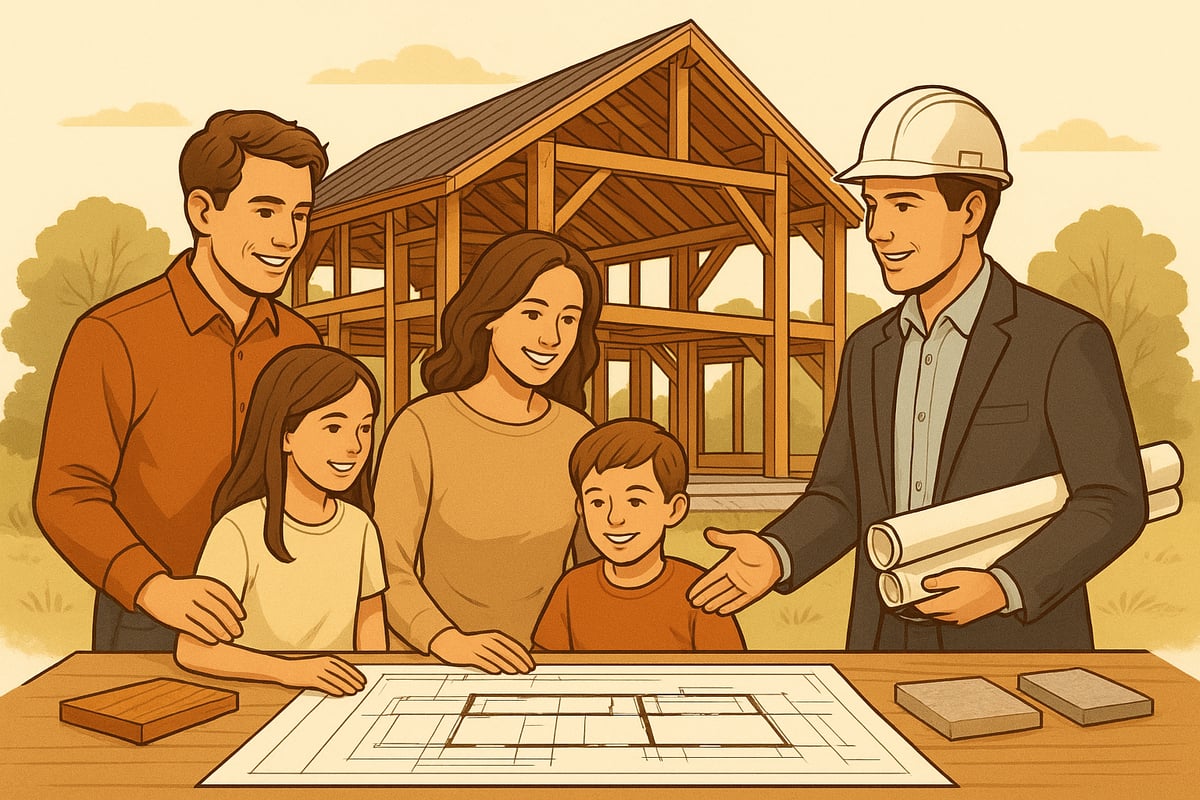
Choosing experienced professionals is vital when building post and beam barn homes. Seek architects and builders who specialise in timber construction and have a portfolio of similar projects. Vet potential partners by checking references and previous work.
Collaboration is key, from initial design discussions to material selection. Establish clear communication channels to keep your project on track. Decide whether you prefer a custom design or a pre-designed kit, as each path offers distinct benefits and challenges.
Engage your team early to ensure the design, planning, and construction phases align with your expectations. A proactive, knowledgeable team will help you realise your dream post and beam barn homes.
Timeline: From Design to Move-In
Understanding the typical project timeline helps set realistic expectations for post and beam barn homes. The process usually unfolds in phases: design, planning, fabrication, construction, and finishing. Each phase can vary in length, but most builds take 12 to 18 months from concept to completion.
Factors such as weather, material availability, and planning approvals may speed up or delay progress. Managing milestones, such as securing permissions or finalising finishes, is crucial for a smooth journey.
Case studies show that well-planned post and beam barn homes projects often stay on schedule and deliver lasting satisfaction. Stay flexible, monitor progress, and celebrate each milestone as your vision becomes reality.
Step-by-Step Guide: Building a Post and Beam Barn Home
Embarking on the journey to create post and beam barn homes requires careful planning, expert guidance, and attention to detail at every phase. This step-by-step guide demystifies the process, ensuring you are well-prepared to bring your vision to life. Each stage builds upon the last, resulting in a home that reflects both tradition and innovation.
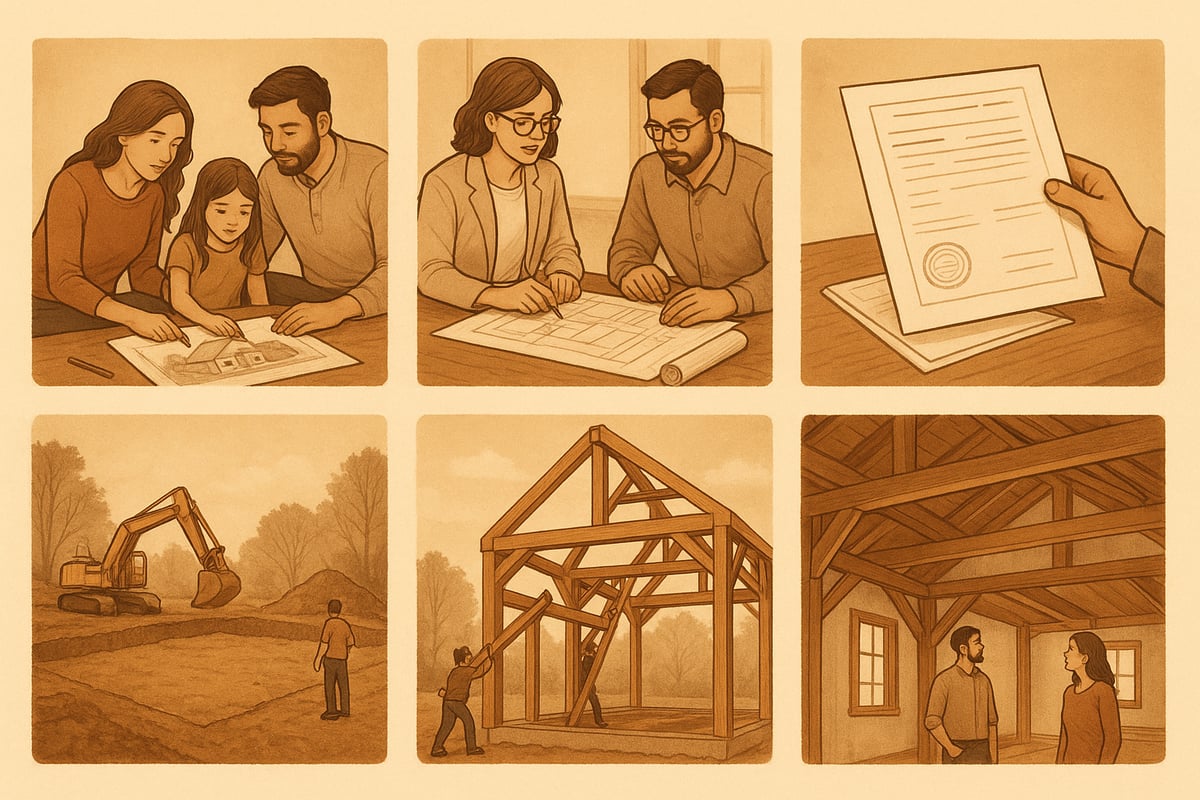
Step 1: Initial Planning and Vision
The foundation of all successful post and beam barn homes is a clear vision. Begin by outlining your essential needs, preferred style, and must-have features. Gather inspiration from magazines, online galleries, or by visiting existing barn homes.
Create a vision board to visualise layouts, finishes, and lifestyle features. Set a realistic budget, discuss ideas with family or stakeholders, and establish your desired timeline. This early planning ensures your project is tailored to your way of living and makes the later steps much smoother.
Your vision will be the guiding light as you move through each phase of building post and beam barn homes.
Step 2: Design and Customisation
With your vision in place, collaborate with an architect or design specialist to develop detailed plans for your post and beam barn homes. Finalise the floor plans and elevations, considering both function and aesthetics.
Select materials and finishes that suit your preferences, from timber species to cladding and flooring options. Incorporate sustainable features such as energy-efficient windows, insulation, and smart technology.
Customisation allows you to adapt existing layouts, like Stockbridge or Stratton designs, to perfectly fit your family’s needs. Every choice in this phase reflects your unique style and enhances the living experience in post and beam barn homes.
Step 3: Securing Permissions and Financing
Before construction begins, you must secure the necessary planning permissions and building regulations approval for post and beam barn homes. This often involves submitting architectural drawings, site plans, and compliance documents to your local authority.
Navigating UK-specific requirements can be complex, especially for rural builds or barn conversions. Consider consulting the Frequently asked barn home questions for further detail on permissions and financing.
At this stage, arrange your financing or mortgage, and ensure you have adequate insurance and warranties in place. Preparation here saves time and prevents costly delays during the build of post and beam barn homes.
Step 4: Site Preparation and Foundation
Once approvals are in place, the site for your post and beam barn homes must be prepared. Begin by clearing, grading, and ensuring access for construction vehicles.
Foundation work is crucial for structural integrity. Choose a foundation type suited to your site conditions, whether a slab, crawl space, or walkout basement, as seen in Sunapee Barn Home.
Plan for drainage, utilities, and site orientation to maximise natural light and energy efficiency. Proper site preparation lays the groundwork for a durable and comfortable post and beam barn home.
Step 5: Framing and Construction
Now the most distinctive phase begins: erecting the structural frame of your post and beam barn homes. Skilled teams assemble the large timbers, using either traditional joinery or modern fastenings, depending on your design choices.
Once the frame is raised, the structure is weatherproofed and enclosed, with exterior cladding and roofing installed. Coordination with trades for plumbing, electrics, and mechanical systems is essential at this stage.
Seeing the frame take shape is a rewarding milestone, bringing your post and beam barn homes from blueprint to reality.
Step 6: Interior Fit-Out and Finishing Touches
The final step transforms your build into a welcoming home. Insulate and plaster interior walls, then install kitchens, bathrooms, and fixtures chosen to complement the barn home style.
Add decorative elements such as timber accents, feature staircases, or exposed beams to enhance character. Furnish and decorate each space to reflect your lifestyle, ensuring comfort and practicality.
After final inspections and snagging, your post and beam barn homes are ready for you to move in and enjoy. This phase brings the vision full circle, blending rustic tradition with modern comfort.
Real Barn Home Inspirations: Featured Projects and Floor Plans
Step inside the world of post and beam barn homes with these inspiring real-life examples. Each home showcases the unique blend of rustic character and modern amenities that define this building style. Whether you are drawn to open-plan living, traditional timber features, or innovative layouts, these featured projects offer practical ideas for your own barn home journey.
Rangeley Barn Home
The Rangeley Barn Home is a two-storey model offering 1,850 square feet of thoughtfully designed living space. With two bedrooms and a full bathroom, this layout is ideal for couples or small families seeking comfort and flexibility.
A standout feature is the integrated three-car garage, seamlessly connected to the main living area. The open-plan interior is perfect for entertaining, with wide timber beams and abundant natural light creating a welcoming atmosphere. A spacious timber deck extends the living space outdoors, ideal for gatherings or quiet evenings.
This post and beam barn homes design, as seen in Ridgefield, WA, exemplifies how modern amenities can be incorporated without losing classic barn appeal. Sale price reference: £362,700.
Stockbridge Barn Home
The Stockbridge Barn Home offers a family-friendly layout across two storeys and 1,439 square feet. With three bedrooms and two and a half bathrooms, this design is tailored to growing households.
A covered timber porch greets you at the entrance, leading into an open kitchen and living area. Timber frame accents add warmth and authenticity, while the efficient floor plan ensures every space feels connected yet distinct.
Gallery images of this post and beam barn homes design reveal how natural light and clever use of timber create a timeless, inviting environment. The Stockbridge’s versatility makes it a popular choice, with a sale price reference of £323,075.
Stratton Barn Home
For those seeking a blend of style and practicality, the Stratton Barn Home delivers. Spanning 1,903 square feet over two storeys, it features three bedrooms and two and a half bathrooms.
Distinctive gable accents and two covered porches add curb appeal and functional outdoor living. A covered entry ensures protection from the elements, while inside, the open layout is both spacious and cosy.
This post and beam barn homes model is frequently featured in New England and New York, reflecting its adaptability to various climates and lifestyles. Sale price reference: £423,880.
Sunapee Barn Home
The Sunapee Barn Home stands out for its premium living experience, offering 2,985 square feet across two storeys. Three bedrooms and two and a half bathrooms provide ample space for families or those who love to entertain.
A highlight is the expansive glass wall, flooding the main living area with sunlight and connecting the indoors with nature. The walkout basement and timber deck extend functionality and relaxation options.
This post and beam barn homes design is perfect for those who value luxury, space, and architectural drama. Sale price reference: £513,370.
Customisation and Kit Options
Choosing between kit and bespoke builds gives future homeowners flexibility when planning post and beam barn homes. Kit options provide pre-designed layouts and materials, making them accessible across the UK and ideal for those seeking efficiency.
Bespoke designs allow for full customisation of floor plans, finishes, and features, including adaptation for the UK’s climate and regulatory requirements. Trends such as open-concept living, high ceilings, and energy efficiency are shaping modern barn home designs, as seen in The Rise of Modern Barndominium Design.
Both approaches ensure that every post and beam barn homes project can reflect your personal style, needs, and sustainability goals.
Frequently Asked Questions About Post and Beam Barn Homes
Curious about post and beam barn homes? Explore answers to the most important questions asked by future homeowners, designers, and anyone considering these unique properties. This FAQ will help you understand what sets these homes apart and how to make the best choices for your project.
What makes post and beam barn homes unique?
Post and beam barn homes are renowned for their visible timber structure and spacious, open layouts. Unlike conventional builds, these homes use large, exposed posts and beams for both structural support and visual impact. The result is a home with dramatic ceilings, flexible spaces, and a timeless character.
Unlike other construction styles, post and beam barn homes use traditional joinery methods, often with mortise and tenon joints, which contribute to their lasting durability. For a deeper understanding of the techniques behind these builds, you can explore the timber framing tradition that inspires them.
Owners often highlight the natural warmth of timber and the sense of connection to heritage and landscape. Compared to modern stick-built homes, these properties offer a distinctive blend of strength, style, and long-term value.
How much does a post and beam barn home cost?
The cost of post and beam barn homes varies widely depending on size, finishes, and location. On average, you can expect to invest between £250,000 and £500,000 or more for a complete build. Custom details, premium materials, and complex layouts will increase the price.
Key cost factors include:
- Square footage and number of storeys
- Timber species and quality of materials
- Bespoke design versus kit home options
- Site preparation and access
- Interior finishes and energy-efficient upgrades
For example, the Rangeley Barn Home model recently sold for around £362,700, while the premium Sunapee Barn Home reached £513,370. Always budget for planning, permissions, and contingency to avoid surprises.
Are post and beam barn homes energy efficient?
Modern post and beam barn homes can achieve excellent energy performance. High-quality insulation, energy-efficient windows, and advanced sealing techniques help retain warmth and reduce energy bills. Many designs support renewable energy systems, such as solar panels and ground-source heat pumps.
Eco-friendly features are increasingly popular, including:
- FSC-certified and reclaimed timbers
- Low-VOC finishes
- Rainwater harvesting and green roofs
- Smart thermostats and energy monitoring
Some homeowners choose to design their post and beam barn homes for off-grid living, further reducing their environmental impact. Sustainable choices can also increase property value and comfort.
What planning permissions are required in the UK?
Building post and beam barn homes in the UK requires careful attention to local planning and building regulations. You will need planning permission from your local authority, especially for new builds or significant alterations. Rural or greenbelt sites often have stricter requirements, and listed properties demand extra approvals.
Steps include:
- Submitting a planning application with detailed drawings
- Gaining building regulations approval for structural and energy standards
- Consulting with conservation officers for sensitive sites
Timelines and requirements can vary, so it is wise to work with professionals experienced in post and beam barn homes. Allow several months for permissions before construction begins.
Can I customise my barn home design?
Yes, post and beam barn homes offer exceptional flexibility for customisation. You can tailor floor plans, finishes, and features to suit your lifestyle, whether you prefer open-plan living, extra bedrooms, or unique architectural accents.
Options include:
- Choosing timber species and stains
- Adding lofts, porches, or integrated garages
- Selecting eco-friendly and smart home upgrades
- Adapting layouts for accessibility or future needs
Work closely with architects or kit providers to personalise your home. Many firms offer both pre-designed options and bespoke solutions, ensuring your barn home is truly one of a kind.
As you’ve seen, post and beam barn homes offer a unique blend of timeless character, sustainable materials, and custom design possibilities, all brought to life with expert craftsmanship. Whether you’re inspired by modern layouts, classic barn styles, or eco-friendly features, the journey to your dream home begins with a single step. If you’re ready to explore how Acorn to Oak Framing can help you create a bespoke barn home tailored to your vision and lifestyle, let’s start planning together.
BUILD NOW


