
Edge timber is experiencing a remarkable surge in demand across both modern and traditional construction projects. Its natural beauty, versatility, and eco-friendly credentials make it a top choice for architects, builders, and homeowners planning for 2026.
Selecting the right edge timber is crucial. It can dramatically influence a project’s durability, visual impact, and overall value. Whether you are seeking a unique feature for a contemporary interior or a robust material for structural framing, the right decision matters.
This expert guide offers a comprehensive, up-to-date resource on edge timber. Here, you will find essential information to help professionals and DIY enthusiasts make informed choices.
What will you discover in this guide?
- Overview of timber types and species
- Key applications and creative uses
- Selection criteria and grading standards
- Maintenance tips for lasting results
- Trends and innovations shaping 2026
Explore the sections ahead to unlock valuable insights and ensure your next project benefits from the full potential of edge timber.
Understanding Edge Timber: Types and Characteristics
Edge timber is transforming the way architects and joiners approach natural materials in construction and design. Its defining feature is the retention of the tree’s original edge, offering a connection to the timber’s living origins and a unique aesthetic not found in standard lumber. Understanding the types, species, finishes, sourcing, and practical dimensions of edge timber is essential for anyone looking to specify or work with this versatile material.
Defining Edge Timber
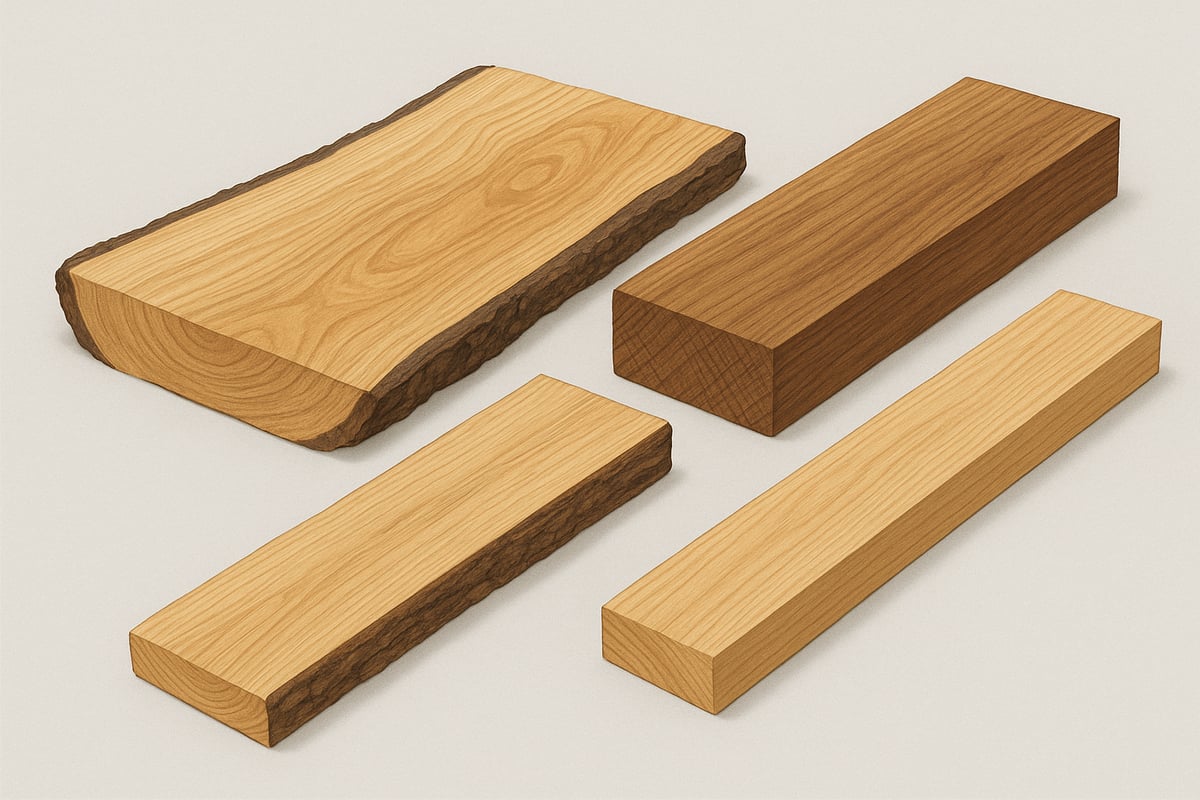
Edge timber refers to timber products that retain one or more of the tree’s natural edges. The most recognisable forms are live edge, which preserves the full organic contour, and waney edge, where bark and irregularities may remain. Planed square edge (PSE) timber, by contrast, has all faces machined to straight lines.
Unlike standard sawn timber, edge timber celebrates knots, grain swirls, and surface undulations. Boards, slabs, and beams can all be supplied as edge timber, giving designers freedom to highlight natural character in both contemporary joinery and traditional framing.
The tactile qualities and visual interest of edge timber set it apart, making it a sought-after material for projects where authenticity and individuality matter.
Common Edge Timber Species in the UK
Several hardwood and softwood species are commonly used as edge timber in Britain. Popular options include:
| Species | Strength | Appearance | Workability |
|---|---|---|---|
| Oak | High | Distinct grain, warm | Good |
| Ash | Medium | Pale, subtle grain | Excellent |
| Beech | Medium | Even, light, smooth | Very good |
| Walnut | High | Dark, rich, striking | Moderate |
| Elm | Medium | Wavy grain, rustic | Good |
| Yew | High | Orange-red, unique | Challenging |
| Sycamore | Medium | Creamy, fine grain | Good |
| Lime | Low | Pale, soft texture | Excellent |
| London Plane | Medium | Lacewood figure | Good |
In 2026, demand continues to rise for sustainable hardwoods, with urban-sourced species like London plane gaining traction. Each species offers different strengths, colours, and grain patterns, suiting edge timber to structural or decorative applications as required.
Edge Finishes and Grading Standards
Edge timber can be finished in several ways. Live or waney edge retains the tree’s natural lines, ideal for rustic or organic designs. Planed square edge provides a crisp, modern look with all edges straightened.
Grading standards are essential when selecting edge timber, influencing cost and suitability for structural or decorative use. In the UK, appearance grading stamps indicate quality, presence of knots, and permissible defects. Understanding these marks is vital for confident specification. For in-depth guidance, consult the Appearance Grading UK Hardwood Timber resource, which outlines the criteria used in grading home-grown hardwoods.
Grading affects both price and performance, making it a key factor in any edge timber project.
Sourcing and Sustainability
Responsible sourcing is a top priority in 2026. Look for certifications such as FSC and PEFC to ensure edge timber is harvested ethically. Many UK suppliers now offer timber from local woodlands and urban tree recycling schemes, reducing environmental impact and supporting circular economies.
Urban-sourced edge timber, such as that from London plane or recycled hardwoods, often boasts unique character and provenance. Local sourcing also cuts transport emissions and can improve lead times.
Prioritising sustainable and certified edge timber is not only an environmental choice but can add value and story to your finished project.
Dimensions and Availability
Edge timber is typically available in a range of standard and custom sizes. Common thicknesses are 25mm, 38mm, and 50mm, with widths varying from 150mm up to 400mm or more, depending on species and form. Lengths can reach 3m or longer for beams and slabs.
Custom sizing is often available, though lead times may vary by supplier and species. Leading UK merchants publish detailed dimension ranges and can advise on availability for specific project needs.
Key Uses of Edge Timber in 2026
Edge timber continues to transform construction and design in 2026, offering unmatched versatility for both structural and decorative projects. Its natural contours, strength, and visual appeal make it a preferred choice for professionals and DIYers seeking sustainable solutions. Let us explore how edge timber is being used across a range of applications this year.
Structural Applications
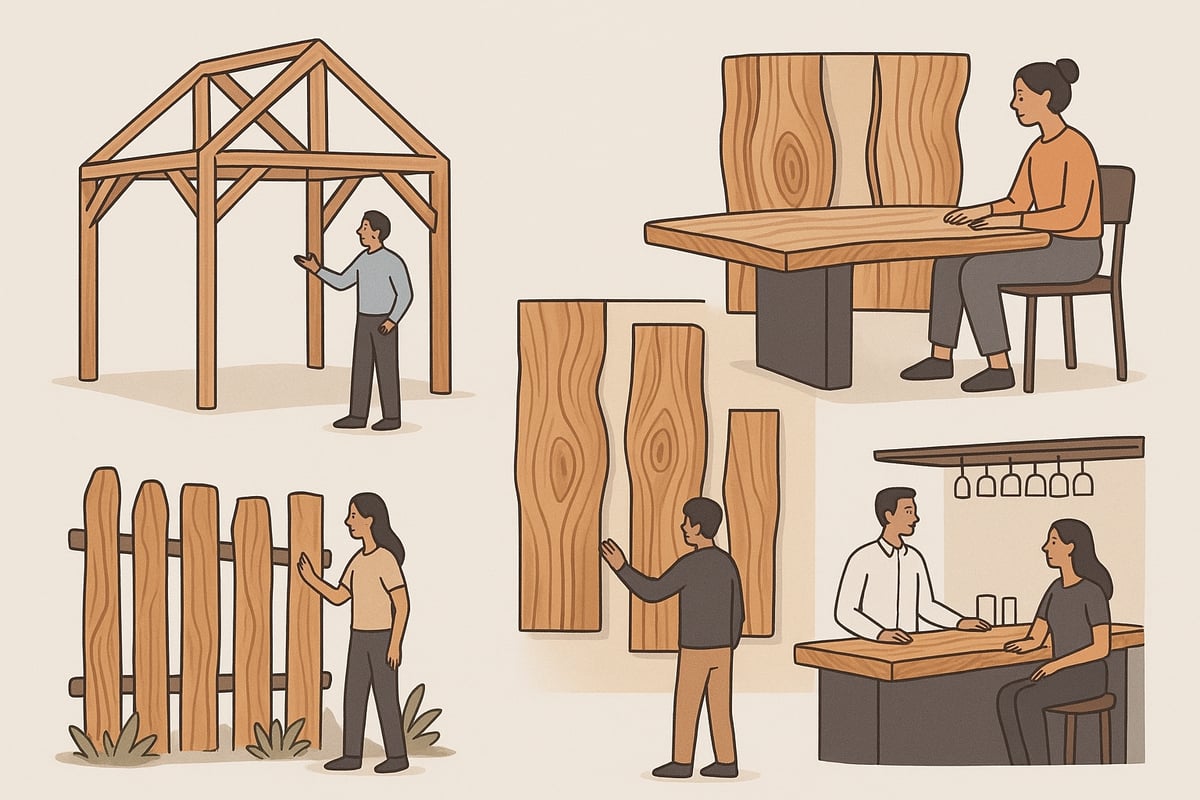
Edge timber is a vital material in both modern and traditional construction. Its strength and unique natural edges make it ideal for framing, beams, and other load-bearing elements. Oak beams are especially popular in residential builds, where the character of edge timber adds warmth and authenticity.
In commercial projects, designers often use exposed edge timber to create inviting spaces that blend structural integrity with visual appeal. The move towards sustainable materials has seen a rise in modern timber frame construction, where edge timber delivers both performance and style.
Builders appreciate its ability to withstand heavy loads while providing a distinctive aesthetic that sets projects apart from standard sawn timber. Whether for visible beams or concealed framing, edge timber is a reliable and attractive choice.
Interior Design and Furniture
Live edge timber is enjoying a surge in popularity for interior design and bespoke furniture. Its organic shapes and natural grain patterns bring a sense of the outdoors inside, making each piece unique. Homeowners and designers favour edge timber for shelves, dining tables, and countertops, where the raw edge creates a striking focal point.
Bespoke dining tables crafted from edge timber are centrepieces in many homes, while kitchen worktops combine functionality with natural beauty. The tactile quality of live edge timber invites touch, and its durability ensures longevity in high-traffic areas.
Statement shelving made from edge timber adds character to living spaces, blending seamlessly with both rustic and contemporary interiors. The flexibility of this material allows for endless customisation and creativity in furniture design.
Exterior and Landscaping Uses
Edge timber is well suited for exterior and landscaping projects, thanks to its weather resistance and robust nature. Garden structures such as pergolas and arbours benefit from the strength and rustic charm of edge timber, creating inviting outdoor spaces.
Waney edge fencing panels are a classic choice for boundaries, offering privacy while maintaining a natural, organic look. Decking made from edge timber withstands the elements and provides a durable surface for relaxation or entertaining.
When selecting edge timber for outdoor use, it is important to consider species and finishes that enhance resistance to moisture and decay. With the right treatment, edge timber can remain a standout feature in gardens and landscapes for years.
Bespoke and Artistic Projects
Edge timber inspires creativity in custom joinery, signage, and art installations. Its unique grain and natural edges are prized by artists and makers seeking one-of-a-kind results. From sculptural benches to carved public art, edge timber offers a canvas like no other.
Signage crafted from edge timber stands out due to its organic shape and tactile appeal, making it perfect for businesses or public spaces wanting to convey authenticity. Artistic projects often highlight the irregularities and features of the timber, turning imperfections into focal points.
Public space furniture, such as live edge benches, demonstrates how edge timber merges function with art. Each piece tells a story, shaped by both nature and craftsmanship, making it a favourite for bespoke commissions.
Commercial and Public Spaces
The use of edge timber in commercial and public spaces is on the rise as designers seek sustainable, visually engaging materials. Offices, hospitality venues, and retail environments benefit from the warmth and individuality that edge timber brings.
Feature walls clad in edge timber create dramatic backdrops, while bar tops and communal seating invite interaction and comfort. In 2026, there is a clear trend towards specifying sustainable edge timber in commercial fit-outs, driven by both client demand and regulatory requirements.
Data from leading suppliers shows an increase in the use of edge timber for high-impact design elements that prioritise both environmental responsibility and aesthetics. The material’s adaptability ensures it remains a top choice for forward-thinking projects.
How to Select the Right Edge Timber: Step-by-Step Guide
Selecting the right edge timber for your project can be the difference between a showstopping feature and a missed opportunity. This step-by-step guide walks you through every essential consideration, helping you make confident, informed decisions. Whether you are sourcing for a structural frame or a bespoke table, these steps ensure the edge timber you choose will deliver on quality, performance, and value.
Step 1: Identify Project Requirements
Begin by defining exactly what your project needs from edge timber. Is the timber serving a structural purpose, or is it purely decorative? For structural applications, strength and stability will be paramount. In contrast, decorative elements may prioritise grain character or edge style.
Consider examples such as selecting robust oak edge timber for exposed beams in a period property, or choosing walnut for a striking dining table. Think about the environment—will the timber be exposed to moisture, heavy use, or sunlight? These factors will influence your choice and help you avoid costly mistakes.
Clear project requirements make it easier to communicate with suppliers and ensure the edge timber you receive is fit for purpose.
Step 2: Choose the Right Timber Species
With your requirements defined, focus on selecting a suitable species of edge timber. Each species offers unique characteristics in terms of strength, grain, and colour. Oak remains a favourite for structural and decorative uses due to its durability and classic appearance. Ash is prized for its light colour and flexibility, while walnut offers deep, luxurious tones.
Availability and price can fluctuate, especially for more sought-after species. For a detailed breakdown of timber properties and suitability, consult the Specifiers Guide to Timber. Matching the right species to your needs ensures the edge timber performs as intended and complements your design.
Step 3: Select the Appropriate Edge and Finish
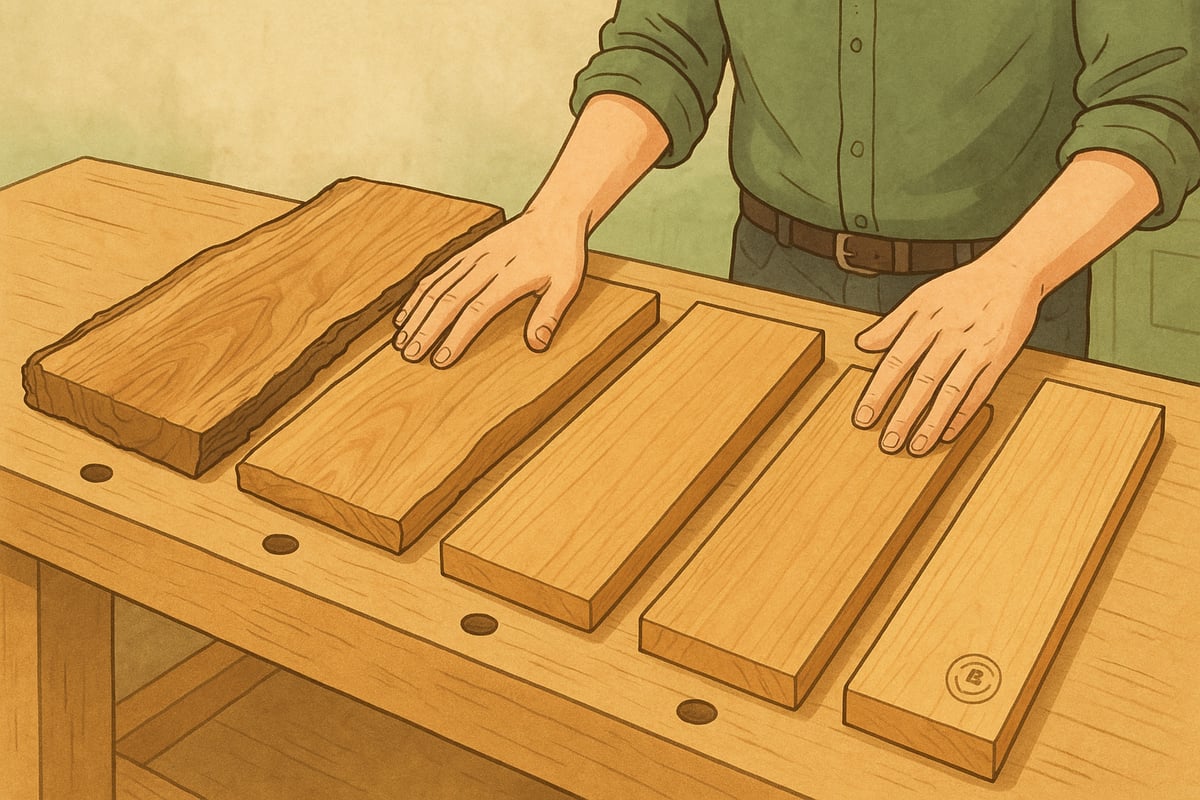
Edge timber comes in several finishes: live edge, waney edge, and planed square edge (PSE). Live edge and waney edge both preserve the natural contours of the tree, adding organic character to tables and countertops. PSE, on the other hand, provides crisp, clean lines ideal for modern interiors.
The choice of edge finish impacts both aesthetics and practicality. For a rustic, natural look, live edge timber is unmatched. If you prefer a sleek, contemporary style, opt for PSE. Consider how the edge will be seen and touched in the finished project, as this influences both the visual appeal and user experience.
Step 4: Confirm Grading and Quality Standards
Always check the grading and quality standards when purchasing edge timber. Grading ensures the timber meets required safety and performance levels, especially for structural applications. In the UK, timber is graded for strength, appearance, and suitability.
Look for grading stamps and supplier documentation—these provide assurance that the edge timber has been assessed by a qualified authority. Understanding these grades can also help you balance cost and quality, as higher grades may command a premium but offer fewer defects and greater reliability.
Step 5: Evaluate Sourcing and Provenance
Sourcing sustainable edge timber is now a top priority for many professionals. Timber with FSC or PEFC certification guarantees responsible forest management. Local provenance can reduce the environmental footprint and sometimes improve availability.
For example, urban-sourced London plane is gaining popularity as a sustainable choice for bespoke joinery. Knowing where your edge timber comes from not only enhances your project’s eco-credentials but may also affect lead times and pricing.
Step 6: Check Dimensions and Suitability
Carefully confirm that the dimensions of your edge timber match your project specifications. Standard thicknesses, widths, and lengths vary by supplier and species. Some projects may require custom sizing, which can add to lead times but ensures a perfect fit.
Use this checklist when ordering:
- Confirm thickness, width, and length requirements.
- Check if custom cutting is available.
- Ask about expected lead times for your preferred species and finish.
Accurate measurements prevent costly rework and ensure your edge timber integrates seamlessly with your design.
Step 7: Budgeting and Supplier Selection
Budgeting for edge timber involves considering species, grade, finish, and provenance. Prices can vary widely, so compare quotes from several reputable suppliers. Ask for detailed breakdowns of costs and check for hidden charges like delivery or custom machining.
A table can help compare suppliers:
| Supplier | Species Offered | Certifications | Custom Sizing | Lead Time | Price Range |
|---|---|---|---|---|---|
| Supplier A | Oak, Ash, Elm | FSC, PEFC | Yes | 2 weeks | £40-£120/m² |
| Supplier B | Walnut, Yew | FSC | No | 1 week | £60-£200/m² |
Choosing the right supplier ensures you receive high-quality edge timber at a fair price, with the service and credentials to match your project’s ambitions.
Care, Maintenance, and Longevity of Edge Timber
Looking after edge timber is essential to ensure it remains beautiful and functional for decades. Whether you are using edge timber for structural work, furniture, or artistic features, applying the right care techniques will protect your investment and keep it looking its best. Each stage of maintenance, from finishing to restoration, plays a vital role in maximising the lifespan and appeal of edge timber.
Protecting and Finishing Edge Timber
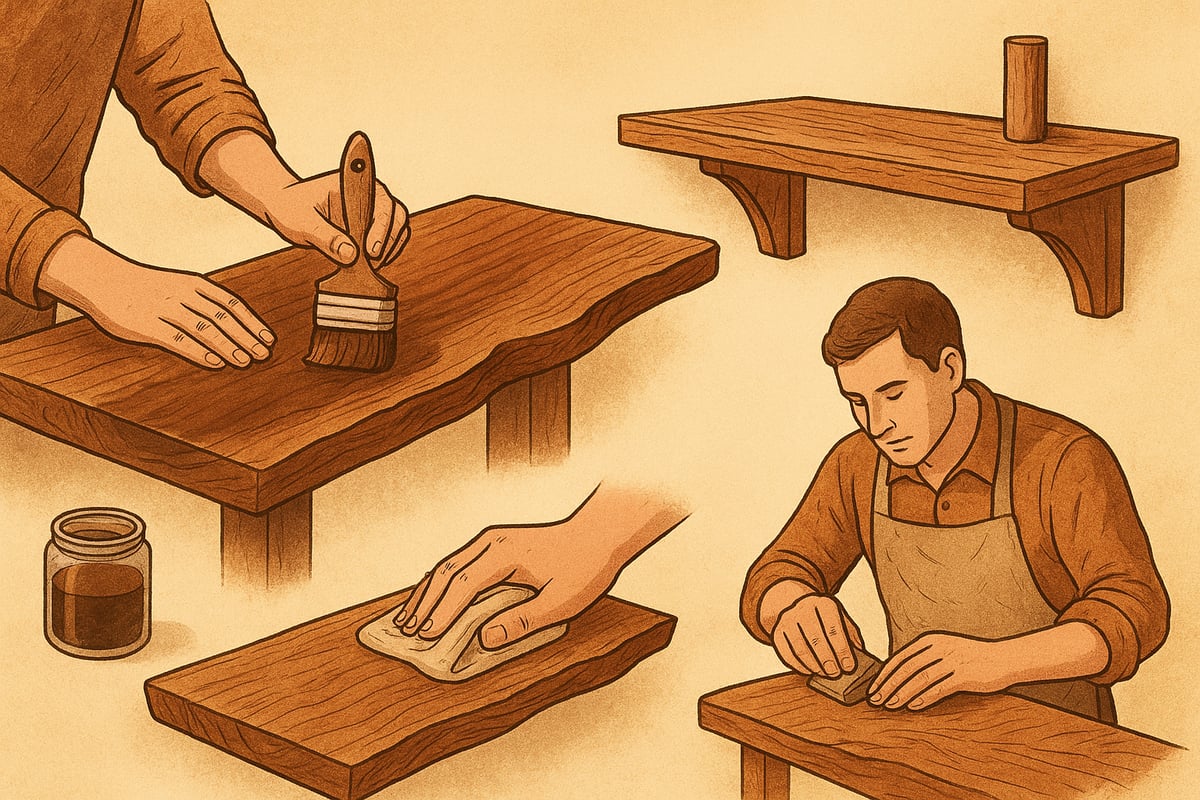
Proper finishing is the first step in protecting edge timber from daily wear. Oils such as Osmo or tung oil penetrate the surface, enhancing the natural grain and providing a barrier against moisture. Waxes and lacquers can also be used, each offering different levels of sheen and protection.
When applying a finish, always follow the grain and use lint-free cloths or quality brushes. For live edge timber, special attention should be paid to the natural contours and exposed edges, ensuring even coverage. Regular reapplication of oil or wax is recommended, especially for surfaces subject to frequent contact.
Trends in 2026 show a preference for natural, matte finishes that highlight the unique features of edge timber. If you want more inspiration on current finishes and styles, the Timber Design Trends for 2026 article provides valuable insights. A well-chosen finish not only protects but also elevates the visual impact of edge timber in any setting.
Cleaning and Regular Maintenance
Routine cleaning is vital for preserving the appearance and integrity of edge timber. Begin by dusting with a soft, dry cloth to remove surface particles. For deeper cleaning, use a damp cloth with mild soap, avoiding harsh chemicals that may damage finishes or the timber itself.
Avoid excessive moisture, as water can cause edge timber to swell or warp over time. In commercial or high-traffic environments, establish a cleaning schedule that aligns with usage levels. For example, weekly dusting and monthly oiling are often sufficient for household furniture, while commercial settings may require more frequent attention.
Incorporating gentle cleaning practices helps maintain the natural beauty of edge timber. By following these simple steps and addressing spills promptly, you can ensure the longevity and continued appeal of your timber surfaces.
Repair and Restoration
Even with the best care, edge timber may develop scratches, dents, or other signs of wear. Light scratches can be addressed by gently sanding along the grain with fine-grit sandpaper, then reapplying the chosen finish. For deeper dents or damage, wood filler or professional restoration may be necessary.
If a live edge table loses its lustre after years of use, sanding and re-oiling can revive its appearance. Always test repair techniques on a small, inconspicuous area first to ensure compatibility with the existing finish.
Edge timber is highly valued for its character, so minor imperfections often add to its charm. However, timely repairs prevent further deterioration and help maintain structural integrity.
Maximising Timber Lifespan
Several factors influence the longevity of edge timber, including environmental conditions and installation quality. Maintain stable humidity and temperature levels to prevent warping or cracking. Direct sunlight can fade finishes and dry out the timber, so consider placement and use of UV-protective coatings.
Correct installation is crucial, especially for structural or load-bearing applications. Regular inspections allow you to catch early signs of wear or moisture ingress, enabling prompt intervention. Well-maintained edge timber can last for decades, with some pieces in heritage settings enduring for over a century.
By combining proper care, routine maintenance, and thoughtful placement, you will safeguard the beauty and function of edge timber for generations to come.
Trends and Innovations in Edge Timber for 2026
The landscape of edge timber is evolving rapidly as we approach 2026. From sourcing practices to design aesthetics and technological breakthroughs, the industry is undergoing significant transformation. Understanding these emerging trends will help you make informed choices and stay ahead of the curve.
Sustainable and Urban Sourcing
Sustainability is at the heart of edge timber innovation for 2026. Urban timber recycling is gaining traction, with more suppliers repurposing trees felled during city developments. This approach not only reduces waste but also ensures unique provenance, such as London plane and reclaimed hardwoods.
Local sourcing is increasingly favoured, driven by consumer demand for reduced environmental impact and clear eco-credentials. Certifications like FSC and PEFC are now standard, but buyers are also seeking transparency in the timber's journey. For more on eco-friendly sourcing, see Sustainable timber building trends.
Edge timber sourced from urban areas often exhibits distinctive grain and history, adding value to bespoke projects. This trend is expected to grow, with more designers and architects specifying locally sourced materials for both environmental and storytelling benefits.
Technological Advances in Processing
Cutting-edge technology is reshaping how edge timber is prepared and finished. CNC and laser-cutting machines provide unparalleled precision, enabling intricate edge profiles and flawless joinery. These advancements make it easier to achieve consistent results, even with the natural irregularities of live edge timber.
Improved kiln drying and moisture control techniques enhance the stability and longevity of edge timber products. Suppliers can now offer timber that is less prone to warping or splitting, which is vital for structural and decorative uses.
These innovations not only improve quality but also reduce waste during processing. As technology becomes more accessible, expect to see a broader range of edge timber finishes and custom options on the market.
Design Trends: Aesthetics and Functionality
In 2026, design trends are embracing the organic beauty of edge timber. Biophilic design principles are inspiring the use of natural materials, bringing warmth and authenticity into residential and commercial interiors.
Mixed-material furniture is particularly popular, combining edge timber with metal, resin, or glass for a striking contrast. The demand for live edge timber in statement pieces, such as dining tables and shelving, continues to climb. Recent data shows a notable increase in live edge timber use across UK interior projects, highlighting its enduring appeal.
These trends reflect a desire for both visual impact and functional durability. Designers are experimenting with new finishes and edge treatments to create unique, personalised spaces.
Market Outlook and Consumer Preferences
The market for edge timber is set for robust growth in 2026. Rising interest in sustainable construction and interior design is fuelling demand across residential, commercial, and public sectors. Clients are prioritising provenance, material transparency, and innovative applications.
Pricing dynamics are shifting as supply chains adapt to increased urban sourcing and certification requirements. Product innovation is accelerating, with new finishes, edge styles, and customisation options emerging regularly. For a broader industry perspective, explore the Timber in Construction Roadmap 2025.
Edge timber is increasingly specified in commercial fit-outs, reflecting its blend of sustainability, character, and value. As consumer preferences evolve, the sector is poised for continued innovation and expansion.
Frequently Asked Questions About Edge Timber
What is the difference between live edge, waney edge, and planed square edge timber?
Live edge timber features the natural shape of the tree, including curves and bark, offering a truly organic look. Waney edge timber retains some bark and the irregular line of the tree's outer face, providing a rustic appearance with more definition than live edge. Planed square edge timber, or PSE, has all sides machined flat for a clean, modern finish.
You will commonly see edge timber in furniture, shelving, and structural elements. For a deeper dive into the uses of each type, the Timber used in construction guide is a valuable resource.
Is edge timber suitable for structural applications?
Edge timber can be used in structural settings, but suitability depends on species, grading, and design. In the UK, building regulations require that structural edge timber meets specific strength grades and standards. Oak, for example, is often chosen for beams and framing due to its robustness and longevity.
Always confirm that your edge timber is graded appropriately for structural use. Consult a structural engineer or timber specialist if in doubt.
How can I ensure my edge timber is sustainably sourced?
Look for certifications such as FSC (Forest Stewardship Council) or PEFC (Programme for the Endorsement of Forest Certification) when selecting edge timber. These labels confirm responsible forestry practices and traceability.
Ask your supplier about the timber's origin and whether it is UK-grown or recycled. Sustainable edge timber not only reduces environmental impact but also supports local industries.
What are the typical costs involved in edge timber projects?
Edge timber costs vary based on species, thickness, finish, and provenance. Hardwoods like oak or walnut are generally more expensive than softwoods. Live edge and waney edge finishes may add to the price due to additional processing and demand.
To save costs, consider using locally sourced or lesser-known species. Always obtain detailed quotes and compare suppliers for the best value.
How do I maintain the natural look of live edge timber?
To protect edge timber and keep its natural beauty, apply oils or waxes designed for wood surfaces. Regular dusting and gentle cleaning with a damp cloth will help preserve finishes. Avoid harsh chemicals, as they can damage the timber.
For long-term care, inspect your edge timber periodically for signs of wear or dryness. Reapply protective finishes as needed to ensure the timber remains vibrant and durable.
Now that you’ve explored the key uses, timber species, and essential selection steps for edge timber in 2026, you’re well equipped to start planning your own bespoke timber project. Whether you’re drawn to the timeless beauty of oak frames or the unique character of live edge finishes, choosing the right materials can truly elevate your space and add lasting value. If you’re ready to take the next step and turn your vision into reality, we’re here to help you create something exceptional. Let’s bring your ideas to life—BUILD NOW


