
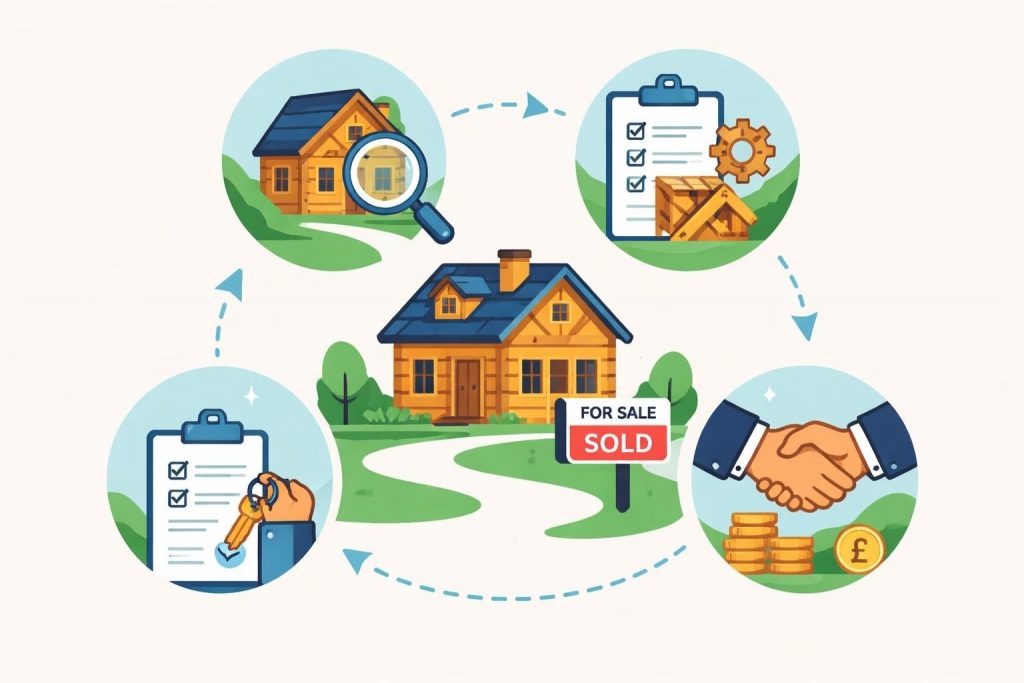
The market for timber frame properties has experienced remarkable growth across the United Kingdom, with more buyers recognising the sustainable, energy-efficient benefits of wooden construction. Whether you're searching for a traditional oak-framed cottage or a contemporary timber structure, understanding the nuances of a wooden house sale can significantly impact your purchasing experience. This comprehensive guide explores everything prospective buyers need to know about acquiring timber frame properties in 2026, from identifying quality construction to navigating the valuation process.
Understanding the Wooden House Sale Market in 2026
The demand for timber frame properties has shifted considerably over the past decade. Modern buyers increasingly prioritise sustainability, energy efficiency, and construction quality, making wooden houses particularly attractive. The wooden house sale market now encompasses everything from converted barn structures to newly built contemporary homes, each offering distinct characteristics and investment potential.
Market trends indicate several key developments:
- Increased demand for eco-friendly housing options
- Rising property values for well-maintained timber structures
- Greater awareness of long-term energy savings
- Enhanced mortgage availability for timber frame properties
- Growing appreciation for craftsmanship and natural materials
The typical wooden house sale involves properties ranging from modest single-storey dwellings to substantial multi-level family homes. Buyers should understand that timber frame construction offers advantages beyond aesthetics, including superior thermal performance and reduced construction timelines compared to traditional masonry.
Price Considerations and Valuation Factors
Pricing for timber frame properties varies significantly based on location, size, age, and construction quality. A wooden house sale in the South East typically commands premium prices, whilst properties in rural areas may offer better value. Understanding these regional variations helps buyers set realistic expectations and budgets.
| Property Type | Average Price Range | Key Value Factors |
|---|---|---|
| Traditional Oak Frame | £350,000 – £800,000+ | Age, condition, location, heritage value |
| Contemporary Timber Frame | £280,000 – £650,000 | Energy rating, design, finish quality |
| Self-Build Timber Kit | £180,000 – £400,000 | Plot value, specification, completion level |
| Converted Timber Structure | £220,000 – £550,000 | Planning consents, modernisation, setting |
Several factors influence final sale prices beyond basic square footage. Structural integrity, maintenance history, and compliance with current building regulations all play crucial roles in determining property value during a wooden house sale.
Structural Assessment and Quality Indicators
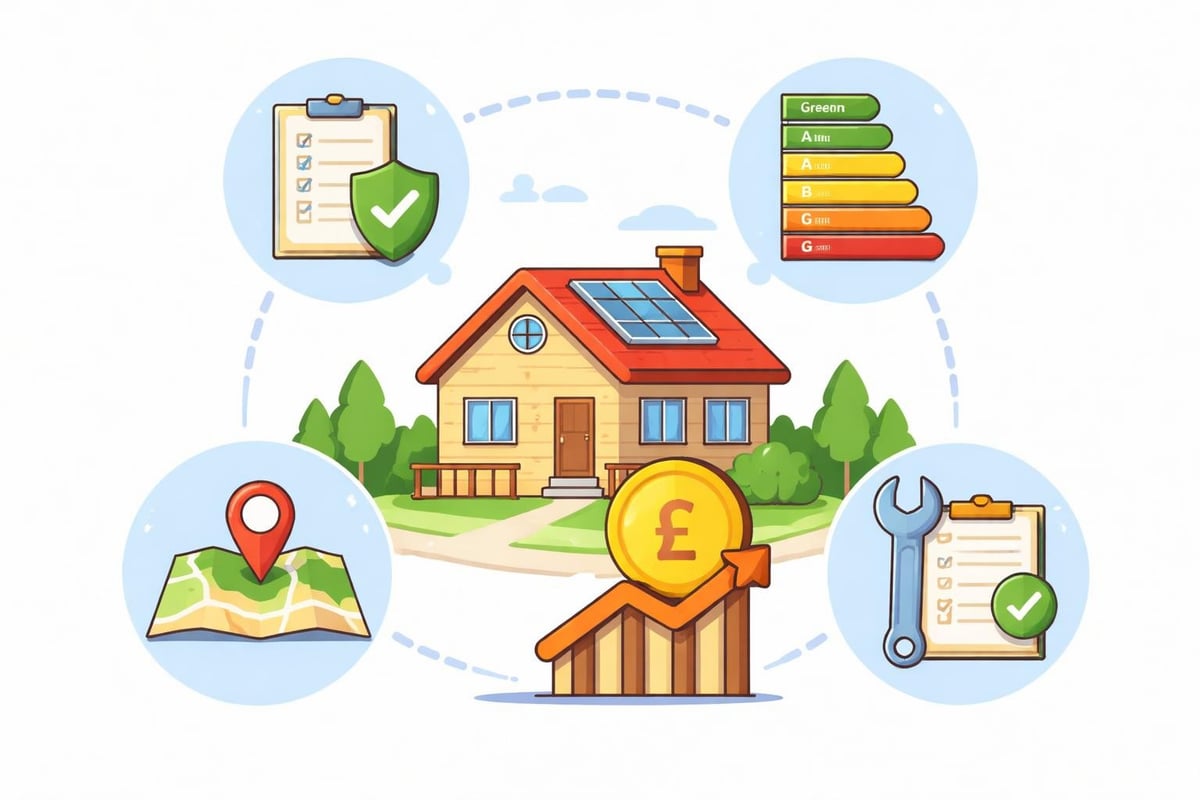
Before committing to any wooden house sale, conducting thorough structural assessments proves essential. Unlike conventional brick-and-mortar properties, timber frame structures require specific inspection protocols to identify potential issues and verify construction quality.
Professional surveyors specialising in timber construction examine several critical areas during pre-purchase surveys. These experts assess frame integrity, joint condition, moisture levels, and evidence of pest activity. Buyers should insist on comprehensive surveys that address timber-specific concerns rather than standard property surveys.
Essential Inspection Points
When evaluating properties during a wooden house sale, buyers must examine both visible and concealed elements. The frame itself represents the structural backbone, and any compromise here affects the entire building's integrity.
Primary inspection areas include:
- Primary frame connections and joinery quality
- Timber moisture content and ventilation adequacy
- Foundation and ground floor construction
- Roof structure and weatherproofing systems
- External cladding condition and maintenance needs
- Internal finishes and insulation performance
The comparison of wooden houses reveals significant variations in construction standards and material choices. Buyers benefit from understanding these differences when evaluating properties, as they directly impact long-term maintenance costs and property longevity.
Companies like Acorn to Oak Framing demonstrate how proper craftsmanship ensures structural durability, with many traditional timber frames lasting centuries when properly maintained. This heritage quality often distinguishes premium properties in the wooden house sale market.
Energy Efficiency and Running Costs
Modern timber frame properties typically outperform conventional construction in energy efficiency metrics. This advantage translates into lower heating costs and enhanced comfort throughout the year, making wooden houses increasingly attractive to environmentally conscious buyers.
The thermal mass properties of timber, combined with effective insulation strategies, create highly efficient building envelopes. Properties built or renovated within the past decade often achieve Energy Performance Certificate (EPC) ratings of A or B, significantly reducing annual energy expenditure.
Calculating Long-Term Savings
Prospective buyers should request detailed energy assessments during any wooden house sale. These documents provide concrete data about expected running costs and potential improvements. Understanding insulating timber frame walls helps buyers appreciate the engineering behind efficient timber construction.
| Energy Rating | Typical Annual Cost | 25-Year Saving vs. D-Rated Property |
|---|---|---|
| A (92-100) | £450 – £650 | £32,000 – £45,000 |
| B (81-91) | £650 – £850 | £22,000 – £35,000 |
| C (69-80) | £850 – £1,100 | £12,000 – £20,000 |
| D (55-68) | £1,100 – £1,400 | Baseline comparison |
These figures demonstrate the substantial financial benefits of purchasing energy-efficient timber properties. The initial investment in a well-constructed wooden house sale often pays dividends through reduced operational costs over the property's lifespan.
Mortgage and Insurance Considerations
Securing finance for timber frame properties requires understanding lender perspectives and market conditions. Whilst mainstream mortgages are readily available for standard timber construction, certain property types may require specialist lenders or additional documentation.
Major UK lenders now treat contemporary timber frame houses comparably to traditional construction, recognising their durability and market acceptance. However, older properties or unconventional designs may face additional scrutiny during the valuation process.
Insurance companies similarly assess timber properties based on construction quality, fire resistance measures, and maintenance standards. Modern timber frame buildings often benefit from competitive insurance rates due to their robust construction and reduced subsidence risk compared to heavy masonry structures.
Documentation Requirements
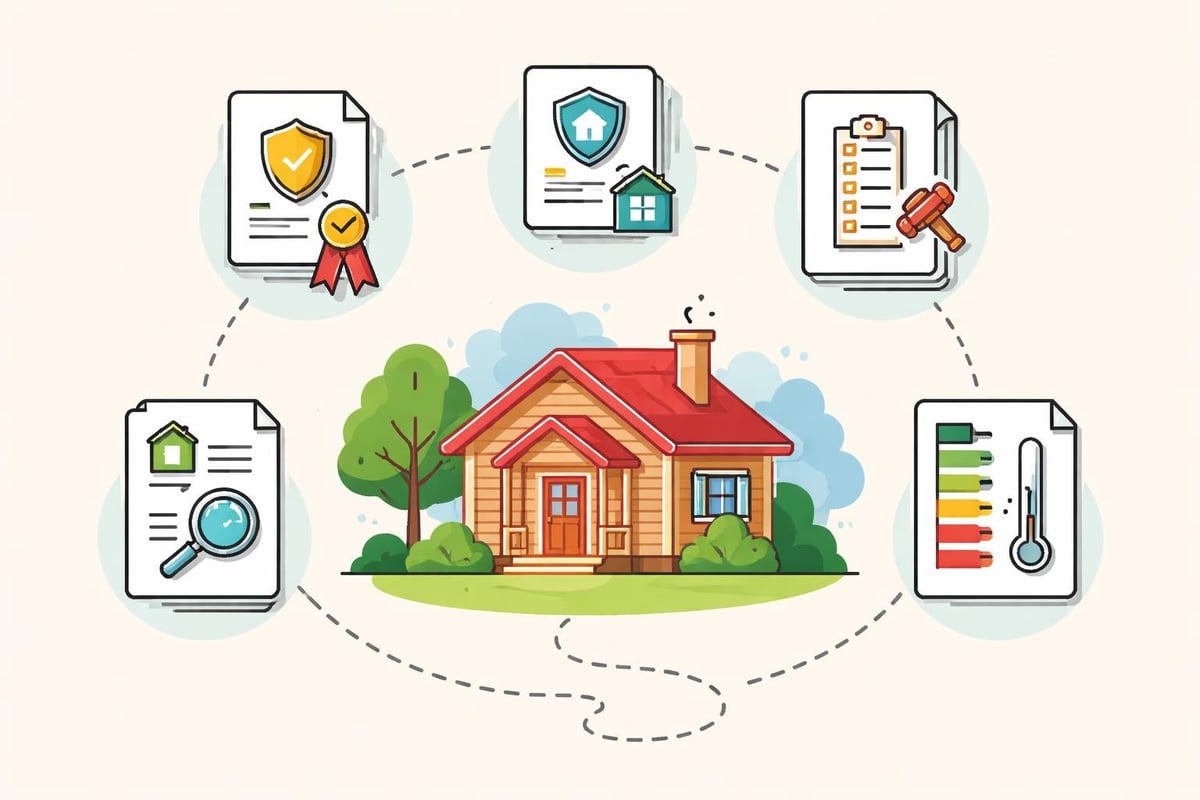
Successful completion of a wooden house sale depends on comprehensive documentation. Buyers should verify that sellers provide complete records demonstrating construction quality and regulatory compliance.
Essential documents include:
- Original building control approvals and completion certificates
- Structural warranty documentation (NHBC or equivalent)
- Timber treatment certificates and guarantees
- Maintenance records and any remedial work undertaken
- Energy Performance Certificates
- Planning permissions and any listed building consents
Properties without complete documentation may face valuation challenges or require additional surveys to satisfy lender requirements. The resources available from timber industry bodies provide valuable information about construction standards and best practices that inform purchasing decisions.
Maintenance and Long-Term Ownership
Understanding maintenance requirements distinguishes informed buyers in the wooden house sale market. Timber structures demand different care protocols compared to conventional properties, though well-designed buildings require minimal intervention when constructed properly.
Regular maintenance preserves property value and prevents minor issues developing into costly repairs. External timber elements typically need periodic treatment or repainting, whilst internal frames may remain untouched for decades. The specific maintenance regime depends on timber species, protective treatments, and exposure conditions.
Properties built with oak frame construction, particularly those using post and beam frame construction techniques, often prove remarkably low-maintenance. Oak naturally resists decay and pest damage, developing attractive silver-grey patinas when left untreated externally.
Typical Maintenance Schedules
| Component | Maintenance Frequency | Typical Cost Range |
|---|---|---|
| External timber treatment | 5-10 years | £2,000 – £6,000 |
| Roof inspection | Annually | £150 – £300 |
| Gutter cleaning | Twice yearly | £100 – £200 |
| Window and door maintenance | 3-5 years | £500 – £1,500 |
| Structural inspection | Every 5 years | £300 – £600 |
These costs remain modest compared to the expenses associated with maintaining older masonry properties, where pointing, damp-proofing, and structural repairs often prove considerably more expensive.
For those exploring onesociety.co.uk, this platform offers valuable insights into sustainable living and property management. The website provides resources connecting environmentally conscious homeowners with information about maintaining and enhancing timber frame properties whilst supporting broader sustainability goals.
Negotiating Your Wooden House Sale
Effective negotiation during a wooden house sale requires understanding both property-specific factors and broader market conditions. Buyers armed with detailed knowledge about timber construction can identify genuine value and avoid overpaying for cosmetic features whilst overlooking structural concerns.
Professional guidance proves invaluable throughout the negotiation process. Engaging solicitors experienced with timber property transactions ensures proper scrutiny of legal documentation and identification of potential issues before exchange. Similarly, independent surveys provide objective assessments that inform realistic offer prices.
When considering factors influencing wooden house sales, buyers should evaluate both current condition and potential improvements. Properties requiring minor updates may offer negotiation opportunities, particularly when sellers face time pressures or multiple properties.
Making Competitive Offers
Market research establishes appropriate offer levels for timber frame properties. Examining recent comparable sales within the local area provides baseline data, though buyers must adjust for property-specific features like frame quality, energy efficiency, and maintenance standards.
Effective negotiation strategies include:
- Obtaining multiple professional opinions on property condition
- Identifying specific remedial works and obtaining quotations
- Demonstrating financial readiness with mortgage agreements in principle
- Establishing clear timelines that accommodate both parties
- Maintaining professional communication throughout the process
Properties listed on platforms like Fordaq’s wooden houses marketplace provide useful market comparisons, though buyers should recognise regional variations and specification differences when evaluating prices.

Legal and Planning Considerations
Timber frame properties may present unique legal considerations during sale transactions. Understanding these factors before committing prevents unexpected complications during the conveyancing process.
Listed buildings and properties within conservation areas face additional restrictions affecting modifications and maintenance. Buyers must verify planning constraints and understand their implications for future alterations. Timber used in construction within heritage properties often requires specialist knowledge for appropriate repairs and renovations.
Rights and Restrictions
Boundary definitions, access rights, and restrictive covenants warrant careful examination during any wooden house sale. Rural timber properties particularly may involve complex arrangements regarding access tracks, shared driveways, or agricultural land designations.
Building regulation compliance represents another critical verification area. Extensions, conversions, or significant alterations undertaken by previous owners require proper approvals and completion certificates. Missing documentation may necessitate retrospective applications or indemnity insurance policies.
Self-Build and Customisation Opportunities
The wooden house sale market includes not only completed properties but also opportunities for self-build projects using timber frame kits. This approach appeals to buyers seeking customised homes whilst potentially reducing overall costs compared to purchasing finished properties.
Understanding frame home construction processes helps buyers evaluate whether self-build routes suit their circumstances. Many companies supply complete timber frame kits with comprehensive support, enabling owner-builders to create bespoke properties tailored precisely to their requirements.
Self-build projects require realistic assessments of time commitments, practical skills, and project management capabilities. Whilst potentially rewarding, these undertakings demand significant effort beyond simply purchasing completed properties through conventional wooden house sale transactions.
Comparing Purchase Routes
| Approach | Typical Timeline | Cost Range | Customisation Level |
|---|---|---|---|
| Completed Property | 8-12 weeks | Market value | Limited to renovations |
| Partially Finished | 4-8 months | 15-25% below market | Moderate choices |
| Self-Build Kit | 12-18 months | 20-30% below market | Extensive personalisation |
| Full Custom Build | 18-24 months | Variable premium | Complete control |
Each approach offers distinct advantages depending on buyer priorities, available time, and budget constraints. Those valuing immediate occupancy typically prefer traditional wooden house sale transactions, whilst patient buyers with specific visions may favour self-build alternatives.
Future Value and Investment Potential
Timber frame properties demonstrate strong appreciation potential when properly maintained and located in desirable areas. The growing emphasis on sustainable construction and energy efficiency enhances market appeal, particularly among younger buyers prioritising environmental considerations.
Investment analysis for any wooden house sale should consider both immediate market conditions and longer-term trends. Properties featuring high-quality craftsmanship, efficient thermal performance, and attractive locations typically outperform basic specifications in value appreciation.
The UK housing market increasingly recognises timber construction's benefits, moving beyond historical preferences for brick-and-block building. This cultural shift, combined with regulatory emphasis on energy efficiency, positions well-constructed timber properties favourably for future growth.
Factors supporting value appreciation include:
- Increasing energy costs highlighting efficiency benefits
- Stricter building regulations favouring timber performance
- Growing environmental awareness among buyers
- Limited supply of quality timber frame properties
- Recognition of traditional craftsmanship value
Properties built by established specialists typically command premium prices due to construction quality and warranty support. Companies like Acorn to Oak Framing create structures designed for generational longevity, appealing to buyers seeking permanent family homes rather than temporary accommodations.
Regional Market Variations
Geographic location significantly influences both availability and pricing within the wooden house sale market. Traditional timber frame properties concentrate in specific regions with historical building traditions, whilst contemporary construction appears more uniformly distributed across the UK.
The South East, particularly Kent, Sussex, and Hampshire, features substantial numbers of oak frame properties reflecting the region's timber building heritage. These areas often command premium prices due to London proximity and established appreciation for traditional construction methods.
Rural Scotland, Wales, and Southwest England similarly offer strong timber frame markets, often with more affordable entry points compared to Southeast England. These regions attract buyers seeking lifestyle changes, second homes, or retirement properties in scenic locations.
Market Accessibility
| Region | Typical Stock Availability | Price Premium vs. National Average |
|---|---|---|
| Southeast England | High | +25% to +45% |
| Southwest England | Moderate | +5% to +15% |
| East Anglia | Moderate | +10% to +20% |
| Wales | Low to Moderate | -5% to +5% |
| Scotland | Low | -10% to +5% |
| Northern England | Low | -15% to -5% |
Understanding these regional variations helps buyers identify opportunities aligned with their budgets and lifestyle preferences. Properties in lower-priced regions may offer excellent value whilst providing similar quality and environmental benefits to more expensive areas.
Navigating a wooden house sale successfully requires comprehensive understanding of timber construction, market dynamics, and property-specific considerations that distinguish these homes from conventional builds. Armed with proper knowledge about structural assessment, energy efficiency, and long-term value, buyers can confidently identify properties offering both immediate satisfaction and lasting investment potential. Whether you're considering purchasing an existing timber property or exploring custom-built options, Acorn to Oak Framing brings decades of expertise in creating exceptional timber frame structures that combine traditional craftsmanship with modern performance standards, delivering homes designed to exceed expectations for generations.


