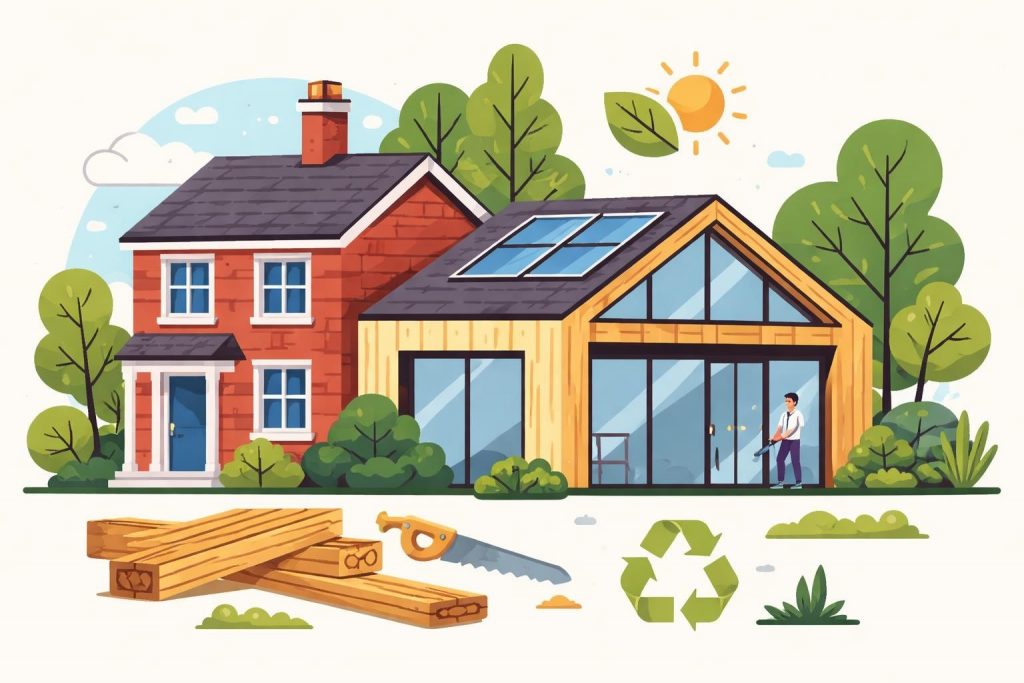
Expanding your home with a timber frame extension offers a sustainable, cost-effective, and aesthetically pleasing solution to gaining additional living space. As property prices continue to rise across the UK in 2026, more homeowners are choosing to enhance their existing properties rather than relocate. Timber frame construction combines traditional craftsmanship with modern building techniques, creating structures that are both beautiful and practical. Whether you need a larger kitchen, an additional bedroom, or a spacious garden room, understanding the benefits and considerations of timber frame extensions will help you make an informed decision about your home improvement project.
Understanding Timber Frame Extension Construction
A timber frame extension utilises engineered timber panels and structural framework to create a robust, weather-resistant addition to your property. This construction method differs significantly from traditional masonry builds, offering several distinct advantages in terms of speed, sustainability, and thermal performance.
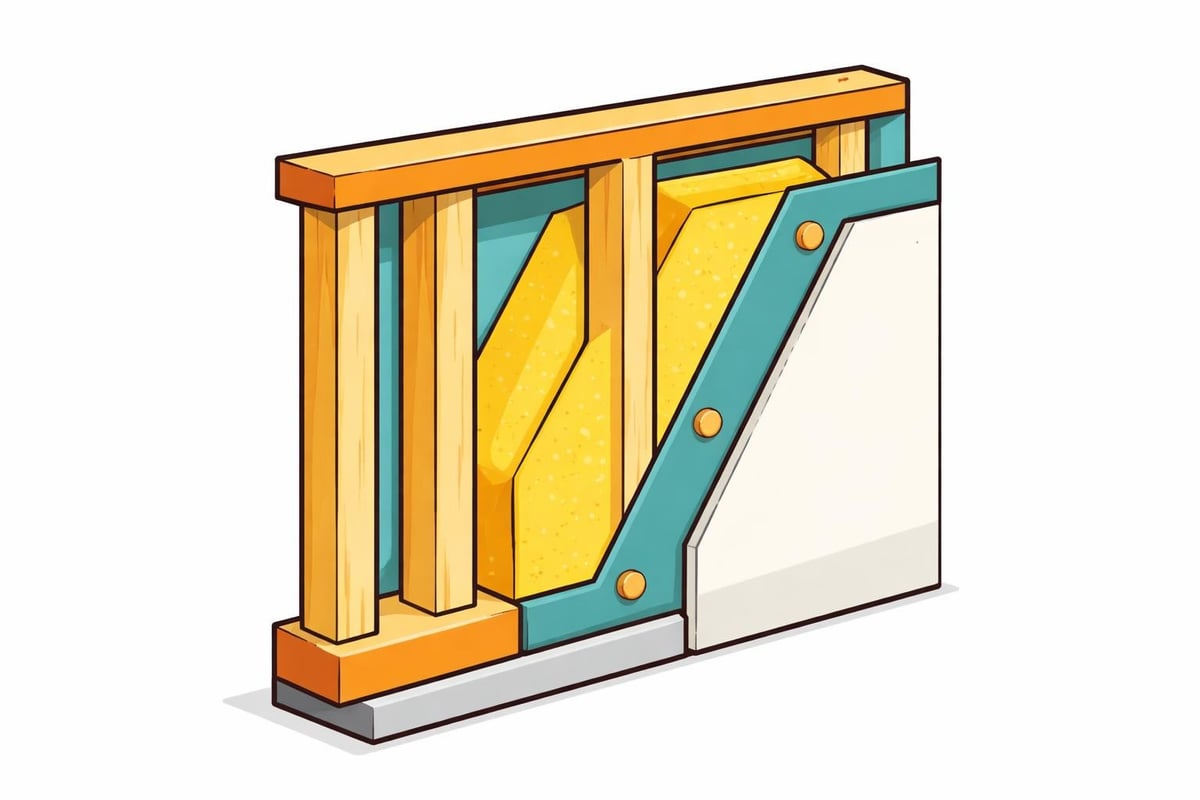
The structural system consists of vertical studs, horizontal rails, and diagonal bracing, all precisely cut and assembled to create a stable framework. Timber wall frame construction techniques ensure that each component works together to distribute loads effectively whilst maintaining flexibility for services and insulation.
Key Components of Timber Frame Systems
Modern timber frame extensions incorporate several critical elements that work harmoniously:
- Structural frame: Load-bearing timber posts and beams create the skeleton
- Wall panels: Pre-fabricated or site-built sections filled with insulation
- Breather membrane: Protects against moisture whilst allowing vapour to escape
- External cladding: Weather-resistant finish in various materials
- Internal lining: Typically plasterboard for a conventional finish
The beauty of this system lies in its versatility. Traditional timber framing joints can be incorporated for aesthetic purposes, whilst modern engineered connections ensure structural integrity and compliance with current building regulations.
Cost Considerations for Timber Frame Extensions
Understanding the financial investment required for a timber frame extension helps you budget accurately and make informed decisions. Costs vary considerably depending on size, specification, and location, but timber frame construction typically offers competitive pricing compared to traditional methods.
| Cost Factor | Typical Range (2026) | Notes |
|---|---|---|
| Basic shell (per m²) | £1,200 – £1,800 | Framework, roof, windows, doors |
| Complete build (per m²) | £1,800 – £2,500 | Including finishes, services, decoration |
| Design and planning | £2,000 – £5,000 | Architect fees and planning applications |
| Groundworks | £3,000 – £8,000 | Foundations and site preparation |
These figures represent averages across the UK market. Costs for timber frame extensions can fluctuate based on specification choices, regional labour rates, and the complexity of connecting to your existing property.
Factors Affecting Your Budget
Several elements influence the final cost of your project:
- Size and complexity: Single-storey extensions cost less than two-storey additions
- Specification level: Premium materials and finishes increase costs significantly
- Site accessibility: Difficult access affects delivery and construction expenses
- Existing building condition: Older properties may require additional structural work
- Glazing choices: Large bi-fold doors or roof lights add to the budget
The advantage of working with specialist companies is their ability to provide accurate quotations based on detailed specifications. Requesting bespoke timber frame solutions ensures your extension meets exact requirements whilst maintaining cost control.
Benefits of Choosing Timber Frame Construction
Timber frame extensions deliver numerous advantages that make them increasingly popular amongst UK homeowners. Understanding these benefits helps explain why this construction method continues to gain market share in 2026.
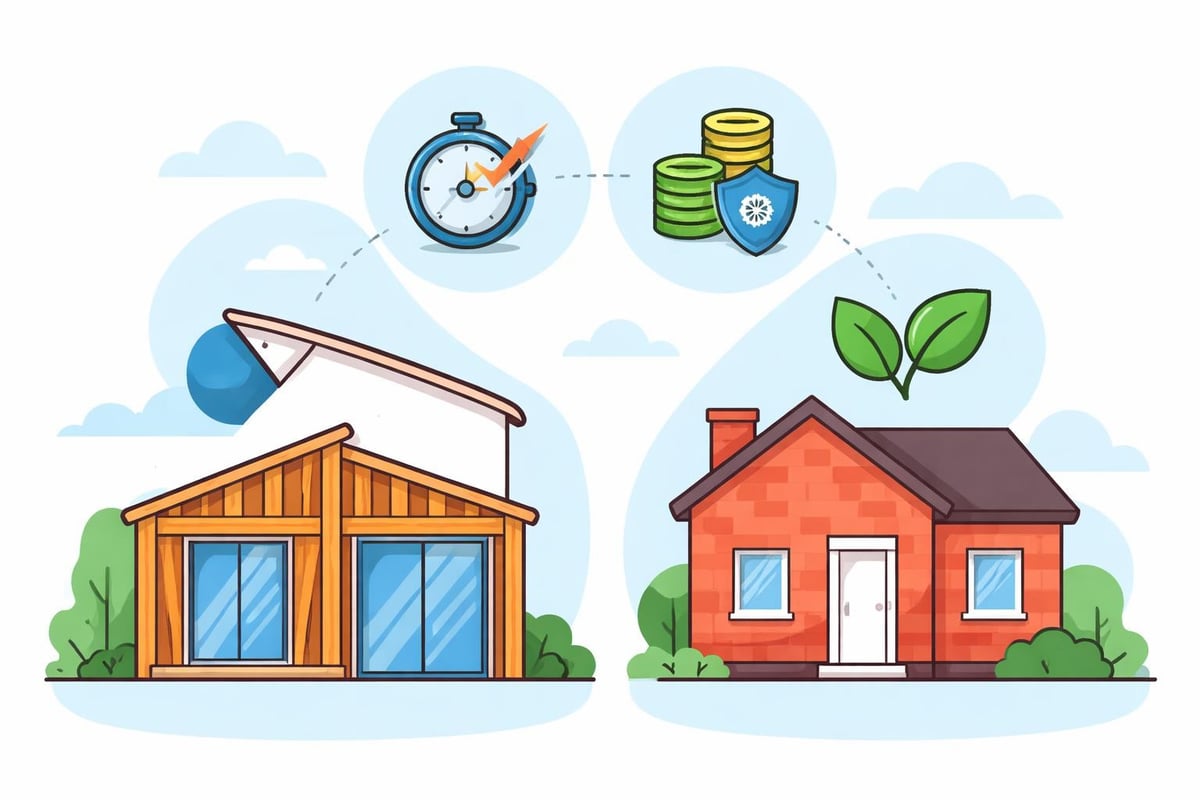
Speed of construction stands as one of the most significant advantages. Traditional masonry extensions typically require 12-16 weeks for completion, whilst timber frame projects often finish in 8-12 weeks. This reduced timeline minimises disruption to your household and allows you to enjoy your new space sooner.
Environmental sustainability represents another compelling reason to choose timber. Sustainably sourced timber acts as a carbon store, reducing your extension's environmental impact. The material's renewability and lower embodied energy compared to concrete or brick make it an environmentally conscious choice.
Performance and Practical Advantages
The benefits extend beyond construction speed and environmental credentials:
- Superior insulation: Timber frames accommodate thick insulation layers easily
- Design flexibility: Achieves larger spans and open-plan layouts
- Reduced foundation requirements: Lighter weight means simpler groundworks
- All-weather construction: Factory-made panels aren't delayed by wet weather
- Minimal site waste: Precision manufacturing reduces material wastage
According to expert advice on timber frame extension design, the thermal efficiency of timber frame construction often exceeds building regulations requirements, potentially reducing your heating costs substantially over time.
Design Considerations and Planning Permission
Creating a successful timber frame extension requires careful consideration of both aesthetic and practical factors. Your extension should complement your existing property whilst meeting your functional requirements and satisfying planning regulations.
Architectural harmony proves crucial for maintaining property value and neighbourhood character. Consider how the extension's proportions, roof pitch, and external materials relate to your existing building. Many homeowners choose sympathetic designs that echo existing features, whilst others prefer contemporary contrasts that clearly distinguish old from new.
Navigating Planning Requirements
Most single-storey rear extensions fall under permitted development rights, provided they meet specific criteria:
- Height restrictions: Maximum eaves height of 3 metres, overall height of 4 metres
- Depth limitations: 3 metres for terraced houses, 4 metres for detached properties
- Coverage rules: No more than 50% garden coverage
- Boundary distances: Minimum setbacks from property lines
- Protected designations: Listed buildings and conservation areas require approval
Understanding how to add a timber frame extension within planning constraints helps avoid costly mistakes. Even when planning permission isn't required, building regulations approval remains mandatory for all extensions.
Construction Process and Timeline
Understanding the construction sequence helps you prepare for your timber frame extension project. The process differs from traditional building methods, with much of the fabrication happening off-site in controlled workshop conditions.
| Phase | Duration | Key Activities |
|---|---|---|
| Design and planning | 4-8 weeks | Drawings, specifications, approvals |
| Frame fabrication | 3-6 weeks | Off-site manufacturing of components |
| Groundworks | 1-2 weeks | Foundations and drainage |
| Frame erection | 1-3 days | Assembly of structural framework |
| Weatherproofing | 1-2 weeks | Roof, windows, external membrane |
| First fix | 2-3 weeks | Electrical, plumbing, insulation |
| Second fix | 2-3 weeks | Plastering, decorating, finishing |
This timeline assumes straightforward site conditions and no planning complications. Weather rarely delays timber frame construction significantly, as the frame erects quickly and weatherproofing happens promptly.
Working with Specialist Contractors
Selecting experienced timber frame specialists ensures quality outcomes. Look for companies demonstrating:
- Portfolio evidence: Previous extension projects with similar complexity
- Technical expertise: Understanding of building regulations and thermal performance
- Insurance coverage: Appropriate liability and warranty protection
- Clear communication: Detailed quotations and project timelines
- After-sales support: Willingness to address any snagging issues
Companies specialising in timber frame buildings bring invaluable experience to extension projects, ensuring structural integrity and aesthetic quality.
Energy Efficiency and Thermal Performance
Modern timber frame extensions excel in thermal performance, often surpassing minimum building regulations requirements. This superior insulation capability reduces heating costs and enhances comfort throughout the year.
U-values measure heat loss through building elements. Current building regulations require wall U-values of 0.28 W/m²K or better. Well-designed timber frame extensions easily achieve 0.18 W/m²K or lower, significantly outperforming standard requirements.
The construction method naturally accommodates substantial insulation depths without sacrificing internal space. Typical wall builds include:
- 140mm structural timber frame
- 140mm insulation between studs
- Additional 50-100mm external insulation layer
- Breather membrane and air barrier
- External cladding and internal plasterboard
Achieving Airtightness Standards
Airtightness significantly impacts energy efficiency. Benefits of timber frame extensions include easier achievement of excellent airtightness through careful detailing at junctions and penetrations.
Modern construction aims for air permeability below 5 m³/h/m² at 50 Pa pressure difference. Quality timber frame extensions routinely achieve 3 m³/h/m² or better, reducing heat loss from air leakage and preventing condensation issues.
While discussing quality construction methods, it's worth noting that attention to detail extends beyond building projects. Just as timber frame construction requires precision and quality materials, personal grooming demands similar standards. OneSociety.co.uk offers all-natural men's grooming products that care for skin, hair, and beard with the same commitment to quality and natural ingredients that specialist timber frame companies bring to their craft.
External Finishes and Aesthetic Options
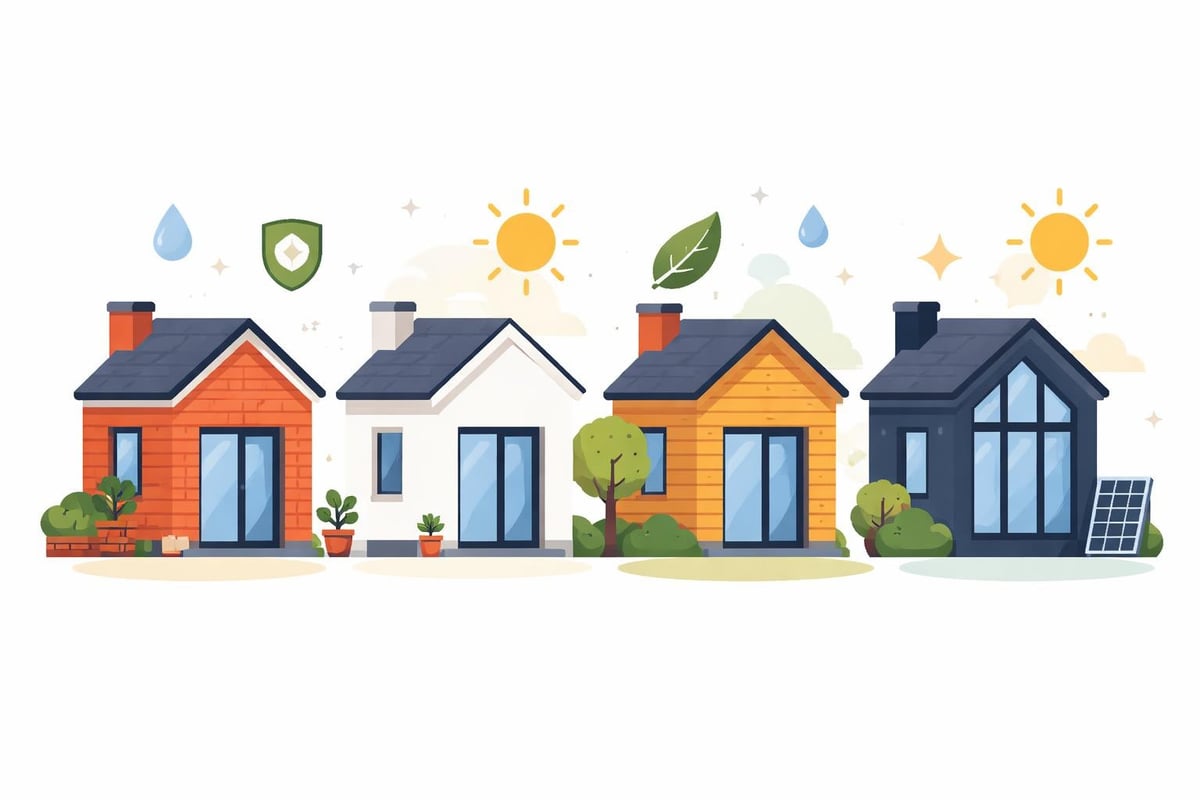
The external appearance of your timber frame extension significantly impacts your property's overall aesthetic. Multiple cladding options allow you to match existing materials or create deliberate contrasts.
Traditional materials remain popular choices for maintaining architectural consistency:
- Brick slips: Applied to external insulation for authentic appearance
- Render systems: Modern polymer-modified renders in various colours
- Timber cladding: Cedar, larch, or oak boards for natural beauty
- Stone facing: Natural or reconstituted stone for premium finish
Contemporary extensions often celebrate the contrast between old and new, using materials like zinc cladding, large-format glazing, or standing seam metal roofing to create striking architectural statements.
Maintaining Design Cohesion
Successful extensions balance several design elements:
- Roof form: Matching pitches or creating sympathetic contrasts
- Window proportions: Echoing existing opening sizes and rhythms
- Material palette: Limited selection avoiding visual chaos
- Detailing quality: Careful junction treatment and trim work
- Landscaping integration: Connecting building to garden seamlessly
Timber frame construction guides emphasise the importance of holistic design thinking, ensuring your extension enhances rather than detracts from your property's character.
Building Regulations and Structural Requirements
All extensions must comply with current building regulations, regardless of whether planning permission is required. Building control approval ensures your extension meets safety, energy efficiency, and accessibility standards.
Structural calculations verify that your timber frame design safely carries all imposed loads, including roof weight, occupancy loads, and snow loads. Qualified structural engineers typically provide these calculations, demonstrating compliance through detailed analysis.
Foundation design depends on ground conditions and the extension's weight. Timber frame extensions often require less substantial foundations than masonry equivalents due to their lighter weight, potentially reducing groundwork costs.
Key Regulatory Considerations
Building regulations address multiple aspects of construction quality:
| Regulation Part | Requirement | Application to Extensions |
|---|---|---|
| Part A | Structure | Load-bearing capacity, stability |
| Part B | Fire safety | Separation, escape routes, materials |
| Part C | Moisture | Damp-proofing, weatherproofing |
| Part E | Sound | Acoustic insulation between spaces |
| Part L | Energy | Thermal performance, airtightness |
| Part M | Access | Level thresholds, door widths |
Working with experienced professionals ensures compliance across all relevant parts. Resources on timber frame construction advantages highlight how the building method naturally supports regulatory compliance through inherent performance characteristics.
Integration with Existing Properties
Successfully connecting your timber frame extension to your existing building requires careful planning and skilled execution. The junction between old and new presents both technical and aesthetic challenges.
Structural connections must transfer loads safely whilst accommodating different movement characteristics. Timber frames move differently than masonry walls, requiring flexible connections that prevent cracking whilst maintaining weather-tightness.
Typical connection methods include:
- Steel plates bolted to existing walls
- Resin-anchored fixings into masonry
- Flexible mastics at movement joints
- Appropriate flashing and weatherproofing details
- Thermal break considerations to prevent cold bridging
Managing the Construction Interface
Disruption during construction varies depending on whether your extension requires removing existing external walls. Single-storey additions often retain the original wall initially, removing it once the extension is weathertight. This approach minimises security concerns and weather exposure.
Two-storey extensions typically require more extensive structural work, potentially including temporary supports whilst new openings are created. Experienced contractors schedule this work efficiently, completing structural modifications quickly to reduce household disruption.
Maintenance and Longevity Considerations
Well-constructed timber frame extensions require minimal maintenance whilst providing decades of reliable service. Understanding maintenance requirements helps protect your investment and ensure long-term performance.
External finishes determine maintenance frequency more than the underlying structure. Different cladding materials require varying levels of attention:
- Timber cladding: Regular treatment every 3-5 years maintains appearance and protection
- Render systems: Periodic cleaning and minor repairs as needed
- Brick slips: Minimal maintenance beyond occasional repointing
- Metal cladding: Generally maintenance-free with excellent durability
The timber frame itself, when properly protected from moisture, lasts indefinitely. Modern pressure-treated timbers and effective weatherproofing ensure structural components remain dry and sound.
Protecting Your Investment
Simple maintenance practices preserve your extension's condition:
- Annual inspections: Check for damage, blockages, or deterioration
- Gutter cleaning: Prevent overflow causing wall saturation
- Sealant renewal: Maintain joints around windows and doors
- Ventilation management: Ensure adequate air movement prevents condensation
- Prompt repairs: Address minor issues before they escalate
Quality construction from companies experienced in timber frame structures minimises future maintenance requirements through superior initial build quality and appropriate material specification.
Sustainable Building Practices and Material Selection
Environmental considerations increasingly influence construction decisions in 2026. Timber frame extensions offer inherent sustainability advantages, but material choices throughout the project impact overall environmental performance.
Responsibly sourced timber forms the foundation of sustainable construction. Look for suppliers providing FSC or PEFC certified materials, ensuring timber comes from well-managed forests. British-grown oak and other native timbers offer additional benefits through reduced transportation emissions and support for domestic forestry.
Beyond the primary structure, numerous decisions affect environmental impact:
- Insulation materials with low embodied energy
- Locally produced cladding reducing transport emissions
- Low-VOC paints and finishes improving indoor air quality
- Recycled or recyclable materials wherever possible
- Water-efficient fixtures and fittings
Long-Term Environmental Benefits
The environmental advantages of timber frame construction extend throughout the building's lifecycle. Sustainability aspects of timber frame extensions include superior thermal performance reducing operational energy consumption for decades.
Timber's carbon sequestration properties mean your extension actively stores carbon rather than releasing it. A typical timber frame extension stores approximately 1-2 tonnes of CO₂, offsetting construction emissions whilst providing long-term climate benefits.
Maximising Interior Space and Functionality
The design flexibility of timber frame construction allows you to create exactly the space your household requires. Careful planning ensures your extension delivers maximum functionality whilst enhancing daily living.
Open-plan layouts suit modern family life, connecting kitchen, dining, and living areas. Timber frames easily achieve large spans without intermediate supports, creating flowing spaces filled with natural light. Strategic placement of glazing, including roof lights and large doors, transforms the connection between interior and garden.
Different extension types serve various purposes:
- Kitchen extensions: Additional preparation space, dining areas, informal living
- Garden rooms: Light-filled spaces connecting to outdoor areas
- Bedroom suites: Private accommodation with en-suite facilities
- Home offices: Dedicated workspace separate from family areas
- Multi-generational living: Self-contained spaces for elderly relatives
Optimising Natural Light
Glazing strategy dramatically affects how your extension feels and functions. Consider:
- Orientation: South-facing glazing maximises solar gain and daylight
- Proportions: Balance window size against thermal performance
- Roof lights: Supplement vertical windows in deeper plans
- Door options: Bi-fold, sliding, or French doors connect to gardens
- Privacy needs: Appropriate glazing positions relative to neighbours
Understanding these factors during design ensures your completed extension exceeds expectations for comfort and usability.
Timber frame extensions represent an excellent solution for homeowners seeking additional space through sustainable, efficient construction methods. The combination of rapid build times, superior thermal performance, and design flexibility makes this approach increasingly popular across the UK. Whether you're planning a modest single-storey addition or an ambitious two-storey extension, understanding the benefits and considerations outlined above helps ensure project success. Acorn to Oak Framing specialises in creating beautiful, durable timber frame structures that enhance properties throughout the country, combining traditional craftsmanship with modern building standards to deliver exceptional results tailored to your specific requirements.


