
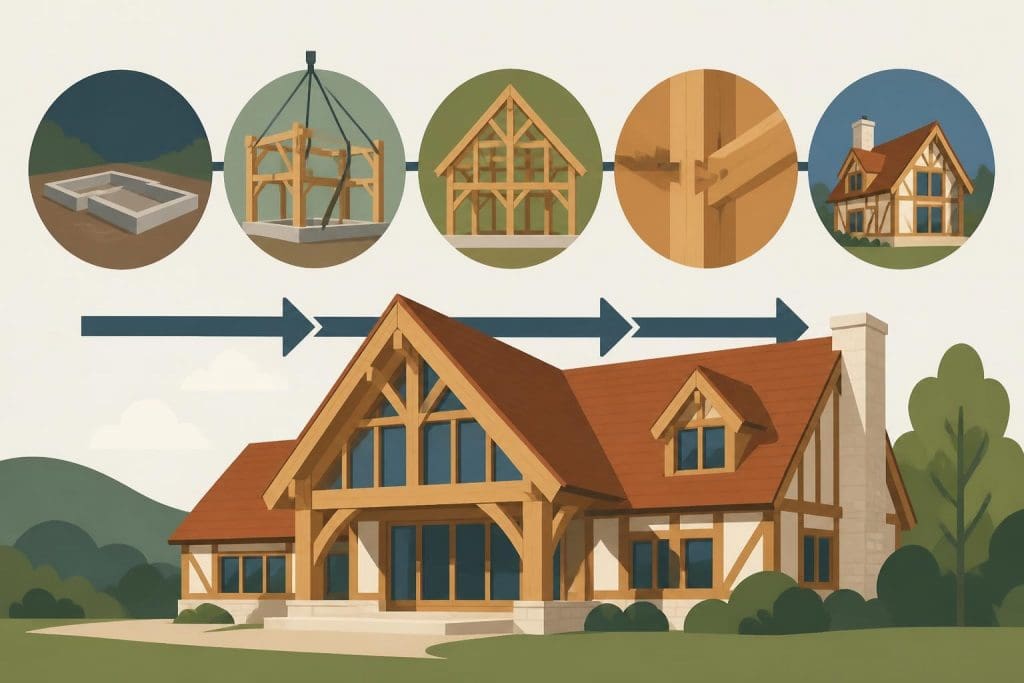
Wooden house construction has experienced a remarkable resurgence across the United Kingdom, combining centuries-old craftsmanship with contemporary building standards to create homes that are both sustainable and aesthetically striking. From traditional oak frames to modern engineered timber systems, this construction method offers homeowners exceptional thermal performance, reduced environmental impact, and the timeless beauty of natural materials. Understanding the intricacies of timber building techniques enables property developers, self-builders, and homeowners to make informed decisions about their construction projects whilst ensuring compliance with current UK building regulations.
The Fundamentals of Timber Frame Construction
The foundation of successful wooden house construction begins with selecting appropriate materials and understanding structural principles. Oak timber remains the premier choice for traditional frames due to its exceptional strength-to-weight ratio and natural durability. Sustainably sourced timber provides both environmental credentials and long-term performance guarantees that modern homeowners increasingly demand.
Structural timber selection involves several critical factors:
- Moisture content levels (typically 15-20% for oak frames)
- Grading standards compliant with British Standards
- Species characteristics suited to specific applications
- Sourcing provenance and sustainability certification
The timber wall frame construction methodology employed in contemporary projects differs significantly from historical approaches. Modern frameworks integrate advanced joinery techniques with traditional mortise-and-tenon connections, creating structures that satisfy both aesthetic preferences and stringent engineering requirements. Understanding these fundamentals proves essential for anyone considering a timber-based building project.
Traditional Joinery Methods
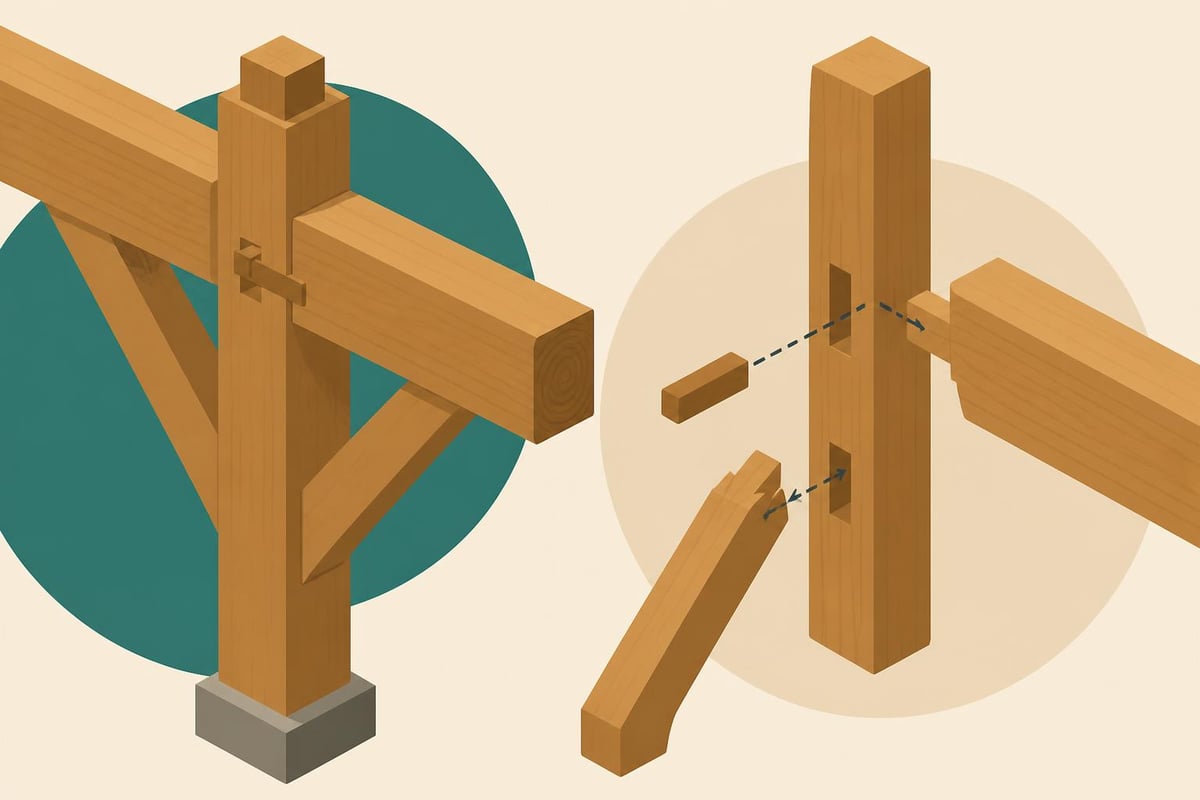
Traditional carpentry joints represent the heart of authentic wooden house construction. These time-tested connections distribute loads effectively whilst allowing natural timber movement throughout seasonal cycles. Pegged mortise-and-tenon joints secure primary structural members without relying on metal fasteners, maintaining the integrity of historical building methods.
Contemporary projects often incorporate both traditional and modern connection systems. Steel brackets and engineered connectors complement traditional joints where building regulations require enhanced structural performance. This hybrid approach preserves visual authenticity whilst meeting current safety standards.
Design Considerations for Timber Buildings
Architectural planning for wooden house construction demands careful attention to both aesthetic aspirations and practical requirements. The inherent characteristics of timber influence spatial arrangements, opening sizes, and overall building proportions. Working with these natural constraints rather than against them produces the most successful outcomes.
Thermal performance represents a paramount consideration in modern timber buildings. Timber frame walls accommodate substantial insulation depths between structural members, achieving U-values that exceed minimum building regulation requirements. Strategic placement of vapour barriers and breathable membranes ensures long-term durability whilst preventing condensed moisture damage.
| Design Element | Consideration | Impact |
|---|---|---|
| Span Capabilities | Beam depths and spacing | Room dimensions and layouts |
| Opening Sizes | Header beam requirements | Window and door proportions |
| Floor Levels | Frame height and bracing | Overall building scale |
| Roof Geometry | Rafter sizing and pitch | Visual character and performance |
The integration of modern services within timber frames requires thoughtful planning during design phases. Electrical conduits, plumbing runs, and heating systems must navigate structural members without compromising integrity. Experienced designers incorporate service routes from initial concept stages, avoiding costly modifications during construction.
Compliance with UK Building Regulations
Navigating building regulations forms an essential component of any wooden house construction project. Part B (Fire Safety) demands particular attention in timber buildings, with requirements for fire-retardant treatments and compartmentalisation strategies. Resources from organisations like WoodWorks provide comprehensive guidance on fire safety compliance in timber construction.
Part L (Conservation of Fuel and Power) requirements increasingly favour timber construction due to inherent thermal performance advantages. Properly designed timber frames achieve excellent airtightness levels, reducing heat loss and enhancing energy efficiency. Documentation proving compliance becomes crucial during building control inspections.
Structural calculations verified by chartered engineers ensure frames meet Part A requirements. These assessments account for dead loads, imposed loads, wind loading, and snow loading specific to the building location. Professional engineering input proves invaluable for securing building approval.
The Construction Process
Implementing a wooden house construction project follows distinct phases, each requiring specialised skills and careful coordination. Ground preparation and foundation installation establish the critical base upon which the timber frame rests. Concrete pads, traditional strip footings, or engineered piling systems provide stable support tailored to soil conditions.
Frame erection typically proceeds through these sequential steps:
- Sill beam installation and levelling across foundations
- Primary post and beam assembly for structural grid
- Secondary framing members and bracing installation
- Roof structure construction and temporary weatherproofing
- Final adjustments and structural verification
The American Wood Council’s construction manual offers extensive technical guidance applicable to UK projects, though adjustments for British standards prove necessary. Frame raising represents a critical milestone, often completed within days for pre-fabricated systems or weeks for traditionally crafted structures built on-site.
Weather protection becomes paramount immediately following frame erection. Breathable roof membranes and temporary cladding shield timber from moisture whilst allowing vapour transmission. This early protection prevents degradation that could compromise long-term performance.
Common Errors and Prevention Strategies
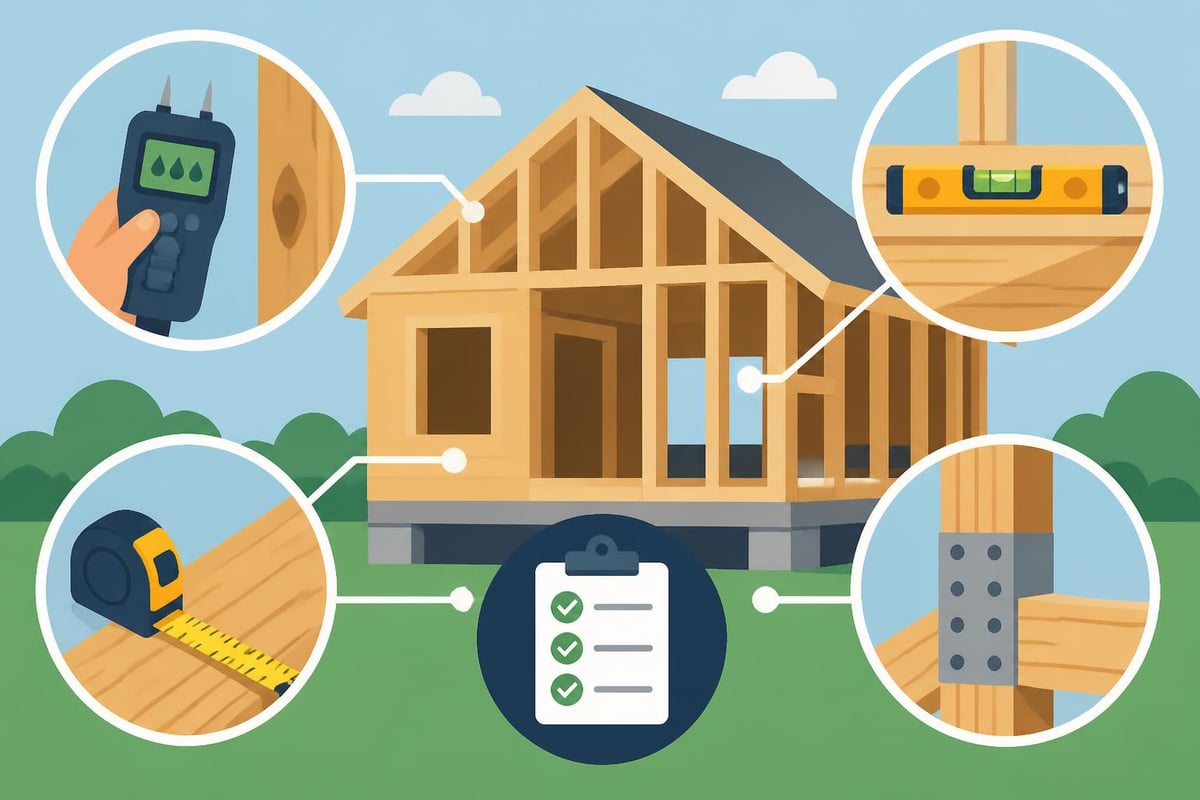
Avoiding mistakes during wooden house construction preserves both budget and timeline. Professional builders identify recurring errors that compromise structural integrity or aesthetic quality. Improper moisture management tops the list of preventable problems affecting timber buildings.
Dimensional accuracy throughout construction determines final building quality. Template creation for complex joinery, regular measurement verification, and systematic quality checks prevent cumulative errors. Small discrepancies compound rapidly in timber construction, potentially affecting door and window installation.
Connection security requires vigilant attention. Inadequately tightened bolts, missing fixings, or improperly seated joints undermine structural performance. Systematic inspection protocols catch these issues before subsequent construction phases conceal connections.
Material Selection and Sourcing
Choosing appropriate timber species balances performance requirements, aesthetic preferences, and budget constraints. Oak delivers unmatched durability and visual character for exposed frames, whilst engineered softwoods provide economical solutions for concealed structural elements. Many projects employ hybrid approaches, reserving premium oak for visible features whilst using treated softwood for hidden components.
Sustainable sourcing credentials increasingly influence material selection. FSC and PEFC certification verify responsible forestry practices, appealing to environmentally conscious clients. British-grown oak supports local economies whilst reducing transportation impacts, though availability constraints sometimes necessitate European imports.
Moisture content verification prevents future problems. Timber delivered with excessive moisture levels experiences significant movement during drying, potentially causing joint failures or distortion. Electronic moisture meters provide accurate readings, ensuring materials meet specification requirements before incorporation.
Engineered Timber Products
Modern wooden house construction frequently incorporates engineered timber products alongside traditional solid timber. Glue-laminated beams (glulam) achieve spans impossible with solid sections, enabling open-plan layouts and dramatic interior spaces. I-joists provide dimensionally stable floor systems with excellent acoustic and thermal properties.
Cross-laminated timber (CLT) panels represent cutting-edge developments in timber construction technology. These engineered panels form complete wall, floor, and roof elements, dramatically accelerating construction whilst maintaining environmental advantages. CLT suitability depends on project scale and design aspirations.
The comprehensive guide to timber frame construction explores material options in greater depth, providing technical comparisons between traditional and engineered approaches. Selection decisions should reflect structural requirements, budget parameters, and aesthetic objectives.
Finishing and Protection Systems
External envelope completion transforms structural frames into weathertight buildings. Cladding options range from traditional oak weatherboarding to contemporary render systems applied over insulated panels. Material choices significantly impact both appearance and maintenance requirements over the building's lifespan.
Breathability represents a critical performance criterion for timber building envelopes. Material specifications must allow moisture vapour transmission whilst preventing liquid water ingress. This balance proves essential for long-term timber preservation and occupant comfort.
Protection systems typically include:
- Breathable weather-resistant barriers
- Ventilated cavity spaces behind cladding
- Vapour-permeable insulation materials
- Strategic air sealing at critical junctions
- Durable external finishes resistant to UK weather
Internal finishes complement structural timber aesthetics whilst providing necessary services integration. Lime plaster proves particularly suitable for timber frames, offering breathability and traditional character. Modern alternatives include vapour-permeable plasterboard systems that simplify installation whilst maintaining performance.
Long-term Maintenance Requirements
Properly constructed timber buildings require minimal maintenance when designed with durability principles. Regular inspections identify potential issues before serious damage occurs. Particular attention to moisture ingress points, timber-ground contact areas, and cladding condition preserves structural integrity.
External timber elements benefit from periodic treatment with appropriate preservatives or decorative finishes. Oak frames often weather naturally to attractive silver-grey patinas, though some owners prefer maintaining original honey tones through regular oil applications. Treatment frequency depends on exposure conditions and aesthetic preferences.
Structural monitoring proves especially important during initial settlement periods. Minor adjustments to fixings or connections may prove necessary as timber reaches equilibrium moisture content. Professional inspection after the first year identifies any required interventions.
Project Planning and Implementation
Successful wooden house construction requires meticulous planning extending beyond architectural design. Procurement strategies, contractor selection, and construction sequencing significantly influence project outcomes. Early engagement with experienced timber frame specialists prevents costly design modifications during construction phases.
Budget allocation should reflect the premium quality inherent in traditional timber construction. Whilst material costs exceed standard blockwork alternatives, reduced construction time and superior performance characteristics provide long-term value. Realistic financial planning prevents mid-project compromises that diminish final quality.
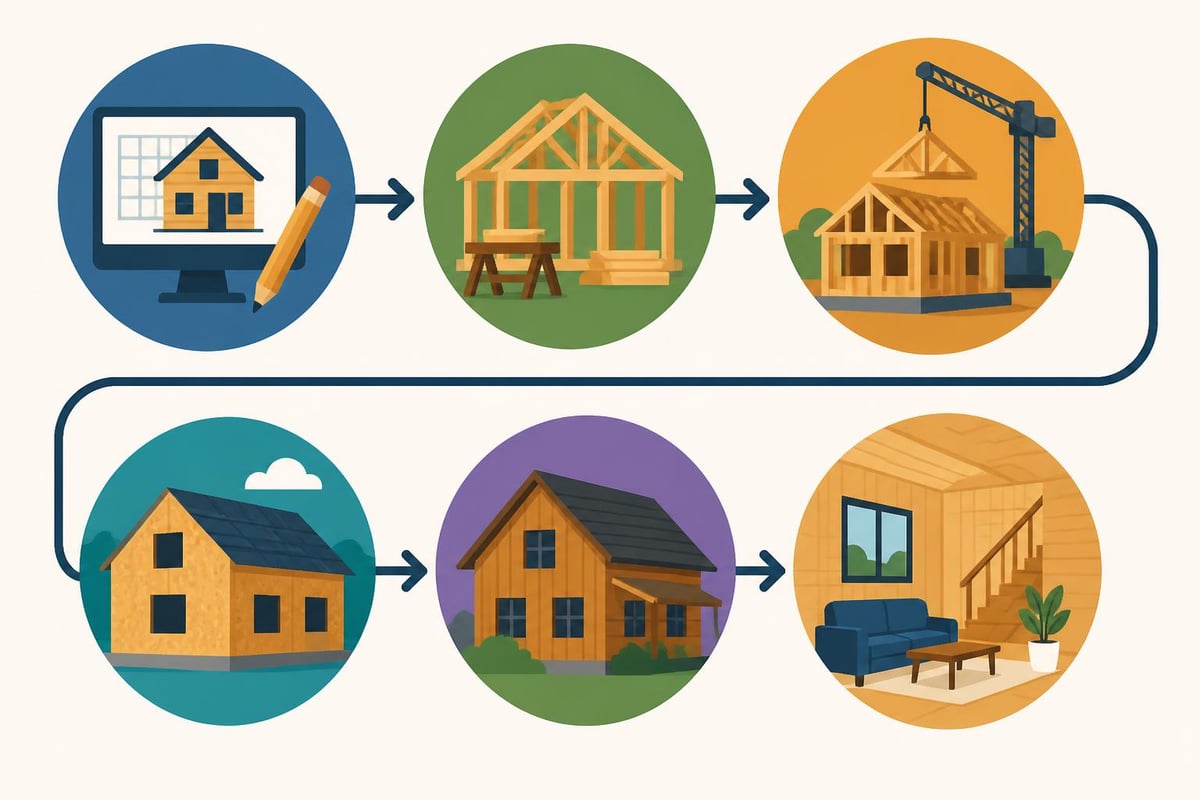
| Project Phase | Duration | Key Activities |
|---|---|---|
| Design Development | 2-4 months | Architectural plans, engineering calculations, approvals |
| Frame Fabrication | 4-8 weeks | Timber selection, joinery, pre-assembly verification |
| Site Preparation | 2-4 weeks | Foundations, access, services installation |
| Frame Erection | 1-3 weeks | Assembly, bracing, temporary weatherproofing |
| Envelope Completion | 6-12 weeks | Cladding, windows, roof finishes |
The step-by-step construction guide provides detailed timelines and milestone checkpoints applicable to UK projects. Realistic scheduling accommodates inevitable weather delays and material procurement variations.
Contractor Selection Criteria
Choosing appropriate contractors determines construction quality and project satisfaction. Specialist timber framers possess skills distinct from conventional builders, particularly regarding traditional joinery and timber frame assembly. Portfolio review and reference verification reveal contractor capabilities and working methods.
Professional accreditation provides quality assurance. Memberships in trade organisations demonstrate commitment to industry standards and continuing professional development. Insurance coverage and warranty provisions protect clients against potential defects or incomplete work.
Whilst focusing on wooden house construction details, it's worth noting that attention to quality extends beyond buildings to personal care. OneSociety.co.uk exemplifies this dedication to natural materials in men's grooming products, offering all-natural solutions for skin, hair, and beard care that align with the same values of sustainability and craftsmanship found in timber construction.
Structural Engineering Considerations
Engineering analysis ensures timber frames safely resist all anticipated loads throughout the building's lifespan. Dead loads from roof coverings, floor finishes, and building services combine with imposed loads from occupancy and furniture. Wind loading calculations prove particularly critical for timber buildings due to their relatively lightweight construction.
Connection design represents the most critical aspect of timber frame engineering. Traditional pegged joints distribute loads through bearing surfaces, whilst modern connectors employ mechanical fasteners and steel brackets. Hybrid systems combine both approaches, optimising performance whilst maintaining aesthetic qualities.
Foundation design must accommodate timber frame characteristics. Precise level tolerances ensure proper frame assembly and prevent stress concentrations. Moisture barriers between foundations and timber sill beams protect against capillary water movement.
Thermal and Acoustic Performance
Modern wooden house construction achieves exceptional thermal performance through optimised insulation strategies. Timber frame cavities accommodate substantial insulation depths without thermal bridging common in masonry construction. Careful detailing at junctions and openings maintains continuous insulation layers.
Acoustic performance requires specific attention in timber buildings. Resilient floor constructions, cavity insulation, and mass-enhanced partitions achieve necessary sound reduction between rooms and floors. Building regulations Part E requirements influence material selection and construction details.
Environmental monitoring during construction phases helps optimise performance outcomes. Thermal imaging identifies potential weak points before final finishes conceal construction elements. Airtightness testing verifies envelope integrity, enabling corrective measures if necessary.
Sustainability and Environmental Impact
Wooden house construction offers significant environmental advantages over conventional building methods. Timber represents the only truly renewable structural material, sequestering carbon throughout its service life. Sustainably managed forests provide continuous timber supplies whilst maintaining biodiversity and ecosystem services.
Manufacturing processes for timber products require substantially less energy than alternatives like concrete or steel. Transportation impacts remain minimal when sourcing British timber, further reducing embodied carbon. Life cycle assessments consistently demonstrate timber construction's superior environmental profile.
End-of-life considerations favour timber buildings. Materials prove readily recyclable or biodegradable, avoiding landfill burdens. Properly maintained timber structures serve for centuries, as historical buildings demonstrate, maximising material efficiency through extended service lives.
Environmental benefits of timber construction include:
- Carbon sequestration in structural members
- Reduced manufacturing energy requirements
- Lower transportation impacts from lightweight materials
- Excellent thermal performance reducing operational energy
- Recyclability and biodegradability at end of life
The bespoke timber structures crafted by specialist companies demonstrate how traditional methods align perfectly with contemporary sustainability objectives. Custom designs optimise material usage whilst creating buildings tailored precisely to client requirements.
Customisation and Bespoke Design
Individual requirements drive successful wooden house construction projects. Standard designs provide starting points, but modifications reflecting specific site conditions, lifestyle preferences, and aesthetic aspirations create truly satisfying outcomes. Timber construction methodology accommodates customisation more readily than standardised building systems.
Bay configurations determine overall building proportions and internal spatial arrangements. Whether choosing a single bay structure for compact applications or a five bay building for substantial accommodation, frame geometry influences everything from natural lighting to circulation patterns.
Additional features enhance functionality and visual interest. Raised eaves increase headroom in upper floors, creating more usable space within roof structures. Galleries and mezzanines exploit vertical volumes, maximising accommodation within building footprints. Traditional detailing like curved braces and chamfered beams add architectural character.
Integration with Contemporary Living
Modern wooden house construction successfully blends traditional craftsmanship with contemporary lifestyle requirements. Open-plan layouts, expansive glazing, and integrated technology systems coexist harmoniously with exposed timber frames. Careful design ensures historic building methods meet present-day expectations.
Underfloor heating systems prove particularly suitable for timber construction, providing even heat distribution without compromising interior aesthetics. Integration within floor constructions requires coordination during design phases but delivers superior comfort compared to radiator systems.
Smart home technology integrates readily into timber frames when planned appropriately. Concealed cable routes, equipment housings, and wireless systems preserve visual simplicity whilst providing comprehensive environmental control and security features.
Successful wooden house construction combines technical expertise, quality materials, and meticulous craftsmanship to create buildings that enhance both property value and lifestyle quality. Understanding structural principles, regulatory requirements, and construction methodologies enables informed decision-making throughout project development. Whether you're considering a traditional oak frame home, a timber garage, or a bespoke garden structure, partnering with experienced specialists ensures your vision becomes reality. Acorn to Oak Framing brings decades of traditional craftsmanship and modern expertise to every project, delivering sustainably built timber structures that stand the test of time across the UK.


