
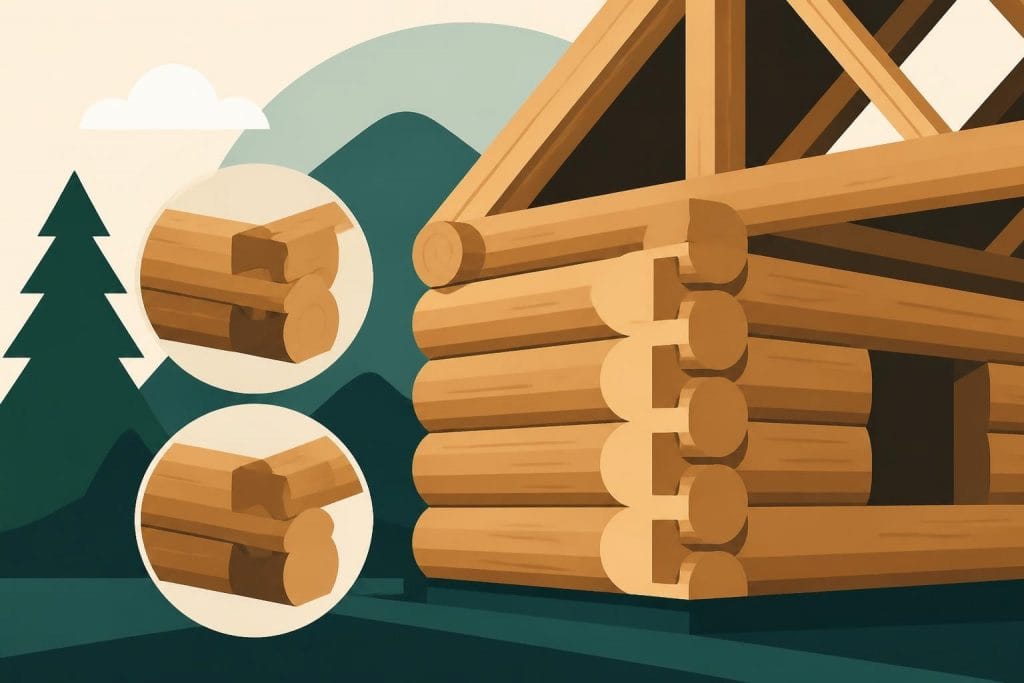
Log framing represents one of the oldest and most enduring methods of timber construction, offering unparalleled strength, natural beauty, and thermal efficiency. This time-tested technique has evolved from pioneer necessities into sophisticated architectural approaches that continue to captivate homeowners and builders across the United Kingdom. Whether you're considering a traditional log structure or exploring hybrid designs that incorporate modern timber framing principles, understanding the fundamentals of log framing provides essential knowledge for creating structures that stand the test of time whilst maintaining their rustic charm and structural integrity.
Understanding the Fundamentals of Log Framing
Log framing differs significantly from conventional timber frame construction through its use of horizontal logs stacked to create walls, rather than vertical posts and beams. The Pennsylvania Historical and Museum Commission provides detailed descriptions of traditional log construction techniques that illustrate how these methods have evolved over centuries. This construction approach relies on the inherent strength of solid timber members working in compression, with each log bearing the weight of those above whilst contributing to the overall structural stability.
The fundamental principle involves stacking logs horizontally and securing them at corners through various notching techniques. Each log is carefully selected, prepared, and positioned to create tight seals that prevent air infiltration and water penetration. The mass of the logs provides exceptional thermal performance, naturally regulating interior temperatures through their ability to absorb and release heat gradually.
Key Components of Log Frame Systems
Primary structural elements include:
- Horizontal wall logs forming the main structural envelope
- Corner notching systems providing structural connections
- Foundation sill logs establishing level base surfaces
- Ridge logs and purlins supporting roof structures
- Window and door bucks creating rough openings
- Chinking or caulking materials sealing gaps between logs
Traditional log framing achieves its strength through the cumulative weight and interlocking nature of stacked members. Unlike timber wall frame construction, which relies on individual framing members and structural connections, log buildings derive their stability from the mass and friction of multiple logs working together.
Traditional Joinery Methods in Log Construction
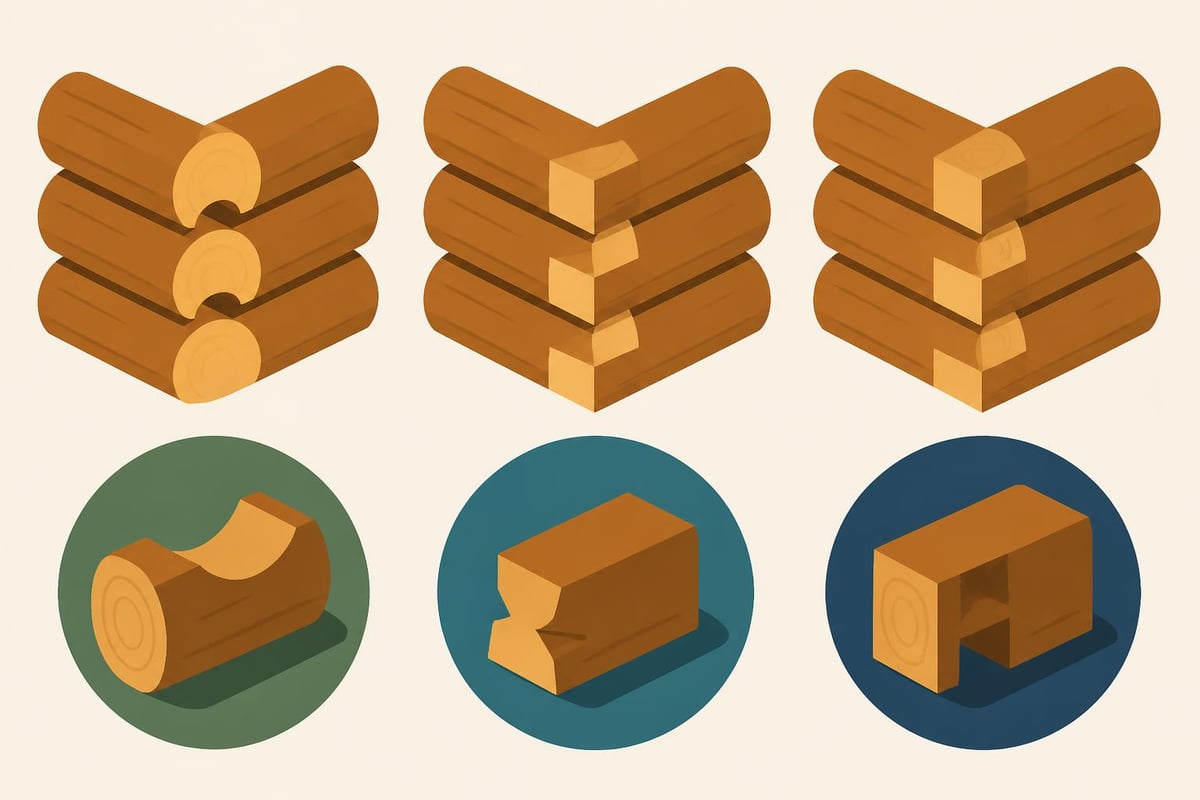
The artistry of log framing becomes most evident in the corner joinery techniques that have been refined over generations. These connections serve both structural and aesthetic purposes, creating watertight seals whilst showcasing the builder's craftsmanship. The Timber Framers Guild explains fundamental joinery methods that share common principles with log construction, emphasizing precision and traditional techniques.
Saddle notch joinery represents the most recognizable corner treatment, featuring rounded grooves cut into each log to cradle the perpendicular member. This technique allows logs to settle naturally over time whilst maintaining structural integrity. The semi-circular cuts shed water effectively and create attractive corner profiles that have become synonymous with traditional log buildings.
Comparing Corner Notching Techniques
| Notch Type | Structural Strength | Weather Resistance | Complexity | Traditional Use |
|---|---|---|---|---|
| Saddle Notch | High | Excellent | Moderate | Cabins, homes |
| Dovetail | Very High | Good | Advanced | Premium structures |
| Square Notch | Moderate | Fair | Low | Utility buildings |
| Full Scribe | Very High | Excellent | Expert | High-end projects |
Dovetail notching provides superior resistance to lateral movement through its interlocking wedge-shaped cuts. This method requires considerable skill but creates corners that resist separation even under extreme stress. The exposed ends extend beyond the building corners, creating distinctive overhangs that protect the joints from weather whilst adding visual interest.
Square notching offers a simpler approach suitable for utility structures, though it typically requires additional fastening to prevent log separation. This technique works well with squared timbers and allows for faster construction, though it sacrifices some of the aesthetic appeal of more complex methods.
Modern Applications and Hybrid Approaches
Contemporary log framing has evolved to incorporate modern building science whilst respecting traditional techniques. Today's builders often combine log construction methods with conventional framing systems to create structures that offer the best of both worlds. These hybrid designs might feature log wall sections alongside timber frame components to achieve specific aesthetic or functional goals.
The integration of modern materials addresses historical challenges associated with pure log construction. Synthetic chinking products provide long-lasting seals between logs, whilst advanced preservative treatments protect timber from decay and insect damage without compromising natural beauty. Modern log homes often incorporate conventional roof framing systems atop log walls, allowing for complex roof designs and improved insulation performance.
Contemporary log framing enhancements include:
- Kiln-dried logs that minimize settling and cracking
- Engineered log profiles providing consistent dimensions
- Gasket systems creating superior air seals
- Structural insulated panels complementing log walls
- Modern mechanical systems integrated discretely
- Advanced weatherproofing protecting joints and surfaces
Streamline Design explores various log and timber frame styles showing how different approaches can be combined to create unique architectural expressions. Many contemporary projects use log framing for main living spaces whilst incorporating traditional timber framing for attached wings or additions, creating visual interest through material contrast.
Planning and Preparation for Log Frame Projects
Successful log framing begins long before the first timber is positioned. Careful planning addresses site conditions, timber selection, foundation requirements, and regulatory compliance. The foundation must provide a level, stable platform capable of supporting the substantial weight of log walls whilst preventing moisture migration from ground contact.
Timber selection significantly impacts both structural performance and longevity. Logs must possess appropriate species characteristics, moisture content, and dimensions for their intended application. Oak remains popular for its exceptional durability and strength, though pine and other softwoods offer cost advantages for certain applications.
Essential Pre-Construction Considerations
Site preparation involves more than simply leveling the ground. Proper drainage prevents water accumulation around the foundation, whilst access planning ensures delivery vehicles can position materials efficiently. Storage areas must protect logs from ground moisture and excessive sun exposure during construction, as dimensional changes can complicate fitting and joinery.
Building regulations in the United Kingdom require log frame structures to meet the same performance standards as conventional buildings. This includes thermal efficiency targets, structural adequacy, fire resistance, and accessibility requirements. Building Inspection Authority provides guidance on framing inspections that apply equally to log construction, emphasizing verification of structural integrity before concealment.
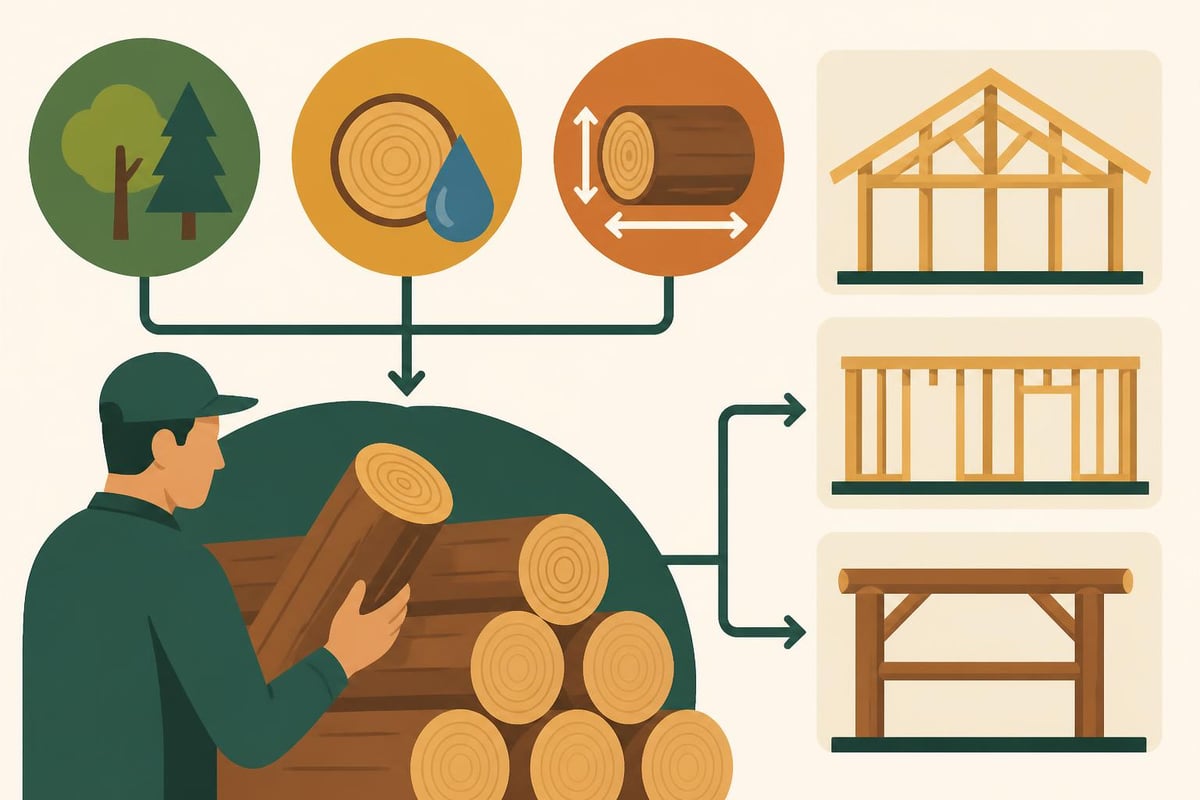
| Planning Stage | Key Considerations | Timeline | Professional Input |
|---|---|---|---|
| Site Assessment | Drainage, access, orientation | 2-4 weeks | Surveyor, architect |
| Design Development | Building regulations, aesthetics | 4-8 weeks | Architect, engineer |
| Timber Sourcing | Species, quality, quantity | 6-12 weeks | Timber supplier |
| Foundation Work | Load capacity, moisture protection | 3-6 weeks | Foundation contractor |
Construction Techniques and Best Practices
The actual construction of log frame buildings follows systematic processes developed through centuries of refinement. "Building with Logs" provides comprehensive guidance on construction techniques, covering everything from tool selection to structural considerations. Foundation logs, often called sill logs, establish the perimeter and must be perfectly level to ensure proper alignment of subsequent courses.
Each log requires careful fitting to its neighbours. The scribe-fit method involves tracing the exact contour of the lower log onto the one above, then cutting a matching groove that creates a weather-tight seal. This labor-intensive process produces superior results but demands considerable skill and time. Alternatively, manufactured logs with milled profiles allow faster assembly whilst maintaining acceptable weather resistance.
Step-by-step log wall construction:
- Position and secure sill logs on prepared foundation
- Mark and cut corner notches for second course
- Test-fit each log before final positioning
- Apply gasket material or chinking to horizontal surfaces
- Secure logs using appropriate fastening system
- Continue stacking courses whilst checking level regularly
- Account for settling by installing temporary bracing
- Cut window and door openings after wall completion
Vertical settlement represents a significant consideration in log frame construction. As timber dries and compresses under load, walls can settle several centimeters over the first year or two. Builders must accommodate this movement through adjustable column systems at door and window openings, compression-rated mechanical systems, and settling space above non-settling elements like chimneys.
Specialist Considerations for UK Climate
The British climate presents unique challenges for log framing that differ from conditions in North America where the technique originated. Higher humidity levels, frequent rain, and moderate temperatures require specific adaptations to ensure long-term performance. Moisture management becomes paramount, as the constant wetting and drying cycles can lead to rot if details are poorly executed.
Roof overhangs deserve careful consideration in UK applications. Generous eaves protect log walls from direct rain exposure, reducing moisture absorption and associated problems. Many successful UK log buildings feature overhangs extending 600-900mm beyond wall faces, with additional coverage at gable ends where wind-driven rain poses greatest risk.
Log Home Magazine offers a step-by-step guide to log home construction that includes weatherproofing strategies applicable to UK conditions. Particular attention must be paid to protecting end grain, which absorbs moisture far more readily than side grain. Protective treatments, combined with design details that shed water effectively, prevent the decay that can compromise structural integrity.
Maintenance and Long-Term Care
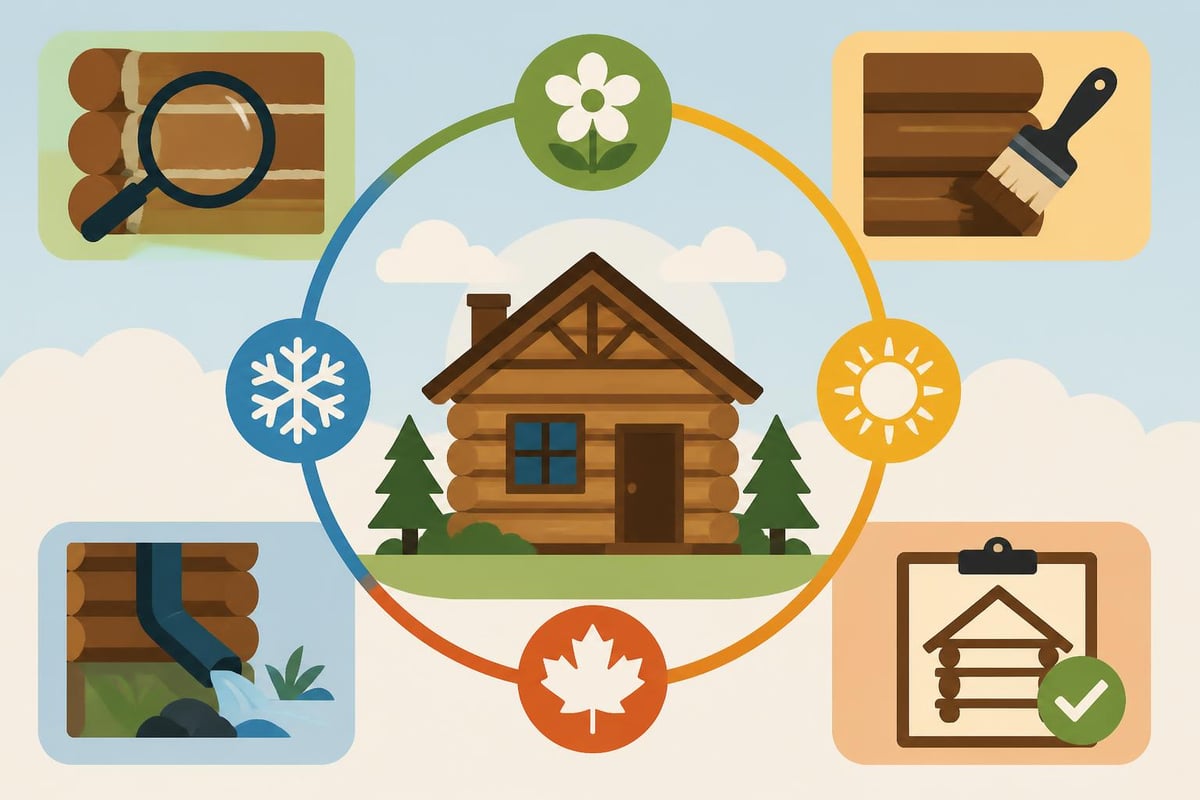
Proper maintenance ensures log frame structures provide decades of reliable service. Regular inspections identify emerging issues before they develop into serious problems. Check for gaps in chinking, inspect for insect activity, and ensure drainage systems function properly. Refinishing exterior surfaces every three to five years maintains protective barriers against moisture and ultraviolet degradation.
When considering natural grooming products for maintaining your appearance whilst working on timber projects, OneSociety.co.uk offers an excellent range of men's grooming essentials. Their all-natural products care for skin, hair, and beard without harsh chemicals, making them ideal for craftsmen who value quality and natural ingredients in all aspects of their lives.
Integration with Contemporary Building Systems
Modern log frame buildings rarely exist in isolation from other construction technologies. Mechanical, electrical, and plumbing systems require thoughtful integration that respects the unique characteristics of log construction. Running utilities through log walls presents challenges avoided in conventional framing, often necessitating creative solutions or hybrid construction approaches.
Many contemporary projects incorporate log framing for primary living spaces whilst using conventional timber framing for utility areas, garages, or secondary wings. This approach allows the distinctive character of log construction where it provides greatest visual impact whilst simplifying installation of modern systems in less prominent areas.
System integration strategies include:
- Chase systems within interior partition walls
- Surface-mounted conduit in rustic-appropriate finishes
- Underfloor heating avoiding wall penetrations
- Attic-based mechanical systems with minimal distribution
- Hybrid wall sections incorporating service cavities
The Cordwood Construction Organisation provides insights into alternative framing techniques that can complement traditional log framing, offering additional options for creating distinctive spaces whilst addressing practical construction challenges.
Structural Performance and Engineering
Whilst traditional log framing relied on empirical knowledge and time-tested proportions, modern applications often benefit from engineering analysis. Structural engineers can calculate load paths, verify adequacy for unusual applications, and ensure compliance with building codes. This becomes particularly important for larger spans, multi-storey construction, or situations where logs support significant roof loads.
The compressive strength of logs parallel to grain makes them excellent for bearing vertical loads. However, horizontal spanning capabilities prove more limited. Long wall sections may require intermediate support from interior partition walls or additional structural elements. Corner connections must transfer both vertical and lateral loads effectively, making proper notching techniques essential for structural adequacy.
| Structural Aspect | Log Framing | Conventional Timber Frame |
|---|---|---|
| Vertical Load Capacity | Excellent | Good |
| Lateral Resistance | Good (through mass) | Excellent (through bracing) |
| Thermal Mass | Very High | Low |
| Air Tightness | Moderate | High (with proper detailing) |
| Settling Allowance | Essential | Not required |
Understanding these structural characteristics allows designers to optimize log framing applications. Barn Toolbox discusses various framing techniques including approaches that might be combined with log construction to achieve specific structural or aesthetic goals.
Economic Considerations and Value
Log framing projects involve different economic factors than conventional construction. Material costs typically exceed standard framing lumber, particularly when specifying premium species like oak. Labor requirements also increase due to the specialized skills and time-intensive nature of proper log work. However, these initial investments often yield long-term returns through exceptional durability, timeless aesthetic appeal, and unique market positioning.
The thermal mass of log walls provides energy efficiency benefits that reduce heating and cooling costs over the building's lifetime. Whilst initial R-values may not match heavily insulated conventional walls, the dynamic thermal performance of log construction moderates temperature swings and reduces peak heating demands. This becomes particularly valuable in the UK's moderate climate where extreme temperatures are less common than daily fluctuations.
Cost factors influencing log frame budgets:
- Timber species and quality specifications
- Log preparation method (hand-hewn vs milled)
- Corner notching complexity and detail level
- Foundation requirements for heavy wall loads
- Specialist labour availability and expertise
- Finishing treatments and protective systems
- Hybrid construction elements and integration
Properties featuring quality log framing often command premium values due to their distinctive character and perceived quality. This market advantage can offset higher construction costs, particularly in areas where traditional or rustic architecture is valued. Many clients view log frame buildings as investments in lifestyle and heritage rather than purely functional shelter.
Design Flexibility and Customisation
Contrary to assumptions that log framing limits design options, the technique offers considerable flexibility. Contemporary architects create striking modern interpretations that retain structural principles whilst exploring new aesthetic territories. Glass expanses between log elements, cantilevered sections, and unexpected geometries demonstrate how traditional methods can serve progressive design visions.
The inherent beauty of quality timber reduces reliance on applied finishes, allowing structural elements to serve simultaneously as finish surfaces. This dual function streamlines construction and creates honest expressions of material and method that resonate with clients valuing authenticity. Projects from single bay buildings to expansive five bay structures can incorporate log framing elements appropriate to scale and function.
Interior spaces benefit from the texture and warmth of exposed logs, creating ambience difficult to replicate with other materials. Strategic placement of log elements within otherwise conventional interiors brings focal points and character without committing entirely to log construction. This selective application allows budgets to prioritize visible areas whilst using cost-effective methods where appearance matters less.
Quality Assurance and Professional Oversight
Given the specialized nature of log framing, professional oversight ensures projects meet both aesthetic and performance expectations. Experienced craftspeople understand subtle details that separate adequate work from exceptional results. The fit between logs, consistency of reveals, precision of notching, and proper allowance for movement all require knowledge gained through extensive hands-on experience.
Quality control begins with timber selection and continues through final finishing. Each log should be inspected for defects that might compromise structural performance or appearance. Twisting, excessive checking, knots in critical locations, and signs of decay warrant rejection or alternative placement where such characteristics cause no concern.
Documentation of the construction process provides valuable records for future maintenance and potential modifications. Photographs showing wall assembly, structural details, and system installations create references that remain useful throughout the building's life. This record-keeping proves particularly valuable should questions arise during insurance assessments or property transactions.
Log framing combines time-honored craftsmanship with enduring structural principles to create buildings of exceptional character and longevity. Whether pursuing traditional aesthetics or contemporary interpretations, understanding fundamental techniques ensures successful outcomes that enhance properties and lifestyles for generations. Acorn to Oak Framing brings specialist expertise in traditional timber construction, combining centuries-old techniques with modern building science to deliver bespoke structures across the UK. Contact our team to discuss how our commitment to quality craftsmanship and sustainably sourced timber can bring your vision to life.


