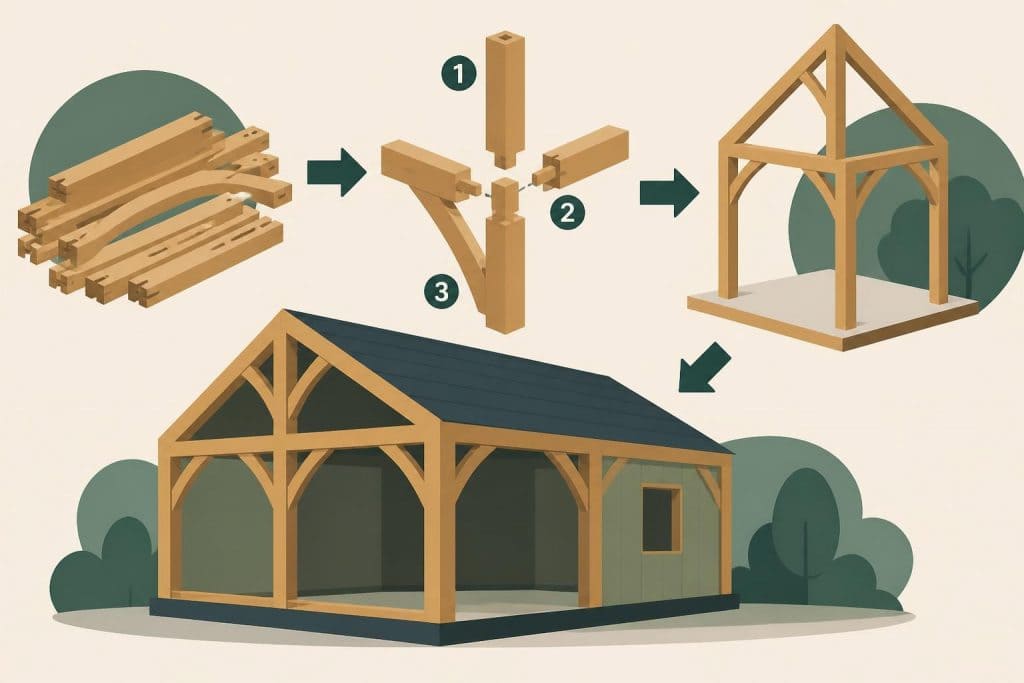
Kit barns represent an increasingly popular solution for property owners seeking versatile, cost-effective structures without compromising on quality or aesthetic appeal. These pre-fabricated timber frame buildings arrive with all necessary components cut, numbered, and ready for assembly, transforming what was once an exclusively bespoke process into an accessible option for homeowners, farmers, and businesses across the United Kingdom. Whether you're considering additional storage, workshop space, equestrian facilities, or even a residential conversion, understanding the intricacies of kit barns will help you make informed decisions about your next building project.
Understanding Kit Barns and Their Components
Kit barns are pre-engineered timber frame structures delivered as complete packages containing all essential building materials. Unlike traditional construction methods requiring on-site cutting and fitting, these systems arrive with precisely machined components manufactured in controlled workshop environments.
The typical kit includes:
- Pre-cut timber frames (posts, beams, braces, and rafters)
- Fixings, brackets, and connectors
- Roofing materials and cladding options
- Doors and window frames
- Detailed assembly instructions and diagrams
- Foundation specifications
Manufacturing Precision and Quality Control
Modern kit barns benefit from computer-aided design and CNC machinery, ensuring each timber component meets exact specifications. This precision manufacturing eliminates the waste and measurement errors common in traditional on-site construction. The controlled environment also allows for proper timber treatment and finishing before delivery.
Quality timber framing companies select sustainably sourced materials, with oak remaining the premium choice for its durability, strength, and timeless aesthetic appeal. The timber wall frame construction techniques employed in these systems have evolved from centuries-old craftsmanship traditions whilst incorporating modern engineering principles.
Types of Kit Barns Available
The market offers diverse kit barn options catering to different requirements, budgets, and aesthetic preferences. Understanding these variations helps narrow your selection process.
Traditional Oak Frame Kits
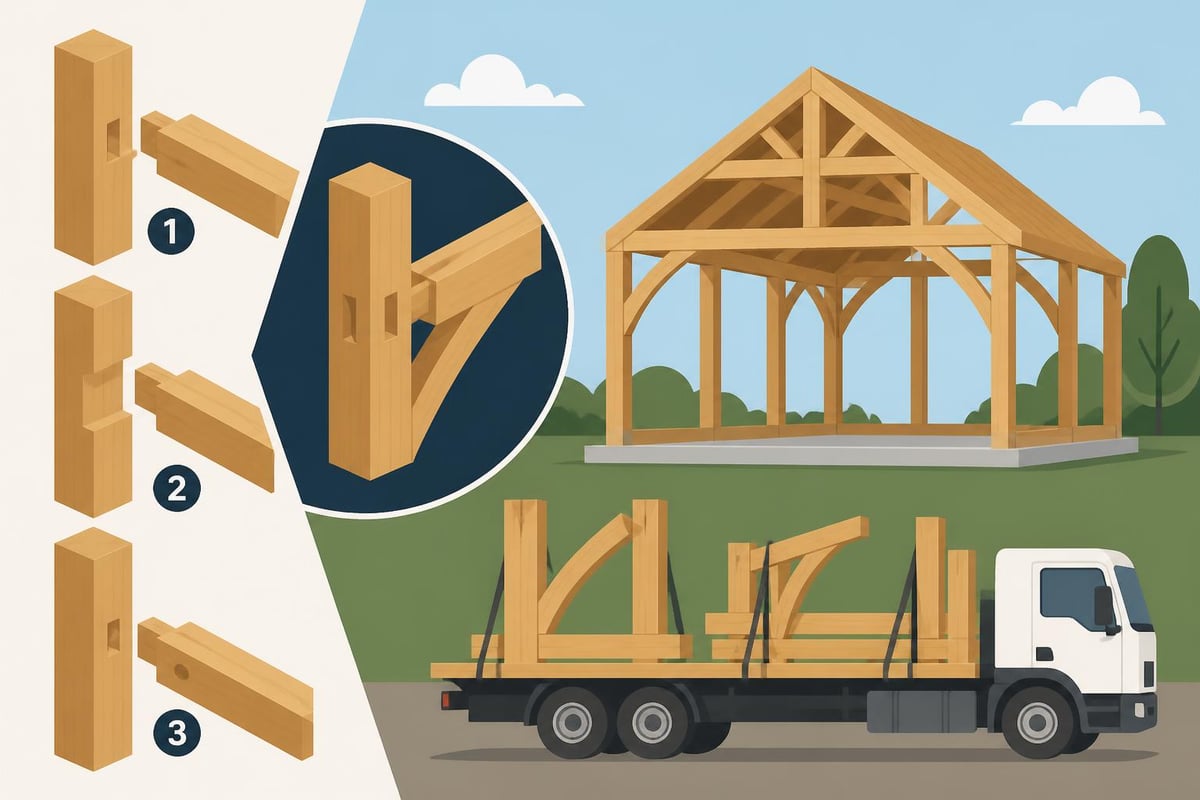
Traditional oak frame kit barns represent the pinnacle of timber construction. These structures feature exposed oak timbers, mortise and tenon joinery, and wooden pegs, creating buildings with exceptional character and longevity. Whilst representing a higher initial investment, oak frames appreciate in value and require minimal maintenance over decades.
Post and Beam Systems
Post and beam construction uses larger timber sections spaced further apart than conventional framing. This approach creates open interior spaces without load-bearing walls, offering maximum flexibility for internal layout. The understanding of prefabricated barn kits reveals how these systems balance structural integrity with design freedom.
Modern Hybrid Designs
Contemporary kit barns often combine timber framing with modern materials. Steel brackets may reinforce joints, whilst insulated panels replace traditional cladding. These hybrid approaches can reduce costs whilst maintaining the timber frame aesthetic that many property owners desire.
| Barn Type | Typical Cost Range | Assembly Time | Lifespan |
|---|---|---|---|
| Traditional Oak Frame | £15,000 – £50,000+ | 2-4 weeks | 100+ years |
| Post and Beam | £8,000 – £30,000 | 1-3 weeks | 50-75 years |
| Modern Hybrid | £6,000 – £25,000 | 1-2 weeks | 40-60 years |
Advantages of Choosing Kit Barns
Kit barns offer numerous benefits that have contributed to their growing popularity across rural and suburban properties throughout the United Kingdom.
Cost Predictability and Control
Pre-fabricated systems provide accurate cost estimates from the outset. You receive a comprehensive package with transparent pricing, minimising the unexpected expenses that often plague traditional construction projects. The comparison between barndominium kits and custom builds demonstrates significant cost advantages for kit systems.
Reduced Construction Timeline
Manufacturing components off-site whilst site preparation occurs simultaneously dramatically reduces overall project duration. Once foundations are ready, experienced teams can erect basic frames within days rather than weeks.
- Foundation work: 1-2 weeks
- Frame assembly: 3-7 days
- Roofing and cladding: 1-2 weeks
- Finishing work: 2-4 weeks
Quality Assurance
Workshop manufacturing ensures consistent quality standards. Each component undergoes inspection before dispatch, reducing defects and ensuring proper fit during assembly. This controlled production environment protects timber from weather exposure during critical cutting and finishing stages.
Design Flexibility
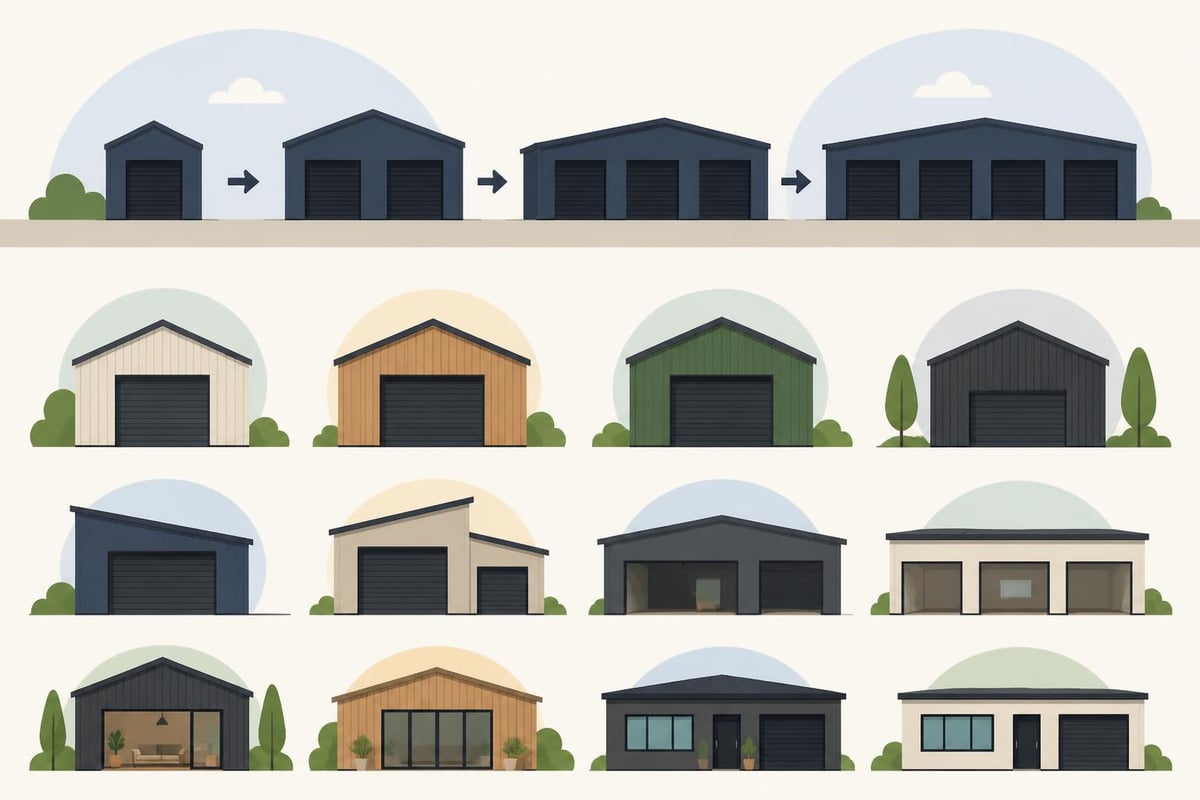
Modern kit barns accommodate various architectural styles, from traditional agricultural aesthetics to contemporary residential designs. Many suppliers offer customisation options for dimensions, door positions, window placements, and internal configurations.
Environmental Considerations
Timber construction inherently offers environmental advantages. Wood acts as a carbon store, and responsibly sourced timber from managed forests represents a renewable building material. The precision manufacturing of kit barns reduces waste, with offcuts often recycled or repurposed rather than discarded on building sites.
Potential Challenges and Considerations
Whilst kit barns present numerous advantages, prospective buyers should understand potential limitations and challenges before committing to purchase.
Assembly Expertise Requirements
Although marketed as accessible for DIY enthusiasts, successfully assembling kit barns requires considerable construction knowledge and physical capability. The practicalities of shed kit assembly apply equally to larger barn structures. Most property owners benefit from hiring experienced contractors familiar with timber frame construction.
Skills needed include:
- Reading technical drawings
- Operating appropriate tools safely
- Understanding structural principles
- Working at height
- Managing weatherproofing details
Planning Permission and Building Regulations
Kit barns must comply with UK planning regulations and building control requirements. Larger structures typically require planning permission, whilst all habitable buildings must meet current building regulations standards for thermal performance, structural integrity, and fire safety.
The planning process can extend project timelines by several months. Early consultation with local planning authorities prevents costly design modifications after purchase.
Foundation Requirements
Proper foundations remain critical for kit barn longevity. The foundation design must account for soil conditions, building size, intended use, and local climate factors. Under-engineered foundations lead to settlement, structural movement, and premature deterioration.
| Foundation Type | Suitable For | Typical Cost | Preparation Time |
|---|---|---|---|
| Concrete Slab | All barn types | £3,000-£8,000 | 1-2 weeks |
| Pier and Beam | Lighter structures | £2,000-£5,000 | 1 week |
| Strip Footings | Heavy oak frames | £4,000-£10,000 | 2 weeks |
Customisation Limitations
Standard kit barns offer predetermined dimensions and configurations. Whilst some modifications are possible, extensive customisation often negates the cost and time advantages of kit systems. The advantages and disadvantages of kit sheds highlight how standardisation drives efficiency but restricts bespoke solutions.
Selecting the Right Kit Barn for Your Needs
Successful kit barn projects begin with thorough assessment of requirements, site conditions, and long-term objectives.
Defining Your Purpose
Clear understanding of intended use shapes every subsequent decision. Storage barns require different specifications than workshops, whilst equestrian facilities demand specific ventilation and access arrangements. Converting kit barns for residential use involves additional insulation, services, and regulatory compliance.
Common applications include:
- Agricultural storage and machinery housing
- Workshop and craft spaces
- Vehicle garages and maintenance facilities
- Equestrian stables and tack rooms
- Garden rooms and entertainment spaces
- Home office and studio conversions
Site Assessment and Preparation
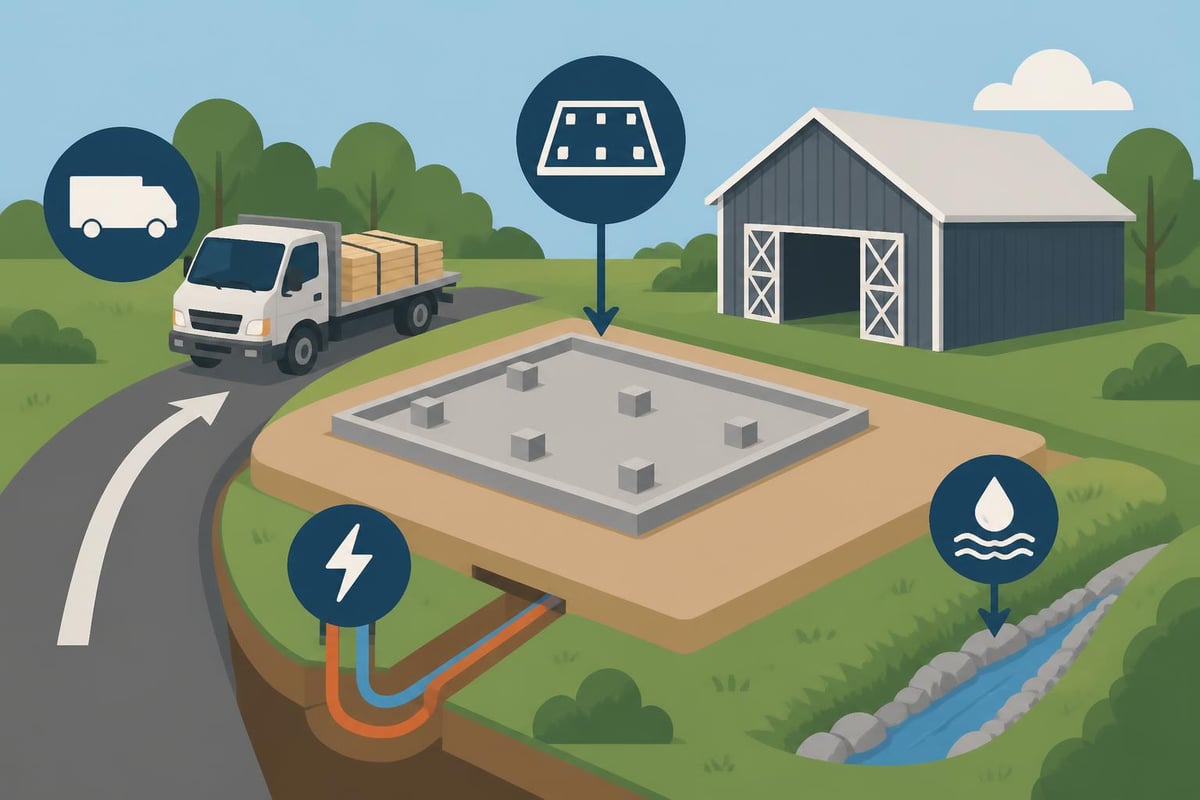
Comprehensive site evaluation identifies potential challenges before purchase. Consider ground conditions, access for delivery vehicles, drainage requirements, proximity to boundaries, and overhead obstructions. Professional site surveys prevent expensive surprises during construction.
Access logistics deserve particular attention. Large timber components and delivery lorries require adequate manoeuvring space and firm ground conditions. Restricted access sites may necessitate smaller deliveries or alternative construction methods.
Supplier Selection and Due Diligence
Choosing reputable suppliers significantly influences project outcomes. Established timber framing companies provide superior materials, comprehensive support, and reliable warranties. Research potential suppliers thoroughly, examining previous projects, customer testimonials, and technical expertise.
Questions to ask suppliers:
- What timber species and grades are used?
- Are materials sustainably sourced with certification?
- What warranty coverage is provided?
- Do you offer assembly services or recommendations?
- How are components protected during transit?
- What technical support is available during assembly?
Assembly Process and Project Management
Successful kit barn assembly requires careful planning, appropriate resources, and realistic timelines. Understanding the construction sequence helps coordinate trades, materials, and inspections efficiently.
Pre-Assembly Preparation
Before components arrive, complete all foundation work and verify measurements match kit specifications exactly. Prepare level working areas for sorting and staging materials. Ensure tools, equipment, and safety gear are readily available.
Essential equipment includes:
- Scaffolding or elevated work platforms
- Power tools (drills, saws, nail guns)
- Lifting equipment or additional labour
- Weatherproof covering materials
- Measuring and levelling instruments
The Construction Sequence
Most kit barns follow a logical assembly progression. Frame erection typically begins with corner posts, progressing to intermediate supports, then beam installation, bracing, and finally roof structure. The numbered component system simplifies this process when followed methodically.
Professional installation teams often complete basic frame erection within days. However, DIY assemblers should allocate considerably more time, particularly for first-time projects. Weather conditions significantly impact outdoor construction, so plan for delays and protect partially completed structures from moisture.
The expertise developed through projects like garden room timber frame construction translates effectively to larger barn structures, though scale introduces additional complexity.
Roofing and Weatherproofing
Achieving weather-tight enclosure protects the timber frame and allows interior finishing to proceed regardless of external conditions. Proper installation of roofing membranes, flashings, and cladding prevents moisture ingress that threatens timber integrity.
Traditional oak frames often feature breathable construction methods allowing natural moisture regulation. Modern insulated systems require careful vapour control to prevent condensation within wall and roof assemblies.
Maintenance and Long-Term Performance
Kit barns constructed with quality materials and proper installation provide decades of reliable service with appropriate maintenance.
Regular Inspection Schedules
Annual inspections identify minor issues before they develop into costly repairs. Check timber for signs of moisture damage, insect activity, or structural movement. Examine roofing materials, flashings, and cladding for deterioration or displacement.
Key inspection points:
- Timber joint integrity and fastener condition
- Foundation settlement or movement
- Roof covering and guttering performance
- Door and window operation
- Ventilation adequacy
- Pest evidence or damage
Timber Treatment and Protection
Oak naturally resists decay through its tannin content, often requiring no additional treatment when properly detailed. Softwood components benefit from preservative treatments, with regular reapplication maintaining protection levels.
External cladding requires periodic maintenance. Traditional weatherboarding may need repainting or retreating every 5-10 years depending on exposure and finish type. Modern cladding systems often require less frequent attention but benefit from occasional cleaning.
Structural Adjustments
Timber frames naturally settle and adjust during initial years as materials acclimatise to local conditions. Minor seasonal movement remains normal, but significant shifting indicates foundation or structural issues requiring professional assessment.
Maintaining proper drainage around the structure prevents moisture accumulation at timber bases. Ensure gutters function correctly and ground slopes away from the building perimeter.
Customisation and Enhancement Options
Whilst kit barns arrive as standardised packages, numerous enhancement opportunities personalise structures to specific requirements.
Interior Configurations
The open-plan nature of post and beam construction allows flexible internal arrangements. Partition walls, mezzanine floors, and service installations adapt spaces for evolving needs. Insulated wall and ceiling systems transform agricultural buildings into comfortable year-round accommodation.
Architectural Details
Character-defining features enhance visual appeal and functionality. Exposed timber trusses, decorative bracing patterns, traditional doors and windows, and sympathetic cladding choices create distinctive buildings complementing surrounding architecture.
Many property owners appreciate the aesthetic possibilities offered by oak framing structures, where exposed timber becomes a defining design element rather than merely structural necessity.
Service Integration
Modern kit barns readily accommodate electrical systems, plumbing, heating, and data connections. Planning service routes during design prevents disruptive retrofitting. Underfloor heating works particularly well with concrete slab foundations, whilst wall cavities conceal wiring and pipework.
Self-Care and Property Development
Taking on significant property projects like kit barn construction demands considerable time, energy, and focus. During such intensive endeavours, maintaining personal wellbeing often becomes neglected yet remains essential for sustained productivity and decision-making quality. Onesociety.co.uk offers a comprehensive range of men's grooming products formulated with natural ingredients to support skin, hair, and beard health during demanding project schedules. Their products provide straightforward solutions for maintaining appearance and confidence whilst managing the physical and mental challenges of property development work.
Cost Analysis and Budget Planning
Comprehensive budget planning prevents financial strain and project delays. Kit barn costs extend beyond the initial package price to encompass numerous associated expenses.
Initial Purchase Costs
Basic kit prices vary enormously based on size, materials, and specification level. Entry-level softwood kits for simple storage applications start around £5,000, whilst premium oak frame structures for residential conversion exceed £50,000. The detailed comparison of barn package options illustrates the pricing spectrum across different quality levels.
Additional Project Expenses
The kit represents only one component of total project costs. Realistic budgeting accounts for:
- Site preparation and foundation work: 20-30% of kit cost
- Delivery and crane hire: £500-£2,000
- Professional assembly labour: £2,000-£10,000
- Roofing and cladding materials: 15-25% of kit cost
- Windows, doors, and hardware: £1,000-£5,000
- Services installation: £3,000-£15,000
- Interior finishing: Variable based on use
- Planning and building control fees: £500-£2,000
Long-Term Value Considerations
Quality kit barns represent capital improvements that enhance property values. Well-designed structures in appropriate locations often return significant portions of their cost upon property sale. Functional buildings providing income opportunities (workshops, holiday lets, offices) generate returns throughout their lifespan.
The range of timber frame building options demonstrates how different scales and specifications align with varied budgets whilst maintaining construction quality standards.
Making the Final Decision
Choosing kit barns over alternative construction methods or bespoke builds requires weighing multiple factors against personal circumstances and priorities.
When Kit Barns Excel
Kit systems offer optimal solutions when projects prioritise cost control, construction speed, and proven designs. Straightforward applications like storage, workshops, and garages particularly suit standardised approaches. Property owners comfortable with defined specifications rather than completely custom solutions find excellent value in quality kit systems.
When Bespoke Builds Prove Superior
Unique sites, specific architectural requirements, or integration with existing buildings often necessitate fully bespoke approaches. Complex residential conversions, heritage property additions, or highly specialised facilities may exceed kit barn capabilities. The flexibility offered by custom timber frame designs addresses situations where standardised systems prove inadequate.
Hybrid Approaches
Some projects benefit from combining elements. A standard kit barn frame might receive bespoke cladding, custom joinery, or architectural modifications creating personalised results whilst retaining core system advantages. Experienced timber framing companies navigate these hybrid approaches, maximising both efficiency and individuality.
Kit barns present compelling solutions for property owners seeking versatile timber frame structures combining quality construction with predictable costs and timelines. Understanding their advantages, limitations, and implementation requirements ensures realistic expectations and successful outcomes. For those seeking exceptional timber frame buildings that blend traditional craftsmanship with modern precision, Acorn to Oak Framing delivers bespoke solutions tailored to your specific requirements, combining the efficiency of carefully engineered systems with the character and quality that only sustainably sourced oak timber provides.


