
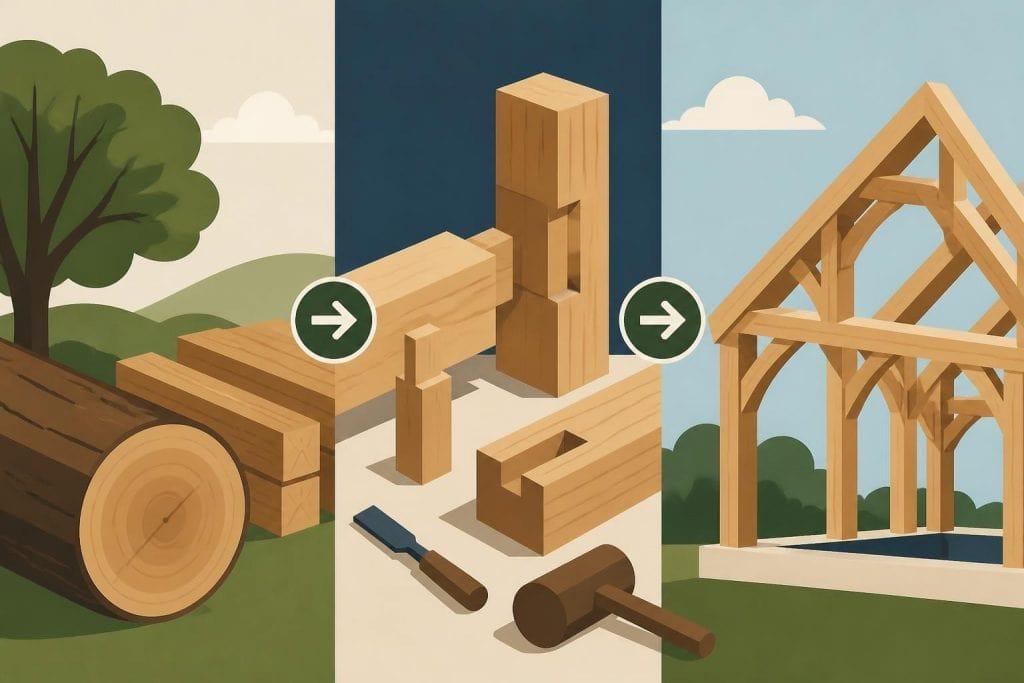
The perception that timber frame construction is complex and challenging has evolved significantly over recent years. With advancements in manufacturing techniques, improved material availability, and refined construction methodologies, working with easy timber solutions has become increasingly accessible to homeowners, self-builders, and commercial developers. Understanding how to navigate timber framing projects efficiently whilst maintaining exceptional quality standards transforms what might seem daunting into a straightforward, rewarding construction experience.
Understanding What Makes Timber Easy to Work With
The concept of easy timber extends beyond merely selecting simple materials. It encompasses choosing timber species, grades, and preparations that streamline the construction process whilst delivering structural integrity and aesthetic appeal.
Oak timber, particularly when properly seasoned and prepared, offers remarkable workability despite its density and strength. The natural characteristics of oak provide inherent resistance to decay, eliminating the need for extensive chemical treatments that complicate handling and installation. Sustainably sourced oak from reputable suppliers ensures consistency in grain patterns, moisture content, and dimensional stability.
Modern sawmilling techniques produce timber with precise dimensions, reducing the time-consuming adjustments traditionally required on-site. When timber arrives pre-cut and prepared, assembly becomes significantly more straightforward, allowing builders to focus on joinery quality rather than material preparation.
Key Characteristics of Easy Timber Materials
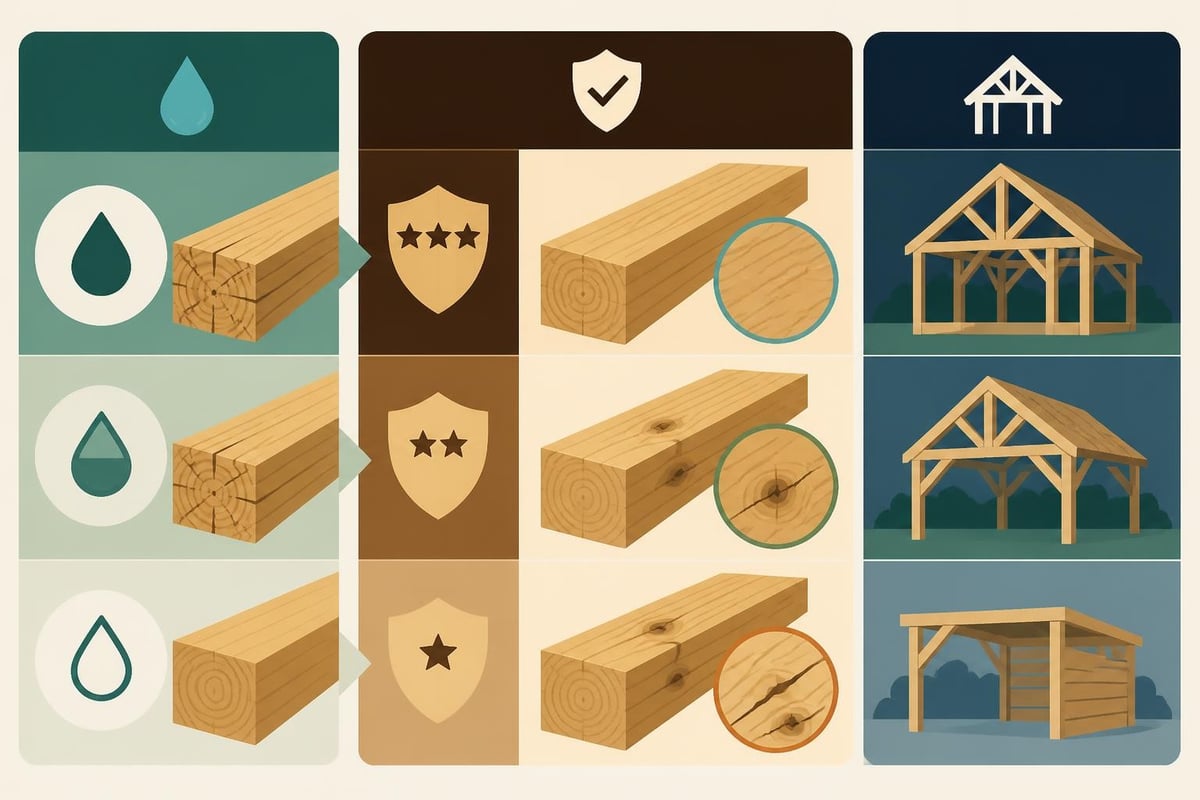
- Consistent moisture content between 12-18% for optimal workability
- Clear grading with minimal defects or knots in structural members
- Pre-planed surfaces requiring minimal additional finishing
- Accurate dimensional tolerances matching design specifications
- Properly stored timber maintaining shape and stability
The selection process for easy timber begins with understanding project requirements. Timber frame construction demands different material specifications depending on whether the structure serves residential, commercial, or agricultural purposes.
Simplifying Design for Straightforward Construction
Design complexity directly impacts construction difficulty. Projects incorporating easy timber principles adopt design strategies that balance architectural interest with buildability.
Modular approaches to timber framing create repetitive elements that builders can master quickly, reducing errors and accelerating construction timelines. When frames feature standardised bay sizes and consistent joinery patterns, craftsmen develop rhythm and efficiency in their work.
| Design Feature | Complexity Level | Time Saving | Skill Required |
|---|---|---|---|
| Standard bays | Low | 30-40% | Intermediate |
| Custom curves | High | -25% | Advanced |
| Repetitive joints | Low | 35-45% | Intermediate |
| Mixed species | Medium | -15% | Advanced |
| Prefabricated panels | Low | 40-50% | Basic |
Traditional joinery techniques, when applied to straightforward designs, provide both strength and beauty without requiring exotic methods. Mortise and tenon joints, properly executed on well-prepared timber, create lasting connections that develop strength as the oak seasons. The beauty of wooden frame construction lies in its honest expression of these time-tested techniques.
Contemporary timber frame projects increasingly incorporate hybrid approaches that combine traditional aesthetics with modern efficiency. Steel brackets and engineered fasteners, when appropriately specified, complement timber joinery without compromising visual integrity. These elements make easy timber construction accessible to builders with varying skill levels whilst maintaining structural performance standards.
Design Elements That Enhance Construction Efficiency
Planning thoroughly before timber arrives on-site prevents costly delays and modifications. Digital design tools now allow precise visualisation of frame assemblies, helping identify potential challenges before cutting begins.
Three-dimensional modelling software enables craftsmen to test joint configurations, verify timber quantities, and sequence assembly operations. When combined with traditional drawing skills, these technologies make complex frames more manageable and reduce material waste significantly.
Ground-level assembly of frame sections, where possible, improves safety and precision compared to working entirely at height. Pre-assembling wall panels, roof trusses, and floor systems allows quality control in controlled conditions before lifting into final positions.
Sourcing and Preparing Materials Efficiently
Locating reliable timber suppliers who understand easy timber principles dramatically influences project success. Established suppliers maintain relationships with sawmills producing consistent, quality materials suitable for structural applications.
The advantages of working with timber frame specialists include access to pre-selected timber stocks, technical advice on material specifications, and often preferential pricing through bulk purchasing arrangements. These partnerships eliminate much of the uncertainty surrounding material quality and availability.
Processing timber appropriately before construction begins prevents numerous on-site challenges. Kiln-dried oak, whilst more expensive than air-dried alternatives, offers predictable behaviour and immediate usability. Air-dried timber requires careful monitoring and additional seasoning time but provides cost savings for patient builders.
Storage conditions critically affect timber quality. Materials kept dry, elevated from ground contact, and protected from direct weather exposure maintain their easy-to-work characteristics. Poor storage introduces warping, splitting, and moisture-related issues that complicate construction significantly.
Material Preparation Checklist
- Verify moisture content using calibrated meters
- Inspect all pieces for defects, splits, or damage
- Organise timber by dimension and intended use
- Apply any protective treatments per manufacturer specifications
- Allow acclimatisation to site conditions for 48-72 hours
- Mark pieces according to cutting schedules and assembly sequences
Understanding timber framing fundamentals helps builders appreciate why material preparation matters. Properly prepared timber accepts joinery cuts cleanly, maintains dimensional accuracy during assembly, and develops the tight fits that characterise quality craftsmanship.
Streamlining the Construction Process
Efficient construction sequences transform easy timber from concept to reality. Experienced framers develop systematic approaches that minimise handling, reduce measurement errors, and maintain consistent quality throughout the build.
Foundation preparation directly impacts frame assembly ease. Level, square bases with accurately positioned anchor points allow frames to sit correctly from the first positioning. Time invested in foundation accuracy pays dividends throughout subsequent construction phases.
Modern lifting equipment, from telehandlers to mobile cranes, safely positions timber frames that would require large crews using traditional methods. Mechanical assistance doesn't diminish craftsmanship; rather, it allows skilled workers to focus on precision joinery and quality connections.
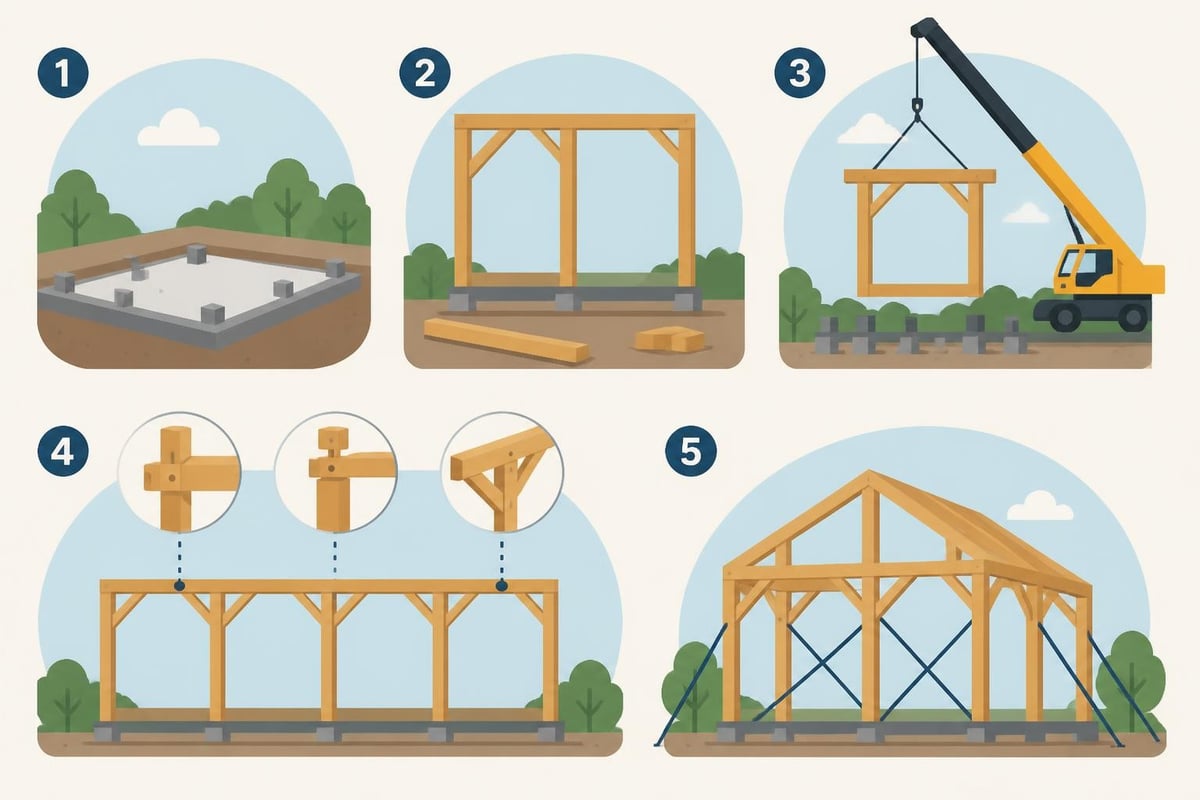
Assembly jigs and templates ensure consistent joinery across multiple identical components. These simple tools, often constructed from scrap materials, guide cutting operations and verify dimensions before final assembly. Timber frame home construction benefits immensely from such efficiency-enhancing devices.
Construction Phase Optimisation Strategies
Weather protection during construction preserves easy timber characteristics and prevents delays. Temporary coverings shield frames from excessive moisture whilst allowing adequate ventilation. Scheduling weather-sensitive operations during favourable conditions reduces risk and maintains momentum.
Tool selection influences both efficiency and finish quality. Sharp cutting tools produce clean surfaces requiring minimal sanding or planing. Proper saw blade selection, chisel maintenance, and drill bit organisation seem mundane but directly affect daily productivity and worker satisfaction.
Quality control checkpoints integrated throughout construction catch errors early when corrections remain straightforward. Regular measurements, alignment checks, and joint inspections prevent accumulating tolerances that compromise final assembly. Documentation through photographs creates valuable records for future reference and demonstrates professional standards to clients.
Material handling systems prevent damage and reduce physical strain. Timber storage racks, mobile trolleys, and organised work areas keep easy timber accessible and protected. Efficient site layout minimises unnecessary movement and creates logical workflow patterns.
Overcoming Common Challenges with Practical Solutions
Even with easy timber and careful planning, construction projects encounter obstacles. Recognising common challenges and having proven solutions ready maintains project momentum and quality standards.
Dimensional variations in timber, despite careful selection, occasionally occur. Traditional scribing techniques allow joints to accommodate minor discrepancies whilst maintaining structural integrity and visual appeal. Modern adjustable metal connectors provide additional flexibility for critical connections.
Weather-induced movement in timber frames during construction requires temporary bracing strategies. Diagonal braces stabilise bays until permanent structural elements provide rigidity. Understanding timber's response to environmental changes helps builders anticipate and manage movement effectively.
| Challenge | Cause | Solution | Prevention |
|---|---|---|---|
| Joint gaps | Timber shrinkage | Wedging, adjustment | Proper seasoning |
| Warping | Uneven moisture | Replacement, straightening | Quality storage |
| Splitting | Stress concentration | Pilot holes, slower fastening | Pre-drilling |
| Misalignment | Cumulative errors | Re-measurement, adjustment | Regular checking |
Access to experienced guidance proves invaluable when unexpected situations arise. Timber framing specialists often provide technical support, helping builders navigate challenges without compromising structural performance or aesthetic quality.
Labour availability affects project timelines significantly. Training less experienced workers in basic tasks under skilled supervision builds capability whilst maintaining productivity. Easy timber construction methods naturally lend themselves to mentorship and skill development.
Integrating Modern Technologies with Traditional Methods
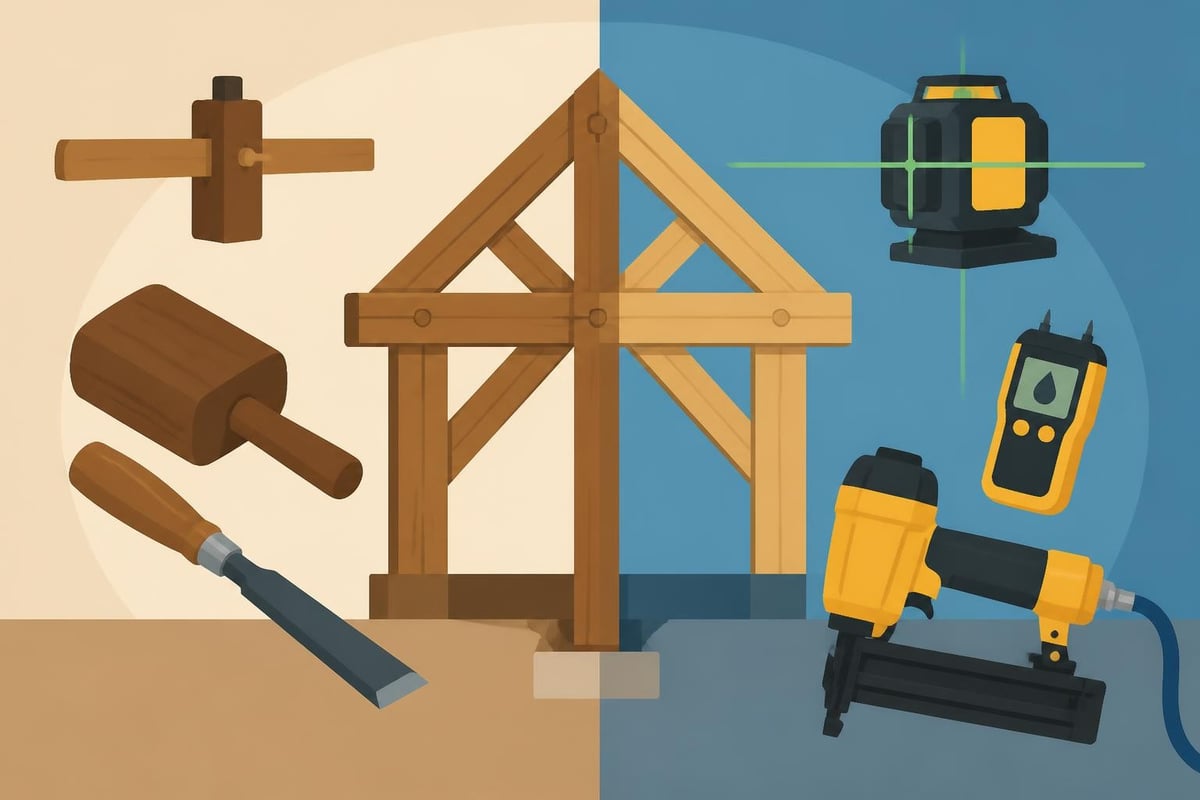
Contemporary timber framing increasingly embraces technological tools that complement rather than replace traditional craftsmanship. This integration creates easy timber solutions accessible to broader audiences whilst preserving the essential character of timber frame construction.
Computer-aided design systems allow precise timber cutting schedules that optimise material usage and reduce waste. Numerical control machinery produces complex joinery with consistency impossible to achieve manually, though skilled craftsmen remain essential for assembly, finishing, and quality oversight.
Digital moisture meters, thermal imaging cameras, and laser alignment tools provide objective data that supplements experienced judgement. These instruments help identify potential problems early and verify compliance with building regulations efficiently.
Communication technologies streamline coordination between designers, suppliers, craftsmen, and clients. Shared digital platforms displaying project progress, material tracking, and scheduling information reduce misunderstandings and keep stakeholders aligned throughout construction.
Balancing Efficiency with Craftsmanship Quality
Automation handles repetitive, precision-dependent tasks effectively, freeing skilled craftsmen to focus on aspects requiring judgement, experience, and artistry. This division of labour maximises both efficiency and quality outcomes in contemporary timber frame projects.
Training programmes incorporating both traditional skills and modern technologies prepare new generations of timber framers. Understanding why traditional methods work informs effective use of contemporary tools and prevents over-reliance on technology at the expense of fundamental knowledge.
Documentation standards have evolved with technology. High-quality photography, video documentation, and digital record-keeping create comprehensive project archives. These records support maintenance planning, future modifications, and demonstrate professional standards to regulatory authorities.
Maximising Long-Term Performance Through Proper Detailing
Easy timber construction extends beyond initial building phases to encompass long-term durability and minimal maintenance requirements. Thoughtful detailing during design and construction prevents future problems that compromise performance or require costly interventions.
Moisture management represents the single most critical factor in timber longevity. Proper flashing details, adequate overhangs, and strategic ventilation paths protect timber from sustained wetness that promotes decay. Ground clearance prevents splash-back and rising moisture affecting structural members.
Connection details require careful consideration of differential movement between timber and other materials. Sliding connections and flexible interfaces accommodate thermal expansion, moisture-induced dimension changes, and structural settlement without creating stress concentrations or damage.
Protective finishes, when properly specified and applied, enhance weather resistance whilst allowing timber to breathe naturally. Penetrating oils and breathable stains preserve easy timber workability for future maintenance whilst providing UV protection and moisture regulation.
Long-Term Maintenance Planning
- Annual inspections of all weather-exposed connections and surfaces
- Five-yearly reapplication of protective finishes as needed
- Immediate attention to any water ingress or moisture issues
- Monitoring of timber movement and adjustment of fixings
- Documentation of all maintenance activities and observations
Understanding timber frame building requirements helps owners appreciate why certain details matter and supports informed maintenance decisions. Well-detailed timber frames require remarkably little intervention when fundamental principles receive proper attention during construction.
Accessibility for maintenance operations influences long-term ease of ownership. Design decisions that facilitate inspection, cleaning, and finish renewal prevent deferred maintenance issues. Easy timber construction considers the complete building lifecycle, not merely initial completion.
Ensuring Regulatory Compliance Without Complexity
Building regulations and planning requirements sometimes appear daunting, yet easy timber construction methods naturally align with most performance standards when properly executed. Understanding regulatory frameworks transforms compliance from obstacle to validation of quality practices.
Structural calculations for timber frames follow established engineering principles with extensive reference data available. Standard connection details, proven member sizes, and conservative loading assumptions satisfy most residential applications without requiring expensive bespoke engineering.
Thermal performance requirements increasingly influence timber frame design, yet timber's inherent insulation properties and compatibility with high-performance insulation materials make compliance straightforward. Timber frame construction systems readily achieve or exceed current Part L requirements through appropriate detailing.
Fire safety provisions for timber structures utilise both inherent material properties and applied protection systems. Exposed timber's predictable charring behaviour under fire conditions allows engineered solutions that maintain structural integrity during critical evacuation periods.
Compliance Documentation Essentials
- Detailed structural drawings showing all connections and members
- Thermal performance calculations demonstrating regulatory compliance
- Material specifications including timber grades and treatments
- Fire safety strategy appropriate to building use and occupancy
- Construction methodology statements addressing quality control
Building control officers appreciate working with contractors who understand regulatory intent and demonstrate systematic compliance approaches. Easy timber construction, properly documented, presents minimal challenges during inspection and approval processes.
Professional indemnity considerations favour working with established suppliers and following recognised construction standards. Industry guidance documents and technical approvals provide reference frameworks that support regulatory compliance whilst maintaining design flexibility.
Evaluating Project Costs and Value Propositions
Financial considerations influence all construction decisions, yet easy timber approaches often deliver superior value compared to superficially cheaper alternatives when total lifecycle costs receive proper consideration.
Initial material costs for quality timber exceed basic construction lumber, yet the reduced labour requirements, faster construction timelines, and exceptional durability offset higher raw material expenses. Whole-project cost analysis reveals timber framing's competitive position.
Energy performance advantages translate into ongoing operational savings that accumulate throughout building lifespans. Well-detailed timber frames create inherently airtight, thermally efficient envelopes reducing heating and cooling costs significantly compared to traditional masonry construction.
| Cost Factor | Timber Frame | Traditional Masonry | Difference |
|---|---|---|---|
| Material costs | Higher | Lower | +15-25% |
| Labour time | Lower | Higher | -30-40% |
| Foundation requirements | Lower | Higher | -20-30% |
| Energy performance | Superior | Standard | 25-35% saving |
| Maintenance frequency | Lower | Higher | -40-50% |
Property value implications of quality timber frame construction merit consideration. Distinctive architectural character, exceptional energy performance, and demonstrated craftsmanship create market differentiation that supports premium valuations.
Insurance considerations sometimes favour timber frame construction due to inherent structural redundancy and predictable material performance. Engaging with insurers early in project planning clarifies any special requirements and prevents unexpected costs.
Selecting the Right Support and Expertise
Successful easy timber projects rarely result from solitary efforts. Building appropriate support networks and accessing relevant expertise dramatically improves outcomes whilst reducing stress and uncertainty.
Specialist timber framers bring accumulated knowledge that prevents costly errors and identifies efficient solutions to technical challenges. Their experience with oak framed structures encompasses practical building site realities that theoretical knowledge alone cannot provide.
Collaborative relationships with architects, structural engineers, and building control officers create aligned project teams working toward common objectives. Early engagement with all stakeholders identifies potential conflicts whilst solutions remain straightforward to implement.
Industry associations and professional bodies provide technical resources, training opportunities, and networking platforms that support skill development. Membership demonstrates commitment to professional standards and provides access to collective expertise unavailable to isolated practitioners.
Questions to Ask Potential Timber Framing Partners
- What specific experience do you have with similar project types and scales?
- Can you provide references from recent clients and examples of completed work?
- How do you handle material selection, sourcing, and quality verification?
- What warranties or guarantees accompany your workmanship?
- How do you manage project timelines and communicate progress?
Online resources and technical publications offer valuable information, though distinguishing reliable guidance from questionable advice requires critical evaluation. Established organisations like timber industry bodies maintain current, technically sound information reflecting best practices.
Working with easy timber transforms construction projects from overwhelming challenges into manageable, rewarding experiences when proper planning, quality materials, and skilled execution combine effectively. Whether you're contemplating a timber frame garage, residential extension, or complete home, understanding these principles helps you make informed decisions that deliver lasting value. Acorn to Oak Framing combines traditional craftsmanship with modern efficiency to guide clients through every stage of their timber framing journey, ensuring projects exceed expectations whilst remaining straightforward and enjoyable from concept through completion.


