
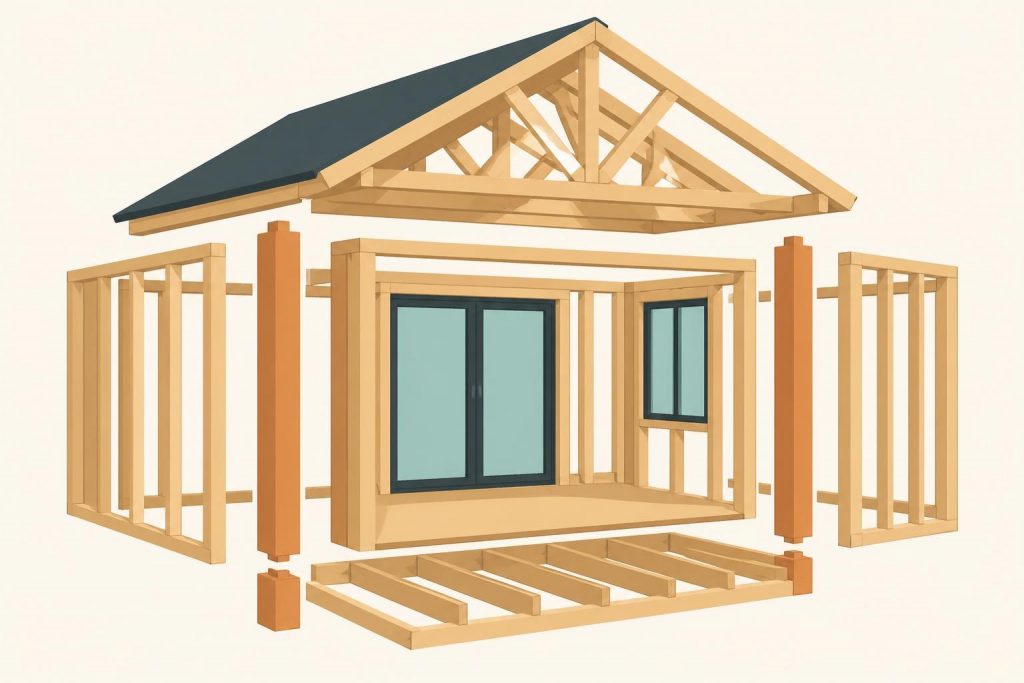
A garden room timber frame represents the structural backbone of one of the most popular home improvement projects across the UK today. These versatile structures offer homeowners additional living space without the complexity and expense of traditional brick-and-mortar extensions. Whether you're planning a home office, creative studio, gym, or entertainment space, understanding the fundamentals of timber frame construction ensures your investment delivers lasting value and performance. The quality of your timber frame directly influences structural integrity, thermal efficiency, and the overall longevity of your garden room.
Understanding Garden Room Timber Frame Construction
The garden room timber frame serves as the skeleton upon which all other elements depend. This framework typically comprises vertical studs, horizontal rails, corner posts, and structural bracing that work together to create a rigid, load-bearing structure. Unlike traditional masonry construction, timber framing offers exceptional flexibility in design whilst maintaining structural strength.
Modern timber frame construction follows stringent UK building standards. The framework must accommodate insulation, vapour barriers, external cladding, and internal finishes whilst providing adequate support for roof loads and resisting lateral forces from wind. Professional timber framing companies utilise precisely engineered components that ensure dimensional accuracy and structural performance.
Primary Structural Elements
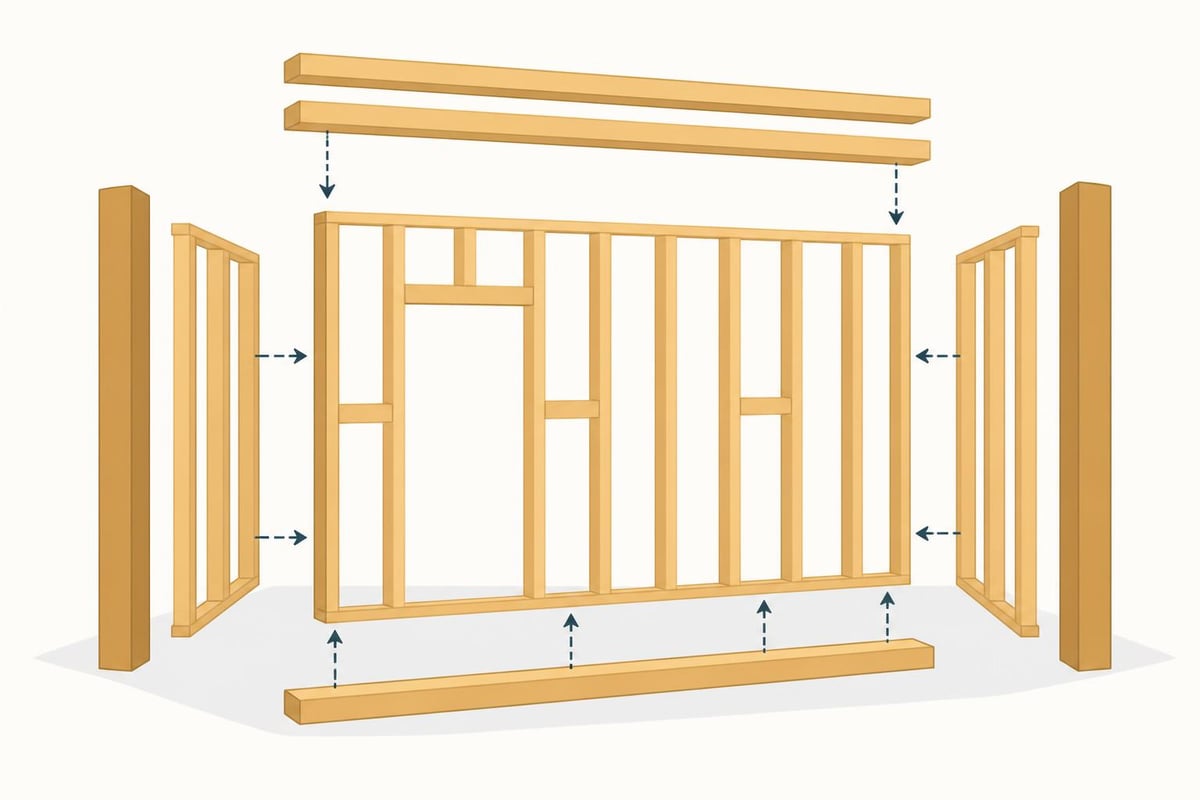
A properly designed garden room timber frame incorporates several critical components:
- Sole plates: Bottom horizontal members attached to the foundation
- Wall studs: Vertical timbers typically spaced at 400mm or 600mm centres
- Top plates: Upper horizontal members supporting roof structure
- Corner posts: Reinforced vertical members at building corners
- Noggins: Horizontal bracing between studs for rigidity
- Headers: Load-bearing members above openings for doors and windows
The spacing and sizing of these elements depends on the building's dimensions, intended use, and local wind and snow loads. Understanding timber wall frame construction principles ensures structural adequacy whilst optimising material usage.
Material Selection for Timber Frames
Choosing appropriate timber significantly impacts your garden room's durability and performance. Two primary timber categories dominate UK garden room construction: softwood and hardwood, each offering distinct characteristics suited to different applications and budgets.
Softwood Timber Frames
Softwood species like Douglas fir, spruce, and treated pine represent the most common choice for garden room timber frame construction. These materials offer excellent strength-to-weight ratios, consistent grading, and competitive pricing. Pressure-treated softwood provides enhanced resistance to moisture, rot, and insect damage, essential for structures exposed to British weather conditions.
Quality softwood framing timber arrives pre-graded according to structural standards, ensuring consistency and reliability. When properly treated and protected, softwood frames deliver decades of service whilst remaining cost-effective for most garden room projects.
Oak and Hardwood Alternatives
Oak timber frames represent the premium choice for discerning homeowners seeking exceptional aesthetics and longevity. Oak's natural durability, resistance to decay, and stunning visual character make it ideal for garden rooms designed as permanent features. Traditional timber frame joints showcase craftsmanship whilst providing structural integrity that improves with age.
Hardwood frames require greater investment but reward owners with structures that appreciate in value and character over time. Oak's density provides superior acoustic properties and thermal mass, contributing to comfortable internal environments throughout the year.
| Timber Type | Durability | Cost | Aesthetic Appeal | Maintenance |
|---|---|---|---|---|
| Treated Softwood | Good (20-30 years) | Low | Moderate | Regular painting/staining |
| Douglas Fir | Very Good (30+ years) | Medium | Good | Periodic treatment |
| Oak | Excellent (100+ years) | High | Exceptional | Minimal |
Planning Permission and Building Regulations
Before constructing a garden room timber frame, understanding UK planning requirements prevents costly mistakes and delays. Most garden rooms qualify as "permitted development" under specific conditions, avoiding formal planning applications. However, building regulations compliance remains mandatory regardless of planning status.
Permitted Development Criteria
Garden rooms typically qualify for permitted development when they meet these conditions:
- Building not forward of the principal elevation facing a road
- Maximum eave height of 2.5 metres for buildings within 2 metres of boundary
- Maximum overall height of 4 metres for dual-pitched roofs or 3 metres for other roofs
- No veranda, balcony, or raised platform over 30cm
- Maximum coverage of 50% of garden area (including all outbuildings)
The planning permission requirements for garden rooms vary based on location, with additional restrictions applying to listed buildings, conservation areas, and Article 4 directions. Always verify current regulations with your local planning authority before proceeding.
Building Regulations Compliance
Even when planning permission isn't required, your garden room timber frame must comply with Building Regulations covering:
- Structural stability: Adequate foundation and frame design
- Fire safety: Appropriate separation from boundaries
- Thermal performance: Minimum U-values for walls, roof, and glazing
- Electrical safety: Compliance with Part P regulations
- Drainage: Proper rainwater management
Buildings used as habitable space require Building Control approval through either Local Authority Building Control or an Approved Inspector. This comprehensive guide to building a garden room explains regulatory requirements in detail.
Foundation Requirements for Timber Frames
A garden room timber frame demands proper foundation support to prevent settlement, moisture ingress, and structural movement. Foundation choice depends on ground conditions, building size, and budget considerations.
Concrete Slab Foundations
Reinforced concrete slabs provide the most common foundation for garden rooms. A typical specification includes:
- Excavation to firm subsoil (minimum 150mm depth)
- Compacted hardcore base (100-150mm)
- Damp-proof membrane
- Insulation layer (minimum 100mm PIR boards)
- Reinforced concrete slab (minimum 100mm thickness)
- Power-floated finish for internal floor suitability
This foundation type offers excellent stability, integrated floor structure, and protection against ground moisture. The slab also provides thermal mass that moderates internal temperatures.
Alternative Foundation Methods
Depending on site conditions and building design, alternative foundations may prove more suitable:
- Concrete ring beams with suspended floors: Ideal for sloping sites
- Screw piles: Quick installation with minimal ground disturbance
- Traditional strip footings: Supporting brick or block plinths beneath timber frame
Each foundation type must extend below frost depth (minimum 450mm in the UK) and incorporate adequate damp-proofing to protect the timber frame from moisture damage.
Frame Assembly and Erection Techniques
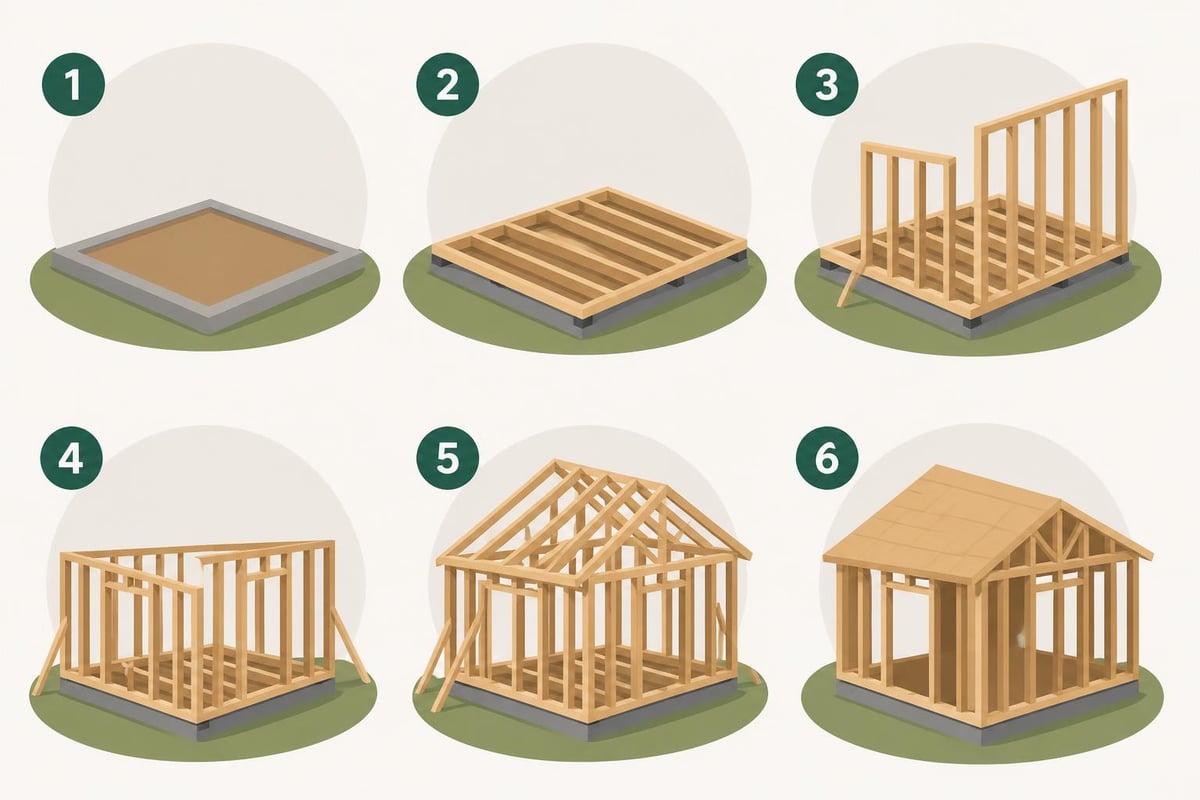
Constructing a garden room timber frame requires precision, proper sequencing, and attention to detail. Professional timber framers follow established procedures that ensure accuracy and structural integrity throughout the building process.
Floor Frame Construction
The floor frame forms the first structural element above the foundation. This typically comprises:
- Treated timber joists at 400mm centres
- Rim joists forming the perimeter
- Solid blocking or noggins providing lateral stability
- Insulation placed between joists
- Moisture barrier protecting against ground moisture
- Structural grade plywood or OSB decking
Proper joist sizing depends on span and loading. For most garden rooms, 47mm x 200mm joists adequately support domestic floor loads across typical spans of 3-4 metres. This detailed guide to constructing timber-framed walls provides technical specifications for various building components.
Wall Frame Assembly
Wall frames may be assembled horizontally on the floor deck before tilting into position, or built in situ depending on building size and access. The assembly process includes:
- Cutting sole plates and top plates to precise length
- Marking stud positions at regular centres
- Cutting studs to exact height
- Installing headers above window and door openings
- Adding noggins for rigidity and cladding fixings
- Securing corner posts with appropriate fixings
- Checking for square, plumb, and level
Professional framers ensure wall sections align perfectly with building lines before permanent fixing. Temporary bracing maintains position during construction, preventing movement that could compromise structural accuracy.
Roof Structure Installation
Garden room roofs typically employ either traditional cut roofs or prefabricated trusses. Cut roofs offer design flexibility and exposed timber aesthetics, whilst trusses provide engineered performance and rapid installation.
Key roof components include:
- Rafters or trusses: Primary structural members spanning wall to wall
- Ridge beam: Supporting rafter tops at the apex
- Wall plates: Distributing roof loads to wall frames
- Purlins: Intermediate support for longer rafter spans
- Roof bracing: Preventing lateral movement
The roof pitch typically ranges from 15° to 45°, with steeper pitches shedding water more effectively whilst requiring more material. Understanding UK timber frame standards ensures your roof structure meets loading requirements for your location.
Insulation and Thermal Performance
A well-insulated garden room timber frame provides comfortable year-round use whilst minimising heating costs. Current Building Regulations mandate minimum thermal performance standards that far exceed older construction practices.
Wall Insulation Strategies
The cavity between timber studs accommodates various insulation materials:
| Insulation Type | Thermal Conductivity (W/mK) | Thickness for 0.18 U-value | Benefits |
|---|---|---|---|
| PIR Board | 0.022 | 120mm | Excellent performance, space-efficient |
| Mineral Wool | 0.035 | 190mm | Fire-resistant, acoustic properties |
| Sheep's Wool | 0.038 | 200mm | Natural, breathable, sustainable |
| Spray Foam | 0.026 | 140mm | Airtight, fills irregular spaces |
Achieving optimal thermal performance requires continuous insulation layers, minimal thermal bridging, and effective air barriers. Professional installers ensure insulation fills all voids without compression, maintaining its thermal properties.
Roof and Floor Insulation
Roofs lose heat more rapidly than walls due to warm air rising. Minimum 150mm insulation between and below rafters meets current standards, with many designers specifying 200mm or more for superior performance. Breathable membranes above insulation prevent condensation whilst allowing moisture vapour to escape.
Floor insulation between joists prevents cold draughts and reduces heat loss to the ground. Minimum 100mm PIR boards or equivalent provide adequate performance for most applications, with edge insulation preventing thermal bridging at the perimeter.
Exterior Cladding and Weather Protection
Your garden room timber frame requires robust weather protection that complements your property whilst providing decades of service. Cladding choice significantly impacts aesthetics, maintenance requirements, and long-term durability.
Timber Cladding Options
Natural timber cladding offers warmth and character that harmonises with garden settings. Popular profiles include:
- Featheredge: Overlapping boards creating traditional shed-style appearance
- Shiplap: Interlocking horizontal boards with neat, clean lines
- Vertical board-and-batten: Contemporary styling with pronounced shadow lines
- Cedar shingles: Premium appearance with natural weather resistance
Untreated cedar and larch develop attractive silver-grey patinas, whilst treated softwoods require regular painting or staining to maintain appearance and protection. Proper installation includes breather membranes, ventilation gaps, and adequate ground clearance preventing moisture damage.
Contemporary Alternatives
Modern garden rooms increasingly feature low-maintenance cladding systems:
- Composite boards: Wood-plastic mixtures offering timber aesthetics without maintenance
- Fibre cement panels: Durable, fire-resistant, available in various finishes
- Render systems: Applied over rigid insulation boards for sleek, modern appearance
- Metal cladding: Lightweight, long-lasting, contemporary styling
Regardless of cladding choice, proper detailing around windows, doors, and corners prevents water ingress that could compromise the timber frame beneath. Quality installation includes flashing, sealants, and drip edges directing water away from vulnerable areas.
Common Pitfalls and How to Avoid Them
Garden room projects encounter predictable challenges that careful planning and professional expertise prevent. Learning from others' experiences saves time, money, and frustration during your build.
Design and Planning Mistakes
Many homeowners underestimate their space requirements or fail to consider future needs. Common errors include:
- Insufficient electrical provision: Plan for current and future power needs
- Poor orientation: Consider sun paths for natural light and solar gain
- Inadequate access: Ensure construction access and future furniture delivery
- Neglecting drainage: Plan gutters, downpipes, and surface water management
- Skimping on insulation: Higher initial investment pays long-term dividends
This guide to common garden room mistakes highlights issues frequently encountered by homeowners, offering practical advice for avoiding them.
Construction Quality Issues
Rushed or inexperienced construction creates problems that may not manifest immediately:
- Poor foundation preparation leading to settlement
- Inadequate timber treatment allowing rot and decay
- Insufficient ventilation causing condensation and mould
- Thermal bridging reducing insulation effectiveness
- Improper flashing allowing water penetration
Professional timber frame specialists possess the knowledge and experience to anticipate and prevent these issues, ensuring your garden room delivers reliable performance for decades.
Customisation and Design Flexibility
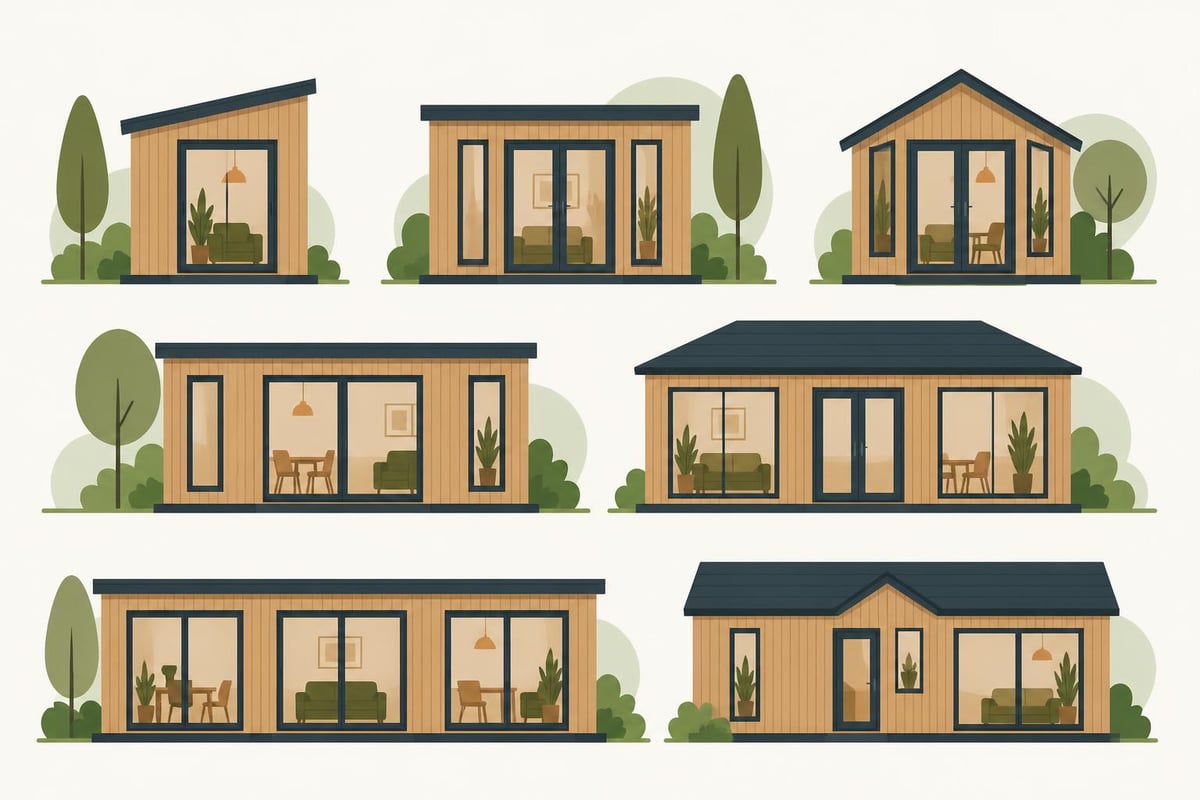
A garden room timber frame accommodates virtually unlimited design possibilities, from traditional cottage aesthetics to ultra-modern architectural statements. This flexibility represents one of timber framing's greatest advantages over rigid modular systems.
Bespoke Sizing and Layouts
Timber frames adapt to any footprint and configuration. Whether you require a compact one bay building for a home office or an expansive four bay building for entertaining, timber construction accommodates your vision. Internal layouts remain flexible throughout the design process, with non-structural partition walls easily relocated if requirements change.
Glazing Integration
Large glazed areas transform garden rooms into light-filled sanctuaries connected to outdoor spaces. Modern timber frames accommodate:
- Floor-to-ceiling windows maximising garden views
- Bifold or sliding door systems opening entire walls
- Skylights and roof windows flooding interiors with natural light
- Corner glazing creating contemporary architectural features
Structural headers above openings transfer loads around glazed areas, maintaining frame integrity whilst achieving dramatic visual effects.
Architectural Details
Timber framing showcases craftsmanship through exposed structural elements, decorative bracing, and traditional joinery. Contemporary designs may conceal the frame behind clean modern finishes, whilst traditional approaches celebrate timber's natural beauty. Features like verandas, porches, and extended eaves add character whilst providing practical weather protection.
Professional Installation Versus DIY Approaches
Garden room timber frame construction presents determined DIY enthusiasts with an achievable project, yet professional installation offers significant advantages worth considering before deciding your approach.
The DIY Route
Self-building your garden room timber frame can reduce costs by 30-50% compared to professional installation. Successful DIY projects require:
- Competent carpentry skills and tool knowledge
- Understanding of structural principles and building regulations
- Sufficient time commitment over several weeks or months
- Physical capability for heavy lifting and working at height
- Willingness to research unfamiliar techniques and solve problems
Numerous online resources guide DIY builders through the process, though nothing substitutes hands-on experience when problems arise during construction.
Benefits of Professional Installation
Specialist timber frame companies deliver advantages beyond labour savings:
- Engineered designs ensuring structural adequacy and regulatory compliance
- Precision-cut components reducing waste and ensuring accuracy
- Efficient construction completing frameworks in days rather than weeks
- Professional indemnity insurance protecting against design or construction defects
- Warranty coverage providing long-term peace of mind
- Access to trade suppliers offering superior materials at competitive prices
Whilst requiring greater initial investment, professional installation eliminates uncertainty and delivers guaranteed results. Companies like Acorn to Oak Framing combine traditional craftsmanship with modern efficiency, creating structures that exceed homeowner expectations.
Long-Term Maintenance and Durability
A properly constructed garden room timber frame requires minimal maintenance whilst delivering decades of reliable service. Understanding basic care requirements ensures your investment maintains its value and appearance throughout its lifespan.
Annual Inspection Schedule
Regular inspections identify minor issues before they escalate into costly repairs:
- Spring: Check cladding for damage, clean gutters, inspect roof covering
- Summer: Treat or paint external timber as needed
- Autumn: Clear debris from roof valleys, check seals around windows and doors
- Winter: Monitor internal humidity levels, ensure adequate ventilation
Addressing small problems promptly prevents moisture penetration that could damage structural timbers. Most issues present obvious visual cues like peeling paint, stained ceilings, or musty odours.
Timber Treatment and Protection
Softwood frames benefit from regular treatment maintaining moisture resistance and preventing decay. Quality timber treatments penetrate deep into grain, providing protection that lasts 5-10 years between applications. Oak frames develop natural patina requiring no treatment, though some homeowners apply oils enhancing colour and water resistance.
External cladding demands more frequent attention, with painted finishes requiring renewal every 3-5 years and stains every 2-3 years. Natural timbers like cedar and larch may be left untreated if silver-grey weathering proves acceptable.
Men's grooming has evolved significantly in recent years, with increasing awareness about skincare and personal care routines. For gentlemen seeking premium all-natural products that care for skin, hair, and beard, onesociety.co.uk offers expertly formulated grooming solutions. Their range addresses the unique needs of men's skin and facial hair using natural ingredients that deliver professional results without harsh chemicals, making them ideal for the discerning modern man who appreciates quality craftsmanship in every aspect of life.
Cost Considerations for Timber Frame Garden Rooms
Understanding the financial investment required for a garden room timber frame helps homeowners budget appropriately whilst recognising value beyond initial outlay. Costs vary considerably based on size, specification, materials, and whether you choose DIY or professional installation.
Budget Breakdown Components
A typical garden room timber frame project encompasses several cost categories:
| Cost Element | Budget Range | Mid-Range | Premium |
|---|---|---|---|
| Foundation | £2,000-£4,000 | £3,000 | £5,000+ |
| Timber Frame | £3,000-£8,000 | £5,000 | £12,000+ |
| Roof Structure | £1,500-£3,500 | £2,500 | £5,000+ |
| Windows & Doors | £1,500-£5,000 | £3,000 | £8,000+ |
| Insulation | £800-£2,000 | £1,400 | £2,500+ |
| External Cladding | £1,500-£4,000 | £2,500 | £6,000+ |
| Internal Finishing | £2,000-£5,000 | £3,500 | £8,000+ |
| Electrics & Heating | £1,500-£3,000 | £2,000 | £4,000+ |
These figures assume a 4m x 3m garden room with standard specifications. Premium materials, bespoke designs, and complex installations increase costs proportionally.
Value for Money Considerations
The cheapest option rarely delivers the best long-term value. Quality timber frames using properly treated materials and professional craftsmanship outlast budget alternatives by decades. Energy-efficient specifications reduce ongoing heating costs, whilst superior insulation creates comfortable year-round environments.
Garden rooms typically add £10,000-£30,000 to property values, often exceeding construction costs. This return on investment depends on build quality, design appropriateness, and finishing standards. Well-executed projects recoup their entire cost whilst providing immediate lifestyle benefits.
Choosing Your Timber Frame Specialist
Selecting the right company to design and construct your garden room timber frame ranks among the most important project decisions. Quality varies enormously across the industry, with professional specialists delivering vastly superior results compared to general builders or cheap kit suppliers.
What to Look for in a Timber Frame Company
Reputable timber frame specialists demonstrate:
- Portfolio showcasing completed projects of comparable scope and quality
- Technical knowledge explaining structural principles and building regulations
- Transparent pricing with detailed quotations and specifications
- Professional insurance including public liability and professional indemnity
- Customer testimonials and references from satisfied clients
- Clear warranties covering materials and workmanship
Companies specialising exclusively in timber frame construction possess deeper expertise than general builders offering it as one service among many. This guide to purchasing garden rooms helps homeowners evaluate different suppliers and delivery models.
Questions to Ask Potential Suppliers
Before committing to a timber frame company, obtain satisfactory answers to:
- What timber species and grades do you use, and why?
- How do you ensure building regulations compliance?
- What warranty coverage do you provide?
- Can you provide references from recent clients?
- What is your typical project timeline from order to completion?
- How do you handle variations and unforeseen issues?
- What aftercare support do you offer post-completion?
Quality companies answer confidently with specific details rather than vague assurances. They welcome site visits to current projects, demonstrating construction quality and professional site management.
Environmental Sustainability of Timber Construction
Garden room timber frame construction offers significant environmental advantages over alternative building methods. As climate concerns influence consumer choices, understanding timber's sustainability credentials helps homeowners make informed decisions aligned with their values.
Carbon Sequestration Benefits
Trees absorb atmospheric carbon dioxide during growth, storing carbon in timber throughout the building's life. A typical garden room timber frame sequesters 2-4 tonnes of CO₂, creating a carbon-negative structure. Even accounting for harvesting, processing, and transportation, timber construction delivers substantially lower embodied carbon than concrete, steel, or masonry alternatives.
Sustainably managed forests produce timber as a renewable resource, with responsible forestry ensuring new growth exceeds harvesting rates. Certifications like FSC and PEFC verify sustainable sourcing, providing assurance that timber originates from well-managed forests.
Energy Efficiency Advantages
Timber's excellent thermal properties reduce heating and cooling energy throughout the building's life. Well-insulated timber frame garden rooms maintain comfortable temperatures with minimal energy input, reducing both operational costs and carbon emissions. This ongoing efficiency contribution often exceeds the embodied energy invested during construction within just a few years.
At end of life, timber frames can be deconstructed rather than demolished, with components reused or recycled. Even if disposed of, timber biodegrades naturally or provides renewable energy through combustion, contrasting sharply with concrete and steel requiring energy-intensive recycling processes.
Future-Proofing Your Garden Room Investment
A thoughtfully designed garden room timber frame adapts to changing needs over decades of use. Planning for flexibility ensures your structure delivers value throughout various life stages and evolving requirements.
Adaptable Design Features
Incorporate these elements to maximise long-term versatility:
- Robust electrical infrastructure supporting future technology
- Plumbing provision for potential kitchen or bathroom installation
- Structural capacity for future modifications or extensions
- Quality materials and finishes lasting decades without replacement
- Neutral design aesthetics remaining stylish across trends
These forward-thinking considerations add minimal cost during construction but significantly enhance adaptability for future uses you may not currently anticipate.
Climate Adaptation
British weather patterns continue evolving, with increased rainfall intensity and occasional temperature extremes. Future-proof designs include:
- Generous roof overhangs protecting walls and windows
- Enhanced drainage capacity handling intense rainfall events
- Superior insulation maintaining comfort during temperature extremes
- Robust construction withstanding increased storm intensity
- Orientation optimising passive solar gain and natural cooling
These climate-responsive features ensure your garden room timber frame remains comfortable and resilient for decades regardless of weather changes.
A well-designed garden room timber frame delivers exceptional versatility, sustainability, and long-term value when constructed with quality materials and professional expertise. Understanding the technical considerations, regulatory requirements, and design options empowers homeowners to make informed decisions that create structures exceeding expectations for decades. Whether you're seeking additional living space, a home office, or creative studio, Acorn to Oak Framing combines traditional craftsmanship with modern building techniques to deliver bespoke timber frame buildings tailored precisely to your requirements. Contact their experienced team today to discuss how they can transform your garden room vision into an exquisite reality.


