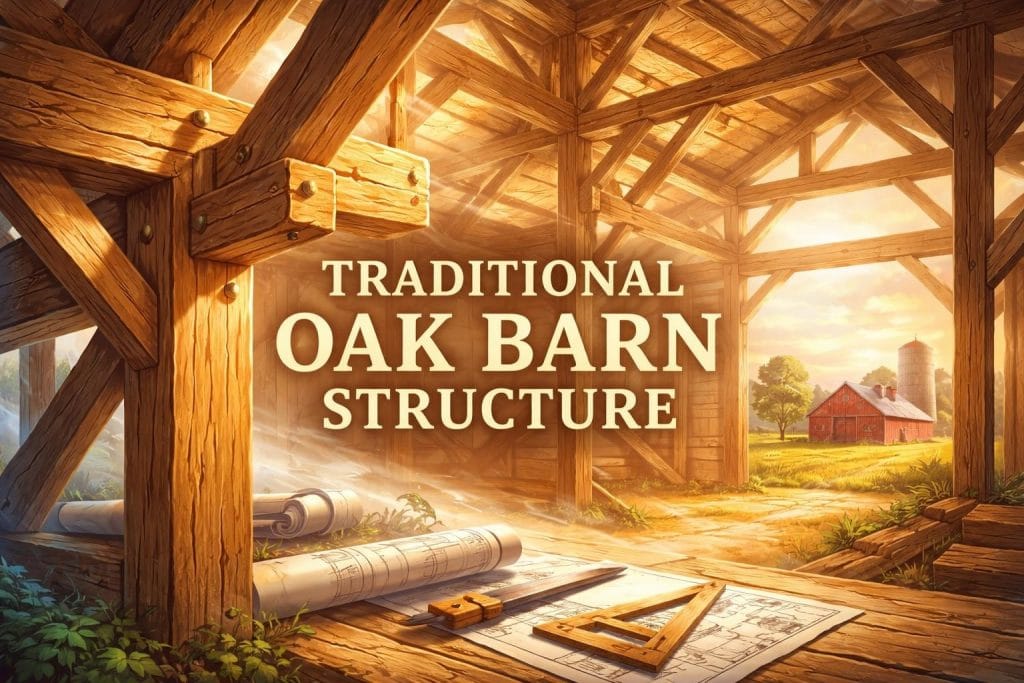
Oak barns represent one of the most enduring and respected forms of agricultural architecture in British history. These magnificent structures have sheltered livestock, stored harvests, and stood as testament to the skill of master craftsmen for centuries. Today, oak barns continue to captivate property owners, conservationists, and builders alike, whether as historic buildings requiring careful preservation or as inspiration for contemporary timber frame constructions. Understanding the unique characteristics, construction methods, and modern applications of oak barns provides valuable insight for anyone considering a timber frame project or appreciating traditional British building heritage.
The Historical Significance of Oak Barns
Traditional oak barns emerged as essential agricultural buildings throughout Britain during the medieval period, with many surviving examples dating back to the 13th century. The Harmondsworth Great Barn, constructed in 1426, demonstrates the remarkable scale and craftsmanship achievable with oak timber framing techniques.
These structures served multiple purposes within the farming economy:
- Grain storage and threshing operations
- Livestock housing during harsh winter months
- Equipment storage and workshop space
- Social gathering locations for rural communities
The longevity of these buildings speaks directly to the durability of oak as a construction material. Many oak barns have survived 500 years or more, continuing to function effectively with minimal structural intervention. This extraordinary lifespan stems from oak's natural resistance to decay, its structural strength, and the sophisticated joinery methods employed by historical craftsmen.
Architectural Features That Define Oak Barns
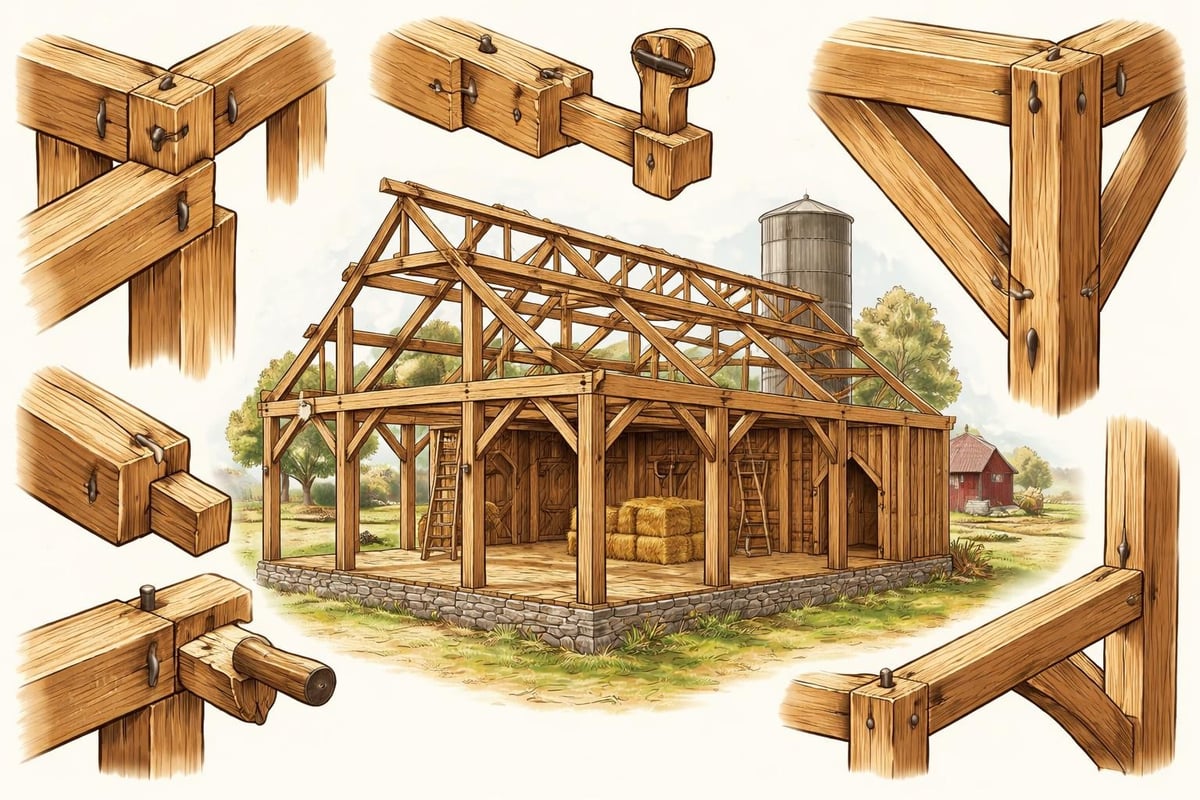
Oak barns exhibit distinctive architectural characteristics that differentiate them from other agricultural buildings. The timber frame structure typically consists of a series of bays, with each bay representing a structural unit defined by principal posts and cross-beams.
Common design elements include:
- Cruck frames or post-and-truss construction
- Exposed oak timbers forming the visible structural framework
- Weatherboarding or brick infill between timber members
- Steeply pitched roofs to shed rain and snow effectively
- Ventilation openings strategically positioned for airflow
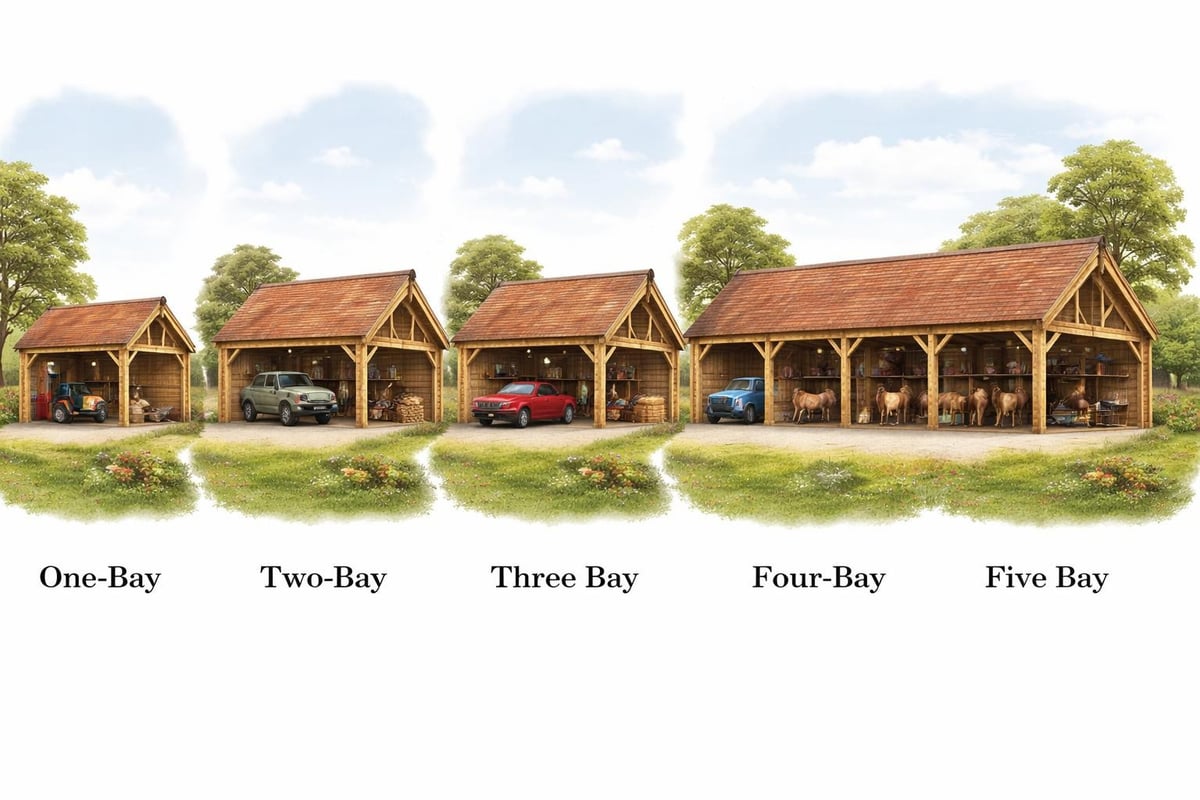
The bay system allowed builders to scale structures according to agricultural requirements, a principle still employed in timber frame buildings today. A prosperous farm might commission a five-bay barn, whilst smaller operations required only two or three bays. This modular approach to construction enabled flexibility whilst maintaining structural integrity.
Construction Methods and Craftsmanship
Building oak barns requires specialist knowledge passed down through generations of timber framers. The construction process begins with selecting appropriate oak timber, typically from trees aged 80-150 years, which have developed the density and grain structure necessary for structural applications.
Traditional Joinery Techniques
Master craftsmen employ time-honoured joinery methods that create incredibly strong connections without relying on metal fasteners. The primary joints include:
| Joint Type | Application | Key Characteristics |
|---|---|---|
| Mortise and Tenon | Post-to-beam connections | Deep penetration, exceptional strength |
| Scarf Joint | Extending beam length | Allows longer spans from shorter timbers |
| Lap Joint | Bracing connections | Simple yet effective diagonal support |
| Dovetail | Preventing lateral movement | Self-tightening under load |
Each joint is secured with oak pegs driven through pre-drilled holes, creating connections that tighten as the timber seasons and settles. This traditional approach, still practised by specialists such as those at Acorn to Oak Framing, ensures structural longevity exceeding modern metal fastener systems.
The assembly process traditionally occurred on the ground, with entire frame sections constructed flat before being raised into position. This "raising day" represented a significant community event, requiring coordinated effort from multiple workers to lift heavy oak frames into their vertical positions.
Modern Applications of Oak Barn Design
Contemporary property owners increasingly appreciate the aesthetic and practical benefits oak barns offer. Modern oak barn construction adapts historical techniques to suit 21st-century requirements, creating versatile spaces for residential, commercial, and recreational purposes.
Conversion and New Build Options
Existing historic oak barns present unique conversion opportunities, transforming agricultural buildings into stunning residential or commercial spaces. However, new build projects allow property owners to capture the character of traditional barns whilst incorporating modern conveniences from the outset.
Popular modern applications include:
- Residential conversions creating open-plan living spaces
- Workshop and studio environments for creative professionals
- Event venues capitalising on rustic charm
- Garage and storage buildings with architectural distinction
- Agricultural tourism facilities maintaining traditional connections
Whether converting existing structures or commissioning new builds, successful projects maintain the defining characteristics of oak barns whilst ensuring compliance with contemporary building regulations. Bespoke timber frame projects allow clients to specify exact dimensions, bay configurations, and detailing that honours tradition whilst meeting specific functional requirements.
Selecting Oak Timber for Barn Construction
The quality of oak timber fundamentally determines the longevity and performance of any barn structure. British oak (Quercus robur) remains the preferred species for traditional construction, offering superior durability and visual appeal compared to imported alternatives.
Timber Grading and Selection Criteria
Professional timber framers assess oak using several key criteria:
Structural requirements dictate minimum dimensions and quality standards. Primary posts typically measure 200mm x 200mm or larger, whilst secondary members may use smaller sections. The timber must be free from significant defects that compromise load-bearing capacity.
Moisture content significantly affects both workability and long-term stability. Green oak, cut and worked whilst still fresh, remains easier to shape but will shrink and move considerably during the first years after construction. Seasoned oak offers greater dimensional stability but requires more effort during fabrication.
Grain orientation and growth characteristics influence strength and appearance. Straight-grained oak without excessive knots provides optimal structural performance, though character-grade timber with natural features appeals to those seeking rustic authenticity.
Many specialists source oak from sustainable British woodlands, ensuring traceability and supporting domestic forestry management. This approach aligns with growing environmental consciousness whilst maintaining the authentic character that defines traditional oak barns.
Design Considerations for Contemporary Oak Barns
Modern oak barn projects require careful planning to balance aesthetic aspirations with practical functionality. Successful designs integrate traditional form with contemporary performance standards, creating buildings that honour heritage whilst meeting current expectations.
Spatial Planning and Bay Configuration
The number of bays directly impacts both the visual proportions and functional capabilities of oak barns. One-bay buildings suit compact requirements such as garden structures or small workshops, whilst three-bay or four-bay buildings provide substantial space for garaging, storage, or conversion to living accommodation.
Standard bay dimensions typically range from 3 to 5 metres, though bespoke projects may specify alternative measurements. This flexibility allows designers to optimise internal layouts whilst maintaining pleasing external proportions.
Key planning considerations include:
- Access requirements for vehicles, equipment, or pedestrian traffic
- Natural lighting through strategically positioned openings
- Roof pitch and overhang affecting weather protection and appearance
- Floor levels and foundation design appropriate to site conditions
- Future adaptability allowing evolving uses over the building's lifespan
The Gempeler Round Barn demonstrates how innovative approaches to barn design can create distinctive structures whilst maintaining traditional timber frame principles. Though circular barns remain relatively uncommon in Britain, they illustrate the versatility of oak timber framing techniques.
Regulatory Compliance and Building Standards
Contemporary oak barn construction must satisfy rigorous building regulations governing structural integrity, fire safety, thermal performance, and accessibility. These requirements apply whether creating new buildings or converting existing agricultural structures.
Navigating Planning and Building Control
Listed buildings and structures within conservation areas face additional scrutiny, requiring careful negotiation with heritage officers to preserve historic fabric whilst enabling appropriate modern use. The restoration of historic oak barns demonstrates how sensitive intervention can maintain architectural integrity whilst upgrading performance.
For new build oak barns, building control approval requires:
- Structural calculations certified by qualified engineers
- Foundation design appropriate to ground conditions and loading
- Thermal performance meeting current energy efficiency standards
- Fire resistance particularly for residential or commercial occupancy
- Accessibility compliance where public access is anticipated
Modern oak barns often incorporate insulation between or behind timber frame members, with careful detailing to prevent condensation issues. Specialist advisers help navigate the intersection between traditional construction methods and contemporary performance requirements, ensuring projects satisfy both aesthetic aspirations and regulatory obligations.
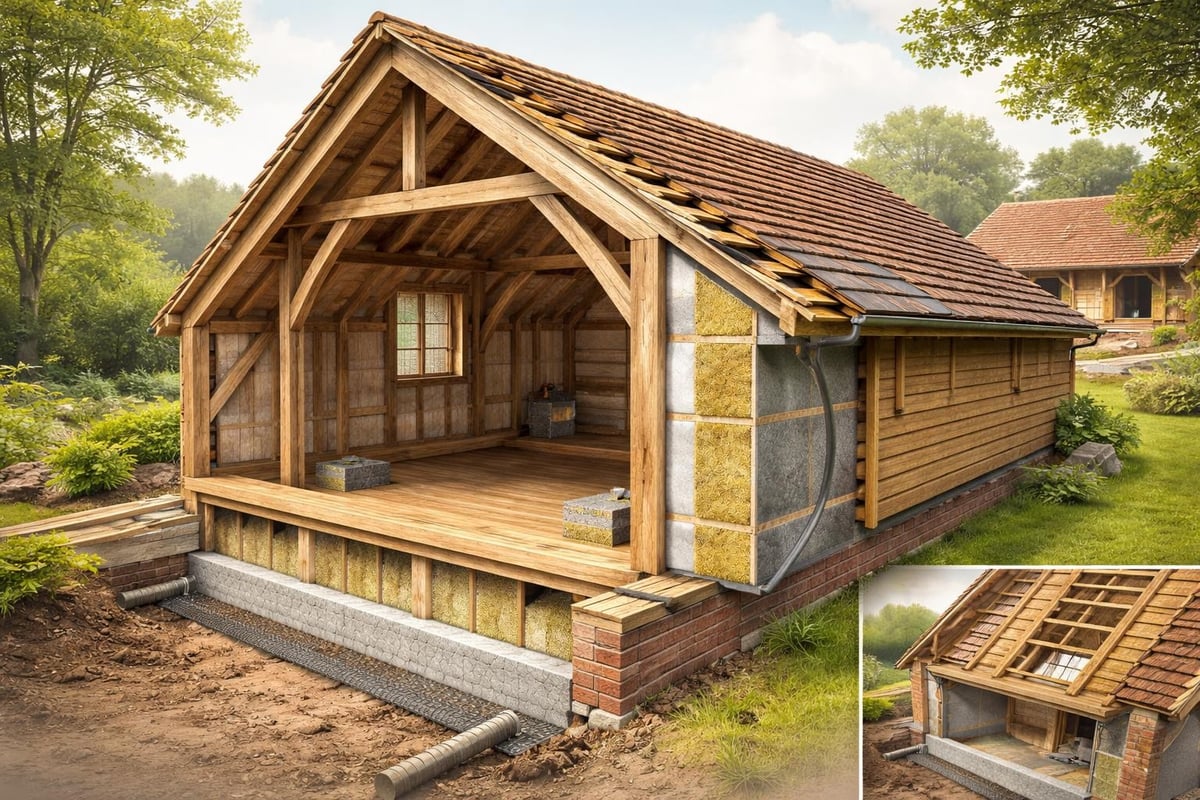
Maintenance and Long-term Care
Oak barns require thoughtful maintenance to preserve their structural integrity and visual appeal across generations. Understanding the characteristics of oak and implementing appropriate care regimes ensures these buildings continue performing effectively for centuries.
Routine Inspection and Preventative Care
Annual inspections should assess several critical areas:
| Component | Inspection Focus | Maintenance Action |
|---|---|---|
| Roof covering | Missing tiles, damaged felt | Replace damaged materials promptly |
| Gutters and downpipes | Blockages, leaks, overflow | Clear debris, repair leaks |
| Timber frame | Insect activity, fungal growth | Treat affected areas, improve ventilation |
| Weatherboarding | Paint condition, board integrity | Repaint every 3-5 years, replace damaged boards |
| Foundations | Settlement, dampness | Monitor movement, improve drainage |
Oak naturally weathers to an attractive silver-grey patina when exposed to the elements. Many owners prefer this authentic appearance, though others choose to apply protective treatments maintaining the timber's original colour. Either approach proves acceptable provided the timber remains dry and well-ventilated.
The exceptional durability of oak means structural repairs remain infrequent. When necessary, repairs should employ traditional joinery techniques and compatible materials, maintaining the building's architectural integrity. Specialists experienced in traditional timber frame construction possess the skills required for authentic restoration work.
Cost Considerations and Investment Value
Oak barn projects represent significant financial commitments, though the resulting structures offer enduring value both practically and aesthetically. Understanding cost factors enables informed decision-making and realistic budget planning.
Factors Affecting Project Costs
Several variables influence the overall investment required for oak barn construction:
- Timber specification (green vs seasoned oak, grade selection)
- Structural complexity (number of bays, custom features, roof design)
- Foundation requirements (site conditions, accessibility, ground preparation)
- Wall infill materials (weatherboarding, brick, glazing, insulation)
- Roof covering (tiles, slate, thatch, alternative materials)
- Services installation (electrical, plumbing, heating for occupied buildings)
Simple garage or storage structures with basic specifications cost substantially less than fully equipped residential conversions or commercial facilities. Ready-to-go timber frame packages offer predictable pricing for standard configurations, whilst bespoke designs require individual quotation reflecting specific requirements.
Despite initial costs, oak barns deliver excellent long-term value. Their exceptional durability eliminates the replacement cycles associated with modern agricultural buildings, whilst their aesthetic appeal enhances property values. Many owners find oak barns appreciate over time, particularly well-maintained examples showcasing traditional craftsmanship.
Environmental Credentials of Oak Construction
Oak barns align with contemporary sustainability priorities through multiple environmental benefits. As awareness of construction's ecological impact grows, timber frame buildings gain recognition for their positive environmental attributes.
Carbon Sequestration and Sustainable Forestry
Oak timber stores carbon absorbed during the tree's growth, effectively locking away carbon dioxide that would otherwise contribute to atmospheric greenhouse gases. A substantial oak barn contains several tonnes of timber, representing significant long-term carbon storage.
Responsible forestry management ensures oak supplies remain sustainable for future generations. British woodlands managed to Forestry Stewardship Council or UK Woodland Assurance Standard criteria provide oak timber whilst enhancing biodiversity, protecting soil quality, and maintaining landscape character.
Additional environmental benefits include:
- Low embodied energy compared to steel or concrete structures
- Natural insulation properties reducing heating requirements
- Biodegradability at end of life (though well-built oak barns outlast most alternatives)
- Local sourcing potential minimising transportation impacts
- Minimal processing compared to manufactured building materials
The preservation of historic barns also represents environmental stewardship, preventing the resource consumption associated with demolition and new construction whilst maintaining cultural heritage.
Design Integration with Modern Lifestyles
Contemporary oak barns successfully blend traditional aesthetics with modern functionality, creating spaces that honour historical precedent whilst serving 21st-century requirements. This integration requires thoughtful design balancing character preservation with practical performance.
Interior Configurations and Flexible Spaces
The open interior volumes characteristic of oak barns provide exceptional flexibility for spatial planning. Exposed timber frames create dramatic architectural features whilst defining functional zones without solid partitions.
Modern barn conversions frequently incorporate:
- Mezzanine levels maximising vertical space beneath high roof structures
- Glazed gable ends flooding interiors with natural light
- Underfloor heating providing comfortable warmth without radiators
- Contemporary kitchens and bathrooms discretely integrated within traditional frames
- Home offices and studios capitalising on inspiring environments
Raised eaves buildings offer additional headroom and usable space, particularly beneficial for residential applications or commercial uses requiring comfortable ceiling heights throughout.
The juxtaposition of historic timber framing with modern glazing, lighting, and finishes creates striking interiors celebrating both traditional craftsmanship and contemporary design. This approach respects architectural heritage whilst delivering spaces suited to modern living and working patterns.
Selecting a Specialist Timber Frame Builder
The quality of any oak barn project depends fundamentally upon the expertise of the builders undertaking the work. Selecting experienced specialists ensures authentic construction methods, structural integrity, and lasting satisfaction with the finished building.
Evaluating Craftsmanship and Experience
Prospective clients should assess several key indicators when selecting timber frame specialists:
Portfolio quality demonstrates the builder's capabilities and aesthetic sensibilities. Examining completed projects, either through photography or site visits, reveals attention to detail, joinery quality, and overall finish standards.
Technical knowledge regarding both traditional methods and modern building regulations ensures projects achieve authentic character whilst meeting contemporary performance requirements. Specialists should articulate clearly how they address thermal efficiency, structural calculations, and compliance matters.
Material sourcing practices indicate commitment to quality and sustainability. Builders using British oak from certified sustainable sources demonstrate both environmental responsibility and dedication to authentic materials.
Client testimonials provide insights into working relationships, project management capabilities, and customer satisfaction. Speaking directly with previous clients offers valuable perspective on the builder's professionalism and reliability.
Established specialists maintain comprehensive galleries showcasing their work, enabling potential clients to assess craftsmanship quality and design versatility before committing to projects.
Oak barns embody centuries of architectural wisdom whilst offering remarkable versatility for contemporary applications. Whether commissioning new construction or appreciating historic examples, these magnificent timber structures demonstrate the enduring value of traditional craftsmanship combined with quality materials. For those considering an oak barn project in the UK, Acorn to Oak Framing brings specialist expertise in traditional timber frame construction, creating bespoke structures that honour heritage whilst meeting modern requirements with meticulous attention to detail and commitment to excellence.


