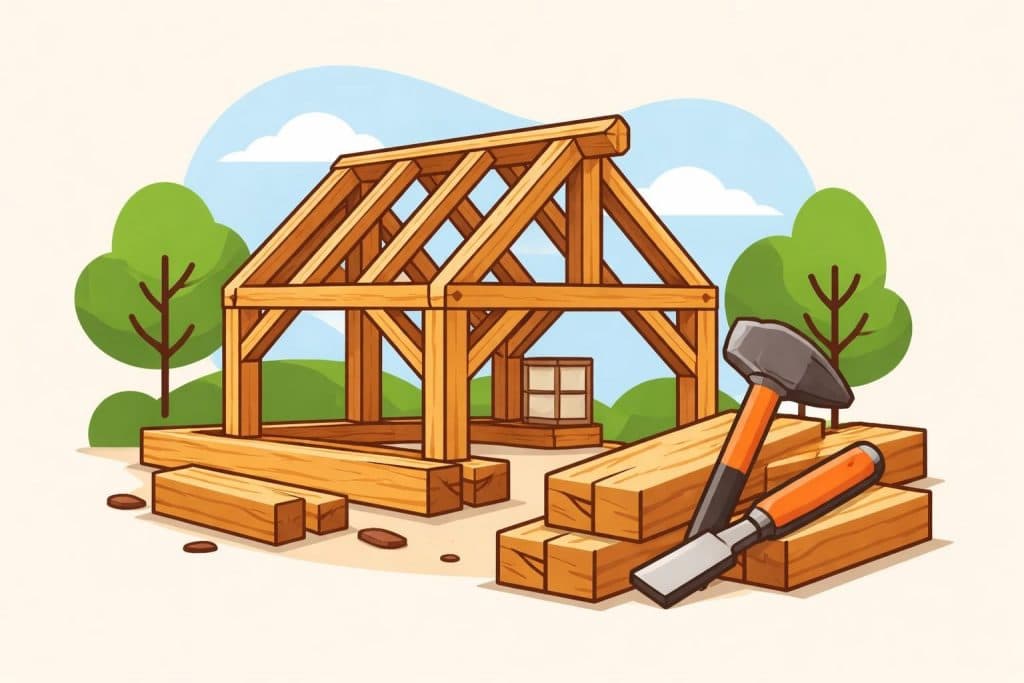
Building an oak frame home represents a timeless investment in craftsmanship, sustainability, and architectural beauty. These structures combine centuries-old timber framing techniques with modern building standards to create homes that stand the test of time whilst offering exceptional thermal performance and aesthetic appeal. As more homeowners seek sustainable construction methods and unique property designs, oak frame homes have experienced renewed popularity across the United Kingdom, offering a distinctive alternative to conventional brick and block construction methods.
Understanding Oak Frame Construction
An oak frame home utilises solid timber posts and beams to create the structural skeleton of a building. Unlike conventional construction where walls carry the load, the oak frame itself supports the entire structure. This fundamental difference allows for greater design flexibility and creates the characteristic open-plan interiors many homeowners desire.
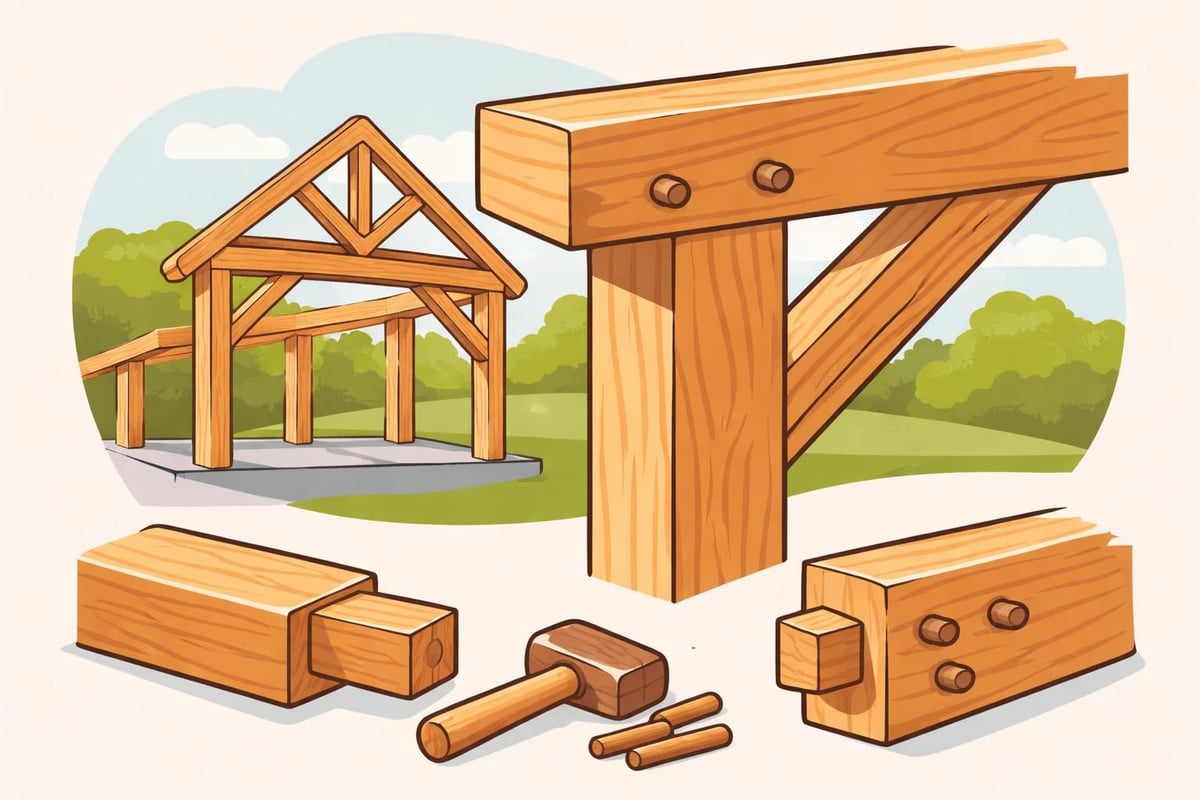
The structural framework consists of several key components working together. Vertical posts support horizontal beams, whilst diagonal braces provide lateral stability and prevent racking. Traditional joinery methods, including mortise and tenon joints secured with oak pegs, create connections that actually strengthen over time as the timber seasons.
The Timber Selection Process
Quality begins with timber selection. Green oak, freshly felled and containing high moisture content, remains the preferred choice for traditional oak frame construction. As it dries naturally within the structure, the timber shrinks and tightens the joints, creating a robust framework that improves with age.
Key characteristics of suitable oak timber include:
- Straight grain patterns with minimal defects
- Adequate density and hardness ratings
- Sustainably sourced from managed woodlands
- Air-dried or green depending on construction method
- Quarter-sawn sections for superior stability
Design Considerations for Your Oak Frame Home
Planning an oak frame home requires careful consideration of both aesthetic and practical elements. The exposed timber framework often becomes the defining feature of interior spaces, influencing everything from room layout to lighting design.
One critical decision involves whether to build a full oak frame home or incorporate oak framing within a hybrid construction. Full frames expose the timber throughout, whilst hybrid approaches might limit visible oak to specific areas like living rooms or entrance halls. Before building an oak frame home, understanding these design fundamentals helps align your vision with practical requirements.
Space Planning and Layout
The structural nature of oak framing influences spatial arrangements. Posts and beams create natural zones within open-plan areas, whilst also determining where walls can and cannot be positioned. Working with these structural elements rather than against them produces more harmonious designs.
| Design Element | Consideration | Impact |
|---|---|---|
| Post Spacing | Typically 3-5 metres | Determines room proportions |
| Beam Height | Usually 2.4-3.0 metres | Affects ceiling height options |
| Brace Angles | 45-60 degrees optimal | Influences wall placement |
| Floor Joists | Span between beams | Dictates upper floor layout |
Modern frame home construction techniques allow considerable flexibility whilst respecting these structural realities. Experienced designers create flowing spaces that showcase the oak framework whilst meeting contemporary living requirements.
Construction Methods and Building Process
The construction timeline for an oak frame home differs significantly from conventional builds. Understanding these phases helps set realistic expectations and ensures proper project planning.
Primary construction stages include:
- Foundation preparation and base construction
- Frame manufacture in workshop environment
- Frame raising and assembly on site
- Encapsulation with insulation and weatherproofing
- Installation of services and final finishes
Frame raising often occurs remarkably quickly, with the complete structural skeleton erected within days. This efficiency stems from precise workshop preparation where each timber component is cut, shaped, and marked before delivery to site.
Workshop Fabrication Excellence
Quality oak frame construction depends heavily on workshop precision. Each joint requires careful marking and cutting to ensure proper fit during assembly. Traditional craftsmen use a combination of power tools for rough dimensioning and hand tools for final fitting, particularly around complex joinery.
The workshop environment also allows thorough quality control. Timber can be inspected for defects, joints can be test-fitted, and any issues resolved before transportation to site. This preparation proves essential for smooth frame raising and long-term structural integrity.
Sustainability and Environmental Benefits
Oak framing delivers exceptional environmental credentials that appeal to ecologically conscious homeowners. Oak framed buildings offer numerous sustainability advantages throughout their lifecycle, from material sourcing through decades of use.
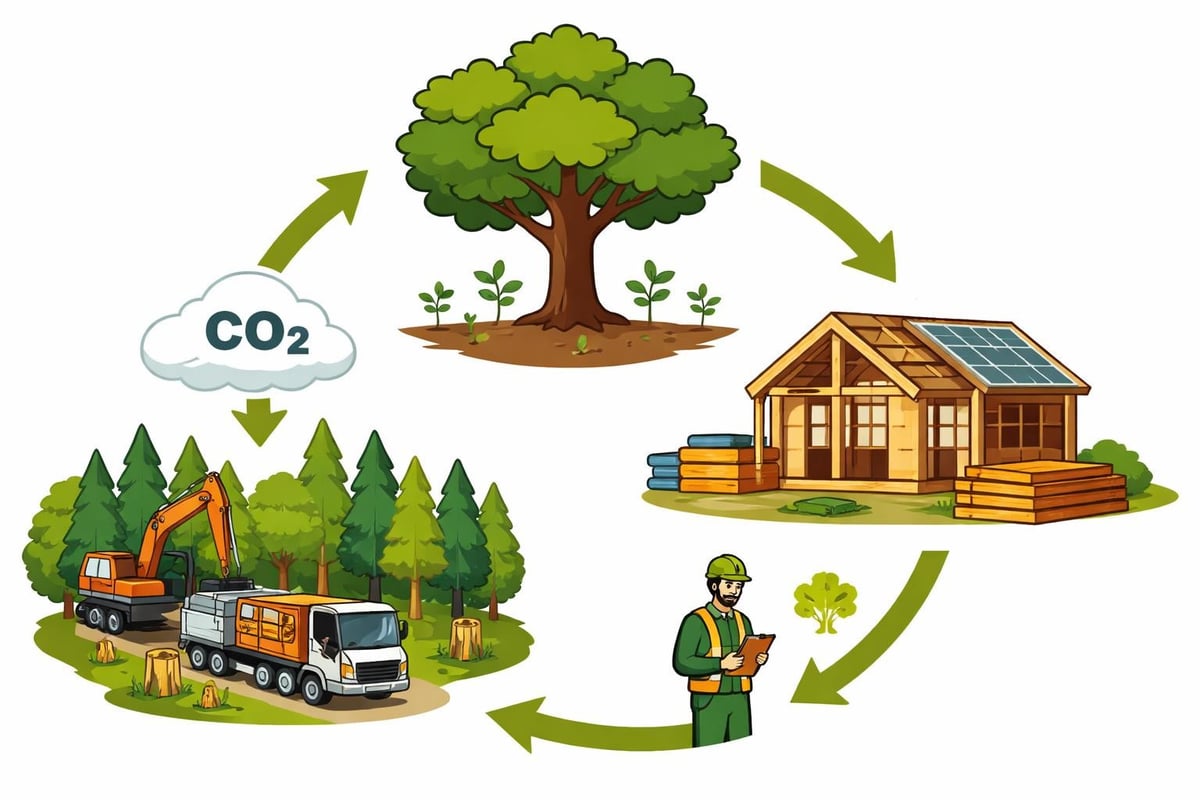
Timber acts as a carbon store, locking away CO2 absorbed during the tree's growth. A typical oak frame home contains several tonnes of timber, representing substantial carbon sequestration. When sourced from sustainably managed woodlands, each felled tree is replaced, creating a renewable construction material.
Energy Performance Considerations
Modern encapsulation methods allow oak frame homes to achieve excellent thermal performance. The gap between internal and external envelopes accommodates substantial insulation, whilst the thermal mass of oak helps regulate internal temperatures.
Sustainable encapsulation for your oak frame house involves careful detailing to prevent thermal bridging and ensure airtightness. The structural oak frame sits within an insulated envelope, protected from direct weather exposure whilst remaining visible internally.
Advanced building techniques now enable oak frame homes to meet or exceed current Building Regulations requirements. Proper design addresses thermal bridges at beam ends and post positions, ensuring consistent thermal performance throughout the building fabric.
Cost Factors and Budget Planning
Understanding the financial aspects of oak frame construction helps realistic budget planning. Whilst often perceived as premium construction, various factors influence overall costs and potential long-term savings.
Main cost components include:
- Timber material and frame fabrication
- Foundation and groundwork requirements
- Encapsulation materials and installation
- Roofing, glazing, and external finishes
- Internal fit-out and service installations
Frame costs typically represent 15-25% of total build costs, comparable to conventional structural systems when considering the complete package. The exposed oak eliminates interior finishing costs in many areas, whilst the speed of construction reduces preliminary costs and financing charges.
Value Addition and Property Appreciation
An oak frame home typically commands premium valuations compared to conventional properties of similar size. The craftsmanship, sustainability credentials, and distinctive character appeal to discerning buyers, supporting strong resale values.
Properties featuring quality oak framing often appreciate faster than standard new builds, particularly in rural and semi-rural locations where traditional aesthetics align with local character. This value retention provides financial security alongside the immediate lifestyle benefits.
Maintenance and Longevity
Properly constructed oak frame homes require minimal maintenance whilst offering exceptional longevity. The inherent durability of oak, combined with sound construction principles, creates structures that improve with age.
Green oak naturally darkens and silvers as it seasons, developing a rich patina that many homeowners prize. This ageing process causes no structural concern; indeed, the timber becomes harder and more stable as moisture content equilibrates with the environment.
Essential Care Requirements
Interior oak typically requires no treatment beyond occasional cleaning. The low moisture environment inside modern homes prevents fungal attack and insect infestation, allowing the timber to remain unfinished.
| Maintenance Task | Frequency | Purpose |
|---|---|---|
| Visual Inspection | Annually | Identify emerging issues |
| Joint Checking | Every 5 years | Ensure connections remain tight |
| Surface Cleaning | As needed | Remove dust and marks |
| Treatment Application | Rarely required | Only if desired aesthetically |
External oak elements require more attention depending on exposure and design details. Projecting beams and exposed wall plates benefit from protective finishes or design details that shed water effectively. Regular inspection identifies any areas requiring attention before problems develop.
Design Styles and Architectural Options
Oak frame construction accommodates diverse architectural styles, from traditional vernacular designs to contemporary statements. This versatility allows homeowners to create truly personalised dwellings that reflect individual tastes.
Traditional approaches often reference regional building heritage, incorporating curved braces, jetties, and other period details. These homes suit conservation areas and rural settings where sympathetic design proves essential for planning approval.
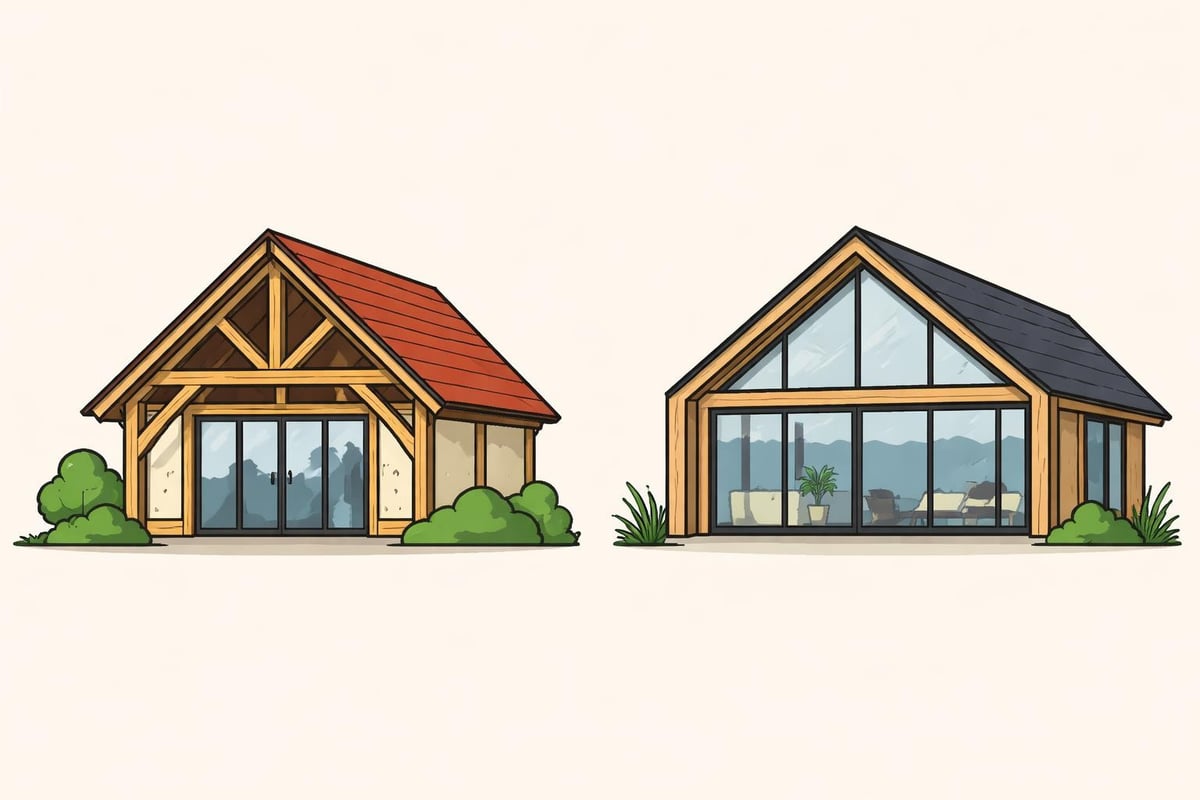
Contemporary oak frame homes embrace clean lines and minimalist detailing whilst showcasing the structural timber. Large glazed sections contrast with solid oak posts, creating striking visual effects that celebrate both modern and traditional elements.
Extending Existing Properties
Oak framing provides an excellent solution for property extensions. A timber extension can complement existing buildings whilst creating clearly defined new spaces. The lightweight nature of timber construction often eliminates foundation complications that heavier masonry extensions might encounter.
Whether adding a 1-bay building for additional living space or creating a more substantial 3-bay building for comprehensive extension, oak framing delivers visual coherence and structural performance. The modular nature of bay-based design allows precise sizing to match specific requirements.
Ancillary Oak Frame Structures
Beyond complete homes, oak framing creates beautiful ancillary buildings that enhance property value and functionality. These structures demonstrate the versatility of timber frame construction whilst requiring smaller investments than full dwellings.
Oak framed garages protect vehicles whilst adding architectural interest to properties. From simple 2-bay buildings providing basic shelter to more elaborate 4-bay buildings incorporating workshops or storage areas, these structures combine practicality with aesthetic appeal.
Garden buildings extend living space into outdoor areas. Gazebos create sheltered entertainment areas, whilst larger structures function as garden rooms, home offices, or studios. The exposed oak framework creates attractive spaces that require minimal internal finishing.
Barn Conversions and Agricultural Buildings
Oak framing suits agricultural and equestrian applications particularly well. The spanning capability of substantial oak beams creates open interior spaces ideal for vehicle storage, livestock shelter, or equipment housing. These garage barns combine traditional aesthetics with modern functionality.
The durability of oak construction proves especially valuable in agricultural settings where buildings endure harsh treatment and exposure. Properly detailed frames resist moisture, impacts, and heavy use whilst maintaining structural integrity for generations.
Planning Permission and Building Regulations
Navigating the regulatory environment represents a crucial aspect of any oak frame home project. Understanding requirements early prevents delays and ensures compliant construction.
Planning permission requirements vary depending on location, site history, and proposed design. Properties in conservation areas or Areas of Outstanding Natural Beauty often face stricter controls, though traditional oak framing may actually support applications in such contexts.
Key regulatory considerations include:
- Local planning policies and design guidelines
- Building Regulations compliance for structure and services
- Listed building consent if affecting historic structures
- Environmental impact assessments for sensitive locations
- Party wall agreements with neighbouring properties
Building Regulations govern structural adequacy, fire safety, thermal performance, and accessibility. Oak frame construction easily meets structural requirements when properly engineered, whilst modern encapsulation methods achieve necessary thermal standards.
Working with Building Control
Engaging building control officers early facilitates smooth approvals. Providing structural calculations, thermal modelling, and construction details demonstrates compliance and builds confidence in the proposed approach.
Experienced timber frame specialists understand regulatory requirements and design accordingly. Their expertise streamlines the approval process whilst ensuring the finished structure meets all necessary standards. For those exploring log and timber frame homes, professional guidance proves invaluable throughout the regulatory journey.
Selecting Your Oak Frame Specialist
Choosing the right contractor fundamentally influences project success. The specialist's experience, craftsmanship standards, and project management capabilities determine both construction quality and client experience.
Established specialists demonstrate their capabilities through portfolios of completed projects. Visiting previous builds allows assessment of workmanship quality and design execution. Speaking with past clients provides insights into communication, reliability, and problem-solving approaches.
Evaluating Craftsmanship Standards
Quality indicators extend beyond surface appearances. Joint precision, timber selection, and finishing details reveal the craftsman's skill and attention to detail. Examine how wooden frame construction elements connect, how surfaces are prepared, and how the finished frame integrates with encapsulation elements.
Membership in professional bodies suggests commitment to standards and ongoing professional development. Insurance coverage, including professional indemnity and public liability policies, protects clients against potential issues. Warranties on materials and workmanship provide additional security for significant investments.
Material Sourcing and Supply Chain
The origin and quality of oak timber significantly impacts both construction quality and environmental credentials. Understanding sourcing practices helps make informed decisions aligned with personal values and project requirements.
British oak offers exceptional quality and supports domestic forestry industries. However, supply limitations sometimes necessitate European imports, particularly for larger projects requiring substantial volumes. Timber one oak homes explores these sourcing considerations in depth, examining quality standards across different supply chains.
Sustainable forestry certification schemes verify responsible management practices. FSC and PEFC certifications confirm timber originates from woodlands managed according to environmental and social standards, providing assurance about ethical sourcing.
Seasoned Versus Green Oak
The choice between seasoned and green oak affects construction methods, costs, and aesthetic outcomes. Green oak shrinks significantly as it dries, requiring traditional joinery that tightens during seasoning. Seasoned timber remains more stable but costs considerably more and limits traditional joint effectiveness.
Most traditional oak frame homes use green oak, accepting the characteristic movement and surface checking as natural ageing processes. The timber darkens and develops surface cracks as internal stresses release, creating the authentic appearance valued in traditional construction.
For those requiring specific materials, suppliers offer various options including seasoned oak logs for particular applications where stability proves essential.
Integration with Modern Building Services
Contemporary oak frame homes incorporate all modern conveniences whilst maintaining traditional aesthetics. Careful planning ensures services integrate seamlessly without compromising the timber framework or visual appeal.
Electrical installations run within stud walls forming the encapsulation envelope, avoiding the need to penetrate structural oak. Socket positions, lighting circuits, and data cabling all locate within these service cavities, maintaining clean oak surfaces.
Plumbing and heating systems similarly route through wall cavities and floor voids. Underfloor heating works particularly well with oak frame construction, eliminating radiators that might clutter open-plan spaces whilst providing even heat distribution.
Service integration strategies include:
- Running pipework through floor joists between beams
- Locating soil stacks within stud wall assemblies
- Positioning heating manifolds in discrete cupboards
- Using wireless controls to minimise cable requirements
- Planning mechanical ventilation routes during design
Modern ventilation systems maintain air quality whilst preserving the airtightness necessary for thermal performance. Mechanical ventilation with heat recovery (MVHR) systems suit oak frame homes particularly well, recovering warmth from extracted air to preheat incoming fresh air.
An oak frame home delivers enduring beauty, environmental responsibility, and exceptional craftsmanship that transforms everyday living. From initial design through construction and decades of enjoyment, these remarkable buildings represent investments in quality that appreciate over time. Whether you're planning a complete new build or considering wooden outbuildings to complement your existing property, Acorn to Oak Framing combines traditional expertise with modern standards to create bespoke timber structures across the UK. Get in touch today to discuss how our Hastings-based team can bring your oak framing vision to life.


