
The appeal of a small timber frame home has never been stronger, particularly as homeowners across the UK seek sustainable, characterful dwellings that combine traditional craftsmanship with modern efficiency. These compact structures offer an elegant solution for those wanting to downsize without sacrificing quality or aesthetic appeal. By utilising exposed oak beams, mortise-and-tenon joinery, and thoughtful spatial planning, a small timber frame home delivers architectural beauty whilst maintaining a manageable footprint that suits contemporary lifestyles and environmental concerns.
Why Choose a Small Timber Frame Home
Building smaller doesn't mean compromising on quality or comfort. A well-designed small timber frame home maximises every square metre whilst creating an inviting atmosphere that larger properties often struggle to achieve. The National Association of Home Builders highlights numerous benefits of timber frame construction, including superior energy efficiency and exceptional durability.
Financial advantages make smaller timber frames particularly attractive:
- Lower initial construction costs
- Reduced ongoing maintenance expenses
- Decreased energy bills year-round
- Smaller land requirements
- Lower council tax bands
The environmental credentials speak for themselves. Timber acts as a carbon store throughout the building's lifetime, and sustainably sourced oak ensures responsible forestry practices. When you choose bespoke timber frame products, you're investing in materials that will last generations whilst minimising your environmental impact.
Cost Efficiency and Long-Term Value
One of the compelling reasons to build small relates directly to financial sustainability. A small timber frame home requires fewer materials, less labour, and shorter construction timelines than larger equivalents. These savings don't diminish quality; rather, they allow homeowners to invest in superior craftsmanship and premium finishes.
Consider this comparison of typical project scales:
| Home Size | Approximate Frame Cost | Construction Time | Annual Heating Cost |
|---|---|---|---|
| 60-80 m² | £25,000-35,000 | 8-12 weeks | £800-1,200 |
| 80-100 m² | £35,000-50,000 | 12-16 weeks | £1,200-1,600 |
| 100-130 m² | £50,000-70,000 | 16-20 weeks | £1,600-2,200 |
Maximising Space Through Thoughtful Design
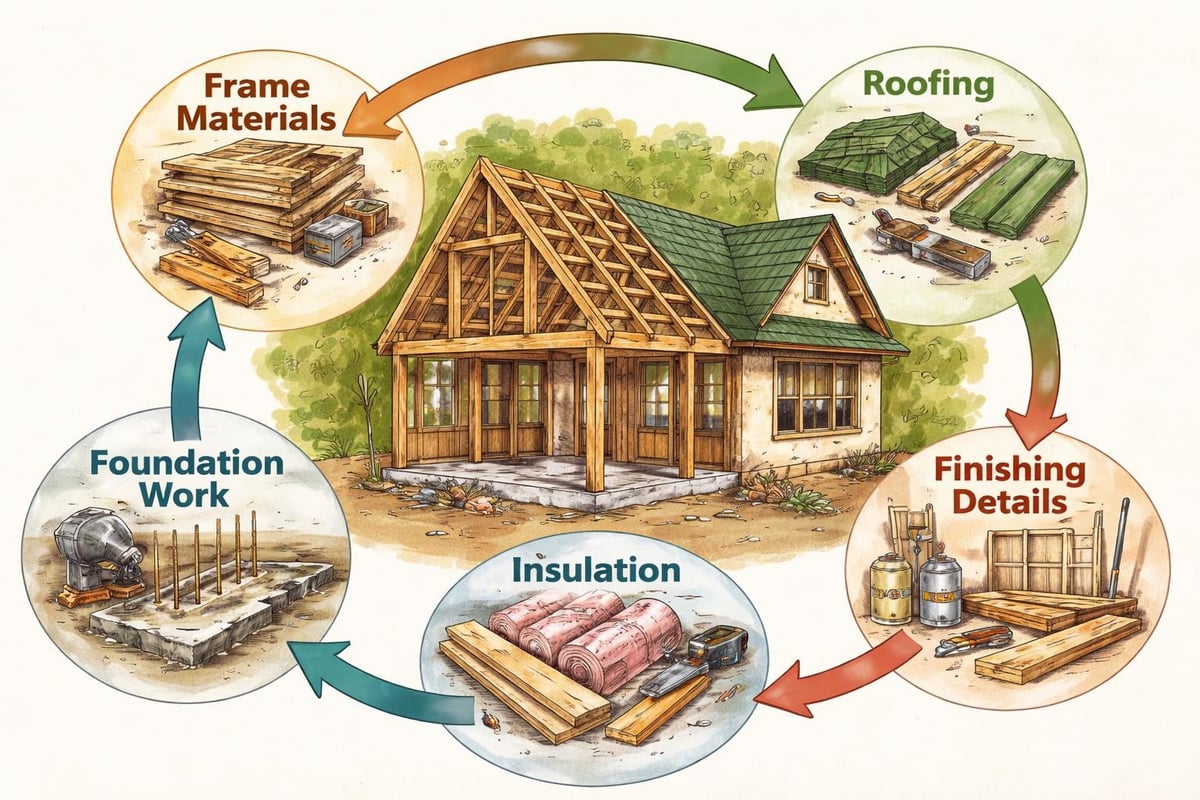
The secret to successful compact living lies in strategic spatial planning. Design strategies for small timber homes emphasise open-plan layouts, abundant natural light, and seamless indoor-outdoor connections. These principles transform modest square footage into comfortable, functional living environments.
Key spatial strategies include:
- Creating double-height spaces in living areas
- Installing full-height glazing to blur boundaries
- Incorporating built-in storage solutions
- Designing multi-functional rooms
- Utilising vertical space with mezzanines or galleries
Open-concept designs eliminate unnecessary corridors and single-purpose rooms. A small timber frame home benefits enormously from combining kitchen, dining, and living functions within one generous space punctuated by beautiful exposed oak posts and beams. This approach, common in timber buildings, allows natural sightlines throughout the home whilst showcasing the structural timber as architectural features.
Incorporating Natural Light
Generous fenestration proves essential in smaller homes. Large windows, glazed gables, and roof lights transform compact interiors, making them feel significantly more spacious than their actual dimensions. Positioning windows to capture morning light in bedrooms and afternoon sun in living areas creates natural rhythms that enhance daily life.
Timber frames excel at accommodating large glazed areas. The structural integrity provided by the oak frame allows for expansive glass panels without compromising stability. Consider installing floor-to-ceiling windows on southern elevations to maximise passive solar gain whilst enjoying garden views.
The interplay between solid oak timbers and transparent glazing creates visual interest. Dark, textured beams contrast beautifully with clean glass expanses, drawing the eye upward and outward. This combination makes rooms feel considerably larger whilst celebrating the craftsmanship inherent in traditional timber framing.
Essential Design Elements for Compact Timber Frames
When planning your small timber frame home, certain design elements prove particularly effective. Expert tips from industry professionals highlight the importance of balancing openness with privacy, incorporating flexible spaces, and ensuring adequate storage throughout.
Structural Considerations
The timber frame itself offers significant design advantages. Exposed posts and beams eliminate the need for load-bearing internal walls, providing complete freedom in room layout. This flexibility allows homeowners to configure spaces exactly as needed, adapting the interior over time without structural constraints.
Typical frame configurations for small homes:
- Single-bay structures (approximately 3.5-4.5 metres width)
- Two-bay buildings (7-9 metres width)
- Three-bay designs (10.5-13.5 metres width)
Each configuration offers distinct spatial possibilities. Single bays suit compact cottages or studio homes, whilst two and three-bay arrangements provide comfortable family accommodation. The modular nature of timber framing means extensions remain straightforward should future needs change.
Material Selection and Craftsmanship
Choosing appropriate timber species significantly impacts both aesthetics and longevity. Green oak, traditionally used in British timber framing, continues to offer unmatched character and durability. As the timber seasons in situ, it develops beautiful splits and checks that enhance rather than diminish its appeal.
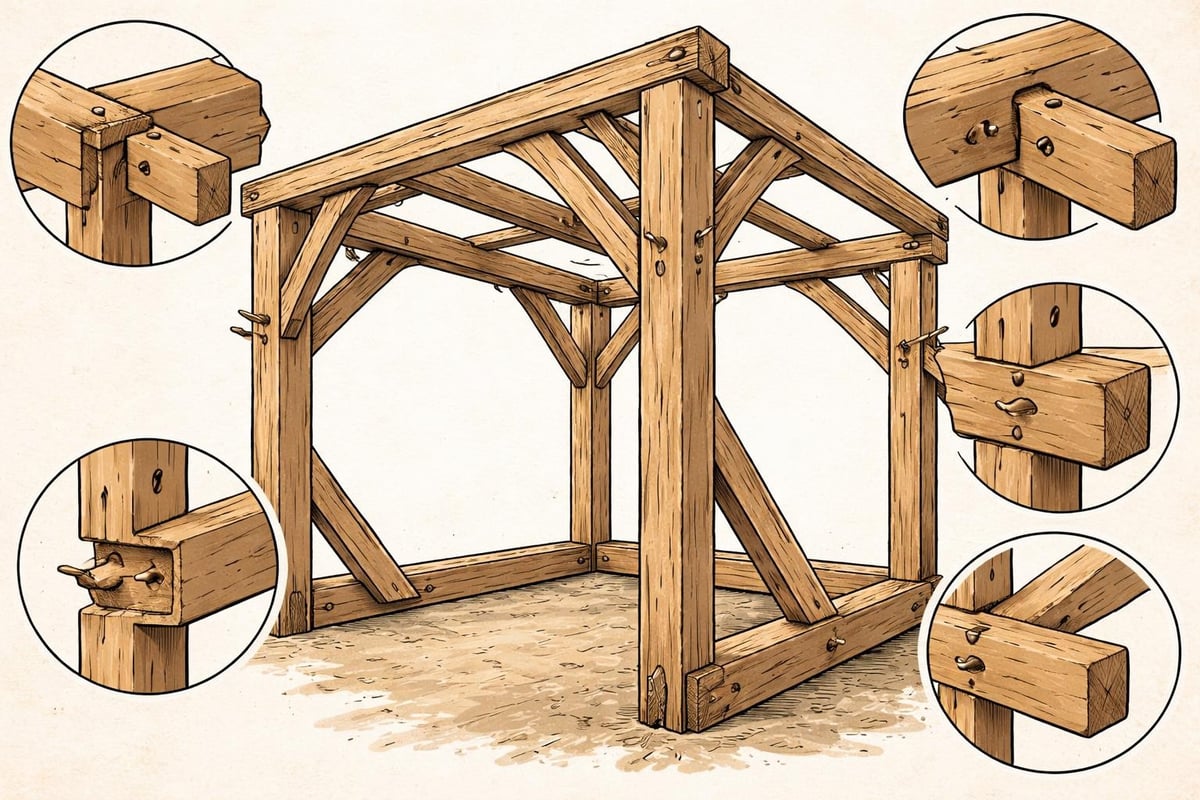
Quality craftsmanship distinguishes exceptional small timber frame homes from mediocre ones. Traditional joinery techniques, including mortise-and-tenon joints secured with oak pegs, create structures that strengthen over time. Avoiding common building mistakes starts with selecting experienced craftspeople who understand both heritage techniques and modern building requirements.
Practical Layout Solutions
Efficient floor plans make or break small home designs. Every square metre must justify its existence, serving either functional needs or contributing to the overall sense of space and comfort. Designing efficient small homes requires eliminating wasted circulation space whilst ensuring rooms flow logically.
Ground Floor Configuration
The primary living level typically demands an open-plan approach. Combining cooking, dining, and relaxation functions within one interconnected space creates flexibility whilst showcasing the timber frame structure. Strategic placement of furniture and subtle level changes can define zones without erecting walls.
- Position the kitchen along one wall to maximise open floor space
- Orient seating areas toward focal points like wood-burning stoves or garden views
- Include dining space near kitchen zones for efficiency
- Incorporate built-in window seats or inglenooks within the frame bays
- Design storage beneath staircases and within wall recesses
Ground floor layouts should facilitate easy movement whilst providing distinct areas for different activities. A well-planned small timber frame home allows occupants to prepare meals, entertain guests, and relax comfortably within the same generous space, all beneath the dramatic canopy of exposed oak beams.
Upper Floor Planning
First-floor accommodation requires careful consideration in smaller homes. Bedrooms needn't be expansive; cosy, well-proportioned rooms often feel more comfortable than oversized spaces. Design tips for better timber homes suggest optimising bedroom dimensions whilst prioritising shared spaces.
| Room Type | Minimum Comfortable Size | Ideal Size |
|---|---|---|
| Master Bedroom | 10-12 m² | 14-16 m² |
| Second Bedroom | 8-10 m² | 11-13 m² |
| Bathroom | 4-5 m² | 6-7 m² |
| Landing/Gallery | 3-4 m² | 5-7 m² |
Consider incorporating gallery landings overlooking the living area below. This design approach, common in traditional timber frames, creates dramatic spatial connections whilst allowing heat from ground-floor heating to rise naturally throughout the home.
Enhancing Efficiency and Sustainability
Modern small timber frame homes balance traditional aesthetics with contemporary performance standards. Proper insulation, airtightness, and ventilation systems ensure comfort whilst minimising energy consumption. The thermal mass of timber, combined with appropriate insulation strategies, creates naturally comfortable interior environments.
Insulation Strategies
Timber frame panels accommodate various insulation materials. Common approaches include:
- Sheep's wool for natural, breathable insulation
- Wood fibre boards for excellent thermal performance
- Recycled cellulose for cost-effective efficiency
- Rigid foam boards for maximum R-values in limited depths
External insulation wrapped around the timber frame provides continuous coverage without thermal bridging. This approach, whilst requiring careful detailing around structural timbers, delivers superior performance compared to cavity insulation methods.
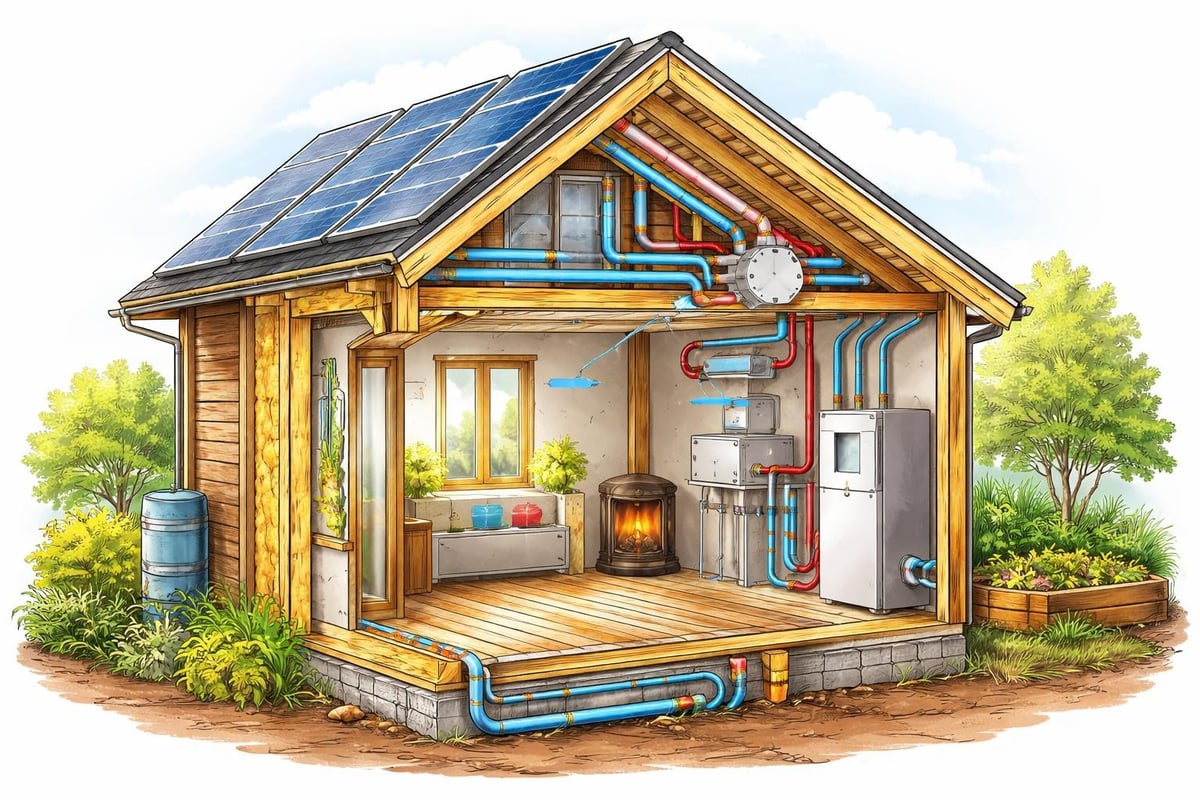
Energy-efficient features worth incorporating:
- Triple-glazed windows with timber frames
- Heat recovery ventilation systems
- Solar thermal panels for hot water
- Photovoltaic arrays for electricity generation
- Rainwater harvesting systems
These systems work synergistically with the timber structure, creating homes that operate economically whilst treading lightly on the environment. Smaller homes inherently require less energy, making ambitious efficiency targets more achievable.
Ventilation and Indoor Air Quality
Airtight construction demands mechanical ventilation. Heat recovery systems extract stale air from wet rooms whilst pre-warming incoming fresh air, recovering approximately seventy to ninety percent of heat that would otherwise escape. This technology suits small timber frame homes perfectly, maintaining excellent air quality without excessive heat loss.
Natural ventilation remains important too. Openable windows, particularly high-level casements, allow passive stack ventilation during warmer months. The combination of mechanical and natural strategies ensures year-round comfort regardless of external conditions.
Exterior Design and Garden Integration
A small timber frame home's external appearance significantly influences its perceived size. Thoughtful elevational design, appropriate materials, and strong connections to surrounding gardens all contribute to successful compact dwellings.
Elevational Treatments
Traditional timber frame buildings featured either exposed frames with infill panels or enclosed frames hidden behind cladding. Both approaches suit modern small homes. Exposed frames showcase beautiful craftsmanship whilst creating visual interest through the interplay of timber, glazing, and solid panels.
Contemporary cladding options include:
- Horizontally-laid oak weatherboarding
- Vertical larch or cedar cladding
- Lime render on straw bale or hempcrete panels
- Engineering brick plinth with timber above
- Combination approaches mixing materials
External finishes should complement the local vernacular whilst expressing the building's timber frame construction. In rural settings, oak weatherboarding aged to silver-grey harmonises beautifully with agricultural buildings. Urban contexts might favour darker stains or charred cladding that references traditional materials through contemporary interpretation.
Creating Outdoor Connections
Gardens effectively extend living space, particularly valuable in compact homes. Generously-sized glazed doors connecting to terraces or decks blur internal and external boundaries. During warmer months, these transitions allow the small timber frame home to function as significantly larger.
Gazebos and pergolas crafted from matching oak extend the architectural language into garden spaces. These structures provide sheltered outdoor rooms for dining, relaxation, or workspace, effectively adding functional square metres without requiring planning permissions associated with enclosed extensions.
Planning and Regulatory Considerations
Building regulations govern all new dwellings in the UK, and small timber frame homes must comply with standards covering structural integrity, fire safety, thermal performance, and accessibility. Working with experienced timber frame specialists who understand these requirements proves invaluable.
Planning Permission
Most small timber frame homes require planning consent unless constructed under permitted development rights. Factors influencing planning success include:
- Sympathetic design respecting local character
- Appropriate scale relative to neighbouring properties
- Minimal impact on protected views or conservation areas
- Adequate parking and access provisions
- Sustainable drainage arrangements
Submitting well-prepared applications with clear drawings, material specifications, and supporting documents significantly improves approval prospects. Demonstrating how the small timber frame home enhances the site whilst respecting surroundings addresses planning officers' primary concerns.
Building Control Approval
Separate from planning permission, Building Control ensures construction meets technical standards. Key considerations for timber frames include:
| Requirement | Typical Solution | Verification Method |
|---|---|---|
| Structural Stability | Engineer-approved frame design | Structural calculations |
| Fire Safety | Appropriate compartmentation and detection | Fire strategy document |
| Thermal Performance | Insulation achieving current U-values | SAP calculations |
| Sound Insulation | Appropriate detailing between dwellings | Pre-completion testing |
| Accessibility | Level access and turning spaces | Dimensional checks |
Professional timber frame companies provide calculations and documentation supporting Building Control submissions. Their experience navigating regulatory requirements streamlines approvals whilst ensuring compliant construction.
Customisation and Personal Expression
Despite compact dimensions, small timber frame homes offer extensive personalisation opportunities. Considerations when designing timber frame homes include balancing individual preferences with practical constraints, selecting finishes that enhance timber's natural beauty, and creating spaces reflecting owners' lifestyles.
Interior Finishes
Internal treatments should complement rather than compete with exposed oak framing. Neutral lime plaster, clay renders, or simple painted plasterboard provide calm backgrounds allowing timber to dominate visually. Natural materials like stone flooring, oak boards, and wool carpets create cohesive schemes celebrating traditional craftsmanship.
Finish options enhancing small spaces:
- Light-coloured walls reflecting natural light
- Polished concrete floors with underfloor heating
- Full-height timber panelling in strategic locations
- Exposed stone or brick feature walls
- Simple, unfussy trim details
Avoid over-complicating finishes in smaller rooms. Clean lines, consistent materials, and restrained colour palettes create serene environments that feel larger than their actual dimensions.
Built-In Solutions
Custom joinery maximises storage without consuming floor space. Built-in wardrobes, under-stair cupboards, window seats with lift-up lids, and wall-mounted shelving all contribute to organised, clutter-free living. Many timber frame specialists can incorporate bespoke joinery within their projects, ensuring seamless integration with the structural frame.
Consider multi-functional furniture designed specifically for your small timber frame home. Murphy beds, extending dining tables, and modular seating systems adapt spaces for different uses throughout the day. This flexibility proves particularly valuable in compact dwellings where rooms often serve multiple purposes.
Long-Term Maintenance and Durability
Properly constructed timber frames endure for centuries with minimal maintenance. Medieval timber buildings still standing throughout Britain demonstrate the longevity achievable through quality craftsmanship and appropriate material selection. Modern small timber frame homes benefit from this proven durability whilst incorporating contemporary protective treatments.
Protecting External Timber
Exposed oak frames weather naturally, developing attractive silver-grey patinas without requiring treatment. However, many homeowners prefer maintaining the golden-brown colour of freshly-cut oak through regular applications of UV-resistant oils or stains.
Treatment frequency depends on exposure and product selection:
- South-facing elevations: Every 2-3 years
- East and west aspects: Every 3-4 years
- North-facing frames: Every 4-5 years
- Sheltered areas under eaves: Every 5-7 years
Inspect timber annually for signs of moisture ingress, insect activity, or mechanical damage. Addressing issues promptly prevents minor problems developing into significant repairs. The robust nature of traditional timber framing means structural elements rarely require replacement, though occasional adjustments to joints may prove necessary as timber seasons.
Interior Considerations
Internal oak frames require virtually no maintenance beyond occasional dusting. Natural oil finishes can be refreshed periodically to maintain lustre, though many homeowners appreciate the deepening patina that develops over decades of use.
Monitor moisture levels in bathrooms and kitchens where higher humidity could potentially affect timber. Adequate ventilation systems prevent condensation whilst maintaining the stable conditions that preserve timber indefinitely.
Building a small timber frame home offers an exceptional opportunity to create characterful, sustainable accommodation perfectly suited to modern living. By combining traditional craftsmanship with thoughtful spatial planning, these compact dwellings deliver comfort, efficiency, and timeless beauty that enhances both lifestyle and property value. Whether you're considering downsizing, building a garden annexe, or creating your first home, Acorn to Oak Framing brings decades of specialist experience to help realise your vision through bespoke timber frame solutions crafted to the highest standards.


