
Timber construction extensions are rapidly gaining traction across the UK, celebrated for their sustainability and modern appeal as we look ahead to 2026. More homeowners are turning to this eco-friendly solution to add space, value, and character to their properties.
This comprehensive guide to planning and building a timber construction extension delivers expert insights at every step. Discover the fundamentals, design options, regulatory essentials, and the latest trends shaping the future of timber builds. Ready to make an informed choice for your next home project? Read on for practical advice and inspiration.
Understanding Timber Construction Extensions
Timber construction extension projects are reshaping the UK home improvement landscape, offering a modern alternative to traditional building methods. As demand for sustainable and adaptable living spaces rises, more homeowners are turning to timber solutions for their extensions. This section explores the essential elements of timber construction, the variety of timber options available, and the trends shaping the future of timber extensions.
What is Timber Construction and Why Choose It?
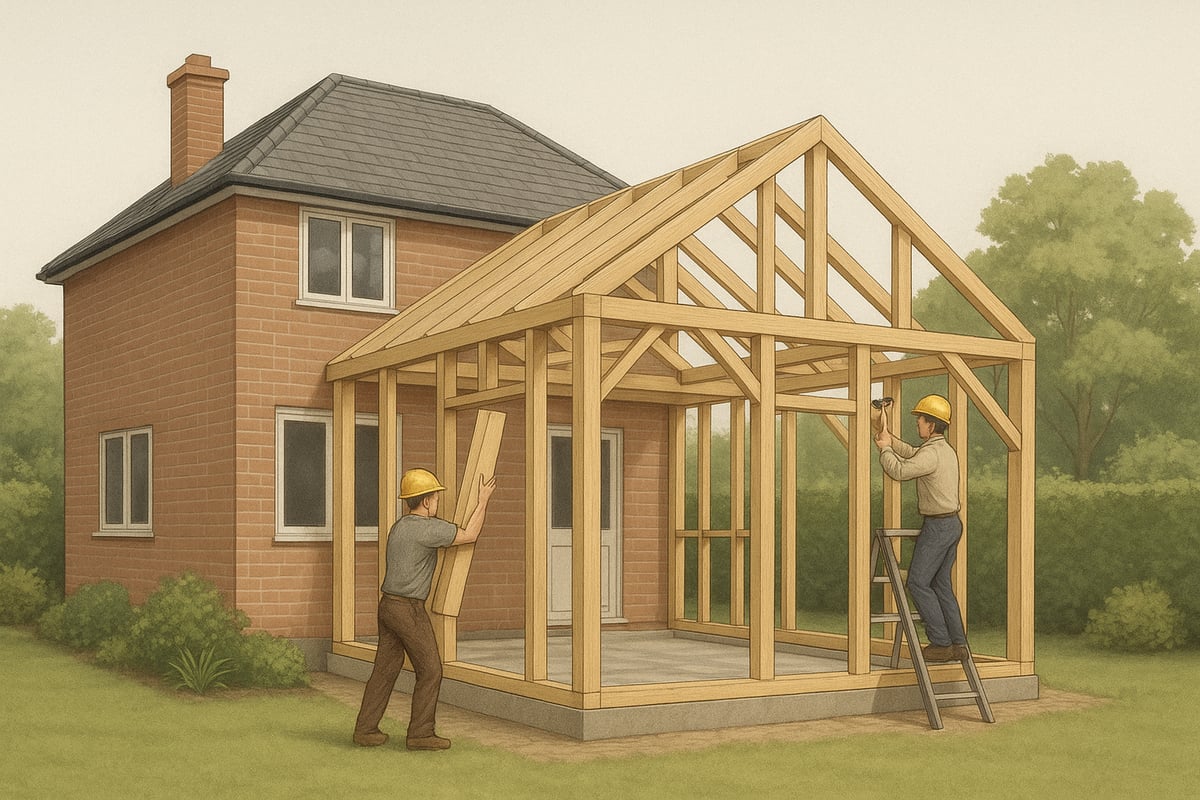
Timber construction extension refers to building additional living space using a structural timber frame as the core support, rather than relying solely on brick or blockwork. Unlike traditional methods, the timber frame forms both the skeleton and, often, the insulation layer of the extension. This approach delivers several advantages:
- Speed of Build: Timber frames can be prefabricated off-site, reducing onsite construction time.
- Sustainability: Timber is a renewable resource, and responsible sourcing ensures a lower carbon footprint.
- Flexibility: Timber frames are adaptable to a wide range of designs, from single-storey kitchen extensions to large wraparound additions.
- Energy Efficiency: High levels of insulation and air-tightness are achievable, leading to lower heating bills.
Currently, over 28% of new homes in the UK use timber frame construction, a figure expected to rise as sustainability remains a key driver (Timber Construction Methods Explained). Timber construction extension solutions suit various property types, from period cottages to modern townhouses.
Some misconceptions persist, such as concerns about fire safety or durability, but modern timber frames are engineered to meet strict UK Building Regulations. Recent high-profile projects in London and the South West showcase how timber construction extension design can blend seamlessly with both contemporary and traditional homes.
Types of Timber Used in Extensions
Selecting the right material is crucial for any timber construction extension. Most UK extensions use either softwoods like spruce and pine or hardwoods such as oak. Softwoods are favoured for their cost-effectiveness and ease of handling, while hardwoods offer superior strength and a distinctive finish.
Engineered timber products, including glulam (glued laminated timber) and cross-laminated timber (CLT), are increasingly popular. These materials provide enhanced stability and allow for larger spans without compromising strength. Engineered options also support innovative architectural designs.
Sustainably sourced timber is essential. Look for timber certified by schemes like FSC or PEFC, which guarantee responsible forest management. UK and EU standards ensure that structural timber meets strict criteria for strength and moisture resistance. With proper detailing and maintenance, a timber construction extension can last 60–100 years or more, rivaling traditional masonry for longevity.
Timber Construction Extension Trends for 2026
The timber construction extension market is evolving rapidly as we approach 2026. One of the most significant trends is the shift towards prefabrication and off-site manufacturing, which decreases construction time and minimises disruption for homeowners.
Integration with smart home and eco technologies is also on the rise. Homeowners are increasingly seeking extensions that support renewable energy systems, such as solar panels and air source heat pumps. Biophilic design, which emphasises natural materials and maximises daylight, is another key trend, offering both wellness and aesthetic benefits.
Recent data shows a marked increase in planning applications for timber construction extension projects in 2023–2024, reflecting growing confidence and demand. As the industry continues to innovate, homeowners can expect even more flexible, energy-efficient, and sustainable timber extension options in the coming years.
Planning and Designing Your Timber Extension
Embarking on a timber construction extension is an exciting opportunity to transform your living space. Success starts with careful planning, informed decisions, and a clear understanding of the steps involved. Let us guide you through the key considerations and expert advice for designing a timber construction extension that enhances your home’s value, comfort, and sustainability.
Initial Considerations and Feasibility
The first step in planning a timber construction extension is to assess whether your property is suitable. This involves a site survey and structural assessment to identify any limitations, such as access, ground conditions, or existing building constraints. Setting clear goals is essential—are you aiming to create extra space, improve lifestyle, or boost property value?
Budgeting is crucial. In 2024, the average cost for a timber construction extension ranges from £1,800 to £2,500 per square metre. These figures cover design, materials, and labour, but additional expenses may arise for complex sites or bespoke features.
For a comprehensive overview of the planning process, consult the Timber Extension Project Guide, which offers practical insights and tips for each project stage.
A feasibility study will highlight potential challenges, such as planning restrictions or structural upgrades. Early identification of these issues helps avoid delays and ensures your timber construction extension project is viable from the outset.
Working with Architects and Designers
Choosing an architect or designer with experience in timber construction extension projects makes a significant difference. These specialists understand the nuances of timber framing, including structural requirements, insulation, and detailing for longevity.
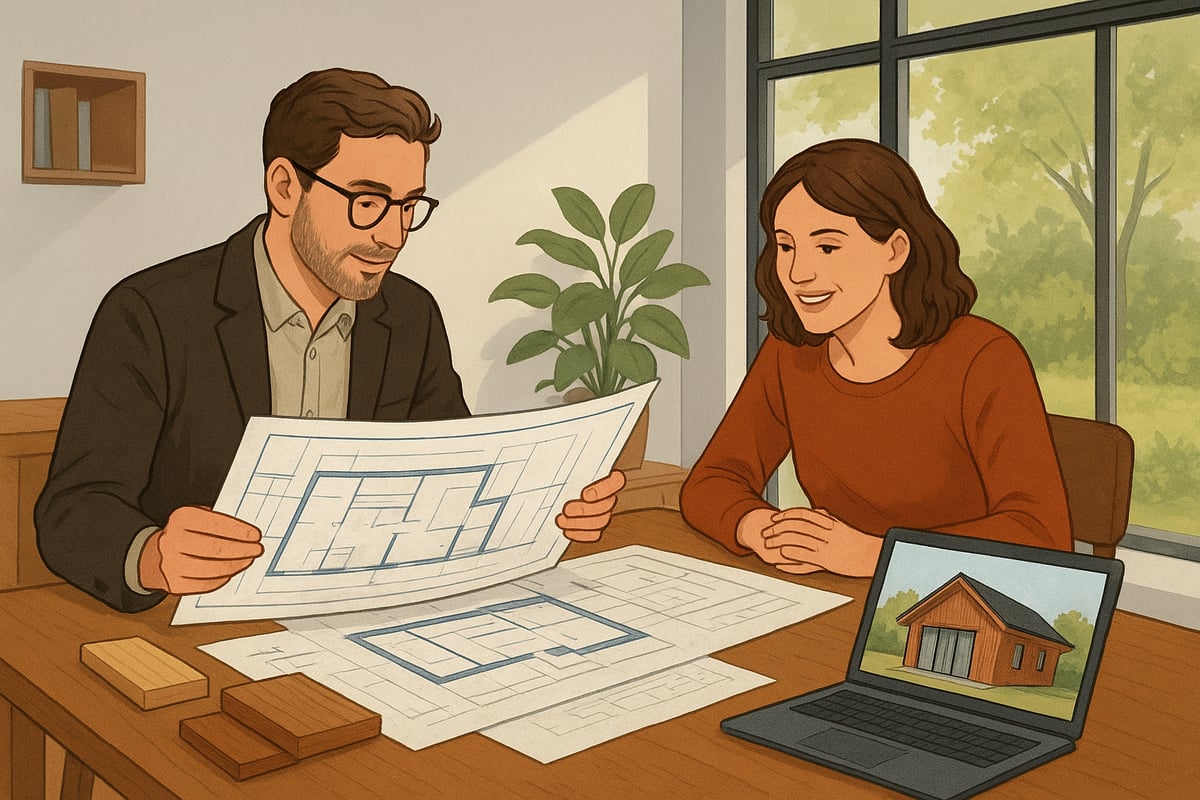
The design process usually begins with concept sketches. Your designer will develop technical drawings and specifications, collaborating closely with you to refine every aspect. Modern 3D modelling tools allow you to visualise your timber construction extension before work begins, helping you make informed choices about layout, materials, and finishes.
A recent example includes a contemporary oak-frame kitchen extension, where the design team used digital models to optimise space and light. This approach ensures your extension complements your existing home, meets your needs, and stands the test of time.
Design Options and Aesthetic Choices
A timber construction extension offers exceptional flexibility in design. Open-plan layouts are popular, creating seamless connections between living, dining, and kitchen areas. Vaulted ceilings and extensive glazing introduce natural light and a sense of spaciousness.
Consider your cladding options. Timber, composite, or a mix of materials can provide either a harmonious match or a striking contrast with the original property. Large bifold doors and roof lanterns enhance indoor-outdoor flow, while full-height windows frame garden views.
When selecting finishes, think about how your timber construction extension will age. Natural wood develops character over time, and thoughtful detailing ensures durability and low maintenance. The right design choices will elevate both the appearance and function of your new space.
Sustainability and Eco-Friendly Design
Sustainability is at the heart of modern timber construction extension projects. High-performance insulation and airtight detailing reduce energy consumption, keeping your home comfortable year-round. Opt for low-VOC paints and natural materials to promote a healthy indoor environment.
Integrating renewable energy systems, such as solar panels or air-source heat pumps, can help you achieve a low-carbon or even net-zero timber construction extension. Careful selection of sustainably sourced timber, certified by FSC or PEFC, ensures your project has a minimal environmental footprint.
By prioritising eco-friendly features, you not only future-proof your home but also enhance its value and appeal to increasingly environmentally conscious buyers.
Regulatory, Planning, and Building Control Requirements
Navigating the regulatory landscape is a crucial part of any timber construction extension project in the UK. Understanding planning permission, building regulations, approval processes, and insurance requirements ensures your project runs smoothly and remains fully compliant.
Planning Permission for Timber Extensions
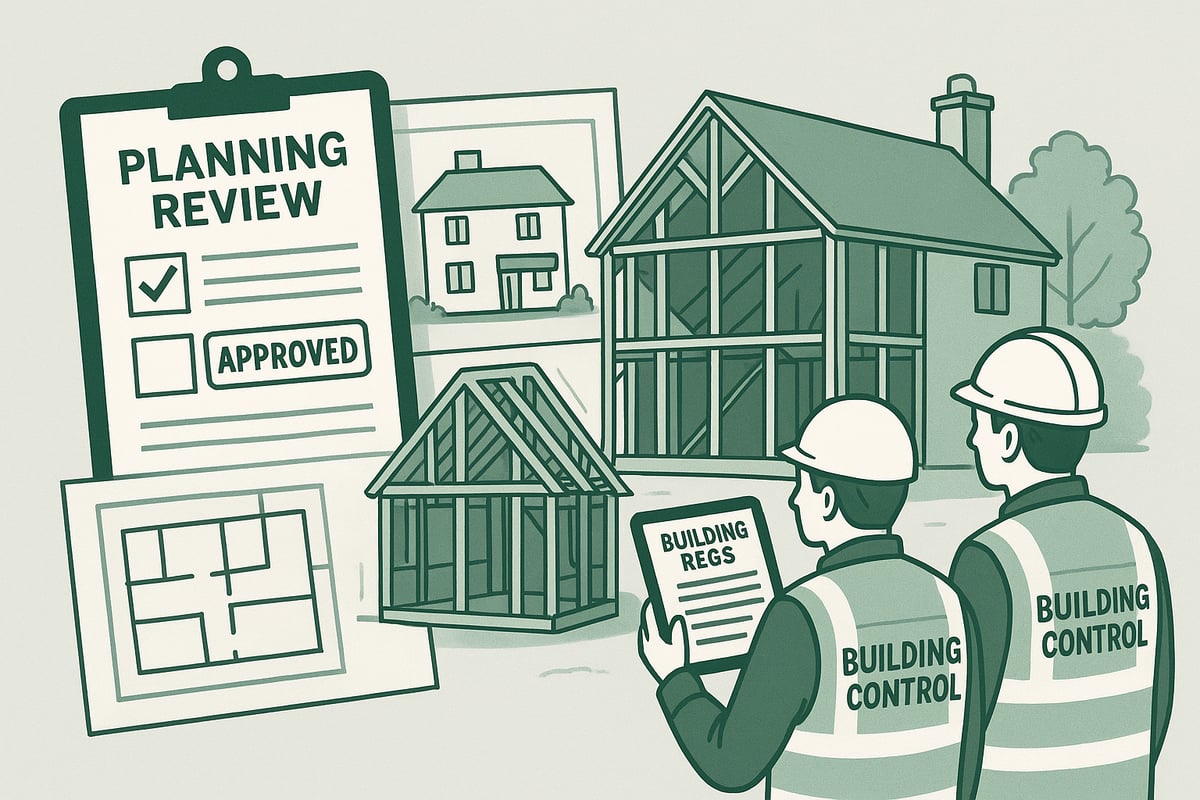
Securing planning permission is often the first step in a timber construction extension journey. Many extensions can fall under permitted development rights, which allow certain works without full planning approval. However, factors like the size, height, and location of your timber construction extension can trigger the need for formal consent.
For instance, in 2024, single-storey rear extensions typically qualify as permitted development if they do not exceed specified limits. Double-storey and wraparound extensions, or those on listed properties or in conservation areas, almost always require planning approval.
It is essential to review the latest UK government guidance or consult your local planning authority before starting. This reduces the risk of costly delays or enforcement action and ensures your timber construction extension complies with all local requirements.
Building Regulations and Compliance
Every timber construction extension must adhere to UK building regulations, focusing on safety, durability, and energy performance. Key areas include structural integrity, fire resistance, thermal insulation, ventilation, and soundproofing.
Timber frames must meet specific fire performance criteria and be designed to withstand structural loads. Insulation and airtightness play a major role in energy efficiency standards, with minimum U-value targets for walls, roofs, and floors. Proper ventilation prevents moisture buildup and protects indoor air quality.
Staying updated with evolving standards is vital. The Timber in Construction Roadmap provides valuable insights into regulatory changes and best practices, supporting compliance and sustainable outcomes for your timber construction extension.
Navigating the Approval Process
Managing the approval process for a timber construction extension requires organisation and clear communication. Begin with a pre-application enquiry to your local authority, followed by submitting drawings and supporting documents.
The typical timeline from submission to approval is eight to twelve weeks. Building control officers will assess structural safety, fire protection, and energy performance. Engaging experienced professionals can streamline approvals and reduce errors.
Common pitfalls include incomplete plans, missing certificates, or failing to address heritage or conservation issues. For rural oak frame projects, early engagement with planners and conservation officers is recommended. A proactive approach keeps your timber construction extension on track and avoids unnecessary setbacks.
Insurance, Warranties, and Guarantees
Protecting your investment in a timber construction extension involves securing appropriate insurance and warranties. Structural warranties cover defects in design, materials, or workmanship, often lasting ten years or more.
Insurance-backed guarantees offer additional peace of mind, especially when using accredited timber frame specialists. These professionals meet strict quality standards and provide documentation required by lenders and insurers.
Home insurance policies should be updated to reflect your new extension. Notifying your provider ensures the timber construction extension is fully covered against damage or loss. Regular maintenance, backed by clear warranties, secures the long-term value and durability of your project.
Step-by-Step Timber Construction Extension Process
Embarking on a timber construction extension requires careful planning, skilled execution, and a clear understanding of each phase. This step-by-step guide demystifies the process, ensuring homeowners know what to expect from groundworks to handover. Whether you are opting for a single-storey addition or a complex wraparound extension, following these key stages guarantees a smooth and successful build.
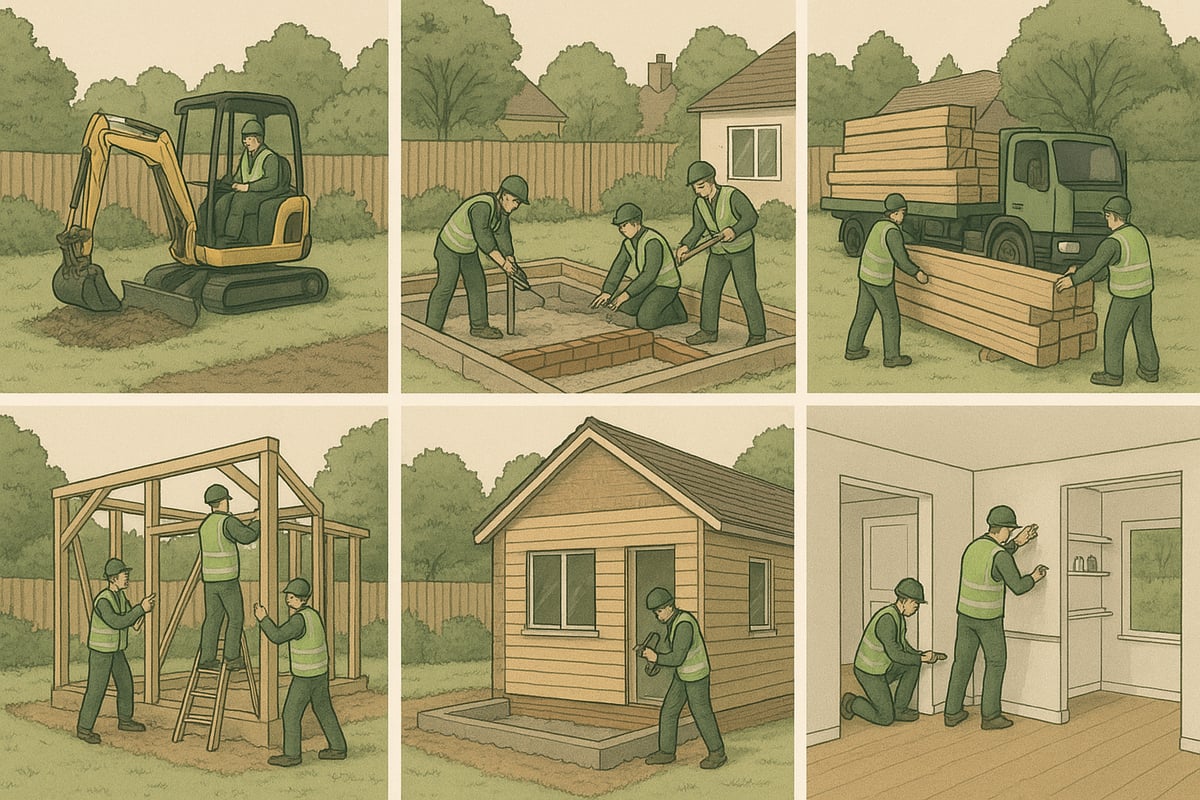
Step 1: Site Preparation and Foundations
Every timber construction extension begins with thorough site preparation. The area is cleared of vegetation, debris, and any existing structures. Access routes are established for vehicles and materials, minimising disruption to your property and neighbours.
A site survey will determine the ground conditions. Foundation type is then chosen based on soil quality, load requirements, and local conditions. Common options include strip, raft, or pile foundations. For example, if your property sits on clay soil, a pile foundation may be necessary to ensure long-term stability.
Accurate groundwork is crucial for the timber construction extension’s structural integrity. Engineers and builders collaborate to ensure all measurements are precise, drainage is accounted for, and the site is ready for the next phase.
Step 2: Timber Frame Manufacture and Delivery
The next phase involves manufacturing the timber frame, often off-site in controlled factory conditions. This approach ensures high quality, reduces on-site waste, and speeds up the overall timeline for your timber construction extension.
Specialist teams use advanced machinery to cut, treat, and assemble components such as wall panels, floor cassettes, and roof trusses. Before delivery, rigorous quality checks are carried out to confirm compliance with UK standards.
Once complete, the frame is transported to your site. Careful planning is required to coordinate deliveries, especially in tight urban environments. Temporary storage may be arranged if space is limited, ensuring the timber construction extension materials remain protected from the elements.
Step 3: Erection of Timber Frame Structure
With the foundations set and frame delivered, the next step is assembling the timber construction extension structure. Specialist installation teams begin by positioning wall panels, followed by floor and roof elements. Cranes or mechanical lifts may be used for larger components.
Each section is securely fixed, and alignment is checked at every stage. Temporary weatherproof coverings are applied to shield the structure from rain or wind. This rapid assembly is a hallmark of timber construction extension projects, often taking just days rather than weeks.
For real-world examples and practical considerations at this stage, the Wooden Frame Extension Insights blog offers valuable case studies and tips that highlight common challenges and solutions.
Step 4: External Envelope and Cladding
Once the frame is up, attention turns to the external envelope. Breather membranes are installed to allow vapour to escape while keeping water out. Insulation is fitted within walls, floors, and roofs, optimising the thermal performance of your timber construction extension.
A vapour barrier is added to prevent moisture ingress, safeguarding the timber’s longevity. Cladding is then applied, with options including traditional timber boards, composite panels, brick slips, or render. The choice of cladding influences both the appearance and maintenance needs of your extension.
Detailing at junctions, such as window frames and roof edges, is essential for durability. Well-executed cladding not only enhances aesthetics but also ensures your timber construction extension remains weatherproof for decades.
Step 5: Internal Fit-Out and Services
The internal fit-out phase transforms the shell into a functional living space. First fix services are installed, including plumbing, electrics, and HVAC systems. Builders then add insulation, plasterboard, and undertake airtightness detailing, a key benefit of timber construction extension builds.
Second fix works follow: joinery, flooring, and decorative finishes bring your vision to life. Throughout this stage, coordination between trades is vital to avoid delays and ensure quality. Regular site inspections help maintain progress and standards.
By the end of this step, your timber construction extension will be ready for final checks and the finishing touches that make it truly your own.
Step 6: Final Inspections and Handover
Before you move in, the timber construction extension undergoes a series of final inspections. Building control officers assess compliance with UK regulations, focusing on structure, fire safety, and energy performance. Any minor issues are identified during snagging and promptly rectified.
You will receive a comprehensive handover pack, including warranties, maintenance advice, and certificates. This documentation is essential for future reference and property resale. A homeowner walkthrough ensures you understand all features and maintenance requirements.
With all approvals in place, your timber construction extension is now complete. You can enjoy a high-quality, sustainable space designed to last for generations.
Cost, Value, and Long-Term Benefits
As you consider a timber construction extension, understanding the full financial and long-term benefits is essential. From initial investment to ongoing savings, a well-planned extension can deliver impressive value for years to come.
Timber Extension Cost Breakdown
The cost of a timber construction extension varies based on design, materials, and finish. On average, prices in 2024 range from £1,800 to £2,500 per square metre. This includes structure, insulation, cladding, and finishes. Prefabrication and off-site manufacturing can reduce labour costs and shorten build times, making timber extensions more cost-effective than many traditional builds.
Here is a summary of typical costs:
| Cost Element | Basic (£/m²) | Mid-Range (£/m²) | Premium (£/m²) |
|---|---|---|---|
| Materials | 700 | 900 | 1,200 |
| Labour | 600 | 750 | 900 |
| Specialist Contractors | 300 | 400 | 500 |
| Finishes | 200 | 350 | 600 |
| Total | 1,800 | 2,400 | 3,200 |
Choosing a timber construction extension often means less disruption and faster completion, especially with prefabricated systems. For a detailed look at market trends and future pricing, see the timber construction market growth projections.
Value Added to Property
A high-quality timber construction extension is more than just extra space, it is a proven way to enhance your home’s value. Estate agents report that well-executed extensions can boost a property’s value by up to 20 percent, especially when designed with sustainability and natural light in mind.
Timber extensions also improve kerb appeal, attracting buyers who prioritise eco-friendly living. For example, a recent case study saw a detached home with a timber kitchen-diner extension sell for £60,000 above its previous market value, reflecting the growing demand for sustainable features.
In today’s market, a timber construction extension is a forward-looking investment, combining lifestyle benefits with strong returns.
Ongoing Maintenance and Durability
Modern timber construction extension systems are engineered for longevity, with expected lifespans of 60 to 100 years when properly maintained. Key to durability is routine care, including:
- Applying protective finishes every few years
- Ensuring good ventilation to avoid moisture build-up
- Regularly inspecting for pests and minor damage
Most reputable builders offer structural warranties and insurance-backed guarantees, giving homeowners peace of mind. With simple upkeep, your timber construction extension remains robust and attractive for generations.
Energy Efficiency and Running Costs
One of the greatest advantages of a timber construction extension is energy efficiency. Timber frames allow for high levels of insulation, which translates to lower heating bills and a more comfortable living environment. Compared to masonry builds, timber extensions can be up to 30 percent more energy efficient, according to UKGBC data.
Integrating renewable technologies, such as solar panels or heat pumps, can help you achieve near net-zero running costs. For expert advice on insulation strategies and maximising efficiency, visit Insulating Timber Frame Walls.
By investing in a timber construction extension, you are not only reducing your carbon footprint but also future-proofing your home against rising energy costs and changing regulations.
Future-Proofing and Innovations in Timber Extensions
As the demand for sustainable, adaptable living spaces grows, future-proofing your timber construction extension is more important than ever. Embracing innovation ensures your extension meets both current and evolving needs, while maximising value and comfort for years to come.
Smart Home Integration
Integrating smart home technologies into your timber construction extension creates a living space that is both convenient and future-ready. Homeowners can enjoy automated lighting, climate control, and advanced security systems, all seamlessly embedded during the design phase.
Modern extensions often incorporate smart thermostats, energy monitoring, and app-based controls. Planning these systems alongside your timber construction extension ensures wiring and infrastructure are concealed, preserving the clean lines of timber interiors. Early integration also accommodates upgrades, such as electric vehicle charging points or advanced audio systems.
By future-proofing with smart solutions, your timber construction extension remains adaptable as new technologies emerge, supporting evolving lifestyles and increasing property desirability.
Modular and Offsite Construction Advances
Modular and offsite construction methods are revolutionising how timber construction extension projects are delivered. Prefabricated panels and components are manufactured in controlled environments, enhancing quality and reducing construction times.
The Structural Timber Association's market share goals have accelerated the adoption of offsite manufacturing, aiming to boost the presence of timber solutions in the UK by 2030. Homeowners benefit from faster build schedules, less site disruption, and improved cost control. Rapid-assembly systems launching in 2025 will make timber construction extension projects even more accessible.
This approach also reduces waste and enables precision engineering. As modular techniques advance, expect greater customisation and scalability, allowing your timber construction extension to adapt as your needs change.
Sustainable Timber Sourcing and Certification
Sustainability is a cornerstone of modern timber construction extension projects. Choosing timber with FSC or PEFC certification guarantees responsible forest management and a transparent chain of custody. Increasingly, reclaimed and engineered timbers are being used to minimise environmental impact.
UK and EU standards promote the use of local, sustainably harvested timber, supporting biodiversity and reducing transport emissions. Certified timber not only ensures environmental responsibility but also enhances the long-term value of your timber construction extension.
Homeowners are encouraged to request documentation from suppliers, verifying the origin and credentials of all timber used. This commitment to sustainability aligns with growing demand for eco-friendly homes and future-proofs your investment.
Design Flexibility for Evolving Needs
A timber construction extension offers exceptional flexibility, making it easy to adapt spaces for changing requirements. Open-plan layouts, demountable partitions, and extendable structures support evolving family dynamics and lifestyle trends.
Popular options include home offices, creative studios, or accommodation for multigenerational living. Modular timber elements can be designed for future expansion or reconfiguration, ensuring your extension remains relevant as your needs shift.
By prioritising adaptability, your timber construction extension becomes a long-term asset, capable of supporting everything from remote work to leisure, without the need for major renovations.
Innovations in Insulation and Building Envelope
Timber construction extension projects are benefitting from significant advances in insulation and airtightness. Next-generation materials, such as high-performance wood fibre boards and multi-layer membranes, deliver superior thermal performance and help achieve low-energy or net-zero targets.
Smart ventilation systems, including mechanical heat recovery units, ensure optimal air quality while minimising heat loss. Attention to detailing at junctions and openings further improves durability and energy efficiency.
These innovations not only reduce heating and cooling costs but also enhance comfort and sustainability. As building envelope technologies evolve, your timber construction extension can maintain peak performance for decades.
Meeting 2026 Building Regulation Changes
Upcoming updates to UK building regulations, such as changes to Part L (energy) and Part F (ventilation), will set new standards for residential extensions. Designing your timber construction extension with these changes in mind ensures compliance and future readiness.
Anticipated requirements include higher insulation values, stricter airtightness, and more robust ventilation strategies. By working with experienced professionals, you can incorporate these standards from the outset, avoiding costly retrofits.
Proactive planning not only guarantees regulatory compliance but also enhances the long-term value and comfort of your timber construction extension.
Case Studies: Inspiring Timber Extension Projects
Recent UK timber construction extension projects showcase the power of innovation and thoughtful design. Award-winning examples include kitchen-living spaces with full-height glazing, oak-framed orangeries, and modular garden rooms that blend seamlessly with their surroundings.
Lessons learned from these builds highlight the benefits of early planning, sustainable material choices, and skilled craftsmanship. Many homeowners report improved wellbeing, lower energy bills, and strong resale values as a result of their investment.
These case studies provide valuable inspiration for anyone considering a timber construction extension, demonstrating what is possible when future-proofing and innovation are prioritised.
Having explored the benefits of timber construction, the essentials of design, and the steps to bring your extension to life, you now have a clear vision of how a bespoke timber build can transform your home. If you’re ready to take the next step and turn these expert insights into your own unique project, let’s make it happen together. With Acorn to Oak Framing’s blend of craftsmanship, sustainable materials, and tailored service, you can create a space that’s both beautiful and built to last. Start your journey today—discover what’s possible and BUILD NOW.


