
Thinking about expanding your home in 2026? The wooden frame extension is transforming UK home improvement, offering a blend of sustainability, speed, and design flexibility that is hard to match. With growing interest in eco-friendly building methods, timber extensions are now in high demand.
This expert guide walks you through every step of the process, from initial planning and design to regulations, materials, and construction. Discover how to maximise value, save time, and create a future-proof extension. Ready to join the movement towards smarter, greener living? Let’s get started.
Why Choose a Wooden Frame Extension in 2026?
The appeal of a wooden frame extension has never been stronger in the UK. As homeowners look for fresh, sustainable ways to expand, timber solutions are leading the charge. What makes a wooden frame extension the standout choice in 2026? Let’s explore the key reasons that are driving this trend and how they could transform your property.
Sustainability and Environmental Benefits
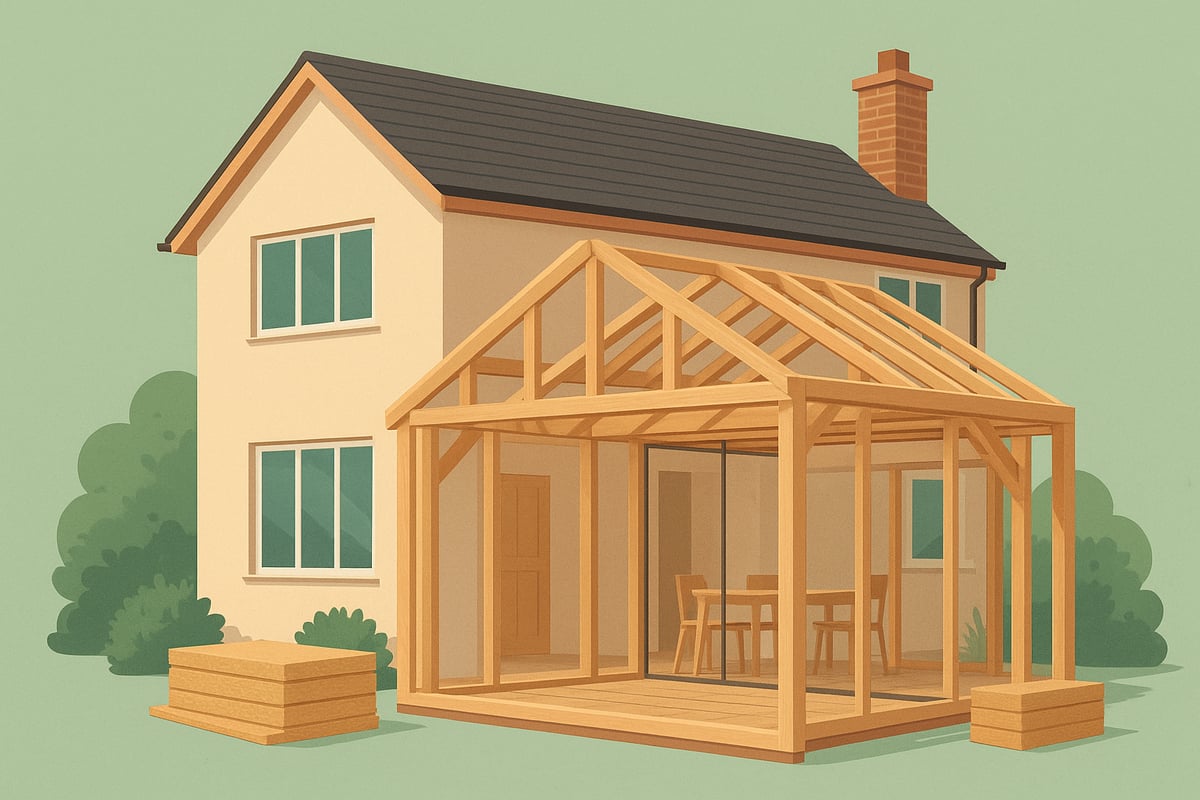
Timber is one of the most renewable building materials available. Choosing a wooden frame extension means opting for a structure with a notably lower carbon footprint than traditional brick or concrete alternatives. Timber production requires less energy, which reduces embodied energy in your project.
In 2025, the UK government introduced fresh incentives for sustainable builds, further boosting demand for wooden frame extension projects. Responsible sourcing is now standard, with FSC and PEFC-certified wood dominating the market. Selecting a certified supply chain not only benefits the environment but also supports ethical forestry practices.
If you want to delve deeper into the advantages and process, the Timber Extension Guide offers an expert overview of key considerations.
Cost-Effectiveness and Speed
A wooden frame extension offers significant financial advantages. Timber construction is lighter than brick or block, often resulting in reduced foundation costs and lower labour requirements. Offsite manufacturing and modular methods are increasingly popular, allowing for precise, rapid assembly and less disruption on-site.
Recent case studies from 2024 and 2025 reveal that wooden frame extension projects can save homeowners both time and money compared to traditional builds. Shorter construction times mean you can enjoy your new space sooner, while streamlined processes reduce the risk of unexpected expenses.
Modular options also provide flexibility, letting you tailor the project to your budget without sacrificing quality.
Design Flexibility and Aesthetics
One of the standout features of a wooden frame extension is its remarkable design versatility. Whether your home is modern or traditional, timber frames can be adapted to suit a wide range of architectural styles.
Bespoke solutions allow for open-plan layouts, vaulted ceilings, and expansive glazing, filling your extension with natural light. Award-winning timber extensions across the UK showcase the beauty and adaptability of wood, from sleek contemporary finishes to classic oak-framed elegance.
Customisable cladding, glazing, and roof options ensure your wooden frame extension integrates seamlessly with your existing property, enhancing both kerb appeal and interior comfort.
Thermal Efficiency and Comfort
Thermal performance is a crucial benefit of choosing a wooden frame extension. Timber’s natural insulating properties help maintain comfortable indoor temperatures year-round, reducing the need for additional heating or cooling.
Modern timber frames consistently meet and often exceed the 2025 Part L Building Regulations, ensuring your extension is energy efficient and future-proof. Homeowners report noticeable reductions in heating bills after upgrading to a wooden frame extension, with well-insulated walls and high-performance windows working together to keep energy costs low.
This focus on comfort and efficiency supports a healthier, more sustainable lifestyle.
Longevity and Durability
A common misconception is that timber structures are less durable than brick. In reality, a modern wooden frame extension can easily achieve a lifespan of 60 years or more with minimal maintenance.
Advances in timber treatments and construction techniques protect against moisture, pests, and decay. Regular care, such as checking finishes and ensuring proper ventilation, keeps your extension in top condition for decades.
This proven durability, combined with low maintenance needs, makes a wooden frame extension a sound long-term investment that will serve your family well into the future.
Planning Your Wooden Frame Extension: Step-by-Step
Embarking on a wooden frame extension project can feel daunting, but breaking the process into clear, manageable steps makes it achievable. This guide walks you through each stage, helping you plan, budget, and execute your extension with confidence.
Step 1: Assessing Feasibility and Setting Goals
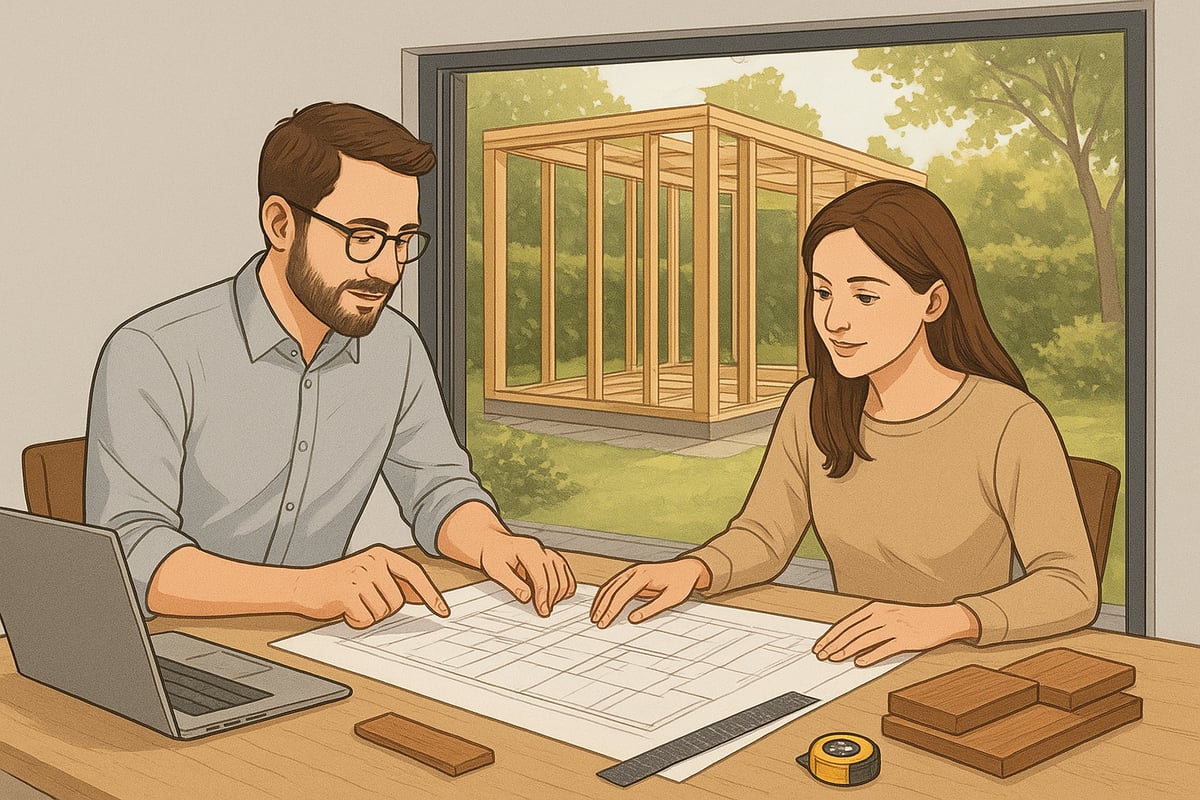
Every successful wooden frame extension begins with a careful assessment of your property’s potential. Start by clarifying the extension’s purpose—do you need a larger kitchen, a home office, or extra living space? Assess site access, orientation, and how the new structure will connect with your existing home.
Consider planning constraints, such as conservation areas or listed building status. Evaluate the impact on natural light, privacy, and garden space. By defining your goals early, you ensure your wooden frame extension will enhance your lifestyle and property value.
- Identify primary objectives (e.g., open-plan living, more bedrooms)
- Check site access for deliveries and construction
- Review local planning restrictions and neighbours' concerns
Consulting early with a timber frame specialist can help clarify feasibility and set realistic expectations for your project.
Step 2: Budgeting and Financing
Accurate budgeting is vital for a stress-free wooden frame extension. Begin by calculating the total area you wish to add, then research current costs per square metre. For 2026, costs will reflect inflation, labour, materials, and the complexity of your design.
A typical breakdown might look like this:
| Cost Element | Typical Range (per m²) |
|---|---|
| Design & Planning | £150–£300 |
| Timber Frame Supply | £600–£900 |
| Foundations | £100–£200 |
| Labour | £500–£800 |
| Finishes & Fixtures | £400–£700 |
Factor in a contingency fund (usually 10–15 percent) for unforeseen expenses. Explore funding options, such as home improvement loans, remortgages, or government green grants. For a detailed breakdown, consult the Timber Frame Extension Cost Guide 2025.
Careful planning ensures your wooden frame extension remains on budget without compromising quality.
Step 3: Design and Concept Development
Good design is the foundation of a successful wooden frame extension. Decide whether you prefer a bespoke solution, tailored to your needs, or a modular design for faster build times. Collaborate with an architect or experienced timber frame designer to develop layouts that maximise natural light, space, and energy efficiency.
Consider sustainable features, such as high-performance insulation, triple glazing, and renewable energy integration. Think about how materials and finishes will complement your existing home. At this stage, visualise how your wooden frame extension will function for years to come.
- Prioritise daylight and views
- Plan for flexible spaces (e.g., home office or guest room)
- Select eco-friendly materials and finishes
A thorough concept phase reduces costly changes later in the build.
Step 4: Navigating Planning Permission and Regulations
Understanding planning and building regulations is crucial for any wooden frame extension. In many cases, you can build under permitted development rights, but larger or more complex designs may require full planning permission. Always check with your local authority before starting.
Your extension must comply with UK Building Regulations covering structure, fire safety, insulation, and accessibility. Engage professionals familiar with the latest rules to streamline the process and avoid delays.
- Determine if planning permission is needed
- Review permitted development limits (height, depth, boundary proximity)
- Ensure compliance with fire, structure, and energy standards
Early engagement with planning officers and building control can prevent costly setbacks during your wooden frame extension project.
Step 5: Selecting the Right Professionals
Choosing the right team is essential for a high-quality wooden frame extension. Look for contractors, architects, and engineers with proven experience in timber frame construction. Review portfolios, check references, and verify certifications such as membership in the Structural Timber Association or similar bodies.
Ask for detailed quotes, timelines, and information on previous projects. A transparent, communicative approach helps avoid misunderstandings and ensures your wooden frame extension is delivered on time and within budget.
- Seek specialists in timber frame design and build
- Confirm insurance and warranties are in place
- Request to visit completed projects for quality assurance
Working with reputable professionals gives you peace of mind throughout the build.
Step 6: Timeline and Project Management
Good project management keeps your wooden frame extension on track. Typical timelines range from 12 to 20 weeks, depending on complexity and weather. Set clear milestones, from design approval to completion, and agree on regular progress updates with your contractor.
Identify potential bottlenecks, such as material lead times or planning delays. Use a project timeline to monitor each stage and address issues promptly.
- Agree on a realistic construction schedule
- Monitor key milestones (design, groundworks, frame erection, finishes)
- Communicate regularly with your team
Effective management ensures your wooden frame extension progresses smoothly and meets your expectations.
Materials and Construction Techniques in 2026
Choosing the right materials and understanding construction techniques are vital for a successful wooden frame extension. In 2026, the industry is shaped by sustainability, innovation, and a focus on long-term performance. This section explores the essentials every homeowner and builder should know.
Timber Selection and Sourcing
The foundation of any wooden frame extension is high-quality timber. Oak, softwood, and engineered timber each offer unique strengths. Oak provides exceptional durability and character, making it ideal for visible structural features. Softwoods such as spruce and pine are popular for their affordability and ease of machining. Engineered timber, including laminated veneer lumber (LVL) and cross-laminated timber (CLT), delivers stability and strength for modern designs.
Sustainable sourcing is a priority. Most UK projects now specify FSC or PEFC-certified timber, ensuring responsible forest management. Home-grown timber, particularly from managed UK woodlands, is increasingly used to lower carbon footprints and support the local economy.
Modern Framing Methods
The structure of a wooden frame extension is shaped by the framing method. Platform framing, where each floor is constructed as a separate platform, dominates UK builds for its speed and adaptability. Balloon framing, with vertical studs running the full height, is less common but suited to certain architectural styles.
Offsite prefabrication is a game changer. Timber frames are manufactured in controlled environments, ensuring precision and reducing site waste. On-site assembly is then faster and less weather-dependent. Advances in joinery and fastener technology also improve structural integrity and longevity. For a deeper dive into construction approaches, see Wooden Frame Construction Basics.
Insulation, Airtightness, and Energy Performance
Thermal efficiency is a hallmark of the modern wooden frame extension. Natural insulation options like wood fibre, sheep’s wool, and cellulose are favoured for their low environmental impact and excellent performance. These materials can help achieve low U-values, often surpassing current building standards and supporting Passivhaus principles.
Airtight membranes are essential to prevent heat loss and protect the timber from moisture ingress. Effective moisture management, including vapour barriers and cavity ventilation, ensures the structure remains healthy and durable for decades.
External Finishes and Cladding
A wooden frame extension offers broad flexibility in external appearance. Timber cladding, such as larch or cedar, delivers a warm, natural look and weathers beautifully over time. Brick slips and render provide alternatives for matching an existing property or achieving a contemporary finish. Hybrid solutions combine these materials for unique architectural statements.
Weather protection is critical. Modern finishes include factory-applied treatments that resist rot, insects, and UV damage. Maintenance is straightforward, usually limited to periodic inspections and re-oiling or repainting as needed.
Foundations and Structural Integration
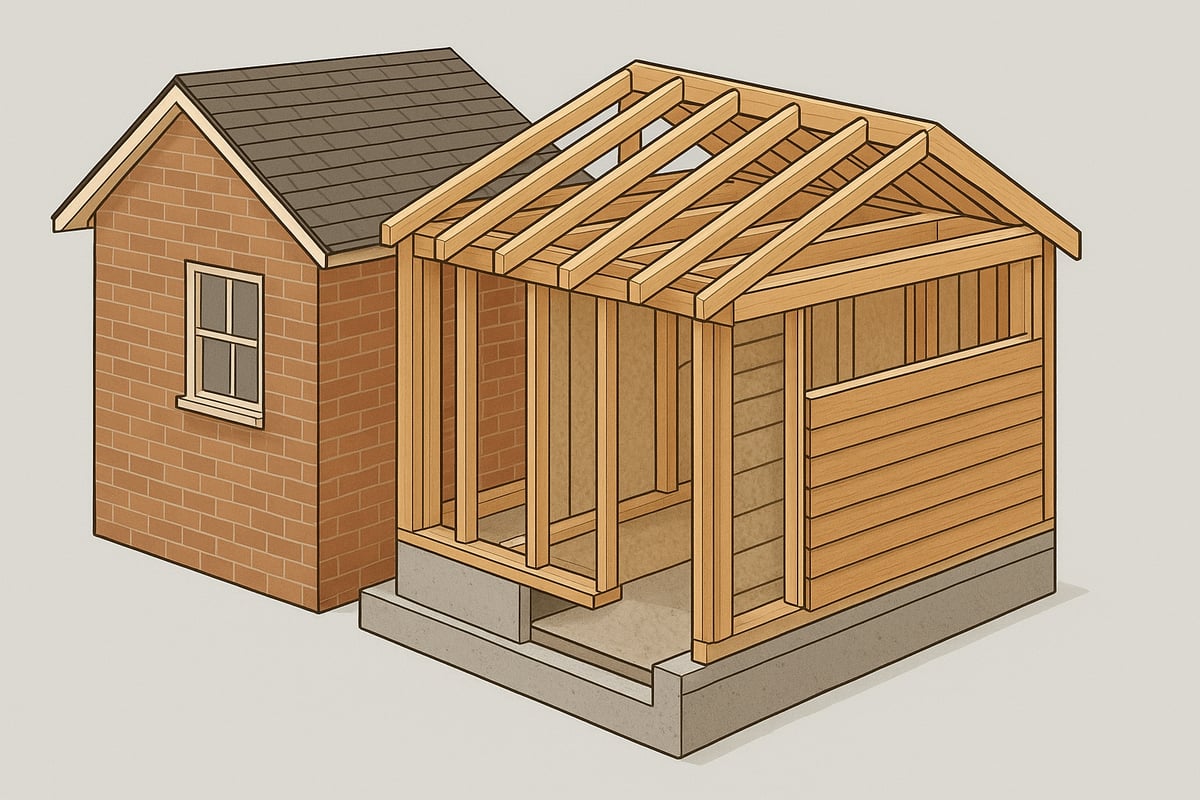
The foundation system for a wooden frame extension depends on site conditions and design. Timber frames are lighter than masonry, so shallow foundations or ground beams are often sufficient, reducing excavation and concrete use. This not only lowers costs but also minimises environmental impact.
Connecting the new extension to the existing structure requires careful planning. Structural integration includes tying the new frame to the original fabric, ensuring stability, and continuity in insulation and airtightness. Minimising groundworks and using screw piles or pads further enhances eco performance and speeds up installation.
Working with a Timber Frame Specialist
Choosing the right partner for your wooden frame extension is crucial. A specialist brings technical skill, regulatory insight, and design expertise, guiding you from concept to completion with confidence.
Acorn to Oak Framing: Your Timber Frame Partner
Acorn to Oak Framing stands out as a leader in bespoke and modular wooden frame extension projects across the UK. Their team blends traditional craftsmanship with modern architectural design, ensuring each structure is both beautiful and built to last.
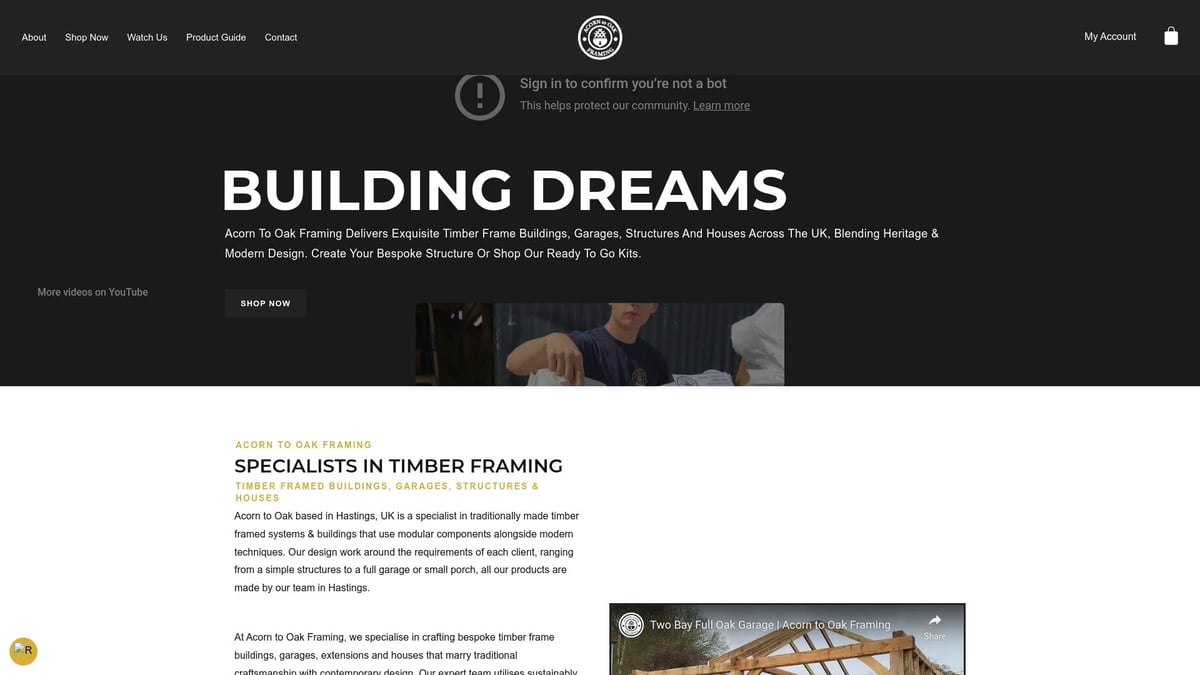
What sets Acorn to Oak Framing apart is their commitment to sustainability. They use responsibly sourced oak and softwood, complying fully with UK building regulations. Their expertise covers every phase, from initial consultation and design to manufacturing and installation.
Clients benefit from transparent pricing, detailed timelines, and clear communication. The company’s portfolio features a wide range of wooden frame extension styles, including contemporary open-plan spaces and heritage-inspired additions.
If you are seeking a tailored solution, their Bespoke Timber Frame Services provide the flexibility to customise every aspect of your project, from cladding and glazing to unique roof profiles.
Acorn to Oak Framing’s customer reviews highlight reliability, attention to detail, and a strong focus on environmental responsibility. Supporting local UK manufacturing, they deliver results that add value and character to your home.
How to Collaborate Effectively
To make your wooden frame extension a success, clear communication with your specialist is essential. Begin by defining your vision, outlining your priorities for space, style, and sustainability. Share inspiration images and explain how you intend to use the new area.
Review design proposals thoroughly, asking questions about layout, materials, and energy performance. Do not hesitate to request adjustments to ensure the final plan meets your needs. Understanding the contract terms, including timelines, warranties, and aftercare, is vital.
Regular check-ins with your timber frame partner help keep the project on track. Discuss potential challenges early, and agree on a process for decision-making. After installation, follow their guidance on maintenance to protect your investment and ensure long-term performance.
A collaborative approach gives you the best possible outcome, turning your wooden frame extension vision into a practical, beautiful reality.
Building Process: From Foundations to Finishing Touches
Embarking on a wooden frame extension project in 2026 requires a clear understanding of the construction journey. Each stage, from preparing the site to the final compliance checks, is crucial for a successful outcome. Below, you’ll find an expert breakdown of every phase, ensuring your extension is built to last and exceeds expectations.
Site Preparation and Foundations
The groundwork for a wooden frame extension begins long before any timber arrives. Site surveys are essential to identify soil conditions, existing utilities, and access routes. Professional surveys help prevent costly surprises and ensure your foundation choice is appropriate.
Next, groundworks involve clearing debris, levelling the site, and marking out the footprint. A well-prepared site minimises delays and sets the stage for efficient construction. Foundation type is dictated by soil stability and extension size. Timber frames often use shallower foundations than masonry, reducing costs and environmental impact.
Common foundation options for wooden frame extensions include:
| Foundation Type | Use Case | Key Benefit |
|---|---|---|
| Strip | Stable, level ground | Minimal excavation |
| Raft | Poorer soils, larger area | Spreads load evenly |
| Pile | Unstable, clay soils | Minimal ground disruption |
Managing site access is vital, especially in built-up areas. Good planning ensures deliveries arrive on time and construction waste is removed efficiently. With a solid foundation in place, your wooden frame extension is ready for the next phase.
Frame Manufacture and Delivery
Precision is key during the manufacture of your wooden frame extension. Most timber frames are fabricated offsite in controlled factory environments. This approach guarantees accurate cuts, consistent quality, and weather protection during the critical early stages.
Offsite manufacture also allows for advanced quality checks before materials reach your property. Once ready, the frame components are transported to site. Organising deliveries to coincide with the build schedule is essential for smooth progress.
Best practices for frame delivery and handling include:
- Scheduling deliveries to avoid site congestion
- Protecting timber from moisture during storage
- Using lifting equipment to prevent damage
Careful planning at this stage limits site disruption and ensures your wooden frame extension components remain in perfect condition. This streamlined process is a key advantage over traditional builds.
On-Site Assembly and Erection
With foundations set and timber delivered, on-site assembly begins. The erection process for a wooden frame extension is notably swift compared to masonry builds. Skilled teams use cranes or manual methods to position and secure the frame, following detailed plans.
Assembly typically follows these steps:
- Positioning and fixing sole plates to the foundation
- Erecting wall panels and securing bracing
- Installing floor cassettes and roof trusses
- Integrating structural connections with the existing building
Health and safety are paramount. Only qualified professionals should assemble the frame, and all team members must follow safety protocols. Proper bracing ensures the structure remains stable throughout.
One of the main benefits of a wooden frame extension is the rapid weatherproofing. As soon as the shell is up, work can proceed inside, even if external conditions are poor. This efficiency shortens the overall project timeline.
Insulation, Windows, and Roofing
Thermal performance is a standout feature of a wooden frame extension. Once the frame is up, high-spec insulation is installed between studs and rafters. Materials such as wood fibre, sheep’s wool, or cellulose are popular for their eco credentials and effectiveness.
Airtightness layers are fitted to prevent draughts and maintain consistent indoor temperatures. Energy-efficient windows and doors are then installed, maximising natural light and further boosting thermal efficiency. Roofing options range from traditional slate and tile to modern green roofs, each offering unique benefits.
For a deeper dive into best practices, see Insulating Timber Frame Walls, which covers strategies tailored to timber structures.
These steps ensure your wooden frame extension is comfortable, energy-efficient, and ready for the finishing touches.
External and Internal Finishes
The next phase brings character and comfort to your wooden frame extension. Externally, a range of finishes can be applied, from timber cladding and brick slips to modern renders. Each option offers distinct aesthetics and maintenance requirements.
Popular external finishes include:
- Natural or painted timber cladding
- Brick slip facades for heritage appeal
- Render for a contemporary look
- Hybrid solutions combining materials
Internally, first and second fix carpentry shape the space, with electrical, plumbing, and heating systems integrated seamlessly. Walls are insulated and lined, ready for decoration. The flexibility of timber frames allows for bespoke layouts, open-plan living, and creative design features.
A well-finished wooden frame extension not only looks stunning but also enhances comfort and functionality for years to come.
Quality Control and Compliance Checks
Quality assurance is the final, indispensable stage of your wooden frame extension journey. Regular inspections are carried out throughout the process to ensure compliance with structural, fire, and insulation standards. Experienced contractors will manage snagging, making any necessary adjustments before handover.
Final sign-off requires meeting all UK Building Regulations for Timber Extensions. This includes structural stability, fire resistance, and energy performance criteria.
A typical project checklist includes:
- Structural integrity verified
- Insulation and airtightness tested
- Fire safety measures installed
- Electrical and plumbing certified
- All documentation provided to homeowner
Once certified, your wooden frame extension is ready for use, offering peace of mind and long-term value.
Smart, Sustainable & Future-Proof: Maximising Your Extension Investment
Building a wooden frame extension is more than just adding space. It is about investing in a future-proof solution that delivers lasting value, comfort, and sustainability for your home. Here, we explore how to maximise your investment through smart technologies, forward-thinking design, and careful maintenance.
Eco-Friendly Upgrades and Smart Technology
Enhancing your wooden frame extension with eco-friendly upgrades will future-proof your home and reduce running costs. Integrating solar panels, air source heat pumps, and battery storage can cover much of your energy demand. Smart lighting and heating controls help optimise comfort and efficiency, letting you tailor your environment to your needs.
Water-saving fixtures and rainwater harvesting systems are increasingly popular, helping conserve resources and cut utility bills. By pairing these features with the natural insulation of your wooden frame extension, you create a home that is both comfortable and responsible. These upgrades can also boost your property’s appeal to environmentally conscious buyers.
Adapting to Future Building Regulations
Future-proofing your wooden frame extension means anticipating changes in building regulations. The UK government is steadily tightening standards on energy use and emissions, with new requirements expected by 2030. By designing your extension to exceed today’s rules, you ensure compliance and avoid costly upgrades later.
Consider using high-performance insulation, triple glazing, and airtight construction. Refer to the Energy Efficiency Standards for Buildings to understand current and upcoming requirements. Planning ahead makes your wooden frame extension a smart, long-term investment.
Maximising Property Value and Lifestyle Benefits
A wooden frame extension is a proven way to increase your home’s value. Data from recent UK sales shows that high-quality timber extensions can boost property prices by 10 to 20 percent. Beyond financial gain, these extensions create flexible spaces for home offices, annexes, or studios, adapting as your family’s needs change.
Natural light, open-plan layouts, and biophilic design improve wellbeing and air quality. Investing in a wooden frame extension means creating a healthier, more enjoyable living space that stands out in today’s market.
Maintenance and Long-Term Care
To protect your wooden frame extension and preserve its value, regular maintenance is essential. Inspect timber elements annually for signs of moisture or wear, and reapply finishes as needed. Plan for redecoration every five to ten years to keep interiors fresh.
Address minor repairs promptly, such as sealing joints or replacing damaged cladding. With modern treatments and routine care, your wooden frame extension can last for decades with minimal upkeep. This longevity is a key reason why timber frames remain popular.
Real-World Success Stories
Across the UK, homeowners are reaping the benefits of wooden frame extensions. In 2025, a family in Surrey installed a modular oak extension with solar panels and smart controls, achieving a 40 percent reduction in energy bills. In Manchester, a contemporary timber extension won a regional RIBA award for its innovative design and sustainability.
Testimonials highlight improved comfort, lower running costs, and the joy of living in a bright, adaptable space. These real-world examples show that a wooden frame extension is a future-ready choice for modern living.
As you can see, planning a wooden frame extension in 2026 is about blending smart design, sustainable choices, and expert craftsmanship to create a lasting addition to your home. If you’re ready to take the next step and want your extension project handled with care and precision, we’re here to help. Let’s work together to bring your vision to life—combining quality oak, bespoke design, and full compliance with UK building standards. Start your journey towards a smarter, more beautiful space today: BUILD NOW


