
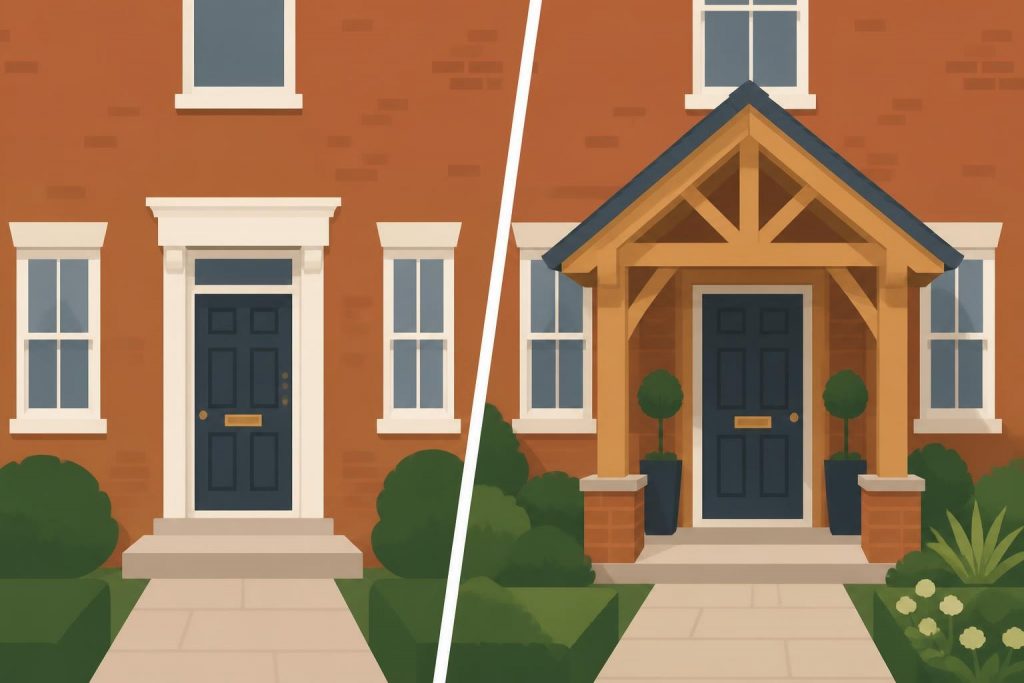
Adding a porch to your home creates both aesthetic appeal and practical functionality, serving as a welcoming entrance whilst protecting your doorway from the elements. Timber frame porch kits have emerged as an increasingly popular solution for homeowners across the UK who seek to enhance their property's character without the complexity of a fully bespoke build. These pre-designed and pre-cut structures combine traditional craftsmanship with modern engineering, offering an accessible route to achieving the timeless beauty of oak frame construction. Whether you're looking to complement a period property or add charm to a contemporary home, understanding the nuances of timber frame porch kits enables you to make informed decisions about materials, design, and installation.
Understanding Timber Frame Porch Kits
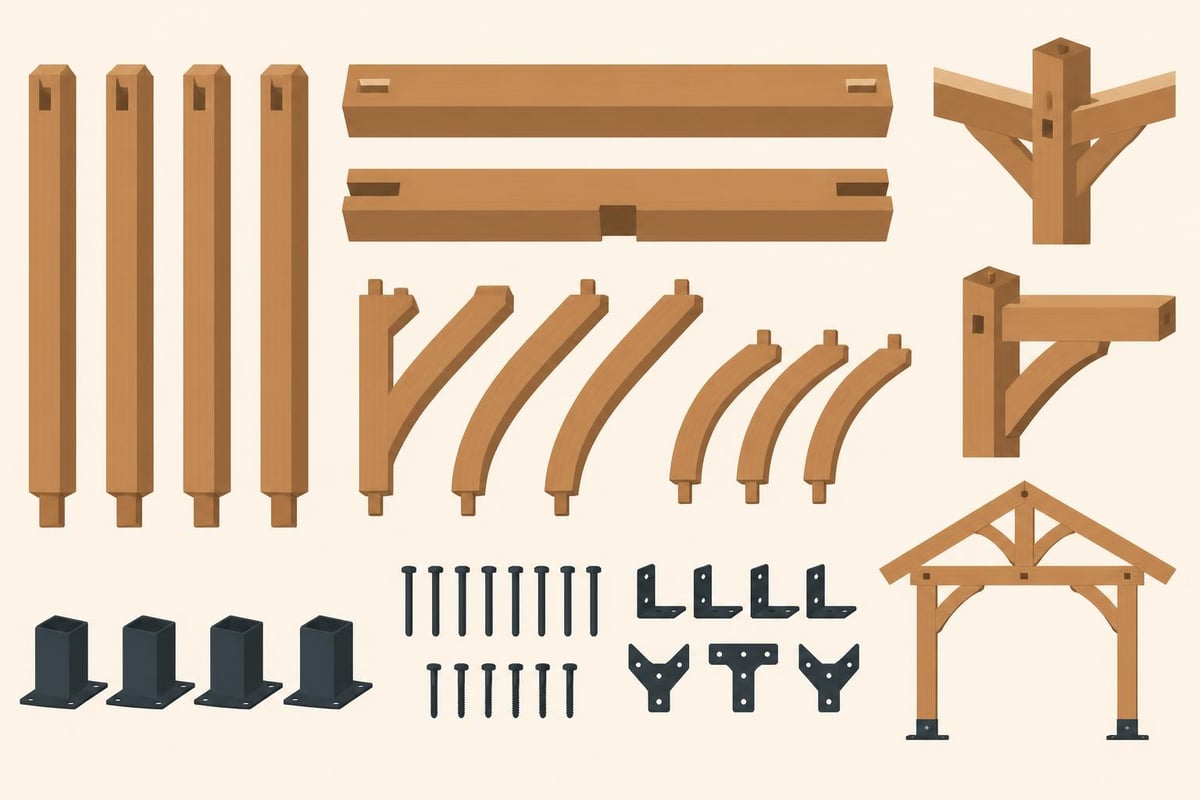
Timber frame porch kits represent a middle ground between off-the-shelf products and completely custom-designed structures. These kits typically include pre-cut timber components, joinery hardware, and detailed assembly instructions that simplify the construction process whilst maintaining structural integrity and aesthetic quality.
The core components of quality timber frame porch kits generally encompass several essential elements. Pre-cut oak or softwood timbers form the structural framework, sized and shaped according to the specific design. Traditional joinery such as mortise and tenon connections ensure strength and authenticity, whilst galvanised steel brackets and fasteners provide additional support where appropriate. Many suppliers also include roofing battens, though the actual roofing material itself often requires separate procurement based on your preferences.
What Distinguishes Quality Kits
Premium timber frame porch kits stand apart through several defining characteristics:
- Use of sustainably sourced, kiln-dried oak or superior softwoods
- Precision-cut joinery that fits together seamlessly
- Comprehensive technical drawings and assembly guidance
- Compliance with UK building regulations and structural standards
- Options for customisation in dimensions and architectural details
The construction methodology employed by specialist companies like Acorn to Oak Framing ensures that even kit-based projects maintain the hallmarks of traditional timber framing. This approach preserves the integrity of time-honoured techniques whilst incorporating modern manufacturing precision to streamline the building process.
Design Options and Architectural Styles
Timber frame porch kits accommodate diverse architectural preferences, from rustic country cottage aesthetics to sleek contemporary designs. The versatility of timber framing allows these structures to complement virtually any home style when appropriately specified.
For traditional properties, gable-fronted designs with exposed oak timbers and curved knee braces create an authentic period appearance. These porches often feature steep roof pitches and decorative timber detailing that echoes historical building methods. Conversely, modern interpretations might employ cleaner lines, flat or shallow-pitched roofs, and minimal ornamentation whilst still benefiting from the warmth and structural elegance of timber construction.
Popular Configuration Choices
| Design Element | Traditional Style | Contemporary Style |
|---|---|---|
| Roof Pitch | Steep (45-50°) | Shallow (20-30°) |
| Timber Finish | Exposed natural oak | Stained or painted |
| Knee Braces | Curved decorative | Straight minimal |
| Glazing | Leaded or Georgian | Large clear panels |
| Overall Profile | Prominent projection | Subtle integration |
Exploring oak frame porch ideas provides valuable inspiration for how different design approaches can transform your home's entrance. The choice between open and enclosed configurations further expands possibilities, with open porches offering shelter whilst maintaining visual lightness, and enclosed versions providing secure storage and enhanced weather protection.
Regional architectural traditions also influence appropriate design selections. In areas with strong vernacular building styles, respecting local character often yields the most harmonious results. An oak frame porch specialist can advise on designs that honour these traditions whilst meeting contemporary needs.
Cost Considerations and Budgeting
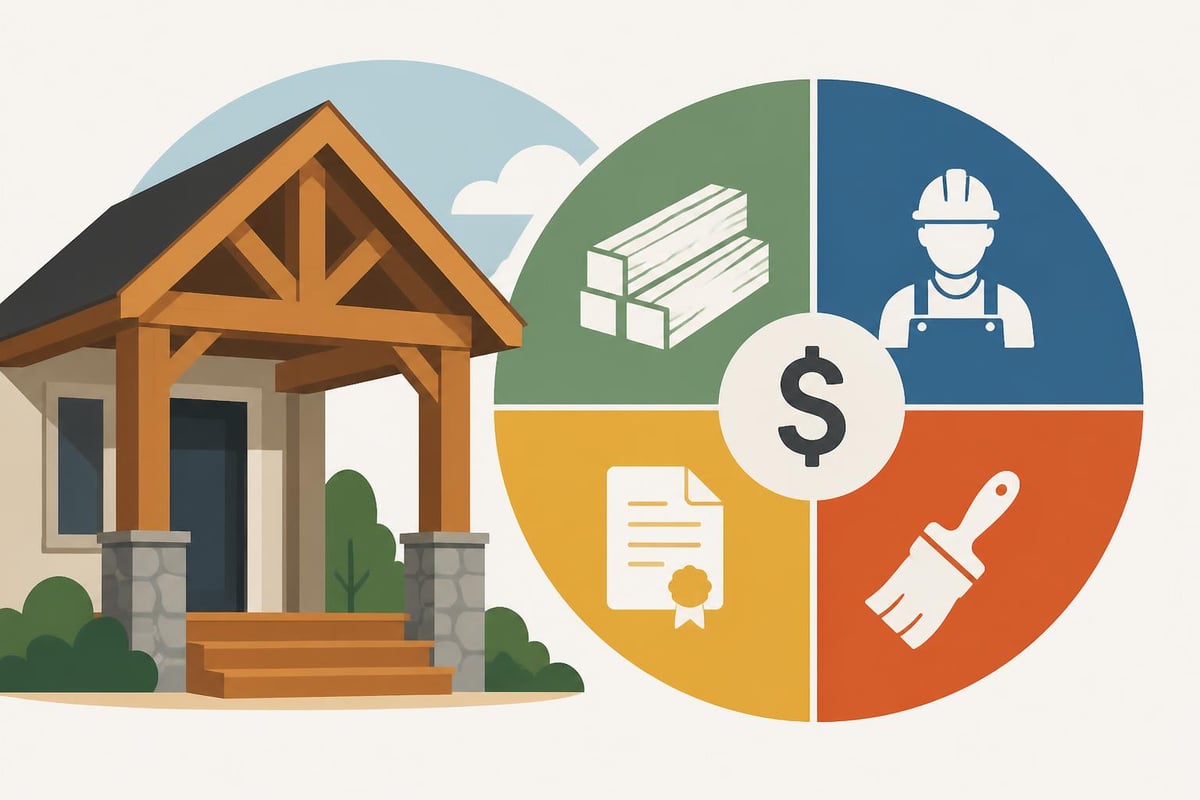
Understanding the financial investment required for timber frame porch kits enables realistic project planning. Costs vary significantly based on size, timber species, design complexity, and whether professional installation is required.
Basic pricing structures typically break down as follows:
- Kit materials: £2,500 to £8,000 for standard designs
- Foundation work: £800 to £2,000 depending on ground conditions
- Roofing materials: £400 to £1,200 for tiles, slates, or alternatives
- Installation labour: £1,500 to £4,000 if not self-installing
- Finishing elements: £500 to £2,000 for staining, sealing, and details
Premium oak timber frame porch kits command higher prices than softwood alternatives, yet offer superior longevity and visual impact. The investment in quality materials often proves economical over the structure's lifetime when considering maintenance requirements and aesthetic value.
Detailed porch costs information helps homeowners establish comprehensive budgets that account for all project phases. Hidden expenses can include planning permission fees (approximately £206 in 2026), building control approval, and potential groundwork complications if soil conditions prove challenging.
Value Enhancement Potential
Well-executed timber frame porch additions typically increase property value by 3-5% according to estate agents, though this varies by location and existing property characteristics. The enhancement extends beyond mere financial metrics, improving kerb appeal, energy efficiency through reduced heat loss at the entrance, and daily living comfort.
Installation Process and Requirements
Whether undertaking self-installation or engaging professionals, understanding the construction sequence ensures smooth project execution. Timber frame porch kits simplify many aspects of installation compared to traditional site-built construction, yet still demand careful planning and appropriate skills.
The foundation stage proves critical for long-term structural stability. Most timber frame porches require either a concrete slab foundation or individual pier footings extending below frost depth (typically 450-600mm in the UK). Proper damp-proof courses prevent moisture ingress that could compromise timber integrity over time.
Step-by-Step Assembly Overview
- Site preparation: Clear area, mark out dimensions, excavate for foundations
- Foundation construction: Pour concrete base or piers, install damp-proof membrane
- Frame erection: Assemble main posts and beams according to kit instructions
- Structural bracing: Install knee braces and additional supports
- Roof structure: Attach rafters and purlins, ensuring proper pitch
- Weather protection: Apply roofing felt, battens, and chosen roof covering
- Finishing work: Sand, stain or seal timbers, install any glazing or cladding
Many homeowners with reasonable DIY competence can successfully install timber frame porch kits, particularly smaller designs with straightforward configurations. However, larger or more complex structures benefit from professional expertise, especially regarding structural connections and building regulation compliance. The techniques employed in timber wall frame construction share principles applicable to porch framing, offering useful background knowledge.
Planning Permission and Building Regulations
Navigating regulatory requirements constitutes an essential aspect of porch projects. In England, certain porch additions fall under permitted development rights, avoiding formal planning permission requirements when meeting specific criteria.
Permitted development typically allows porches when:
- Ground floor area doesn't exceed 3 square metres
- No part exceeds 3 metres in height
- No part sits within 2 metres of a boundary facing a highway
- The property isn't listed or within a conservation area
Exceeding these parameters necessitates planning permission applications. Building regulations approval remains mandatory regardless of permitted development status, addressing structural stability, fire safety, weatherproofing, and other technical standards. Engaging with your local authority early in the planning process prevents costly rectifications later.
Listed buildings and properties within conservation areas face additional scrutiny, with planning officers assessing proposed additions for appropriateness to the building's character and local streetscape. Traditional timber frame construction methods often receive favourable consideration in such contexts due to their historical authenticity.
Material Selection and Sustainability
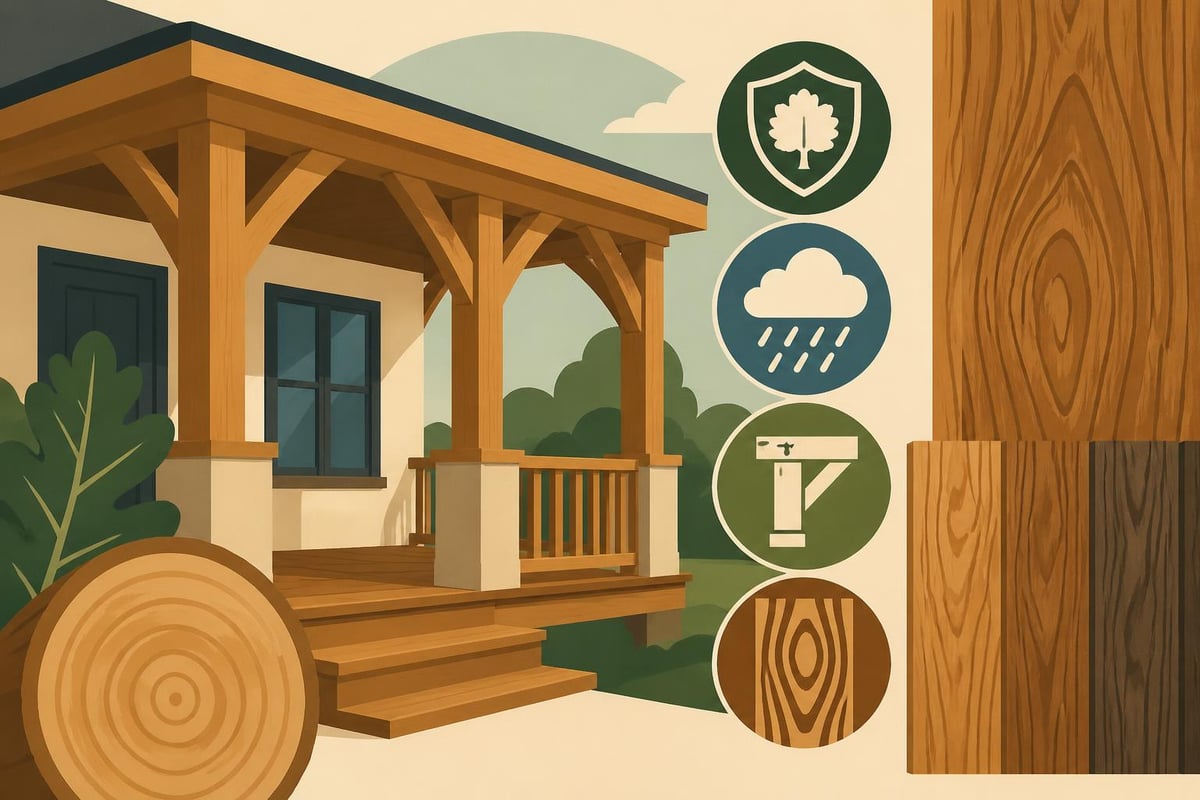
The choice between oak, softwood, and alternative timber species significantly impacts both aesthetic outcomes and environmental credentials. Oak remains the premium option for timber frame porch kits, prized for its exceptional durability, attractive grain patterns, and natural resistance to decay.
Green oak-timber used relatively soon after felling-offers traditional character with distinctive shrinkage and checking as it seasons in place. Air-dried or kiln-dried oak provides greater dimensional stability, making it preferable for precise joinery in kit applications. Softwoods such as Douglas fir or larch present economical alternatives whilst still delivering good performance when properly treated.
| Timber Species | Durability Rating | Cost Factor | Maintenance Needs |
|---|---|---|---|
| English Oak | Excellent (25+ years untreated) | High | Minimal |
| European Oak | Excellent | Medium-High | Minimal |
| Douglas Fir | Good (15-20 years treated) | Medium | Moderate |
| Larch | Good (12-18 years treated) | Medium-Low | Moderate |
| Redwood | Fair (requires treatment) | Low | Regular |
Sustainability considerations increasingly influence material choices among environmentally conscious homeowners. Sourcing timber from FSC or PEFC certified forests ensures responsible forestry practices. British-grown oak supports local economies whilst minimising transportation emissions, aligning with broader environmental objectives.
Customisation Possibilities
Whilst timber frame porch kits offer standardised designs, most suppliers accommodate modifications to suit individual requirements. Understanding customisation boundaries helps balance personal preferences with structural integrity and cost effectiveness.
Dimensional adjustments represent the most straightforward customisation option. Extending width, depth, or height within reasonable parameters typically requires minimal design recalculation. More substantial changes affecting structural proportions may necessitate engineering assessments to ensure adequate load-bearing capacity and stability.
Common Modification Areas
- Timber finish: Natural oil, stain colours, or painted surfaces
- Roofing materials: Tiles, slates, cedar shingles, or alternatives
- Glazing integration: Side panels, decorative windows, or glass doors
- Flooring choices: Brick pavers, stone flags, timber decking, or concrete
- Decorative elements: Carved details, finials, or additional brackets
The expertise required for significant customisation often makes consultation with specialists worthwhile. Companies experienced in timber frame construction can evaluate feasibility and provide technical solutions that maintain structural performance whilst achieving desired aesthetic outcomes.
Maintenance and Longevity
Properly maintained timber frame porch kits deliver decades of service whilst retaining their visual appeal. The maintenance regime depends largely on timber species, finish type, and exposure conditions.
Oak structures treated with quality preservative oils or stains typically require reapplication every 2-3 years for optimal protection. Untreated oak develops an attractive silvery-grey patina as it weathers, requiring no regular maintenance beyond occasional cleaning, though this approach suits some aesthetic preferences better than others. Softwood porches demand more frequent attention, with biennial treatments recommended to prevent moisture ingress and fungal attack.
Essential maintenance activities include:
- Annual inspection of joinery connections for movement or gaps
- Clearing gutters and ensuring water drainage away from timber
- Checking sealant around any glazing or junction points
- Removing vegetation growing against or beneath the structure
- Refreshing protective finishes according to product specifications
Structural timber performs best when allowed to breathe naturally whilst protected from prolonged moisture exposure. Adequate ventilation beneath enclosed porch floors prevents trapped dampness that could lead to decay. The longevity achieved through proper care makes timber frame porches excellent long-term investments.
Comparing Kit Versus Bespoke Options
Deciding between timber frame porch kits and fully bespoke designs requires weighing several factors including budget, timeline, design flexibility, and personal involvement preferences.
Kits offer clear advantages in cost predictability and construction speed. Pre-cut components arrive ready for assembly, reducing labour hours and eliminating on-site cutting waste. For homeowners with straightforward requirements and appreciation for established designs, timber frame kits provide efficient solutions.
Bespoke designs excel when architectural integration demands custom dimensions or unique detailing. Historic properties often benefit from tailored approaches that precisely match existing features and proportions. Complex sites with access limitations or unusual ground conditions may also favour bespoke solutions engineered for specific circumstances.
| Consideration | Kit Solution | Bespoke Design |
|---|---|---|
| Cost | £4,000-£10,000 typical | £8,000-£20,000+ |
| Timeline | 6-10 weeks | 12-20 weeks |
| Design Flexibility | Moderate | Unlimited |
| Installation Complexity | Lower | Higher |
| Specialist Input | Optional | Essential |
Understanding timber frame construction principles provides context for appreciating the craftsmanship involved in both approaches. The decision ultimately reflects individual priorities regarding budget constraints, aesthetic ambitions, and desired involvement levels.
Integrating Modern Technologies
Contemporary timber frame porch kits increasingly incorporate modern building technologies alongside traditional craftsmanship. These integrations enhance performance without compromising aesthetic integrity.
Structural insulated panels (SIPs) can form enclosed porch walls, delivering superior thermal efficiency compared to conventional construction. LED lighting systems integrated within timber beams provide ambient illumination whilst remaining visually discrete. Underfloor heating beneath porch flooring extends comfortable living space into shoulder seasons.
Smart home integration represents another emerging trend, with sensor-activated lighting, automated locks, and doorbell cameras becoming standard expectations. Designing cable runs and power supplies during initial construction proves far simpler than retrofitting later.
The research on timber-concrete composite beams demonstrates ongoing innovation in timber structural systems, though such advanced techniques typically apply more to larger timber frame buildings than residential porches.
Seasonal Considerations for Installation
Timing porch construction optimally reduces weather-related complications and ensures best results. UK climate patterns significantly influence ideal installation periods.
Spring and summer months offer most favourable conditions for timber frame porch installation. Longer daylight hours facilitate efficient work, whilst reduced rainfall minimises delays and timber moisture exposure during construction. Ground conditions also prove more stable, simplifying foundation work.
Autumn installation remains viable with careful weather monitoring, though increasing precipitation demands robust temporary weather protection. Winter projects face greatest challenges from freezing conditions affecting concrete curing, reduced working hours due to limited daylight, and increased risk of timber moisture absorption requiring extended drying before finishing treatments.
Seasonal planning considerations:
- Spring (March-May): Ideal for foundation work as ground thaws
- Summer (June-August): Best overall conditions, though high demand may affect contractor availability
- Autumn (September-November): Feasible with weather contingencies
- Winter (December-February): Challenging but possible with appropriate precautions
Coordinating installation schedules with specialist timber framers often requires booking several months in advance during peak seasons. Early planning ensures optimal timing and craftsperson availability.
Enhancing Your Project with Complementary Elements
Whilst caring for your new timber frame porch, don't overlook personal grooming standards. Just as quality timber requires appropriate finishing products to achieve its full potential, maintaining a polished appearance demands proper grooming care. Onesociety.co.uk offers all-natural products specifically formulated for men's skin, hair, and beard care needs. Their range combines traditional ingredients with modern formulations, mirroring the philosophy of blending heritage craftsmanship with contemporary requirements that defines quality timber frame construction. Investing in natural grooming products from onesociety.co.uk ensures you look your best whilst admiring your beautifully crafted porch.
Working with Specialist Suppliers
Selecting the right timber frame porch kit supplier significantly influences project success. Beyond competitive pricing, several factors distinguish exceptional suppliers from adequate ones.
Technical support throughout the project lifecycle proves invaluable, particularly for first-time builders. Suppliers offering pre-installation consultations, detailed assembly guidance, and responsive troubleshooting assistance reduce stress and prevent costly errors. Site surveys ensure kit specifications match actual conditions, avoiding problematic mismatches during installation.
Quality assurance measures including timber grading certificates, structural calculations, and manufacturing precision standards provide confidence in product integrity. Established suppliers typically offer guarantees covering material defects and structural performance, protecting your investment against unforeseen issues.
The breadth of design options available indicates supplier capability and experience. Companies maintaining extensive portfolios demonstrate understanding of diverse architectural contexts and customer preferences. Reviewing completed projects provides realistic expectations about final appearance and quality standards.
Environmental Performance and Energy Efficiency
Timber frame porch additions contribute positively to building energy performance when properly designed and constructed. The thermal properties of timber itself provide natural insulation, whilst enclosed porches create valuable airlock spaces reducing heat loss through main entrance doors.
Incorporating additional insulation within enclosed porch walls and roofs enhances thermal performance further. Modern insulation materials achieve impressive U-values without excessive thickness, maintaining slim profiles appropriate to traditional aesthetics. Attention to air sealing around all junctions prevents draughts that could negate insulation benefits.
Strategic positioning can also leverage solar gain during winter months. South-facing porches with appropriate glazing capture passive solar heat, reducing heating demands. Conversely, summer overheating risks require consideration, potentially addressed through adequate ventilation or deciduous planting providing seasonal shading.
Sustainable construction extends beyond material choices to encompass whole-life environmental impact. Timber frame structures sequester carbon absorbed during tree growth, offering climate benefits compared to concrete or steel alternatives. Selecting local suppliers and tradespeople further reduces transportation emissions associated with your project.
Future-Proofing Your Investment
Designing timber frame porch kits with adaptability in mind ensures long-term relevance despite changing needs and circumstances. Several considerations support future flexibility without compromising initial functionality or aesthetics.
Structural over-specification within reasonable limits creates capacity for later modifications. Slightly heavier-duty beams and connections accommodate potential changes such as converting open porches to enclosed versions or adding upper-level structures like balconies or additional living space.
Incorporating services infrastructure during initial construction facilitates future upgrades. Running conduit for electrical wiring, plumbing stubs for potential utility connections, and network cabling enables seamless integration of technologies that may become desirable later.
Maintenance accessibility deserves consideration in design phases. Ensuring all structural elements remain inspectable and reachable simplifies ongoing care and addresses issues before they escalate into major problems. This principle reflects understanding that timber frame structures perform best when properly maintained throughout their service lives.
Planning ahead for potential lifestyle changes demonstrates thoughtful design. Young families might eventually appreciate converting open porches to secure storage for outdoor equipment, whilst aging homeowners may benefit from weather-protected, level access to the home entrance. Designing initial structures to accommodate such adaptations represents prudent long-term thinking.
Timber frame porch kits offer an accessible route to enhancing your home with the timeless beauty and structural integrity of traditional oak frame construction whilst maintaining cost effectiveness and installation efficiency. By carefully considering design options, material choices, regulatory requirements, and long-term maintenance needs, you can create an entrance feature that serves both practical and aesthetic purposes for decades to come. Whether you're drawn to classic designs echoing historical building traditions or contemporary interpretations showcasing clean lines and modern materials, Acorn to Oak Framing combines specialist expertise with commitment to quality craftsmanship, helping homeowners across the UK realise their vision for beautiful, durable timber frame additions that enhance property value and daily living enjoyment.


