
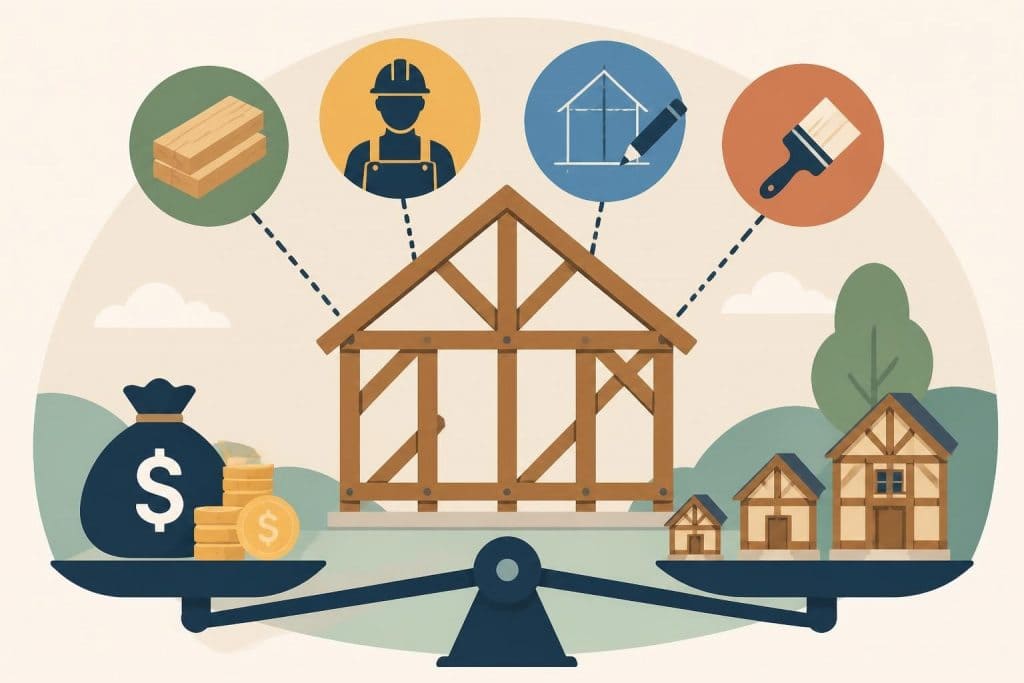
Understanding the financial investment required for a timber frame structure represents one of the most crucial decisions property owners face when planning their project. Whether you're considering a traditional oak-framed garage, a contemporary timber frame extension, or a complete bespoke dwelling, comprehending the factors that influence timber frame pricing enables you to budget accurately and make informed choices. The UK market has witnessed significant changes throughout 2026, with material costs, labour availability, and sustainability considerations all playing pivotal roles in determining final project expenses.
What Determines Timber Frame Pricing
Timber frame pricing encompasses far more than simply calculating the cost of wooden components. Multiple interconnected factors contribute to the overall investment required, creating a complex pricing landscape that varies considerably between projects.
Material selection forms the foundation of pricing considerations. Oak, renowned for its durability and aesthetic appeal, commands a premium compared to softwood alternatives, yet offers exceptional longevity and character. The grade of timber directly impacts cost, with green oak requiring different preparation and handling compared to seasoned timber.
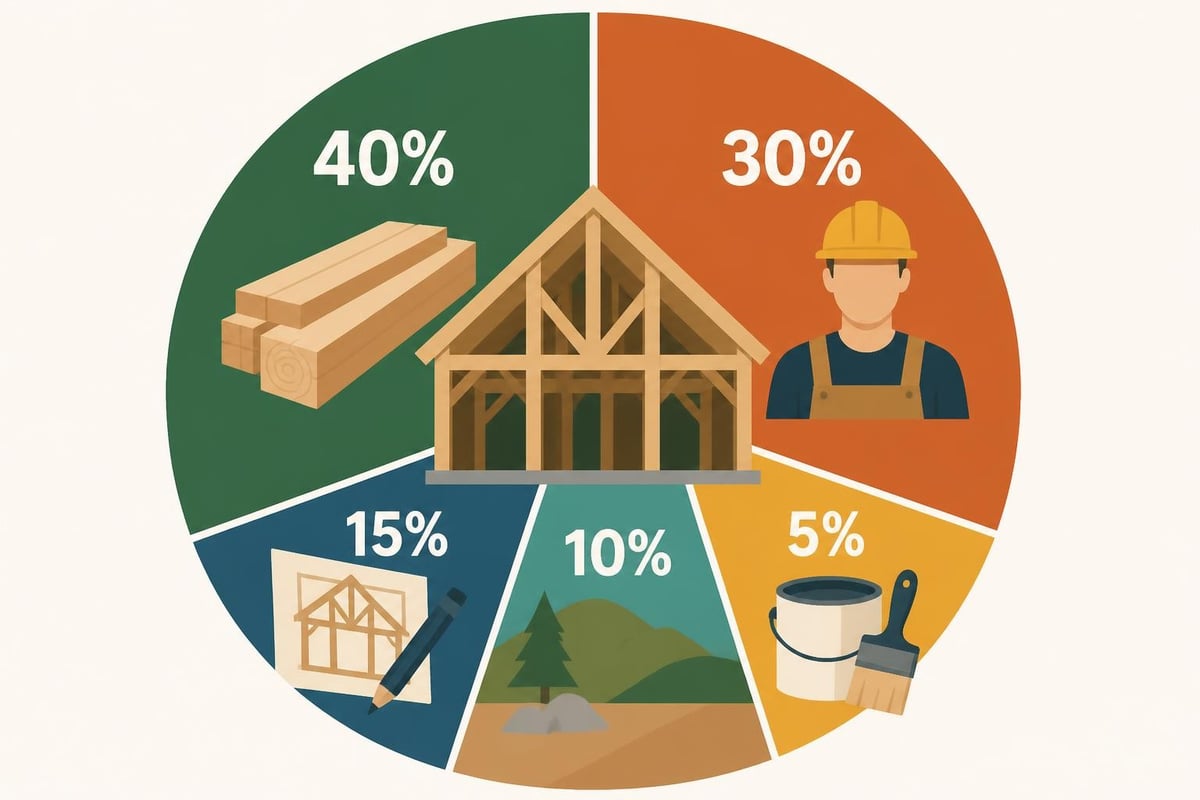
Primary Cost Components
- Timber species and grade quality
- Structural complexity and joinery requirements
- Transportation and logistics expenses
- Site preparation and foundation work
- Assembly labour and specialist craftsmanship
- Protective treatments and finishing materials
- Building regulations compliance and certification
The geographical location of your project influences pricing substantially. According to Gordian’s construction cost insights, regional variations in labour rates, material availability, and transportation costs create notable price differentials across the United Kingdom.
Design complexity represents another significant cost driver. Intricate joinery, curved braces, and bespoke architectural features require additional craftsmanship hours and specialist expertise, elevating project costs accordingly. A straightforward three-bay building typically requires less investment than an elaborate multi-storey dwelling with complex roof structures.
Comparing Timber Frame Pricing Models
Different suppliers and contractors employ varying pricing structures, making direct comparisons challenging without understanding the underlying methodologies. Some companies quote per bay, whilst others calculate costs per square metre or provide comprehensive fixed-price packages.
Per-bay pricing offers simplicity for standard structures. A single-bay building provides a baseline cost, with additional bays incrementally increasing the investment. This model works effectively for garages, workshops, and traditional agricultural buildings where standardisation is acceptable.
| Pricing Model | Best For | Advantages | Considerations |
|---|---|---|---|
| Per Bay | Garages, workshops | Clear, scalable costs | Limited customisation |
| Per Square Metre | Residential homes | Flexible sizing | Varies with complexity |
| Fixed Package | Complete builds | Budget certainty | Less flexibility |
| Cost-Plus | Bespoke projects | Maximum customisation | Price uncertainty |
Square metre pricing suits residential projects and modern timber frame homes where living space calculations matter more than bay configurations. Research from PrecisionCraft indicates that entry-level timber frame homes range from £2,000 to £2,800 per square metre, mid-range properties from £2,800 to £4,200, and luxury custom builds can exceed £5,000 per square metre.
These figures provide contextual benchmarks rather than definitive costs, as individual project specifications dramatically influence final pricing.
Breaking Down Supply vs Complete Build Costs
Understanding whether quotations include frame supply only or encompass complete construction proves essential. Supply-only pricing covers manufactured timber components, joinery, and delivery, whilst complete build packages incorporate foundations, assembly, roofing, and potentially finishing works.
Supply-only arrangements appeal to experienced self-builders or those with established construction teams. Complete packages offer convenience and single-point responsibility but naturally command higher overall investment.
Material Cost Fluctuations and Timber Frame Pricing
The timber market experiences ongoing volatility influenced by global supply chains, currency fluctuations, and environmental factors. Throughout 2026, lumber price updates have shown relative stabilisation compared to the dramatic fluctuations witnessed in previous years, yet regional variations persist.
Oak timber pricing particularly reflects supply constraints and sustainability certification requirements. British-grown oak from managed woodlands typically costs more than imported alternatives but supports local forestry and reduces carbon footprint. Many discerning clients prioritise this investment for both environmental and quality reasons.
Softwood alternatives present more economical options for certain applications. Pine and Douglas fir offer good structural performance at lower material costs, making them suitable for garage frames and utilitarian buildings where visual impact matters less than functionality.
The processing and treatment of timber adds further cost layers:
- Kiln drying or air seasoning requirements
- Preservative treatments for longevity
- Fire retardant applications for building regulations
- Precision machining for joinery connections
- Quality grading and certification
Recent comparative research on mass timber construction costs reveals that whilst initial material expenses may exceed conventional building systems, lifecycle cost analysis often demonstrates favourable long-term economics through reduced maintenance, superior insulation performance, and extended structural lifespan.
Labour and Craftsmanship Investment
The specialist skills required for traditional timber framing command appropriate compensation, representing a substantial portion of overall timber frame pricing. Master craftsmen possess years of training in joinery techniques, structural understanding, and architectural interpretation that cannot be rushed or substituted.
Assembly timeframes vary considerably based on project scale and complexity. A simple two-bay building might require several days for frame erection, whilst an elaborate residential structure could demand weeks of on-site assembly work.
Labour Cost Considerations
Experienced timber frame contractors balance efficiency with precision. Rushed work compromises joint integrity and long-term structural performance, whilst excessive timelines inflate project costs unnecessarily. Established companies maintain skilled teams capable of delivering consistent quality within reasonable timeframes.
Regional labour availability affects pricing significantly. Areas with concentrated timber framing activity, such as the South East, often have more competitive rates due to workforce availability, though demand pressures can elevate costs during peak construction seasons.
Specialist requirements for certain projects add premium costs:
- Listed building expertise for heritage restoration
- Complex roof structures with compound angles
- Bespoke joinery for architectural features
- Coordination with other building trades
- Adherence to stringent building regulations
Companies like Acorn to Oak Framing invest continuously in craftsman development, ensuring teams remain current with both traditional techniques and contemporary building standards.
Site-Specific Factors Affecting Pricing
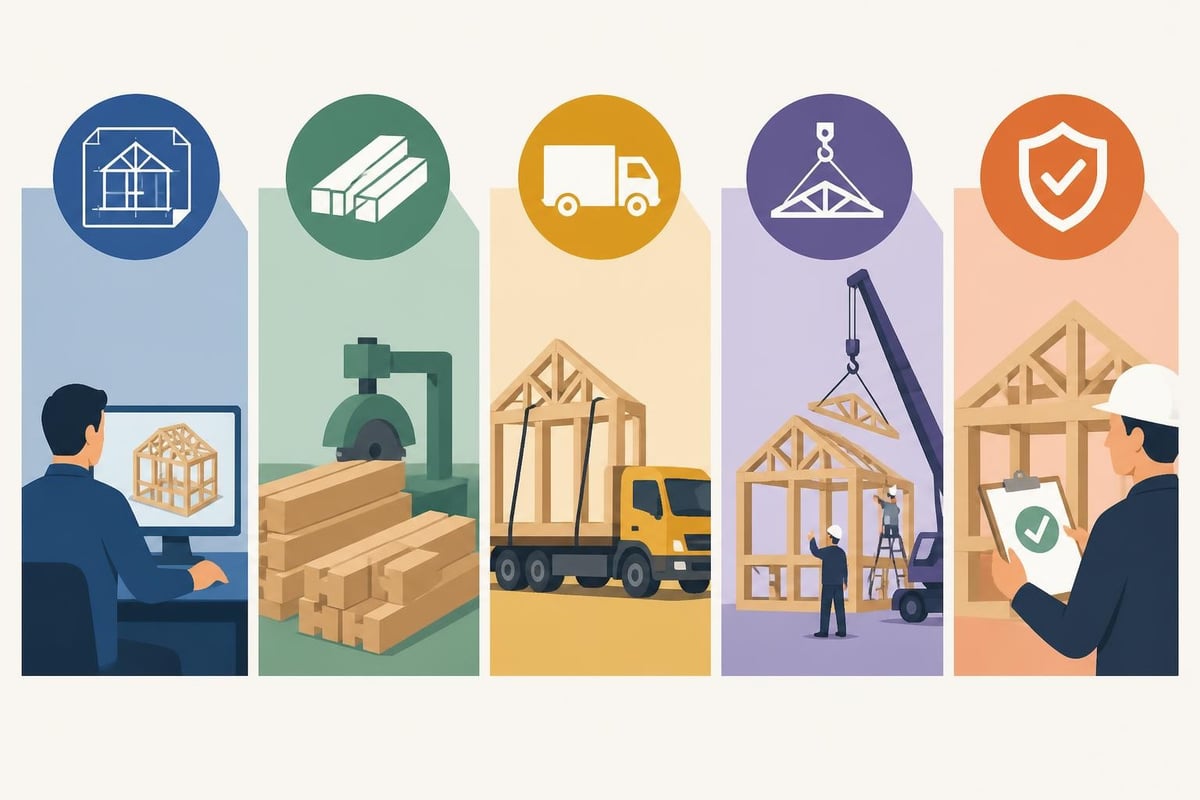
Every construction site presents unique challenges that influence timber frame pricing beyond the structure itself. Ground conditions, access limitations, and existing infrastructure all contribute to cost variations between seemingly similar projects.
Foundation requirements depend entirely on ground conditions and structural loads. Clay soils require different foundation strategies compared to chalk or gravel substrates. Geotechnical surveys identify necessary groundwork, with costs ranging from straightforward pad foundations to complex piled systems on challenging sites.
Access constraints dramatically affect logistics costs. Sites with narrow lanes, restricted delivery times, or significant distances from roadways necessitate smaller delivery vehicles, multiple trips, or even crane hire for component placement. Urban locations often present parking restrictions and neighbour coordination requirements that rural sites avoid.
Existing structures and services create additional considerations:
- Asbestos surveys and potential removal
- Underground utilities requiring protection or diversion
- Demolition and waste disposal requirements
- Temporary works for structural support during construction
- Party wall agreements and legal fees
Weather protection during construction adds cost, particularly for projects spanning winter months. Temporary covers, dehumidification equipment, and extended site setup contribute to overall expenses whilst protecting timber from moisture damage during assembly.
Design Complexity and Customisation Costs
Bespoke timber frame projects command premium pricing commensurate with the additional design, engineering, and craftsmanship required. Standard designs benefit from established templates and efficient production processes, whilst custom creations demand individual attention at every stage.
Architectural complexity manifests in multiple dimensions. Curved braces, ornamental details, and non-standard geometries require specialist cutting, fitting, and assembly techniques. A raised eaves building with straightforward rectangular geometry costs considerably less than an equivalent structure featuring compound roof angles and decorative joinery.
Structural engineering input becomes increasingly critical as designs deviate from conventional configurations. Calculating load paths, specifying appropriate timber sections, and ensuring building regulations compliance for unusual structures requires professional expertise that adds cost but guarantees safety and longevity.
| Design Element | Standard Cost Impact | Custom Cost Impact |
|---|---|---|
| Roof geometry | Baseline | +15-30% |
| Joinery complexity | Baseline | +20-40% |
| Ornamental features | Optional extras | Significant premium |
| Engineering calculations | Standard fee | Extended analysis fees |
Integration with contemporary building systems presents additional considerations. Insulating timber frame walls to current building regulations standards requires coordination between frame design and thermal envelope strategies. Hybrid approaches combining traditional framing with modern insulation panels demand careful specification and skilled installation.
The finish specification dramatically influences overall investment. Exposed timber aesthetics require higher-grade materials and superior craftsmanship compared to frames intended for cladding. Similarly, oak external doors and windows represent significant individual investments that collectively impact total project costs.
Budgeting Effectively for Timber Frame Projects
Developing realistic budgets requires comprehensive understanding of all cost components whilst maintaining contingency allowances for inevitable variations and unforeseen circumstances. Successful projects balance aspiration with financial pragmatism.
Initial budget establishment should encompass more than frame costs alone. A holistic view includes:
- Professional fees (architects, engineers, surveyors)
- Planning and building regulations applications
- Site preparation and groundworks
- Frame supply and assembly
- Roofing materials and installation
- External cladding and weatherproofing
- Windows, doors, and glazing
- Internal finishes and services
- Landscaping and site restoration
- Contingency allocation (typically 10-15%)
Research comparing timber frame versus stick frame costs demonstrates that whilst timber frames may command 15-30% premiums over conventional construction, this differential narrows considerably when factoring superior insulation performance, reduced construction timeframes, and enhanced aesthetic value.
Obtaining Accurate Quotations
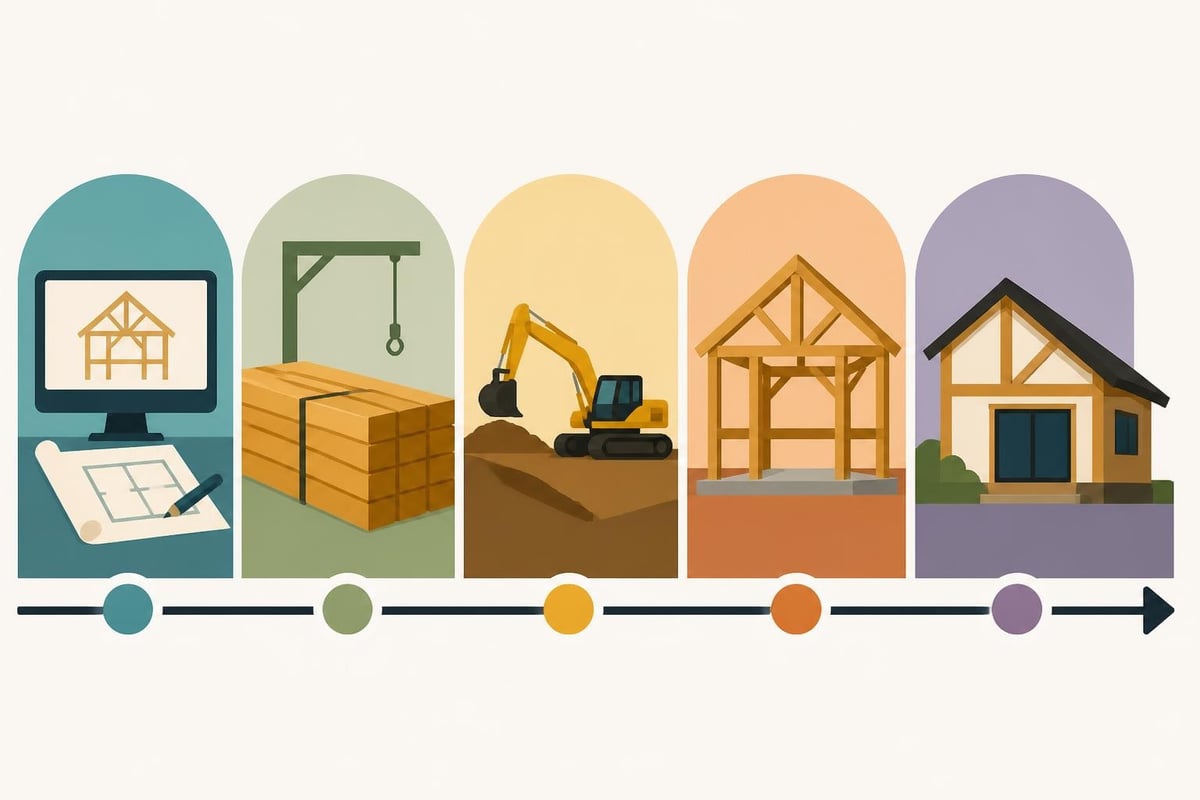
Detailed quotations require comprehensive project information. Suppliers need architectural drawings, site details, access information, and specification requirements to provide meaningful pricing. Vague enquiries generate equally vague estimates that prove unreliable when projects progress.
Comparing quotations demands understanding exactly what each includes. Does the price cover just frame supply, or does it include assembly? Are treatments, fixings, and hardware included? What warranties apply to materials and workmanship?
Value engineering opportunities often emerge during quotation review. Experienced suppliers can suggest alternative approaches that achieve desired outcomes whilst optimising costs. Perhaps a four-bay building configured differently provides equivalent functionality to a five-bay structure at reduced expense.
Long-Term Value Beyond Initial Pricing
Whilst timber frame pricing understandably focuses on immediate project investment, considering lifecycle costs provides crucial perspective. Well-constructed timber frames deliver decades of service with minimal maintenance, contrasting favourably with alternatives requiring regular intervention.
Durability characteristics of properly specified oak frames extend centuries when appropriately protected. Historic timber buildings throughout Britain demonstrate remarkable longevity, with many structures exceeding 500 years of continuous service. Modern construction techniques and treatments enhance this inherent durability further.
Energy performance represents another long-term value consideration. Timber's natural insulation properties, combined with contemporary thermal envelope strategies, create highly efficient buildings with reduced heating costs. This operational saving accumulates significantly over ownership periods, offsetting higher initial construction investment.
Property value enhancement often exceeds construction costs for quality timber frame additions. Oak-framed carports, garages, and extensions add substantial perceived value to properties, appealing to buyers who appreciate craftsmanship and traditional aesthetics.
Maintenance requirements remain modest compared to alternative construction methods:
- Periodic inspection of joints and connections
- Treatment renewal every 10-15 years for exposed timber
- Standard roofing and cladding maintenance
- Minimal structural intervention required
Environmental credentials increasingly influence property valuations and buyer preferences. Sustainably sourced timber from certified forests provides carbon storage benefits, with each cubic metre of timber retaining approximately one tonne of carbon dioxide throughout the structure's lifetime.
Regional Variations in UK Timber Frame Pricing
Geographical location substantially influences timber frame pricing across the United Kingdom. London and the South East typically experience elevated costs reflecting higher labour rates, living costs, and demand pressures, whilst other regions demonstrate more moderate pricing.
Transportation costs accumulate rapidly when projects lie distant from manufacturing facilities or timber suppliers. Delivering substantial oak beams from Sussex to Scotland incurs considerable haulage expenses that smaller, local projects avoid. Many clients find locally-based specialists offer competitive advantages through reduced logistics costs and familiarity with regional building practices.
Planning requirements vary between local authorities, with some regions imposing more stringent restrictions on timber frame construction than others. Conservation areas, Areas of Outstanding Natural Beauty, and National Parks each present unique regulatory landscapes affecting both permissible designs and associated compliance costs.
Building regulations interpretation occasionally varies regionally, particularly regarding thermal performance standards and structural calculations. Working with contractors experienced in your specific region ensures compliance whilst optimising cost-efficiency through established relationships with local building control officers.
Seasonal Considerations and Pricing
Construction seasonality affects timber frame pricing through multiple mechanisms. Demand fluctuations, weather conditions, and material availability all vary throughout the year, creating opportunities for cost-conscious clients.
Winter construction often presents scheduling advantages, with contractors experiencing reduced demand and potentially offering more competitive rates. However, weather protection requirements and extended drying times may offset these savings. Spring and autumn typically provide optimal conditions balancing workable weather with moderate demand.
Material procurement timing influences costs substantially. Ordering timber during peak demand periods may result in extended lead times and premium pricing, whilst off-peak ordering sometimes secures preferential rates. Forward planning enables clients to capitalise on favourable market conditions.
Supply chain considerations affect availability:
- Harvest seasons for green oak
- Kiln drying schedules for seasoned timber
- Manufacturing capacity at joineries
- Transportation availability during peak periods
Experienced companies maintain inventory buffers and established supplier relationships that mitigate these fluctuations, ensuring project continuity regardless of broader market conditions.
Making Informed Decisions About Timber Frame Investment
Understanding timber frame pricing empowers property owners to make confident decisions aligned with their aspirations, budgets, and timelines. The investment in quality timber framing delivers tangible benefits spanning aesthetics, performance, and longevity that justify careful consideration.
Starting with clear objectives focuses enquiries productively. Define your project's purpose, whether creating additional vehicle storage, establishing a garden room, or constructing a complete dwelling. Each application presents different priorities regarding specification, finish quality, and budget allocation.
Engaging early with experienced specialists provides invaluable guidance. Initial consultations typically cost nothing yet deliver insights about feasibility, approximate budgets, and design possibilities that inform decision-making. Companies focused on timber frame buildings understand the nuances affecting pricing and can articulate realistic expectations.
Phasing larger projects sometimes offers financial flexibility, spreading costs across multiple years whilst delivering incremental benefits. Perhaps beginning with a gazebo or single-bay structure establishes the aesthetic whilst deferring more substantial investment until circumstances allow.
Quality should never be compromised pursuing minimal pricing. Inadequate timber sections, inferior joinery, or rushed craftsmanship create long-term problems vastly exceeding any initial savings. Established specialists maintain reputations through consistent delivery of properly engineered, beautifully crafted structures that endure generations.
Timber frame pricing reflects the complex interplay of materials, craftsmanship, design ambition, and site-specific factors that make each project unique. Understanding these elements enables realistic budgeting and informed decision-making that balances investment with value. Whether you're planning a traditional oak garage, a contemporary extension, or a complete bespoke dwelling, Acorn to Oak Framing combines transparent pricing with exceptional craftsmanship to deliver timber frame structures that enhance your property and lifestyle for generations to come.


