
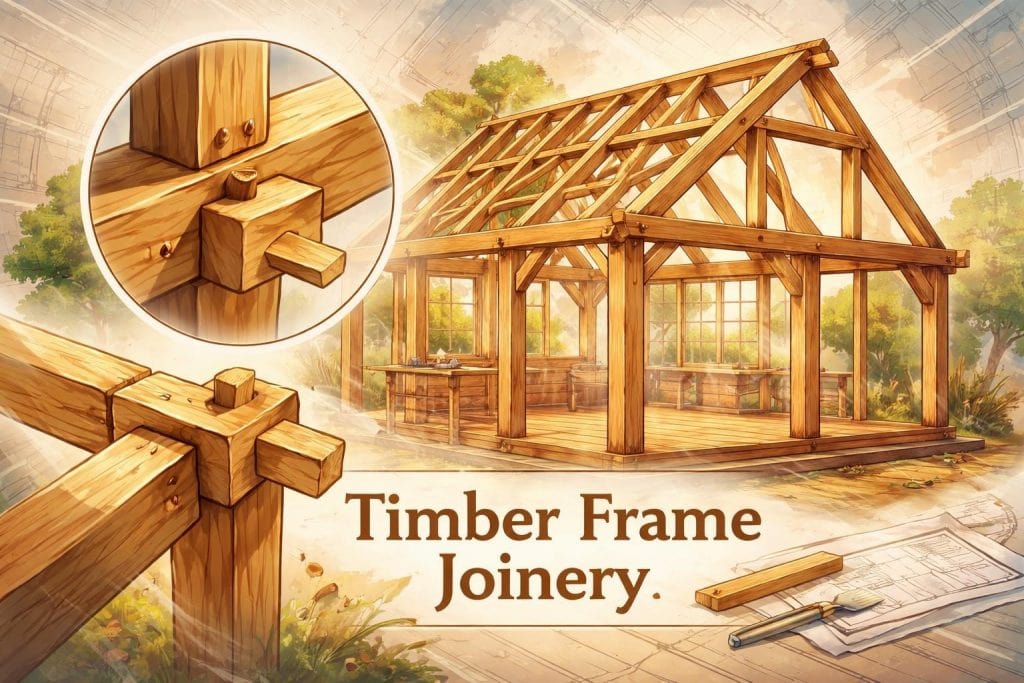
The growing demand for sustainable, affordable housing has positioned the timber frame small house as an increasingly popular choice across the United Kingdom. Combining centuries-old craftsmanship with contemporary living requirements, these compact structures offer exceptional durability, energy efficiency, and aesthetic appeal. Whether you're considering downsizing, creating a garden annexe, or building your first home, understanding the advantages and construction methods of timber frame small houses will help you make informed decisions about your property investment.
The Enduring Appeal of Timber Frame Construction
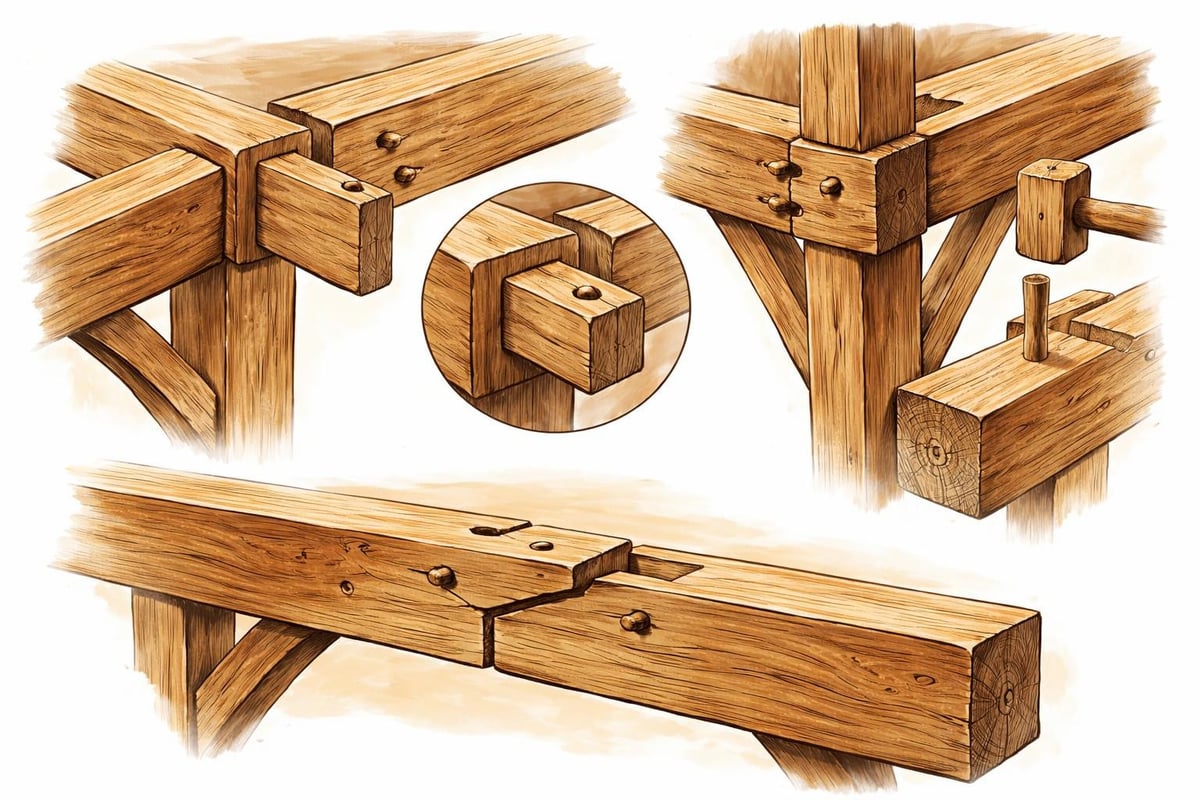
Timber frame construction represents one of humanity's oldest building methods, with examples surviving for hundreds of years throughout Britain and Europe. The technique involves creating a structural skeleton from heavy timber posts and beams, joined together using traditional carpentry methods such as mortise-and-tenon joints secured with oak pegs.
For small houses, this construction method offers distinct advantages over conventional building techniques. The structural frame remains visible, creating characterful interiors with exposed beams that add warmth and architectural interest to compact spaces. The inherent strength of oak timber allows for open-plan layouts without load-bearing internal walls, maximising usable floor area within a modest footprint.
Structural Benefits for Compact Designs
The engineering principles behind timber framing make it particularly suitable for smaller dwellings:
- Superior strength-to-weight ratio compared to masonry construction
- Flexibility in design modifications during and after construction
- Natural resistance to settlement and structural movement
- Reduced foundation requirements due to lighter overall weight
- Faster construction timelines with pre-fabricated frame components
Modern timber frame small house projects benefit from computer-aided design and precision manufacturing, whilst retaining the traditional joinery methods that ensure longevity. Specialist companies like Acorn to Oak Framing combine these traditional techniques with contemporary requirements, ensuring structures meet current UK building regulations whilst maintaining authentic craftsmanship.
Design Considerations for Small Timber Frame Houses
Creating an effective timber frame small house requires careful planning to maximise functionality within limited square metreage. The design process should balance spatial efficiency with the aesthetic qualities that make timber frame construction so appealing.
Optimising Space Through Strategic Planning
Room layout becomes paramount in compact designs. Open-plan living areas that combine kitchen, dining, and lounge spaces create a sense of spaciousness whilst reducing circulation space. Vertical design elements, including mezzanine sleeping areas and cathedral ceilings following the roof pitch, add volume without increasing the building footprint.
The timber frame construction method allows for large windows and glazed walls without compromising structural integrity, bringing natural light deep into the interior. This proves especially valuable in smaller homes where insufficient daylight can make spaces feel cramped and unwelcoming.
Typical Size Ranges and Configurations
| House Type | Floor Area | Typical Layout | Best Suited For |
|---|---|---|---|
| Micro Frame | 30-50 m² | One-room living with loft | Single occupant, holiday retreat |
| Compact Cottage | 50-80 m² | One bedroom, open living | Couple, starter home |
| Small Family Home | 80-120 m² | Two bedrooms, separate rooms | Small family, downsizers |
| Extended Small House | 120-150 m² | Three bedrooms, study | Growing family, home working |
Many successful timber frame small house projects draw inspiration from timber frame tiny house designs that prioritise functionality and sustainability. These principles translate effectively to slightly larger compact homes whilst maintaining the efficiency and charm of truly tiny dwellings.
The structural bays used in timber framing provide a natural planning module. A two bay building creates approximately 4.5-6 metres of internal depth, whilst a three bay building extends this to around 7-9 metres, offering flexibility in room arrangement whilst maintaining structural efficiency.
Construction Process and Timeline
Understanding how a timber frame small house comes together helps prospective owners plan their project effectively and set realistic expectations for completion.
From Design to Frame Raising
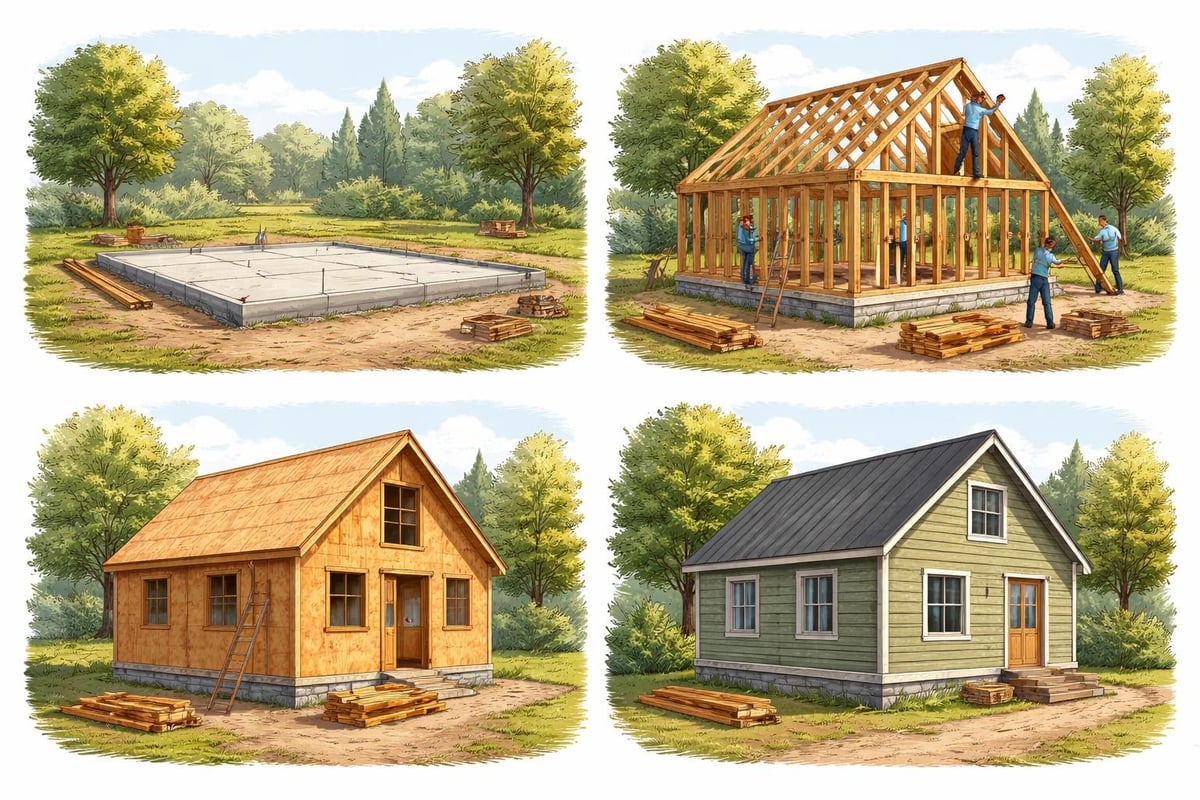
The construction sequence typically follows these stages:
- Design development and planning approval (8-16 weeks)
- Frame fabrication in workshop (4-8 weeks)
- Foundation and groundwork preparation (2-4 weeks)
- Frame raising and structural completion (1-2 weeks)
- Roof covering and weatherproofing (2-3 weeks)
- Insulation and building envelope (3-4 weeks)
- Internal fit-out and services (8-12 weeks)
- Final finishes and landscaping (2-4 weeks)
The frame raising represents a significant milestone in any timber frame project. Pre-fabricated components arrive on site ready for assembly, with the structural skeleton often erected within days. This rapid construction phase dramatically reduces weather exposure compared to conventional building methods.
Material Selection and Sustainability
Choosing appropriate timber species impacts both longevity and environmental credentials. Oak remains the premium choice for timber frame construction due to its exceptional durability, resistance to decay, and beautiful ageing characteristics. Sustainably sourced British oak supports local forestry whilst minimising transportation emissions.
Alternative species include Douglas fir and sweet chestnut, both offering good structural properties at lower cost points. However, oak's superior longevity makes it cost-effective over the building's lifespan, particularly for exposed external timbers subject to weathering.
Energy Efficiency and Environmental Performance
Modern timber frame small house construction achieves outstanding thermal performance through careful detailing of the building envelope. The natural properties of timber complement contemporary insulation strategies to create comfortable, economical living spaces.
Thermal Performance Strategies
The gaps between structural timbers accommodate substantial insulation depths without creating cold bridges. Common insulation approaches include:
- Sheep's wool insulation for breathable, natural performance
- Wood fibre boards that complement timber construction
- Mineral wool batts for cost-effective thermal resistance
- Spray foam insulation for airtightness in difficult areas
Achieving U-values below 0.15 W/m²K in walls becomes straightforward with timber frame construction, exceeding Building Regulations requirements and qualifying for enhanced energy efficiency standards. The compact size of small houses means the surface area to volume ratio requires careful attention, but also means absolute heating costs remain minimal even with modest insulation specifications.
Carbon Sequestration Benefits
Timber frame construction offers genuine environmental advantages beyond operational energy efficiency. Each cubic metre of oak timber stores approximately 740 kg of CO₂, effectively removing carbon from the atmosphere for the building's lifespan. A typical timber frame small house sequesters several tonnes of carbon dioxide in its structural frame alone.
This carbon storage combines with the low embodied energy of timber processing compared to concrete, steel, or brick production. Life cycle assessments consistently show timber frame construction as environmentally superior to conventional building methods, particularly when using locally sourced, sustainably harvested timber.
Cost Considerations and Value
Financial planning for a timber frame small house requires understanding both initial construction costs and long-term value propositions. Whilst timber framing may command premium pricing compared to basic construction methods, the investment delivers tangible benefits throughout the building's life.
Initial Construction Budget
| Cost Component | Percentage of Total | Typical Range (per m²) |
|---|---|---|
| Frame supply | 15-25% | £180-£350 |
| Foundation and groundwork | 10-15% | £120-£200 |
| Roof covering | 8-12% | £95-£160 |
| External envelope | 12-18% | £145-£240 |
| Internal fit-out | 25-35% | £300-£480 |
| Services and utilities | 12-18% | £145-£240 |
| Professional fees | 8-12% | £95-£160 |
These figures indicate total construction costs typically ranging from £1,200 to £2,000 per square metre for a timber frame small house, depending on specification, location, and finish quality. The compact scale means absolute project costs remain accessible compared to larger conventional houses, making home ownership viable for more buyers.
Long-Term Value and Investment
Property value appreciation for quality timber frame houses often exceeds comparable conventional construction due to distinctive character and superior build quality. The architectural interest created by exposed timber framing appeals to discerning buyers seeking unique properties.
Maintenance requirements remain minimal with properly detailed timber frame construction. External oak timbers develop an attractive silver-grey patina requiring no treatment, whilst protected internal timbers remain stable indefinitely. Designs inspired by projects like Timberbuilt’s Micro Series demonstrate how thoughtful design creates enduring appeal that transcends temporary fashions.
Planning Permission and Building Regulations
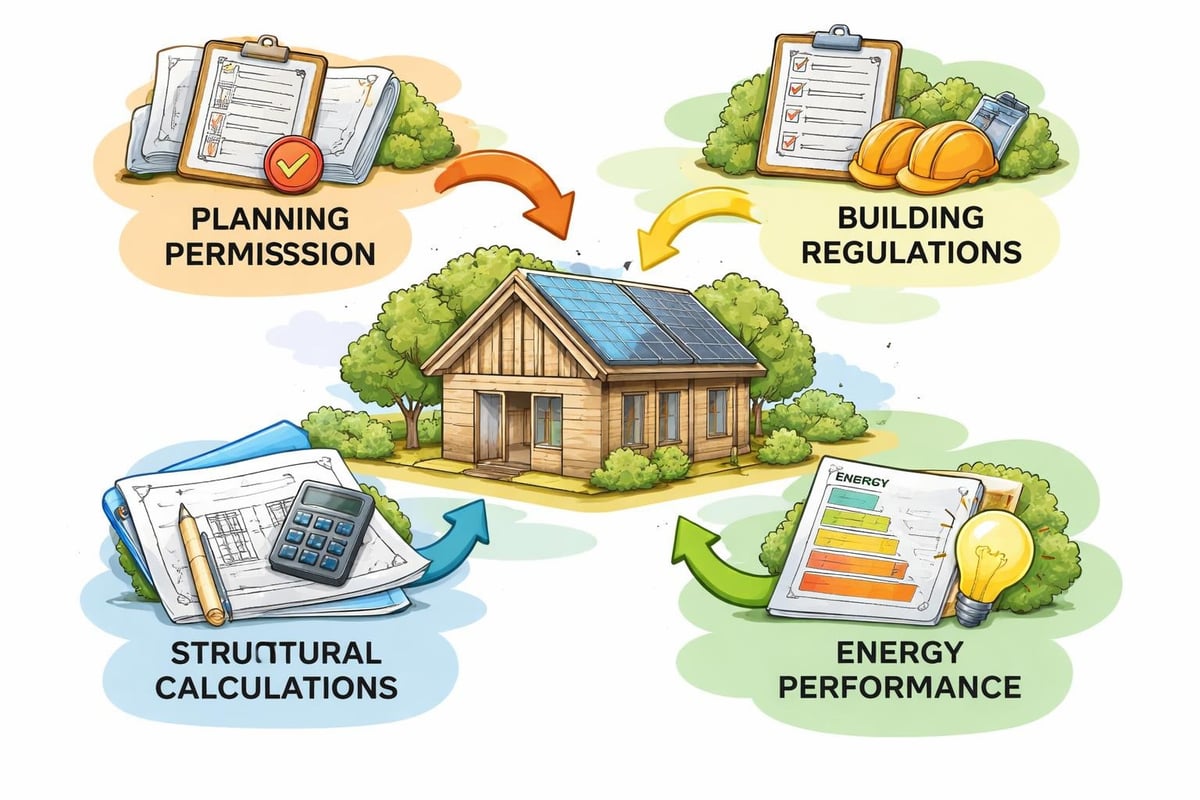
Navigating the regulatory landscape forms an essential part of any timber frame small house project. Understanding requirements helps avoid costly delays and ensures compliant construction.
Planning Considerations
Planning permission requirements depend on location, site history, and local authority policies. Permitted development rights may allow small timber frame structures in gardens without formal planning permission, subject to size and position constraints. However, most new dwellings require full planning approval.
Conservation areas and designated landscapes impose additional restrictions on design, materials, and appearance. Timber frame construction often receives favourable consideration in these contexts due to traditional building methods and natural materials that harmonise with historic settings. Examples like Studiomama’s compact Kent Coast cabin demonstrate sensitive contemporary interpretations of traditional timber construction.
Building Regulations Compliance
Current Building Regulations address:
- Structural stability through approved calculations and detailing
- Fire safety with appropriate compartmentation and escape routes
- Thermal performance meeting minimum U-values and air tightness
- Sound insulation between rooms and party walls
- Moisture control preventing condensation and dampness
Specialist timber frame companies possess extensive knowledge of these requirements, ensuring designs incorporate compliant details from the outset. This expertise proves invaluable in avoiding expensive modifications during construction or failed building control inspections.
Interior Design and Customisation
The distinctive character of timber frame small house interiors provides both opportunities and constraints for interior design. Working with rather than against the structural frame creates the most successful outcomes.
Embracing Exposed Timber
Exposed oak beams form the primary architectural feature in most timber frame interiors. These structural elements deserve prominence rather than concealment, with decorating schemes that complement rather than compete with the timber's natural beauty. Neutral wall colours in whites, creams, and soft greys allow the wood grain and joinery details to command attention.
Lighting design should highlight the craftsmanship of joints and beam profiles. Uplighters wash light across ceiling timbers, whilst carefully positioned spotlights can emphasise particular features or create dramatic shadows that enhance three-dimensional timber details.
Furniture and Fixture Selection
Scale-appropriate furniture proves essential in compact spaces. Built-in solutions maximise usable floor area whilst maintaining clear circulation routes. Window seats incorporating storage, fold-down desks, and murphy beds all feature in successful small timber frame house interiors.
The structural bay spacing influences furniture arrangement, with natural alcoves between posts providing ideal locations for beds, dining tables, or seating areas. This relationship between structure and function creates satisfying spatial organisation that feels intentional rather than compromised.
Inspiration from Completed Projects
Examining successful timber frame small house projects provides practical insights and design inspiration for prospective builders. Real-world examples demonstrate how theoretical advantages translate into liveable, beautiful homes.
Case Study Approaches
The small Vermont timber frame home in Montpelier showcases traditional techniques adapted for contemporary living. This project prioritises energy efficiency alongside authentic timber framing, proving these objectives complement rather than conflict with each other.
Similarly, The Walton House demonstrates how a two-bedroom layout can provide ample accommodation within a modest footprint. The design balances private sleeping areas with generous communal spaces, creating a home that lives larger than its square metreage suggests.
Contemporary Interpretations
Modern architects continue exploring timber frame construction's potential for small houses. The Fukasawa House in Japan illustrates how traditional timber framing principles adapt to urban contexts and contemporary aesthetics, whilst projects featured in tiny house blogs show owner-builders successfully creating timber frame small houses on limited budgets.
These diverse examples prove timber frame construction suits various architectural styles, from rustic cottages to minimalist modern designs. The flexibility inherent in the building method accommodates personal preferences whilst maintaining structural integrity and craftsmanship standards.
Practical Next Steps
Moving from concept to completed timber frame small house requires methodical planning and expert guidance. Breaking the journey into manageable stages prevents overwhelm and ensures critical decisions receive appropriate attention.
Initial Planning Phase
Begin by clarifying your requirements, budget, and timeline. Consider:
- Intended use (primary residence, holiday home, annexe, rental property)
- Number of occupants and space requirements
- Budget parameters including contingency allowances
- Site constraints and opportunities
- Personal style preferences and must-have features
Visiting completed projects, attending open days, and reviewing company portfolios helps refine your vision. Examining bespoke options from established timber frame specialists provides realistic expectations about achievable outcomes within your budget.
Selecting Your Timber Frame Specialist
Choosing the right partner proves critical to project success. Evaluate potential companies on:
- Portfolio quality and stylistic alignment with your vision
- Technical expertise and building regulations knowledge
- Construction methodology and quality control processes
- Customer testimonials and reference projects
- Communication style and project management approach
Established specialists bring invaluable experience navigating common challenges and optimising designs for efficiency and livability. Their involvement from initial concept through to completion ensures consistency and eliminates disconnects between design intent and constructed reality.
Site Assessment and Preparation
Understanding your site's characteristics influences every subsequent decision. Professional site surveys identify:
- Ground conditions affecting foundation design and costs
- Access constraints for delivery and construction equipment
- Services availability and connection costs
- Orientation opportunities for passive solar design
- Planning constraints from designations or neighbouring properties
Armed with comprehensive site information, designers can develop proposals that work with rather than against your land's characteristics, optimising the timber frame small house for its specific context.
Maintenance and Longevity
Properly constructed timber frame small houses require minimal maintenance whilst providing centuries of service. Understanding care requirements ensures your investment remains sound and attractive throughout its lifespan.
Routine Maintenance Requirements
Oak timber frames demand remarkably little attention. External timbers naturally weather to silver-grey tones that require no treatment or preservation. This patina develops within 18-24 months of exposure and protects underlying wood fibres from decay.
Interior timbers benefit from occasional cleaning to remove dust accumulation from horizontal surfaces. Some owners apply natural oils or waxes to enhance grain visibility, though this remains purely aesthetic rather than protective. The inherent durability of oak means internal structural timbers effectively last indefinitely in normal residential conditions.
Building Envelope Care
The non-timber elements of a timber frame small house require more attention than the frame itself:
- Roof coverings need periodic inspection and moss removal
- Glazing seals may require replacement after 15-20 years
- External cladding (if used) needs repainting or treating according to material
- Gutters and downpipes require annual clearing to prevent overflow
These maintenance tasks mirror those for any house, regardless of construction method. The timber frame itself remains the most durable and trouble-free component of the building.
Adaptability and Future Modifications
The inherent flexibility of timber frame construction simplifies future modifications. Non-structural internal partitions can be relocated or removed without affecting building integrity. Window and door positions can be altered, and extensions can be added by extending the structural frame using compatible joinery techniques.
This adaptability proves particularly valuable in small houses where changing life circumstances might require spatial reorganisation. A home office might become a nursery, or a single open space might be subdivided as family needs evolve.
A timber frame small house offers an exceptional combination of sustainability, craftsmanship, and liveable space efficiency that increasingly appeals to discerning homeowners seeking quality over quantity. Whether you're downsizing, building a garden annexe, or creating your dream compact home, the enduring beauty and practical advantages of timber frame construction deliver value that extends far beyond initial construction costs. Acorn to Oak Framing brings decades of traditional craftsmanship and modern expertise to every project, creating bespoke timber frame structures throughout the UK that enhance property value whilst respecting environmental responsibilities. If you're considering a timber frame small house project, their experienced team can guide you from initial concept through to completion, ensuring your vision becomes a beautifully crafted reality.


