
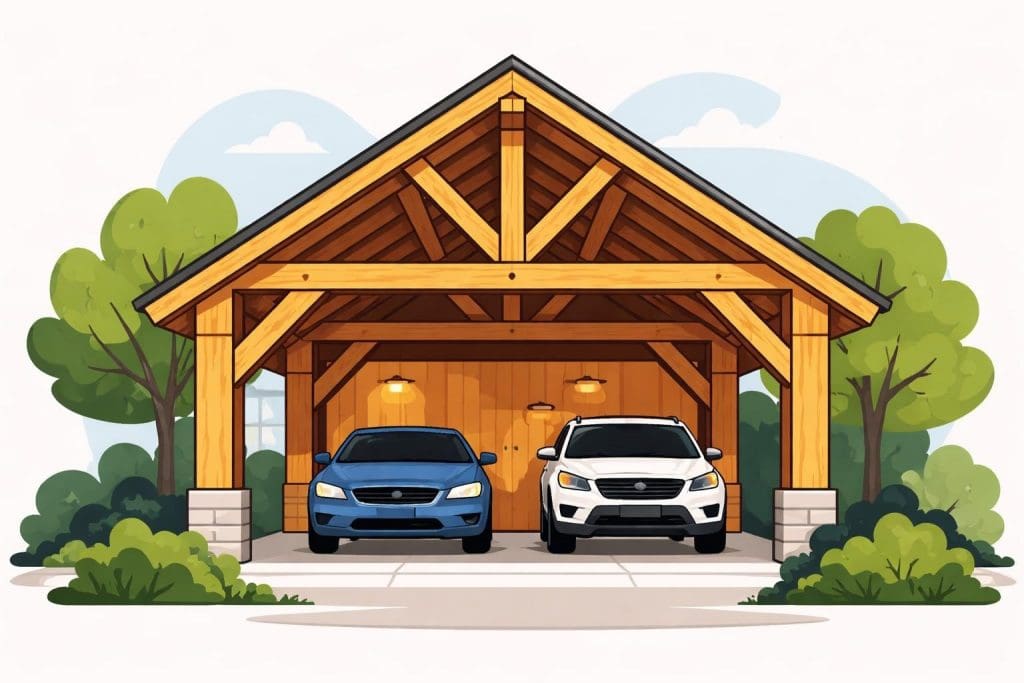
A timber garage represents one of the most versatile and aesthetically pleasing additions you can make to your property. Whether you need secure vehicle storage, workshop space, or simply additional room for equipment and tools, a well-constructed timber structure offers durability, sustainability, and timeless appeal. The increasing popularity of timber garages across the UK reflects a growing appreciation for natural materials and traditional building methods that create structures capable of lasting generations whilst complementing various architectural styles.
Understanding Timber Garage Construction
The foundation of any quality timber garage lies in the materials and methods employed during construction. Traditional timber framing techniques, refined over centuries, create robust structures that withstand the British climate whilst maintaining their character and strength.
Oak Versus Softwood Timber Options
Oak timber stands as the premium choice for garage construction, offering exceptional durability and natural resistance to decay. This hardwood develops a beautiful silver-grey patina over time, requiring minimal maintenance whilst becoming stronger as it seasons. The structural integrity of oak means thinner posts can support substantial loads, creating more usable interior space.
Alternatively, pressure-treated softwoods provide a cost-effective solution that still delivers excellent longevity. Modern pressure-treatment processes protect timber against rot, fungi, and insect attack, extending the lifespan significantly compared to untreated wood.
Frame Construction Methods
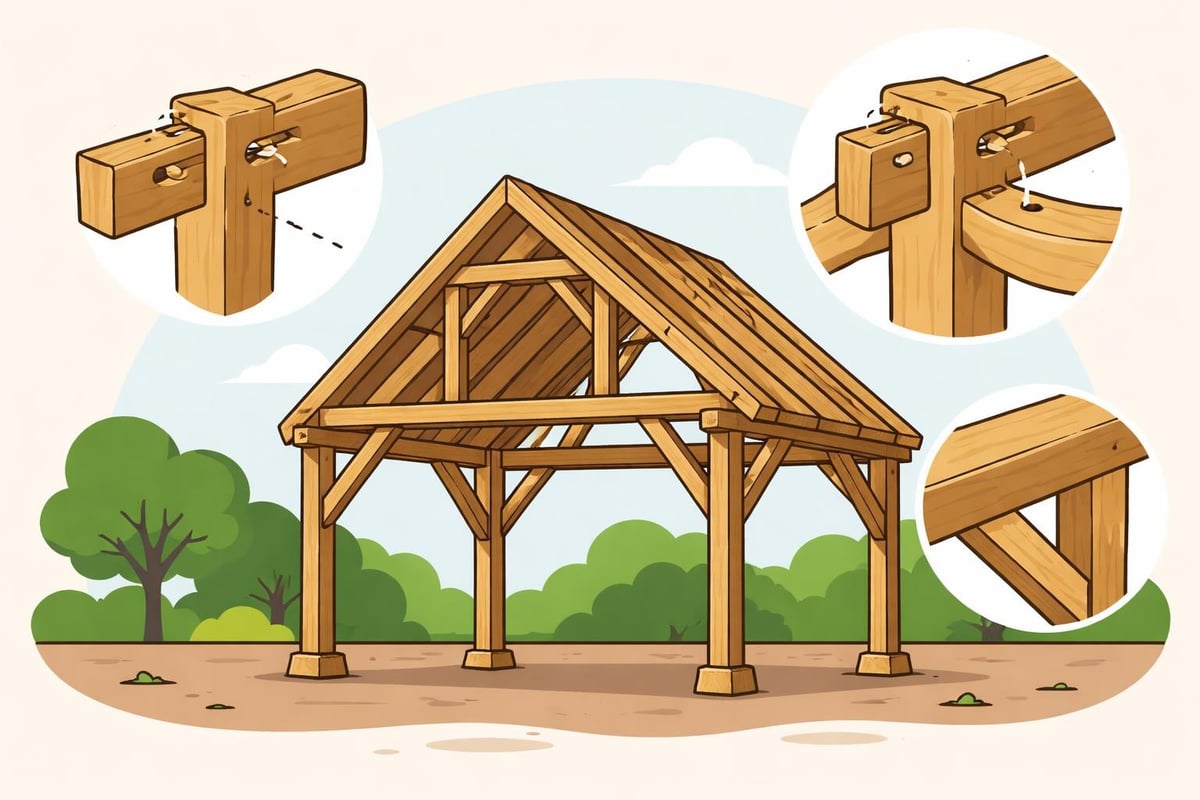
Post-and-beam construction forms the backbone of traditional timber garage design. This method involves:
- Primary posts set at regular intervals providing vertical support
- Horizontal beams connecting posts to distribute roof loads
- Diagonal bracing adding lateral stability against wind forces
- Oak pegs securing joints without reliance on metal fasteners
- Cladding systems protecting the frame whilst allowing structural movement
The beauty of timber frame buildings lies in their flexibility. Structures can be designed as simple single-bay garages or expanded into multi-bay configurations accommodating multiple vehicles, workshops, or storage areas.
Design Considerations for Your Timber Garage
Planning your timber garage requires careful consideration of practical requirements, aesthetic preferences, and local planning regulations. The design phase determines how well the finished structure serves your needs and integrates with your property.
Size and Bay Configuration
Garages are typically designed in bay configurations, with each bay approximately 3 metres wide. This modular approach offers excellent flexibility:
| Configuration | Typical Dimensions | Suitable For |
|---|---|---|
| Single Bay | 3m x 6m | One vehicle, basic storage |
| Two Bay | 6m x 6m | Two vehicles or vehicle plus workshop |
| Three Bay | 9m x 6m | Multiple vehicles, extensive storage |
| Four Bay+ | 12m+ x 6m | Commercial use, multiple vehicles, workshop space |
Those seeking specialist structures can explore bespoke design options that accommodate unusual site conditions or specific functional requirements. Custom designs might incorporate raised eaves for additional headroom, extended roof overhangs for weather protection, or open-sided sections for covered parking.
Roofing Solutions
The roof represents a critical component affecting both functionality and appearance. Common options include:
Traditional clay or concrete tiles provide authentic character and excellent weather resistance. These materials complement period properties beautifully whilst offering longevity measured in decades.
Welsh slate delivers premium aesthetics with outstanding durability, though at higher cost. The natural variation in colour and texture creates distinctive rooflines that age gracefully.
Modern alternatives such as corrugated metal or fibreglass sheets offer lighter weight and faster installation, making them suitable for larger spans or budget-conscious projects.
Sustainability and Environmental Benefits
The environmental credentials of timber garages make them increasingly attractive to ecologically conscious property owners. Understanding these benefits helps appreciate why timber construction represents a responsible choice for the 21st century.
Carbon Storage and Footprint
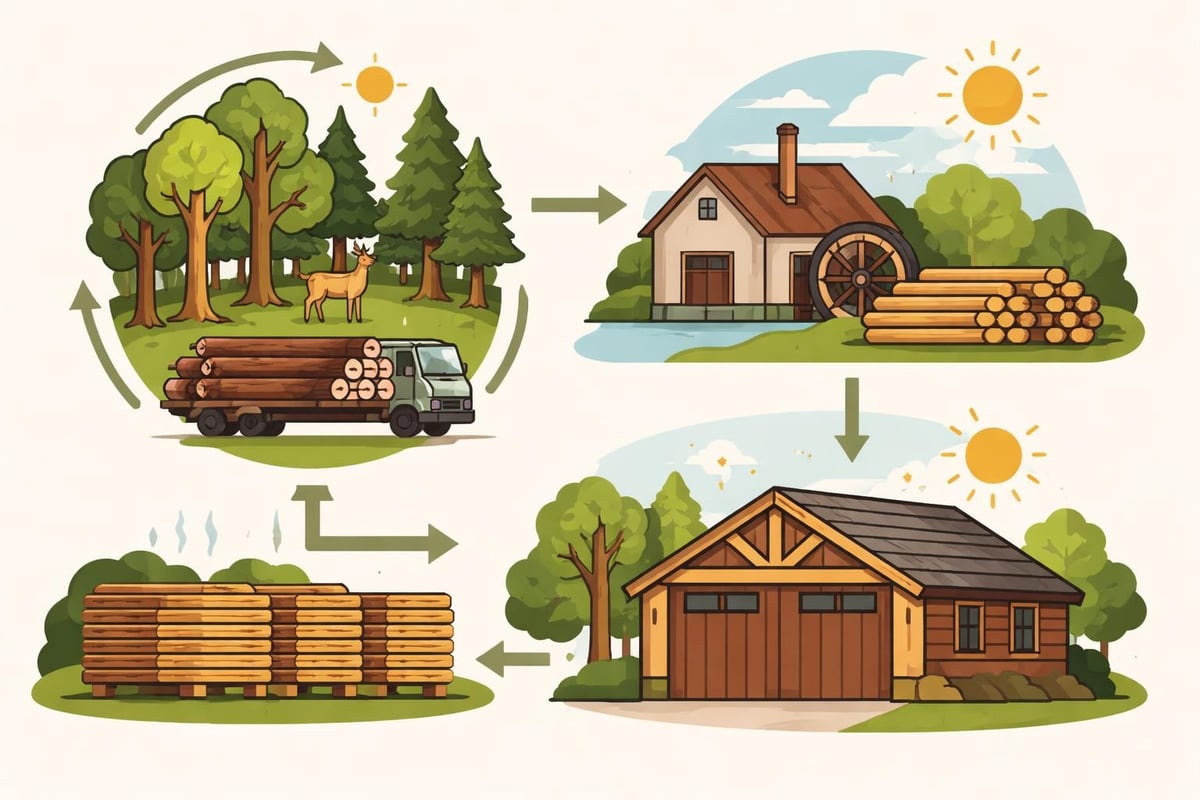
Timber acts as a carbon sink throughout the structure's lifetime. Growing trees absorb carbon dioxide from the atmosphere, storing the carbon within their cellular structure. This carbon remains locked within the timber even after harvesting and construction.
Wooden garages demonstrate superior sustainability compared to brick or concrete alternatives. Manufacturing timber requires significantly less energy than producing cement, steel, or bricks, resulting in lower embodied carbon. A typical oak frame garage stores approximately 2-3 tonnes of carbon whilst requiring minimal processing energy.
Responsible Sourcing
Sustainable forestry practices ensure timber garages contribute positively to environmental conservation. Look for suppliers using:
- FSC or PEFC certified timber from managed forests
- Locally sourced materials reducing transportation emissions
- Sawmills employing efficient processing techniques
- Companies replanting more trees than harvested
Construction Process and Timeline
Understanding how timber garages are built helps set realistic expectations and prepare adequately for your project. The construction process combines precision engineering with traditional craftsmanship.
Site Preparation Requirements
Before construction begins, proper groundworks establish the foundation for long-term performance:
- Ground levelling ensuring the base sits perfectly horizontal
- Foundation installation using concrete pads, strip footings, or ground screws
- Damp-proof course preventing moisture rising into timber members
- Drainage provision directing water away from the structure
- Service routing for electrical supply if required
The foundation type depends on ground conditions, local building regulations, and structure size. Larger garages typically require more substantial footings to distribute loads safely.
Frame Assembly and Erection
Traditional timber frame construction often employs prefabrication techniques. Frames are cut and assembled in workshops where conditions allow precise joinery work, then transported to site for erection.
The raising process can be remarkably swift, with experienced teams erecting substantial frames within days. This speed minimizes site disruption whilst ensuring accurate assembly under controlled conditions. Each joint is carefully fitted, pegs driven home, and bracing installed to create a rigid, self-supporting structure.
Cladding and Weather Protection
Once the frame stands complete, cladding transforms the skeleton into a weathertight enclosure. Tanalised shiplap cladding offers excellent protection whilst creating attractive external finishes. The horizontal boarding sheds water effectively whilst allowing the timber frame to breathe.
Alternative cladding options include:
- Vertical feather-edge boarding for traditional cottage aesthetics
- Oak weatherboarding matching the frame timber species
- Composite panels offering low-maintenance alternatives
- Rendered finishes over boarding for contemporary appearances
Maintenance and Longevity
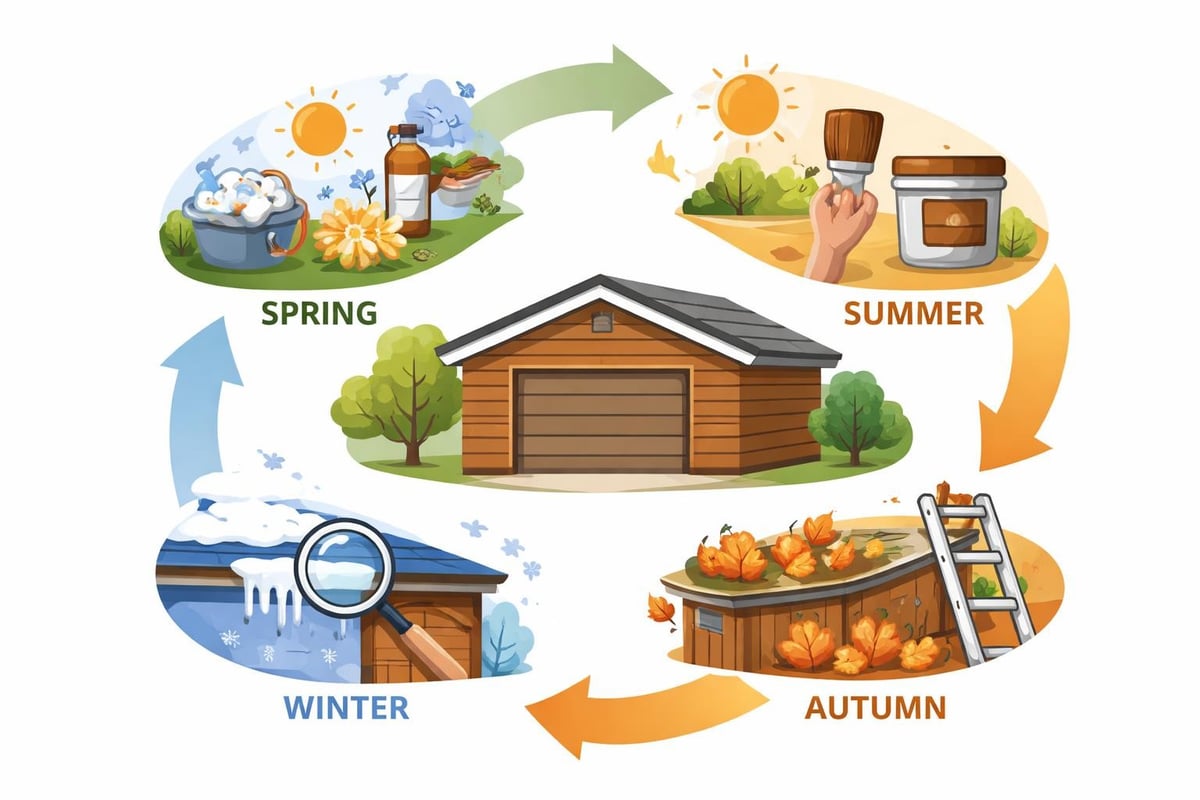
Proper maintenance ensures your timber garage remains beautiful and functional for generations. While timber structures require more attention than brick buildings, the tasks are straightforward and the results rewarding.
Protective Treatments and Finishes
External timber benefits enormously from protective coatings that shield against moisture, UV radiation, and biological attack. Regular maintenance schedules typically recommend treatment every 3-5 years depending on exposure and finish type.
Oil-based treatments penetrate deep into timber fibres, providing moisture regulation whilst enhancing grain patterns. These finishes require reapplication but never flake or peel.
Paint systems offer complete colour customization with durable protection. Modern microporous paints allow moisture vapor to escape whilst blocking liquid water entry.
Natural weathering remains an option for oak structures, where the timber develops a silver-grey patina. This approach requires no maintenance but changes the appearance significantly over time.
Routine Inspection Points
Regular inspections identify minor issues before they become serious problems. Focus attention on:
- Joints and pegs checking for movement or deterioration
- Ground-level timbers most vulnerable to moisture and decay
- Roof covering ensuring tiles remain secure and weathertight
- Guttering systems preventing overflow damaging wall cladding
- Door mechanisms maintaining smooth operation and security
Wooden structure maintenance extends lifespan significantly. Simple tasks like clearing debris from roof valleys, treating cut ends exposed during alterations, and maintaining ground clearance around base timbers prevent the majority of deterioration issues.
Garage Door Care
Timber garage doors require specific attention to maintain appearance and operation. Caring for timber doors involves regular cleaning to remove dirt and organic matter, routine inspections of hinges and hardware, and periodic refinishing to maintain weather protection.
Those preferring traditional aesthetics might choose oak garage doors matching the frame, whilst pine alternatives offer cost-effective solutions with proper treatment.
Planning Permission and Building Regulations
Understanding legal requirements prevents costly mistakes and ensures your timber garage complies with all necessary regulations. Requirements vary based on location, size, and intended use.
Permitted Development Rights
Many timber garages qualify as permitted development, avoiding formal planning applications. Generally, structures meeting these criteria proceed without permission:
- Maximum height of 4 metres with dual-pitched roofs or 3 metres otherwise
- Maximum eaves height of 2.5 metres
- Location not forward of the principal elevation facing a road
- Coverage not exceeding 50% of garden area
- Distance from boundaries considering height restrictions
Properties in conservation areas, listed buildings, or designated land face additional restrictions. Always verify requirements with local planning authorities before commencing work.
Building Control Approval
Even when planning permission isn't required, building regulations often apply. Garages exceeding 30 square metres floor area or located within 1 metre of boundaries typically need building control approval covering:
- Structural stability ensuring adequate foundations and frame strength
- Fire safety particularly regarding proximity to dwelling houses
- Drainage if installing washing facilities or pit drainage
- Electrical installation complying with current wiring regulations
Working with experienced timber frame specialists ensures designs meet regulatory requirements from the outset, streamlining approval processes and avoiding costly modifications.
Enhancing Functionality with Optional Features
A timber garage offers excellent scope for customization, transforming basic vehicle storage into truly versatile space. Consider these enhancements during the design phase for optimal integration.
Workshop and Utility Additions
Converting part of your garage into workshop space maximizes utility. Features might include:
- Workbenches built into the structure using frame posts as supports
- Tool storage utilizing wall spaces between frame members
- Power supply with multiple sockets and task lighting
- Heating systems for year-round comfort during projects
- Ventilation ensuring adequate air circulation and dust extraction
Storage Solutions
Efficient storage systems capitalize on vertical space and awkward areas:
| Storage Type | Benefits | Ideal Location |
|---|---|---|
| Wall-mounted shelving | Maximizes floor space | Between frame posts |
| Overhead racks | Utilizes roof space | Above vehicle height |
| Enclosed cabinets | Protects from dust | Ground level areas |
| Pegboard systems | Flexible tool organization | Workshop zones |
Optional extras available during construction often prove more cost-effective than retrospective additions. Consider future requirements during initial planning to ensure adequate provision.
Natural Light and Ventilation
Well-placed windows transform dark garages into pleasant working environments. Options include:
Traditional casement windows in gable ends providing cross-ventilation and natural light without compromising wall space needed for storage or workbenches.
Roof lights flooding interior spaces with daylight whilst maintaining privacy and security. Modern designs incorporate ventilation features controlling internal temperature.
Glazed doors combining access with illumination, particularly effective in raised eaves buildings where increased height accommodates taller door openings.
Cost Considerations and Value Addition
Understanding the investment required for a quality timber garage helps with budgeting and ensures realistic expectations. Prices vary considerably based on size, specification, and finish quality.
Pricing Factors
Several elements influence overall costs:
Timber species significantly affects pricing, with oak commanding premium rates compared to pressure-treated softwoods. The superior longevity and minimal maintenance requirements often justify higher initial investment over the structure's lifetime.
Size and complexity directly impact costs through increased material quantities and labour hours. Multi-bay configurations offer better value per square metre than smaller structures due to economies of scale.
Specification level incorporating features like:
- Roof covering type and quality
- Cladding material and finish
- Glazing quantity and style
- Door specification and hardware
- Ground preparation and foundations
- Additional services installation
Property Value Enhancement
A well-designed timber garage enhances property value through multiple factors. Secure vehicle storage appeals strongly to buyers in areas lacking integral garages, whilst additional workshop or storage space addresses practical needs many properties fail to meet.
The aesthetic contribution shouldn't be underestimated. High-quality timber structures complement property architecture, particularly period homes where sympathetic design proves essential. The natural materials and traditional construction methods create harmony with existing buildings that modern alternatives struggle to achieve.
Choosing the Right Timber Frame Specialist
Selecting an experienced timber frame company ensures your garage meets expectations for quality, durability, and aesthetic appeal. Several factors distinguish exceptional craftspeople from average builders.
Experience and Portfolio
Review previous projects assessing construction quality, design variety, and finish standards. Established companies typically maintain comprehensive galleries showcasing completed work across various sizes and styles. Look for evidence of traditional joinery skills, attention to detail, and ability to deliver bespoke solutions addressing specific client requirements.
Material Quality and Sourcing
Question timber sourcing practices, seasoning methods, and quality control procedures. Premium suppliers use properly seasoned timber minimizing subsequent movement and cracking, whilst sustainable sourcing ensures environmental responsibility.
Customer Service and Communication
The construction process requires clear communication and responsive service. Assess how thoroughly companies explain processes, answer questions, and accommodate individual preferences. Frequently asked questions sections indicate proactive communication addressing common concerns before they arise.
Aftercare and Guarantees
Understand warranty coverage and ongoing support availability. Reputable companies stand behind their work, offering guarantees on materials and workmanship whilst providing maintenance advice ensuring long-term satisfaction.
Adapting Timber Garages for Modern Requirements
Contemporary lifestyles demand more from garages than simple vehicle storage. Modern timber garage designs accommodate evolving needs whilst maintaining traditional aesthetic values.
Electric Vehicle Charging
The transition toward electric vehicles requires charging infrastructure many older properties lack. Timber garages easily incorporate:
- Electrical capacity sufficient for rapid charging units
- Cable management routing supplies safely and discreetly
- Weather protection shielding charging equipment from elements
- Future-proofing allowing upgrades as technology advances
Home Office Conversion
Remote working trends increase demand for dedicated office space separate from domestic environments. Insulated timber garages provide comfortable, professional workspaces offering:
- Thermal efficiency through proper insulation and heating
- Acoustic separation minimizing household noise interference
- Natural light creating pleasant working conditions
- Independent access allowing client meetings without home intrusion
- Utility provision for IT equipment and refreshment facilities
Multi-Functional Spaces
Versatile designs combine multiple functions within single structures. A three-bay building might incorporate vehicle storage in two bays whilst dedicating the third to workshop activities, hobby space, or even guest accommodation with appropriate planning permissions and building control approval.
Long-Term Performance and Durability
Understanding how timber garages perform over decades helps appreciate the investment value. Properly constructed and maintained timber structures outlast many modern alternatives whilst developing character that improves with age.
Structural Movement and Seasoning
Timber remains a living material responding to environmental conditions even after construction. Oak frames undergo gradual seasoning over several years, developing increased strength whilst potentially showing minor surface checking. This behavior represents normal material characteristics rather than defects, with traditional joinery accommodating movement without compromising structural integrity.
Weathering and Patina Development
External timbers exposed to elements develop natural patina reflecting exposure conditions. Oak transitions from warm honey tones through various browns eventually reaching distinguished silver-grey. This transformation occurs gradually over years, creating unique character impossible to replicate artificially.
Those preferring consistent appearance throughout the structure's life can maintain original colouration through regular treatment application, whilst others embrace natural weathering as testament to the building's maturity and authenticity.
Generational Longevity
Historic timber structures demonstrate potential lifespans measured in centuries rather than decades. Medieval barns and houses prove properly detailed timber construction outlasts virtually any alternative when basic maintenance requirements are met. Modern timber garages built to similar standards using quality materials and traditional joinery possess comparable longevity potential, representing investments benefiting multiple generations.
A timber garage combines practical functionality with aesthetic beauty, offering sustainable, versatile space that enhances property value whilst meeting diverse storage, workshop, and vehicle protection needs. The natural materials, traditional craftsmanship, and environmental credentials make timber structures increasingly relevant in modern construction. If you're considering adding a timber garage to your property, Acorn to Oak Framing brings specialist expertise in traditional timber framing techniques, sustainably sourced oak timber, and bespoke design solutions tailored to your specific requirements, ensuring your project delivers exceptional quality and lasting satisfaction.


