
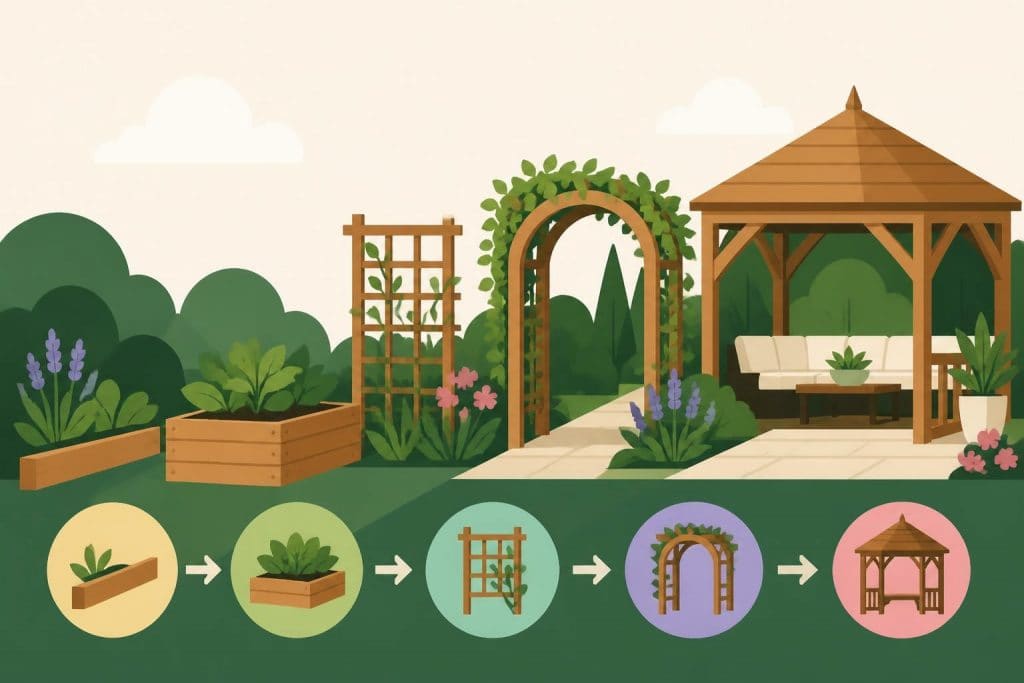
A wooden frame for garden structures represents one of the most versatile and enduring investments you can make in your outdoor space. Whether you're creating defined planting areas, adding vertical growing dimensions, or establishing architectural focal points, timber framing provides both structural integrity and natural aesthetic appeal. For UK homeowners seeking to enhance their gardens in 2026, understanding the principles of garden timber framing opens possibilities that range from simple raised beds to sophisticated outdoor rooms. The choice of timber, construction methods, and design considerations all play crucial roles in ensuring your garden framework withstands British weather whilst complementing your property's character.
Understanding Garden Timber Frame Applications
Garden timber frames serve numerous functions beyond mere decoration. These structures provide essential support for climbing plants, define growing spaces, create privacy screens, and establish architectural hierarchy within landscape design. A wooden frame for garden projects can be as simple as edging around flower beds or as complex as a full-scale gazebo structure that serves as an outdoor entertaining space.
Structural Framework Options
The variety of timber frame applications in garden settings continues to expand as homeowners recognise the value of well-crafted wooden structures. Each type serves distinct purposes whilst contributing to the overall garden aesthetic.
Primary garden frame applications include:
- Raised bed frameworks for vegetable gardens
- Pergolas and arbours for climbing plants
- Boundary fencing and privacy screens
- Support structures for greenhouses
- Decking subframes and terracing
- Storage shed frameworks
- Compost bin enclosures
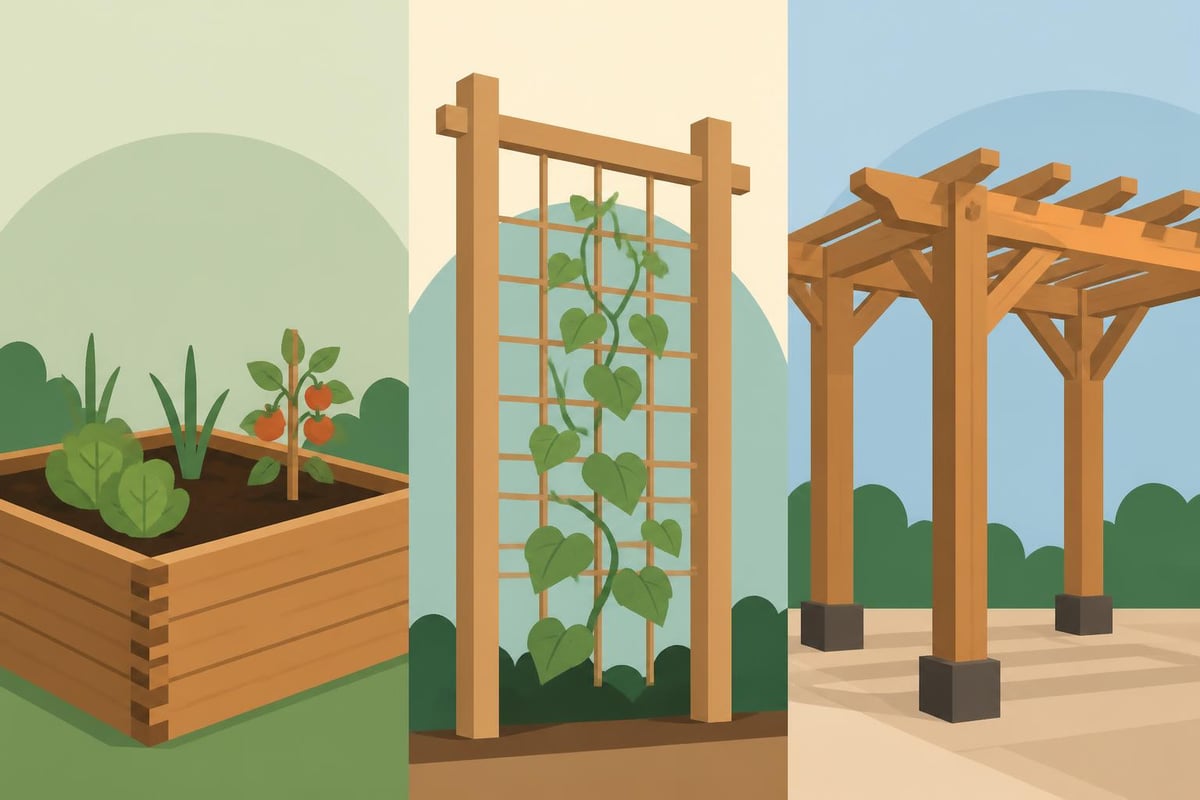
When planning your wooden frame for garden installations, consider how each structure integrates with existing landscape features. Raised bed garden ideas with trellises demonstrate how combining vertical and horizontal framing elements maximises growing potential whilst creating visual interest throughout the seasons.
The construction principles used in larger timber frame projects translate effectively to garden applications. Understanding timber wall frame construction provides insights into joinery techniques and structural requirements that ensure longevity in outdoor environments.
Selecting Appropriate Timber for Garden Frameworks
Material selection determines both the lifespan and maintenance requirements of your wooden frame for garden structures. British gardens present particular challenges with variable moisture levels, temperature fluctuations, and the persistent threat of timber decay.
Timber Species Comparison
| Timber Type | Durability (Years) | Natural Resistance | Cost Factor | Best Applications |
|---|---|---|---|---|
| Oak | 50-100+ | Excellent | High | Permanent structures, feature frames |
| Sweet Chestnut | 40-60 | Excellent | Medium-High | Fencing, raised beds, arbours |
| Larch | 25-40 | Good | Medium | General framing, temporary structures |
| Cedar | 30-50 | Very Good | High | Decorative frames, planters |
| Pressure-Treated Softwood | 15-30 | Good | Low | Budget projects, hidden frameworks |
Oak remains the premier choice for garden timber framing when longevity and structural integrity take priority. Its natural tannins provide exceptional resistance to decay and insect damage without chemical treatment. Many property owners selecting a wooden frame for garden installations appreciate that oak actually improves aesthetically as it weathers, developing a distinguished silver-grey patina.
Timber Treatment and Preservation
Different treatment approaches suit various garden applications. Natural durability trumps chemical preservation for edible garden frames, whilst pressure-treated timber offers cost-effectiveness for non-contact applications.
Treatment considerations:
- Untreated heartwood oak – Ideal for organic gardens and premium structures
- Natural oils and waxes – Enhance appearance whilst maintaining breathability
- Water-based preservatives – Suitable for general garden use
- Pressure treatment – Maximum protection for ground-contact applications
- Charring (Shou Sugi Ban) – Traditional Japanese method increasing durability
The timber selection process should account for intended lifespan, budget constraints, and environmental considerations. Sustainably sourced materials align with contemporary garden design ethics whilst ensuring responsible forestry practices.
Design Principles for Garden Timber Structures
Effective design balances aesthetic appeal with practical functionality. A wooden frame for garden installations should complement architectural styles whilst serving specific horticultural or recreational purposes.
Proportional Planning
Scale and proportion determine whether garden structures enhance or overwhelm outdoor spaces. Expert tips on making small gardens appear larger often emphasise strategic frame placement that guides sight lines and creates depth perception.
Garden timber frames work most effectively when scaled appropriately to surrounding elements. A substantial oak pergola suits large properties, whilst slender frames better serve compact urban gardens. Consider these dimensional guidelines:
- Post spacing: 1.8-2.4 metres for structural integrity
- Frame height: Proportional to width, typically 2:3 ratio minimum
- Beam dimensions: 100x100mm minimum for load-bearing applications
- Cross-bracing: Essential for frames exceeding 2 metres height
Architectural Integration
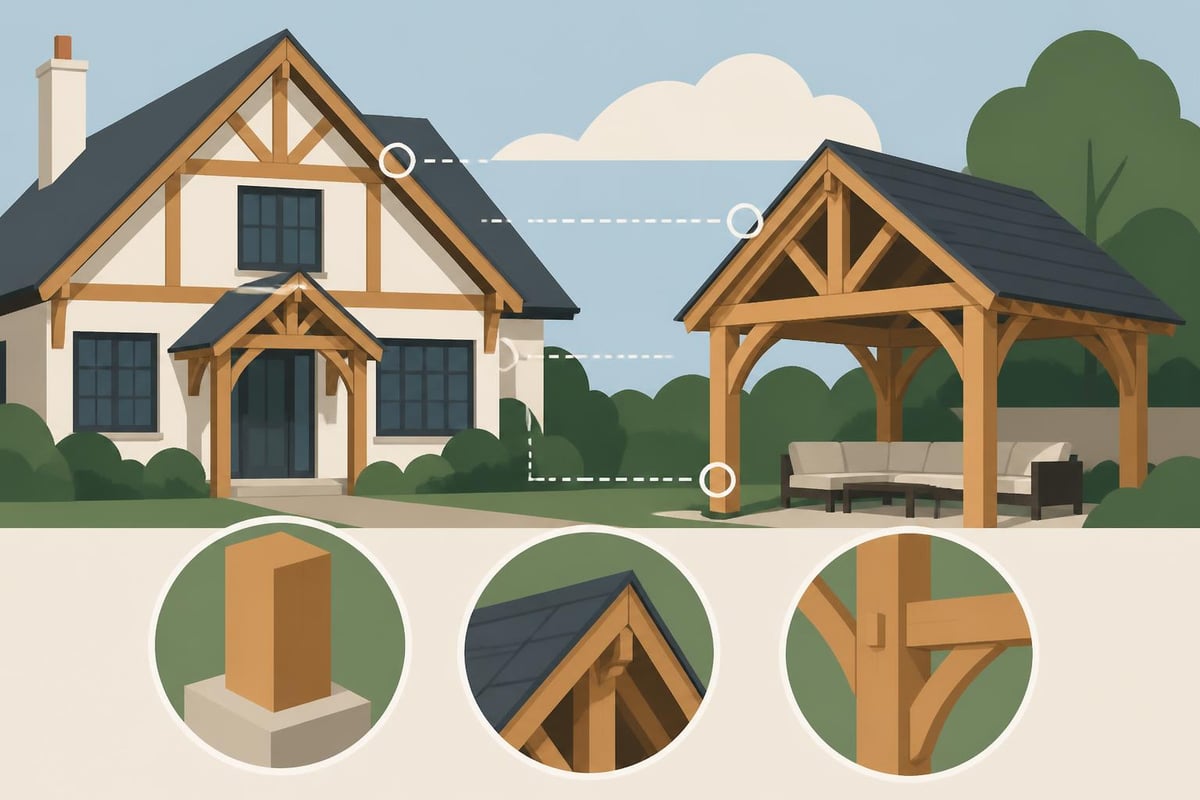
Successful garden timber framing echoes architectural elements from existing buildings. Properties featuring traditional timber details benefit from garden structures employing similar joinery methods. Garden arbor designs showcase how framing styles can range from rustic to refined depending on finishing techniques and proportional refinement.
Contemporary homes often pair beautifully with clean-lined timber frames featuring minimalist detailing. The versatility of wooden frame for garden applications allows adaptation to virtually any architectural vernacular through careful selection of timber dimensions, joinery visibility, and finishing treatments.
Construction Methods and Joinery Techniques
Traditional timber framing joinery provides superior strength compared to basic screwed or nailed connections. A properly constructed wooden frame for garden use can withstand decades of British weather when appropriate techniques are employed.
Traditional Joinery for Garden Frames
Essential joints for garden timber work:
- Mortise and tenon – Primary structural connection for posts and beams
- Half-lap joints – Effective for cross-bracing and decorative latticework
- Housed joints – Secure connection for horizontal rails
- Bridle joints – Excellent for corner connections in lighter frames
- Pegged connections – Oak dowels provide authentic traditional fastening
These time-tested methods create mechanical locks that tighten over time as timber seasons. Unlike metal fixings that corrode or loosen, properly executed wooden joinery develops enhanced strength through natural expansion and contraction cycles.
Modern Construction Adaptations
Contemporary garden timber framing often incorporates modern fixings alongside traditional methods. Stainless steel brackets, structural screws, and weatherproof adhesives complement joinery techniques where appropriate.
For homeowners undertaking DIY wooden frame for garden projects, hybrid approaches offer practical advantages. Posts can be secured to concrete foundations using galvanised post bases, whilst timber-to-timber connections employ traditional joinery for authentic appearance and structural integrity.
| Construction Method | Skill Level | Tools Required | Durability | Aesthetic Quality |
|---|---|---|---|---|
| Traditional Joinery | Advanced | Chisels, saws, mallets | Excellent | Superior |
| Hybrid (Joints + Fixings) | Intermediate | Basic carpentry tools | Very Good | Good |
| Modern Brackets | Beginner | Drill, spanners | Good | Functional |
| Pre-fabricated Kits | Beginner | Drill, basic tools | Variable | Standard |
Practical Applications Across Garden Zones
Different garden areas benefit from specific timber frame applications. Understanding these distinctions helps optimise both functionality and visual coherence throughout outdoor spaces.
Productive Growing Areas
Vegetable gardens and productive growing zones require robust wooden frame for garden installations that withstand constant moisture exposure and mechanical stress from cultivation activities. Raised bed frameworks elevate growing media, improving drainage and extending the growing season through enhanced soil warming.
Productive zone framing considerations:
- Use naturally durable timber or food-safe treatments
- Design adequate depth (minimum 300mm for root vegetables)
- Incorporate trellis sections for vertical crops
- Allow maintenance access around all sides
- Consider modular construction for crop rotation flexibility
Combined raised bed and trellis systems maximise yields from limited space. Creative garden furniture ideas often incorporate built-in seating along raised bed perimeters, merging functional growing space with comfortable observation points.
Ornamental and Recreational Spaces
Display gardens and leisure areas employ timber framing for aesthetic impact and spatial definition. Arbours frame views and create intimate seating alcoves, whilst pergolas establish outdoor rooms that blur boundaries between architecture and landscape.
A wooden frame for garden entertaining areas might support climbing roses, provide dappled shade, or simply serve as sculptural elements that add vertical interest. The versatility of timber structures allows complete customisation to individual requirements and aesthetic preferences.
Boundary and Transition Zones
Garden perimeters and transitional spaces between different garden rooms benefit from carefully designed timber frameworks. These structures provide privacy, reduce wind exposure, and create psychological separation without harsh visual barriers.
Boundary frame applications include:
- Living screens combining timber trellis with climbing plants
- Slatted privacy panels allowing air movement
- Gateway arbours marking entries between garden zones
- Pergola walkways connecting distinct areas
- Decorative fence toppers adding height and interest
Maintenance and Longevity Considerations
Even naturally durable timber benefits from appropriate maintenance regimes. A wooden frame for garden structures represents significant investment deserving protection through sensible care practices.
Annual Inspection Schedule
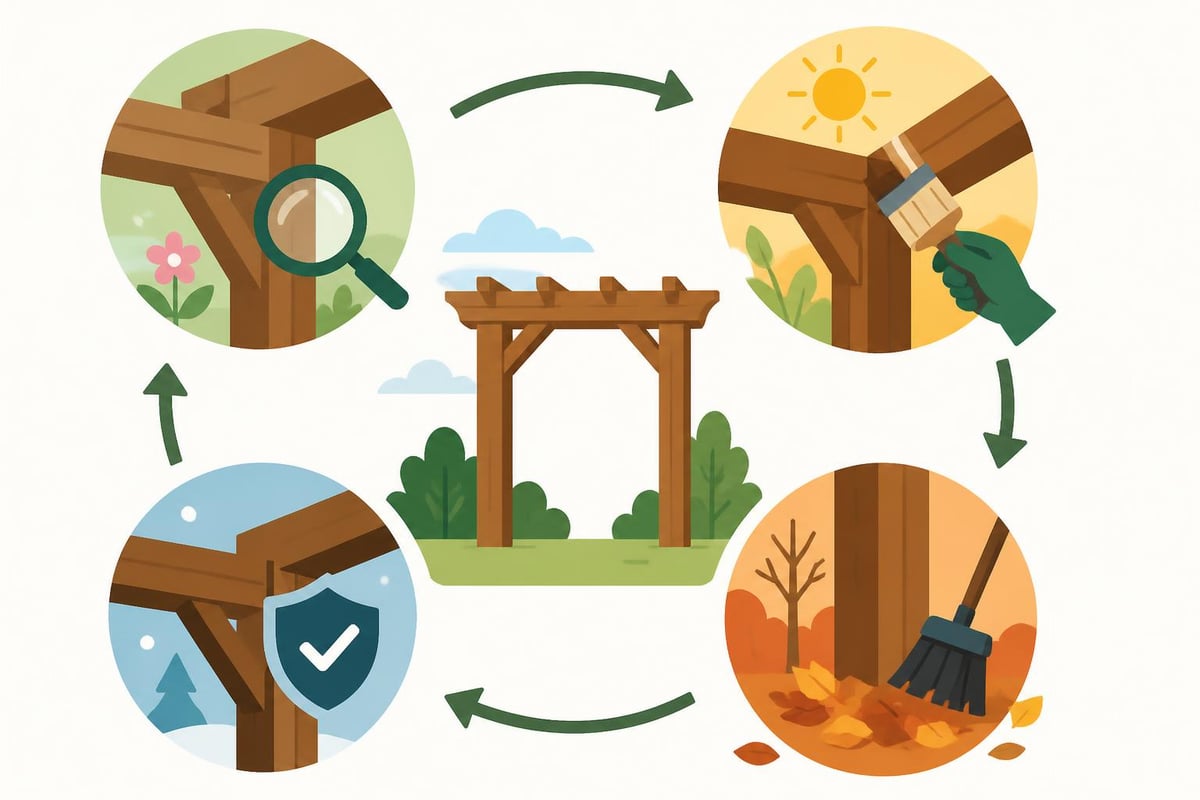
Regular examination identifies issues before they compromise structural integrity. Spring inspections, conducted after winter weather subsides, prove most valuable for catching moisture-related deterioration.
Inspection checklist items:
- Joint tightness and structural movement
- Wood surface condition and splitting
- Ground-level decay on posts and sills
- Metal fixing corrosion
- Paint or treatment coating condition
- Plant growth interference with timber
Addressing minor issues promptly prevents expensive repairs later. Loose joints can be wedged or redriven, surface splits filled with appropriate wood fillers, and deteriorating finishes refreshed before underlying timber suffers damage.
Treatment Renewal Programs
Surface treatments require periodic renewal depending on exposure levels and product specifications. South-facing frames endure more intensive UV degradation, necessitating more frequent attention than shaded structures.
Natural oil treatments typically require annual application, whilst modern microporous stains may protect for three to five years. Understanding product limitations and following manufacturer recommendations ensures optimal protection for your wooden frame for garden installations.
When considering long-term maintenance, factor this into initial material selection. Premium timbers like oak require minimal intervention compared to softwoods needing regular treatment, potentially offsetting higher initial costs through reduced lifetime maintenance expenses.
Cost Considerations and Value Assessment
Budget allocation for garden timber framing varies enormously depending on scale, materials, and construction method. Understanding cost components helps make informed decisions balancing quality against expenditure.
Budget Framework Comparison
| Project Scale | Materials Cost | Professional Installation | DIY Potential | Typical Lifespan |
|---|---|---|---|---|
| Simple raised bed | £150-300 | £200-400 | High | 15-25 years |
| Garden arbour | £300-800 | £400-800 | Medium | 20-40 years |
| Pergola structure | £800-2,500 | £1,000-3,000 | Medium | 25-50 years |
| Gazebo | £2,000-8,000 | £2,500-5,000 | Low | 30-60 years |
| Bespoke oak frame | £5,000-20,000+ | Included | Very Low | 50-100+ years |
Whilst premium timber framing represents substantial initial outlay, lifecycle cost analysis often favours quality construction. A properly built wooden frame for garden applications using durable timber requires minimal replacement costs over decades, whereas budget alternatives may need complete renewal multiple times within similar periods.
Value-Added Considerations
Garden timber structures enhance property values through improved aesthetics and increased functional outdoor space. Estate agents recognise that well-designed garden features, particularly quality timber frameworks, contribute meaningfully to property appeal and marketability.
Budget-friendly landscape edging ideas demonstrate that even modest timber framing investments create disproportionate visual impact when thoughtfully executed. Strategic placement of wooden frame for garden elements can transform mundane outdoor areas into distinctive landscape features that prospective buyers remember.
Environmental and Sustainability Factors
Responsible timber sourcing aligns garden enhancement with environmental stewardship. The carbon sequestration properties of timber structures make them environmentally preferable to alternatives manufactured from carbon-intensive materials.
Sustainable Timber Selection
FSC (Forest Stewardship Council) and PEFC (Programme for the Endorsement of Forest Certification) certifications guarantee timber originates from responsibly managed forests. Choosing certified timber ensures your wooden frame for garden projects supports sustainable forestry practices whilst maintaining quality standards.
British-grown timber offers additional environmental advantages through reduced transportation emissions. Oak, sweet chestnut, and larch all thrive in UK conditions, providing excellent locally-sourced alternatives to imported tropical hardwoods.
Sustainability priorities include:
- Certified timber from managed forests
- Locally-sourced materials reducing transportation impact
- Naturally durable species avoiding chemical treatments
- Traditional joinery techniques eliminating metal fixings
- Design for disassembly enabling future reuse
Biodiversity Enhancement
Garden timber frames contribute positively to local ecosystems beyond their primary functions. Climbing plants supported by wooden structures provide nectar sources, nesting opportunities, and habitat corridors for beneficial insects and birds.
Landscaping with timbers creates microhabitats that shelter wildlife whilst fulfilling ornamental and productive purposes. A wooden frame for garden installations designed with ecological considerations enriches outdoor spaces for all inhabitants, human and otherwise.
Untreated oak frames develop particularly rich ecological communities as they age. Lichens, mosses, and specialist invertebrates colonise weathered timber surfaces, creating living structures that connect built elements with natural processes.
Professional Installation Versus DIY Approaches
Deciding between professional construction and self-build approaches depends on project complexity, available skills, and time constraints. Each path offers distinct advantages for different circumstances.
When Professional Installation Makes Sense
Complex structures requiring precise joinery, structural calculations, or building regulation compliance benefit from professional expertise. Bespoke timber frame buildings demand specialised knowledge ensuring compliance with UK standards whilst achieving desired aesthetic outcomes.
Large-scale projects like substantial pergolas or gazebo structures justify professional installation through guaranteed structural integrity and reduced construction time. Experienced craftspeople work efficiently, avoiding costly mistakes that plague inexperienced builders tackling ambitious wooden frame for garden projects beyond their capabilities.
Successful DIY Project Parameters
Straightforward garden timber frames suit capable DIY enthusiasts possessing basic carpentry skills. Simple raised beds, basic arbours, and modest trellis systems provide satisfying projects yielding professional-looking results when approached methodically.
DIY garden arbor and arch ideas offer accessible entry points for hands-on homeowners. Success requires realistic assessment of personal abilities, adequate tooling, and patience executing each construction stage properly.
DIY success factors:
- Thoroughly research construction methods before starting
- Invest in quality materials rather than economising
- Use appropriate joinery techniques for structural connections
- Allow adequate time rather than rushing completion
- Seek advice when encountering unfamiliar challenges
For those passionate about maintaining their appearance while working on outdoor projects, OneSociety.co.uk offers premium men's grooming products that keep skin, hair, and beard looking sharp despite hours spent in the garden. Their all-natural formulations provide effective protection against the elements whilst undertaking timber framing projects or general garden maintenance, ensuring you look as good as your finished wooden structures.
Integration with Garden Design Styles
A wooden frame for garden installations should harmonise with overall landscape design approaches. Different garden styles employ timber framing in characteristic ways that reinforce their particular aesthetics.
Traditional English Garden Frameworks
Classic English gardens utilise timber frames as structural bones supporting exuberant planting. Rose-clad arbours, rustic pergolas, and weathered oak edging provide counterpoint to billowing perennials and cottage garden abundance. The timber acts as enduring architecture within ephemeral seasonal displays.
Natural finishes suit traditional approaches, allowing timber to silver gracefully whilst developing character through weathering. Visible joinery and substantial timber dimensions convey permanence and craftsmanship aligned with heritage garden values.
Contemporary Minimalist Applications
Modern garden design employs timber framing with restraint, emphasising clean lines and refined detailing. Sleeker timber sections, concealed fixings, and geometric arrangements create architectural precision within controlled planting schemes.
A wooden frame for garden projects in contemporary settings might feature flush-mounted screens, cantilevered pergolas, or floating decking platforms that demonstrate technical sophistication. Materials remain natural but finishes maintain fresh appearance through regular treatment.
Informal Cottage and Wildlife Gardens
Relaxed garden styles use timber framing to gently guide growth rather than rigidly control it. Loosely constructed supports encourage natural plant habits whilst providing necessary structure. Reclaimed timber adds instant character, accelerating the aged appearance that suits informal gardens.
These approaches prioritise ecological function alongside aesthetics, creating frameworks that benefit wildlife whilst fulfilling human purposes. Simple construction methods using locally-sourced materials align perfectly with cottage garden philosophy.
Regional Variations and Local Character
Garden timber framing traditions vary across UK regions, reflecting local timber availability, climatic conditions, and vernacular building practices. Understanding regional characteristics helps create wooden frame for garden installations that feel rooted in place.
Coastal Considerations
Maritime locations present particular challenges for timber structures. Salt spray accelerates corrosion of metal fixings whilst moisture levels fluctuate dramatically. Naturally durable timbers prove essential, as do corrosion-resistant stainless steel fixings where metal components are unavoidable.
Wind exposure necessitates robust construction with secure ground fixings. Frames should incorporate aerodynamic design principles, avoiding large solid panels that catch wind like sails. Slatted constructions and open frameworks withstand coastal conditions more successfully.
Highland and Upland Environments
Exposed highland gardens require exceptionally robust timber framing designed to withstand severe weather. Lower profile structures reduce wind loading, whilst substantial timber dimensions provide necessary strength. Traditional heavy framing methods suit these demanding environments.
Local timber species adapted to harsh conditions often perform best. Native Scots pine in Scottish highlands or Welsh oak in upland Wales demonstrate proven resilience to local climate extremes.
Sheltered Lowland Settings
Protected gardens in lowland regions offer more forgiving conditions for wooden frame for garden structures. Greater design freedom allows lighter frameworks and more delicate detailing. These locations suit premium architectural approaches showcasing refined joinery and sophisticated proportions.
However, sheltered positions may experience reduced air circulation, potentially increasing moisture-related deterioration risks. Adequate clearance from ground contact and consideration of drainage patterns remains important even in benign climates.
Creating beautiful, functional wooden frames for gardens requires careful consideration of materials, construction methods, and design integration with existing landscapes. Whether you're planning simple raised beds or elaborate outdoor structures, quality timber framing enhances both the utility and beauty of outdoor spaces for decades. For bespoke timber frame solutions that combine traditional craftsmanship with contemporary design excellence, Acorn to Oak Framing delivers exceptional structures tailored to your specific requirements, ensuring your garden investment stands the test of time whilst reflecting your unique vision.


