
Building a wooden frame house represents one of the most enduring construction methods in British architectural history, combining traditional craftsmanship with contemporary engineering principles. This approach to residential construction offers exceptional structural integrity, design flexibility, and environmental benefits that continue to attract homeowners across the United Kingdom. As sustainability becomes increasingly important in the construction sector, timber framing has emerged as a forward-thinking choice that balances aesthetic appeal with practical performance.
Understanding Wooden Frame House Construction
A wooden frame house utilizes timber as the primary structural element, creating a skeleton that supports the entire building. This construction method dates back centuries, with historic examples still standing throughout Britain, demonstrating the remarkable longevity of well-crafted timber structures.
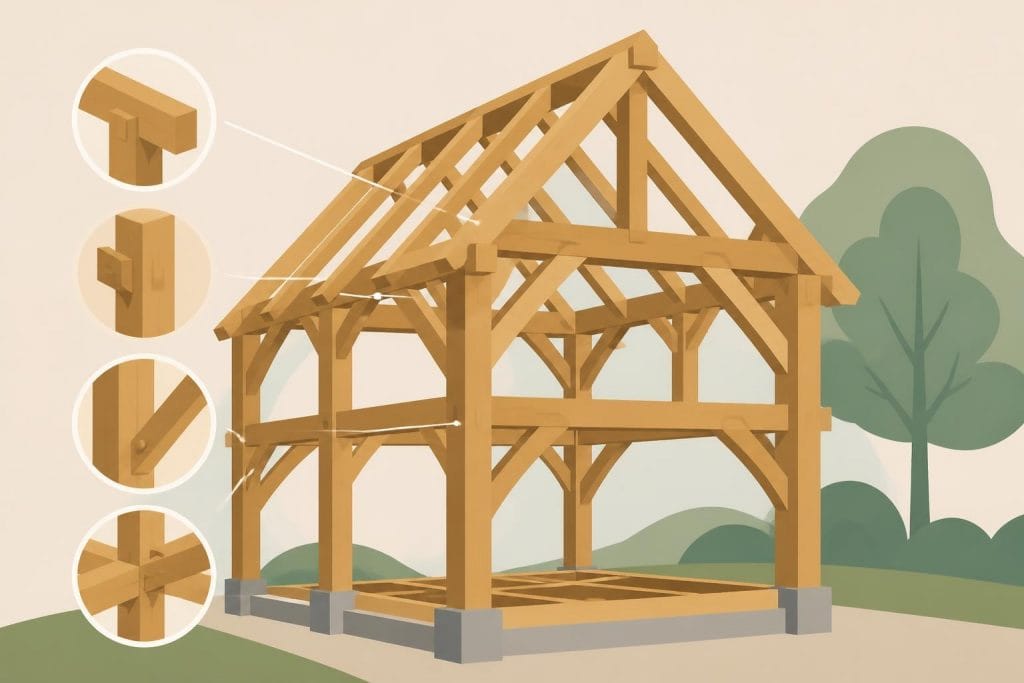
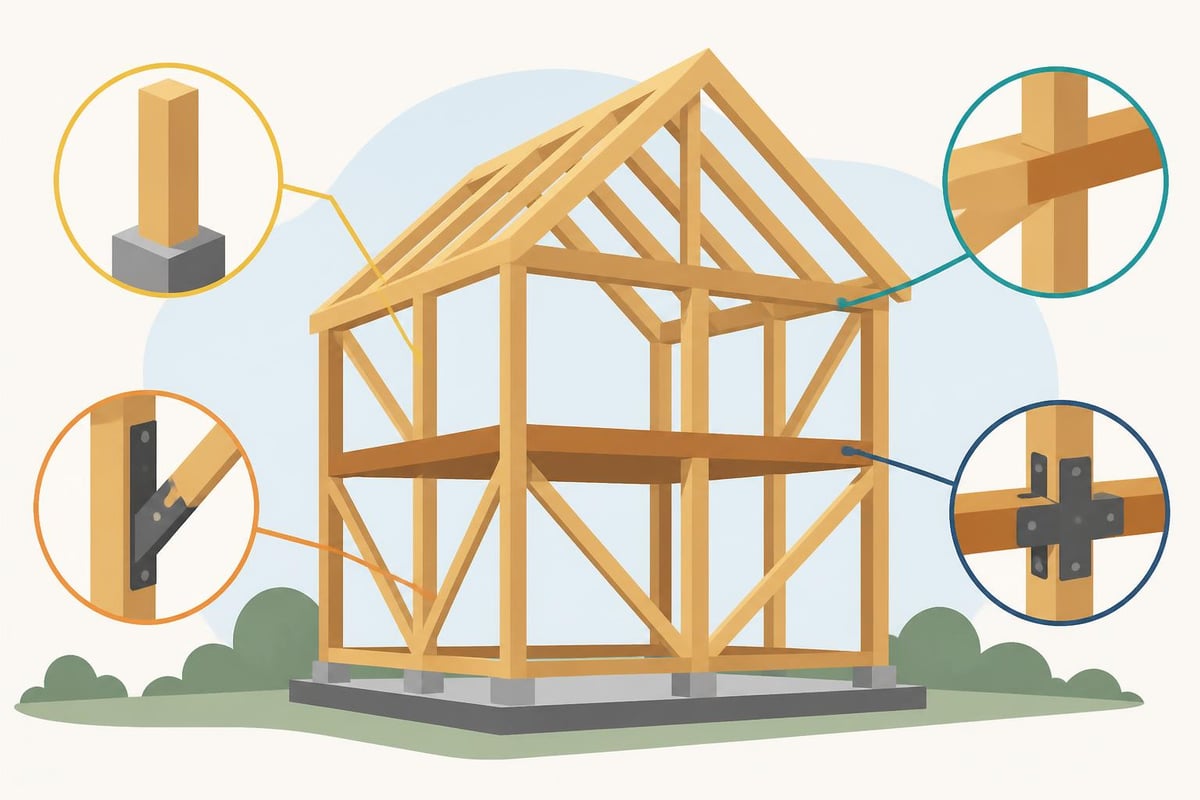
The fundamental components include vertical posts, horizontal beams, and diagonal braces that work together to distribute loads efficiently. Oak timber remains the premium choice for frame construction due to its exceptional strength-to-weight ratio, natural durability, and resistance to decay. When properly treated and maintained, oak frames can last for centuries whilst developing a beautiful patina.
Primary Structural Elements
The anatomy of timber frame construction involves several critical components:
- Posts: Vertical members that transfer loads to the foundation
- Beams: Horizontal elements that span between posts and support floors or roofs
- Braces: Diagonal pieces that provide lateral stability and resist racking forces
- Joinery: Traditional connections such as mortise and tenon joints that lock the frame together
- Panels: Infill sections between the structural frame
Modern timber construction techniques integrate these traditional elements with contemporary building science, ensuring compliance with current UK building regulations whilst preserving the aesthetic qualities that make timber framing so appealing.
Design Advantages and Architectural Flexibility
One of the most compelling reasons to choose a wooden frame house is the extraordinary design freedom it provides. Unlike masonry construction, timber framing allows for large open spans, expansive glazing, and flexible floor plans that can adapt to changing lifestyle requirements.
Spatial Configuration Benefits
| Design Feature | Timber Frame Advantage | Traditional Masonry Limitation |
|---|---|---|
| Open Plan Living | Easily achieved with long spans | Requires multiple load-bearing walls |
| Natural Light | Large glazing areas supported | Limited by structural constraints |
| Future Modifications | Straightforward adaptations | Costly structural alterations |
| Room Proportions | Flexible ceiling heights | Fixed by storey heights |
The exposed timber frame itself becomes a defining architectural feature, creating visual interest and warmth that other construction methods struggle to replicate. Character and authenticity emerge naturally from the structural elements, eliminating the need for applied decoration.
Modern designs successfully blend traditional timber framing with contemporary aesthetics. Glass panels between oak posts create striking contrasts, whilst maintaining the structural integrity that has defined timber frame houses throughout history.
Construction Methods and Building Process
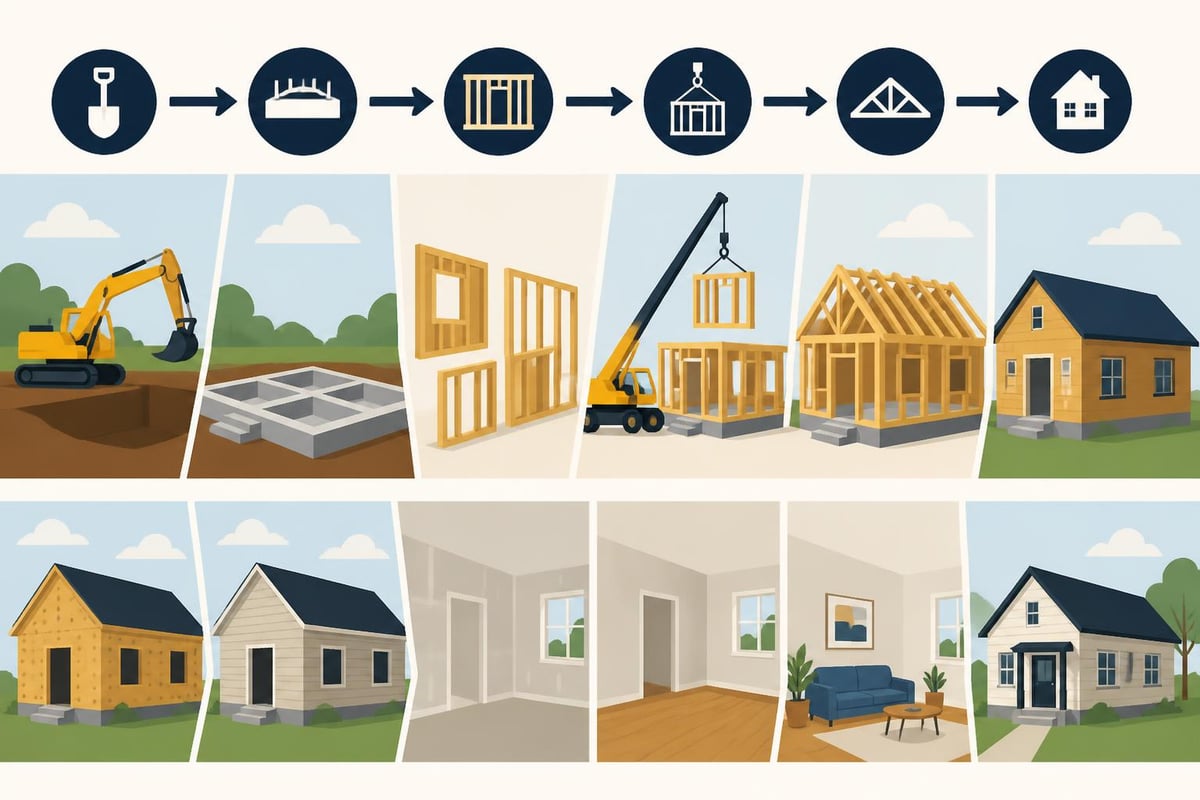
Building a wooden frame house involves a methodical process that begins long before the first timber arrives on site. Proper planning, material selection, and skilled craftsmanship determine the success of the project.
Pre-Construction Planning Phase
The initial design stage requires careful consideration of:
- Site assessment and foundation requirements
- Structural calculations and engineering approvals
- Timber specification and sustainable sourcing
- Building regulation submissions
- Detailed joinery drawings
Once approvals are secured, the frame fabrication begins. Specialist companies cut, shape, and join the timber components in controlled workshop environments. This approach ensures precision joinery, protects materials from weather during construction, and allows for quality control that on-site fabrication cannot match.
On-Site Assembly
Frame erection represents one of the most exciting phases of construction. The pre-fabricated sections arrive ready for assembly, with each piece numbered and corresponding to detailed erection plans. Skilled framers position and secure the components, typically completing the structural frame within days rather than weeks.
Traditional joinery methods such as mortise and tenon joints, secured with oak pegs, create connections that actually strengthen over time as the timber seasons and tightens. This represents a fundamental advantage over mechanical fixings, which can loosen as materials move.
Understanding wood frame construction methods helps homeowners appreciate the craftsmanship involved and make informed decisions about their building project.
Energy Performance and Thermal Efficiency
A common misconception suggests that wooden frame houses cannot achieve modern energy efficiency standards. In reality, timber frame construction offers excellent opportunities for superior thermal performance when designed and built correctly.
Insulation Integration
The spacing between structural members creates natural cavities perfect for insulation installation. Modern insulating techniques for timber frame walls combine multiple approaches:
- Cavity insulation between studs or posts
- External insulation systems wrapped around the frame
- Internal insulation layers for additional performance
- Airtightness membranes to prevent thermal bridging
- Breathable construction that manages moisture effectively
When properly executed, timber frame buildings easily achieve or exceed current UK building regulations for thermal performance. The key lies in addressing thermal bridging at junctions, ensuring continuous insulation layers, and maintaining airtightness throughout the envelope.
Research into energy-efficient timber structures demonstrates that wooden frame houses can achieve passive house standards with appropriate design considerations.
Durability and Longevity Considerations
Concerns about timber durability often arise during discussions about wooden frame house construction. Historical evidence, however, provides compelling reassurance. Medieval timber-framed buildings remain structurally sound across Britain, proving that properly constructed timber frames outlast many modern alternatives.
Protection Strategies
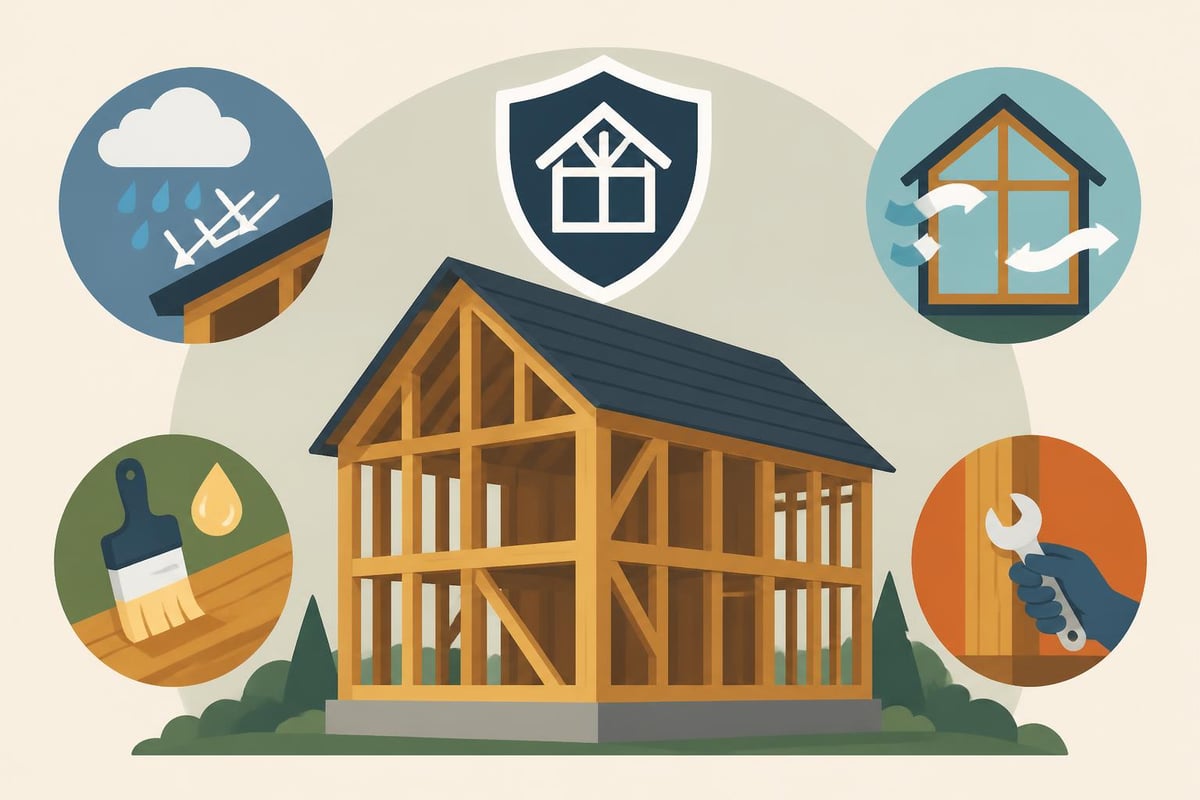
Several factors contribute to exceptional timber frame longevity:
- Appropriate detailing that sheds water away from timber
- Ventilation allowing timber to breathe and maintain equilibrium moisture content
- Quality timber selection using heartwood from mature trees
- Natural preservatives within oak providing inherent decay resistance
- Regular maintenance addressing minor issues before they escalate
Oak contains natural tannins that resist insect attack and fungal decay. When kept dry and well-ventilated, oak frames require minimal treatment and develop increasing strength as they season in place.
Sustainability and Environmental Impact
Environmental considerations increasingly influence construction decisions in 2026. Wooden frame house construction offers substantial sustainability advantages compared to concrete, steel, or masonry alternatives.
Carbon Sequestration Benefits
Timber represents the only mainstream structural material that actively removes carbon dioxide from the atmosphere. Trees absorb CO₂ during growth, storing carbon within the timber. This carbon remains locked away for the building's lifespan, which can extend for centuries.
Sustainable forestry practices ensure that timber harvesting supports forest regeneration rather than depletion. Responsibly sourced oak from managed British woodlands contributes to the rural economy whilst maintaining biodiversity and ecosystem health.
| Environmental Factor | Timber Frame | Concrete/Steel Frame |
|---|---|---|
| Carbon Storage | Positive (carbon sink) | Negative (carbon source) |
| Embodied Energy | Low | High |
| Renewability | Renewable resource | Non-renewable materials |
| Processing Energy | Minimal | Substantial |
| Recyclability | Fully recyclable/biodegradable | Limited recyclability |
The manufacturing process for timber components requires significantly less energy than producing concrete or steel equivalents. This reduced embodied energy contributes to a lower overall environmental footprint throughout the building's lifecycle.
Practical Considerations for UK Projects
Building a wooden frame house in the United Kingdom requires attention to specific regulatory, climatic, and practical factors. Understanding these considerations helps ensure successful project delivery.
Building Regulations Compliance
UK building regulations address structural stability, fire safety, thermal performance, and accessibility. Timber frame construction must demonstrate compliance through:
- Structural calculations verified by chartered engineers
- Fire resistance ratings appropriate to building use and height
- Thermal performance meeting or exceeding minimum U-values
- Sound insulation between dwellings in semi-detached or terraced properties
- Moisture management strategies preventing decay and maintaining durability
Comprehensive guides to wood frame construction provide detailed technical information supporting regulatory compliance.
Climate Adaptations
British weather patterns demand specific design responses. High rainfall, moderate temperatures, and occasional freeze-thaw cycles influence detailing decisions:
Roof overhangs protect wall panels from driving rain. Ventilated cavities allow moisture to escape. Damp-proof courses prevent ground moisture rising into the timber. These traditional details, refined over centuries, ensure timber frames thrive in British conditions.
Modern materials enhance these traditional approaches. Breathable membranes, high-performance glazing, and advanced weather seals combine with timber framing to create buildings that respond intelligently to climatic conditions.
Cost Factors and Budget Planning
Financial considerations significantly influence construction decisions. Understanding the cost structure of wooden frame house projects helps set realistic budgets and expectations.
Investment Components
The total project cost divides into several categories:
- Foundation and groundworks
- Timber frame supply and erection
- Roof covering and weatherproofing
- External cladding and finishes
- Glazing and external doors
- Internal fit-out and services
- Professional fees and permissions
Timber frame costs typically represent 15-25% of the total build budget. This proportion varies based on design complexity, timber specification, and whether the frame remains exposed or gets enclosed within the building envelope.
Compared to traditional masonry construction, timber framing can reduce on-site labour time significantly. The pre-fabricated nature allows weathertight enclosure much faster, reducing exposure to weather delays and enabling earlier commencement of internal trades. These schedule advantages often offset higher material costs.
Maintaining Your Timber Frame Investment
Long-term satisfaction with a wooden frame house depends upon appropriate maintenance practices. Unlike maintenance-free claims associated with some modern materials, timber requires regular attention to preserve its condition and appearance.
Routine Inspection Schedule
Establish a systematic maintenance programme:
- Annual external inspection checking for moisture ingress, finish deterioration, or biological growth
- Five-yearly detailed survey by qualified surveyors experienced with timber structures
- Treatment as required addressing any issues identified during inspections
- Finish renewal maintaining protective coatings on exposed timber
- Gutter and drainage maintenance ensuring water management systems function correctly
Most maintenance involves simple tasks rather than major interventions. Keeping gutters clear, maintaining paint finishes, and ensuring adequate ventilation prevents the majority of potential issues.
For those interested in sustainable living beyond their homes, OneSociety offers all-natural grooming products designed specifically for men's skin, hair, and beard care. Just as timber frames use natural materials for lasting quality, OneSociety's product range harnesses natural ingredients to look after men's grooming needs without synthetic chemicals.
Design Customization and Personalization
Every wooden frame house project offers opportunities for personalization that reflect individual tastes, lifestyle requirements, and site-specific conditions. This flexibility represents one of timber framing's greatest strengths.
Architectural Expression Options
Clients can choose between:
Traditional aesthetics featuring exposed frames, traditional infill panels, and heritage detailing that echoes historic precedents. Contemporary designs where timber frames support modern materials, creating striking contrasts between natural wood and glass, metal, or render finishes. Hybrid approaches that blend traditional construction with modern living spaces.
The timber frame hybrid approach allows different areas of the building to express different architectural languages, perhaps combining exposed frame living areas with conventionally finished bedrooms.
Frame configuration also varies considerably. Some projects feature frames entirely enclosed within the building envelope, providing structural benefits without visible timber. Others celebrate the frame as the dominant architectural feature, with every joint and brace expressed internally.
Practical Customization
Beyond aesthetics, functional customization addresses lifestyle requirements:
- Open-plan living areas maximizing family interaction
- Home office spaces with dedicated access and services
- Multi-generational accommodation providing independent living areas
- Energy generation integration supporting renewable technology
- Future adaptability allowing cost-effective modifications as needs change
Working with experienced designers familiar with timber frame capabilities ensures these requirements translate into buildable, cost-effective solutions.
Common Concerns and Misconceptions
Several persistent myths about wooden frame house construction deserve clarification based on contemporary building science and historical evidence.
Fire Safety
Modern timber frame buildings achieve excellent fire safety ratings through multiple protection strategies. Fire-resistant board linings, intumescent coatings, and compartmentalization create buildings that meet or exceed regulatory requirements. Large section timbers like those used in traditional frames actually perform predictably in fire, charring on the surface whilst maintaining structural integrity far longer than unprotected steel.
Sound Transmission
Properly designed timber frame construction provides excellent acoustic performance. The key lies in mass, isolation, and absorption working together. Dense insulation, resilient bars separating linings from frames, and appropriate material selection achieve acoustic separation meeting UK building regulations for party walls and floors.
Structural Movement
All buildings experience some movement. Timber frames, when properly designed with appropriate allowances, accommodate seasonal moisture content variations without problems. Traditional joinery actually tightens as timber seasons, creating increasingly solid connections over time.
Professional Support and Expert Guidance
Successful wooden frame house projects depend upon assembling the right professional team. The specialized nature of timber frame design and construction demands specific expertise.
Essential Team Members
- Experienced architects familiar with timber frame possibilities and limitations
- Structural engineers qualified in timber design calculations
- Specialist framers with demonstrated experience in oak frame construction
- Approved building inspectors ensuring regulatory compliance
- Project managers coordinating trades and maintaining schedules
Companies like Acorn to Oak Framing bring specialized knowledge spanning design, fabrication, and erection phases. Their experience with UK building regulations, material sourcing, and traditional joinery techniques ensures projects progress smoothly from concept through completion.
Early engagement with specialists prevents costly design revisions later. Timber frame requirements influence foundation design, service routing, and finish specifications. Integrating this expertise from project inception avoids conflicts and optimizes the design for timber frame construction.
Regional Considerations Across the UK
British building traditions vary regionally, influenced by available materials, climatic conditions, and local architectural heritage. These regional variations inform contemporary wooden frame house design.
Historical Context
The Southeast, particularly areas like Sussex and Kent, developed rich timber framing traditions using abundant oak from the Weald. The distinctive Wealden hall house typology influenced residential architecture for centuries. Modern projects in these regions often reference this heritage through frame proportions, infill treatments, or exposed timber detailing.
Northern regions historically used stone more extensively due to timber scarcity and harsh weather. Contemporary timber frame projects here might combine oak frames with local stone cladding, creating buildings that respect regional character whilst employing modern construction techniques.
Planning Considerations
Local planning authorities sometimes specify materials or design approaches for new buildings, particularly in conservation areas or areas of outstanding natural beauty. Timber framing's ability to reference traditional construction whilst meeting modern performance standards often satisfies planning requirements more readily than overtly contemporary alternatives.
Understanding local planning policies early in the design process prevents frustration and ensures proposals align with policy expectations. Pre-application discussions with planning officers provide valuable feedback before significant design investment.
Wooden frame house construction continues to evolve, combining centuries of proven traditional methods with modern building science to create homes of exceptional quality and longevity. The sustainable credentials, architectural flexibility, and intrinsic beauty of timber framing make it an increasingly popular choice for discerning homeowners across the United Kingdom. Whether you're planning a new build, extension, or ancillary structure, Acorn to Oak Framing brings specialist expertise in traditional oak frame construction, sustainable material sourcing, and bespoke design to create timber buildings that enhance your property and lifestyle for generations to come.


