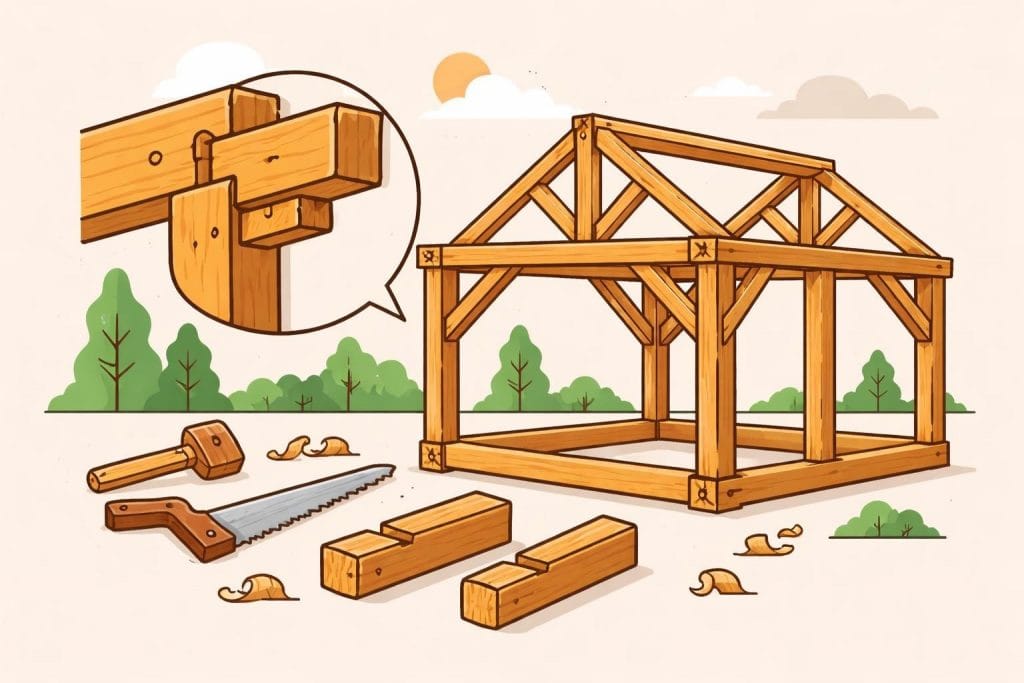
A wooden frame structure represents one of the most enduring and versatile building methods available to property owners and developers across the United Kingdom. This construction approach has evolved from ancient timber framing techniques into modern engineered systems that combine aesthetic appeal with structural integrity. Whether you're planning a residential extension, commercial building, or bespoke outbuilding, understanding the fundamentals of wooden frame construction enables informed decision-making throughout your project. The following comprehensive guide explores the essential components, methods, and considerations that define successful timber frame buildings in 2026.
Understanding Wooden Frame Structure Fundamentals
The foundation of any wooden frame structure lies in its ability to transfer loads efficiently from the roof through vertical supports down to the foundation. This skeletal framework creates the basic shape and provides structural support for the entire building envelope.
Traditional timber framing employs large posts and beams joined together using mortise and tenon connections, secured with wooden pegs rather than metal fasteners. These joints create robust connections that have proven their durability across centuries of use in historic buildings throughout Europe and Asia.
Primary Structural Components
Every wooden frame structure comprises several essential elements working in harmony:
- Posts or studs: Vertical members that carry compressive loads from above
- Beams or plates: Horizontal members spanning between posts to distribute loads
- Bracing: Diagonal elements providing lateral stability and resistance to racking
- Joists: Secondary horizontal members supporting floors and ceilings
- Rafters or trusses: Roof framework transferring snow and wind loads to supporting walls
The selection and sizing of these components depends on span requirements, load calculations, and design specifications. Engineers calculate member sizes based on British Standards and Building Regulations to ensure adequate strength and serviceability throughout the structure's lifetime.
Traditional Versus Modern Construction Methods
The wooden frame structure industry encompasses both time-honoured techniques and contemporary approaches, each offering distinct advantages for different project types.
Post and Beam Construction
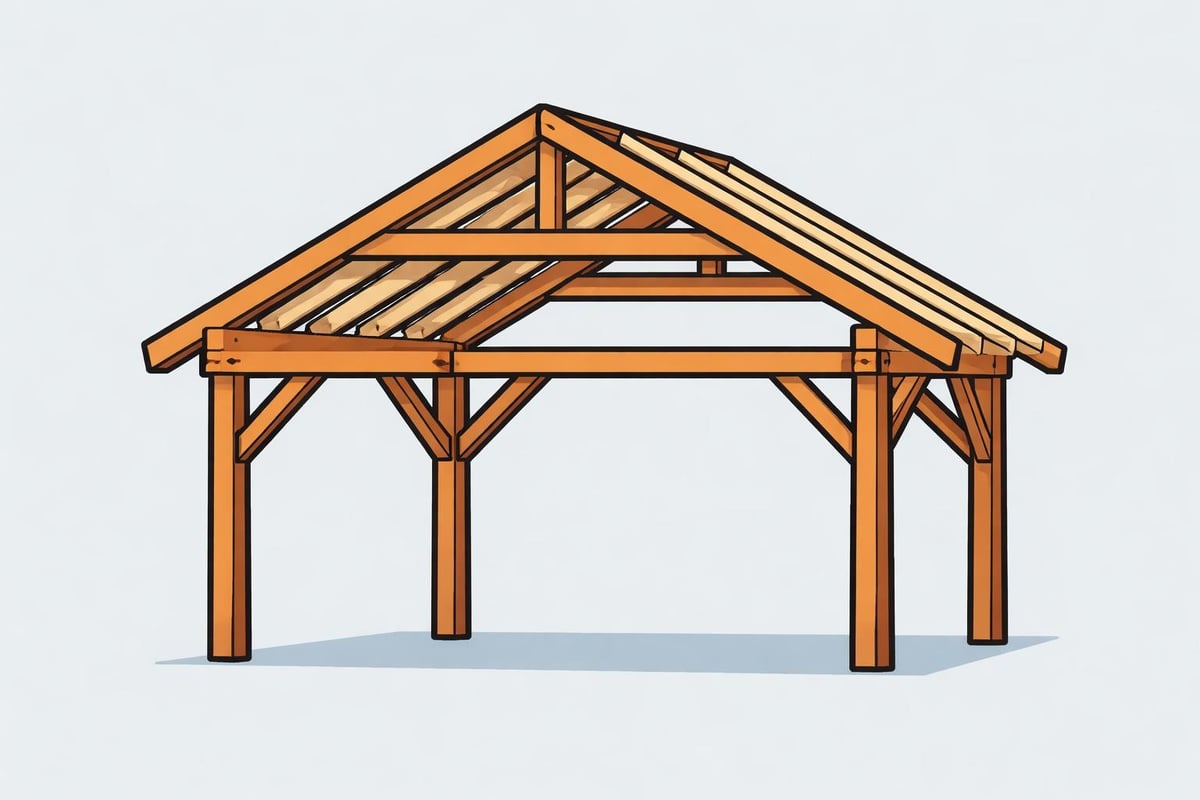
This traditional method utilises larger timber sections spaced further apart than modern stud framing. Post and beam frames create open interior spaces with fewer load-bearing walls, offering exceptional design flexibility. The exposed timber often becomes a prominent architectural feature, showcasing the natural beauty of oak or other hardwoods.
Craftsmen at Acorn to Oak Framing specialise in these traditional methods, creating bespoke timber structures that honour historical techniques whilst meeting contemporary performance standards.
Platform Framing
Modern platform framing builds the structure floor-by-floor, with each level providing a working platform for the next. Wall sections typically consist of 2×4 or 2×6 studs spaced at 400mm or 600mm centres, creating cavities for insulation and services.
This approach dominates residential construction due to its efficiency, material economy, and compatibility with various cladding and finishing systems. The repetitive nature of platform framing also reduces labour costs and construction timelines compared to traditional methods.
| Construction Method | Typical Applications | Primary Advantages | Considerations |
|---|---|---|---|
| Post and Beam | Barns, feature buildings, large spans | Open interiors, architectural interest | Higher material costs, specialist skills |
| Platform Framing | Houses, extensions, multi-storey | Cost-effective, quick installation | More load-bearing walls required |
| Timber Panel | Modern houses, commercial | Factory precision, rapid on-site assembly | Transport limitations, crane access |
| Hybrid Systems | Contemporary homes | Combines benefits of multiple methods | Complex design and coordination |
Engineered Timber Systems
Advances in wood construction technology have introduced engineered products like glulam beams, laminated veneer lumber, and cross-laminated timber panels. These manufactured components offer superior strength-to-weight ratios and dimensional stability compared to solid timber sections.
Engineered timber enables longer spans and more ambitious architectural designs whilst reducing material waste and environmental impact. Many modern wooden frame structures incorporate these products alongside traditional timber elements to optimise performance and aesthetics.
Design Considerations for Wooden Frame Structures
Successful timber frame projects require careful attention to multiple interconnected design factors that influence both structural performance and long-term durability.
Load Path Analysis
Every wooden frame structure must provide a continuous load path from the point of application down to the foundation. Designers analyse dead loads (permanent weight of materials), live loads (occupancy and furniture), wind loads, and snow loads specific to the building location.
The structural design ensures each connection and member possesses adequate capacity to resist these forces with appropriate safety factors. Structural design principles guide engineers in sizing members and specifying connection details that maintain integrity under maximum expected loads.
Moisture Management
Timber's vulnerability to moisture damage represents a critical consideration in wooden frame structure design. Proper detailing prevents water ingress whilst allowing any trapped moisture to escape through vapour-permeable membranes and ventilation gaps.
Attention to the following details protects timber frames from decay:
- Roof overhangs that direct rainwater away from wall surfaces
- Damp-proof courses preventing rising moisture from foundations
- Breathable membranes managing condensation risk within wall assemblies
- Proper flashing around openings and junctions between materials
- Base details that elevate timber above ground level and splash zones
The integration of these moisture control strategies ensures wooden frame structures maintain their structural integrity for generations. For those exploring timber frame construction options, understanding moisture management proves essential.
Construction Process and Assembly Techniques
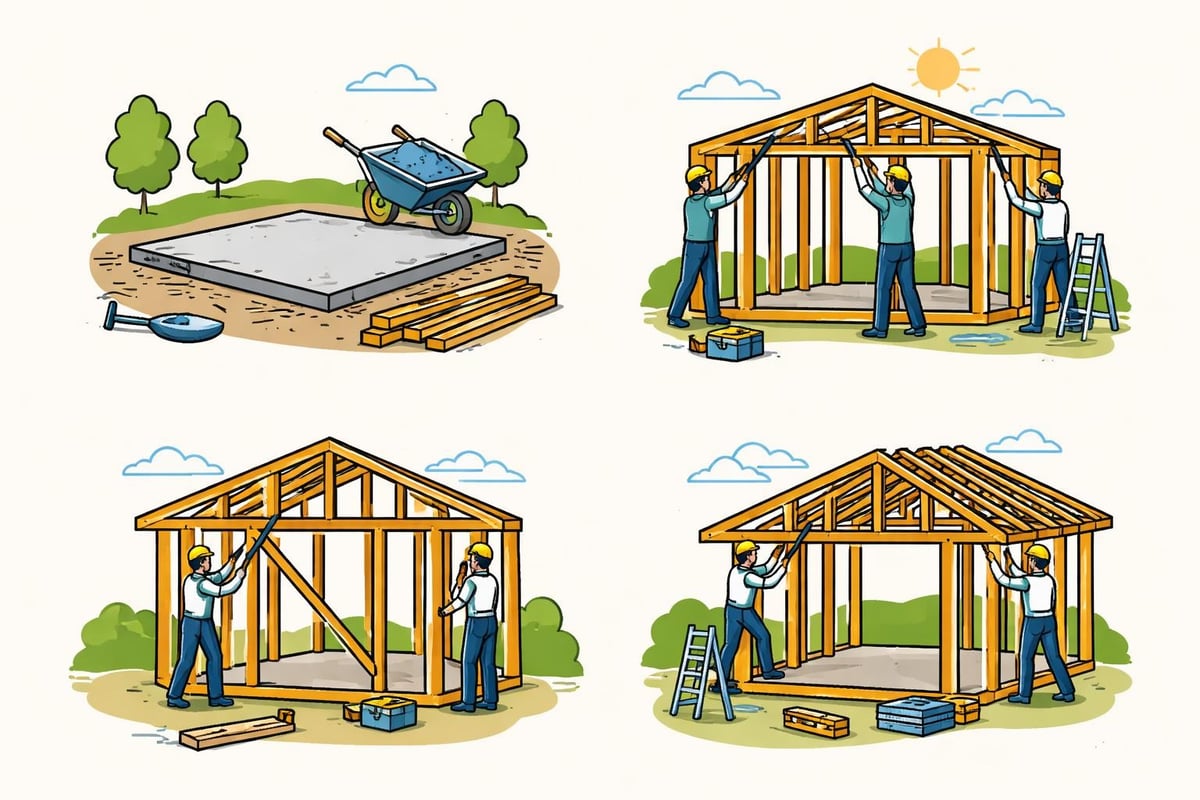
The installation sequence for a wooden frame structure varies depending on the chosen construction method, but certain fundamental principles apply across all approaches.
Foundation Preparation
Proper foundations provide level, stable support for the timber frame whilst preventing direct contact between wood and ground moisture. Concrete pad foundations, beam and block floors, or traditional stone plinths all serve this purpose effectively.
Setting anchor bolts or base plates during foundation construction ensures accurate frame positioning and secure anchorage against uplift forces. Precise foundation work simplifies frame erection and prevents costly remedial work later.
Frame Raising
Traditional timber frames often arrive on site as numbered components for assembly in situ. Experienced framers identify each piece, present joints correctly, and secure connections following the predetermined sequence.
Modern platform-framed structures may use pre-fabricated wall panels tilted into position and braced temporarily until sheathing and second-floor framing provide permanent stability. This approach accelerates construction and reduces weather exposure during critical phases.
Quality Assurance
Throughout construction, regular inspection verifies dimensional accuracy, connection integrity, and compliance with structural drawings. Checking plumb, level, and square at each stage prevents cumulative errors that compromise both aesthetics and performance.
For those interested in timber building techniques, observing quality construction practices ensures projects meet professional standards.
Roofing Systems for Wooden Frames
The roof structure represents a significant portion of the overall wooden frame structure, requiring careful design to resist considerable loads whilst maintaining architectural character.
Traditional Timber Trusses
Timber roof trusses have supported buildings for centuries, using triangulated arrangements of members to span large distances efficiently. King post, queen post, and hammer beam trusses each offer different aesthetic and structural characteristics suited to particular applications.
These traditional forms create cathedral ceilings and exposed roof spaces that showcase timber craftsmanship. Modern structural analysis ensures historical truss designs meet contemporary load requirements and safety standards.
Modern Trussed Rafter Systems
Prefabricated trussed rafters dominate modern residential construction due to their economy and speed of installation. Factory-manufactured using metal plate connectors, these engineered components arrive on site ready for rapid installation by crane.
Trussed rafter systems typically require less skilled labour for installation compared to traditional carpentry, though they generally preclude usable attic space due to the web members throughout the truss depth.
Insulation and Energy Performance
Contemporary wooden frame structures must achieve stringent thermal performance standards set out in Building Regulations Part L. The cavity space within timber frames accommodates substantial insulation depths without reducing interior floor area.
Common insulation materials for timber frames include:
- Mineral wool batts: Non-combustible, affordable, excellent acoustic properties
- Natural sheep's wool: Sustainable, breathable, regulates moisture
- Rigid foam boards: High R-values per inch, moisture-resistant
- Blown cellulose: Recycled content, fills irregular cavities completely
- Wood fibre boards: Vapour-permeable, adds thermal mass
For comprehensive guidance on insulating timber frame walls, understanding material properties and installation techniques ensures optimal energy efficiency.
Continuous insulation strategies minimise thermal bridging through timber members, whilst careful air sealing prevents heat loss through air leakage. Achieving low air permeability rates requires meticulous attention to junctions, penetrations, and service runs throughout the building envelope.
Applications Across Building Types
The versatility of wooden frame structure construction suits numerous building types and purposes, from residential developments to agricultural and commercial structures.
Residential Buildings
Timber frame houses offer design flexibility, rapid construction, excellent insulation potential, and a reduced carbon footprint compared to masonry alternatives. Oak-framed homes particularly appeal to those seeking distinctive architectural character and connection to traditional building methods.
Extensions, annexes, and garden rooms frequently employ timber frame construction due to the lightweight nature of the structure, which often eliminates the need for extensive foundation work. This approach proves especially valuable on sites with challenging ground conditions or access constraints.
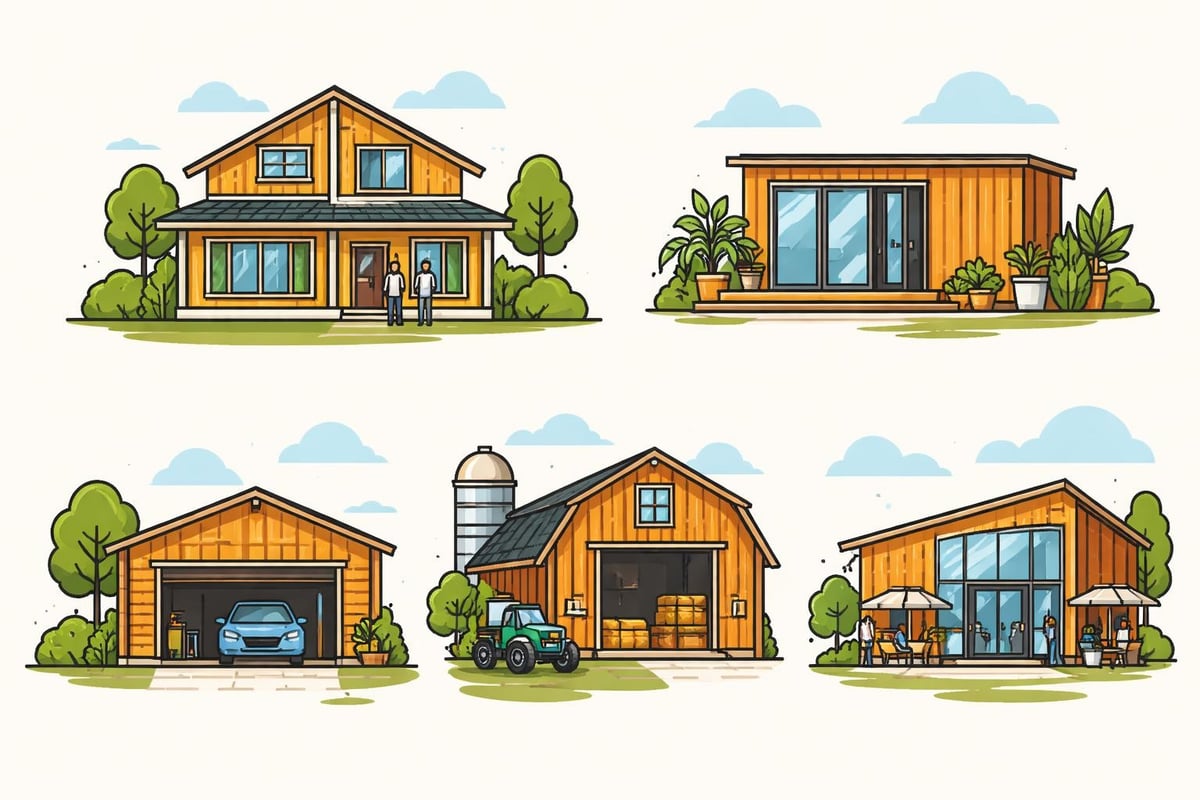
Outbuildings and Garages
Timber garage kits and wooden outbuildings provide versatile storage, workshop, and recreational spaces. The modular nature of timber frame systems enables customisation to specific site dimensions and functional requirements.
Whether creating a simple single-bay garage or an elaborate four-bay structure, wooden frame construction delivers durable, attractive buildings that complement existing architecture whilst serving practical needs.
| Building Type | Typical Frame Method | Common Features | Popular Uses |
|---|---|---|---|
| Houses | Platform or panel | Multi-storey capability, diverse finishes | Primary residences, self-build projects |
| Garden Rooms | Post and beam | Glazed walls, exposed timber | Home offices, studios, entertaining spaces |
| Garages | Traditional oak frame | Durable, attractive, versatile | Vehicle storage, workshops, hobbies |
| Agricultural | Pole or post frame | Large open spans, economical | Barns, stables, equipment storage |
| Commercial | Engineered timber | Large scale, modern aesthetics | Offices, retail, public buildings |
Agricultural and Equestrian Structures
Farm buildings, stables, and hay barns benefit from the generous column spacing achievable with wooden frame structures. Pole building framing techniques specifically evolved to create cost-effective agricultural structures with minimal foundation work.
These buildings balance functional requirements with aesthetic considerations, often incorporating natural materials that harmonise with rural settings whilst providing decades of reliable service.
Sustainability and Environmental Impact
Wooden frame structure construction offers compelling environmental advantages that align with growing concerns about climate change and resource conservation. Timber represents the only major structural material that sequesters carbon dioxide from the atmosphere during growth.
Carbon Storage
Each cubic metre of timber used in construction stores approximately one tonne of CO₂ that would otherwise contribute to atmospheric greenhouse gases. Large wooden frame structures can sequester many tonnes of carbon throughout their service life, effectively creating carbon-negative buildings when sustainably sourced timber replaces emissions-intensive materials.
Sustainable forestry practices ensure timber harvesting occurs at rates that allow forest regeneration, maintaining continuous carbon sequestration capacity. Certification schemes like FSC and PEFC provide assurance that timber originates from responsibly managed forests.
Resource Efficiency
Timber processing requires significantly less energy than manufacturing steel, concrete, or aluminium. The embodied energy in wooden frame structures typically measures 30-50% lower than equivalent masonry construction, reducing the overall environmental footprint of building projects.
Modern engineering techniques maximise material utilisation, with sawmill by-products like chips and sawdust transformed into engineered timber products or biomass fuel. This circular approach minimises waste whilst extracting maximum value from harvested trees.
For property owners exploring the environmental benefits of timber in construction, these sustainability credentials often prove decisive in material selection.
Maintenance and Longevity
Properly designed and constructed wooden frame structures provide exceptional durability, with many historic timber buildings demonstrating service lives exceeding 500 years. Achieving such longevity requires appropriate material selection, protective detailing, and periodic maintenance.
Protective Treatments
External timber exposed to weathering benefits from protective finishes that prevent moisture ingress and UV degradation. Options include traditional linseed oil, modern microporous stains, and transparent preservatives that maintain timber's natural appearance whilst extending service life.
Structural timber within the building envelope typically requires no ongoing treatment provided moisture levels remain below the threshold for fungal decay (approximately 20% moisture content). Proper building design prevents conditions conducive to rot, eliminating the need for chemical preservatives in most applications.
Inspection and Repair
Regular visual inspection identifies potential issues before they compromise structural integrity:
- Check external timber for finish degradation or splitting
- Inspect roof coverings for damage that could allow water ingress
- Examine junctions between materials for gap formation or sealant failure
- Monitor interior spaces for signs of leaks or condensation
- Verify adequate ventilation in roof spaces and floor voids
Addressing minor maintenance issues promptly prevents expensive remedial work and preserves the building's value and performance. When repairs prove necessary, the individual component nature of wooden frame structures facilitates targeted intervention without wholesale reconstruction.
Regulatory Compliance and Building Standards
All wooden frame structure projects in the United Kingdom must comply with Building Regulations covering structural stability, fire safety, energy efficiency, and accessibility. Professional design and construction ensures compliance whilst optimising performance.
Structural Requirements
Building Regulations Part A mandates adequate structural strength and stability for all buildings. Approved Document A references British Standards like BS 5268 for timber structures, establishing design methodologies and material specifications.
Structural calculations prepared by qualified engineers demonstrate compliance, with Building Control officers reviewing submissions and inspecting work at key stages. This regulatory framework protects public safety whilst maintaining construction quality standards.
Fire Safety Provisions
Wooden frame structures achieve required fire resistance through appropriately specified plasterboard linings, intumescent materials, and compartmentation strategies. Modern timber buildings routinely satisfy even stringent fire regulations applicable to multi-storey residential and commercial developments.
Understanding these requirements during the design phase ensures projects incorporate necessary fire safety measures cost-effectively, avoiding expensive retrofits or design modifications during construction.
Supporting Local Expertise and Craftsmanship
When considering timber frame projects, engaging specialists who combine traditional skills with contemporary knowledge ensures optimal outcomes. Companies like Acorn to Oak Framing demonstrate how heritage craftsmanship adapts to modern requirements, creating structures that honour the past whilst embracing current performance standards.
The resurgence of interest in wooden frame structure construction has revitalised traditional building trades and encouraged knowledge transfer between experienced craftsmen and new generations of builders. This continuity preserves valuable skills whilst fostering innovation in materials, techniques, and applications.
For those seeking additional insights into construction methods and timber framing, onesociety.co.uk offers valuable resources connecting professionals across the building industry. This platform facilitates knowledge sharing, collaboration, and professional development, strengthening the broader construction community through enhanced communication and shared expertise.
Whether pursuing one-bay structures, two-bay buildings, or more substantial four-bay projects, working with experienced timber frame specialists ensures projects benefit from accumulated expertise and proven construction methodologies.
Understanding wooden frame structure principles empowers property owners, developers, and builders to make informed decisions that balance aesthetic preferences, functional requirements, and budget constraints. Whether you're planning a traditional oak-framed building or a contemporary timber frame house, the versatility and sustainability of this construction approach offers compelling advantages. Acorn to Oak Framing brings together specialist knowledge, traditional craftsmanship, and modern engineering to deliver exceptional timber frame buildings throughout the UK. Contact their experienced team to discuss how bespoke timber framing can transform your vision into a beautiful, durable structure that enhances your property for generations.


