
Thinking about building with timber in 2026? The landscape is changing fast, and understanding timber frame cost is more important than ever.
This guide offers a clear, data-driven view, helping you plan and budget with confidence. We’ll break down what drives prices, expected ranges, how inflation and sustainability impact your project, and compare costs by build type.
You’ll also find tips to save money and advice for choosing the right supplier. With accurate insight, you can avoid unexpected expenses and make informed decisions. Ready to plan your timber frame build? Read on for everything you need to know.
Timber Frame Construction in 2026: Trends and Overview
Timber frame construction is entering a new era in the UK, with evolving methods, stricter regulations, and changing market forces all shaping how projects are delivered. As we approach 2026, understanding the main trends and drivers behind timber frame cost is essential for anyone planning a build.
The Rise of Timber Frame in the UK
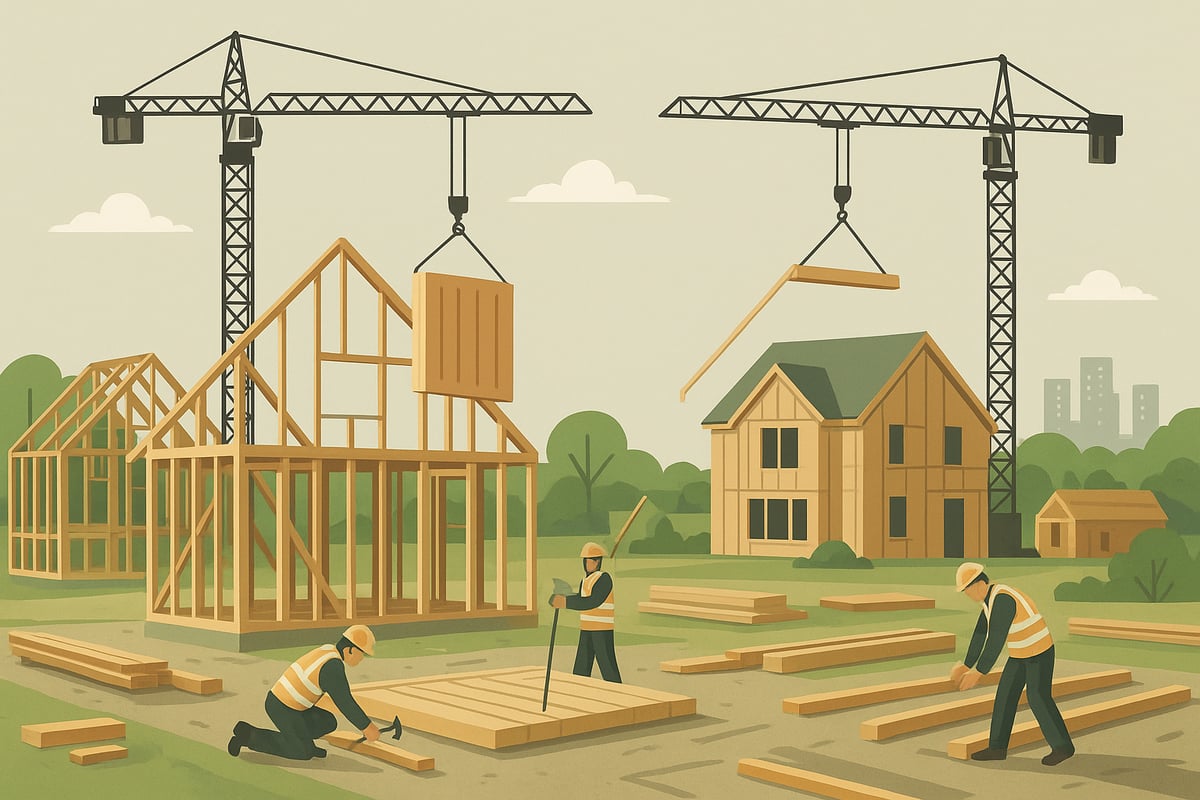
Timber frame construction has seen a significant surge in popularity, driven largely by demand for sustainability and the need for faster build times. In 2025, timber frame accounted for over 25% of all new builds, marking a notable shift in industry preference.
This trend is visible in both rural self-builds and large urban developments. The move towards timber is not just about speed, but also about energy efficiency and environmental impact. According to the Timber Frame Construction Trends in the UK – 2025 Update, this upwards trajectory is expected to continue as more developers and homeowners seek greener solutions that also offer a competitive timber frame cost.
Key Timber Frame Methods and Materials
The selection of construction method and materials directly affects timber frame cost and project outcomes. Two main systems are prevalent: open panel and closed panel. Open panel systems are generally more affordable upfront, while closed panel options can reduce onsite labour by up to 30%, offering long-term savings.
Material choice is another key factor. Engineered timber products like glulam and laminated veneer lumber (LVL) offer consistency and strength, while traditional solid oak appeals for its longevity and character. Each material type influences both initial outlay and ongoing performance, making it crucial to balance cost with desired building standards.
Regulatory and Sustainability Drivers
Building regulations in 2025 and 2026 are setting higher standards for thermal performance, embodied carbon, and overall energy efficiency. Part L compliance and strict U-value targets are now mandatory for new homes, pushing timber frame builders to adopt advanced insulation and airtight construction methods.
Government incentives are also encouraging eco-friendly approaches. Some local councils offer expedited planning for low-carbon timber builds, making it financially attractive to invest in sustainable solutions. These regulatory changes mean that timber frame cost is increasingly shaped by the need to meet or exceed environmental benchmarks.
Market Forces Affecting Costs
The timber frame cost landscape is being reshaped by a range of market forces. Post-Brexit and post-pandemic volatility have led to fluctuations in timber prices, while ongoing labour shortages are driving up wages across the construction sector.
Supply chain resilience has become a priority following disruptions in 2024 and 2025. Builders and suppliers are now focused on securing reliable sources and locking in material prices early. These factors contribute directly to project budgeting, making accurate cost forecasting more important than ever.
Typical Project Types and Their Cost Profiles
Timber frame construction is used across a variety of project types, each with its own cost considerations. Self-build homes, extensions, commercial buildings, and garden rooms all feature unique requirements and budget profiles.
For example, a two-storey self-build will have a different timber frame cost structure compared to a single-storey extension. Retrofits may involve additional expenses for integrating new frames with existing structures, while turnkey commercial builds often demand higher specification and finish. Understanding these differences helps ensure budgets are realistic and tailored to project goals.
Timber Frame Cost Breakdown: What to Expect in 2026
Understanding the timber frame cost landscape in 2026 is crucial for anyone planning a new build or extension. Costs can vary significantly depending on the scope, design, and method of construction. This section breaks down the key elements, giving you a clear picture of where your budget will go and how to plan effectively.
Core Cost Elements per Square Metre
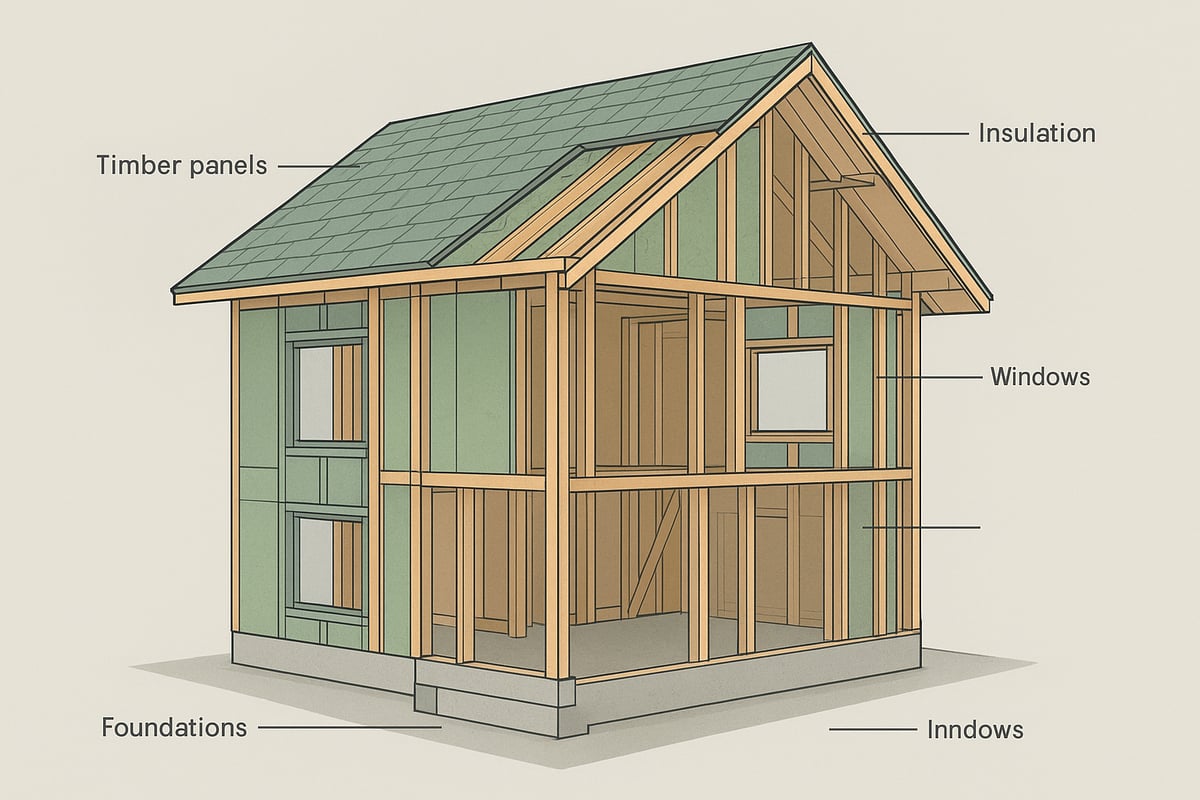
When budgeting for a timber frame build, the primary consideration is the timber frame cost per square metre. In 2026, the kit itself typically ranges from £400 to £650/m², based on 2025 data from leading suppliers. However, the full build cost, which includes everything from groundwork to finishes, is expected to fall between £1,800 and £2,500/m².
Self-builders who manage their own projects can often save 10–20% compared to turnkey solutions. For example, a 150m² house might see a kit-only price of £60,000–£97,500, while a full build could total £270,000–£375,000. For a more detailed breakdown, see Timber frame home costs explained.
| Cost Element | Typical Range (per m²) |
|---|---|
| Timber Frame Kit | £400–£650 |
| Full Build (All-in) | £1,800–£2,500 |
Careful planning at this stage ensures your timber frame cost stays on track and avoids surprises later.
Pre-Construction and Design Costs
Before any ground is broken, several essential pre-construction costs must be factored into your timber frame cost plan. Architect and design fees usually range from £4,000 to £8,000, depending on project complexity and location. Planning permission and building regulations applications typically add another £2,000 to £4,000.
Structural engineering input is vital for safety and compliance, costing between £1,200 and £2,500. Comprehensive site surveys—covering soil, topography, and environmental factors—can cost £1,000 to £3,000. For a standard two-storey timber frame home, expect pre-construction outlays to total £8,200–£17,500.
Breaking down these costs early helps prevent overruns and ensures a smoother approval process. Including these in your timber frame cost forecast is essential for accurate budgeting.
Groundworks and Foundations
The groundwork and foundations stage forms the bedrock of your timber frame cost. Site preparation, clearance, and initial setup typically cost £3,000 to £7,500, influenced by site size and access. Foundation costs are highly variable, ranging from £100 to £250/m², depending on soil type and structural requirements.
Drainage and connections to services such as water, electricity, and sewage add another £5,000 to £12,000. For example, building on clay soil may require deeper, more expensive foundations than sandy ground. Every site is unique, so it is wise to allocate a contingency for unexpected ground conditions.
Getting this stage right is crucial, as it underpins the stability and future performance of your timber frame build.
Timber Frame Supply and Erection
Supplying and erecting the frame is a major component of the overall timber frame cost. For a typical 150m² home, expect to pay between £60,000 and £100,000 for supply and installation. The choice between closed panel and open panel systems will influence this figure, with closed panels generally costing more but offering faster, more efficient onsite assembly.
Many suppliers include basic insulation, windows, and external joinery in the quoted price. If you opt for supply-only and self-manage the erection process, there is potential to save several thousand pounds, provided you have the necessary skills and project management experience.
Balancing upfront savings with build quality is key to ensuring long-term satisfaction with your timber frame investment.
External and Internal Finishes
Finishing your timber frame home involves several major elements. Roofing, cladding, and external doors and windows usually cost £20,000 to £40,000, depending on specification and material choices. First and second fix carpentry, which includes internal walls and joinery, ranges from £8,000 to £15,000.
Kitchens, bathrooms, and stairs are typically budgeted at £15,000 to £30,000. Plastering, tiling, and decorating can add £10,000 to £18,000. Opting for a standard finish keeps costs controlled, while high-spec choices will push the timber frame cost higher.
A clear specification from the outset helps manage expectations and ensures the finished result matches your vision and budget.
Professional Fees, Warranties, and Contingencies
Professional fees, warranties, and contingency funds are often overlooked in timber frame cost planning. A structural warranty ranges from £2,000 to £6,000, providing vital protection for new builds. Scaffolding, essential for safe construction, typically costs £2,000 to £5,000.
It is wise to set aside a contingency fund of 10–15% of the overall project cost to cover unforeseen issues. Including all professional fees and warranties in your budget reduces the risk of financial surprises and keeps your timber frame build on course.
Careful, comprehensive budgeting is the foundation of a successful, stress-free project.
Factors Influencing Timber Frame Costs in 2026
Understanding what shapes timber frame cost in 2026 is essential for anyone budgeting a new build or extension. From the size of your project to wider economic trends, multiple factors can affect your final spend. Let us break down each key driver so you can plan with clarity and confidence.
Size, Complexity, and Design Choices
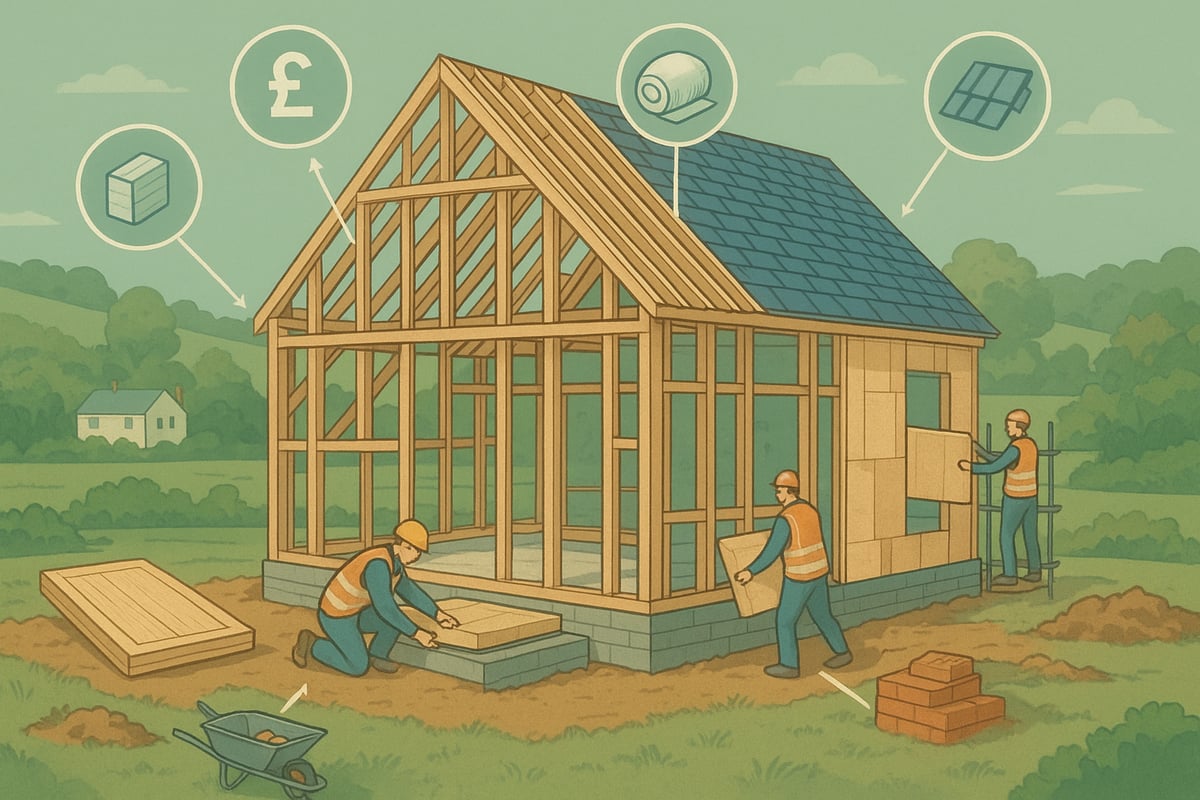
The size of your home is the most immediate influence on timber frame cost. Larger homes benefit from economies of scale, as the price per square metre typically decreases with increased volume. For instance, a compact two-bedroom bungalow will usually have a higher cost per metre than a four-bedroom family home, simply due to fixed costs being spread across a larger area.
Complexity adds another layer. Features such as split-level layouts, vaulted ceilings, or intricate rooflines can quickly push up your timber frame cost. Bespoke architectural details require additional engineering and skilled labour, both of which come at a premium.
Consider this comparison:
| Project Type | Cost per m² | Complexity Impact |
|---|---|---|
| Single-storey home | Higher | Simple, fewer economies |
| Two-storey home | Lower | More efficient use of space |
When planning, opt for straightforward shapes and standardised layouts to keep your timber frame cost predictable and manageable.
Location, Access, and Site Conditions
Where you build also plays a significant role in determining timber frame cost. Urban sites often have better access to suppliers and labour, which can lower delivery and installation expenses. In contrast, rural or remote plots may incur higher transport fees and longer build times due to logistical challenges.
Difficult access, such as narrow lanes or sloping ground, means more groundwork, specialist equipment, and potentially higher insurance costs. Soil conditions are equally important, as poor ground may require more robust foundations, adding to the total timber frame cost.
For example, a hillside plot outside a major city could see groundwork costs rise by 15 to 25 percent compared to a flat, accessible suburban site. Always factor in these site-specific variables early in your budgeting process.
Material Specification and Sustainability
Material choices have a direct effect on timber frame cost. Opting for premium hardwoods like oak instead of engineered softwoods will raise initial outlay, but may offer greater longevity and a unique aesthetic. Meanwhile, high-performance insulation, triple glazing, and sustainable finishes can add 10 to 15 percent upfront.
However, these sustainable investments often lead to long-term savings through improved energy efficiency and lower running costs. Choosing FSC or PEFC certified timber ensures responsible sourcing and may help secure planning approval or access to green building incentives.
Consider this simple breakdown:
- Oak frame: Higher upfront, exceptional durability
- Engineered timber: Cost-effective, versatile
- Eco insulation: Upfront premium, lower energy bills
Making informed material selections can future-proof your home and optimise overall timber frame cost.
Labour and Project Management
Who manages and builds your project is another key factor in timber frame cost. Taking a self-build approach, where you coordinate subcontractors, can save between 10 and 20 percent compared to hiring a main contractor. These savings often equate to £20,000 to £40,000 for a typical family home.
However, self-builders must be prepared for the time and responsibility involved. Labour shortages and rising wages, a trend seen since 2024, may also increase costs if you rely heavily on external trades. Efficient project management is vital to avoid delays, which can inflate your timber frame cost through extended site hire and temporary accommodation.
In summary, weigh up the potential savings against the added workload and ensure you have a realistic plan for managing your build.
Inflation, Supply Chain, and Economic Factors
Broader economic trends will shape timber frame cost in 2026. Timber and building material prices are projected to rise by 5 to 10 percent, driven by currency fluctuations, import tariffs, and ongoing supply chain challenges. Labour shortages and increased demand for sustainable homes are also pushing costs upward.
Planning ahead is more important than ever. Comparing 2024 to 2026, the cost per square metre for timber frame builds has already increased noticeably, and regional variations remain significant. For a detailed breakdown of extension costs and influencing factors, see this recent analysis: Timber Frame Extension Costs Per M²: 2026 UK Breakdown.
To mitigate risk, secure quotes early, lock in prices where possible, and maintain a contingency fund. Staying informed about market trends will help you anticipate changes and control your timber frame cost effectively.
Comparing Timber Frame to Other Construction Methods
Choosing the right building method is a crucial step for any project, especially when considering timber frame cost in 2026. Understanding how timber frame compares with masonry and Structural Insulated Panels (SIPs) helps you make an informed, cost-effective decision.
Timber Frame vs. Masonry and SIPs
When comparing timber frame cost to masonry and SIPs, the differences are clear. Timber frame construction typically ranges from £1,800 to £2,500 per square metre. Masonry builds are slightly higher, at £2,000 to £2,800 per square metre. SIPs projects fall between £2,000 and £2,700 per square metre.
| Method | Cost (£/m²) | Speed of Build |
|---|---|---|
| Timber Frame | £1,800–£2,500 | Up to 30% faster |
| Masonry | £2,000–£2,800 | Standard |
| SIPs | £2,000–£2,700 | Similar to timber |
Speed is another advantage. Timber frame builds can be up to 30% quicker than masonry. For example, a 4-bedroom home could be completed weeks sooner, reducing labour overheads and temporary site costs. This makes timber frame cost not only competitive up front, but also potentially cheaper in the long run.
Energy Efficiency and Running Costs
Timber frame cost is often offset by ongoing savings thanks to superior insulation and airtightness. Timber frame systems naturally lend themselves to high-performance building envelopes. As a result, homeowners can enjoy lower heating bills, with savings of up to 20% compared to traditional brick constructions.
Energy Performance Certificate (EPC) ratings for timber frame homes are typically higher. This means better thermal comfort and lower carbon emissions. Over time, the initial timber frame cost is balanced out by reduced energy expenditure, making this method attractive for those seeking sustainable, economical living.
Flexibility and Customisation
One of the standout benefits of timber frame cost is the flexibility it brings. Timber frame structures are easier to adapt, extend, or modify than masonry or SIPs. This is ideal for homeowners seeking bespoke designs or planning future extensions.
With timber frame, you can choose from a wide range of finishes, layouts, and architectural styles. Whether you want an open-plan living space or complex roof shapes, timber frame cost remains manageable. For those considering adding a timber frame extension to an existing property, this adaptability can deliver both immediate and long-term value.
Resale Value and Market Perception
Market perception of timber frame homes has shifted significantly. Today, buyers are increasingly attracted to properties with eco-friendly credentials and modern construction methods. Timber frame cost is no longer seen as a compromise, but as a smart investment.
In most UK regions, timber frame homes now sell on par with or above masonry equivalents. Case studies show that well-built timber frame properties hold their value and appeal to a growing segment of eco-conscious buyers. For more on current trends influencing timber frame cost and market demand, see Modern timber frame home trends.
How to Save Money on Your Timber Frame Build
Building a timber frame home presents a unique opportunity to control costs without sacrificing quality. With the right approach, you can significantly reduce your timber frame cost and keep your project on budget. By making informed choices at every stage, you’ll be well placed to maximise value in 2026.
Smart Design and Specification Choices
The first step to managing your timber frame cost is to embrace a smart, efficient design. Simple layouts, such as rectangular or L-shaped footprints, tend to be more economical than complex designs with multiple corners or rooflines. Open-plan spaces not only create a modern feel but also reduce internal wall and finishing costs.
Standardising on window and door sizes lets you benefit from bulk discounts and easier installation. Opting for an open panel system instead of closed panels may also lower initial spend, though consider the trade-off in insulation and labour. Every design choice, from roof pitch to cladding material, impacts your overall timber frame cost, so work closely with your architect to keep specifications practical and cost-effective.
Self-Management and Phased Building
Taking a hands-on approach to your build can deliver substantial savings. By managing subcontractors directly, you avoid the mark-up that main contractors typically charge, which can reduce your total timber frame cost by 10–20 percent. Many self-builders also choose to phase their project, spreading expenses over several stages to ease cash flow.
Early planning is essential, especially given projected increases in construction costs. According to Plan early’ — homebuilders warned building costs are set to rise 12% by 2030, locking in prices and scheduling work ahead of time can help you avoid future price hikes. Careful project management and phased delivery ensure you stay in control of your timber frame cost throughout the process.
Sourcing Materials and Suppliers Wisely
Strategic sourcing is a powerful way to influence your timber frame cost. Engage with local, reputable timber frame specialists who understand the UK market and offer transparent pricing. Bulk buying key materials, such as insulation or cladding, often attracts discounts, while early procurement in 2026 helps you sidestep supply chain volatility.
Consider whether a bespoke frame or a ready-to-assemble kit best suits your needs. For many, exploring timber frame kits and options is a practical route to cost savings, as kits streamline the process and reduce labour outlay. Always compare quotes carefully to ensure all essentials, such as delivery and warranty, are included in the total timber frame cost.
Grants, Incentives, and VAT Savings
Take advantage of financial incentives designed to support sustainable construction. Government grants for energy-efficient homes can offset part of your timber frame cost, especially if you exceed minimum insulation or renewable energy standards. Local authorities may also offer incentives for low-carbon builds.
Remember that new self-build homes qualify for the VAT reclaim scheme, allowing you to recover the 20 percent VAT paid on most materials and services. This can represent a significant saving on your timber frame cost. Keep meticulous records and consult with a VAT specialist to ensure you maximise your claim and avoid missing out on eligible refunds.
Choosing the Right Timber Frame Supplier in 2026
Selecting the right supplier is a critical decision that directly impacts your timber frame cost, build quality, and overall project success. With so many companies offering different services and claims, it is essential to know what to prioritise and what questions to ask.
What to Look for in a Supplier
Begin by researching potential suppliers’ track records. Look for established experience, a strong portfolio of completed projects, and positive client testimonials. Check that each supplier complies with UK building regulations, especially the latest requirements for energy efficiency and sustainability.
When vetting suppliers, prepare a checklist:
- Experience with your build type (self-build, extension, commercial)
- Full project portfolio, including similar timber frame cost profiles
- References from recent clients
- Clear evidence of compliance with regulations
Do not hesitate to ask for proof of insurance and accreditations. A transparent and responsive supplier is far more likely to deliver a smooth, cost-effective project.
Quality, Sustainability, and Aftercare
Quality should never be compromised for the sake of lowering your timber frame cost. Insist on suppliers who use FSC or PEFC certified timber, ensuring your structure is both durable and environmentally responsible.
Ask about the warranty provided, as a comprehensive structural warranty protects your investment. Post-build support is another sign of a reputable supplier, offering guidance on maintenance and future upgrades.
Sustainability extends beyond materials. Consider how insulation choices affect both upfront and running costs. For more detail on this aspect, see Insulating timber frame walls, which explores how the right insulation can improve performance and impact your timber frame cost over time.
Comparing Quotes and Contracts
Comparing quotes is about more than just the bottom line. Ensure that each quote details exactly what is included, from supply and erection to insulation, windows, and doors. Look for hidden costs, such as scaffolding, delivery, or site-specific insurance.
A simple comparison table can help clarify differences:
| Item | Included? | Notes |
|---|---|---|
| Timber frame supply | Yes/No | Type specified |
| Erection/assembly | Yes/No | |
| Insulation/windows | Yes/No | U-values |
| Scaffolding | Yes/No | |
| Delivery | Yes/No | Location |
| Warranty | Yes/No | Duration |
This approach ensures you are truly comparing like-for-like, helping you avoid unexpected timber frame cost increases later in the project.
Acorn to Oak Framing: Traditional Craftsmanship Meets Modern Timber Frame Solutions
Acorn to Oak Framing, based in Hastings, exemplifies the blend of craftsmanship and innovation that defines top-tier timber frame suppliers. Their team delivers bespoke buildings, garages, and structures throughout the UK, using sustainably sourced oak for lasting quality.
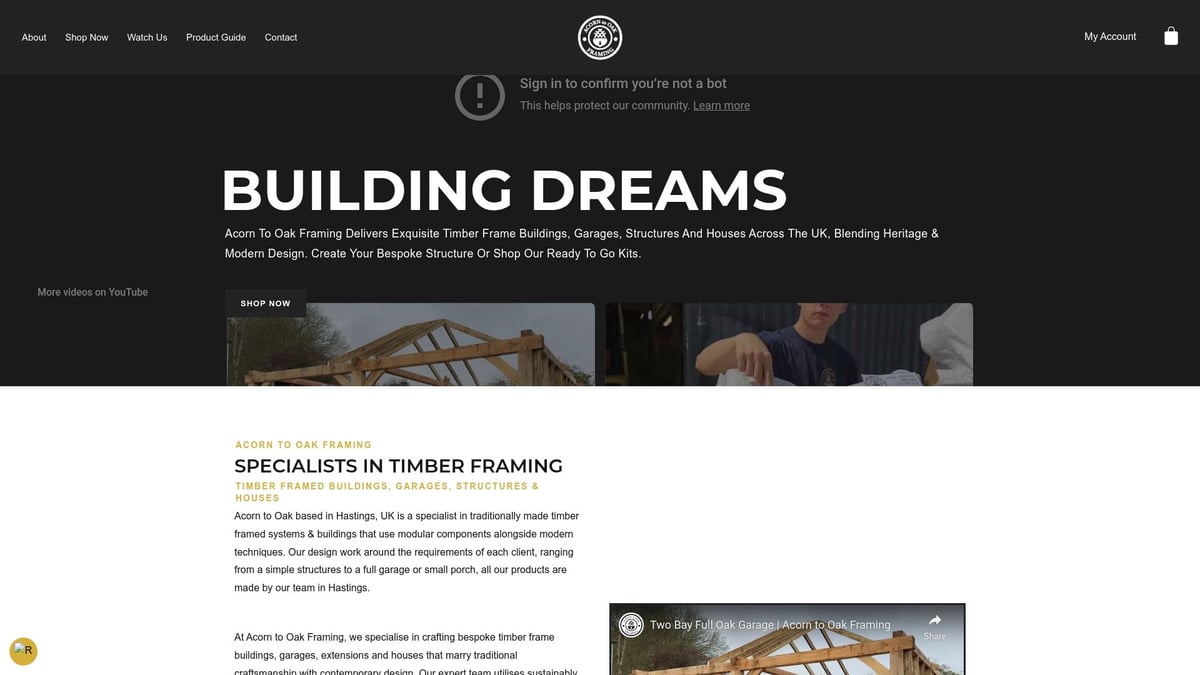
Clients can choose between fully custom and ready-to-assemble timber frame kits, all offered with transparent pricing and full compliance with building regulations. For homeowners and developers seeking a reliable partner, Acorn to Oak Framing provides expert advice and support at every stage, helping you manage your timber frame cost efficiently while achieving the best results.
Now that you have a clear sense of the key cost drivers and what to expect for your timber frame project in 2026, you’re already ahead of the curve. Whether you’re planning a bespoke home or a practical extension, understanding your budget and working with trusted experts makes all the difference. At Acorn to Oak Framing, we combine traditional craftsmanship with modern techniques to deliver structures that last and add value to your property—all while ensuring sustainability and full compliance with UK building regulations. If you’re ready to take the next step and discuss your vision, CONTACT US.


