
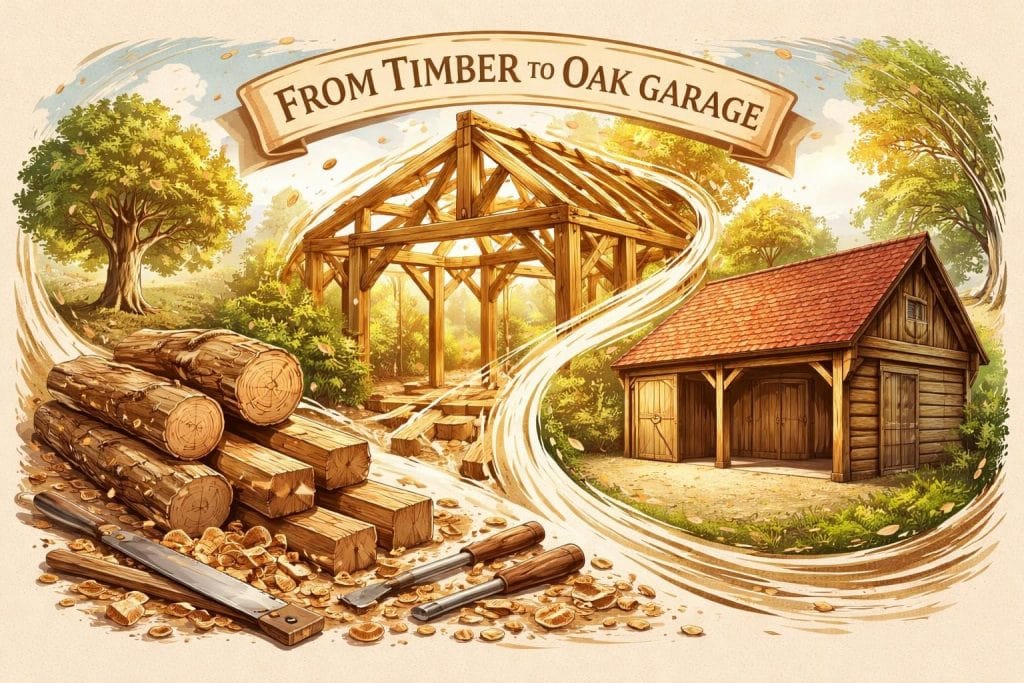
An oak framed garage represents far more than simple vehicle storage. These exceptional structures blend centuries-old craftsmanship with contemporary functionality, creating buildings that enhance property value whilst standing the test of time. Whether you're seeking additional storage, a workshop space, or a statement feature for your property, understanding the nuances of oak frame construction ensures you make informed decisions that align with both your practical requirements and aesthetic aspirations.
Understanding Oak Frame Construction Methods
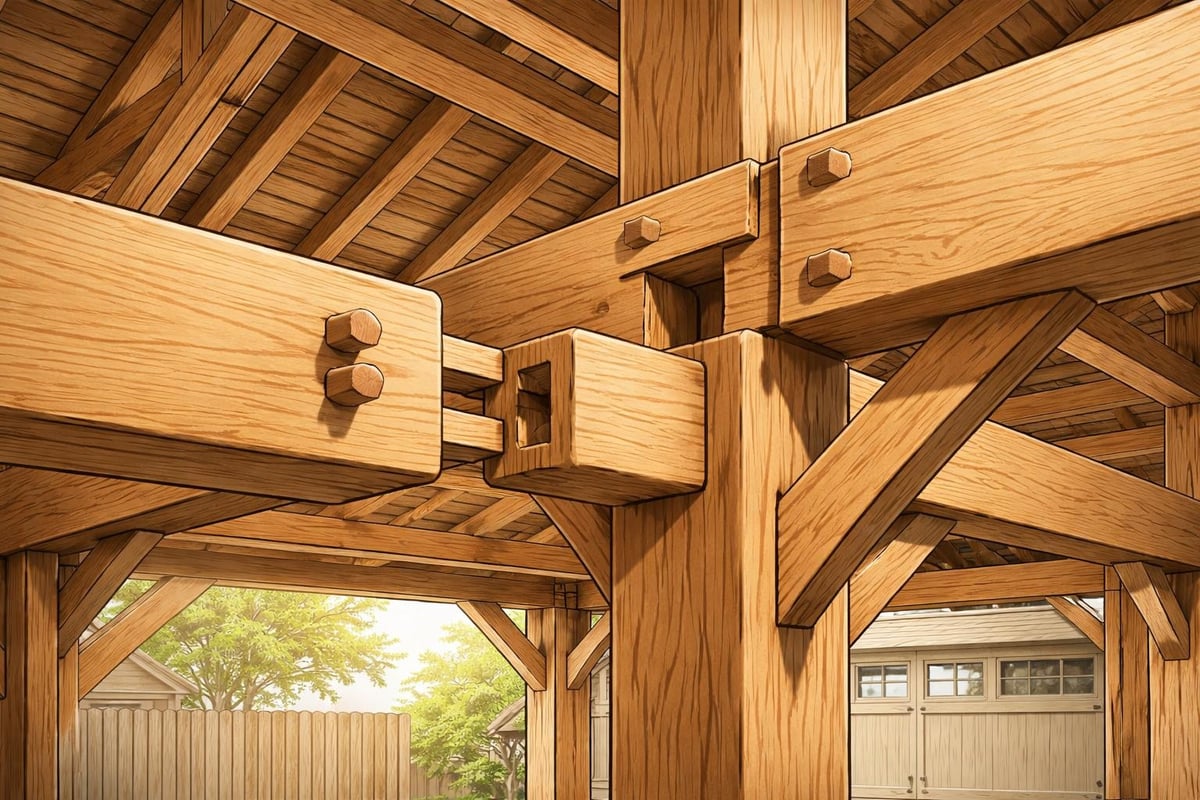
Traditional oak framing employs mortise and tenon joinery, a technique perfected over hundreds of years. This method creates incredibly strong connections without relying on modern fixings, allowing the oak to move naturally as it seasons.
The structural integrity of an oak framed garage comes from the careful selection and preparation of timber. Green oak, freshly cut and full of moisture, offers easier workability during the construction phase. As it dries, the timber tightens around the joints, creating connections that strengthen over time rather than weaken.
Frame Types and Structural Configurations
Different frame configurations suit varying requirements and site conditions. Post and beam construction provides the most versatile approach, with vertical posts supporting horizontal beams to create open spans.
Common frame configurations include:
- Open-fronted designs for easy vehicle access
- Fully enclosed structures with multiple bays
- Hybrid designs combining storage with workshop space
- Cart lodge styles featuring traditional English architecture
Box frame construction offers an alternative approach, particularly suited to smaller garages. This method uses closer-spaced timbers, creating a different aesthetic whilst maintaining structural soundness. The choice between these approaches depends on your intended use, budget constraints, and architectural preferences.
Planning Permission and Building Regulations
Navigating the regulatory landscape forms a critical early step in any oak framed garage project. Most garages fall under permitted development rights, provided they meet specific criteria regarding size, height, and proximity to boundaries.
Key Regulatory Considerations
Understanding building regulations requirements ensures your project proceeds smoothly from conception to completion. Single-storey garages typically require less stringent approval processes than structures incorporating first-floor accommodation.
| Criterion | Permitted Development Limit | Notes |
|---|---|---|
| Maximum height (pitched roof) | 4 metres | Measured from ground level |
| Maximum eaves height | 2.5 metres | Applies to structures within 2m of boundary |
| Distance from house | No minimum | But affects fire safety requirements |
| Total coverage | 50% of garden area | Including all outbuildings |
Listed buildings and conservation areas impose additional restrictions. Properties within these designations almost always require formal planning permission, regardless of the structure's size. Early consultation with your local planning authority prevents costly delays and design modifications later in the process.
Foundation requirements vary based on ground conditions and structural loading. Building control approval ensures your base meets the necessary standards, providing stable support for the oak frame throughout its lifetime.
Design Options and Customisation Possibilities
The beauty of an oak framed garage lies in its adaptability to individual requirements and existing property aesthetics. Custom-designed structures seamlessly integrate with both contemporary and period properties.
Bay configurations determine the overall footprint and internal layout. A single bay building provides compact storage, whilst multi-bay structures accommodate multiple vehicles alongside workshop facilities.
Roofing and Weatherproofing Choices
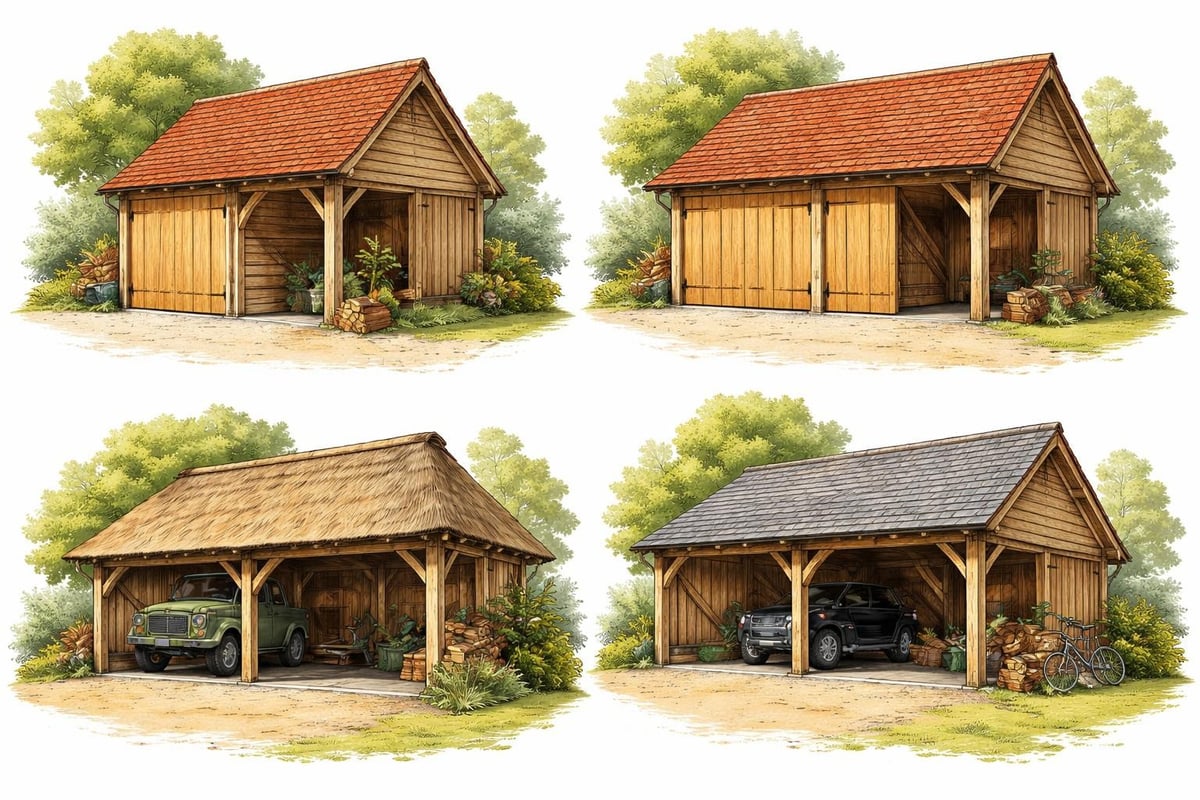
Roof design significantly impacts both appearance and functionality. Traditional clay or slate tiles complement period properties, whilst contemporary options include standing seam metal or cedar shingles.
- Clay tiles: Authentic appearance, excellent longevity, higher cost
- Concrete tiles: Cost-effective alternative, wide colour range
- Cedar shingles: Natural aesthetic, requires regular maintenance
- Standing seam metal: Modern appearance, exceptional weather resistance
Weatherboarding options protect the structure whilst adding character. Featheredge boarding offers traditional appeal, whilst horizontal cladding creates clean, contemporary lines. The choice of treatment, from natural oils to painted finishes, affects both appearance and maintenance requirements.
Construction Process and Timeline Expectations
Understanding the construction sequence helps set realistic expectations. Unlike modern timber frame buildings, oak framed structures follow a methodical process that cannot be rushed.
Preparation and Foundation Work
Groundwork typically begins 2-3 weeks before frame delivery. Proper drainage, level foundations, and damp-proof courses prevent future complications. Concrete bases require adequate curing time before accepting the oak frame's considerable weight.
The frame raising represents the most dramatic phase. Traditional construction methods see the entire structure assembled on-site, with joints fitted and secured using oak pegs rather than modern fixings.
Typical construction timeline:
- Site preparation and foundation work (1-2 weeks)
- Frame delivery and raising (1-3 days)
- Roof installation and weatherproofing (1-2 weeks)
- Cladding and external finishing (2-3 weeks)
- Doors, windows, and final details (1-2 weeks)
Weather conditions influence progress significantly. Winter construction requires additional protection for materials and may extend timelines. Summer projects benefit from stable conditions but demand proper timber storage to prevent premature drying.
Cost Considerations and Budget Planning
An oak framed garage represents a substantial investment, typically commanding premium pricing compared to conventional construction methods. However, the longevity and aesthetic appeal justify the initial expenditure for many property owners.
Base costs vary according to size, complexity, and specification level. A simple single-bay structure starts from approximately £15,000-£20,000, whilst larger, fully specified buildings easily exceed £50,000.
Price-Influencing Factors
Materials account for a significant portion of total costs. Sustainably sourced oak timber commands premium pricing but ensures quality and environmental responsibility.
| Component | Budget Option | Premium Option |
|---|---|---|
| Oak frame | Green oak, standard sections | Air-dried oak, oversized timbers |
| Roofing | Concrete tiles | Handmade clay tiles |
| Cladding | Featheredge softwood | Oak weatherboarding |
| Doors | Standard softwood | Bespoke oak doors |
| Flooring | Concrete slab | Reclaimed brick or stone |
Additional costs beyond the basic structure include:
- Electrical installation for lighting and power points
- Plumbing if including washing facilities
- Insulation for year-round use
- Heating systems for workshop use
- Security features and alarm systems
Value engineering opportunities exist without compromising structural integrity. Choosing standard bay sizes over bespoke dimensions reduces cutting waste and labour costs. Opting for standard components rather than custom elements delivers savings whilst maintaining quality.
Maintenance Requirements and Long-Term Care
Despite their durability, oak framed garages benefit from regular maintenance to preserve both appearance and performance. Understanding these requirements before committing helps ensure realistic long-term planning.
Natural Oak Weathering Process
Untreated oak naturally silvers over time, developing a distinctive patina that many owners find appealing. This weathering process is entirely natural and doesn't compromise structural integrity. However, some prefer to maintain the golden honey tones through regular treatment.
Oil-based treatments penetrate the timber, providing protection whilst allowing natural movement. These require reapplication every 2-3 years depending on exposure. Paint and stain systems offer alternative approaches, particularly for cladding and joinery elements.
Annual inspections identify potential issues before they escalate. Check for:
- Guttering blockages and water overflow
- Damaged or displaced roof tiles
- Cracking or splitting in major structural timbers
- Deterioration in weatherboarding or cladding
- Movement or settlement in foundations
Timber movement is normal and expected. As oak seasons, minor splits and cracks develop, particularly in larger section timbers. These surface checks rarely affect structural performance and form part of the material's natural character.
Integration with Existing Properties
Successful garage design considers relationship with existing buildings. Matching architectural details creates visual harmony, whilst contrasting styles can make deliberate design statements.
Positioning and Site Layout
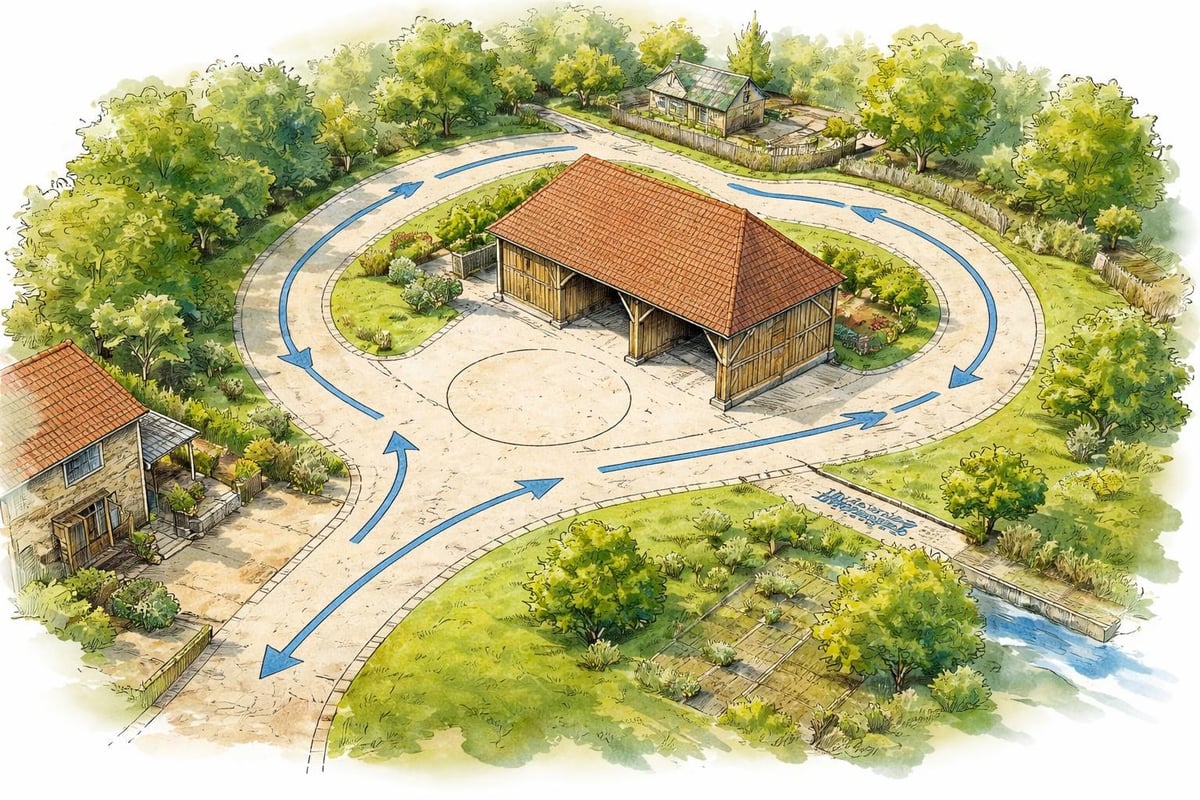
Garage placement affects both functionality and aesthetics. Front-of-property locations provide convenient access but dominate street views. Side or rear positions offer discretion whilst potentially complicating vehicle manoeuvring.
Access routes require careful planning. Adequate turning circles, appropriate gradients, and proper drainage prevent daily frustrations. Professional site surveys identify potential complications before construction begins.
Landscaping integration softens the structure's presence. Planting schemes, boundary treatments, and surface materials tie the garage into its surroundings. Consider future growth when positioning plants near oak frames to prevent root damage or excessive shading.
DIY Versus Professional Installation
The complexity of oak frame construction prompts important decisions about installation approach. Whilst some homeowners possess the skills for self-build projects, most benefit from professional expertise.
Professional installation offers comprehensive insurance coverage, warranty protection, and guaranteed compliance with building regulations. Experienced teams complete work efficiently, minimising disruption and ensuring proper weatherproofing from day one.
Skills and Equipment Requirements
Self-build projects demand significant capabilities beyond basic DIY competence. Essential skills include timber frame joinery knowledge, foundation construction experience, and roofing expertise.
Required equipment includes:
- Lifting equipment or crane hire for frame raising
- Carpentry tools including chisels, mallets, and hand saws
- Power tools for secondary fixings and cladding
- Safety equipment including harnesses and scaffolding
- Levelling and measuring instruments
Time investment extends far beyond simple construction hours. Planning, material sourcing, regulatory compliance, and problem-solving consume considerable energy. Realistic assessment of available time prevents half-finished projects and compromised results.
Enhancing Property Value and Appeal
Oak framed garages consistently add value beyond their construction cost. Quality outbuildings appeal to prospective buyers, particularly in rural and semi-rural markets where storage and vehicle protection command premium consideration.
Estate agents recognise the marketing advantage of distinctive outbuildings. Professional photography highlighting oak frames creates memorable listing images that attract buyer interest. The combination of practicality and aesthetic appeal broadens market reach.
Rental and Income Potential
Some oak framed garages generate income through various arrangements. Classic car enthusiasts pay premium rates for quality storage. Workshop spaces attract craftspeople and small businesses seeking characterful premises.
Planning permission for commercial use requires separate consideration. Change of use applications follow different criteria than residential permitted development, particularly regarding access arrangements and environmental impact.
Conversion potential adds future flexibility. Whilst initial planning may focus on vehicle storage, robust oak frames readily adapt to changing requirements. Home offices, gyms, studios, and guest accommodation represent common evolution paths, subject to appropriate permissions.
Sustainable Building Practices
Environmental consciousness increasingly influences construction choices. Oak framed garages align well with sustainability principles when properly specified and sourced.
| Sustainability Factor | Oak Frame Benefit | Consideration |
|---|---|---|
| Material sourcing | Renewable resource | Verify FSC certification |
| Carbon sequestration | Timber stores carbon | Long-term benefit |
| Durability | Century-plus lifespan | Reduces replacement needs |
| Energy efficiency | Natural insulation | Requires proper detailing |
| End of life | Fully recyclable | Minimal waste |
Local timber sourcing reduces transportation emissions whilst supporting regional forestry. British oak offers particular appeal to environmentally conscious clients, though availability and cost sometimes necessitate imported alternatives.
Modern insulation techniques transform oak frames into highly efficient structures. Breathable insulation materials work sympathetically with timber's natural properties, preventing moisture entrapment whilst maintaining thermal performance. Optional extras enhance functionality without compromising the traditional aesthetic.
Workshop and Multi-Purpose Applications
Beyond simple vehicle storage, oak framed garages excel as versatile spaces. The open spans achievable with traditional framing create uninterrupted floor areas perfect for diverse activities.
Workshop conversion requires consideration of power requirements, lighting levels, and heating solutions. Three-phase electrical supplies serve heavy machinery, whilst comprehensive LED lighting creates productive working environments. Underfloor heating provides comfortable year-round temperatures without compromising ceiling height or wall space.
Specification Enhancements for Extended Use
Insulation transforms seasonal storage into year-round usable space. Breathable insulation boards between frame members maintain thermal performance whilst allowing necessary vapour transmission. Internal linings create finished surfaces suitable for tool storage and equipment mounting.
Security features protect valuable contents. Robust locking systems, alarm installation, and CCTV integration provide peace of mind. Quality oak garage doors combine security with aesthetic appeal, maintaining the structure's traditional character.
Natural light enhances functionality and atmosphere. Carefully positioned windows and roof lights introduce daylight without compromising wall space or structural integrity. Opening windows provide essential ventilation for workshop activities and vehicle storage.
Selecting Your Frame Supplier
Choosing the right partner fundamentally affects project success. Reputation, experience, and communication standards separate exceptional suppliers from merely adequate ones.
Portfolio examination reveals design capabilities and construction quality. Gallery sections showcase completed projects, demonstrating range and attention to detail. Speaking directly with previous clients provides unfiltered insights into the working relationship and post-completion support.
Quality Indicators and Red Flags
Transparency about timber sourcing, frame construction methods, and installation processes indicates professionalism. Detailed quotations specifying all included elements prevent unpleasant surprises as projects progress.
Positive indicators include:
- Comprehensive written quotations with clear exclusions
- Willingness to discuss alternative approaches
- Evidence of proper insurance and qualifications
- Realistic timeline estimates
- Clear warranty and guarantee terms
Pressure tactics or reluctance to provide references warrant caution. Quality suppliers welcome scrutiny and confidently discuss their work. Site visits to projects under construction reveal working practices and attention to detail that photographs cannot capture.
An oak framed garage combines timeless craftsmanship with modern functionality, creating structures that serve immediate needs whilst appreciating in value over decades. Whether you're planning a simple cart lodge or an elaborate multi-bay workshop, understanding design options, regulatory requirements, and construction processes ensures informed decision-making. Acorn to Oak Framing brings together traditional skills and contemporary expertise to deliver bespoke oak structures across the UK, working closely with clients to transform vision into reality whilst ensuring compliance with all relevant building standards.


