
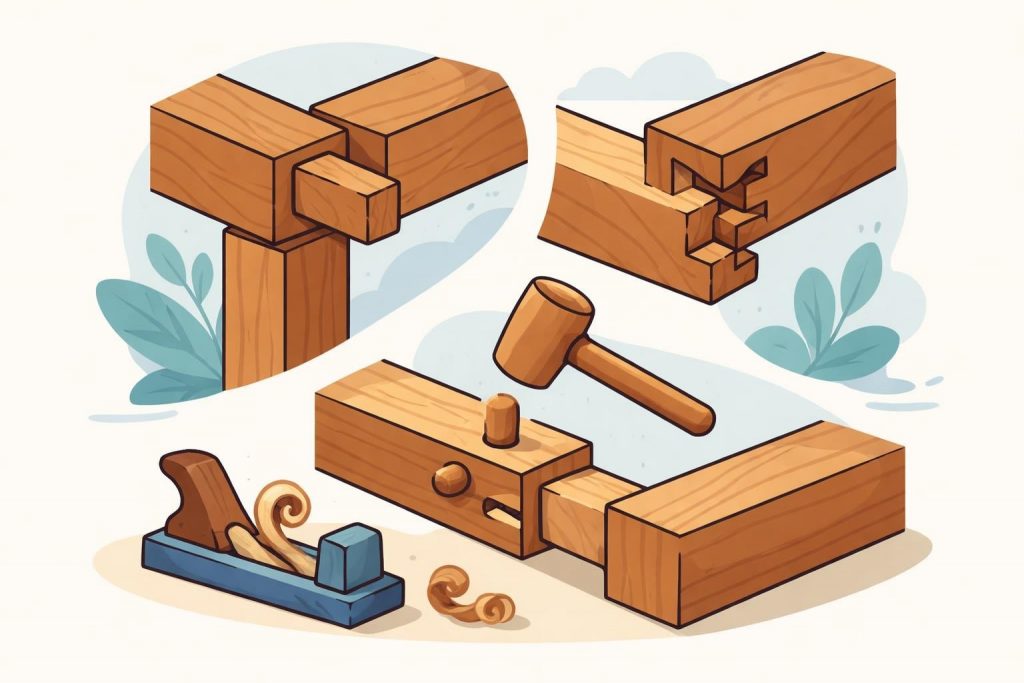
Traditional carpentry represents a rich heritage of woodworking techniques that have been refined over centuries, forming the backbone of timber construction across Britain and beyond. This ancient craft combines skilled handwork, time-tested joinery methods, and an intimate understanding of wood's natural properties to create structures that stand the test of time. From medieval oak frames to contemporary timber buildings, traditional carpentry continues to influence modern construction whilst preserving invaluable craftsmanship knowledge.
The Foundation of Traditional Carpentry Skills
Traditional carpentry emerged from necessity when craftsmen developed sophisticated techniques to work with locally sourced timber using hand tools. These methods required extensive apprenticeships lasting seven years or more, during which journeymen learned to read timber grain, select appropriate woods, and execute complex joints purely through physical skill and mathematical precision.
The craft encompasses far more than simply cutting and joining wood. Skilled carpenters developed an intuitive understanding of structural mechanics, moisture content, and timber seasoning processes. They learned to anticipate how wood would move and settle over time, designing joints that would tighten rather than loosen as the material aged and contracted.
Core Techniques That Define the Craft
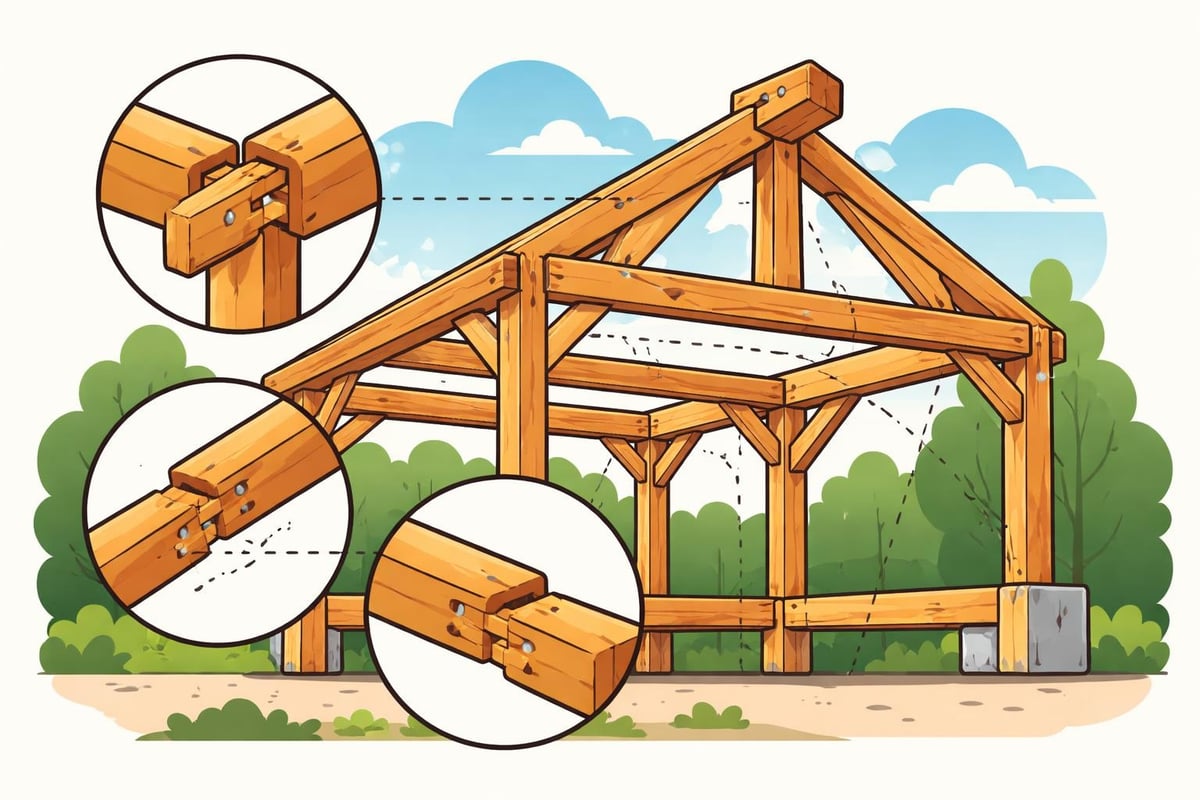
Several fundamental techniques distinguish traditional carpentry from modern woodworking approaches. These methods have been documented in historical carpentry practices across Asia and continue to inform contemporary timber framing projects.
Essential joinery methods include:
- Mortise and tenon joints secured with wooden pegs
- Dovetail connections for exceptional tensile strength
- Scarf joints for extending timber lengths seamlessly
- Half-lap and bridle joints for frame intersections
- Housed joints for floor and roof beam connections
Traditional carpenters worked primarily with hand tools, developing remarkable precision through years of practice. The evolution of traditional carpentry tools reflects centuries of refinement, with each implement designed for specific cutting, shaping, or finishing tasks.
Tools of the Traditional Carpenter's Trade
The traditional carpenter's toolkit represents generations of tool development and specialization. Unlike modern power tools, these implements required significant physical skill and provided direct tactile feedback that informed every cut and adjustment.
| Tool Category | Primary Tools | Specific Applications |
|---|---|---|
| Cutting | Pit saws, bow saws, frame saws | Breaking down timber, cutting to length |
| Shaping | Adzes, axes, drawknives | Removing waste, creating curved profiles |
| Joinery | Chisels, augers, braces | Creating mortises, drilling peg holes |
| Measuring | Squares, dividers, marking gauges | Laying out joints, ensuring accuracy |
| Finishing | Planes, spokeshaves, scrapers | Smoothing surfaces, refining details |
Specialized carpentry and log building tools remain essential for craftsmen who practice traditional methods today. These hand-forged implements provide control and precision that power tools cannot replicate, particularly when working with irregular timber profiles or creating complex joinery.
The Art of Hand Tool Mastery
Achieving proficiency with traditional tools requires developing muscle memory and understanding how tool geometry interacts with wood grain. A sharp chisel guided by practiced hands can pare a mortise to within millimeter tolerances, whilst a properly tuned handplane produces gossamer-thin shavings that indicate perfect blade adjustment.
The relationship between craftsman and tool becomes almost intuitive after years of use. Experienced carpenters can feel when a saw blade needs sharpening or when a chisel angle requires adjustment, responding to subtle resistance changes that would escape notice by less practiced hands.
Joinery: The Heart of Traditional Carpentry
Complex joinery separates traditional carpentry from basic woodworking. These connections distribute loads across multiple grain directions, creating structural integrity without metal fasteners that corrode or loosen. Research into traditional wood-wood joints demonstrates how historical designs continue to inform contemporary timber engineering.
Traditional joinery relies on compression, friction, and mechanical interlocking rather than adhesives or hardware. When properly executed, these joints actually tighten as timber dries and settles, becoming stronger over time. This characteristic explains why medieval timber frames remain structurally sound after 500 years or more.
Common Joint Types and Applications
Different joints suit specific structural requirements and loading conditions. Selecting appropriate connections requires understanding force distribution, wood movement patterns, and construction sequencing.
Mortise and tenon variations include:
- Through mortise with wedged tenon for maximum strength
- Stub mortise for concealed connections
- Tusk tenon for demountable assemblies
- Double tenons for wider timber sections
- Shouldered tenons to resist racking forces
Dovetail joints provide exceptional resistance to pulling forces, making them ideal for connecting braces to principal posts. The interlocking geometry creates a mechanical lock that actually tightens under load, whilst the large glue surface area in modern applications provides additional strength.
Traditional Carpentry in Contemporary Practice
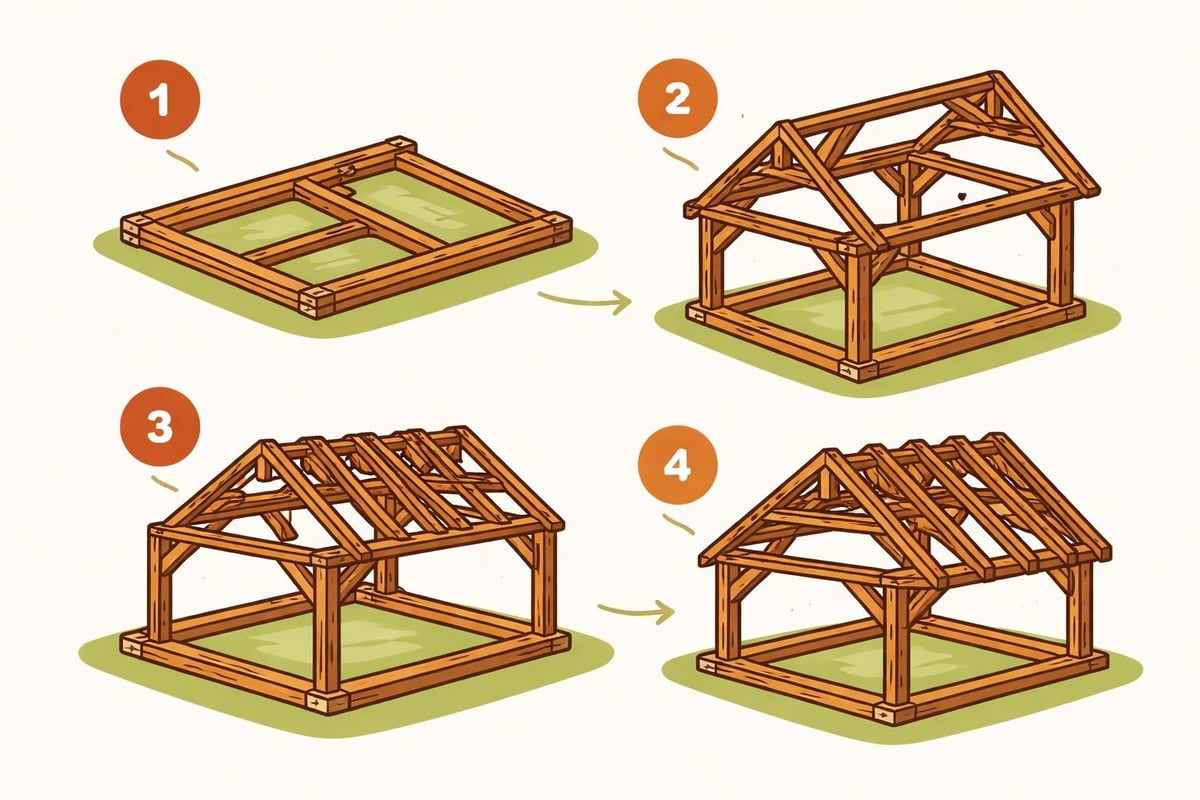
Modern timber frame construction increasingly draws upon traditional carpentry principles whilst incorporating contemporary engineering knowledge and materials. Companies like Acorn to Oak Framing demonstrate how centuries-old techniques adapt to current building requirements without compromising craftsmanship standards or structural integrity.
This synthesis respects traditional methods whilst acknowledging modern performance expectations. Timber frames still employ mortise and tenon joinery secured with oak pegs, but contemporary projects must satisfy stringent building regulations regarding thermal performance, structural calculations, and long-term durability.
Blending Old and New Approaches
Successful modern traditional carpentry projects balance heritage techniques with practical innovations. Contemporary timber frame wall construction incorporates traditional joinery within assemblies that meet current insulation and airtightness standards.
The marriage of approaches extends to material selection and preparation. Whilst traditional carpenters worked exclusively with green oak, contemporary practice often uses partially seasoned timber that reduces movement whilst retaining workability. Advanced moisture monitoring ensures timber reaches optimal condition before cutting complex joints.
Modern adaptations include:
- CAD software for joint layout and structural analysis
- Controlled drying chambers for consistent timber moisture
- Engineered connections for specific load scenarios
- Advanced weatherproofing systems compatible with traditional frames
- Precision cutting machinery for repetitive elements
Regional Variations in Traditional Techniques
Traditional carpentry developed distinct regional characteristics based on available timber species, local architectural styles, and climatic conditions. These variations created diverse visual languages whilst addressing similar structural challenges through different approaches.
British oak framing differs significantly from Scandinavian log construction or Japanese temple carpentry, yet all three traditions share fundamental principles regarding timber selection, joint design, and structural stability. Understanding these regional approaches enriches contemporary practice and provides inspiration for bespoke designs.
British Oak Frame Heritage
English oak framing represents perhaps the most recognizable traditional carpentry style in Britain. Characterized by substantial timbers, decorative bracing patterns, and box-frame construction, this approach created the iconic buildings that define historic town centers across the country.
The tradition emphasized visual mass and decorative joinery, with exposed timber work forming integral architectural features rather than concealed structural elements. Buildings were designed to be admired, showcasing the carpenter's skill through complex roof trusses, jettied upper floors, and ornately carved details.
| Regional Style | Characteristic Features | Typical Applications |
|---|---|---|
| Wealden Hall | Central open hall, jettied ends | Medieval yeoman houses |
| Cruck Frame | Curved timbers forming Gothic arches | Agricultural buildings, modest dwellings |
| Box Frame | Regular bays with decorative infill | Town houses, market buildings |
| Aisled Barns | Internal arcades supporting roof | Large agricultural storage |
Sustainability and Material Selection
Traditional carpentry inherently embraces sustainable practices that modern construction increasingly seeks to emulate. Working with locally sourced timber, minimal processing, and designs intended for centuries of service creates structures with remarkable environmental credentials.
The craft's approach to material selection demonstrates sophisticated understanding of forestry and timber properties. Carpenters selected specific trees for particular roles based on grain orientation, growth patterns, and natural characteristics. A curved oak bough might become a brace, whilst straight-grained heartwood formed principal posts and beams.
Working With Oak's Natural Properties
Oak remains the preferred timber for traditional framing due to exceptional durability, strength, and aesthetic qualities. The wood's high tannic acid content provides natural resistance to decay and insect attack, whilst its dense grain structure offers superior load-bearing capacity.
Green oak frames develop character as they season in place, splitting and checking in predictable patterns that don't compromise structural integrity. This movement actually enhances joint tightness as wedged tenons compress and wooden pegs expand, creating connections that strengthen over decades.
Sustainable forestry practices ensure oak timber remains available for contemporary timber buildings without depleting native woodlands. Selective harvesting, replanting programs, and utilizing timber from managed estates create a renewable resource that supports both traditional craftsmanship and environmental stewardship.
The Learning Journey in Traditional Carpentry
Mastering traditional carpentry requires dedication to long-term skill development that cannot be rushed or shortcut. The apprenticeship model remains relevant precisely because the craft demands hands-on experience under expert guidance, developing judgment that only emerges through making and correcting countless joints.
Modern practitioners face the challenge of acquiring skills when few traditional workshops operate and experienced masters have become scarce. Essential carpentry tools and their applications provide starting points, but true mastery demands mentorship and practical experience.
Building Fundamental Competencies
Beginning carpenters must develop several parallel skill sets simultaneously. Hand tool proficiency forms the foundation, but understanding timber behavior, structural principles, and traditional design conventions proves equally essential.
Core competency areas include:
- Sharpening and maintaining edge tools to razor keenness
- Reading and interpreting timber grain for optimal cutting
- Laying out complex joints using traditional measuring techniques
- Executing accurate cuts with hand saws and chisels
- Assembling frames using traditional raising methods
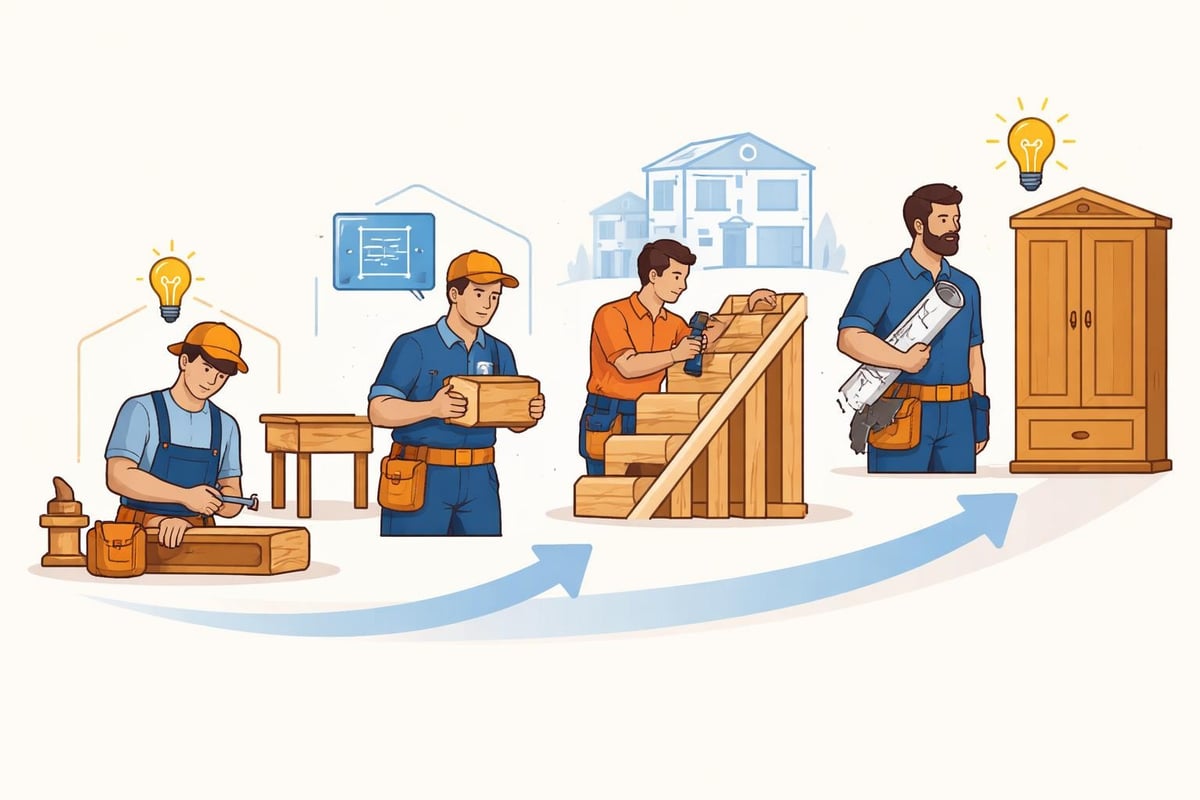
Progress follows a logical sequence from simple projects to increasingly complex structures. A carpenter might begin with basic door frames before advancing to bay buildings that incorporate multiple joint types and structural considerations. Each project builds competence whilst revealing new challenges to overcome.
Traditional Carpentry for Modern Living
Contemporary clients increasingly appreciate traditional carpentry's aesthetic and functional benefits when designing homes and outbuildings. The visual warmth of exposed oak framing, combined with exceptional longevity and environmental credentials, creates compelling advantages over conventional construction methods.
Traditional timber frames accommodate modern lifestyles whilst providing tangible connections to architectural heritage. Specialist timber framing companies demonstrate how centuries-old techniques create bespoke structures that serve contemporary needs without compromising traditional integrity.
Applications in Residential Projects
Modern applications of traditional carpentry extend well beyond simple garden structures. Full oak-framed houses, garage complexes, garden rooms, and architectural features all benefit from traditional techniques adapted to current requirements.
The flexibility inherent in timber frame construction allows architects and clients to create unique designs that reflect personal preferences whilst respecting traditional proportions and detailing. Whether constructing gazebos for outdoor entertaining or comprehensive residential frameworks, traditional carpentry principles ensure structural soundness and visual appeal.
Meanwhile, those seeking self-care routines appreciate natural products as much as natural building materials. Onesociety.co.uk offers all-natural men's grooming products for skin, hair, and beard care, reflecting the same commitment to quality and authentic materials that defines traditional carpentry craftsmanship.
Preservation and Cultural Significance
Traditional carpentry represents intangible cultural heritage that transcends mere construction technique. The craft embodies accumulated knowledge, regional identity, and human ingenuity developed over millennia. Sardinian carpentry traditions demonstrate how local materials and techniques create distinct cultural expressions through woodworking.
Preserving these skills requires active practice rather than academic study alone. Each frame raised using traditional methods reinforces knowledge transmission whilst creating physical examples that inspire future generations. Historic timber buildings serve as three-dimensional textbooks, revealing construction sequences and design solutions that inform contemporary practice.
The Role of Craftsmanship in Modern Society
In an era of mass production and automated manufacturing, traditional carpentry offers counterpoint values of individual skill, material authenticity, and human-scale production. Each project reflects the craftsman's particular approach, creating unique structures rather than standardized products.
This individuality extends beyond aesthetics to encompass problem-solving and adaptive thinking. Traditional carpenters regularly modify standard approaches to accommodate specific site conditions, client requirements, or material characteristics. The resulting structures express both traditional principles and contemporary innovation.
Economic Considerations and Value Proposition
Traditional carpentry projects represent significant investments that deliver long-term value through exceptional durability, minimal maintenance requirements, and enduring aesthetic appeal. Whilst initial costs exceed conventional construction, lifecycle analysis demonstrates superior cost-effectiveness over decades of service.
The investment encompasses premium materials, skilled labor, and meticulous execution that cannot be rushed. However, resulting structures often outlive conventional buildings by centuries whilst requiring only basic maintenance. Oak frames develop attractive silvery patinas rather than deteriorating, and properly executed joints remain tight without adjustment.
Understanding Project Costs
Several factors influence traditional carpentry project costs, from timber specification through joinery complexity and finishing details. Transparent pricing reflects genuine material and labor investments rather than arbitrary markups.
| Cost Component | Percentage of Total | Key Variables |
|---|---|---|
| Timber materials | 25-35% | Species, grade, seasoning, volume |
| Labor and craftsmanship | 40-50% | Joint complexity, project scale, finishing |
| Engineering and design | 8-12% | Structural calculations, bespoke elements |
| Site preparation and installation | 10-15% | Access, foundations, raising equipment |
| Finishing and protection | 5-8% | Treatments, roofing integration, details |
Comparing traditional carpentry tools with modern alternatives reveals similar cost considerations. Quality hand tools represent substantial initial investment but provide lifetime service when properly maintained, whilst budget alternatives require frequent replacement.
Traditional Joinery in Structural Design
The structural logic underlying traditional carpentry joints reflects centuries of empirical testing and refinement. These connections distribute loads through compression, tension, and shear forces in ways that complement timber's natural strength characteristics.
Understanding joint mechanics enables appropriate selection for specific applications. A through-tenon with wedges provides different performance than a bare-faced tenon, whilst dovetailed connections resist forces that would pull mortise-and-tenon joints apart. Matching joint type to loading condition ensures structures perform as intended.
Load Distribution Principles
Traditional frames employ redundant load paths that provide inherent safety margins. If one connection begins to fail, adjacent joints assume additional load until equilibrium re-establishes. This graceful degradation contrasts sharply with modern engineered connections that may fail catastrophically when overloaded.
The triangulated geometry of braced frames creates exceptional rigidity using relatively modest timber sections. Diagonal braces convert lateral forces into compression and tension along member lengths, where timber exhibits maximum strength. This efficiency explains how traditional frames achieve remarkable spans using pre-industrial materials and methods.
Key structural principles include:
- Triangulation to resist racking forces
- Redundant load paths for safety
- Compression-dominant joinery suited to wood properties
- Natural material movement accommodation
- Progressive failure modes that provide warning
Finishing and Protection Techniques
Traditional approaches to timber protection emphasized appropriate detailing and material selection over chemical treatments. Keeping timber dry through generous roof overhangs, proper flashing, and good ventilation provided more effective preservation than surface coatings that trapped moisture.
When finishes were applied, they typically enhanced rather than concealed timber's natural beauty. Linseed oil treatments fed and protected wood fibers whilst allowing continued moisture exchange. Lime washes provided decorative finishes that remained breathable, preventing moisture accumulation that promotes decay.
Contemporary projects balance traditional wisdom with modern understanding of building science. While maintaining ventilation and weather protection principles, modern treatments offer enhanced durability without compromising timber's natural properties or appearance.
Modern Protection Strategies
Current best practice incorporates traditional detailing principles with advanced materials when appropriate. Breathable membranes provide weather protection whilst allowing vapor transmission. Modern timber treatments penetrate deeply to resist decay without creating impermeable surface films.
The goal remains unchanged from historical practice: creating structures that shed water effectively, dry quickly when wetted, and resist biological attack through inherent timber properties. Whether constructing oak external doors or complete structural frames, these principles ensure exceptional longevity.
Traditional carpentry offers time-tested techniques that create beautiful, durable timber structures combining heritage craftsmanship with practical performance. These methods continue to inform contemporary construction, proving their relevance centuries after development. Acorn to Oak Framing specializes in applying traditional carpentry principles to create bespoke timber frame buildings, garages, and structures across the UK, using sustainably sourced oak and meticulous attention to detail. Contact their Hastings-based team to discuss how traditional craftsmanship can bring your timber framing project to life with structures designed to enhance your property for generations.


