
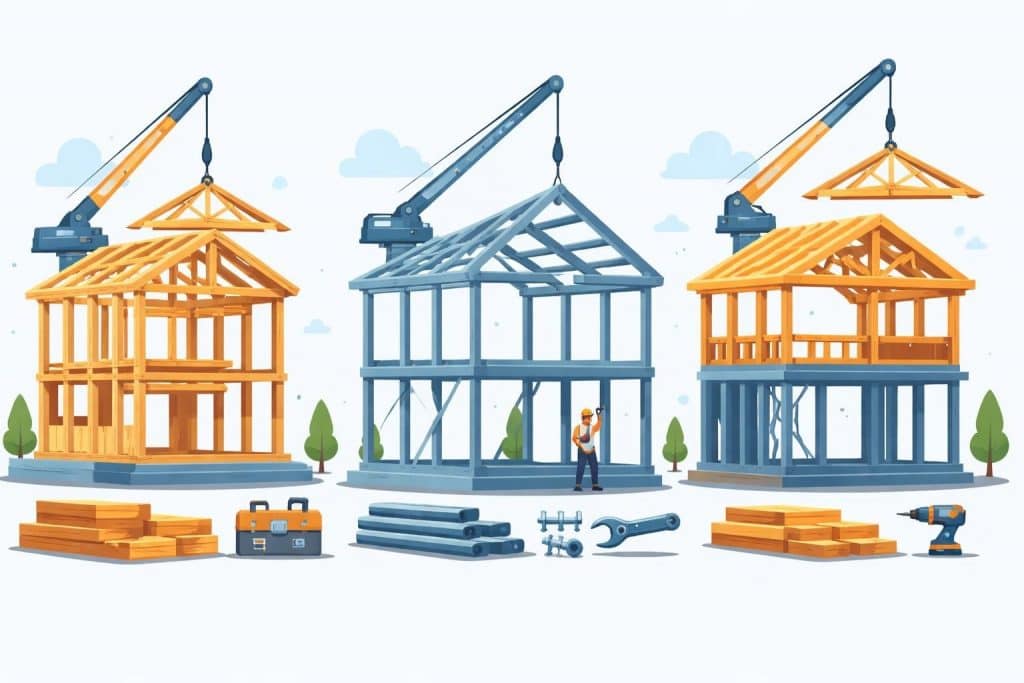
Building a new home represents one of life's most significant investments, and choosing the right construction method can dramatically impact both the process and the outcome. Home frame kits have revolutionised the construction industry by offering a prefabricated solution that combines efficiency, quality control, and design flexibility. These comprehensive packages arrive with pre-cut components, detailed plans, and everything needed to create a structurally sound building, making the construction process more accessible to both professional builders and ambitious self-builders across the United Kingdom.
Understanding Home Frame Kits and Their Components
Home frame kits represent a modern approach to construction that bridges traditional craftsmanship with contemporary manufacturing precision. At their core, these kits contain all the essential structural elements required to erect a building's framework, manufactured off-site in controlled conditions and delivered ready for assembly.
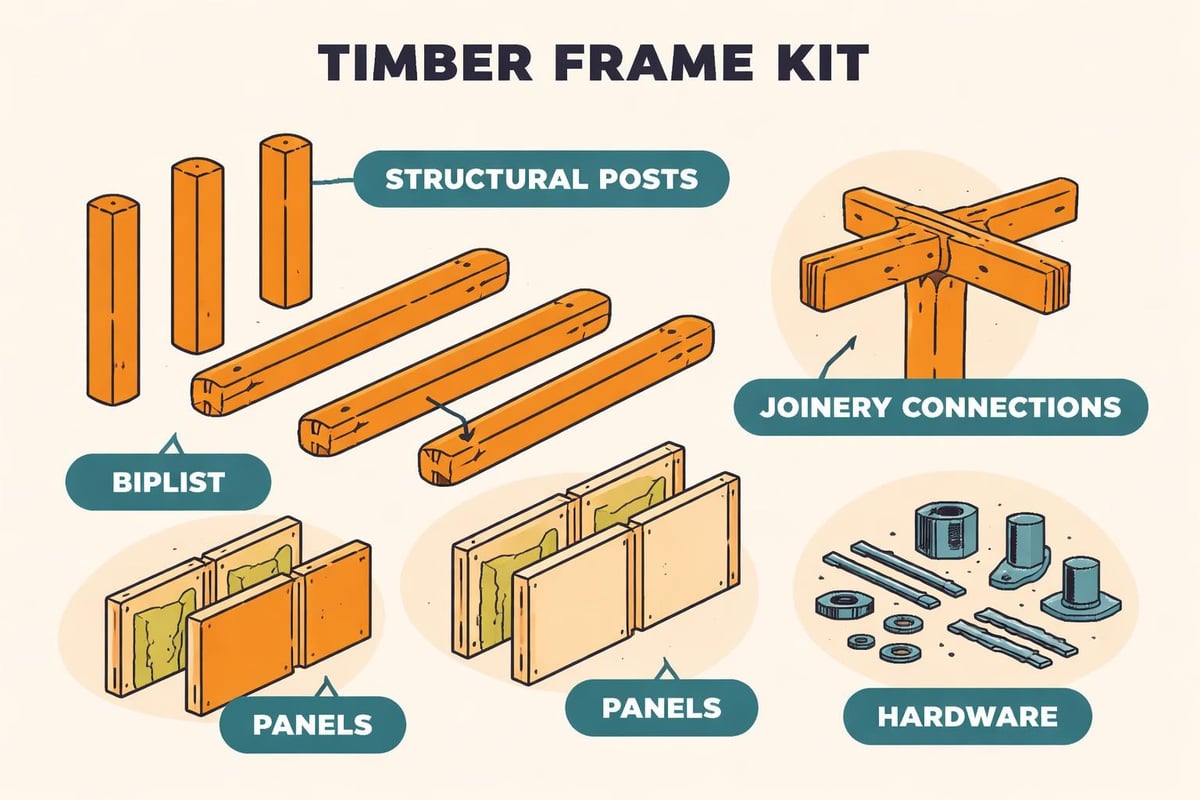
The composition of these kits varies significantly depending on the chosen material and supplier. Timber frame home kits typically include pre-cut timbers, joinery components, structural insulated panels, and comprehensive assembly instructions. Each piece is precisely measured and crafted to ensure perfect alignment during installation.
Standard components include:
- Main structural frame elements (posts, beams, and rafters)
- Connection hardware and joinery systems
- Engineered floor and roof systems
- Insulation panels or materials
- Working drawings and construction manuals
- Technical specifications and building compliance documentation
The beauty of modern home frame kits lies in their precision engineering. Unlike traditional on-site cutting, where weather conditions and human error can affect accuracy, factory-manufactured components undergo rigorous quality control processes. This ensures each piece fits perfectly, reducing waste and construction time whilst maintaining structural integrity.
Types of Home Frame Kits Available
The market offers various home frame kits, each suited to different architectural styles, budgets, and construction requirements. Understanding these options helps homeowners and builders select the most appropriate solution for their specific project.
Timber Frame Systems
Timber frame kits remain the most traditional and popular choice in the UK market. Oak timber frames, in particular, offer exceptional durability, aesthetic appeal, and environmental sustainability. These systems rely on traditional mortise and tenon joinery, creating structures that can last for centuries when properly maintained.
Timber buildings have graced the British landscape for generations, and modern kits continue this heritage whilst incorporating contemporary building science. The thermal performance, when combined with appropriate insulation, exceeds current building regulations whilst providing excellent air quality and natural humidity regulation.
Steel Frame Options
Steel frame systems offer an alternative for those seeking maximum strength and minimal maintenance. These kits excel in applications requiring large spans or resistance to extreme weather conditions. The precision of steel fabrication allows for exceptionally accurate construction, though the aesthetic differs significantly from traditional timber frames.
| Feature | Timber Frame | Steel Frame |
|---|---|---|
| Aesthetic Appeal | Traditional, warm character | Modern, industrial look |
| Sustainability | Renewable resource | Recyclable material |
| Thermal Properties | Natural insulation | Requires additional insulation |
| Lifespan | Centuries with maintenance | 50-100 years typical |
| Design Flexibility | High | Very high |
Hybrid Systems
Progressive manufacturers now offer hybrid solutions combining timber aesthetics with modern materials for enhanced performance. These systems might feature timber exteriors with steel reinforcement, or oak frames with advanced insulated panel systems, providing the best attributes of multiple construction methods.
Cost Considerations and Budget Planning
Investing in home frame kits requires careful financial planning and understanding of the complete cost structure. The kit price represents only one component of the total project expenditure, and transparent budgeting prevents unexpected surprises during construction.
Initial kit prices vary substantially based on size, material quality, and included components. A basic timber frame kit for a modest garage or outbuilding might start around £15,000, whilst comprehensive residential timber frame home kits for family homes can exceed £100,000 depending on specifications.
Budget factors beyond the kit:
- Foundation and groundworks preparation
- Professional assembly labour or crane hire
- External cladding and weatherproofing materials
- Windows, doors, and glazing systems
- Roofing materials and installation
- Internal finishes and services (plumbing, electrical, heating)
- Building control fees and professional certifications
Many suppliers offer transparent pricing structures with detailed breakdowns. When comparing quotes, ensure you're evaluating like-for-like specifications, as apparently cheaper options may exclude critical components or use inferior materials. The quality of joinery, timber grading, and included hardware significantly impacts both immediate costs and long-term performance.
Quality Indicators and Selection Criteria
Selecting a quality home frame kit requires discerning evaluation of multiple factors beyond price alone. The structural integrity, material sourcing, and manufacturer expertise all contribute to the kit's ultimate value and performance.
Quality timber frame home kits demonstrate several distinguishing characteristics. Premium oak should be sustainably sourced, properly seasoned, and graded to appropriate structural standards. The joinery method employed represents perhaps the most critical quality indicator in timber frames.
Joinery and Connection Systems
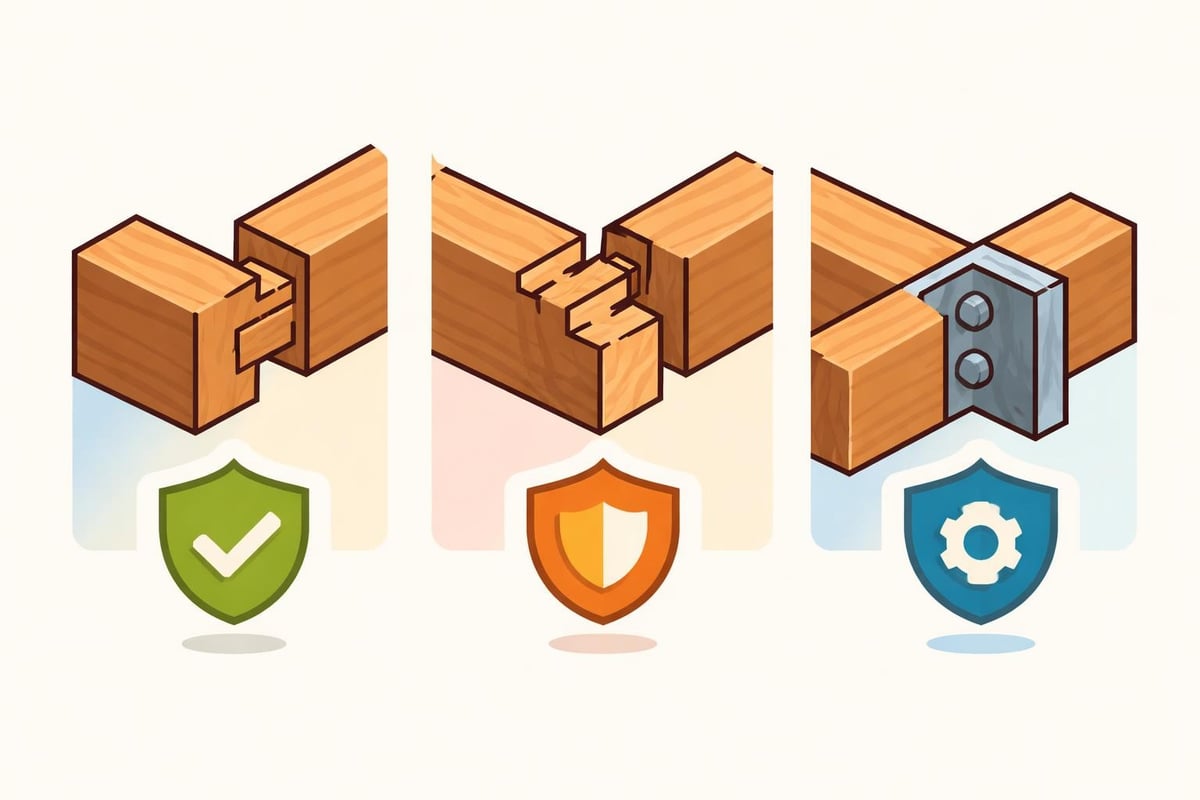
Traditional mortise and tenon joints, secured with oak pegs, provide exceptional strength whilst allowing the timber to move naturally with seasonal moisture changes. These time-tested connections distribute loads effectively and create aesthetic features that enhance the frame's visual appeal. Modern variations might incorporate steel reinforcement for additional capacity whilst maintaining traditional appearance.
Connection quality checklist:
- Precision-cut joints with minimal gaps
- Appropriate tolerances for timber movement
- Adequate peg or fastener sizing
- Quality control documentation
- Structural engineer certification where applicable
Material Certification and Standards
Reputable manufacturers provide comprehensive documentation proving their materials meet British and European standards. For timber frames, this includes grading certificates, moisture content verification, and treatment specifications where preservatives are applied. Sustainably sourced timber should carry Forest Stewardship Council (FSC) or equivalent certification.
The manufacturing facility's accreditation also matters. Look for membership in relevant trade associations and evidence of quality management systems. These credentials indicate commitment to professional standards and provide recourse should issues arise.
Assembly Process and Installation Considerations
The assembly process for home frame kits varies considerably depending on the system chosen and project complexity. Understanding this process helps in planning, scheduling, and ensuring successful construction outcomes.
Professional installation typically requires a team of experienced framers, appropriate lifting equipment, and suitable site access. Timber frame wall construction follows methodical sequences, with the main frame typically erected first, followed by secondary structural elements and eventually the enclosure systems.
Site Preparation Requirements
Before kit delivery, the foundation must be complete, level, and cured to specifications. The site requires adequate access for delivery lorries and crane operations if mechanical lifting is necessary. Temporary storage areas should be prepared to protect components from weather exposure during assembly.
Pre-delivery checklist:
- Foundation certified by building control
- Delivery access confirmed and obstructions removed
- Lifting equipment arranged and operator scheduled
- Assembly team contracted and dates confirmed
- Weather forecast reviewed for optimal conditions
- Neighbouring properties notified of construction activities
Timeline Expectations
Frame erection typically progresses rapidly compared to traditional construction methods. A modest garage or outbuilding frame might be erected in one to three days, whilst larger residential frames commonly take one to two weeks. Weather conditions significantly impact timber frame construction, as excessive rain can delay work and potentially damage components.
The learning curve for assembly varies with system complexity. Some manufacturers design their kits for straightforward self-build assembly, providing detailed instructions and support. Others require professional installation to maintain warranty coverage and ensure structural compliance.
Design Flexibility and Customisation Options
Modern home frame kits offer remarkable design flexibility, dispelling the myth that prefabricated construction limits architectural expression. From traditional vernacular styles to contemporary minimalist designs, frame kits can accommodate diverse aesthetic preferences whilst maintaining structural efficiency.
Various building configurations demonstrate the adaptability of frame systems. Single-bay structures provide simple, elegant solutions for garages or workshops, whilst multi-bay designs create expansive residential spaces with cathedral ceilings and open-plan layouts. The modular nature of frame construction facilitates future extensions, allowing buildings to grow with changing needs.
Bespoke Modifications
Most quality manufacturers accommodate custom modifications to their standard designs. Bespoke timber frames might incorporate specific window placements, unique roof pitches, integrated balconies, or special joinery details that reflect individual preferences. These customisations typically incur additional design and manufacturing costs but create truly personalised structures.
The extent of possible customisation depends on the structural system and manufacturer capabilities. Simple dimensional adjustments usually present minimal complications, whilst significant structural modifications require additional engineering calculations and potentially different component specifications.
| Customisation Type | Complexity | Cost Impact | Timeline Impact |
|---|---|---|---|
| Standard dimensions | Low | Minimal | None |
| Window/door placement | Medium | Moderate | 1-2 weeks |
| Roof pitch changes | Medium | Moderate | 1-2 weeks |
| Structural modifications | High | Significant | 2-4 weeks |
| Unique joinery details | High | Significant | 2-4 weeks |
Regulatory Compliance and Building Regulations
Navigating building regulations represents a critical aspect of any construction project, and home frame kits must comply with the same stringent requirements as traditionally built structures. Understanding these obligations prevents costly delays and ensures the finished building performs safely and efficiently.
In the United Kingdom, building regulations cover structural integrity, fire safety, thermal performance, accessibility, and numerous other considerations. Reputable kit manufacturers design their systems to meet or exceed these standards, providing structural calculations and thermal performance data as part of the package.
Key regulatory considerations:
- Structural engineer certification for the frame design
- Building control approval before construction commences
- Fire resistance ratings for all materials
- U-value calculations for thermal compliance
- Foundation design appropriate for the structure and site conditions
- Accessibility provisions where applicable
The planning permission process operates separately from building regulations. Whilst some small structures benefit from permitted development rights, most residential buildings and larger outbuildings require formal planning consent. Engaging with the local planning authority early prevents wasted effort on designs that may face objections.
Maintenance and Longevity of Frame Structures
The long-term performance of home frame kits depends significantly on appropriate maintenance and protection from environmental factors. Understanding these requirements helps owners preserve their investment and enjoy decades or even centuries of service from quality frames.
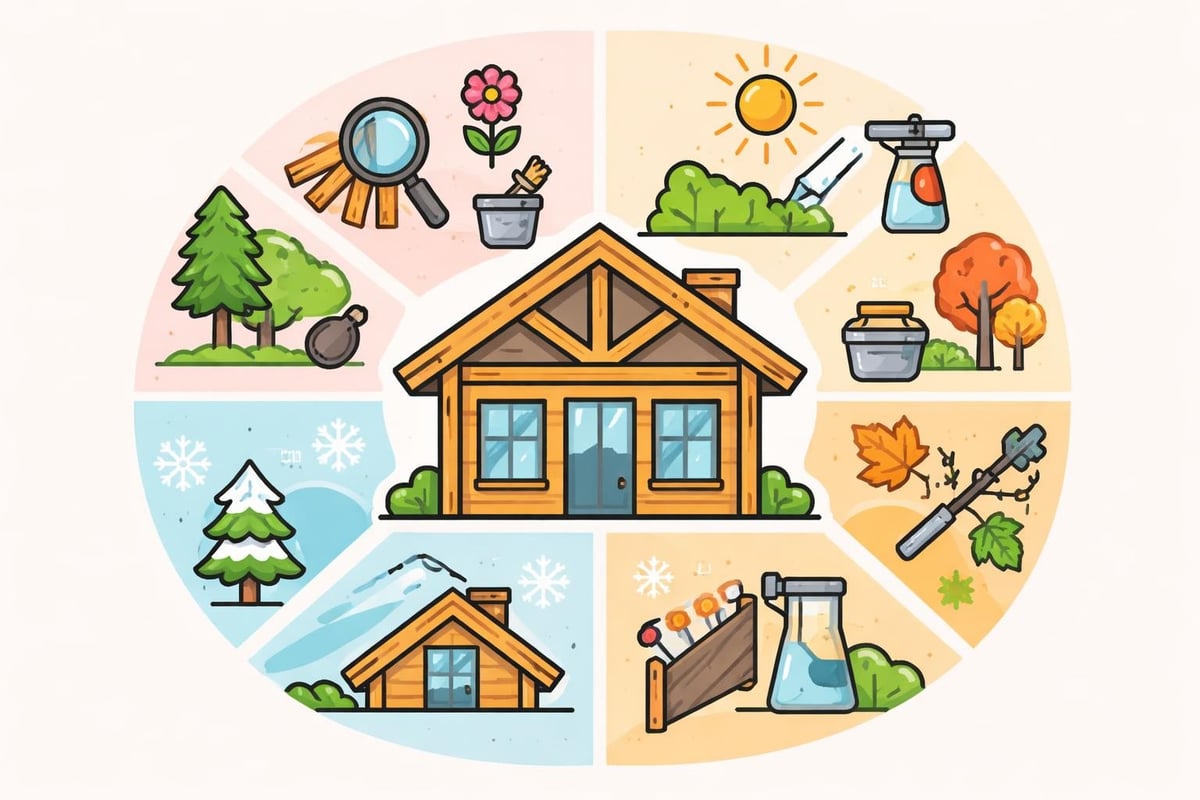
Oak timber frames require minimal maintenance when properly protected from prolonged moisture exposure. The timber naturally weathers to an attractive silver-grey patina unless treated with oils or stains to maintain the original honey colour. Regular inspections should identify any issues with cladding, roofing, or drainage systems that might allow water ingress to structural timbers.
Protection Strategies
Adequate roof overhangs provide the most effective protection for timber frames, keeping driving rain away from joints and structural members. Quality breathable membranes and proper ventilation prevent condensation accumulation whilst allowing the timber to equilibrate with ambient conditions naturally.
Steel frames require different maintenance approaches, primarily focusing on corrosion prevention. Factory-applied protective coatings generally last many years, but damage during construction or subsequent alterations can create vulnerability to rust. Regular inspection and touch-up painting preserve the structural integrity.
Sustainability and Environmental Considerations
Environmental consciousness increasingly influences construction decisions, and home frame kits offer significant sustainability advantages when responsibly sourced and manufactured. Understanding these environmental aspects helps align building projects with ecological values whilst potentially improving long-term operating costs.
Timber frame construction, particularly using oak or other locally sourced hardwoods, provides exceptional environmental credentials. Trees absorb carbon dioxide during growth, effectively sequestering carbon within the building structure for its entire lifespan. When sourced from managed forests with replanting programmes, timber represents a genuinely renewable building material.
The evolution of timber frame systems demonstrates increasing environmental sophistication. Modern manufacturers optimise material usage through computer-aided design, reducing waste during production. Off-site fabrication minimises construction site disruption and waste generation compared to traditional building methods.
Environmental benefits include:
- Carbon sequestration in timber structures
- Reduced embodied energy compared to concrete or steel
- Minimal construction waste through precision manufacturing
- Excellent thermal performance reducing operational energy
- Natural material biodegradability at end of life
- Support for sustainable forestry when properly certified
For those interested in maintaining not just buildings but personal wellbeing with natural products, OneSociety offers an excellent range of men's grooming products. Their all-natural formulations care for skin, hair, and beard using sustainable ingredients, reflecting the same commitment to quality and environmental responsibility that characterises premium timber frame construction.
Working with Specialist Timber Frame Companies
Selecting the right manufacturer and installer significantly influences project success and satisfaction. Specialist companies bring expertise, quality materials, and professional standards that generic suppliers cannot match, particularly for bespoke or complex projects.
Established timber frame specialists typically offer comprehensive services beyond simply supplying components. Design consultation, structural engineering, building regulation liaison, and installation supervision create a seamless experience that reduces stress and ensures optimal outcomes. Companies like Acorn to Oak Framing exemplify this holistic approach, combining traditional craftsmanship with modern building science.
Evaluating Potential Suppliers
Research potential suppliers thoroughly before committing to any contract. Visit completed projects if possible, speak with previous clients, and review portfolios demonstrating relevant experience. Companies willing to provide transparent information and welcome scrutiny typically deliver superior service.
Supplier evaluation criteria:
- Years of experience and project portfolio quality
- Manufacturing facility capabilities and quality systems
- Material sourcing policies and certifications
- Structural engineering support and documentation
- Installation services or approved contractor networks
- Warranty provisions and after-sales support
- Client testimonials and references
The relationship between client and manufacturer should be collaborative rather than transactional. Quality suppliers invest time understanding project requirements, offering design advice, and ensuring clients make informed decisions about specifications and options. This consultative approach produces better outcomes than simply ordering from a catalogue.
Additional Components and Optional Upgrades
Beyond the basic structural frame, numerous optional components and upgrades can enhance functionality, appearance, and performance. Understanding these options helps in planning comprehensive specifications that meet all project requirements without unnecessary extras.
What’s included in basic kits varies by manufacturer, making comparison challenging. Some suppliers provide comprehensive packages including insulation panels, windows, doors, and roofing materials, whilst others focus purely on the structural frame. Clarifying exactly what each quote includes prevents misunderstandings and budget surprises.
Common upgrades worth considering include premium timber grading for enhanced appearance, advanced joinery details like curved braces or decorative brackets, integrated glazing systems, and upgraded insulation packages. External cladding options range from traditional weatherboarding to modern composite panels, each offering different aesthetic and maintenance characteristics.
For those exploring ready-to-go solutions, standardised designs often provide excellent value whilst allowing some customisation through optional extras. These packages benefit from refined designs that have proven successful in previous installations, reducing both cost and risk.
Home frame kits represent an efficient, quality-controlled approach to construction that combines traditional craftsmanship with modern manufacturing precision. Whether you're considering a modest garage, expansive residential property, or specialised structure, understanding the components, costs, and quality indicators ensures informed decision-making that delivers lasting value. Acorn to Oak Framing specialises in creating bespoke timber frame solutions using sustainably sourced oak, combining centuries-old joinery techniques with contemporary building standards to deliver structures that enhance both property value and lifestyle for generations to come.


