
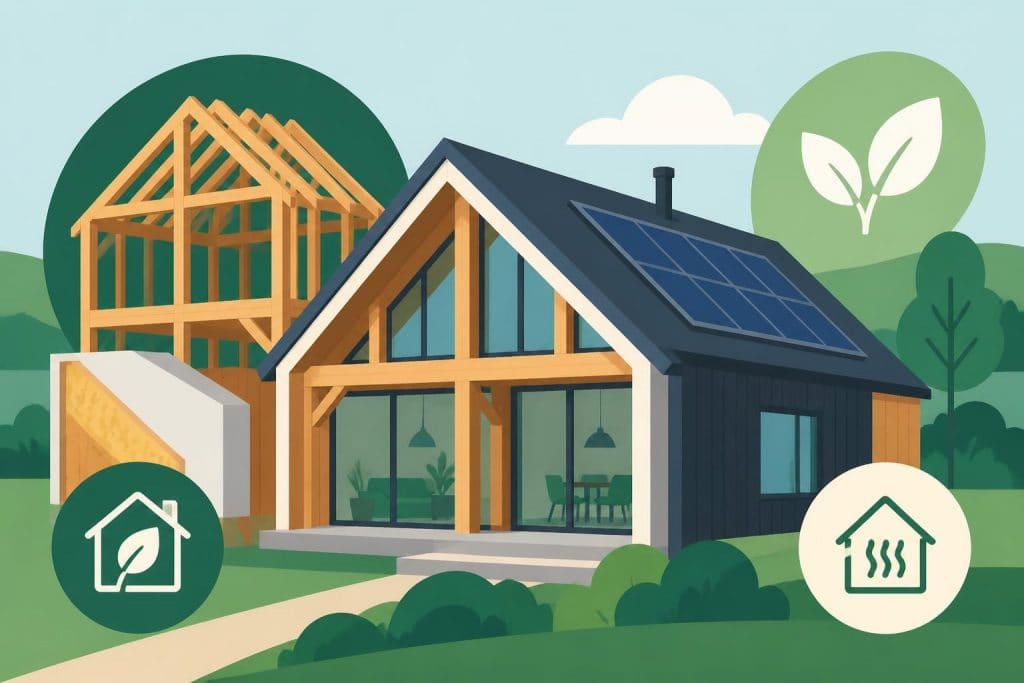
The demand for sustainable, energy-efficient housing continues to reshape the UK construction industry, with timber frame solutions gaining significant traction amongst homeowners and developers alike. A Scotframe house represents one of the leading approaches to modern residential construction, combining advanced manufacturing techniques with traditional building principles to deliver homes that meet contemporary performance standards whilst maintaining architectural flexibility. Understanding the construction process, benefits, and considerations involved in choosing timber frame construction helps prospective homeowners make informed decisions about their building projects.
Understanding Scotframe House Construction
A Scotframe house utilises engineered timber frame panels manufactured off-site in controlled factory conditions before being transported and assembled on-site. This prefabrication approach ensures consistent quality and precision that proves difficult to achieve with traditional site-built methods. Scotframe’s manufacturing process demonstrates the meticulous attention to detail applied throughout each stage of production.
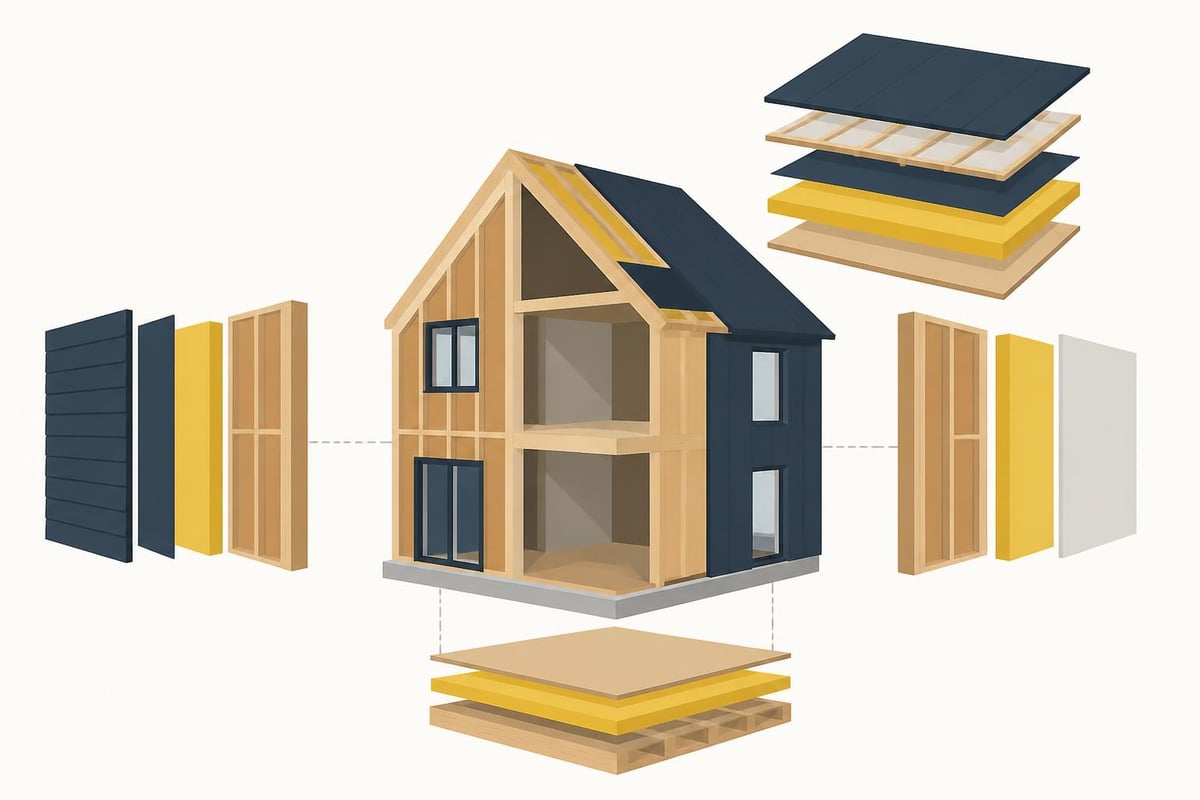
The construction system relies on structural timber frames that form the skeleton of the building, with insulation installed between the timber studs to achieve exceptional thermal performance. External cladding options range from brick and render to timber boarding, allowing homeowners to achieve their desired aesthetic without compromising structural integrity. This versatility makes timber frame construction particularly appealing for those seeking contemporary timber frame houses that blend modern design with traditional materials.
Key Components of Timber Frame Systems
The fundamental elements of a Scotframe house include:
- Structural timber panels: Engineered to precise specifications with integrated insulation cavities
- Breather membranes: Allowing vapour permeability whilst providing weather protection
- Service zones: Pre-planned routes for electrical wiring, plumbing, and mechanical systems
- Structural guarantees: Comprehensive warranties covering frame performance and durability
- Thermal bridging solutions: Minimising heat loss through careful detailing at junctions
These components work together to create a building envelope that exceeds current Building Regulations requirements for thermal performance and airtightness. The precision achieved through factory manufacturing means panels arrive on-site ready for immediate installation, significantly reducing construction timescales compared to traditional masonry methods.
Thermal Performance and Energy Efficiency
Energy efficiency stands as one of the most compelling advantages of choosing a Scotframe house for your building project. Thermal engineering services focus on optimising heat retention and minimising energy consumption through sophisticated design calculations and material selection.
The inherent properties of timber combined with modern insulation materials create exceptional U-values that surpass minimum regulatory standards. Typical wall constructions achieve U-values of 0.15 W/m²K or better, whilst roof assemblies regularly reach 0.12 W/m²K, placing Scotframe homes amongst the most energy-efficient residential buildings available in the UK market.
Comparing Thermal Performance Standards
| Building Element | Building Regs Minimum | Scotframe Standard | Premium Specification |
|---|---|---|---|
| External Walls | 0.28 W/m²K | 0.18 W/m²K | 0.15 W/m²K |
| Roof | 0.20 W/m²K | 0.14 W/m²K | 0.12 W/m²K |
| Ground Floor | 0.25 W/m²K | 0.16 W/m²K | 0.13 W/m²K |
| Windows | 1.60 W/m²K | 1.40 W/m²K | 0.80 W/m²K |
This enhanced thermal performance translates directly into reduced heating costs and lower carbon emissions throughout the building's operational life. Homeowners typically report heating cost reductions of 40-60% compared to equivalent masonry properties, with some achieving Passive House standards through careful specification and detailing.
Understanding insulating timber frame walls proves essential for achieving optimal performance, as installation quality significantly impacts real-world energy consumption. Continuous insulation layers, careful attention to junction details, and rigorous airtightness testing ensure theoretical performance translates into actual energy savings.
Design Flexibility and Architectural Options
One significant advantage of a Scotframe house lies in the architectural freedom afforded by timber frame construction. The structural system accommodates diverse design approaches, from traditional cottage aesthetics to contemporary minimalist architecture, without compromising performance or increasing costs substantially.
Architects and designers appreciate the ability to create large open-plan spaces without internal load-bearing walls, as timber frame systems efficiently transfer loads through engineered panels and beams. This flexibility allows homeowners to configure interior layouts according to their specific requirements whilst maintaining structural integrity.
Popular Design Approaches
- Traditional Scottish Vernacular: Incorporating pitched roofs, dormer windows, and natural stone or harling finishes
- Contemporary Cubic Forms: Utilising flat roofs, extensive glazing, and modern cladding materials
- Rural Barn Conversions: Adapting agricultural building forms for residential use with modern performance standards
- Coastal Properties: Designing weather-resistant structures suitable for exposed maritime locations
- Urban Infill Developments: Maximising site potential whilst meeting planning requirements and party wall regulations
The home design services provided by specialists help clients visualise their projects and make informed decisions about layout, specification, and finishes. This collaborative approach ensures the final building reflects individual preferences whilst meeting practical requirements and budget constraints.
Construction Process and Timelines
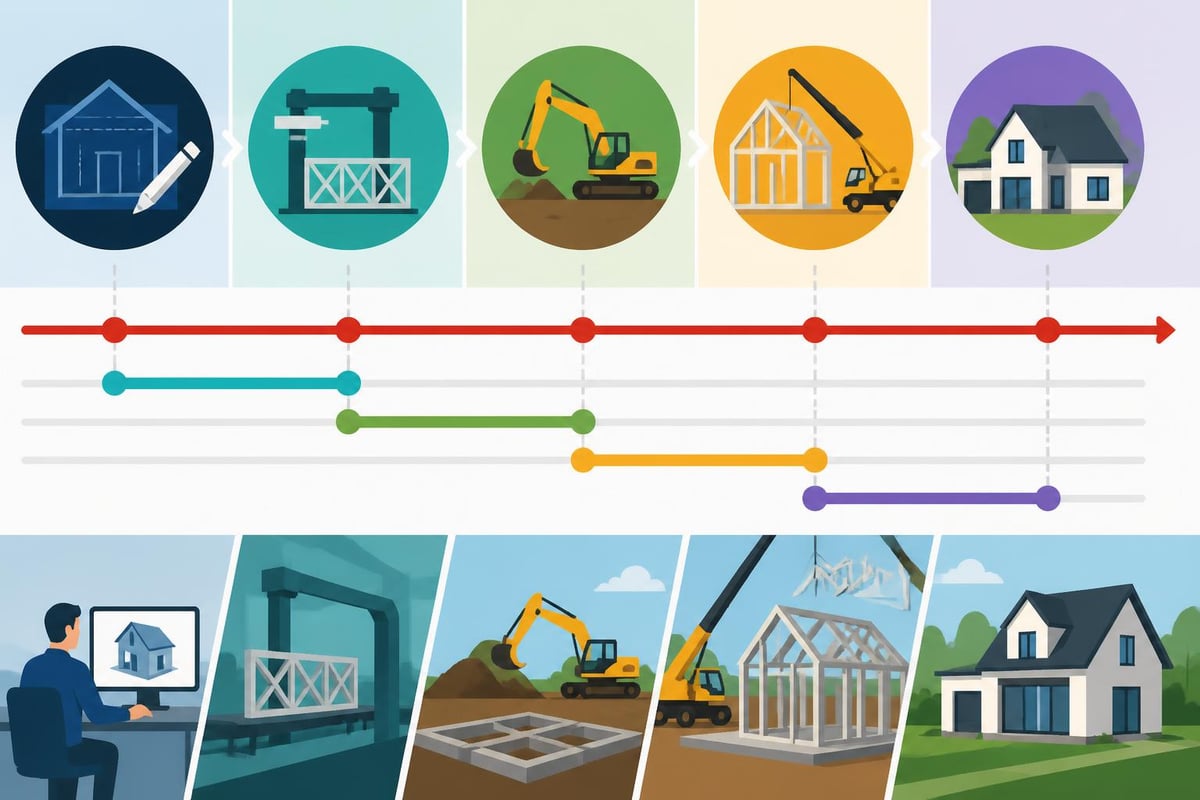
Building a Scotframe house follows a structured process that differs significantly from traditional construction methods. The factory-based manufacturing approach means much of the building work occurs off-site simultaneously with groundwork preparation, dramatically reducing on-site construction periods.
Initial design consultation establishes project parameters, site constraints, and performance requirements. Architects and structural engineers collaborate to develop detailed drawings that serve as the basis for manufacturing specifications and planning applications.
Manufacturing and site preparation proceed in parallel, with foundation works, drainage installation, and service connections completed whilst timber panels are being manufactured. This concurrent working reduces overall project duration by several weeks compared to sequential construction methods.
The assembly phase typically requires between two and six weeks depending on building complexity and size. Weather protection can be installed rapidly, allowing internal works to proceed regardless of external conditions. This weather independence represents a significant advantage, particularly given the UK's unpredictable climate.
Typical Project Timeline
| Phase | Duration | Key Activities |
|---|---|---|
| Design Development | 6-12 weeks | Architectural drawings, structural calculations, specification finalisation |
| Planning Permission | 8-13 weeks | Application submission, consultation period, approval |
| Manufacturing | 8-10 weeks | Panel fabrication, quality control, logistics planning |
| Groundworks | 3-5 weeks | Foundations, drainage, service connections |
| Frame Erection | 1-2 weeks | Panel installation, roof structure, weather protection |
| First Fix | 3-4 weeks | Electrical, plumbing, HVAC installation |
| Second Fix | 4-6 weeks | Plastering, decorating, flooring, joinery |
Understanding frame home construction timelines helps homeowners plan effectively and manage expectations throughout the building process. Realistic scheduling accounts for potential delays whilst maintaining sufficient contingency for unforeseen complications.
Quality Control and Manufacturing Standards
Factory-based production of a Scotframe house enables quality control measures impossible to replicate on traditional building sites. Each panel undergoes multiple inspection stages, ensuring dimensional accuracy, material quality, and compliance with engineering specifications before leaving the manufacturing facility.
Computer-controlled cutting equipment eliminates human error whilst maintaining precision to within millimetres across every component. This accuracy proves particularly important when integrating modern building services, installing windows and doors, and achieving consistent insulation performance throughout the structure.
Scotframe’s commitment to quality includes third-party certification, regular audits, and continuous improvement processes that maintain manufacturing standards. This systematic approach provides clients with confidence that their building meets specified performance criteria and complies with relevant building regulations.
Real-World Performance: Case Studies
Examining completed projects provides valuable insights into how a Scotframe house performs in real-world conditions. The Hebrides house case study demonstrates the system's suitability for challenging environments, with the Isle of Lewis location presenting significant exposure to wind-driven rain and extreme weather conditions.
The project achieved excellent airtightness results despite the exposed coastal setting, validating the manufacturing quality and assembly expertise involved. Homeowners report exceptional comfort levels, with consistent internal temperatures maintained despite minimal heating input even during severe winter conditions.
Performance monitoring of occupied buildings confirms theoretical energy calculations, with many properties achieving Energy Performance Certificate (EPC) ratings of A or B. This validated performance provides tangible evidence of the benefits associated with timber frame construction methods.
Cost Considerations and Value Analysis
Evaluating the financial aspects of a Scotframe house requires understanding both initial construction costs and long-term operational expenses. Whilst timber frame construction may present slightly higher initial costs compared to basic masonry alternatives, the total cost of ownership frequently proves more favourable when energy savings and maintenance requirements are considered.
Typical build costs for a Scotframe house range between £1,800 and £2,500 per square metre depending on specification, location, and site conditions. These figures include the timber frame system, external cladding, internal finishes, and building services installations. Understanding frame house costs helps establish realistic budgets that account for all project elements.
Investment Return Analysis
- Energy cost savings: Annual heating cost reductions of £800-£1,500 compared to equivalent masonry properties
- Insurance premiums: Potential reductions due to superior fire resistance and structural performance
- Maintenance requirements: Lower painting and repair costs with appropriate material selections
- Resale value: Enhanced marketability due to superior energy performance and modern construction standards
- Construction period: Reduced financing costs due to shorter build duration
Looking after your well-being during the construction process remains important, particularly during the stressful planning and building phases. Taking care of your appearance and maintaining grooming standards can boost confidence throughout the project. For gentlemen seeking natural skincare solutions, OneSociety.co.uk offers premium grooming products specifically formulated for men's skin, hair, and beard care using all-natural ingredients that keep you looking your best whilst managing your building project.
Sustainability and Environmental Credentials
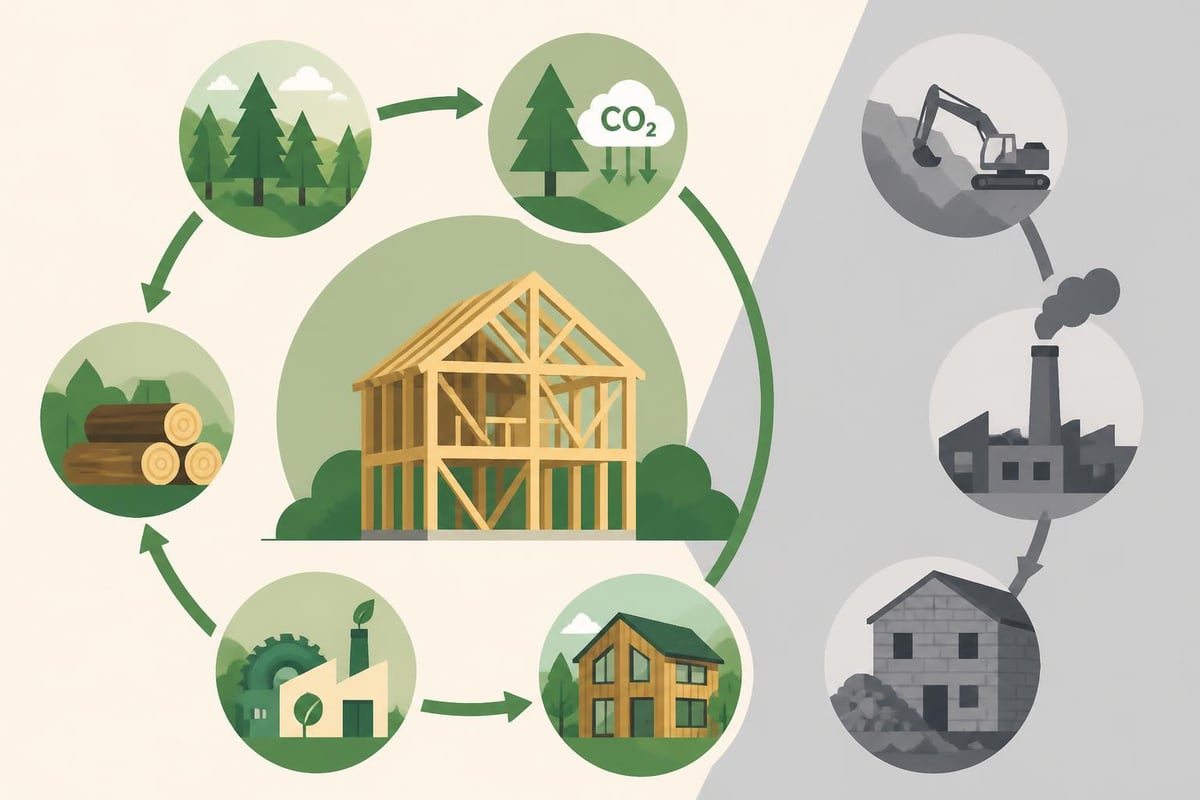
Environmental considerations increasingly influence construction decisions, with timber frame systems offering substantial sustainability advantages over alternative building methods. A Scotframe house stores significant quantities of carbon throughout its operational life, as timber acts as a carbon sink, locking atmospheric CO₂ within the building structure.
Responsibly sourced timber from certified sustainable forests ensures new growth replaces harvested material, creating a renewable cycle that contrasts favourably with energy-intensive materials like concrete and steel. The manufacturing process for timber products requires substantially less energy than producing equivalent quantities of masonry materials.
Environmental Performance Metrics
- Embodied carbon: 40-60% lower than equivalent masonry construction
- Operational energy: Superior insulation performance reducing lifetime heating requirements
- Material recyclability: Timber components can be reclaimed and repurposed at end of life
- Waste reduction: Precise manufacturing minimises off-cuts and construction waste
- Air quality: Natural materials contribute to healthier indoor environments
The principles behind wooden frame construction align closely with contemporary sustainability objectives, supporting efforts to reduce construction industry carbon emissions whilst delivering comfortable, healthy living environments.
Regulatory Compliance and Building Standards
All Scotframe houses must comply with UK Building Regulations, planning requirements, and relevant construction standards. The systematic manufacturing approach facilitates regulatory compliance, as standardised details and tested assemblies provide predictable performance characteristics that satisfy building control requirements.
Structural calculations completed by chartered engineers ensure adequate load-bearing capacity, whilst thermal modelling demonstrates compliance with Part L energy efficiency requirements. Acoustic performance, fire resistance, and accessibility standards all receive careful consideration during the design development phase.
Working with experienced professionals familiar with timber frame construction proves invaluable when navigating the regulatory landscape. Understanding requirements for timber frame home UK projects ensures applications progress smoothly through approval processes without costly delays or redesign requirements.
Maintenance and Long-Term Durability
Properly constructed and maintained timber frame buildings demonstrate exceptional longevity, with numerous examples surviving several centuries. A Scotframe house benefits from modern preservative treatments, moisture management strategies, and protective finishes that enhance durability beyond historical precedents.
Regular maintenance focuses primarily on external finishes rather than structural elements, with painted timber cladding requiring redecoration every 5-8 years and render finishes lasting 20-30 years before requiring attention. Internal structures remain protected from moisture and degradation, ensuring structural performance continues indefinitely when basic maintenance schedules are followed.
Monitoring and addressing potential moisture ingress represents the single most important maintenance consideration, as sustained water exposure can compromise timber performance over time. Properly designed ventilation strategies, adequate overhangs, and appropriate detailing around windows and doors prevent moisture accumulation and associated deterioration.
Alternative Timber Frame Approaches
Whilst Scotframe represents one established approach to timber frame construction, alternative methods exist that may suit specific project requirements or design preferences. Traditional oak framed homes utilise larger section timbers in post-and-beam configurations, creating distinctive exposed timber features whilst providing structural support.
These traditional timber framing techniques offer different aesthetic possibilities and construction experiences compared to modern panel systems. The visible timber work creates character-rich interiors that appeal to those seeking properties with traditional craftsmanship evident throughout the building.
Hybrid approaches combining different construction methods also merit consideration, with timber frame hybrid house designs integrating masonry, steel, or concrete elements alongside timber components to achieve specific performance characteristics or architectural effects.
Future Developments in Timber Frame Construction
The timber frame construction sector continues evolving, with ongoing developments in materials technology, manufacturing processes, and design methodologies. Advanced insulation materials promise even better thermal performance, whilst improved moisture management systems enhance durability and reduce maintenance requirements.
Digital design tools enable increasingly sophisticated architectural expression whilst maintaining structural efficiency and cost-effectiveness. Building Information Modelling (BIM) integration facilitates coordination between design disciplines, reducing errors and improving construction efficiency.
Prefabrication levels continue increasing, with some manufacturers now producing complete room modules incorporating finished surfaces, installed services, and fitted fixtures. This advancement towards volumetric construction further reduces on-site work whilst maintaining the quality advantages of factory production.
Choosing a Scotframe house offers numerous advantages including superior energy efficiency, reduced construction timelines, design flexibility, and environmental sustainability compared to traditional building methods. These benefits combine to create comfortable, cost-effective homes that meet contemporary performance standards whilst accommodating diverse architectural preferences. Whether you're considering a complete new build or exploring alternatives, Acorn to Oak Framing brings extensive expertise in timber frame construction, combining traditional craftsmanship with modern techniques to deliver bespoke structures throughout the UK. Contact our specialist team to discuss how timber framing can transform your building project into a sustainable, beautiful reality.


