
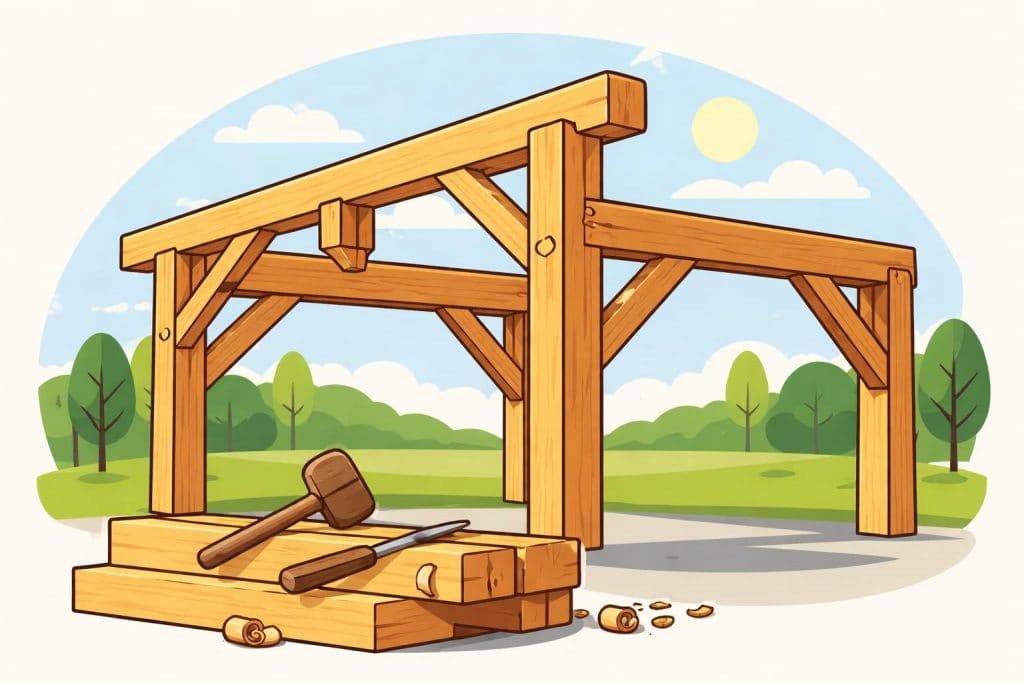
Understanding timber frame building construction details is essential for anyone considering a bespoke timber structure, whether it's a residential home, garage, or garden building. This traditional construction method has evolved over centuries, combining time-honoured craftsmanship with contemporary engineering principles to create structures that are both beautiful and structurally sound. From the selection of sustainably sourced oak to the precise execution of mortise and tenon joints, every detail contributes to the longevity and performance of the finished building. This comprehensive guide explores the critical elements that define quality timber frame construction in 2026.
Foundation and Base Plate Connections
The relationship between timber frame structures and their foundations represents one of the most crucial timber frame building construction details. Proper foundation design ensures structural stability and protects the timber from ground moisture.
A well-designed foundation system typically includes a concrete plinth or dwarf wall that elevates the timber frame above ground level. This separation prevents direct contact with soil moisture and reduces the risk of decay. The minimum recommended height is 150mm, though many specialists advocate for 225mm or higher to provide additional protection.
Base Plate Installation Methods
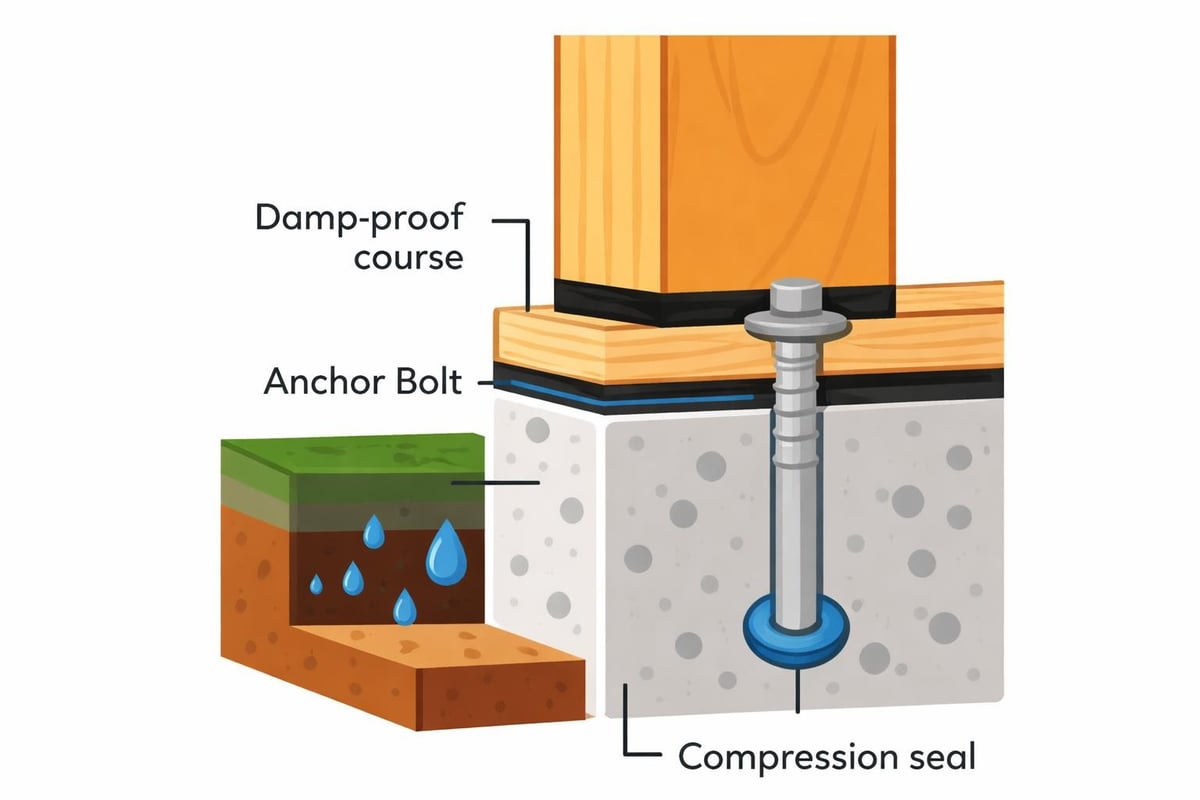
The connection between the foundation and timber frame requires careful attention to several key factors:
- DPC (damp-proof course) installation beneath all timber elements
- Stainless steel anchor bolts or chemical fixings at regular intervals
- Compression seals to accommodate seasonal timber movement
- Ventilation gaps to promote airflow around the base of the frame
Modern construction often incorporates a sole plate system where a treated softwood base plate is fixed to the foundation, with the oak frame sitting on top. This approach, detailed in resources about timber frame wall construction, protects the valuable oak timber from potential moisture ingress whilst providing a level surface for frame erection.
| Foundation Type | Advantages | Typical Applications |
|---|---|---|
| Concrete slab | Even load distribution, moisture barrier | Residential buildings, larger structures |
| Dwarf wall | Excellent ventilation, traditional aesthetic | Garages, garden buildings |
| Piled foundation | Suitable for difficult ground conditions | Sloped sites, poor soil |
Traditional Joinery Systems
At the heart of timber frame building construction details lies the joinery system that holds the structure together. Traditional oak framing relies primarily on mortise and tenon joints, secured with oak pegs rather than metal fixings.
Primary Joint Types
The mortise and tenon joint remains the gold standard in timber framing. This connection involves cutting a projecting tenon on one timber member that fits precisely into a rectangular mortise cut into the receiving member. The joint is then secured with wooden pegs, creating a mechanical connection that strengthens over time as the timber seasons.
Variations include:
- Through tenon – extends completely through the mortise, visible on the exterior
- Stopped tenon – terminates within the mortise for a concealed connection
- Tusk tenon – includes a wedge for additional security in horizontal members
- Double tenon – uses two smaller tenons for wider members requiring greater strength
Lap joints serve specific purposes in timber framing, particularly where members cross at angles. The scarf joint allows builders to join two timbers end-to-end, effectively extending the length whilst maintaining structural integrity. These joints require exceptional precision, as they must transfer loads across the connection whilst resisting both tension and compression forces.
The American Wood Council provides detailed information on various timber framing techniques and their structural applications, which can be valuable for understanding the engineering principles behind traditional joinery.
Principal Frame Components
Understanding the individual structural elements is fundamental to grasping timber frame building construction details. Each component serves a specific purpose within the overall framework.
Posts form the vertical elements of the structure, transferring roof and floor loads down to the foundations. Principal posts typically measure between 150mm x 150mm and 200mm x 200mm in section, depending on the span and load requirements. Wall posts may be lighter, whilst corner posts often require additional material to accommodate joinery connections from multiple directions.
Beam and Plate Configuration
Horizontal members include wall plates, tie beams, and braces. Wall plates sit atop the posts, forming the upper perimeter of each floor level and providing a continuous surface for roof structures or upper floors. Tie beams span between opposing wall plates, resisting the outward thrust of the roof structure.
The timber buildings constructed by specialists like Acorn to Oak Framing showcase how these elements work together in various configurations, from simple single-bay structures to more complex multi-bay designs.
| Component | Function | Typical Dimensions |
|---|---|---|
| Principal Post | Vertical load transfer | 150mm x 150mm to 200mm x 200mm |
| Wall Plate | Perimeter beam, roof support | 125mm x 175mm to 150mm x 200mm |
| Tie Beam | Lateral restraint, floor support | 150mm x 200mm to 200mm x 250mm |
| Braces | Diagonal stability, wind resistance | 100mm x 100mm to 125mm x 150mm |
Bracing and Structural Stability
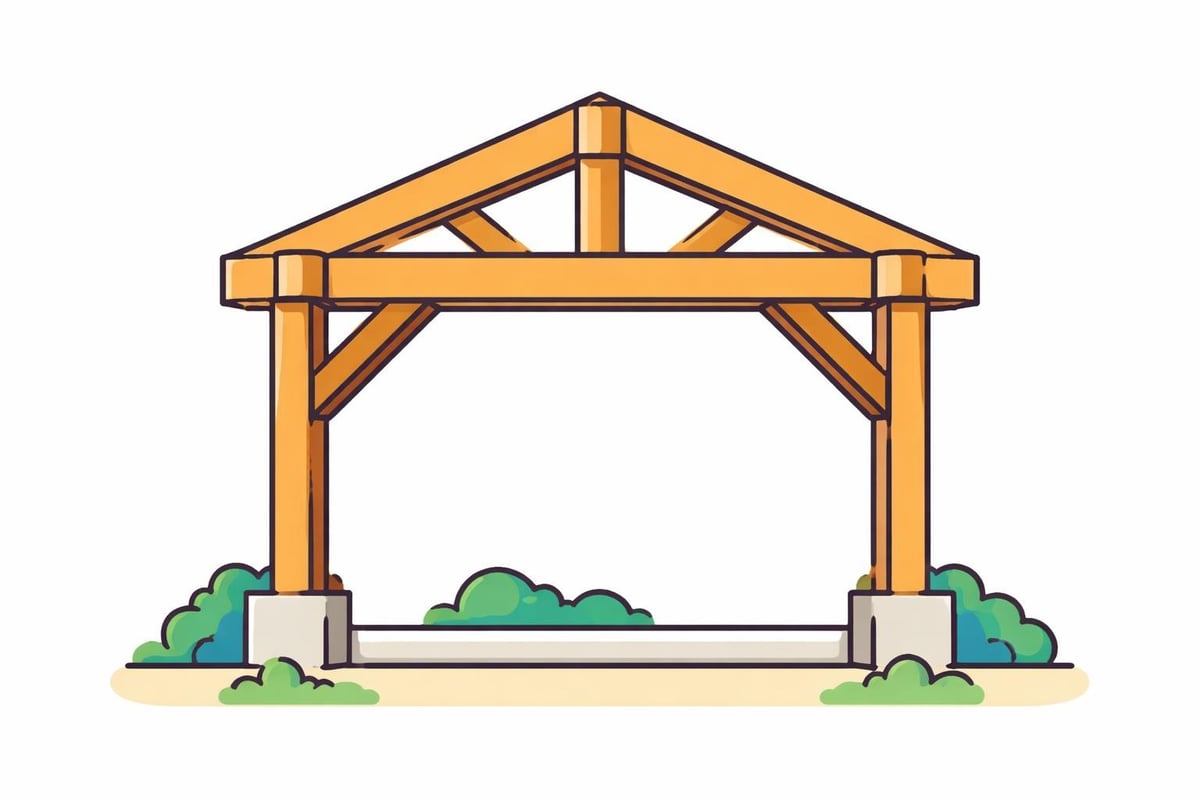
Diagonal bracing represents one of the most critical timber frame building construction details for ensuring structural integrity against lateral forces. Wind loads and racking forces would cause an unbraced rectangular frame to deform, but properly positioned braces create rigid triangles that resist movement.
Braces typically run at angles between 45 and 60 degrees from horizontal, though the exact angle depends on the frame geometry and architectural requirements. These members connect from a post to a beam or plate, usually secured with mortise and tenon joints at both ends.
Bracing Patterns and Placement
- Tension bracing – oriented to resist uplift and suction forces
- Compression bracing – designed to transfer downward and inward loads
- Curved braces – traditional aesthetic feature whilst providing structural support
- Cross bracing – diagonal members in opposing directions for enhanced stability
The Wikipedia article on timber framing provides historical context for how bracing patterns have evolved across different cultures and architectural traditions, many of which remain relevant in contemporary construction.
Contemporary building regulations require engineers to calculate precise loading conditions and specify bracing accordingly. For most residential timber frames in the UK, this means incorporating bracing in the end walls and at regular intervals along longer elevations.
Roof Structure Integration
The roof system must integrate seamlessly with the timber frame below, creating weather-tight connections whilst allowing for timber movement. Timber frame building construction details for roof structures vary depending on whether the building uses traditional raftered construction or modern engineered solutions.
Traditional Raftered Roofs
In traditional construction, common rafters span from the wall plate to a central ridge beam or ridge board. These rafters typically measure 100mm x 75mm to 125mm x 100mm, spaced at 400mm to 600mm centres depending on roof covering weight and snow load calculations.
Principal rafters occur at each major frame division, often larger in section and integrated directly into the timber frame through joinery connections. Purlins run horizontally between principal rafters, supporting the common rafters and reducing their effective span.
For structures requiring wider spans, collar ties connect opposing rafters at a high level, reducing the effective rafter length and preventing spread. These must be carefully positioned to maintain adequate headroom whilst providing structural benefit.
- Fix wall plates securely to the timber frame
- Mark out rafter positions at regular centres
- Cut birdsmouth joints where rafters meet wall plates
- Install principal rafters at major frame divisions
- Position and secure purlins to support common rafters
- Install collar ties where span or load requires additional support
- Add ridge board or ridge beam to cap the roof structure
Insulation and Weatherproofing Systems
Modern timber frame building construction details must address thermal performance requirements specified in UK Building Regulations Part L. Achieving these standards whilst maintaining the character of traditional timber frames requires careful planning and execution.
Insulation Strategies
Between-member insulation fills the spaces between posts and studs, typically using natural materials like sheep's wool, wood fibre, or hemp. These materials offer good thermal performance whilst allowing vapour permeability, essential for preventing moisture accumulation within the wall build-up.
External insulation wraps the outside of the timber frame, providing continuous coverage without thermal bridges. This approach, increasingly popular in low-energy construction, positions rigid insulation boards outside the structural frame, covered by a weather-resistant cladding system.
The comprehensive timber construction guide published by the American Institute of Timber Construction includes extensive information on insulation detailing for timber structures, applicable to UK construction with appropriate adjustments for local climate and regulations.
| Insulation Type | Thermal Performance | Vapour Permeability | Cost |
|---|---|---|---|
| Sheep's wool | 0.038 W/mK | Excellent | Medium-High |
| Wood fibre | 0.038-0.040 W/mK | Very good | Medium |
| Hemp | 0.040 W/mK | Very good | Medium |
| Rigid foam | 0.022-0.028 W/mK | Poor | Low-Medium |
Breathable Membrane Installation
All timber frame structures require weather-resistant membranes to protect against wind-driven rain whilst allowing moisture vapour to escape. Modern breathable membranes replace traditional roofing felts, offering superior performance and compatibility with natural insulation materials.
Installation requires careful attention to overlaps, typically 150mm minimum, with all joints taped to prevent air infiltration. The membrane must be installed with a slight sag between supports to accommodate thermal movement without tearing.
Window and Door Opening Details
Creating openings within timber frames requires specific timber frame building construction details to maintain structural integrity whilst providing functional access and natural light. Unlike stud frame construction, traditional timber framing typically incorporates openings within the primary structural grid.
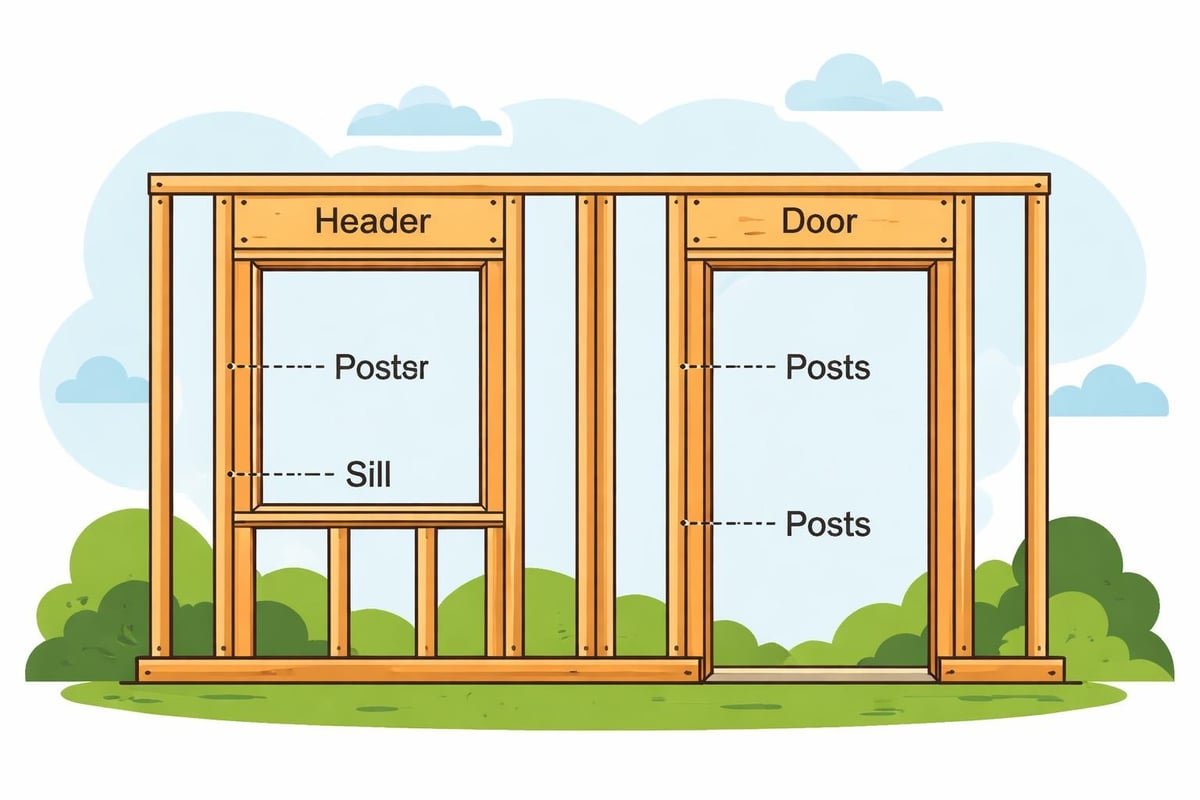
Headers above openings transfer loads around the opening to adjacent posts. These horizontal members must be sized appropriately for the span and applied loads, often requiring larger sections than standard beams. Where architectural requirements demand wider openings than the standard frame spacing allows, engineered solutions include steel flitches or laminated timber beams.
Sill details at the base of windows require particular attention to prevent water ingress. The timber sill should project beyond the face of the wall below, incorporating a drip groove on the underside to prevent water from tracking back to the wall. A damp-proof course beneath the sill provides additional protection.
Door frames integrate into the timber structure, with posts on either side providing fixings for hinges and strike plates. The threshold detail must accommodate both structural loads and weatherproofing requirements, typically incorporating a hardwood or oak threshold secured to the floor structure with a weather seal beneath.
Cladding and External Finishes
The external envelope protects the timber frame from weather exposure and defines the building's aesthetic character. Timber frame building construction details for cladding systems must accommodate timber movement, provide ventilation, and create durable weather protection.
Ventilated Cladding Systems
A ventilated cavity between the weather-resistant membrane and external cladding promotes air circulation, removing moisture and preventing condensation. Vertical battens, typically 38mm x 50mm treated softwood, create this cavity whilst providing fixing points for the cladding material.
Horizontal counter-battens may be added if vertical cladding boards are desired, creating a cross-battened system that maintains the ventilation cavity. All battens should incorporate insect mesh at the base and eaves ventilation grilles to maintain airflow whilst preventing pest access.
Cladding materials range from traditional options to contemporary solutions:
- Feather-edge boarding – overlapping boards in traditional style
- Shiplap cladding – interlocking boards with rebated edges
- Oak weatherboarding – premium appearance matching the frame timber
- Cedar shingles – naturally durable with attractive weathered finish
- Fibre cement boards – low-maintenance modern alternative
The specialist knowledge required for these details makes working with experienced timber frame builders essential. Companies like Acorn to Oak Framing bring decades of expertise to ensure every connection, joint, and interface performs as intended.
Floor Structure and Decking
For multi-storey timber frame buildings or structures with raised floors, the floor system integration represents important timber frame building construction details. Floor joists typically span between wall plates or internal beams, sized according to span tables in the wood construction data resources provided by industry bodies.
Joist Spacing and Support
Standard joist spacing ranges from 400mm to 600mm centres, matching common insulation and boarding widths. Joists bear onto wall plates or beams, with a minimum bearing length of 75mm to ensure adequate load transfer. Joist hangers provide an alternative fixing method where direct bearing isn't possible due to frame geometry.
Trimming around openings for stairs or services requires doubled or tripled joists to carry the redirected loads. These trimmer joists connect to trimming joists that support the cut ends of the common joists, creating a stable frame around the opening.
Flooring materials influence the overall floor depth and acoustic performance. Traditional tongue-and-groove floorboards provide an authentic appearance, whilst modern engineered timber panels offer dimensional stability and rapid installation.
Services Integration
Modern buildings require electrical, plumbing, and heating services, and these must be integrated into the timber frame without compromising structural elements. Timber frame building construction details for services installation require careful coordination during design and construction phases.
Electrical cables typically run within the depth of secondary stud walls or insulation layers, avoiding penetration of primary structural members. Where cables must pass through timbers, holes should be drilled in non-critical locations, never exceeding one-quarter of the timber depth.
Plumbing installations present greater challenges due to pipe diameters and the risk of leaks. Where possible, plumbing should be concentrated in service cores, running vertically within designated voids rather than horizontally through structural zones. Any horizontal pipe runs through structural timbers require metal collar protection and should be positioned in the neutral axis where bending stresses are minimal.
Heating systems in timber frame buildings increasingly use underfloor heating, which integrates well with the floor structure. Pipework sits within the floor depth, covered by insulation and the finished floor surface, providing efficient and even heat distribution.
Taking care of your wellbeing whilst working on construction projects is just as important as the structural details. Onesociety.co.uk offers all-natural men's grooming products that care for your skin, hair, and beard, helping you maintain professional standards in both your work and personal presentation throughout demanding projects.
Fire Protection Considerations
UK Building Regulations Part B specifies fire resistance requirements for structural elements based on building type, occupancy, and height. Timber frame building construction details must incorporate appropriate fire protection measures to achieve the required resistance periods.
Exposed timber frames in single-storey buildings or specific room types may satisfy regulations through the inherent fire resistance of large-section timbers. Oak timbers 100mm or greater in least dimension char at predictable rates, maintaining structural capacity for extended periods.
For buildings requiring higher fire resistance ratings, protection methods include:
- Intumescent coatings – expand when heated to insulate the timber
- Fire-resistant boarding – plasterboard or specialist boards encasing the frame
- Sprinkler systems – active fire suppression reducing structural demands
- Compartmentation – dividing the building to contain fire spread
The design must also address cavity barriers, preventing concealed spaces from acting as flues that accelerate fire spread. Fire-stopping materials seal all junctions and penetrations, maintaining the integrity of fire-resistant elements.
Quality Control and Building Regulations
Ensuring that timber frame building construction details meet the required standards involves systematic quality control throughout the construction process. UK Building Regulations approval requires submission of detailed drawings and structural calculations, typically prepared by chartered engineers with timber frame expertise.
Site inspections at key stages verify compliance with approved drawings and specifications. Foundation inspections confirm correct positioning and installation before the frame arrives. Frame erection inspections ensure proper assembly, joint execution, and bracing installation. Final inspections before covering work verify that all structural elements, insulation, and fire protection measures meet requirements.
Timber quality assessment includes visual grading or machine grading to confirm structural adequacy. For oak frames, most specialists use sustainably sourced European oak, graded according to British Standards. The timber must be appropriately dried or specified to account for subsequent moisture movement.
Documentation throughout the project creates an audit trail demonstrating compliance. This includes material certificates, engineer's calculations, inspection reports, and photographic records of concealed work before covering.
The intricate timber frame building construction details explored in this guide demonstrate why traditional craftsmanship combined with modern engineering creates structures of exceptional quality and longevity. Every connection, from foundation anchors to roof integration, contributes to the overall performance and character of the finished building. Whether you're planning a bespoke timber garage, garden structure, or residential project, partnering with specialists who understand these details ensures your investment delivers lasting value. Acorn to Oak Framing brings together traditional skills and contemporary knowledge to create stunning timber frame buildings across the UK, with each project benefiting from meticulous attention to every construction detail.


