
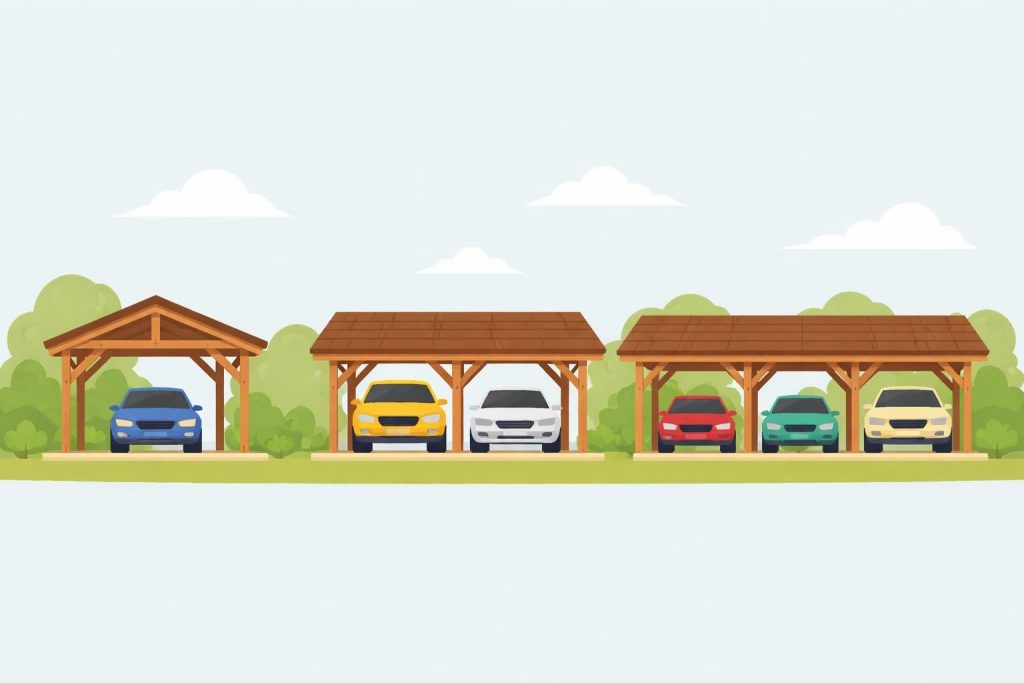
Finding the perfect wooden carports for sale requires understanding the nuances of timber construction, design flexibility, and long-term value. As property owners increasingly seek sustainable and aesthetically pleasing solutions for vehicle protection, timber carports have emerged as a premium choice that combines functionality with natural beauty. Whether you're looking to protect a classic car collection or simply need reliable shelter for daily vehicles, the right wooden carport can transform your property whilst delivering decades of service. This comprehensive guide explores everything you need to know about selecting, customising, and investing in quality wooden carport structures in 2026.
Understanding Wooden Carport Construction Methods
The construction quality of wooden carports for sale varies significantly based on the techniques and materials employed. Traditional timber frame construction represents the pinnacle of durability and craftsmanship, using mortise and tenon joints secured with oak pegs rather than metal fasteners. This method creates structures that can withstand British weather conditions for generations whilst developing an attractive patina over time.
Modern approaches often incorporate timber frame wall construction principles adapted for open-sided structures. The framework typically consists of substantial posts, beams, and rafters that distribute loads evenly across the foundation. Premium manufacturers use sustainably sourced hardwoods like oak, which offers exceptional strength-to-weight ratios and natural resistance to decay.
Key Structural Components
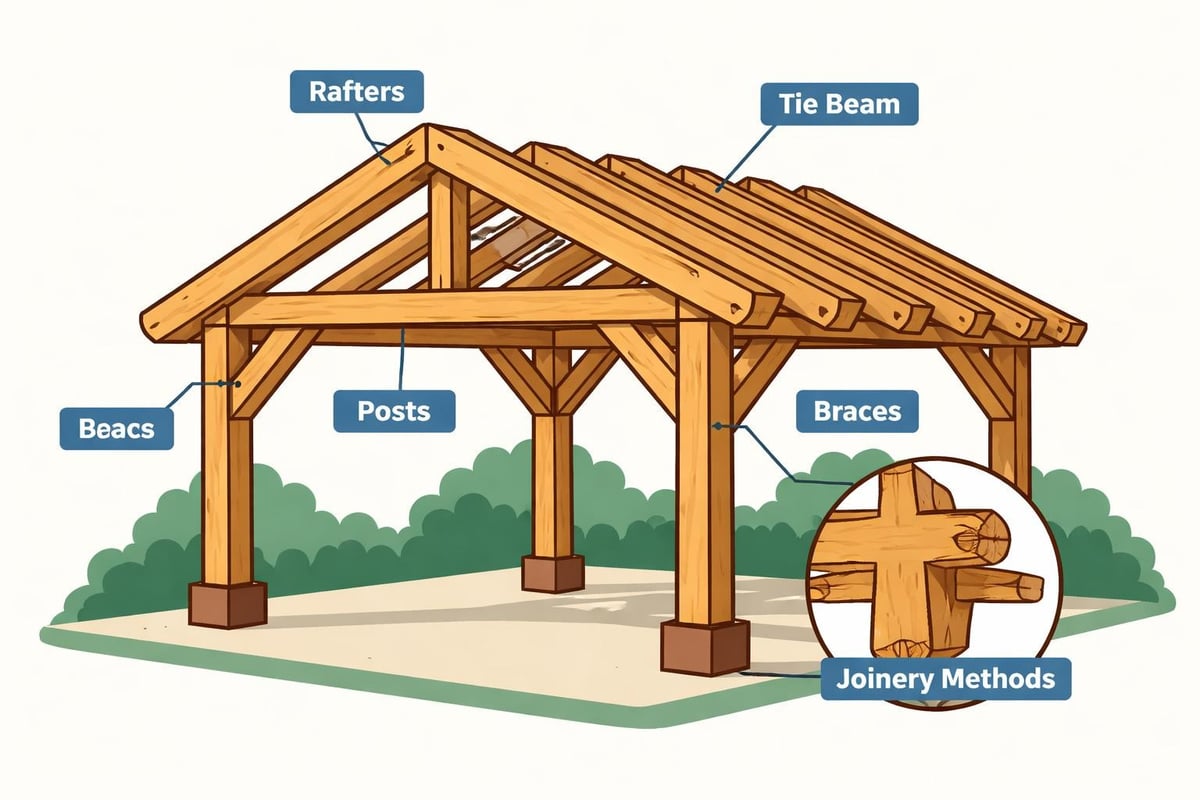
Understanding the anatomy of a well-built wooden carport helps evaluate options effectively:
- Primary posts: Vertical support columns, typically 150mm x 150mm or larger in oak
- Tie beams: Horizontal members connecting posts at eaves level
- Rafters: Sloped roof supports determining pitch and overhang
- Braces: Diagonal elements providing lateral stability
- Roof covering: Cedar shingles, slate, or tiles complementing the timber frame
The joinery quality fundamentally determines structural integrity. Hand-cut joints demonstrate superior craftsmanship compared to machine-cut alternatives, ensuring tighter fits that improve over time as timber settles naturally.
Types and Configurations Available
Wooden carports for sale come in numerous configurations to suit different properties and requirements. Bay buildings offer modular flexibility, with single bays protecting one vehicle and multiple bays accommodating several cars or creating combined storage spaces.
| Configuration | Typical Dimensions | Vehicles | Best Use Case |
|---|---|---|---|
| Single Bay | 3m x 6m | 1 car | Compact gardens, single vehicle households |
| Double Bay | 6m x 6m | 2 cars | Family homes, standard driveways |
| Triple Bay | 9m x 6m | 3 cars | Larger properties, mixed use (vehicles + storage) |
| Raised Eaves | Custom | Variable | Commercial use, taller vehicles, workshop space |
Open-sided designs provide maximum ventilation, reducing condensation and protecting vehicles from the elements whilst maintaining air circulation. This design proves particularly beneficial for classic car storage where moisture control is paramount. Semi-enclosed versions incorporate partial walls on one or more sides, offering additional weather protection and security options.
Raised eaves buildings deliver enhanced headroom, making them ideal for motorhomes, commercial vehicles, or properties where the carport doubles as a covered workshop area. These structures typically feature eaves heights of 2.7m or greater compared to standard 2.1m configurations.
Design Variations Worth Considering
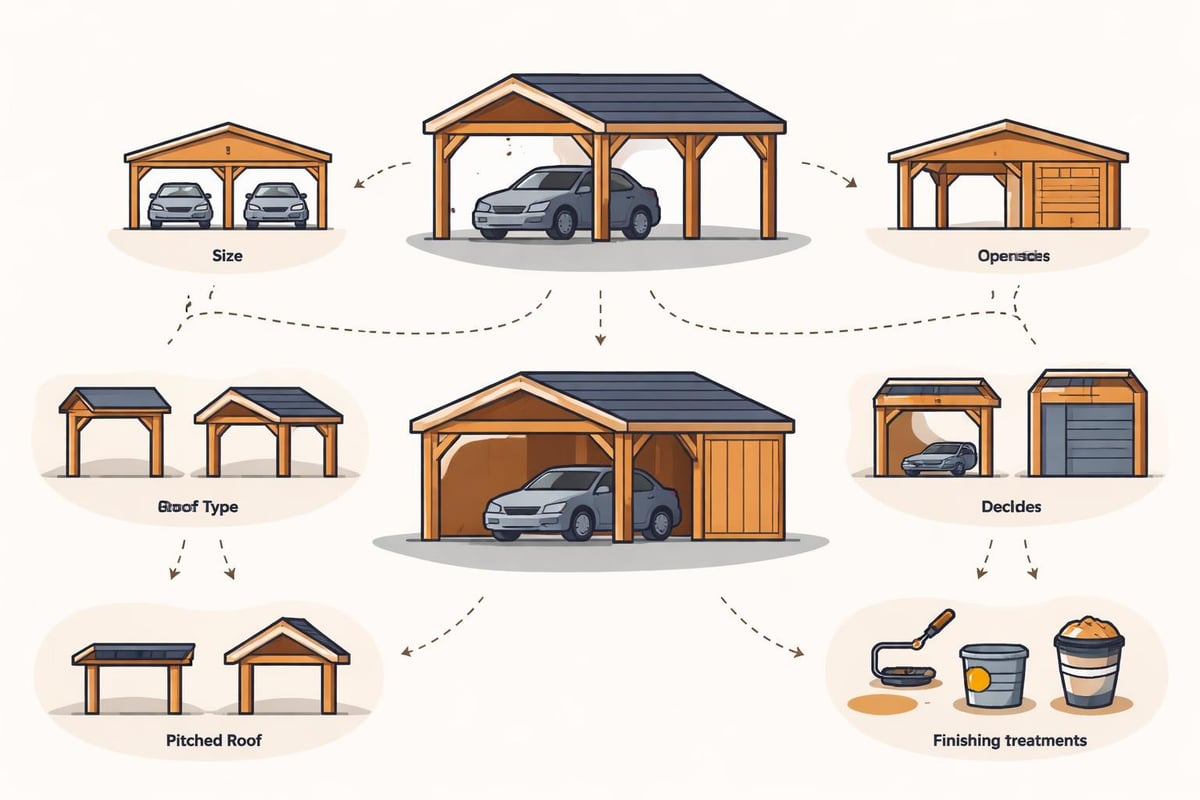
The diversity of wooden carport designs extends beyond basic dimensions. Gable-end designs create a traditional pitched roof profile with triangular end frames, whilst hipped roofs slope on all four sides for a more contemporary aesthetic. Mono-pitch configurations suit properties where the carport attaches to existing buildings, creating covered walkways alongside vehicle protection.
Decorative elements distinguish premium wooden carports from basic structures. Curved braces add visual interest whilst reinforcing structural stability. Carved finials on post caps, decorative barge boards, and turned balusters transform functional structures into architectural features that enhance property value.
Material Selection and Quality Indicators
The timber species fundamentally determines longevity and performance of wooden carports for sale. European oak stands as the premium choice for British climates, offering natural durability that improves with age. This hardwood contains tannins that provide inherent resistance to fungal decay and insect damage without requiring chemical treatments.
Key quality indicators include:
- Growth ring density: Tighter rings indicate slower growth and denser, stronger timber
- Moisture content: Properly seasoned oak should measure 18-22% for external use
- Sapwood proportion: Minimal sapwood (lighter outer layer) ensures durability
- Cutting method: Quarter-sawn timber shows superior stability compared to plain-sawn alternatives
Douglas fir and Western red cedar offer mid-range alternatives with natural preservative oils, though they lack oak's exceptional longevity. Pressure-treated softwoods represent the economy option but require regular maintenance and typically show shorter service lives. According to Popular Mechanics’ carport reviews, material quality directly correlates with total cost of ownership over decades.
Grading and Certification
Reputable suppliers provide timber grading certificates confirming structural properties. C24 grading indicates high-strength softwood suitable for load-bearing applications, whilst oak is typically supplied as QP1 or QP2 grade. FSC or PEFC certification guarantees sustainable forestry practices, an increasingly important consideration for environmentally conscious buyers.
The finishing applied to timber also affects performance. Untreated oak develops a silver-grey patina over several years whilst maintaining structural integrity. Pre-treated options use breathable oils or stains that preserve the natural appearance whilst accelerating weather resistance. Avoid impermeable coatings that trap moisture within the timber, causing premature deterioration.
Customisation Options and Personalisation
Premium wooden carports for sale offer extensive customisation possibilities that standardised metal alternatives cannot match. Bespoke sizing ensures perfect integration with existing architecture and site constraints, rather than compromising with predetermined dimensions. Specialist manufacturers like those offering bespoke timber products can create structures tailored precisely to individual requirements.
Roof coverings significantly impact both aesthetics and functionality:
- Cedar shingles: Traditional appearance, excellent weather performance, 25-40 year lifespan
- Clay tiles: Superior durability, maximum weather protection, complements period properties
- Slate: Premium option with 75+ year longevity, substantial weight requires robust framework
- Sedum roofs: Living roofs providing insulation and biodiversity benefits for eco-conscious buyers
Side configurations range from completely open designs maximising airflow to partially enclosed versions incorporating storage areas. Some buyers integrate oak garage doors on one or more bays, creating secure storage spaces within the carport structure. This hybrid approach delivers flexibility for mixed-use applications.
Integrated Features and Additions
Modern wooden carports extend far beyond simple vehicle shelter. Integrated lighting systems using low-voltage LED fixtures create safe access during evening hours. Rainwater harvesting systems connected to guttering provide sustainable water collection for garden use. Some designs incorporate charging points for electric vehicles, future-proofing the structure as automotive technology evolves.
Storage solutions integrated within the carport framework maximise space efficiency. Wall-mounted racks, overhead storage platforms, and built-in shelving transform unused vertical space into practical storage areas. Timber buildings can incorporate workshop areas, creating multi-functional spaces that serve multiple purposes throughout the year.
Planning Permissions and Building Regulations
Understanding regulatory requirements prevents costly mistakes when purchasing wooden carports for sale. In England, carports typically fall under permitted development rights, allowing construction without planning permission if specific criteria are met. The structure must not exceed 2.5m in height if within 2m of a boundary, and total outbuilding floor area cannot exceed 50% of the property's curtilage.
| Requirement | Standard Limit | Exceptions |
|---|---|---|
| Maximum height (pitched roof) | 4m | 2.5m within 2m of boundary |
| Maximum eaves height | 2.5m | None |
| Distance from dwelling | No minimum | Some councils specify separations |
| Site coverage | 50% of curtilage | Includes all outbuildings |
| Forward of principal elevation | Generally not permitted | May require full planning |
Listed buildings and conservation areas impose additional restrictions requiring planning consent regardless of size. Always verify requirements with your local planning authority before committing to purchase, as regulations vary between councils. Building control approval may be necessary for larger structures or those incorporating electrical installations.
Foundation Requirements and Site Preparation
Proper foundations prove critical for long-term stability. Wooden carports require level, well-drained bases capable of supporting the structure's weight and resisting ground movement. Concrete pad foundations offer the most robust solution, with depths of 100-150mm typically sufficient for single-storey carports on stable ground.
Post-in-ground installations embed primary posts directly into concrete-filled holes of at least 600mm depth. This traditional method suits period properties where visible foundations would appear incongruous. Steel post anchors fixed to concrete bases provide an alternative that simplifies future maintenance whilst preventing ground contact that can accelerate timber deterioration.
Cost Considerations and Value Analysis
Pricing for wooden carports for sale varies enormously based on size, materials, and construction quality. Budget pressure-treated softwood structures start around £2,500-£4,000 for single bays, though these typically require replacement within 10-15 years. Mid-range cedar or Douglas fir carports cost £5,000-£8,000 for comparable sizes with 20-30 year service expectations.
Premium oak-framed carports represent significant investments starting from £8,000 for basic single bays and extending to £25,000+ for elaborate multi-bay structures with raised eaves and custom features. However, these structures deliver multi-generational longevity, requiring minimal maintenance whilst appreciating aesthetically as the timber weathers naturally.
Total cost of ownership calculations should factor in:
- Initial purchase and installation costs
- Foundation and site preparation expenses
- Planning or building control fees (if applicable)
- Annual maintenance requirements and costs
- Expected service life before replacement
- Property value enhancement
According to Backyard Discovery’s wooden carport overview, premium timber structures can increase property values by 5-10% when well-integrated with existing architecture. This appreciation often exceeds the initial investment, making wooden carports sound financial decisions beyond their practical benefits.
Financing and Payment Options
Many specialist manufacturers offer flexible payment terms for larger projects. Deposit-then-balance arrangements typically require 30-50% upfront with the remainder due upon completion. Some suppliers provide finance options spreading costs over 12-60 months, making premium structures more accessible to budget-conscious buyers.
VAT considerations affect pricing significantly. Standard-rated VAT applies to carports, adding 20% to quoted prices unless the work qualifies for reduced rating under specific circumstances. Structures incorporated into new-build properties may benefit from reduced VAT rates, but retrospective additions to existing homes typically incur full VAT.
Installation Processes and Timelines
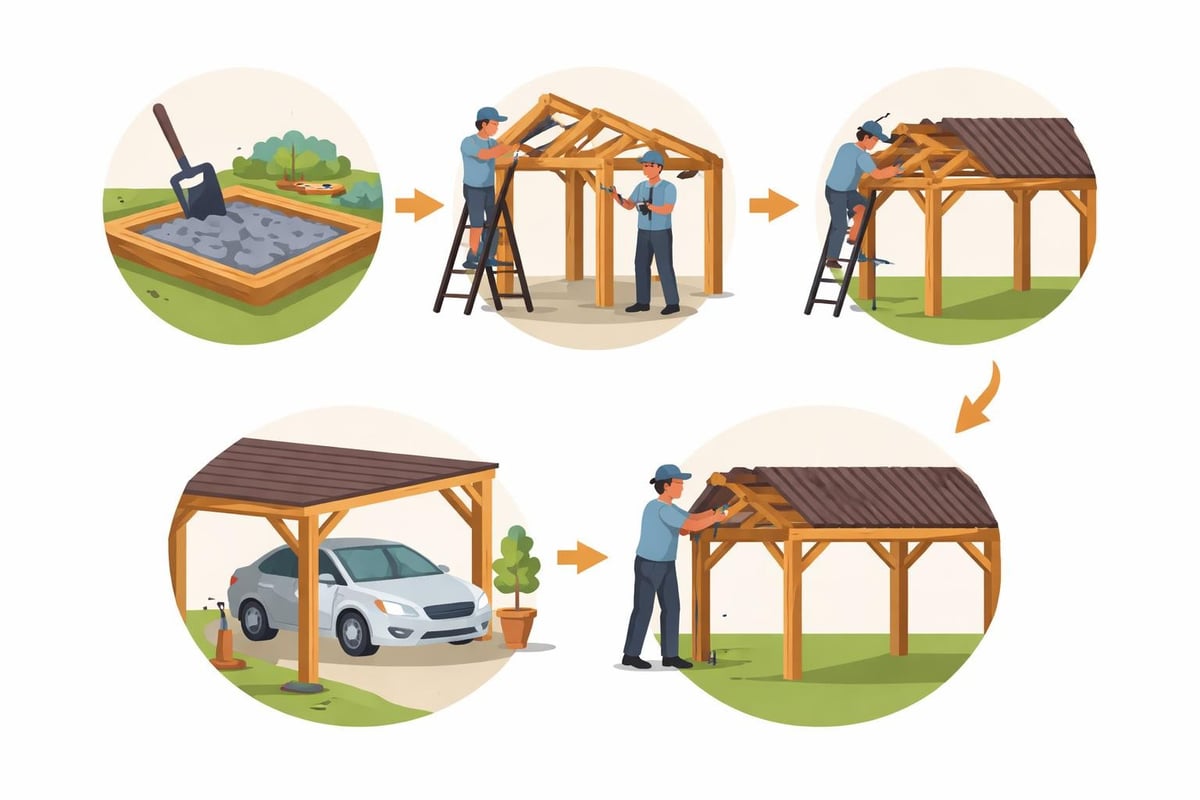
Professional installation of wooden carports for sale typically requires 2-5 days depending on complexity and size. Experienced timber framers work methodically to ensure accurate assembly and proper weatherproofing. The process begins with foundation verification, confirming level bases and correct post positions before any timber arrives on site.
- Foundation preparation and verification (completed before timber delivery)
- Primary frame assembly (posts, tie beams, and main structural elements)
- Roof frame installation (rafters, purlins, and bracing)
- Roof covering application (tiles, shingles, or chosen material)
- Final details and finishing (guttering, decorative elements, treatment application)
Self-build options exist for competent DIY enthusiasts, with some manufacturers offering timber building kits that include pre-cut, numbered components and detailed assembly instructions. These typically reduce costs by 30-40% compared to fully installed prices, though require significant time investment and basic carpentry skills.
Lead Times and Seasonal Considerations
Bespoke oak carports typically involve 8-16 week lead times from order confirmation to installation. This period includes design finalisation, timber sourcing and seasoning, cutting and joinery work, and delivery scheduling. Rushing this process compromises quality, particularly the critical timber seasoning phase that ensures dimensional stability.
Spring and early summer represent optimal installation periods when ground conditions facilitate foundation work and weather permits efficient assembly. Autumn installations prove viable but require careful scheduling to complete weatherproofing before winter precipitation intensifies. Winter installations face practical challenges from frozen ground, reduced daylight hours, and weather delays.
Maintenance Requirements and Longevity
Well-constructed wooden carports for sale require surprisingly modest maintenance when built from quality materials. Untreated oak structures need virtually no intervention beyond occasional inspections and keeping gutters clear. The timber naturally weathers to an attractive silvery-grey patina whilst maintaining full structural integrity for 50+ years.
Treated timber options require periodic re-application of protective coatings every 3-5 years. This involves cleaning the timber, allowing it to dry thoroughly, and applying breathable oils or stains that preserve the wood whilst allowing moisture transpiration. Neglecting this maintenance accelerates weathering and can reduce service life by 30-40%.
Annual maintenance checklist:
- Inspect joints for movement or gaps
- Clear gutters and drainage channels
- Check roof covering for damage or displaced elements
- Verify post bases remain dry and well-drained
- Remove debris accumulation that traps moisture
- Re-apply treatment (if using treated timber)
Structural timber develops natural splits called shakes as it seasons and responds to environmental conditions. These represent normal behaviour rather than defects, rarely affecting structural performance. Understanding this characteristic prevents unnecessary concern whilst distinguishing normal ageing from genuine structural issues requiring attention.
Comparing Wooden Carports to Alternatives
When evaluating wooden carports for sale against alternatives, multiple factors beyond initial cost warrant consideration. Metal carports offer lower upfront costs and faster installation but lack the aesthetic appeal and thermal performance of timber structures. Metal conducts temperature extremes, creating condensation issues that can damage vehicles, whilst timber moderates temperature fluctuations naturally.
| Feature | Wooden Carports | Metal Carports | Brick/Block Structures |
|---|---|---|---|
| Initial cost | Medium-High | Low-Medium | High |
| Aesthetic appeal | Excellent | Functional | Excellent |
| Lifespan (quality build) | 50+ years | 15-25 years | 75+ years |
| Maintenance | Low-Medium | Low | Low |
| Customisation | Extensive | Limited | Extensive |
| Installation time | 2-5 days | 1-2 days | 2-4 weeks |
| Planning requirements | Often permitted | Often permitted | Usually required |
Brick or block-built carports deliver maximum durability but require full planning permission in most cases, significantly increasing costs and timescales. These permanent structures suit properties where architectural formality matters most, whilst timber offers flexibility for properties where sympathetic integration with natural surroundings takes priority.
Environmental Considerations
Sustainably sourced wooden carports represent the most environmentally responsible choice amongst shelter options. Timber sequesters carbon throughout its service life, offsetting manufacturing emissions many times over. Responsible forestry ensures replacement planting exceeds harvest rates, creating renewable building materials with minimal environmental impact.
Metal alternatives require energy-intensive manufacturing processes with substantial carbon footprints. Whilst recyclable at end-of-life, the embodied energy exceeds timber equivalents by significant margins. Concrete and masonry structures similarly carry high environmental costs from material extraction, processing, and transportation.
Self-Care and Personal Maintenance
Whilst wooden carports protect your vehicles, maintaining your personal wellbeing deserves equal attention. After working on DIY projects or simply managing daily life, quality grooming products help you look and feel your best. OneSociety.co.uk offers all-natural men's grooming solutions designed to care for skin, hair, and beards without harsh chemicals. Their product range delivers effective results whilst respecting both your body and the environment, making them an excellent choice for the discerning gentleman who values quality and sustainability.
Selecting the Right Supplier
Choosing suppliers of wooden carports for sale requires careful evaluation beyond price comparisons. Established manufacturers with proven track records demonstrate their quality through extensive portfolios showcasing completed projects. Request site visits to inspect previous installations, examining joinery quality, timber condition, and overall craftsmanship standards.
Evaluation Criteria for Suppliers
- Experience duration: Minimum 10+ years in timber frame construction
- Portfolio quality: Diverse range of completed projects demonstrating versatility
- Timber sourcing: Transparent supply chains with certification evidence
- Warranty coverage: Comprehensive guarantees (10+ years structural for oak)
- Building regulation compliance: Demonstrated knowledge and adherence
- Customer testimonials: Verified reviews from recent clients
Suppliers offering complete product ranges from single bays to complex multi-bay structures demonstrate capabilities and commitment to timber construction. Specialists focusing exclusively on timber framing typically deliver superior results compared to general builders offering carports as secondary services.
Communication quality during the quotation phase indicates the working relationship throughout the project. Responsive suppliers providing detailed answers to technical questions demonstrate professionalism and expertise. Hesitation or vague responses to straightforward queries often signal inadequate experience or concerning business practices.
Design Integration with Existing Architecture
Successfully integrating wooden carports for sale with existing properties requires careful architectural consideration. The carport should complement rather than compete with the main dwelling, using sympathetic proportions, materials, and details. Period properties benefit from traditional oak frames incorporating historical joinery techniques, whilst contemporary homes suit cleaner lines with simplified detailing.
Roof pitch matching creates visual harmony between carport and dwelling. Standard 30-35 degree pitches suit most British properties, though steeper pitches complement Victorian architecture whilst shallower angles suit mid-century designs. The roof covering should coordinate with existing buildings, using matching or complementary materials that create cohesive aesthetics.
Positioning determines both practical functionality and visual impact. Carports located perpendicular to the house create defined outdoor rooms whilst maximising plot usage. Parallel arrangements along boundaries preserve central garden areas whilst providing convenient access. Gazebos and pergolas can extend the design language from carport to garden, creating unified landscape architecture.
Landscape Integration Strategies
Thoughtful landscaping softens carport structures whilst enhancing functionality. Climbing plants trained on posts or decorative trellis panels add seasonal interest without compromising structural integrity. Select non-invasive species like wisteria, roses, or clematis that won't damage timber or create excessive maintenance burdens.
Permeable paving under and around carports manages surface water sustainably whilst reducing puddles and mud transfer onto vehicles. Gravel, resin-bound aggregates, or permeable block paving allow rainfall to percolate naturally whilst providing stable, clean surfaces. Raised planters along carport edges define spaces whilst introducing greenery that softens the structure's visual impact.
Selecting the perfect wooden carport involves balancing aesthetic preferences, practical requirements, and budget considerations whilst ensuring long-term value. Quality timber construction delivers decades of reliable service, protecting vehicles whilst enhancing property appeal and value. If you're seeking a bespoke wooden carport built to exceptional standards using traditional craftsmanship and sustainably sourced oak, Acorn to Oak Framing combines expertise, attention to detail, and commitment to quality that transforms functional structures into architectural features you'll treasure for generations.


