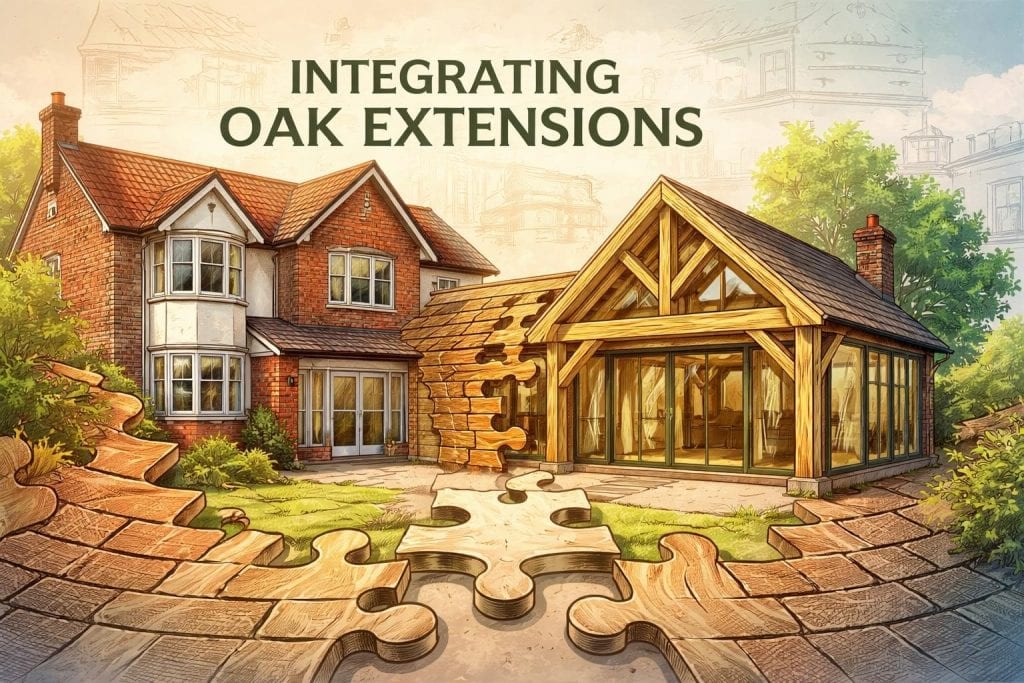
A wooden extension on house projects represents one of the most rewarding home improvement investments available to UK property owners in 2026. As demand for additional living space continues to grow, timber frame extensions offer a sustainable, aesthetically pleasing, and structurally sound solution that combines traditional craftsmanship with contemporary design principles. Whether you need extra space for a growing family, a home office, or simply wish to enhance your property's value, understanding the benefits and processes involved in timber construction will help you make informed decisions about your project.
Why Choose a Wooden Extension on House Projects
Timber frame construction has experienced a remarkable resurgence across the United Kingdom, driven by both environmental consciousness and appreciation for quality craftsmanship. Oak timber extensions particularly stand out for their durability, natural beauty, and ability to complement various architectural styles from period cottages to modern suburban homes.
The structural integrity of timber framing offers significant advantages over traditional brick and block construction. Oak timber, when properly sourced and treated, can last for centuries while requiring minimal maintenance. This longevity makes a wooden extension on house developments a wise financial investment that enhances property value substantially.
Environmental and Sustainability Benefits
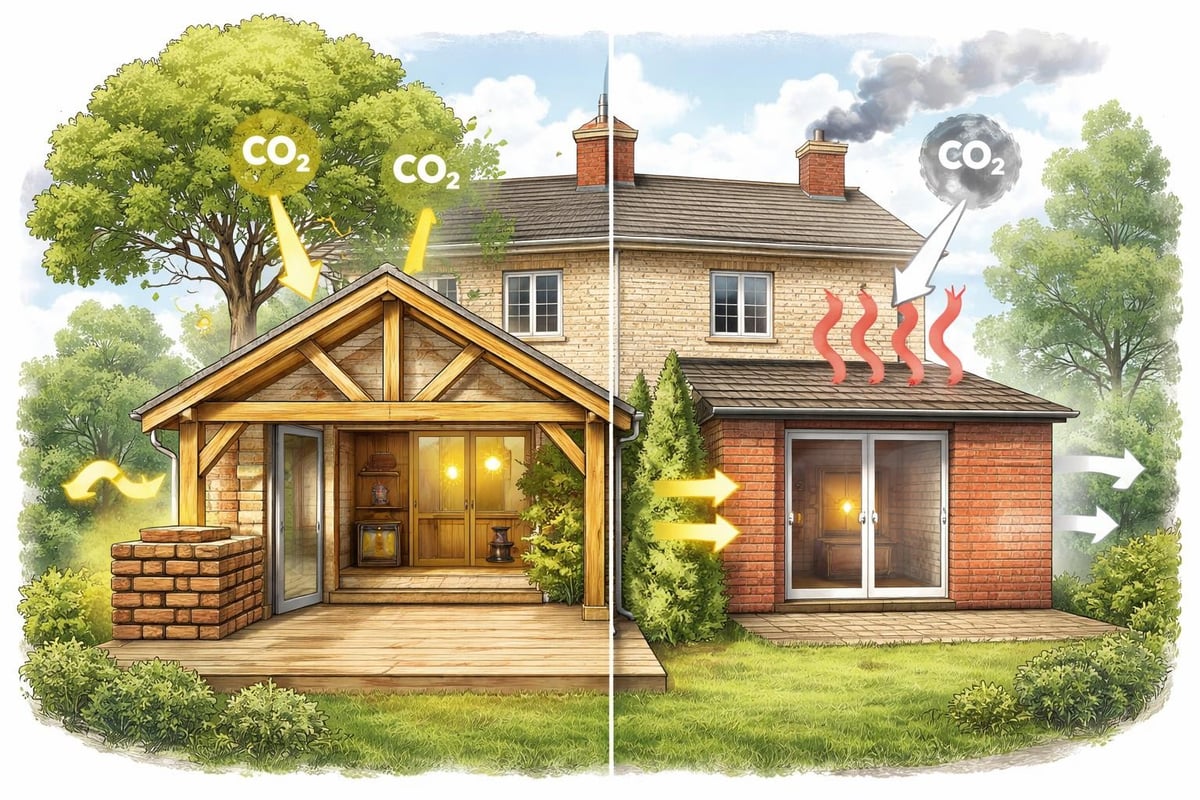
Choosing timber for your extension project delivers measurable environmental advantages:
- Carbon sequestration: Oak timber stores carbon throughout its lifespan, reducing your home's carbon footprint
- Renewable resource: Sustainably sourced timber represents a genuinely renewable building material
- Lower embodied energy: Manufacturing timber frames requires significantly less energy than concrete or steel alternatives
- Natural insulation: Wood provides excellent thermal properties, reducing heating costs year-round
- Biodegradable: Unlike synthetic materials, timber returns safely to the environment at end of life
The construction process itself generates less waste and pollution compared to conventional methods. Modern timber frame techniques allow for precision manufacturing off-site, minimizing disruption to your property and neighborhood during installation.
Planning Permission and Building Regulations
Before commencing your wooden extension on house project, understanding UK planning requirements proves essential. The regulations governing extensions changed in recent years, with permitted development rights expanding for many homeowners while certain restrictions remain firmly in place.
Permitted Development Rights
Many timber extensions qualify under permitted development, meaning you can proceed without formal planning permission. However, specific criteria must be met:
| Requirement | Single-Storey Extension | Two-Storey Extension |
|---|---|---|
| Maximum depth (detached house) | 4 meters | 3 meters |
| Maximum depth (semi/terraced) | 3 meters | 3 meters |
| Maximum height | 4 meters | Match existing roof |
| Distance from boundary | Typically 7 meters | Varies by council |
| Total ground coverage | 50% of curtilage | 50% of curtilage |
Understanding when planning permission is required for home extensions helps you navigate the approval process efficiently. Certain factors, including conservation areas, listed buildings, and Article 4 directions, may restrict permitted development rights entirely.
The planning rules specific to timber frame extensions occasionally differ from conventional construction, particularly regarding external appearance and materials. Consulting with your local planning authority before finalizing designs prevents costly mistakes and delays.
Building Regulations Compliance
Regardless of planning permission status, all extensions must comply with current building regulations. These standards cover:
- Structural integrity and load-bearing calculations
- Fire safety measures and escape routes
- Thermal efficiency and insulation standards
- Damp proofing and weatherproofing
- Electrical and plumbing installations
- Accessibility requirements where applicable
Working with experienced timber frame specialists ensures your wooden extension on house projects meet all regulatory requirements from the outset. The Federation of Master Builders’ comprehensive guide provides detailed information about navigating building control processes.
Design Considerations for Timber Extensions
Creating a harmonious wooden extension on house developments requires careful attention to architectural compatibility, functional requirements, and aesthetic preferences. The versatility of timber framing allows for numerous design approaches, from traditional oak frame structures to contemporary glass and timber combinations.
Matching Your Existing Property
Successful extensions complement rather than clash with the original building. Consider these design elements:
Roofline integration: Whether your extension features a pitched roof matching the main house or a flat roof contemporary addition, proper integration prevents awkward transitions. Oak frames can support various roof configurations while maintaining structural elegance.
Material harmony: While your extension uses timber framing, external cladding options range from traditional oak boarding to modern render or brick slips. Many homeowners choose to harmonize their wooden extension with existing house style through thoughtful material selection.
Window proportions: Glazing should reflect the proportions and style of existing windows, whether traditional sash designs or contemporary floor-to-ceiling glass panels. Timber frames accommodate both approaches beautifully.
Internal Layout Optimization
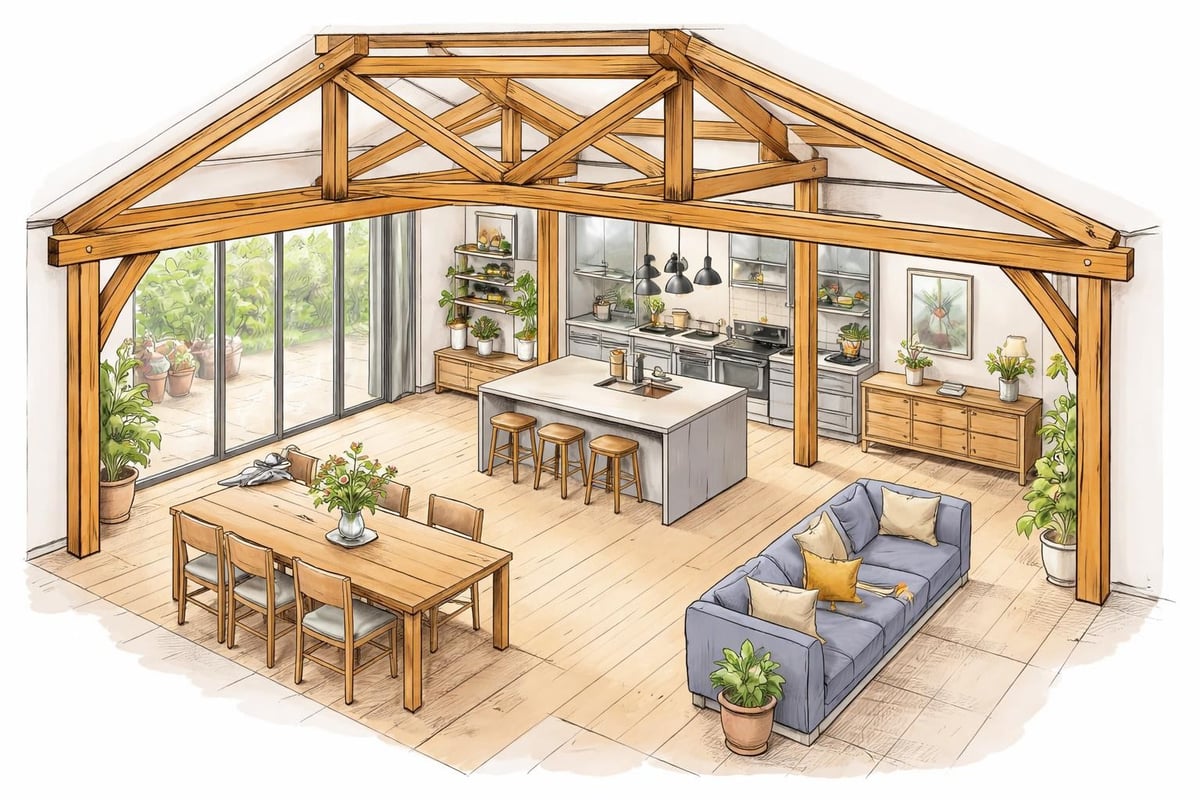
The open-plan potential of timber framing creates flexible interior spaces. Post and beam construction eliminates the need for extensive internal load-bearing walls, allowing you to design flowing, light-filled rooms that connect seamlessly with existing spaces.
Popular wooden extension on house configurations include:
- Kitchen dining areas: Creating family hubs with direct garden access
- Garden rooms: Bringing natural light into living spaces through extensive glazing
- Home offices: Dedicated work-from-home environments separated from main house activities
- Additional bedrooms: With en-suite facilities for growing families or guest accommodation
- Wellness spaces: Gyms, studios, or meditation rooms benefiting from timber's natural ambiance
The specialists at Acorn to Oak Framing work closely with clients to develop bespoke designs that maximize both functionality and aesthetic appeal.
Construction Methods and Timelines
Understanding how professionals build a wooden extension on house projects helps set realistic expectations for your development. Timber frame construction typically progresses faster than traditional methods, reducing disruption and accelerating your enjoyment of the new space.
Traditional Oak Frame Construction
Authentic oak framing follows time-honored techniques refined over centuries. Craftsmen cut and shape individual oak timbers using mortise and tenon joints, secured with oak pegs rather than metal fixings. This traditional approach creates structures of exceptional beauty and longevity.
The construction sequence typically follows this pattern:
Off-site preparation: Skilled framers cut and prepare all oak components in workshop conditions, ensuring precision and quality control. This phase usually requires three to six weeks depending on extension complexity.
Foundation work: While frame preparation continues, groundworks proceed on-site. Proper foundations prove crucial for timber structures, with specific requirements for load distribution and damp proofing.
Frame raising: The assembled oak frame arrives on-site and skilled teams raise the structure, often completing this dramatic phase within one to three days. This traditional "barn raising" remains one of the most impressive aspects of timber construction.
Enclosure and finishing: Following frame erection, roofing, wall panels, glazing, and internal finishes proceed according to agreed specifications.
Modern Timber Frame Techniques
Contemporary timber frame construction combines traditional principles with modern materials and methods. For those interested in current approaches, this beginner’s guide to timber frame extensions explains various construction systems available.
Modern systems often use engineered timber products alongside traditional oak, achieving excellent thermal performance while maintaining aesthetic appeal. These approaches can reduce construction time significantly while delivering energy-efficient results that exceed building regulation requirements.
Cost Considerations and Budget Planning
Establishing a realistic budget for your wooden extension on house project requires understanding various cost components. While timber extensions represent significant investments, their longevity and value addition justify the expenditure for most homeowners.
Primary Cost Factors
Extension costs vary widely based on multiple variables:
| Cost Element | Budget Range | Premium Range |
|---|---|---|
| Frame construction | £1,200-£1,800/m² | £2,000-£3,000/m² |
| Foundations | £800-£1,200/m² | £1,500-£2,000/m² |
| Roofing | £600-£1,000/m² | £1,200-£1,800/m² |
| Glazing | £300-£600/m² | £800-£1,500/m² |
| Internal finishing | £400-£800/m² | £1,000-£2,000/m² |
These figures reflect 2026 market conditions across the UK, with regional variations affecting final costs. For detailed breakdowns, this comprehensive guide to home extension costs provides current pricing information.
Additional expenses to incorporate into your budget include:
- Architectural and structural engineering fees (8-12% of build cost)
- Building control and inspection charges (£500-£1,500)
- Planning application fees if required (£206-£462)
- Temporary accommodation if necessary during construction
- Landscaping and external works following completion
- Contingency fund (typically 10-15% of total budget)
Value for Money Considerations
A wooden extension on house projects delivers exceptional value through multiple benefits. Beyond the immediate space gain, timber extensions typically add 15-25% to property values, often exceeding the initial investment when calculated against comparable properties.
Energy efficiency improvements reduce ongoing heating costs, with well-designed timber extensions achieving A-rated Energy Performance Certificate standards. The natural insulation properties of oak timber, combined with modern insulation materials, create comfortable spaces requiring minimal energy input.
Longevity represents another value factor. Properly maintained oak timber structures last for centuries, as evidenced by medieval timber buildings throughout the UK that remain structurally sound after 500-800 years. This durability far exceeds conventional construction lifespans.
Maintenance and Long-Term Care
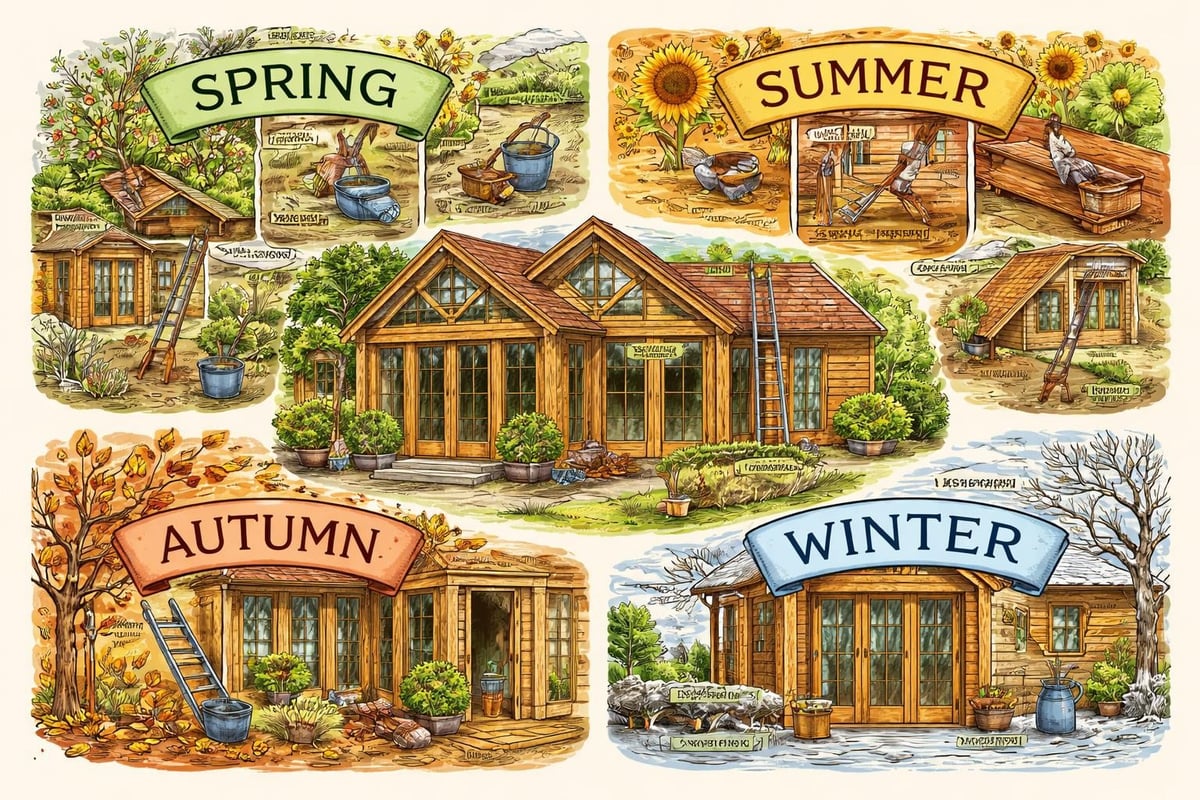
While timber construction offers exceptional durability, appropriate maintenance ensures your wooden extension on house development remains beautiful and functional for generations. Understanding care requirements before committing to your project allows informed decision-making.
Protective Treatments and Finishes
External oak typically receives one of three finishing approaches:
Natural weathering: Untreated oak gradually develops a silver-grey patina as tannins leach and surface oxidation occurs. This traditional appearance appeals to those favoring authentic, historic aesthetics. No ongoing maintenance proves necessary, though structural integrity remains unaffected by color changes.
Stained finishes: Semi-transparent wood stains enhance natural grain while providing UV protection and moisture resistance. These treatments require reapplication every 3-5 years depending on exposure and product quality.
Painted finishes: Opaque paints offer complete color customization and excellent weather protection. Repainting becomes necessary every 5-8 years, with careful preparation ensuring longevity.
Internal oak generally receives natural oil finishes that enhance grain beauty while allowing the timber to breathe. These treatments need refreshing every 12-18 months in high-traffic areas, less frequently in protected locations.
Inspection and Preventive Care
Regular inspections identify potential issues before they develop into significant problems:
- Annual checks: Examine external timber for signs of water ingress, insect activity, or mechanical damage
- Gutter maintenance: Keep gutters and downpipes clear to prevent water splashing onto timber elements
- Ventilation monitoring: Ensure adequate airflow around timber components to prevent moisture accumulation
- Joint inspection: Check mortise and tenon joints for movement or deterioration
- Foundation review: Monitor for settlement or movement that might stress timber connections
For detailed guidance on maintaining timber structures, this expert handbook on wooden house extensions offers comprehensive maintenance advice.
Integration with Existing Structures
Successfully connecting a wooden extension on house projects to existing buildings requires careful technical planning and skilled execution. The junction between old and new represents the most critical area for weatherproofing, structural stability, and aesthetic coherence.
Structural Connection Methods
Several approaches facilitate secure attachment between timber extensions and existing masonry walls:
Steel plate connections: Stainless steel plates fixed to existing walls provide secure anchor points for timber frames. This method suits various wall types and allows adjustment during installation.
Chemical anchors: Resin-bonded anchor systems create strong fixings into solid masonry, enabling direct timber-to-wall connections. These prove particularly effective for attaching sole plates and vertical members.
Flexible joints: Allowing slight independent movement between extension and main house prevents stress concentration. Appropriate detailing ensures weathertight connections despite minor differential settlement.
Professional timber framers understand the complexities of these connections and select appropriate methods based on existing construction types and extension designs. The architectural insights provided in this detailed house extension guide demonstrate various connection approaches.
Weatherproofing and Damp Prevention
The boundary between extension and existing building requires meticulous weatherproofing. Critical considerations include:
- Lead or zinc flashings integrated with existing roofing materials
- Breathable membranes that allow vapor transmission while blocking liquid water
- Cavity trays directing water away from timber elements
- Damp proof courses aligned between old and new construction
- Sealant applications at vulnerable junctions
Proper detailing at this interface prevents water penetration that could damage both timber and existing masonry. Experienced contractors recognize that these details, though hidden from view, determine long-term performance.
Customization and Bespoke Features
One significant advantage of choosing a wooden extension on house projects involves the extensive customization possibilities. Unlike standardized building systems, timber framing accommodates unique requirements and individual preferences with relative ease.
Architectural Features
Timber construction readily incorporates distinctive elements:
- Exposed oak beams: Celebrating structural timber as interior design features
- Vaulted ceilings: Creating dramatic height and space within extensions
- Curved braces: Adding visual interest and traditional character
- Glazed gables: Maximizing natural light through full-height windows
- Integrated balconies: Extending usable space vertically
- Cantilevered sections: Creating covered outdoor areas beneath upper floor extensions
These features transform functional extensions into architectural statements that reflect personal style while respecting traditional craftsmanship principles. The bespoke building options available from specialist timber framers demonstrate the creative possibilities.
Sustainable Technology Integration
Modern wooden extension on house developments frequently incorporate advanced sustainable technologies:
Solar integration: Roof designs accommodating photovoltaic panels or solar thermal collectors generate renewable energy while maintaining aesthetic coherence. Timber structures easily accommodate the additional loads and fixings required.
Rainwater harvesting: Integrated guttering systems can direct water to storage tanks for garden irrigation or toilet flushing, reducing mains water consumption.
Heat recovery ventilation: Timber frames readily accept ducting for mechanical ventilation systems that recover heat from extracted air, improving energy efficiency without compromising air quality.
Green roofs: Timber structures can support sedum or extensive planting, providing insulation benefits, biodiversity enhancement, and visual appeal. Proper waterproofing and load calculations ensure successful implementation.
Specialist Timber Frame Providers
Selecting the right contractor for your wooden extension on house project significantly influences final results. Specialist timber framers bring expertise that general builders may lack, particularly regarding traditional oak construction methods and complex structural details.
What to Look for in Timber Frame Specialists
When evaluating potential contractors, consider these factors:
Portfolio quality: Review completed projects to assess design capability and craftsmanship standards. Look for extensions similar to your requirements in terms of scale, style, and complexity.
Technical expertise: Verify that the company employs qualified structural engineers and understands current building regulations. This knowledge ensures compliant, safe structures.
Material sourcing: Inquire about timber origins and sustainability certifications. Reputable companies use responsibly sourced oak from managed forests, often with FSC or PEFC certification.
Workshop facilities: Companies with dedicated workshop spaces deliver higher quality through controlled manufacturing conditions. Off-site timber preparation ensures precision that site-based cutting cannot match.
Insurance and guarantees: Confirm appropriate insurance coverage and structural warranties. Professional companies provide comprehensive guarantees demonstrating confidence in their work.
The timber buildings specialists at leading companies combine these qualities, delivering projects that exceed client expectations.
Regional Considerations Across the UK
Planning a wooden extension on house projects requires awareness of regional variations affecting design, materials, and regulations. Different areas of the United Kingdom present unique challenges and opportunities for timber construction.
Climate and Weather Patterns
Scotland's harsher weather demands more robust weatherproofing and insulation compared to southern England. Timber extensions in northern regions benefit from:
- Enhanced damp proofing measures
- Increased insulation thickness
- More durable external finishes
- Steeper roof pitches for snow shedding
Coastal locations throughout the UK face salt-laden winds requiring specific timber treatments and corrosion-resistant fixings. The natural durability of oak handles these conditions well, though appropriate detailing remains essential.
Local Planning Authority Requirements
Conservation areas and Areas of Outstanding Natural Beauty (AONB) impose stricter design controls. Timber extensions often receive favorable consideration in these locations due to their traditional appearance and sustainable credentials, though materials and design must respect local character.
Listed building consent requirements add complexity but don't preclude timber extensions. Indeed, sympathetic oak frame additions often prove more acceptable than modern brick additions when extending historic properties.
Future-Proofing Your Extension
Designing your wooden extension on house project with future adaptability ensures long-term value and functionality. Thoughtful planning accommodates changing needs and evolving technologies without requiring major structural modifications.
Adaptable Design Strategies
Incorporate flexibility through these approaches:
- Oversized utility connections: Install electrical and plumbing infrastructure exceeding immediate needs
- Structural provision: Include reinforcement for potential second-story additions
- Access considerations: Design doorways and circulation patterns accommodating mobility aids
- Technology infrastructure: Incorporate conduits for future cabling and smart home systems
- Thermal performance: Exceed minimum insulation standards to meet tightening regulations
The open framing inherent in timber construction facilitates future modifications more easily than conventional cavity wall construction, providing inherent adaptability that proves valuable over decades of use.
A wooden extension on house projects represents a sophisticated approach to creating additional living space that respects traditional craftsmanship while embracing modern sustainability principles. By understanding planning requirements, design considerations, construction methods, and long-term maintenance needs, you can confidently proceed with a timber extension that enhances both your lifestyle and property value. Acorn to Oak Framing brings decades of timber framing expertise to clients across the UK, delivering bespoke oak extensions that combine structural excellence with timeless beauty, ensuring your investment delivers satisfaction for generations to come.


