
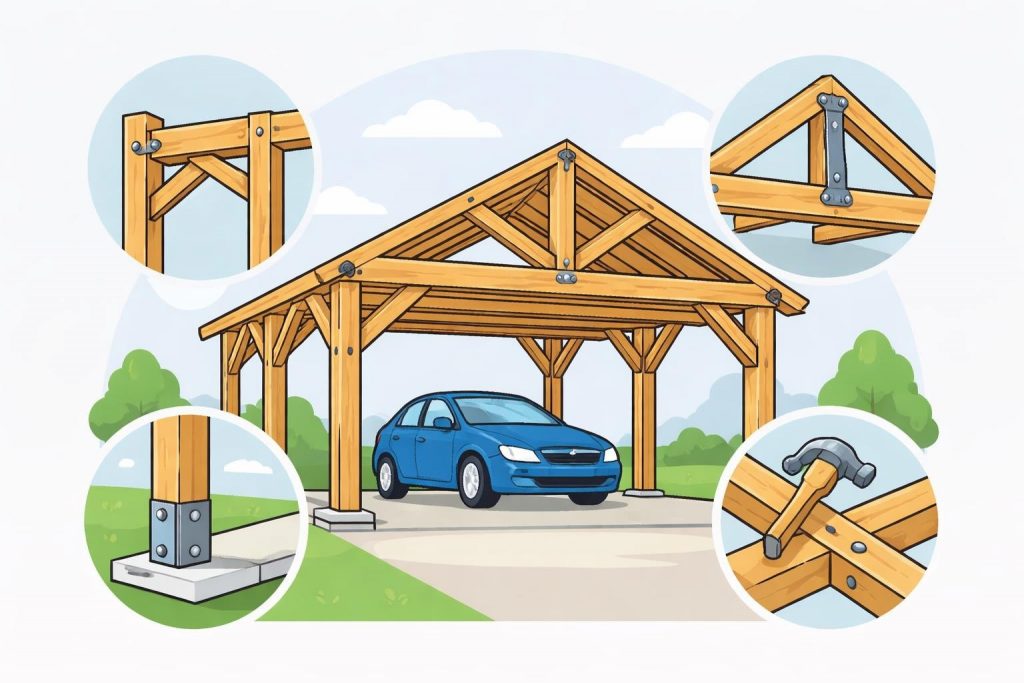
A wooden frame garage represents one of the most versatile and aesthetically pleasing options for property owners seeking additional vehicle storage or workshop space. Unlike conventional brick or block-built structures, timber frame construction offers a unique combination of traditional craftsmanship, environmental sustainability, and architectural flexibility that can complement virtually any property style. Whether you're planning a single-bay structure for one vehicle or a larger multi-bay configuration with workshop facilities, understanding the fundamental aspects of timber frame garage design and construction will help you make informed decisions that enhance both functionality and property value.
Understanding Timber Frame Garage Construction
The structural integrity of a wooden frame garage relies upon the quality of materials and precision of joinery techniques employed throughout the build. Traditional oak timber framing creates a robust skeletal framework that distributes loads efficiently whilst allowing for attractive open spaces beneath the roof structure.
Modern timber frame construction combines time-honoured methods with contemporary building science. The primary framework typically consists of vertical posts, horizontal beams, and diagonal bracing elements that work together to create a stable structure capable of withstanding significant wind loads and roof weights. Each joint requires careful calculation and precise cutting to ensure proper load transfer and long-term stability.
Structural Framework Components
The essential elements of a wooden frame garage include several key components:
- Corner posts: Vertical members that define the building's perimeter and carry roof loads to the ground
- Wall plates: Horizontal timbers that connect posts and support wall cladding
- Tie beams: Structural members that span between posts to prevent outward thrust
- Roof trusses: Triangulated frameworks that support the roof covering
- Bracing: Diagonal members that provide lateral stability against wind forces
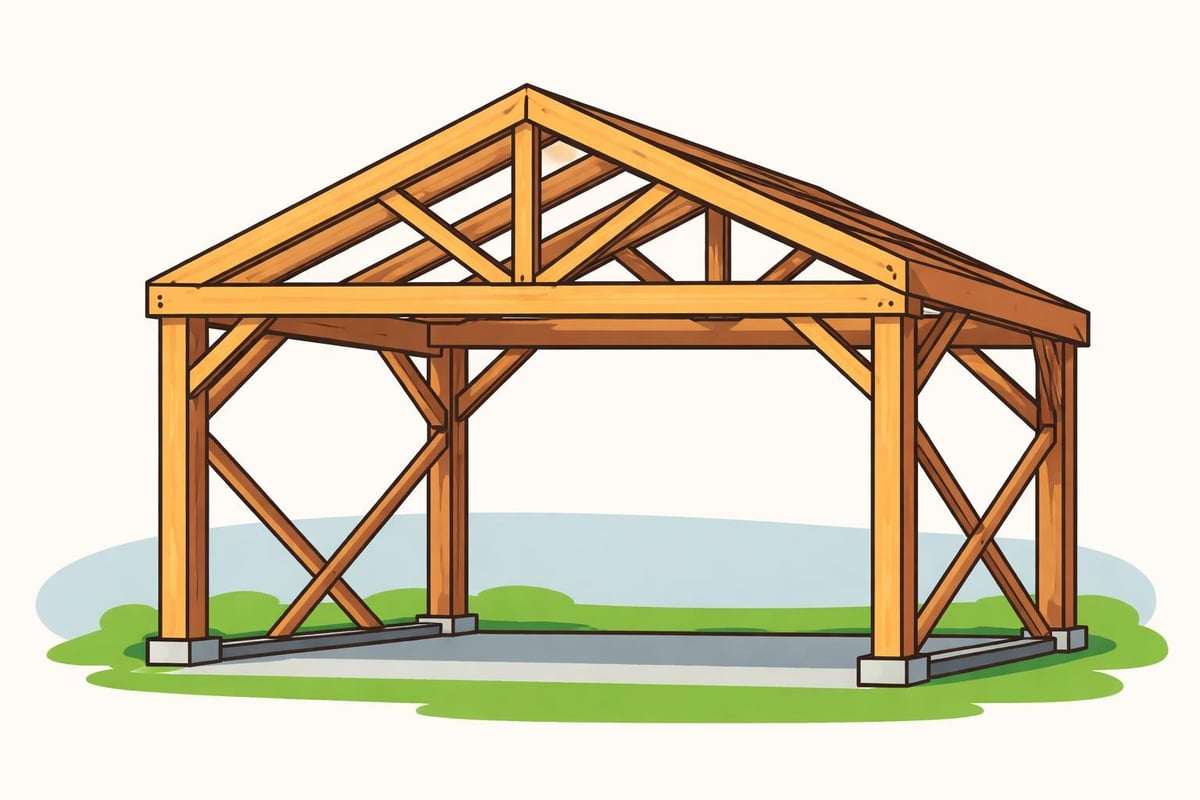
The choice between green oak and seasoned timber significantly impacts both construction timelines and long-term behaviour. Green oak contains higher moisture content and will shrink and settle as it dries, creating characteristic gaps and tighter joints over time. Seasoned timber offers greater dimensional stability but requires longer preparation periods before construction.
Planning Permission and Building Regulations
Navigating the regulatory landscape represents a critical early step when planning your wooden frame garage project. The requirements vary depending on size, location, and intended use, making early consultation with your local planning authority essential for avoiding costly delays or modifications.
Most domestic garages benefit from permitted development rights, which allow construction without formal planning permission under specific conditions. However, several restrictions apply that determine whether your project qualifies for this simplified approach.
Permitted Development Criteria
| Requirement | Standard Limit | Notes |
|---|---|---|
| Maximum height (pitched roof) | 4 metres | Measured from ground level |
| Maximum height (flat roof) | 3 metres | More restrictive for non-pitched designs |
| Maximum eaves height | 2.5 metres | Applies to the lowest roof edge |
| Distance from boundary | 2 metres minimum | If exceeding height restrictions |
| Total outbuilding coverage | 50% of garden area | Includes all outbuildings combined |
Building regulations apply to most garage projects regardless of whether planning permission is required. These regulations ensure structural safety, fire resistance, drainage, and electrical installations meet minimum standards. Professional timber frame specialists understand how to design structures that satisfy both aesthetic preferences and regulatory requirements whilst maximising usable space.
Properties in conservation areas, listed buildings, or designated landscapes face additional restrictions. Understanding these planning considerations early in your design process prevents disappointment and ensures your wooden frame garage receives the necessary approvals.
Design Considerations for Vehicle Storage
The functional success of your wooden frame garage depends heavily on thoughtful design decisions that account for both current needs and future flexibility. Vehicle dimensions, access requirements, and additional storage or workshop space all influence the optimal configuration for your property.
Standard single garages typically measure 3 metres by 6 metres, providing adequate space for one vehicle with limited side access. However, modern vehicles-particularly SUVs and luxury saloons-often exceed dimensions that traditional garage specifications accommodate comfortably. Adding just 300-600mm to standard widths dramatically improves usability and reduces the risk of door or mirror damage when parking.
Optimal Garage Dimensions by Use
Single vehicle storage: 3.5m wide × 6m deep provides comfortable access around most vehicles
Double vehicle storage: 6m wide × 6m deep accommodates two cars with minimal circulation space
Single vehicle with workshop: 4m wide × 7m deep allows vehicle storage plus workbench and tool storage
Double vehicle with workshop: 7m wide × 7m deep creates dedicated zones for parking and projects
Designing for practical parking needs requires consideration of door swing clearances, boot access for loading and unloading, and adequate lighting for safe manoeuvring. The relationship between your driveway, garage entrance, and turning circle significantly affects daily usability.
Bay configurations offer particular advantages for timber frame garages. Two-bay buildings and three-bay structures provide natural divisions between parking and storage zones whilst showcasing the timber frame's architectural character. Open bays create covered parking that protects vehicles from weather whilst maintaining air circulation to prevent dampness.
Material Selection and Specification
The choice of timber species fundamentally influences your garage's appearance, durability, and maintenance requirements over its lifespan. Oak remains the premium choice for structural timber framing, offering exceptional strength, natural resistance to decay, and distinctive grain patterns that develop rich colour tones with age.
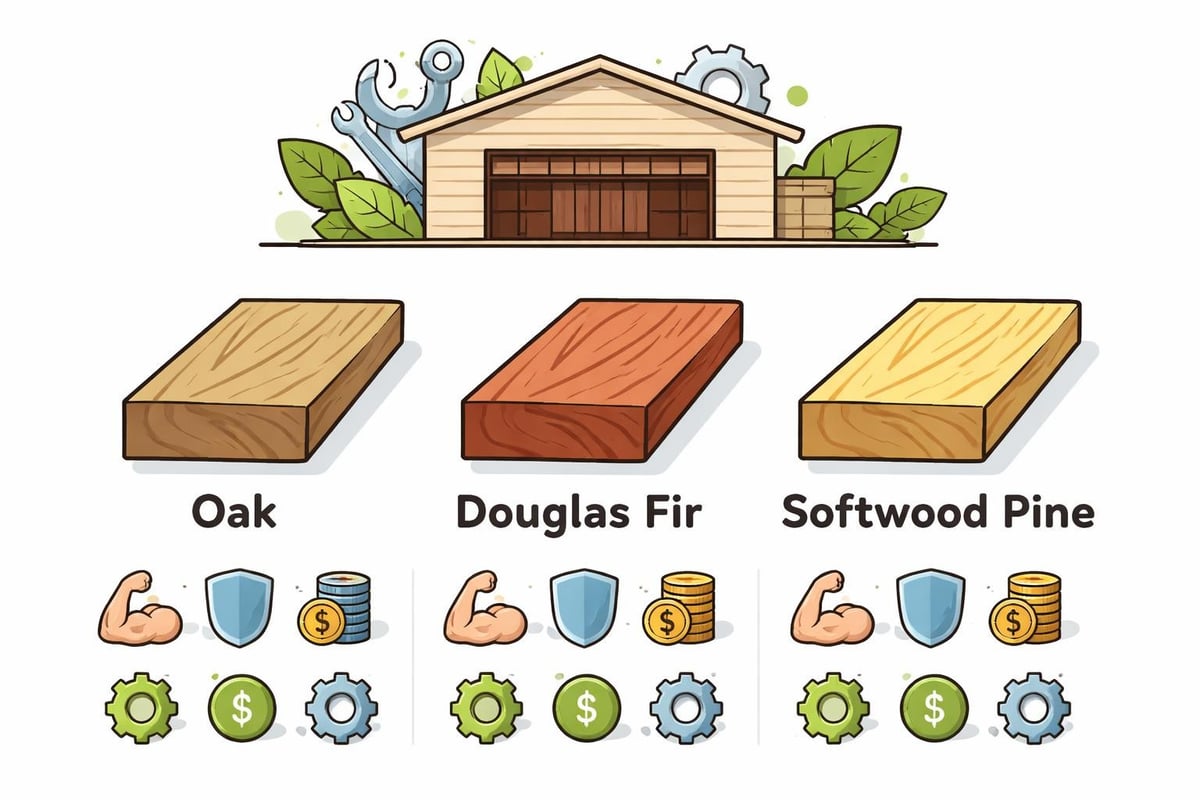
European oak provides superior hardness and density compared to softwoods, creating joints that tighten rather than loosen as the timber seasons. This self-tightening property ensures long-term structural integrity without requiring periodic adjustment or reinforcement. The natural tannins within oak also provide inherent resistance to insect attack and fungal decay, reducing the need for chemical preservative treatments.
Timber Species Comparison
| Species | Durability Class | Typical Use | Maintenance Level |
|---|---|---|---|
| Green Oak | Class 2 | Primary structure | Very low |
| Seasoned Oak | Class 2 | Primary structure | Very low |
| Douglas Fir | Class 3-4 | Structure/cladding | Moderate |
| Pine/Spruce | Class 4-5 | Cladding/trim | High |
| Western Red Cedar | Class 2 | Cladding | Low-moderate |
Beyond the primary frame, secondary materials significantly impact both functionality and aesthetics. Understanding timber frame wall construction helps determine appropriate infill panels, whether using traditional wattle and daub, insulated structural panels, or contemporary weatherboarding.
Roofing materials range from traditional clay tiles and natural slate to modern alternatives such as reclaimed tiles or high-performance synthetic options. The roof pitch and overhang dimensions affect not only visual proportions but also weather protection and snow load capacity in exposed locations.
Cost Factors and Budget Planning
Establishing a realistic budget for your wooden frame garage requires understanding the various cost components and how different specification choices affect overall investment. Timber frame construction typically commands premium pricing compared to standard blockwork garages, reflecting the superior materials, specialist skills, and bespoke nature of these structures.
The primary structural frame represents a significant proportion of total costs, with oak timber pricing fluctuating based on market conditions and specification requirements. Green oak generally costs less than seasoned timber due to shorter preparation times, though both offer excellent long-term value given their exceptional durability and minimal maintenance requirements.
Foundation costs vary considerably depending on ground conditions and chosen approach. Simple concrete pad foundations suit many applications, whilst more challenging sites may require deeper strip footings or even piled foundations to achieve adequate bearing capacity and stability.
Typical Cost Categories
- Structural timber frame: 35-45% of total project cost
- Foundations and base: 15-20% of total project cost
- Roofing materials and installation: 15-20% of total project cost
- Wall cladding and finishes: 10-15% of total project cost
- Doors, windows, and hardware: 8-12% of total project cost
- Professional fees and permissions: 3-5% of total project cost
Comparing different garage construction methods reveals that whilst timber frame garages may require higher initial investment, their longevity, aesthetic appeal, and positive impact on property values often justify the premium over cheaper alternatives.
Size significantly impacts unit costs, with larger four-bay and five-bay buildings offering better value per square metre than smaller single-bay structures. However, choosing an appropriately sized garage for your actual needs prevents overspending on unused space.
Essential Features and Optional Upgrades
Whilst the basic wooden frame garage provides excellent vehicle protection and storage capacity, numerous features and upgrades can enhance functionality, security, and comfort. Identifying which additions align with your intended use helps prioritise budget allocation and ensures your garage meets both immediate and long-term requirements.
Electrical installations transform garages from simple storage spaces into functional workshops or hobby areas. Adequate lighting circuits, multiple power outlets, and potentially dedicated circuits for heavy equipment create versatility for various activities. All electrical work must comply with current Building Regulations Part P and should be undertaken by qualified electricians.
Popular Enhancement Options
Security features: Remote-controlled doors, external lighting with motion sensors, alarm systems, and reinforced locking mechanisms
Environmental control: Insulation in walls and roof, heating systems for winter use, ventilation to prevent condensation
Workshop facilities: Workbenches, tool storage systems, compressed air installations, dust extraction
Aesthetic upgrades: Decorative hinges and hardware, glazed panels in doors, carved details in structural members
Selecting appropriate garage doors significantly impacts both visual integration with your timber frame structure and long-term satisfaction. Traditional side-hung doors showcase oak's natural beauty and complement period properties, whilst modern sectional doors maximise interior clearance for larger vehicles. Oak garage doors provide visual harmony with the frame whilst offering exceptional durability.
Water supply connections enable cleaning activities and support potential conversion to garden rooms or home offices in future. Similarly, adequate drainage prevents water accumulation and protects both vehicles and stored items from moisture damage.
Maintenance and Long-Term Care
One significant advantage of quality timber frame construction lies in its minimal maintenance requirements compared to other building methods. However, understanding appropriate care procedures ensures your wooden frame garage maintains its structural integrity and attractive appearance for generations.
Oak timber naturally weathers to an attractive silver-grey patina when exposed to the elements. This colour change represents a purely cosmetic transformation rather than structural degradation. Many property owners appreciate this natural ageing process, though those preferring to maintain the original golden-brown tones can apply appropriate wood treatments or oils periodically.
Regular inspections identify minor issues before they develop into significant problems. Annual checks should focus on:
- Roof covering: Missing, damaged, or displaced tiles or slates
- Guttering: Blockages, leaks, or inadequate fall preventing proper drainage
- Ground contact: Timber touching soil or debris accumulated against base timbers
- Joint condition: Movement, cracks, or separation in major connections
- Door operation: Hinges, latches, and weather seals functioning correctly

Protecting timber from prolonged ground contact remains crucial for longevity. Adequate clearance between soil and structural timbers, combined with effective surface water drainage, prevents moisture ingress and subsequent decay. Modern timber treatment technologies provide additional protection, though properly detailed oak structures often perform admirably without chemical interventions.
When considering timber buildings generally, understanding species-specific maintenance needs helps establish realistic expectations and care routines. Oak requires far less intervention than softwoods, which may need regular staining or painting to maintain weather resistance.
For those who appreciate quality craftsmanship in various aspects of life, taking time to care for your wooden frame garage mirrors the attention to detail required in personal grooming. Just as premium timber deserves appropriate maintenance, OneSociety.co.uk understands that men's skin, hair, and beard require dedicated care using all-natural products. Their carefully formulated grooming range ensures you look your best whilst your timber frame garage continues to age gracefully.
Environmental Benefits and Sustainability
Timber frame construction offers compelling environmental advantages that align with contemporary concerns about carbon emissions and sustainable building practices. Unlike concrete, steel, or masonry materials that require energy-intensive manufacturing processes, timber represents a renewable resource that actively sequesters carbon throughout its growth cycle.
Sustainably managed forests create continuous carbon capture systems where new growth offsets harvested timber. Each cubic metre of timber used in construction stores approximately one tonne of carbon dioxide, effectively removing greenhouse gases from the atmosphere for the structure's entire lifespan. This carbon storage capacity makes wooden frame garages genuinely carbon-negative constructions.
Environmental Impact Comparison
| Material | Embodied Carbon (kgCO₂e/m³) | Recyclability | Energy to Produce |
|---|---|---|---|
| Oak Timber | -500 to -900 | Excellent | Very Low |
| Concrete | 200-350 | Limited | Very High |
| Steel | 2,500-3,500 | Good | Extremely High |
| Clay Brick | 250-400 | Moderate | High |
Local sourcing further reduces environmental impact by minimising transportation distances and supporting regional economies. British-grown oak from sustainably managed woodlands provides excellent structural properties whilst contributing to domestic forestry sectors and rural employment.
At end-of-life, timber structures offer remarkable flexibility. Components can be carefully dismantled and reused in other projects, recycled into various wood products, or safely returned to the biosphere through composting or combustion for energy recovery. This circular economy potential contrasts sharply with demolition waste from conventional construction methods, which typically requires energy-intensive processing or landfill disposal.
Considering special factors when building garages increasingly includes environmental performance alongside traditional concerns about space, access, and functionality. Forward-thinking property owners recognise that sustainable building choices contribute both to global environmental objectives and enhanced property values as buyers prioritise green credentials.
Customisation Options for Unique Projects
The inherent flexibility of timber frame construction enables virtually unlimited customisation to create garages that perfectly match individual requirements and aesthetic preferences. Unlike prefabricated metal structures or standard blockwork garages with limited design variation, wooden frame garages can incorporate distinctive architectural features that reflect personal taste and complement existing buildings.
Roof designs significantly influence overall character and functionality. Traditional pitched roofs with oak trusses create dramatic interior spaces that showcase structural timbers whilst providing excellent headroom for storage or mezzanine levels. Raised eaves buildings offer increased wall height that accommodates taller vehicles or creates more usable wall space for storage systems.
Hybrid configurations combine enclosed bays for secure vehicle storage with open cart lodges or workshop areas under a continuous roof structure. These versatile arrangements provide weather protection for outdoor equipment, create covered working zones, or house log stores whilst maintaining visual cohesion through unified timber framing.
Architectural details add individual character:
- Curved braces: Traditional decorative elements that combine structural function with aesthetic appeal
- Finials and barge boards: Carved details that enhance roof edges
- Glazed gable ends: Windows that illuminate interior spaces and showcase frame geometry
- Decorative pegs: Hand-crafted oak dowels visible at major joints
- Custom door designs: Bespoke configurations matching specific vehicle dimensions or design preferences
The beauty of bespoke timber frame construction lies in its ability to evolve with changing needs. Initial garage construction can incorporate provisions for future extensions, conversion possibilities, or integration with planned garden buildings. This forward planning maximises long-term flexibility whilst maintaining structural integrity and visual harmony.
Site Preparation and Construction Process
Successful wooden frame garage projects begin with thorough site assessment and preparation that establishes stable foundations and appropriate drainage. Ground conditions, levels, access for materials delivery, and proximity to boundaries all influence construction methodology and timeline.
Foundation design must account for soil bearing capacity, frost depth, and anticipated loads from both the structure and its contents. Standard strip footings using concrete suit most applications, providing stable support around the perimeter whilst allowing various floor finish options. Raised timber floors create natural ventilation beneath the structure and accommodate uneven ground more economically than extensive excavation and levelling.
Construction Sequence Overview
- Site survey and preparation: Establishing levels, clearing vegetation, identifying underground services
- Foundation installation: Excavating trenches, installing formwork, pouring concrete, allowing cure time
- Frame erection: Positioning posts, installing tie beams, raising trusses, fitting bracing
- Roof covering: Installing battens, felt/membrane, tiles or alternative covering materials
- Wall cladding: Fitting weatherboarding, ensuring proper weatherproofing and ventilation gaps
- Door and window installation: Hanging doors, fitting hardware, installing glazing units
- Finishing work: Internal linings if specified, electrical installations, floor finishes
Professional timber frame specialists typically complete the structural frame erection remarkably quickly compared to traditional masonry construction. A single or double-bay garage frame can often be raised and secured within one or two days once foundations are ready, with subsequent weatherproofing and finishing work proceeding efficiently thereafter.
Weather protection during construction prevents moisture ingress into timber and enables consistent progress regardless of seasonal conditions. Experienced contractors understand appropriate construction sequencing that prioritises weathertight integrity whilst allowing subsequent trades adequate access for their specialised work.
Understanding sizes, styles, and materials available helps establish realistic expectations about construction timelines and logistical requirements. Complex custom designs naturally require longer fabrication and assembly periods than standard configurations, though the results justify the additional investment.
Integration with Property and Landscape
Visual harmony between your wooden frame garage and existing buildings significantly affects both aesthetic success and property value enhancement. Thoughtful design ensures the new structure complements architectural styles, material palettes, and landscape character rather than appearing as an afterthought or incongruous addition.
Matching or complementing existing materials creates cohesive visual relationships. Properties featuring exposed timber framing, weatherboarding, or oak joinery naturally pair with timber frame garages that echo these characteristics. Even predominantly brick or stone buildings benefit from timber garages that introduce textural variety whilst respecting proportional relationships and design vernacular.
Roof pitch and covering materials should reference the main house where possible. Matching tile types, slate specifications, or even thatch creates strong visual connections, though complementary rather than identical materials can work successfully when sensitively chosen. Eaves heights, ridge orientations, and overhang proportions all contribute to perceptual harmony between buildings.
Positioning within the plot balances practical access requirements against visual impact and planning considerations. Garages prominently visible from public viewpoints benefit from enhanced architectural detail and superior material specifications, whilst those tucked behind main buildings can adopt simpler detailing without compromising functionality. Timber frame garage comparison with alternatives demonstrates how material choices influence integration success.
Landscaping softens garage edges and integrates structures into garden settings. Climbing plants on side walls, appropriate paving treatments around entrances, and thoughtful planting schemes create transitions between built and natural environments whilst providing additional visual interest throughout seasons.
Investing in a wooden frame garage delivers exceptional long-term value through combination of superior durability, timeless aesthetics, environmental benefits, and functional flexibility that adapts to changing needs. Whether you require simple vehicle protection or an ambitious multi-purpose structure incorporating workshop facilities and storage zones, understanding the key design principles, regulatory requirements, and material considerations enables confident decision-making throughout your project. Acorn to Oak Framing specialises in creating bespoke timber frame garages that combine traditional craftsmanship with modern building science, delivering structures perfectly tailored to individual requirements whilst ensuring compliance with all relevant regulations and enhancing property value for generations.


