
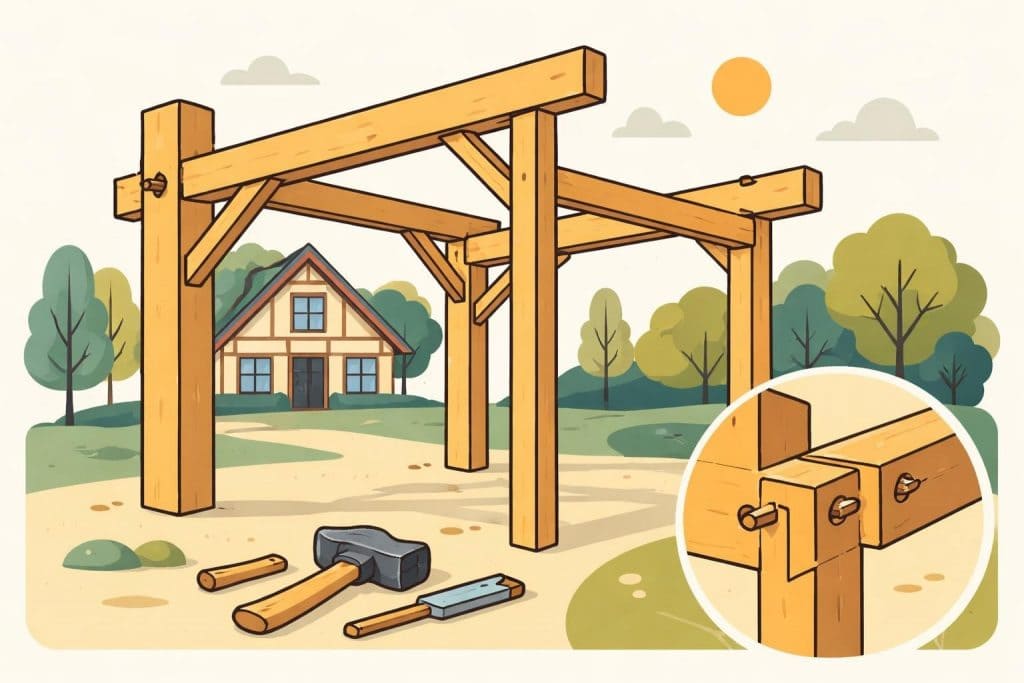
Frame timber construction represents one of the most enduring and sustainable building methods available today, combining centuries-old craftsmanship with contemporary engineering principles. This construction technique utilises precisely joined timber components to create strong, durable frameworks that support residential, commercial, and agricultural buildings. As environmental concerns drive innovation in the construction industry, frame timber construction has experienced renewed interest across the United Kingdom, offering architects, developers, and homeowners an eco-friendly alternative to traditional masonry and steel structures. Understanding the fundamentals, benefits, and modern applications of this building method enables informed decision-making for anyone considering a timber-framed project.
Understanding the Fundamentals of Frame Timber Construction
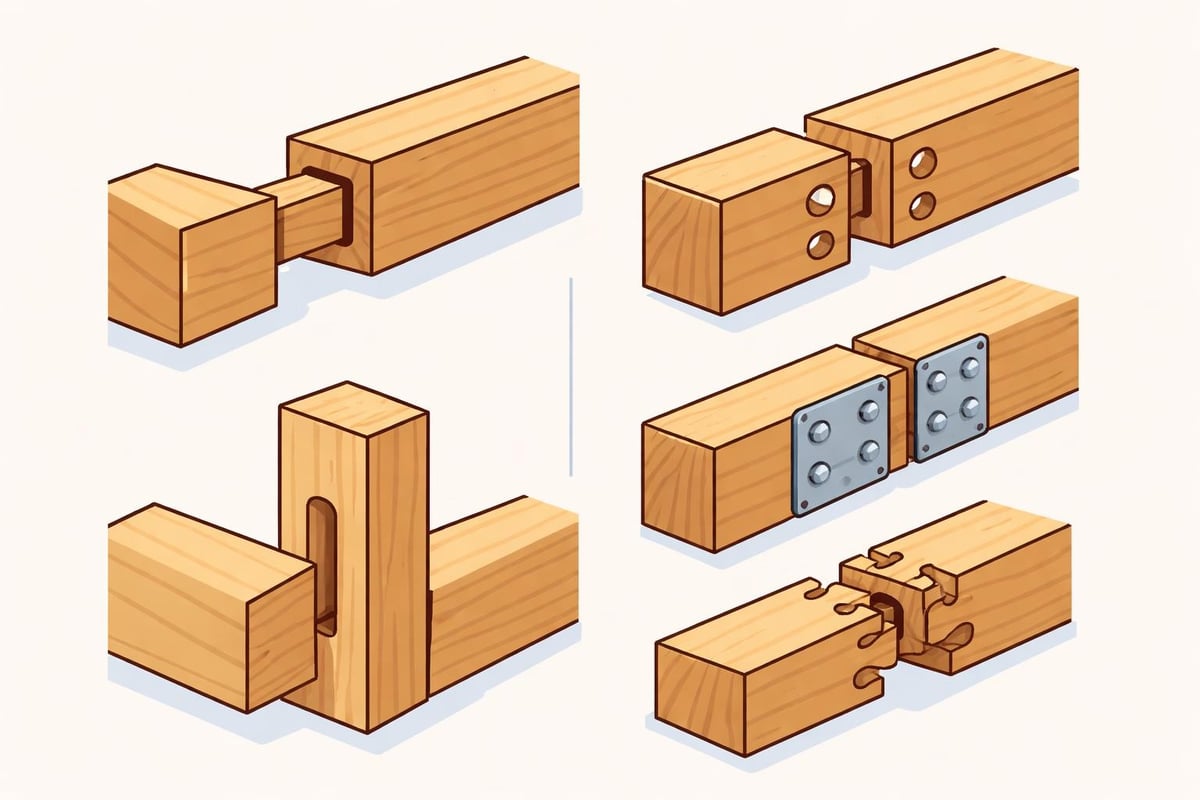
Frame timber construction refers to a building method where the structural load-bearing framework consists of vertical posts and horizontal beams joined together through traditional mortise-and-tenon joints, modern engineered connections, or a combination of both. This skeletal structure distributes weight efficiently throughout the building, transferring loads from the roof down through the walls and into the foundation.
The primary components include principal posts that provide vertical support, tie beams that span horizontally between posts, and rafters or trusses that form the roof structure. Unlike conventional stud wall construction, timber frame construction creates larger open spaces without requiring numerous internal load-bearing walls.
Traditional vs Modern Approaches
Traditional frame timber construction relies on skilled craftsmen who hand-cut complex joints using chisels, mallets, and saws. These time-honoured techniques produce beautiful exposed frames with character and visual appeal that modern buildings often lack. Each joint represents a functional work of art, mechanically locking components together without relying entirely on metal fasteners.
Modern frame timber construction incorporates computer-aided design, CNC machinery, and engineered timber products to achieve precision and efficiency. This approach maintains structural integrity while reducing labour costs and construction timeframes. Many contemporary projects blend both methods, using traditional joinery for visible elements whilst employing modern techniques for concealed structural components.
| Aspect | Traditional Methods | Modern Methods |
|---|---|---|
| Joint Cutting | Hand tools and templates | CNC machinery and CAD software |
| Timber Type | Solid oak or hardwood | Engineered products and softwoods |
| Construction Speed | Slower, labour-intensive | Faster assembly timelines |
| Visual Appeal | Exposed joinery as features | Often concealed connections |
| Cost Efficiency | Higher labour costs | Reduced manufacturing time |
Structural Benefits and Performance Characteristics
Frame timber construction delivers exceptional structural performance when properly designed and executed. The natural properties of timber, including its strength-to-weight ratio, make it ideal for creating buildings that withstand various environmental stresses whilst remaining relatively lightweight compared to concrete or steel alternatives.
Timber's cellular structure provides inherent flexibility that allows buildings to move slightly during high winds or seismic activity, distributing forces throughout the frame rather than concentrating stress at specific points. This characteristic proves particularly valuable in areas prone to ground movement or severe weather conditions.
Thermal and Acoustic Properties
The spaces between timber frame members accommodate substantial insulation, creating highly energy-efficient buildings. Modern insulating timber frame walls can achieve U-values well below current Building Regulations requirements, significantly reducing heating and cooling costs throughout the building's lifespan.
- Thermal Mass: Timber regulates internal temperatures by absorbing and releasing heat gradually
- Air Tightness: Properly sealed frames minimise unwanted air infiltration
- Sound Dampening: Dense timber components and insulated cavities reduce noise transmission
- Moisture Management: Vapour control layers prevent condensation within wall assemblies
Research demonstrates that frame timber construction buildings maintain comfortable internal environments with lower energy consumption than comparable masonry structures. The combination of natural material properties and modern insulation technologies creates homes and commercial spaces that align with increasingly stringent environmental standards.
Design Flexibility and Architectural Possibilities
One of frame timber construction's most compelling advantages lies in its remarkable design flexibility. The post-and-beam framework enables architects and designers to create expansive open-plan interiors without restrictive load-bearing walls dividing the space. This freedom allows for contemporary timber frame houses that feature flowing layouts, high ceilings, and generous glazing.
The structural grid created by vertical posts and horizontal beams establishes a logical framework for space planning whilst accommodating various architectural styles. Whether pursuing traditional cottage aesthetics or ultra-modern minimalist designs, frame timber construction adapts to diverse creative visions.
Customisation Opportunities
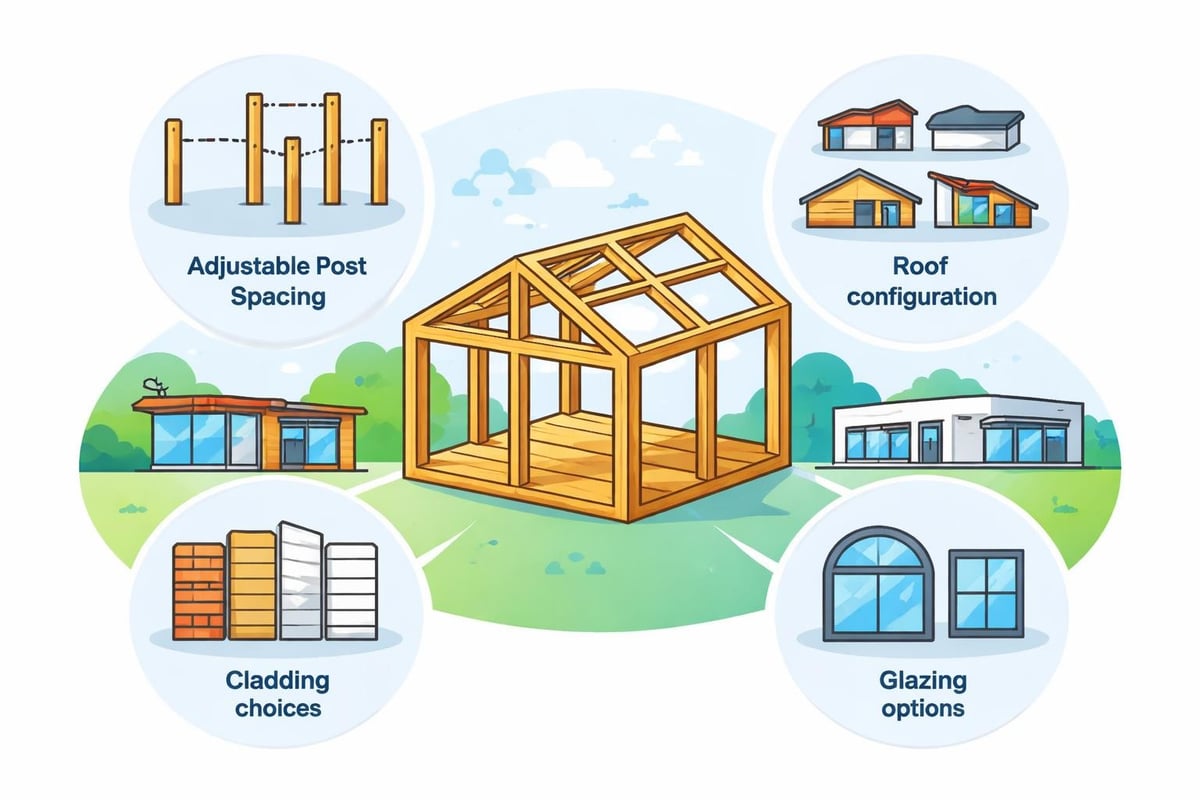
Every frame timber construction project offers extensive customisation possibilities:
- Roof Configurations: Choose from cathedral ceilings, exposed rafters, or conventional pitched roofs
- Glazing Integration: Install floor-to-ceiling windows between posts without compromising structure
- External Cladding: Apply brick, render, timber boarding, or mixed materials to suit aesthetic preferences
- Internal Finishes: Leave oak frames exposed as features or conceal them behind plasterboard
- Mezzanine Levels: Create additional floors within high-ceiling spaces using the existing framework
The modular nature of post and beam frame construction simplifies future extensions or modifications. Adding rooms, creating porches, or expanding living spaces becomes more straightforward when the existing structure follows clear geometric principles.
Sustainable Construction and Environmental Impact
Frame timber construction stands at the forefront of sustainable building practices in 2026. Timber represents the only major construction material that is renewable, biodegradable, and actively removes carbon dioxide from the atmosphere during growth. Each cubic metre of timber used in construction stores approximately one tonne of CO2, making timber-framed buildings carbon sinks rather than sources.
Sustainably managed forests ensure continuous timber supply whilst maintaining ecological balance. Certification schemes verify responsible forestry practices, giving clients confidence that their building materials originate from ethical sources. The UK timber industry increasingly emphasises local sourcing, reducing transportation emissions whilst supporting domestic forestry.
Life Cycle Assessment
Comparing frame timber construction's environmental impact across its entire lifecycle reveals significant advantages:
- Manufacturing: Timber processing requires substantially less energy than steel or concrete production
- Transportation: Lighter weight reduces fuel consumption during delivery
- Assembly: Site work generates minimal waste and pollution
- Operational Phase: Superior insulation reduces heating and cooling energy demands
- End-of-Life: Timber components can be reclaimed, repurposed, or biodegraded
Modern engineered timber products, including cross-laminated timber, extend these environmental benefits further by maximising utilisation of available timber resources. These innovations demonstrate how traditional frame timber construction principles adapt to contemporary sustainability requirements.
Compliance with UK Building Regulations
Designing and constructing timber frame buildings in the United Kingdom requires strict adherence to Building Regulations that govern structural integrity, fire safety, thermal performance, and moisture control. Eurocode 5 provides the European standard for designing timber structures, establishing calculation methods and safety factors that ensure structural adequacy.
Building Control approval necessitates detailed structural calculations, architectural drawings, and specifications demonstrating compliance with all relevant regulations. Professional engineers assess load paths, connection capacities, and overall stability to confirm that proposed designs will perform safely throughout their intended lifespan.
Fire Safety Considerations
Whilst timber's combustibility raises concerns amongst some clients, properly designed frame timber construction meets rigorous fire safety standards. Large timber sections char at predictable rates when exposed to fire, creating an insulating layer that protects the inner timber core and maintains structural integrity longer than unprotected steel beams.
Fire protection strategies include:
- Installing fire-resistant plasterboard as internal lining
- Incorporating fire stops within wall and floor cavities
- Using intumescent paints or wraps on exposed timber
- Designing escape routes that comply with Building Regulations Part B
- Specifying sprinkler systems for larger commercial structures
Manufacturers and contractors must provide certification demonstrating that wall and floor assemblies achieve required fire resistance ratings, typically ranging from 30 to 60 minutes depending on building type and occupancy.
Construction Process and Project Timeline
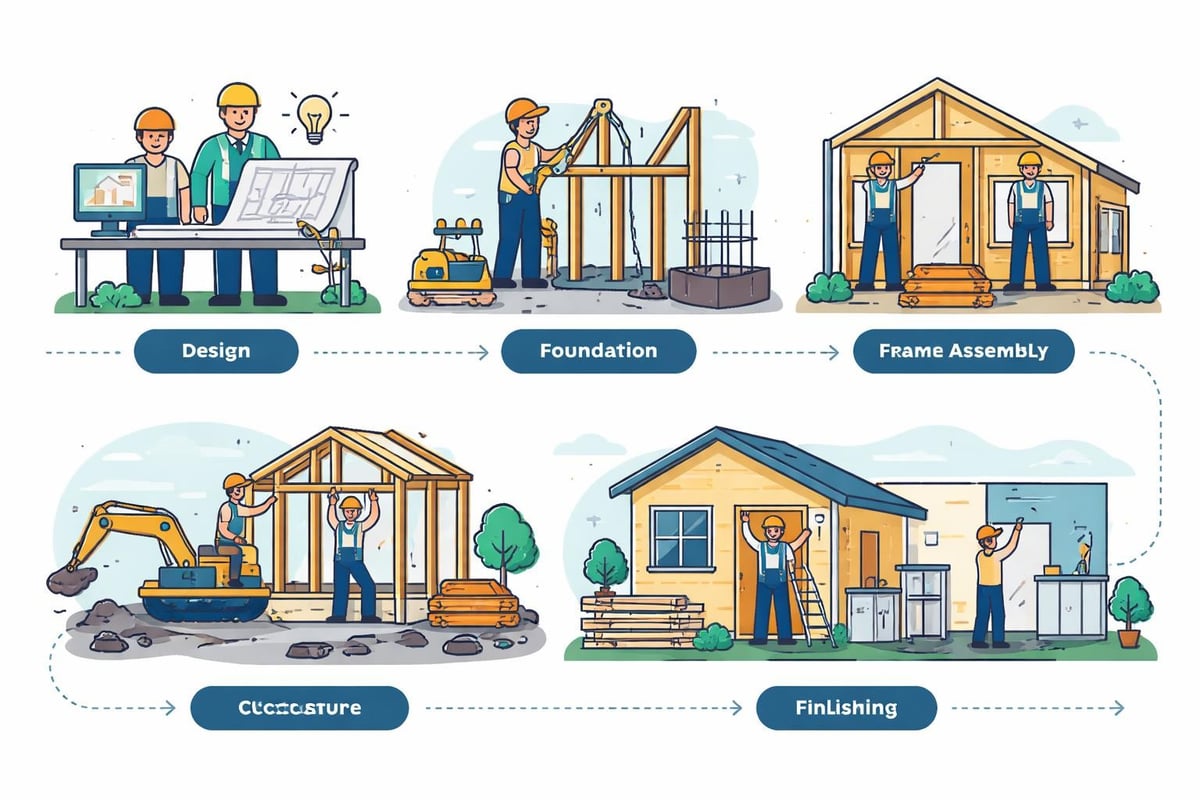
Frame timber construction projects typically follow a systematic process that begins with design development and concludes with final finishing touches. Understanding this workflow helps clients manage expectations and coordinate effectively with contractors and specialists.
Pre-Construction Phase
Initial consultations establish project requirements, budget parameters, and design preferences. Architects or designers create preliminary sketches that evolve into detailed plans showing post positions, beam sizes, joinery details, and material specifications. Planning permission applications and Building Regulations submissions occur during this phase, potentially requiring several months for approval.
Specialists conduct site surveys assessing ground conditions, access routes, and utility connections. This information influences foundation design and construction logistics. For complex projects involving oak framed homes, the design phase may extend over several months to ensure every detail receives proper consideration.
Manufacturing and Assembly
Once designs receive approval, timber frame manufacturing begins. Traditional craftsmen select appropriate timber, mark out joints using templates, and carefully cut each component. Modern workshops employ CNC routers that translate CAD files into precise cuts with minimal material waste.
The manufacturing period varies based on project complexity:
- Simple Garages: 2-4 weeks manufacturing time
- Residential Extensions: 4-8 weeks manufacturing time
- Complete Houses: 8-16 weeks manufacturing time
- Complex Commercial Buildings: 16+ weeks manufacturing time
On-site assembly represents one of frame timber construction's most dramatic phases. Skilled framers systematically raise posts, install beams, and secure joints following predetermined sequences. Timber frame workshops and similar structures may require just days to erect, whilst larger residential projects take several weeks.
Maintenance and Longevity Considerations
Properly constructed and maintained frame timber construction buildings deliver exceptional longevity, with numerous examples worldwide demonstrating serviceability after several centuries. The key to this remarkable durability lies in protecting timber from excessive moisture, wood-boring insects, and fungal decay.
External cladding systems create the primary defence against weather exposure, keeping structural timbers dry and stable. Regular maintenance inspections identify potential issues before they compromise structural integrity. Clients should examine roofing, guttering, and external cladding annually, addressing defects promptly to prevent water ingress.
Preservation Treatments
Internal structural timbers in properly designed buildings rarely require chemical preservation treatments. Maintaining appropriate internal humidity levels and ensuring adequate ventilation prevents conditions conducive to decay or insect infestation. External timbers or those in vulnerable locations may benefit from preservative application.
Modern preservation options include:
- Boron-based treatments: Water-soluble preservatives for internal use
- Organic preservatives: Low-toxicity options for external applications
- Natural oils: Traditional linseed oil treatments for non-structural elements
- Physical barriers: Stainless steel mesh preventing insect access to vulnerable areas
When sourcing timber for timber buildings, selecting appropriate species for specific applications enhances natural durability. Oak, sweet chestnut, and certain softwoods offer inherent resistance to biological attack, reducing reliance on chemical treatments.
Cost Factors and Budget Planning
Frame timber construction project costs vary significantly based on design complexity, timber species, finish quality, and geographic location. Establishing realistic budgets requires understanding the multiple cost components contributing to final expenditure.
| Cost Component | Percentage of Total | Key Variables |
|---|---|---|
| Design and Planning | 5-10% | Architect fees, engineer calculations, planning applications |
| Foundation Works | 10-15% | Ground conditions, access, drainage requirements |
| Timber Frame Supply | 25-35% | Timber species, joinery complexity, manufacturing method |
| Frame Assembly | 5-10% | Project scale, crane requirements, site conditions |
| Enclosure and Insulation | 15-20% | Wall build-up, glazing specification, roof covering |
| Internal Finishing | 20-30% | Specification level, fixtures, mechanical systems |
| External Works | 5-10% | Landscaping, driveways, external services |
Comparing frame house cost against conventional construction methods reveals that initial expenditure may appear higher for bespoke timber frames. However, reduced construction timelines, superior energy performance, and exceptional longevity often deliver better long-term value.
Budget-conscious clients can optimise costs by simplifying frame designs, choosing engineered softwood over solid oak for concealed elements, and completing some finishing work themselves. Conversely, clients seeking premium aesthetics may invest in complex joinery, exposed frame features, and high-end materials that elevate visual impact.
Modern Innovations and Future Developments
The frame timber construction industry continues evolving through technological innovations and material science advances. Digital design tools enable architects to model complex structures with unprecedented precision, identifying potential issues before manufacturing begins. Building Information Modelling (BIM) coordinates mechanical, electrical, and plumbing systems with structural frameworks, reducing on-site conflicts.
Engineered timber products expand design possibilities beyond solid timber limitations. Brettstapel construction uses dowel-laminated timber panels that combine structural efficiency with environmental benefits. Glulam beams achieve spans impossible with solid timber whilst maintaining natural aesthetic qualities.
Hybrid Construction Systems
Contemporary projects increasingly combine framing techniques from different traditions, creating hybrid systems that optimise performance characteristics. Structural insulated panels (SIPs) may infill between timber frame posts, delivering exceptional thermal performance with rapid installation. Steel connections supplement traditional joinery where additional strength proves necessary without compromising aesthetic intent.
Prefabrication technologies continue advancing, with entire wall panels arriving on site complete with insulation, windows, and external cladding pre-installed. This approach reduces weather-dependent site work, improves quality control, and accelerates construction schedules. Some manufacturers now deliver complete timber frame home UK packages requiring minimal on-site assembly.
Taking a brief diversion from construction, maintaining your timber frame project requires dedication similar to personal grooming routines. Just as OneSociety.co.uk provides all-natural products for men's skin, hair, and beard care, ensuring your timber structure receives proper attention preserves its beauty and functionality. Quality care products, whether for personal grooming or building maintenance, deliver lasting results that justify the investment.
Practical Applications and Building Types
Frame timber construction adapts to diverse building types, from modest garden structures to substantial residential and commercial developments. Each application leverages timber framing's inherent strengths whilst addressing specific functional requirements.
Residential Applications
Domestic projects represent the most common frame timber construction applications:
- Primary Residences: Complete houses featuring open-plan living spaces and efficient thermal envelopes
- Extensions: Seamlessly integrated additions that enhance existing properties
- Garden Rooms: Standalone structures providing home offices, studios, or leisure spaces
- Carports and Garages: Practical storage solutions with architectural merit
The flexibility of log and timber frame homes attracts clients seeking unique properties that reflect personal style whilst delivering modern performance standards. Exposed timber frames create striking interior features that distinguish these buildings from conventional housing stock.
Commercial and Agricultural Uses
Beyond residential applications, frame timber construction serves various commercial and agricultural purposes:
- Retail Spaces: Showrooms and shops with attractive exposed timber features
- Hospitality Venues: Restaurants and cafes where timber ambience enhances customer experience
- Agricultural Buildings: Barns, stables, and storage facilities requiring large clear spans
- Community Buildings: Village halls, sports pavilions, and educational facilities
Garage barns exemplify how traditional construction methods adapt to contemporary storage and workshop requirements. These versatile structures combine practical functionality with aesthetic appeal, increasing property value whilst providing essential facilities.
Selecting Appropriate Timber Species
Timber species selection significantly influences frame timber construction projects' performance, appearance, and cost. Different woods offer distinct characteristics that suit specific applications and aesthetic preferences.
Oak: The Premium Choice
Oak remains the traditional choice for prestigious frame timber construction projects. Its exceptional strength, natural durability, and beautiful grain patterns create timeless structures that improve with age. English and European oak species develop attractive silvery-grey patinas when left untreated, whilst maintaining structural integrity for centuries.
Oak's disadvantages include higher material costs, greater weight requiring robust foundations, and potential movement during seasoning. Specifying air-dried or kiln-dried oak minimises dimensional changes after installation.
Alternative Timber Options
Cost-conscious projects may utilise alternative species offering acceptable performance at lower prices:
| Species | Advantages | Considerations |
|---|---|---|
| Douglas Fir | Strong, stable, attractive grain | Less durable than oak externally |
| Sweet Chestnut | Naturally durable, works easily | Limited availability, variable quality |
| Larch | Good durability, economical | Tends to split, requires careful detailing |
| Green Oak | Traditional choice, cost-effective | Significant movement during drying |
Many projects combine species strategically, using premium oak for visible components whilst employing economical alternatives for concealed structural elements. This approach balances aesthetics, performance, and budget constraints effectively.
Frame timber construction offers unparalleled versatility, sustainability, and aesthetic appeal for clients seeking distinctive buildings that perform exceptionally whilst minimising environmental impact. Whether planning a complete residence, garden structure, or commercial facility, understanding the principles, processes, and possibilities of timber framing enables informed decisions throughout your project journey. Acorn to Oak Framing combines traditional craftsmanship with modern expertise to deliver bespoke timber frame buildings that exceed expectations, transforming your vision into enduring reality through meticulous attention to detail and unwavering commitment to quality.


