
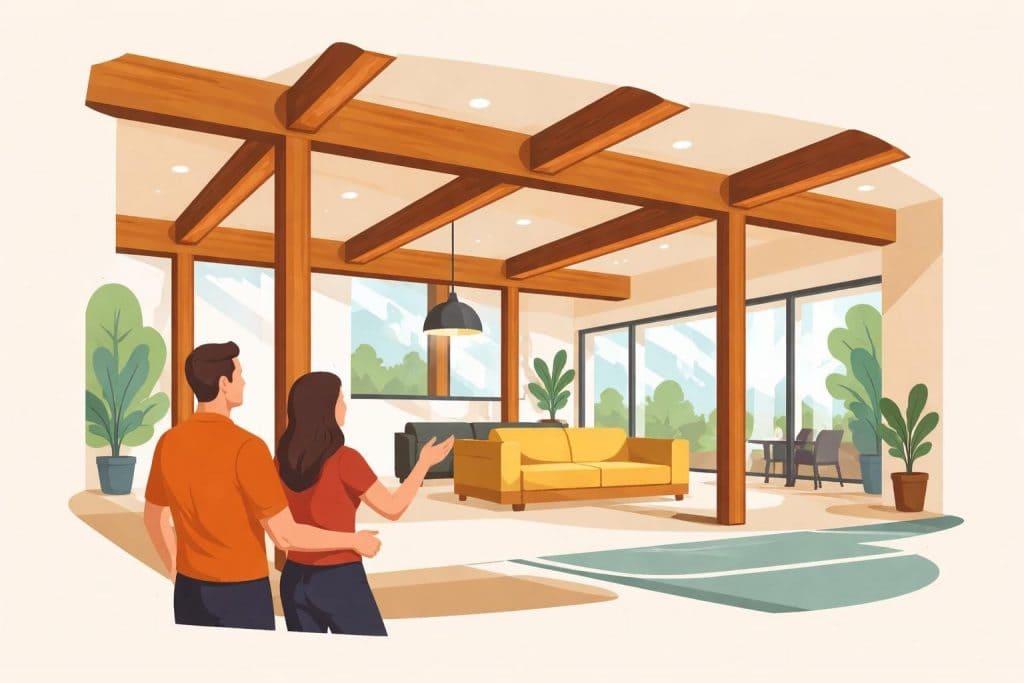
Post and beam modern homes represent a captivating fusion of ancient building techniques and contemporary architectural vision. This construction method, which relies on vertical posts supporting horizontal beams to create the structural framework, has experienced a remarkable renaissance in modern residential design. The approach offers homeowners unparalleled design flexibility, stunning visual aesthetics, and exceptional structural integrity. As sustainability and craftsmanship become increasingly valued in 2026, post and beam modern homes have emerged as a compelling choice for discerning property owners seeking distinctive, high-quality living spaces that honour traditional building methods whilst embracing modern lifestyle requirements.
The Architectural Foundation of Post and Beam Construction
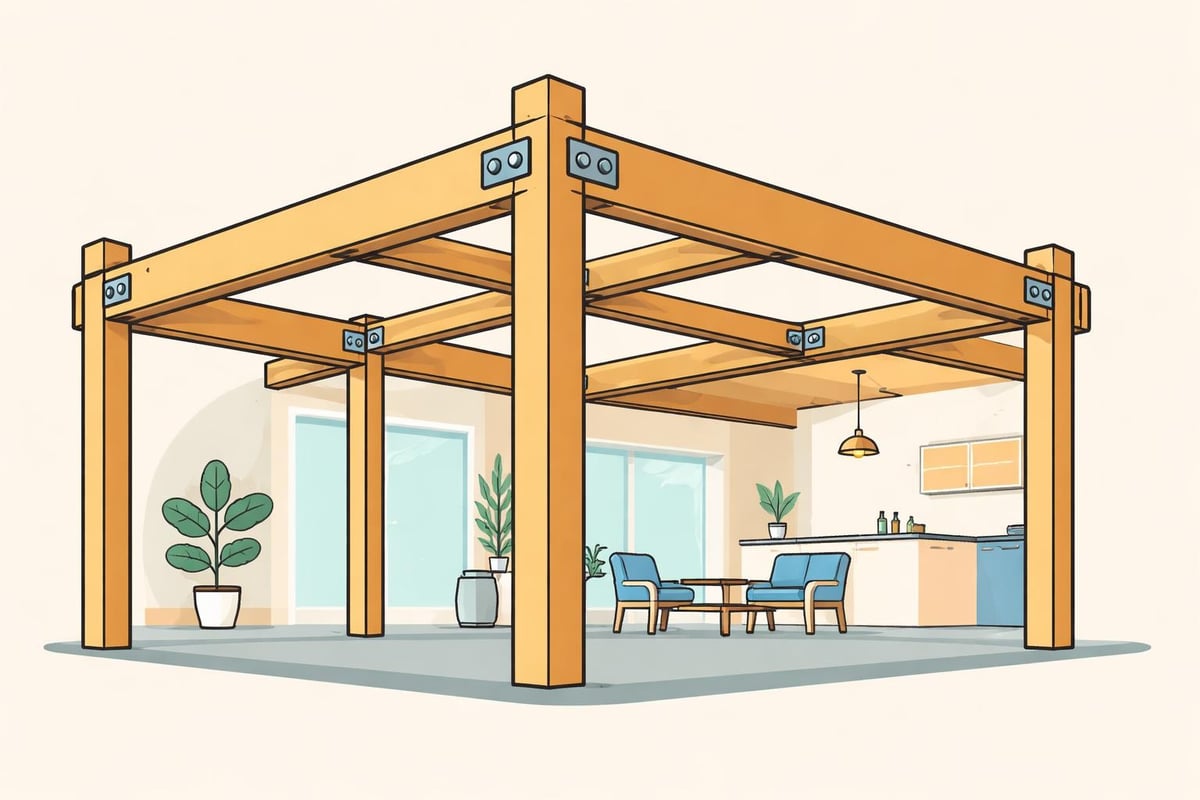
The structural principles behind post and beam construction remain remarkably simple yet profoundly effective. Large vertical timbers serve as posts, whilst substantial horizontal beams span between them to support floors and roofs. This skeletal framework carries all structural loads, eliminating the need for load-bearing interior walls.
Key structural advantages include:
- Enhanced stability through precision joinery
- Superior load distribution across the framework
- Reduced settling compared to conventional framing
- Longevity measured in centuries rather than decades
The beauty of this method lies in its elegant efficiency. Because the timber frame handles all structural requirements, interior spaces can be configured and reconfigured without compromising building integrity. This fundamental characteristic makes post and beam modern homes exceptionally suited to contemporary open-plan living arrangements.
Traditional Craftsmanship Meets Modern Design
Modern interpretations of timber frame construction maintain the essential structural principles whilst incorporating contemporary materials, technologies, and aesthetic preferences. Today's post and beam modern homes often feature floor-to-ceiling glazing, minimalist interiors, and innovative building envelope solutions that enhance energy efficiency.
The exposed timber framework itself becomes a defining architectural feature. Oak beams showcase natural grain patterns, knots, and character marks that provide visual warmth and textural contrast against clean, modern surfaces. Many homeowners choose to celebrate these structural elements rather than conceal them, creating interiors that feel both grounded and contemporary.
Design Flexibility and Spatial Freedom
One of the most compelling benefits of post and beam modern homes is the extraordinary design freedom they afford. Without reliance on load-bearing walls, interior layouts can be completely customised to suit individual requirements and lifestyle preferences.
Open-Plan Living Spaces
The structural independence of the timber frame enables genuinely open-plan living areas that flow seamlessly from one functional zone to another. Kitchen, dining, and living spaces can merge into single, expansive rooms filled with natural light and visual connection.
| Design Element | Traditional Construction | Post and Beam Modern Homes |
|---|---|---|
| Interior walls | Load-bearing, fixed | Non-structural, flexible |
| Room sizes | Limited by wall spacing | Unlimited within frame |
| Natural light | Restricted by structure | Maximised through glazing |
| Future modifications | Structurally complex | Straightforward alterations |
This architectural approach particularly suits contemporary family life, where boundaries between cooking, entertaining, and relaxing have become increasingly fluid. The timber frame structure supports these lifestyle preferences whilst maintaining structural excellence.
Bespoke Spatial Configurations
Post and beam modern homes accommodate highly individualised spatial arrangements. Whether creating double-height entrance halls, mezzanine study areas, or split-level living zones, the structural framework adapts to creative architectural vision rather than constraining it.
Popular spatial configurations include:
- Gallery spaces with cathedral ceilings
- Interior courtyards and atriums
- Cantilevered upper floors
- Integrated outdoor-indoor transitions
The versatility extends beyond initial construction. As families evolve and requirements change, interior layouts can be reconfigured without major structural intervention. This adaptability represents significant long-term value for homeowners.
Sustainability and Environmental Credentials
Environmental consciousness drives many decisions in 2026, and post and beam modern homes align exceptionally well with sustainable building priorities. Timber represents a renewable, carbon-sequestering building material that delivers excellent environmental performance throughout its lifecycle.
Carbon Sequestration and Material Sustainability
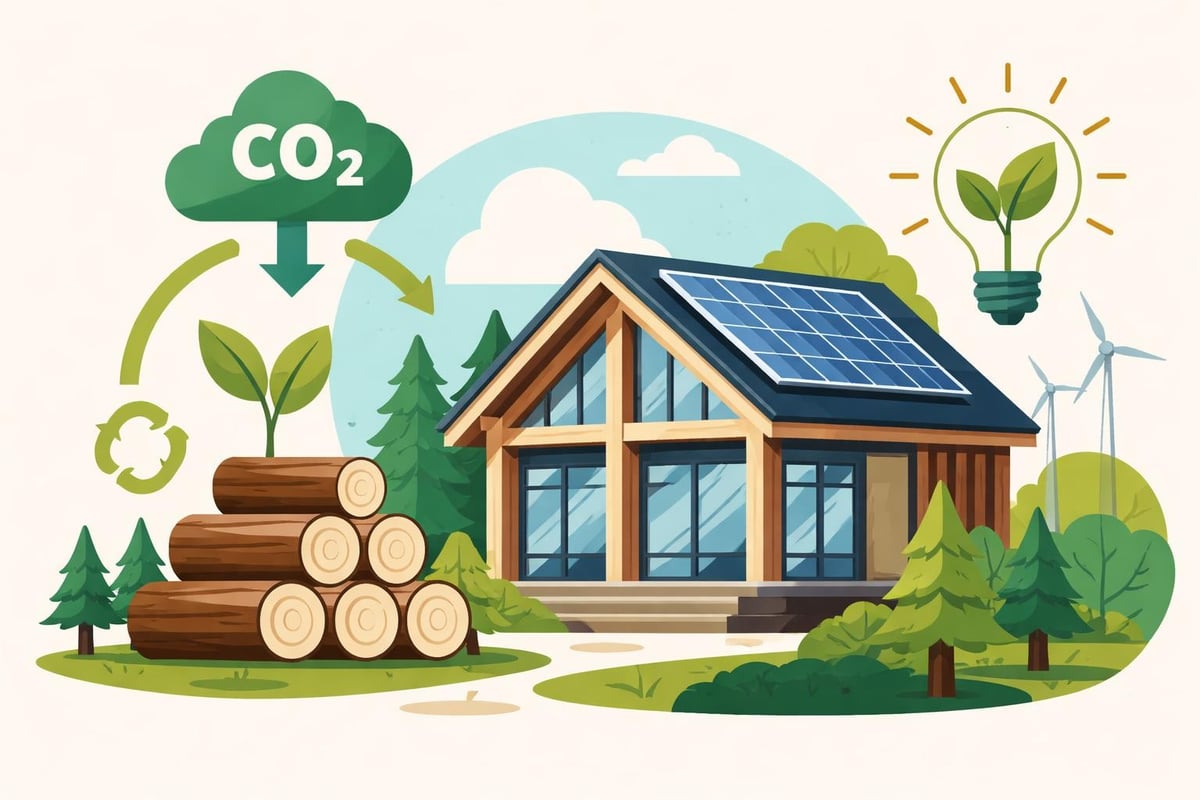
Oak timber used in post and beam construction continues storing carbon absorbed during the tree's growth, effectively locking carbon dioxide away for the building's entire lifespan. This contrasts sharply with high-embodied-energy materials like steel and concrete, which generate substantial emissions during manufacture.
Sustainably sourced timber comes from managed forests where new trees replace those harvested, creating a continuous carbon cycle. When working with specialists like those offering oak framing expertise, clients can ensure their timber originates from certified sustainable sources.
The longevity of properly constructed timber frame buildings further enhances their environmental credentials. Post and beam structures regularly survive for centuries, spreading their embodied energy across exceptionally long service lives.
Energy Efficiency and Thermal Performance
Modern post and beam homes incorporate advanced insulation strategies that deliver exceptional thermal performance. The structural framework accommodates substantial insulation depths within wall, floor, and roof assemblies, whilst thermal bridge-free construction details minimise heat loss.
Energy efficiency strategies include:
- High-performance insulation between structural members
- Airtight building envelopes with controlled ventilation
- Triple-glazed windows and thermally broken frames
- Renewable heating systems integrated seamlessly
- Passive solar design principles maximising natural gains
These approaches ensure post and beam modern homes meet or exceed current Building Regulations whilst providing comfortable, economical living environments. The combination of thermal mass from exposed timber and high-performance insulation creates stable interior temperatures year-round.
Aesthetic Appeal and Interior Ambience
The visual impact of exposed timber framing defines much of the appeal of post and beam modern homes. Substantial oak beams and posts create powerful architectural statements whilst infusing interiors with natural warmth and tactile richness.
Contemporary design often embraces the contrast between traditional timber craftsmanship and modern materials. Exposed oak frames pair beautifully with polished concrete floors, minimalist white walls, and sleek steel fixtures. This juxtaposition creates interiors that feel both timeless and thoroughly modern.
Natural light interacts dynamically with timber elements throughout the day, highlighting grain patterns and creating shifting shadow play across surfaces. The organic irregularities inherent in oak timber provide visual interest that manufactured materials simply cannot replicate.
Architectural Expression Through Joinery
Traditional joinery techniques used in post and beam construction become decorative features in their own right. Mortise and tenon joints, secured with oak pegs, demonstrate remarkable craftsmanship whilst telling the story of the building's construction.
| Joinery Type | Visual Character | Structural Function |
|---|---|---|
| Mortise and tenon | Clean, traditional | Primary beam connections |
| Dovetail joints | Decorative detail | Bracing and corner joints |
| Scarf joints | Continuous beams | Length extension for timbers |
| Oak pegs | Authentic accent | Joint securing and tensioning |
These visible construction details appeal to homeowners who value authenticity, craftsmanship, and connection to building traditions. Modern interpretations of post and beam home design celebrate rather than conceal these technical elements.
Planning and Building Considerations
Developing post and beam modern homes requires careful planning, skilled craftsmanship, and thorough understanding of UK building regulations. The journey from concept to completion involves several distinct phases, each critical to project success.
Design Development and Planning Permission
Initial design development establishes the overall architectural vision, spatial arrangement, and structural approach. Working with architects experienced in timber frame design ensures the building maximises the inherent advantages of post and beam construction whilst addressing site-specific opportunities and constraints.
Planning permission requirements depend on location, building size, and local planning policies. Post and beam modern homes often attract favourable consideration due to their high-quality materials, thoughtful design, and sustainable credentials. However, properties in conservation areas or Green Belt locations may face additional scrutiny.
Planning process steps:
- Site analysis and feasibility assessment
- Conceptual design development
- Detailed architectural drawings
- Planning application submission
- Building Regulations approval
- Construction documentation
Engaging specialists early ensures designs optimise the structural system whilst meeting all regulatory requirements. The expertise available through companies specialising in wooden frame construction proves invaluable during these critical planning stages.
Construction Process and Timeline
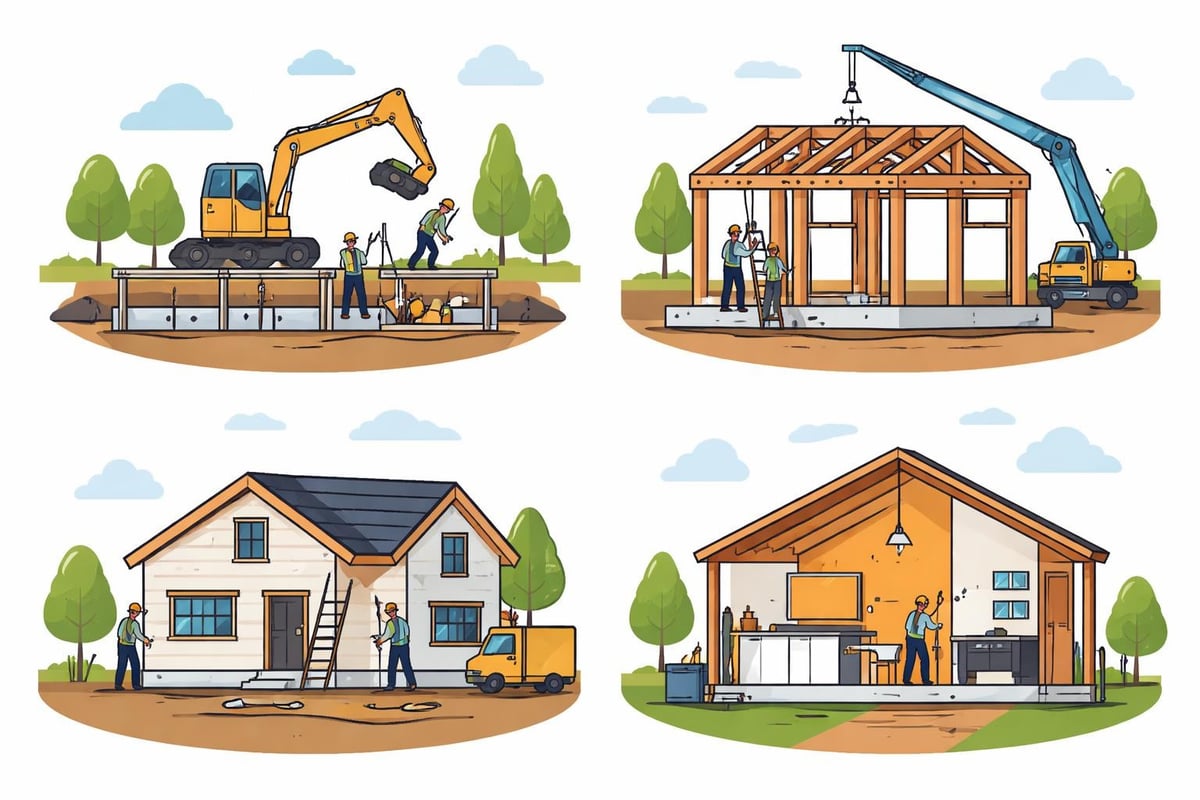
Post and beam construction follows a logical sequence that differs somewhat from conventional building methods. The timber frame itself can be prefabricated in controlled workshop conditions, ensuring exceptional accuracy and quality before delivery to site.
Frame erection represents an exciting milestone, as the building's essential form emerges rapidly. Skilled framers can raise substantial structures within days, creating weathertight shells ready for subsequent building envelope and interior fit-out work.
Cost Considerations and Investment Value
Understanding the financial aspects of post and beam modern homes helps prospective owners make informed decisions. Whilst initial construction costs may exceed conventional building methods, the long-term value proposition deserves careful consideration.
Construction Budget Factors
Several variables influence the overall cost of post and beam projects. Timber quality, frame complexity, building size, and specification standards all impact final budgets. Oak frames represent premium construction, reflecting the material quality, craftsmanship involved, and structural longevity delivered.
| Cost Factor | Impact Level | Considerations |
|---|---|---|
| Timber specification | High | Oak quality, dimensions, sourcing |
| Frame complexity | Medium-High | Joint types, design intricacy |
| Building size | High | Square footage, storey height |
| Finishes and fixtures | Variable | Personal specification choices |
| Site conditions | Medium | Access, ground conditions, services |
Transparent quotations from experienced timber framers provide clarity on costs early in the project. Companies like those offering timber frame expertise can provide detailed breakdowns that enable realistic budget planning.
Long-Term Value and Property Appeal
Post and beam modern homes typically command premium property values, reflecting their distinctive character, quality construction, and desirable living environments. The architectural uniqueness appeals to discerning buyers who appreciate craftsmanship and natural materials.
Durability represents another value consideration. Properly maintained oak frames survive for centuries, far exceeding the service life of conventional construction. This longevity translates to reduced lifetime costs and enhanced sustainability credentials.
The design flexibility inherent in post and beam construction also protects future value. As family needs evolve or property trends shift, interior layouts can be reconfigured relatively easily, maintaining the home's relevance and appeal over decades.
Integration with Modern Living Requirements
Post and beam modern homes must accommodate contemporary lifestyle expectations whilst celebrating traditional construction methods. This balance between heritage techniques and modern convenience defines successful projects.
Technology and Services Integration
Modern homes require extensive electrical, data, plumbing, and HVAC systems. The post and beam framework accommodates these services elegantly, with non-structural partition walls providing routes for cables and pipes without compromising the structural integrity.
Underfloor heating systems pair particularly well with timber frame construction, providing comfortable, efficient warmth without radiators interrupting clean architectural lines. The thermal mass of exposed timber helps moderate temperature fluctuations, working synergistically with modern heating systems.
Modern service integration includes:
- Concealed wiring within partition walls
- Underfloor heating in screed or suspended floors
- Mechanical ventilation with heat recovery
- Structured data cabling for connectivity
- Rainwater harvesting and greywater systems
Smart home technologies integrate seamlessly, with modern control systems managing lighting, heating, security, and entertainment without visual impact on traditional timber elements.
Outdoor-Indoor Living Connections
Contemporary lifestyle preferences increasingly emphasise connections between interior and exterior spaces. Post and beam modern homes facilitate these relationships through extensive glazing, covered terraces, and seamless floor level transitions.
The structural frame can extend beyond the building envelope to create covered outdoor areas, pergolas, and transitional spaces. These oak framed structures blur boundaries between inside and outside, expanding usable living areas whilst providing architectural cohesion.
As a brief aside, maintaining a sharp appearance extends beyond your home's architecture. OneSociety offers premium men's grooming products crafted from all-natural ingredients, providing sophisticated solutions for skin, hair, and beard care. Their carefully formulated range ensures you look as polished as your beautifully crafted home.
Regional Variations and Design Influences
Post and beam modern homes adapt beautifully to diverse architectural contexts across the UK. Regional building traditions, landscape characteristics, and local materials influence design expressions whilst maintaining core structural principles.
Contemporary British Interpretations
British post and beam modern homes often draw inspiration from traditional agricultural buildings, reinterpreting barn forms with contemporary materials and expanded glazing. This approach creates familiar silhouettes that sit comfortably in rural landscapes whilst delivering thoroughly modern living environments.
Urban contexts call for different design responses, with post and beam construction enabling narrow-plot development, roof extensions, and courtyard configurations that maximise limited footprints. The structural efficiency allows multi-storey construction without excessive wall thicknesses, preserving valuable floor area.
Coastal locations benefit from the inherent weather resistance of properly detailed timber frames. Oak's natural durability withstands challenging maritime environments, whilst modern protective treatments and building envelope technologies ensure longevity in exposed situations.
Regional design adaptations include:
- Agricultural vernacular reinterpretations in rural settings
- Contemporary urban infill on constrained sites
- Coastal resilience detailing for maritime locations
- Highland adaptations for extreme weather exposure
- Heritage-sensitive approaches in conservation areas
Working with designers who understand both traditional timber framing and regional architectural contexts ensures projects respond appropriately to their specific locations. Resources from publications like Architectural Digest and ArchDaily showcase international post and beam projects that inspire British interpretations.
Maintenance and Long-Term Care
Post and beam modern homes require thoughtful maintenance to preserve their beauty and structural integrity across generations. Understanding appropriate care protocols ensures these buildings deliver their full potential longevity.
Timber Care and Protection
External oak timbers gradually weather to attractive silver-grey patinas unless treated to maintain original colouration. This natural weathering process doesn't compromise structural integrity but represents aesthetic preference decisions for owners.
Internal exposed timber benefits from occasional cleaning and may receive oil treatments to enhance grain appearance and provide protection. The stable interior environment typically prevents significant movement or deterioration, with properly seasoned oak remaining dimensionally stable for centuries.
Maintenance schedule recommendations:
| Maintenance Task | Frequency | Purpose |
|---|---|---|
| Visual frame inspection | Annual | Identify any movement or damage |
| External timber treatment | 3-5 years | Maintain colour, weather protection |
| Internal timber cleaning | As needed | Remove dust, maintain appearance |
| Joint inspection | 5 years | Check peg tightness, joint condition |
| Building envelope check | Annual | Ensure weathertightness maintained |
Professional inspections every five years provide assurance that the structure continues performing optimally. Specialists familiar with timber frame construction can identify minor issues before they develop into significant concerns.
Building Envelope Performance
The building envelope surrounding the timber frame requires more regular attention than the structural framework itself. Glazing seals, roof coverings, and external cladding systems demand periodic inspection and maintenance to preserve weathertightness and thermal performance.
Modern materials used in building envelopes typically require less maintenance than traditional alternatives, though appropriate product selection during construction pays dividends for long-term durability. High-quality windows, properly detailed flashings, and durable cladding systems minimise ongoing maintenance requirements.
Customisation and Personal Expression
The bespoke nature of post and beam modern homes enables exceptional personalisation. From initial design concepts through construction details and interior finishes, every aspect can be tailored to individual preferences and requirements.
Architectural Customisation Options
Frame design itself offers numerous customisation opportunities. Timber dimensions, spacing patterns, and joinery complexity can be adjusted to create distinctive architectural expressions. Some owners prefer bold, chunky timbers making powerful statements, whilst others favour more refined proportions creating subtle elegance.
Ceiling configurations demonstrate the customisation potential inherent in post and beam construction. Cathedral ceilings, exposed rafters, coffered treatments, and flat ceilings with concealed structure each create different spatial characters and visual impacts.
Customisation dimensions include:
- Timber sizing and proportions
- Joinery style and complexity
- Ceiling and roof configurations
- Glazing extent and positioning
- Cladding materials and patterns
- Interior finish selections
Working with experienced designers and craftsmen ensures these customisation choices create cohesive, well-resolved buildings. The portfolio of work from specialists like those at Acorn to Oak Framing demonstrates the remarkable diversity achievable within post and beam construction.
Interior Design Integration
Interior design for post and beam modern homes balances celebration of structural timber with contemporary furnishing and decoration. The exposed framework provides strong architectural character that influences but doesn't dictate interior styling choices.
Minimalist approaches allow timber beauty to dominate, with restrained colour palettes, simple furnishings, and careful material selections creating serene environments. Alternatively, richer decorative schemes can embrace the warmth of oak timbers, layering textures, patterns, and colours for more maximalist expressions.
Platforms like Houzz and Dwell offer extensive inspiration for interior design approaches that complement timber frame architecture, showcasing diverse styling directions from Scandinavian minimalism to contemporary farmhouse aesthetics.
Specialist Expertise and Project Partners
Successfully delivering post and beam modern homes requires assembling skilled project teams with appropriate expertise. The specialist nature of timber frame construction means partner selection significantly impacts project outcomes.
Choosing Timber Frame Specialists
Established timber framing companies bring invaluable experience in frame design, timber selection, joinery techniques, and construction methodologies. Their expertise ensures frames are engineered appropriately, detailed correctly, and constructed to exacting standards.
Visiting completed projects and speaking with previous clients provides insight into a company's capabilities and working methods. Established reputations, professional certifications, and demonstrated expertise in post and beam framing offer assurance of quality outcomes.
Collaborative Design Process
The most successful projects emerge from collaborative processes where architects, timber frame specialists, and clients work together from early concept stages. This integration ensures designs fully exploit timber frame advantages whilst remaining buildable, compliant with regulations, and aligned with client aspirations.
Regular design reviews and clear communication protocols prevent misunderstandings and ensure all parties remain aligned throughout project development. The complexity of coordinating traditional craftsmanship with modern building systems demands this integrated approach.
Post and beam modern homes represent an exceptional synthesis of time-honoured building traditions and contemporary architectural thinking, delivering distinctive living spaces that combine beauty, functionality, and sustainability. Whether you're contemplating a new build project or exploring renovation possibilities, the expertise and craftsmanship available through Acorn to Oak Framing ensures your timber frame vision becomes reality with exceptional quality, attention to detail, and lasting value. Their specialist knowledge of oak framing, combined with dedication to traditional joinery techniques and modern building performance, creates homes that will be cherished for generations.


